This One Pruning Change Helps Pennsylvania Crape Myrtles Bloom Like Crazy

Crape myrtles are a summer favorite in Pennsylvania gardens, known for their vibrant blooms and sturdy branches.
But if you’ve ever wondered how to get your crape myrtle to bloom like crazy, the secret might be simpler than you think. The trick is all about pruning, and the right timing can make all the difference.
Pruning in early spring, just before the growing season kicks off, is a game-changer for these beauties. While crape myrtles are known for being pretty low-maintenance, giving them a little attention at the start of spring encourages more blooms and better structure.
By cutting back the old, dry wood and shaping the tree, you’re allowing more energy to go into new growth and flowers, instead of wasted space.
This small, but effective change could lead to your crape myrtle being the talk of the neighborhood, putting on a stunning display of color all summer long!
Why Pruning Crape Myrtles Is Crucial For Stunning Blooms?
Crape myrtles are some of the most eye-catching trees you can grow in Pennsylvania. Every summer, they explode with clusters of bright flowers in shades of pink, red, purple, and white.
Homeowners across Pennsylvania love them for their bold color and low-maintenance reputation.
But here is something many people do not realize: without proper pruning, crape myrtles can become overgrown, bushy messes that produce far fewer blooms than they should.
The branches compete for energy, and the tree ends up putting more effort into growing wood than producing flowers.
That is a real shame when you consider how spectacular a well-pruned crape myrtle can look.
Pruning is not just about keeping the tree looking neat. It is a powerful tool that shapes how the plant grows and blooms.
When you remove the right branches at the right time, you redirect the tree’s energy toward producing more flower buds. More buds mean more blooms, and more blooms mean a showstopping display all summer long.
Pennsylvania gardeners have an added reason to pay attention to pruning. The state’s climate brings cold winters and warm summers, which means crape myrtles need a little extra care to bounce back strong each year.
A good pruning routine helps the tree recover from winter, encourages fresh new growth, and sets the stage for a truly spectacular blooming season. Getting your pruning right is the single most impactful thing you can do for these beautiful trees.
The One Key Pruning Change: Prune In Late Winter Or Early Spring
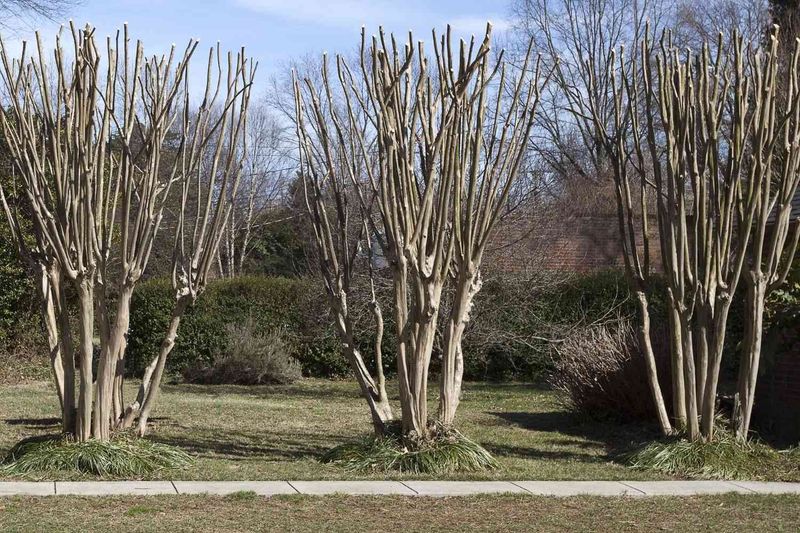
Timing is everything when it comes to pruning crape myrtles in Pennsylvania. The single most important change you can make is to prune in late winter or early spring, typically from late February through early March, before any new growth begins to appear on the branches.
Many gardeners in Pennsylvania make the mistake of waiting too long or pruning at random times throughout the year. Pruning during dormancy is the smartest move because the tree has not yet woken up for the season.
When you cut back branches before new buds form, the tree can heal quickly and channel all of its stored energy into producing vigorous new growth once warm weather arrives.
Late winter pruning also allows you to see the tree’s structure clearly. Without leaves in the way, spotting dry wood, crossing branches, or weak stems is much easier. You can make clean, precise cuts that improve the tree’s shape and health at the same time.
Another big benefit of late winter pruning is that it removes old seed pods and spent flower clusters from the previous season. Those leftovers can weigh down branches and slow new growth.
Clearing them out gives the tree a fresh start. In Pennsylvania, where spring comes a little later than in southern states, waiting until late February or early March ensures you are not pruning too early during a surprise cold snap.
Getting this timing right is truly the one key change that transforms how your crape myrtles perform all summer long.
Why Avoid Pruning Too Late In The Season?
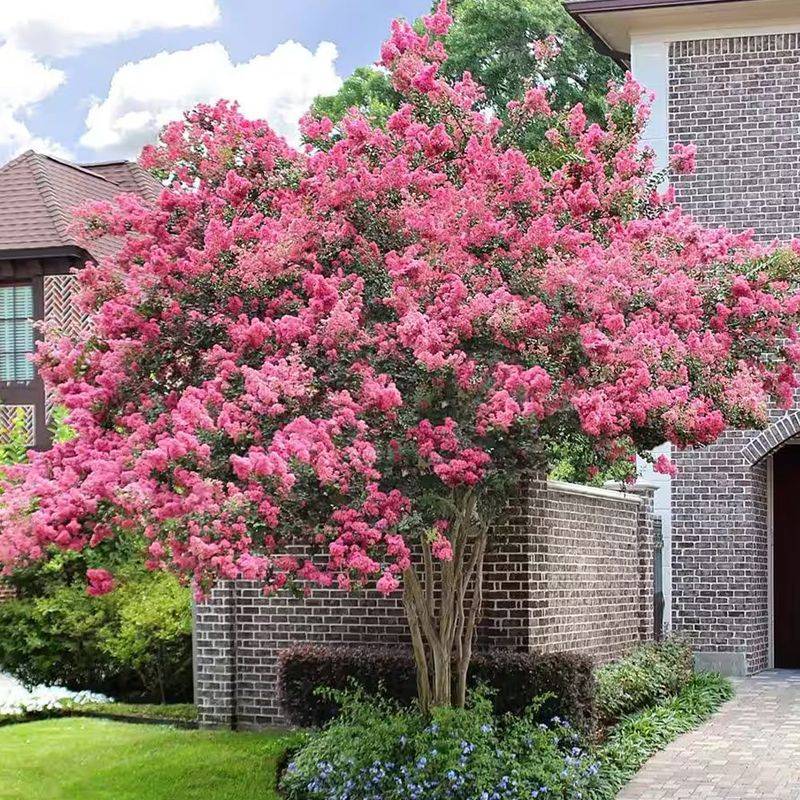
Pruning at the wrong time can seriously set back your crape myrtles. Once late spring rolls around in Pennsylvania, flower buds have already started forming on the tips of new branches.
If you pick up your pruning shears at that point, you are literally cutting off the flowers before they ever get a chance to open.
Many Pennsylvania gardeners do not connect late pruning with a disappointing bloom season. They prune in May or June thinking they are tidying things up, then wonder why their crape myrtles look sparse all summer.
The answer is simple: those flower buds were already there, and the pruning removed them.
Pruning too late also stresses the tree. When a crape myrtle is actively growing and pushing out new leaves and buds, cutting it back forces it to spend extra energy recovering instead of blooming.
That recovery process can delay flowering by weeks or even reduce the total number of blooms significantly throughout the season.
There is also the issue of disease. Fresh cuts made during warm, humid Pennsylvania summers can invite fungal problems and other issues that would not be a concern during the cooler dormant season.
Open wounds heal more slowly in active growth periods, leaving the tree vulnerable longer.
The safest rule to follow is simple: once you see green buds forming on your crape myrtle branches, put the pruning tools away. Your window for effective pruning has closed for the year.
Respect that window, and your Pennsylvania crape myrtles will reward you with a full, breathtaking bloom display every single summer.
How To Properly Prune Crape Myrtles For Maximum Blooms?
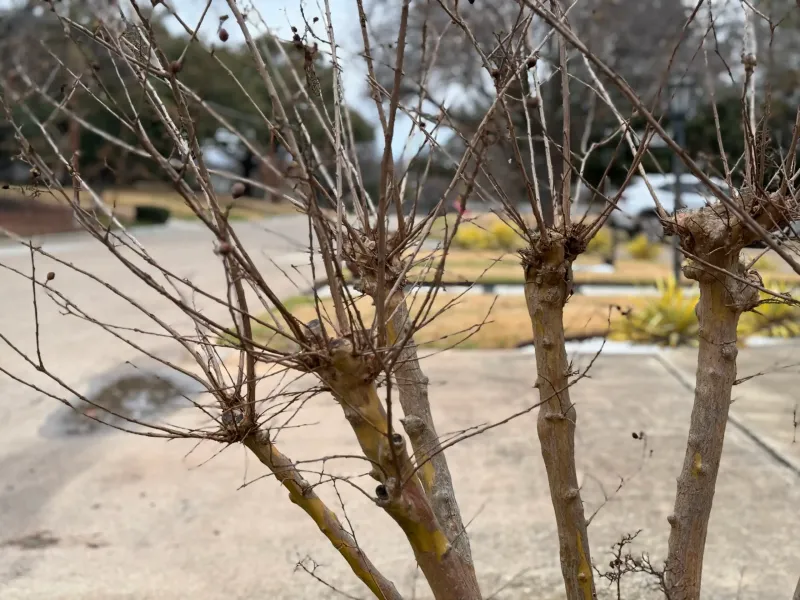
Knowing when to prune is important, but knowing how to prune correctly is just as critical for Pennsylvania gardeners. Proper technique makes the difference between a crape myrtle that thrives and one that just survives.
Start at the base of the tree. Remove any suckers, which are small shoots sprouting up from the roots or base of the trunk.
Suckers steal energy from the main tree and clutter its appearance. Snapping or cutting them off cleanly at their base is the first step toward a healthier, better-blooming plant.
Next, look at the interior of the canopy. Remove any branches that are crossing or rubbing against each other.
Also cut out small twiggy growth that points inward toward the center of the tree. Thinning the interior allows sunlight and air to reach all parts of the tree, which is a huge boost for bloom production.
When cutting back older stems, always prune to a healthy bud or lateral branch. Never leave a stub sticking out, as stubs can become entry points for disease.
Make clean, angled cuts just above a bud to encourage strong new growth to sprout in the right direction.
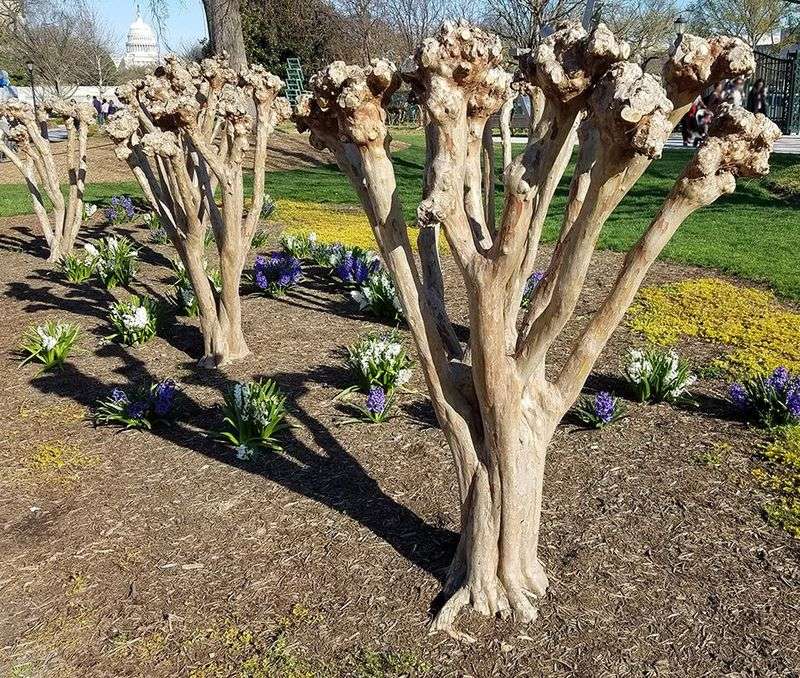
One technique worth knowing is avoiding what gardeners call crape murder, which is the practice of topping or severely cutting back large portions of the tree. This weakens the tree and leads to ugly, knobbly regrowth with fewer blooms.
Instead, focus on selective, thoughtful cuts that preserve the tree’s natural shape. In Pennsylvania’s climate, this careful approach helps your crape myrtles build strong structure and produce maximum blooms year after year.
How Pruning Influences Crape Myrtle Growth And Blooming
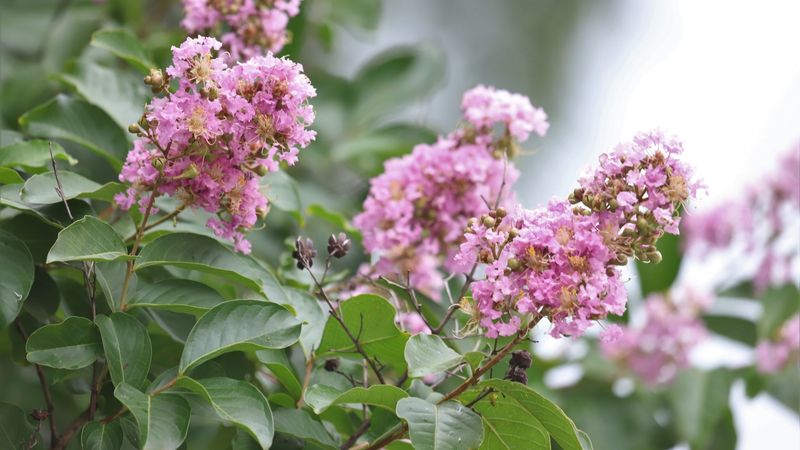
Ever wonder why a well-pruned crape myrtle seems to bloom twice as heavily as a neglected one? The science behind it is actually pretty fascinating, and once you understand it, you will never skip your pruning routine again.
When you remove older wood and dry branches in late winter, the tree responds by pushing out new growth from lateral buds along the remaining branches. Each of those lateral branches has the potential to produce a flower cluster at its tip.
More lateral branches equal more flower clusters, which means a much fuller, more colorful display across your entire Pennsylvania yard.
Pruning also plays a big role in air circulation. Crape myrtles are somewhat prone to powdery mildew, a fungal problem that thrives in humid, stagnant conditions.
Pennsylvania summers can be warm and muggy, creating the perfect environment for mildew to spread.
When you thin out crowded branches, air moves more freely through the canopy, keeping leaves and stems drier and much less likely to develop that chalky white coating.
Better air circulation also means more sunlight reaches the inner branches of the tree. Sunlight is fuel for flower production.
Branches that receive good light produce stronger, more vibrant blooms than those shaded by overcrowded growth above them.
Consistent pruning year after year also builds a stronger overall tree structure. Branches become sturdier, the canopy develops a more attractive natural shape, and the root system can better support vigorous seasonal growth.
For Pennsylvania gardeners, making pruning a regular late-winter habit is one of the smartest investments you can make in your landscape’s long-term beauty.
Pruning For Healthier, More Vibrant Crape Myrtles
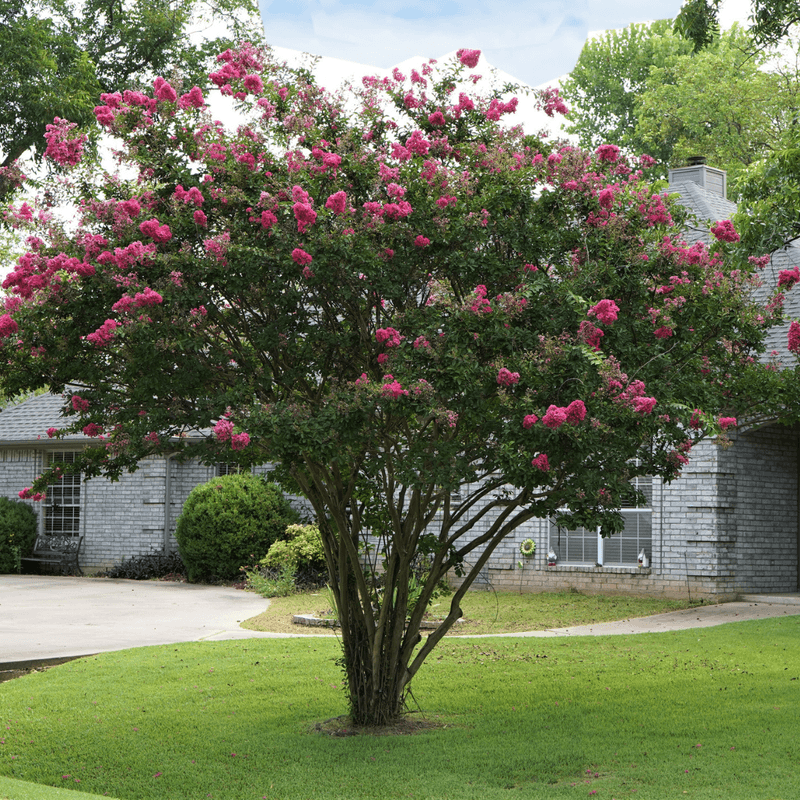
All of the advice above points to one simple truth: consistent, well-timed pruning is the secret to growing crape myrtles that look absolutely spectacular in Pennsylvania.
When you commit to pruning in late winter every year, you give your trees the best possible foundation for a healthy, bloom-packed summer season.
Think of late winter pruning as a gift you give your crape myrtle before the growing season begins. You are clearing out the old, making room for the new, and setting the tree up for success.
Pennsylvania winters can be tough on these plants, so starting the season with a clean, well-shaped tree gives it a real head start once warmer temperatures arrive.
Staying consistent with your pruning schedule year after year builds on itself. Each season, the tree develops stronger lateral branches, a more balanced canopy, and a better ability to channel energy into flower production.
Skipping a year here and there allows old wood to build up, which gradually reduces blooming and makes future pruning sessions more difficult.
Keep your pruning tools clean and sharp. Dull blades crush rather than cut, leaving ragged wounds that heal slowly and invite disease.
A quick wipe with rubbing alcohol between cuts helps prevent spreading any potential issues from one branch to another.
Pennsylvania gardeners who follow a simple late-winter pruning routine consistently report fuller, more vibrant crape myrtles that draw compliments from neighbors all summer long. The effort is minimal, but the results are truly dramatic.
Stick with it, and your crape myrtles will reward you with brilliant blooms for many years to come.