This One Step Helps California Citrus Trees Thrive This Season
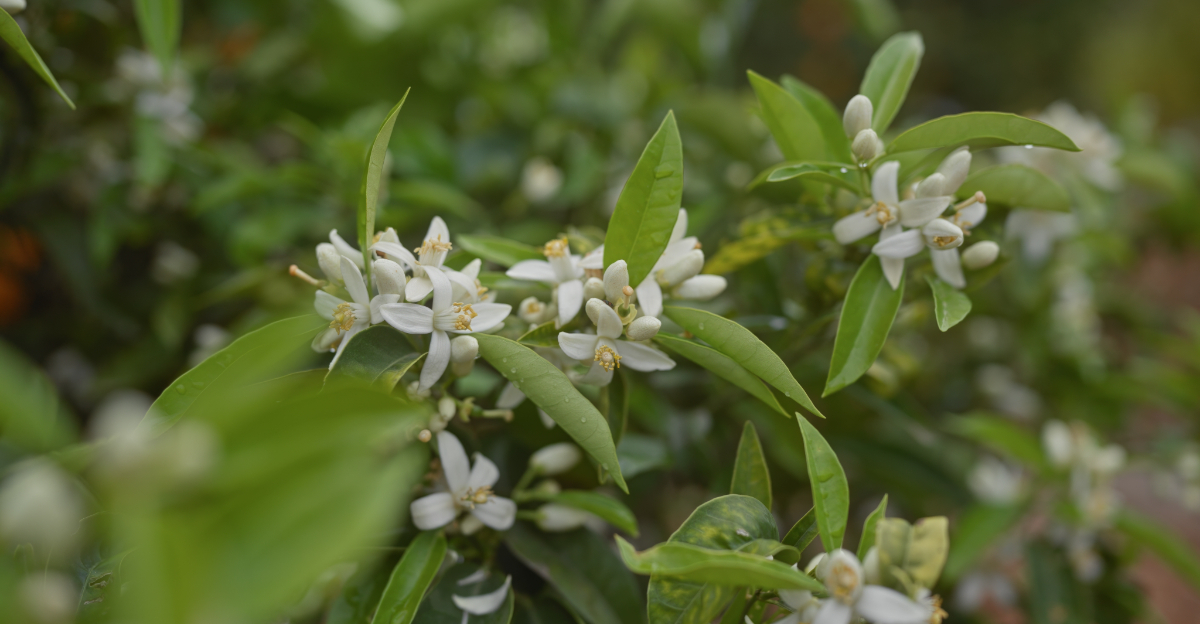
California citrus trees don’t ask for much, but one simple step can make a huge difference in how they grow and produce this season. As spring kicks in, these trees are gearing up for fresh growth, blossoms, and eventually fruit.
Skip this step, and you might end up with weak growth, fewer blooms, and disappointing harvests.
Fertilizing at the right time gives citrus exactly what they need when they need it most. It fuels strong leaves, supports flower development, and helps trees hold onto developing fruit instead of dropping it early.
You’ll notice the difference in both the look of the tree and the quality of what it produces. It doesn’t take much effort, but timing and consistency matter.
Get this right and your citrus trees will reward you with healthier growth and a far more productive season ahead.
1. Time Your Spring Feeding
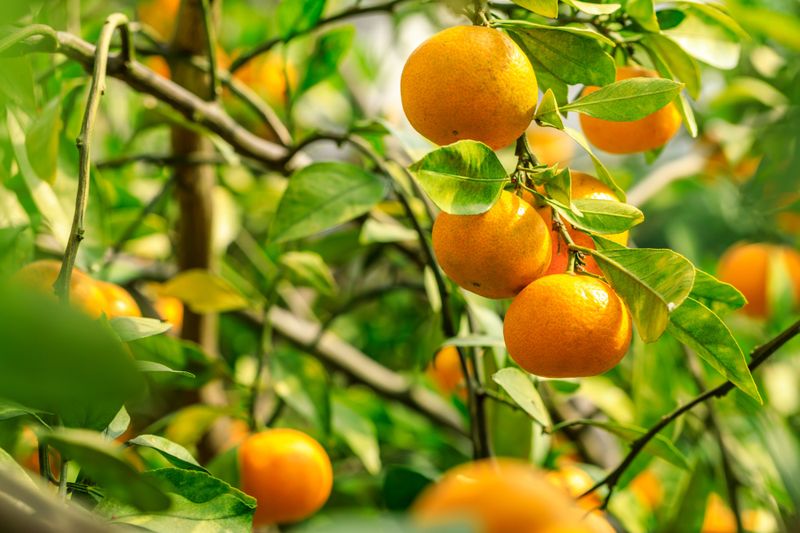
Spring is a big deal for citrus trees in California. As soil temperatures start to warm up in February, your trees wake up from their slower winter phase and begin pushing out new growth.
That is exactly when they need a boost of nutrients to keep up with all that energy.
Timing your feeding right makes a real difference. Apply your first round of fertilizer in early spring, around February, to give the roots something to work with as growth picks up.
A second feeding in May, just before the summer heat sets in, helps the tree keep going strong through fruit development. Then a third round in August prepares the tree for the cooler months ahead.
Skipping the early spring feeding is one of the most common mistakes California citrus growers make. The tree might still grow, but it will not reach its full potential.
Think of spring feeding like a good breakfast before a long day. Without it, everything runs slower.
Sticking to a consistent feeding schedule each year builds a healthier, more productive tree over time. California’s warm climate gives citrus a long growing season, so taking advantage of that window from the very beginning sets your tree up for a strong and fruitful year ahead.
2. Choose A Citrus Fertilizer
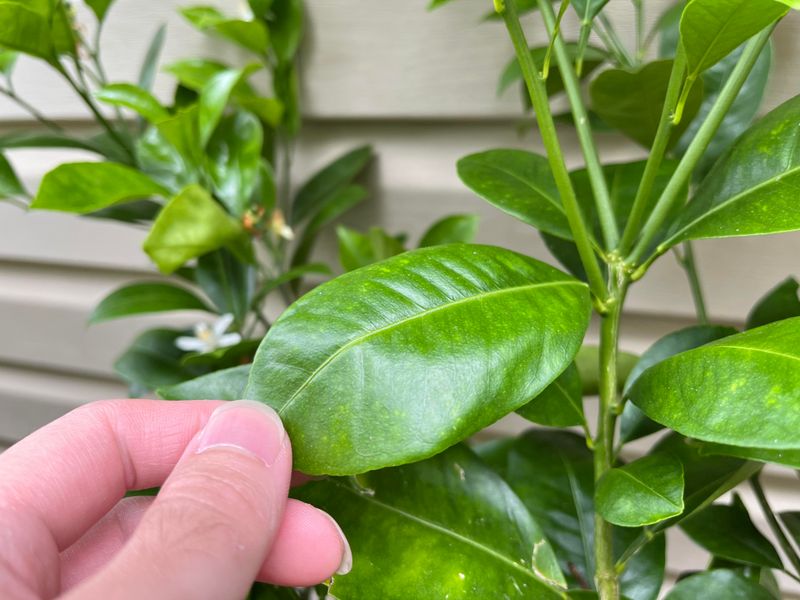
Not all fertilizers are the same, and citrus trees are a little picky about what they like. A fertilizer made specifically for citrus is always your safest bet.
These blends are designed to match exactly what lemon, orange, and grapefruit trees need to grow well in California’s unique climate.
Look for a fertilizer with a higher nitrogen content. A 7-3-3 NPK ratio, which stands for nitrogen, phosphorus, and potassium, is a popular and effective choice for citrus.
Nitrogen is the nutrient that drives leafy, green growth and supports a healthy canopy. Without enough of it, leaves can turn pale yellow and fruit production drops.
You can find citrus-specific fertilizers at most garden centers across California, from small local nurseries to big-box stores. They come in granular, liquid, and slow-release forms.
Granular options are easy to spread and work well for in-ground trees. Slow-release fertilizers are great if you want a lower-maintenance approach since they feed the tree gradually over several weeks.
Liquid fertilizers act faster and are handy for container-grown citrus on patios or balconies. Whichever type you pick, always read the label carefully and follow the directions.
Using a product made for citrus takes out a lot of the guesswork and helps you avoid common nutrient imbalances.
3. Look For New Growth
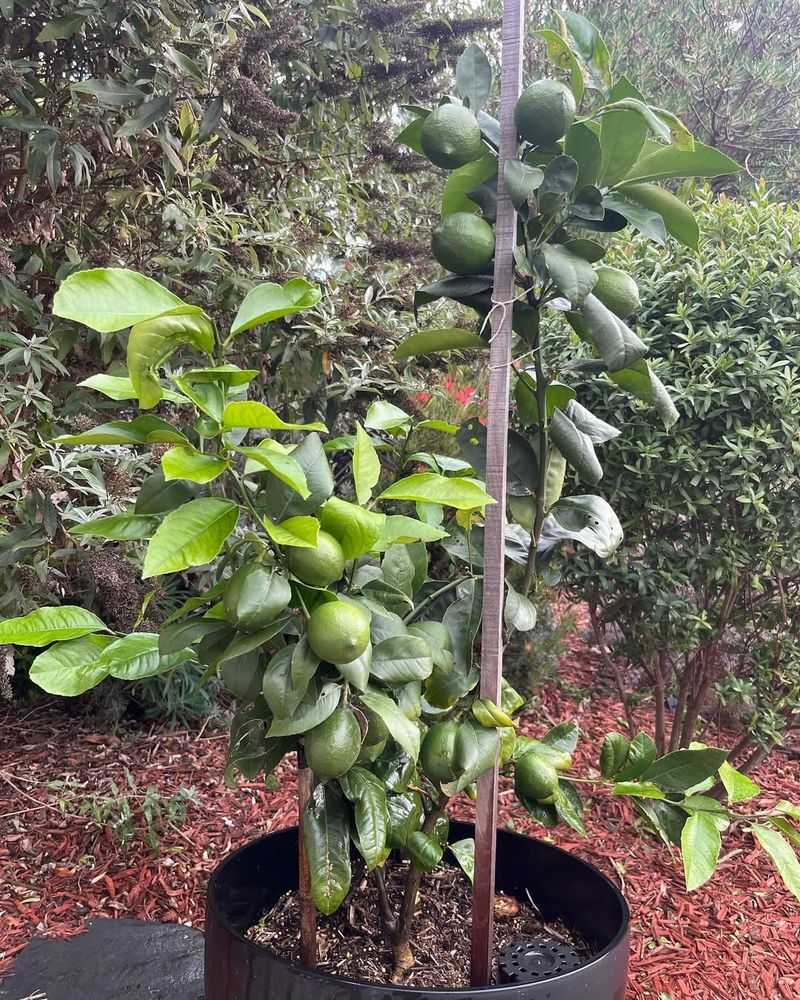
Your citrus tree talks to you, and new growth is one of the clearest signals it sends. When you start seeing fresh, bright green shoots popping out along the branches, that is the tree telling you it is ready to eat.
Feeding it at this moment gives those young shoots the fuel they need to develop properly.
New growth usually appears in early spring across most of California, though the exact timing can shift depending on whether you are in a coastal area like San Diego or a warmer inland spot like Fresno. Trees in warmer inland zones often wake up a little earlier in the season.
Watching your own tree closely is more reliable than following a strict calendar.
If you feed too early, before any growth appears, the nutrients may wash away before the tree can use them. If you wait too long, you miss the window when the tree needs support most.
The sweet spot is right when those first new leaves start to unfurl. It is a small detail, but it has a real impact on how well the tree performs through the rest of the season.
Checking your tree every few days in late winter and early spring makes it easy to catch that moment before it passes. A quick walk through your California yard can tell you everything you need to know.
4. Apply The Right Amount
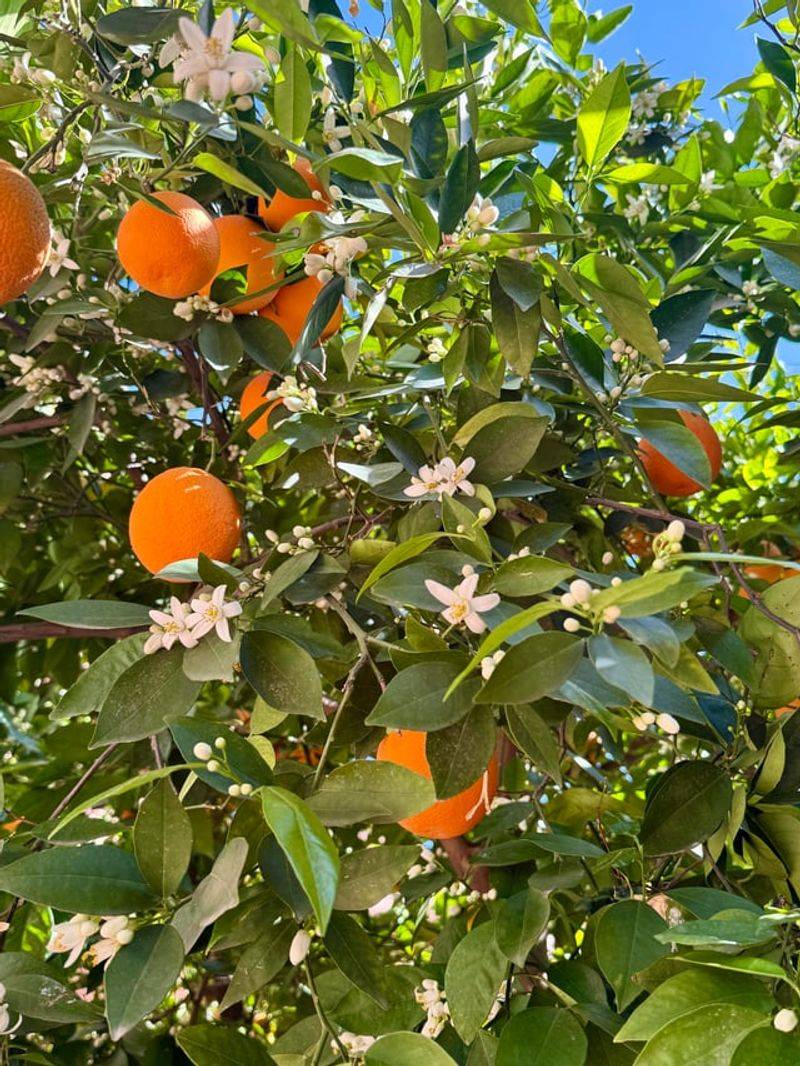
More fertilizer does not mean better results. In fact, using too much can actually stress your citrus tree and cause more harm than good.
Getting the amount right is just as important as choosing the right product in the first place.
Most citrus fertilizer packages give you specific instructions based on the size or age of the tree. A young tree that is just getting established needs far less than a mature orange or lemon tree that has been growing in your California yard for several years.
A general rule of thumb is to use about one pound of actual nitrogen per year for every inch of trunk diameter, but always check your specific product label for guidance.
Spread the fertilizer evenly and measure it out before you apply. Guessing can lead to over-application in some spots and under-feeding in others.
Uneven feeding creates uneven growth, which is not ideal for fruit production. Using a simple measuring cup or a small kitchen scale takes just a minute and makes a big difference in accuracy.
Some gardeners like to divide their total seasonal amount into three equal applications spread across the year. That approach keeps nutrient levels steady without overwhelming the tree all at once.
Consistency and precision are your best tools when it comes to getting the application amount just right for your California citrus trees this season.
5. Water After Feeding
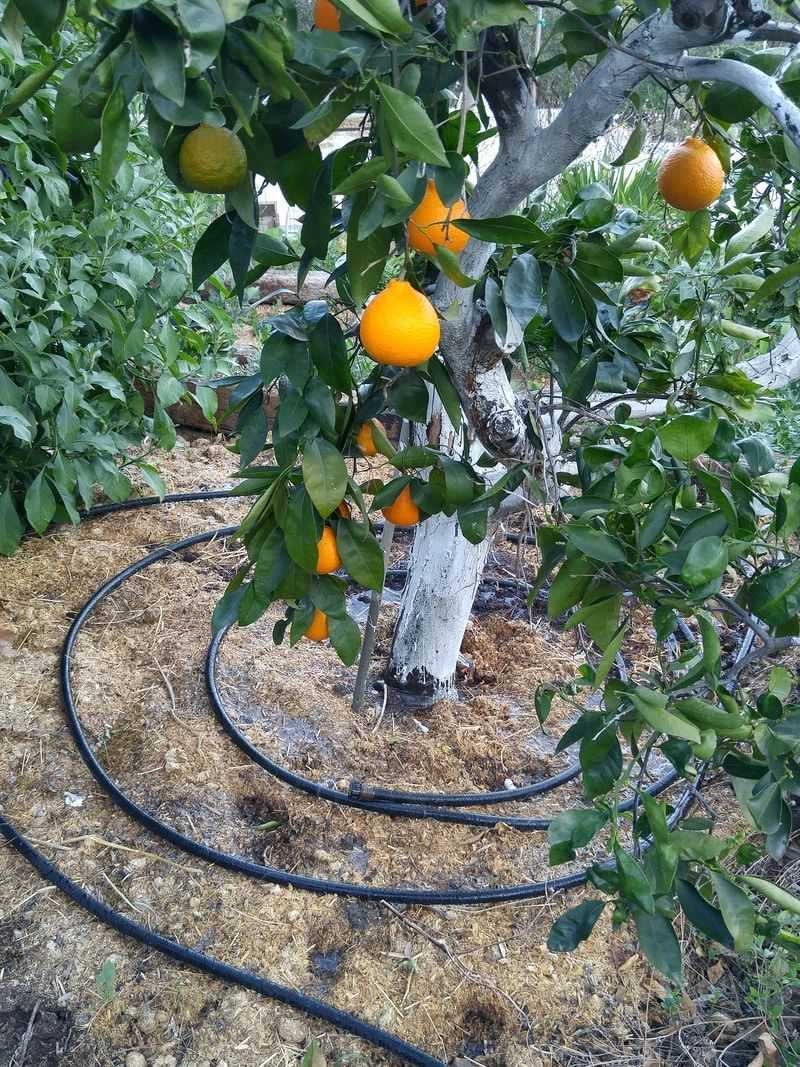
Fertilizer sitting dry on top of the soil does not do much for your tree. Water is what activates it and carries the nutrients down into the root zone where the tree can actually absorb them.
Watering right after you fertilize is a step you should never skip.
Give the area around your citrus tree a deep, thorough watering immediately after applying fertilizer. This helps the granules dissolve and pushes the nutrients into the soil.
A light sprinkle is not enough. You want the water to soak down several inches so it reaches the active roots.
In California’s warm and often dry climate, the soil can dry out quickly, so a good deep watering session makes all the difference.
Drip irrigation systems work really well for this purpose because they deliver water slowly and evenly right where it is needed. If you are hand watering, let the hose run at a slow, steady flow for several minutes to make sure the soil is thoroughly soaked.
Avoid high-pressure watering that might splash fertilizer onto the trunk or wash it away from the root zone entirely. Also, do not fertilize right before a heavy rainstorm since that can flush nutrients out of the soil before they are absorbed.
A calm, sunny California day is the perfect time to feed and water your citrus trees together.
6. Feed The Root Zone
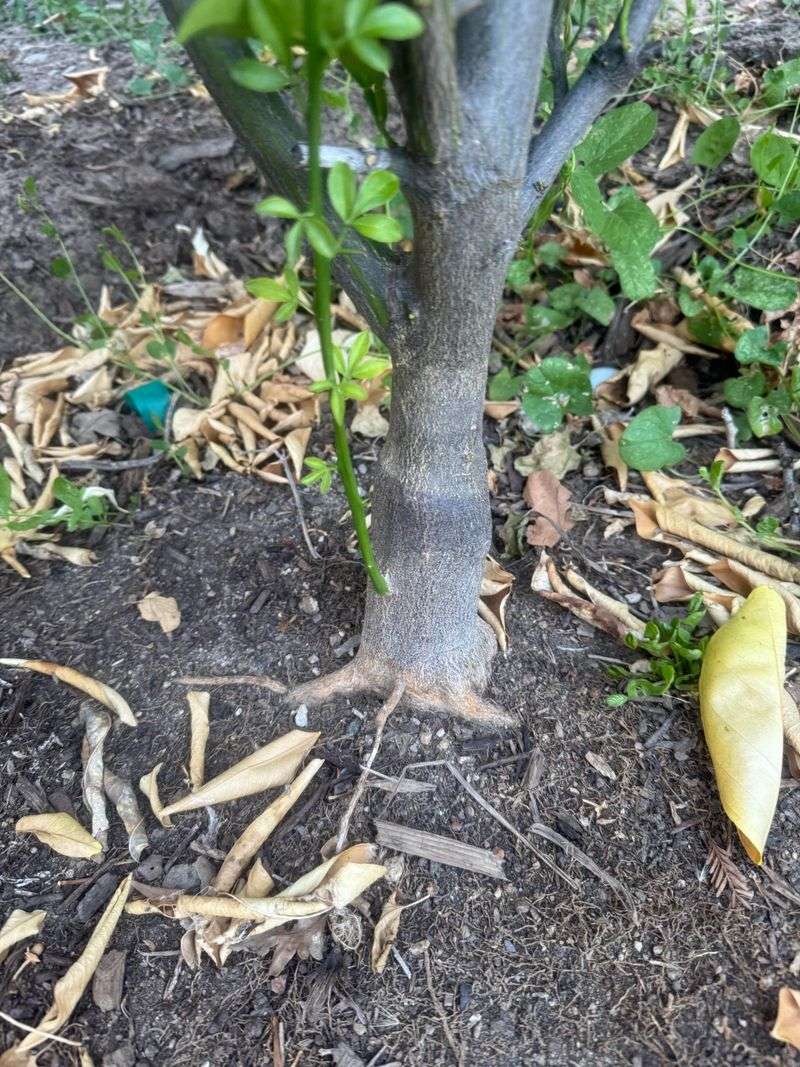
Here is something a lot of first-time citrus growers get wrong: they dump fertilizer right next to the trunk. The problem is that the trunk is not where the tree absorbs nutrients.
The roots that do most of the feeding spread out wide, often reaching as far as the branches do.
The spot to target is called the drip line, which is the outer edge of the tree’s canopy. If you stand under the tree and look up, the drip line is roughly where the branch tips end.
That circle around the tree is where the feeder roots are most active. Spreading fertilizer evenly in that zone gives the roots the best chance to take up what they need.
Avoid piling fertilizer directly against the trunk. Doing so can irritate the bark and invite problems you do not want to deal with.
Keep a few inches of clear space between the trunk and where you start spreading. For large, mature citrus trees common in California’s residential neighborhoods, the drip line can extend quite far from the trunk, so walk the full circle as you apply.
Taking a few extra minutes to spread the fertilizer properly across the entire root zone makes your feeding session far more effective than rushing through it. Your tree will reward that extra care with stronger growth and better fruit this season.
7. Avoid Overfertilizing
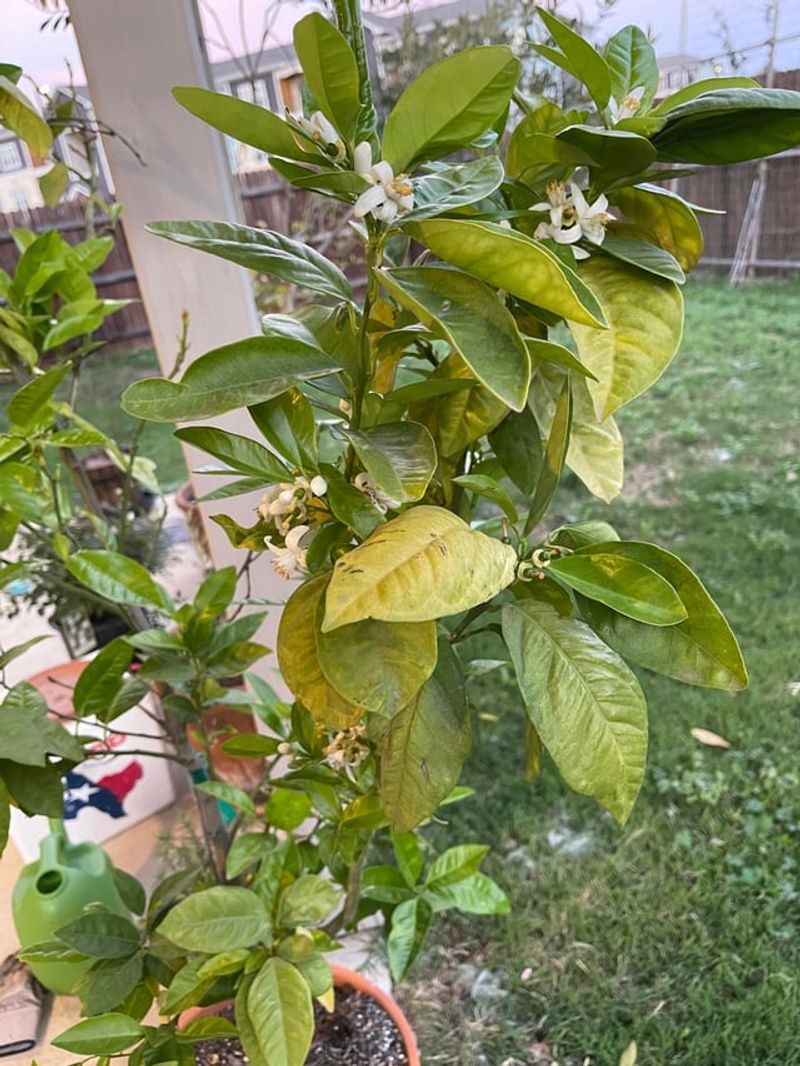
Overfertilizing is one of those mistakes that sneaks up on you. It seems like giving your tree more nutrients would help it grow faster, but the opposite is usually true.
Too much fertilizer can burn the roots, cause leaves to drop, and actually reduce fruit production instead of boosting it.
One of the most obvious signs of overfertilization is a sudden flush of lots of leafy growth with very little fruit. The tree puts all its energy into leaves instead of producing the oranges, lemons, or grapefruits you were hoping for.
You might also notice leaf tips turning brown or the edges looking scorched, which is a classic sign that salt buildup from excess fertilizer is stressing the roots.
Sticking to the recommended feeding schedule of three times per year, in February, May, and August, is one of the best ways to avoid this problem in California. Do not add extra applications just because you want faster results.
If you are unsure whether your tree needs feeding, a simple soil test can tell you exactly what nutrients are present and what might be missing. Garden centers across California often carry affordable soil test kits that are easy to use at home.
Trust the process, follow the label, and let your tree grow at its own healthy pace. Patience really does pay off when it comes to citrus care.