This Outdoor Detail Is Quietly Reshaping Oregon Yard Design
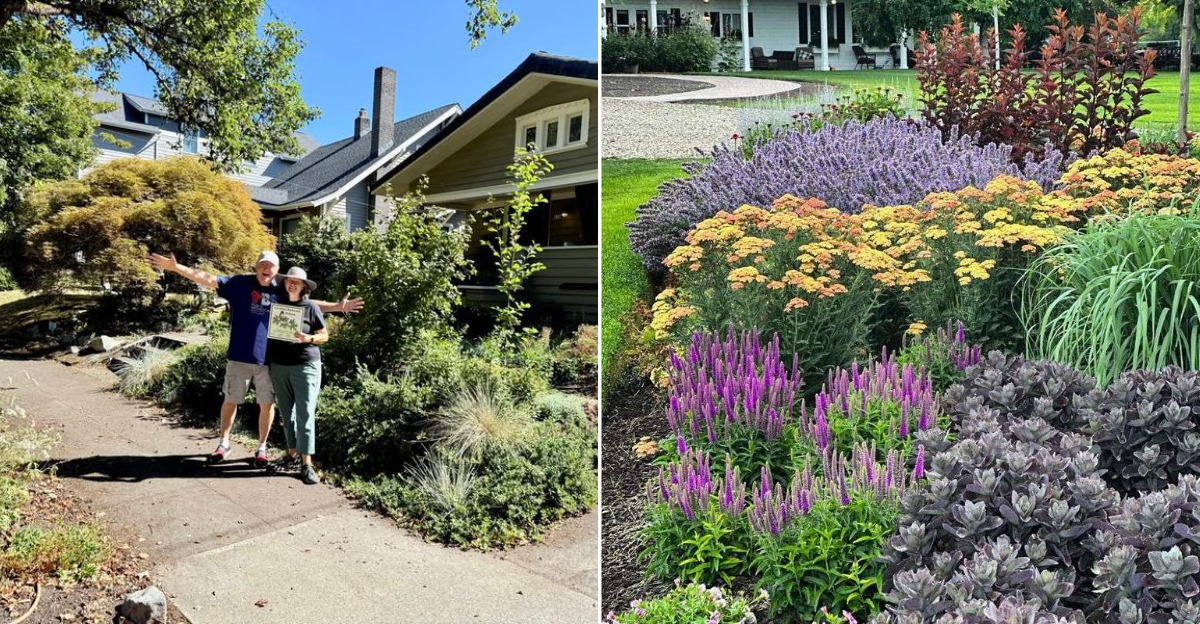
Walk through an Oregon neighborhood lately and you might notice something different, even if you can’t quite put your finger on it. Lawns don’t stretch as wide as they used to.
Plant beds look a little wilder, more layered, and somehow more at home in the landscape. It’s a subtle shift, not a trend that announces itself, but once you see it, it’s hard to miss.
This change isn’t about flashy features or complicated designs. It’s about working with what already belongs here.
Native plant gardens are quietly reshaping how Oregon yards are designed, bringing landscapes closer to the rhythms of the region itself. These gardens feel natural, practical, and surprisingly intentional, even when they look relaxed.
For many homeowners, the appeal is simple. Plants that evolved here tend to handle local weather better, need less water once established, and fit naturally into the surrounding environment.
They also bring back something many yards have been missing, movement, seasonal interest, and a sense of place.
If you’ve ever wanted a yard that feels easier to care for and more connected to Oregon’s landscape, this shift might explain what’s catching your eye. Native plant gardens aren’t loud or trendy, but they’re steadily changing what “good design” looks like across the state.
1. Why Oregon Yards Are Starting To Look Different
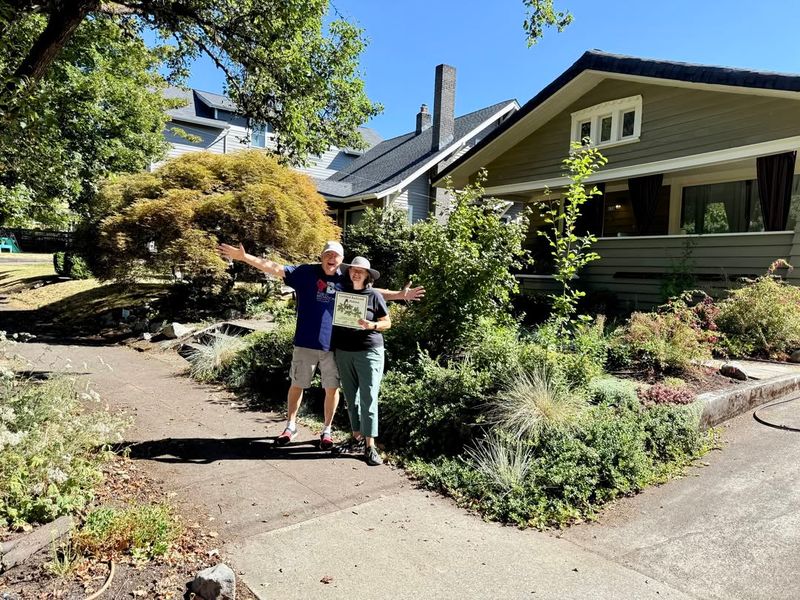
Walk down any street in Portland, Eugene, or Bend, and you’ll start to see it. Yards that once looked like golf courses now hold clusters of Oregon grape, patches of wild strawberries, and native grasses swaying in the breeze.
It’s not messy—it’s intentional, and it tells a story about how people are rethinking what a yard should do.
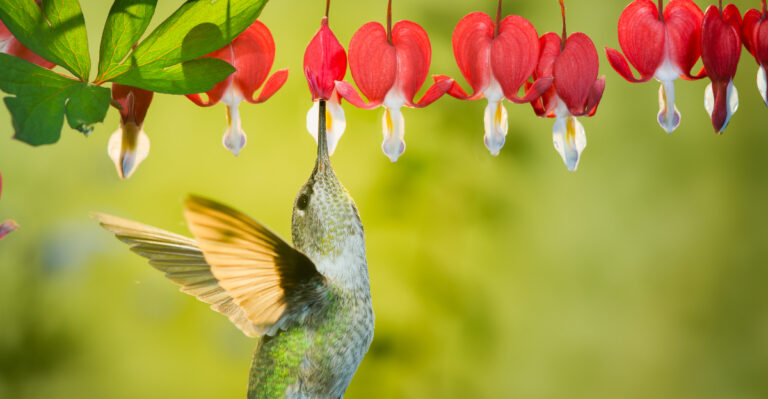
Oregon homeowners are realizing that a yard can be more than just a backdrop. It can support hummingbirds in spring, shelter beneficial insects through winter, and provide food for songbirds when they need it most.
This kind of design doesn’t shout for attention, but once you notice it, you see it everywhere.
The change is happening slowly, one yard at a time. Maybe your neighbor replaced a section of lawn with sword ferns and kinnikinnick.
Maybe the house down the street planted a native oak sapling where a cherry tree used to be. These decisions add up, and together they’re reshaping what Oregon neighborhoods look and feel like.
You don’t need to be an expert to join in. The movement toward wildlife-friendly yards is driven by regular people who want their outdoor spaces to mean something more than just curb appeal.
2. How Wildlife-Friendly Design Became The New Normal
A decade ago, most Oregon yards followed the same playbook: mow the lawn, trim the hedges, plant a few roses, and call it done. But somewhere along the way, people started asking bigger questions.
What if your yard could do more than look neat? What if it could actually help the environment instead of just existing in it?
Local garden centers began stocking more native plants. Oregon State University Extension started offering workshops on habitat gardening.
Cities like Portland and Corvallis introduced programs that encouraged residents to reduce lawn size and plant for pollinators. Suddenly, wildlife-friendly design wasn’t just for nature lovers, it was becoming accessible and even trendy.
Social media played a role too. Homeowners started sharing photos of their native gardens, complete with visiting bees, butterflies, and birds.
Seeing what your neighbors were creating made the idea feel less intimidating and more doable. It became clear that you didn’t need a huge budget or a degree in horticulture to make a difference.
Now, wildlife-friendly landscaping is woven into how Oregonians think about their outdoor spaces. It’s not a niche hobby anymore, it’s just good yard design.
3. The Shift Away From Traditional Lawns

Lawns used to be the default. You bought a house, you got a lawn, and you spent every weekend keeping it green and trimmed.
But Oregonians are starting to see lawns differently now. They require constant water during dry summers, weekly mowing that burns fuel and makes noise, and they don’t offer much to the creatures that share our environment.
Replacing even part of your lawn with native groundcovers or meadow grasses can make a noticeable difference. These plants need far less water once established, and they don’t demand the same level of upkeep.
Plus, they provide habitat that a traditional lawn simply can’t match—roots for insects, seeds for birds, and shelter for small mammals.
You don’t have to rip out your entire lawn overnight. Many homeowners start small, carving out a corner for a pollinator garden or letting a strip along the fence grow wild with native plants.
Over time, those patches expand, and before long, the lawn becomes the accent rather than the main feature.
This shift isn’t about abandoning beauty—it’s about redefining it. A yard full of life, movement, and seasonal change can be just as stunning as a perfect green rectangle, and it asks a lot less from you in return.
4. Native Plants Taking Center Stage
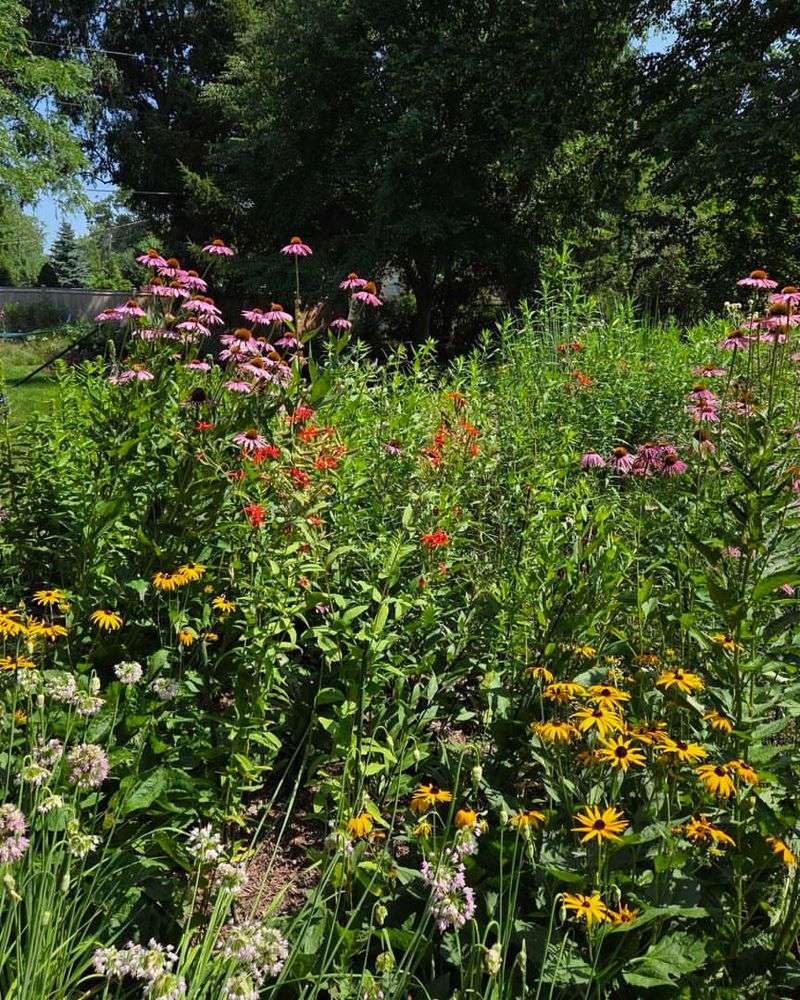
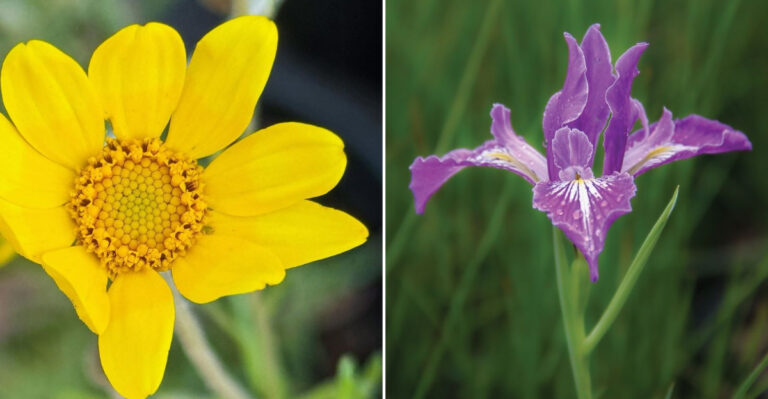
Native plants are having their moment, and it’s easy to see why. Species like Oregon sunshine, red-flowering currant, and Pacific ninebark have spent thousands of years adapting to our climate, our soil, and our rainfall patterns.
They know how to thrive here without constant help from you, and they support the insects, birds, and other wildlife that evolved alongside them.
When you plant natives, you’re not just adding greenery—you’re rebuilding connections that have been broken by decades of ornamental landscaping. Native bees rely on native flowers for pollen.
Songbirds depend on native shrubs for berries and nesting sites. Even the caterpillars that feed baby birds need native leaves to survive.
Your yard becomes part of a larger ecosystem instead of sitting apart from it.
Garden centers across Oregon now have entire sections dedicated to native plants, making it easier than ever to find what works for your space. Whether you have a sunny slope, a shady corner, or a wet spot that never drains, there’s a native plant that will thrive there.
And once they’re established, they’ll keep coming back year after year with very little fuss.
Choosing natives isn’t about being trendy—it’s about working with the land instead of against it.
5. How This Design Choice Supports Birds And Pollinators
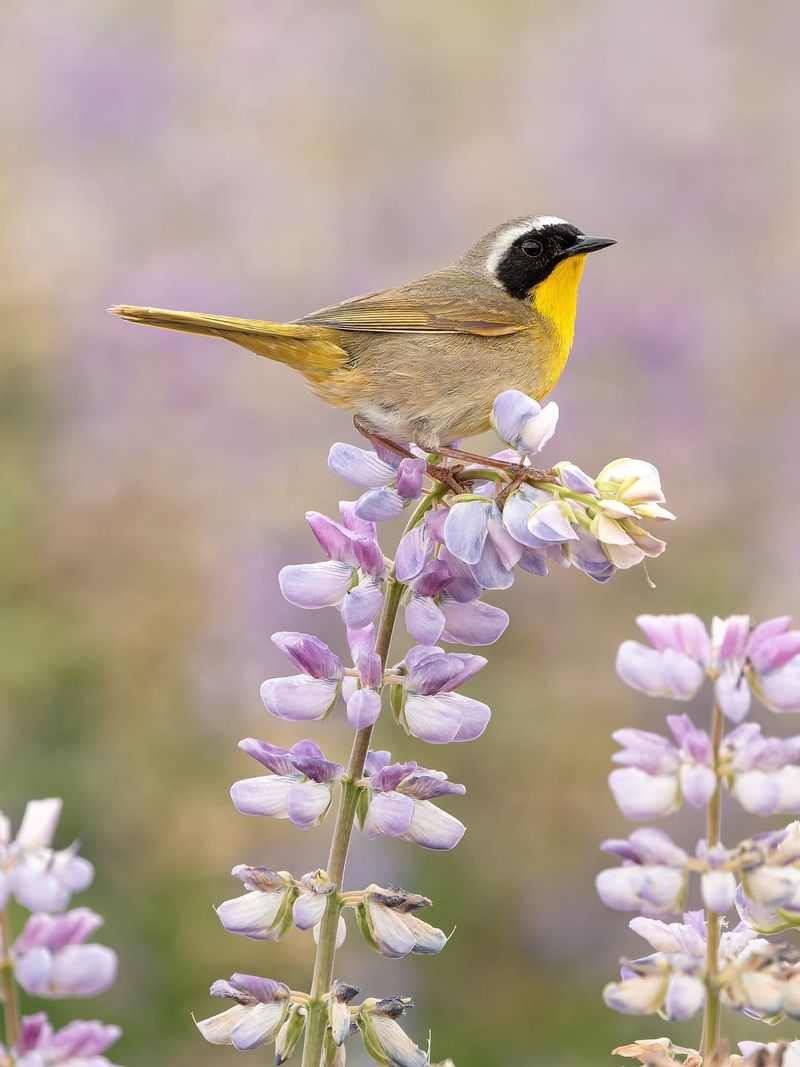
Birds and pollinators are struggling. Habitat loss, pesticide use, and climate change have all taken a toll, and many species are declining fast.
But your yard—yes, even your small suburban lot—can make a real difference. When you plant for wildlife, you’re offering food, shelter, and safe places to raise young, and that matters more than you might think.
Pollinators like native bees and butterflies need flowers that bloom at different times throughout the season. Early bloomers like Oregon grape feed bees emerging from winter dormancy.
Summer flowers like penstemon keep them going through the heat. Late bloomers like asters provide nectar when options are scarce.
By choosing a mix of natives, you create a reliable buffet that supports pollinators from spring through fall.
Birds benefit too. Native shrubs produce berries that migrating birds rely on for fuel.
Dense plantings offer cover from predators and places to build nests. Even leaving seed heads standing through winter gives birds something to eat when insects are hard to find.
Your yard becomes a stopover, a refuge, and a home all at once.
The best part? You get to watch it all happen right outside your window.
6. Why Homeowners Are Embracing Less Maintenance
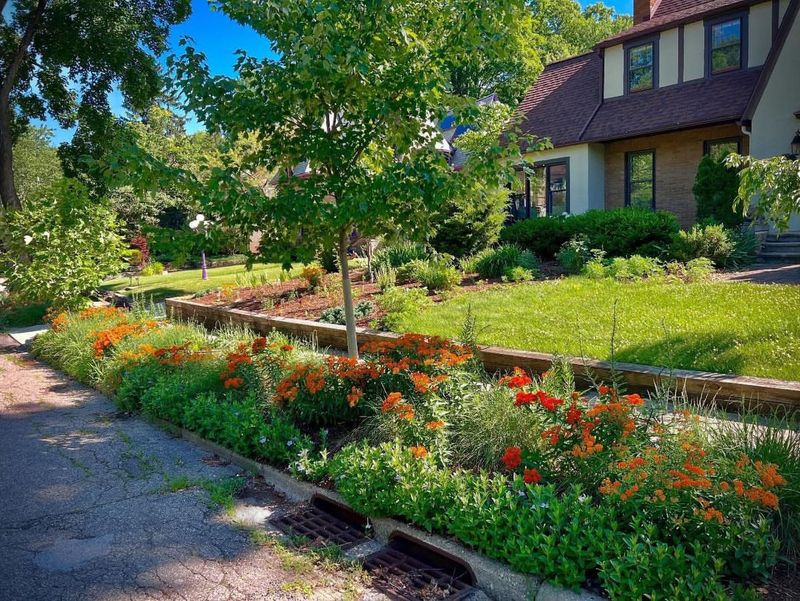
Let’s be honest—nobody wants to spend every weekend battling weeds, dragging hoses around, or edging the same patch of lawn for the hundredth time. Wildlife-friendly landscaping offers a way out of that cycle, and Oregon homeowners are catching on fast.
Once your native plants are established, they mostly take care of themselves, leaving you with more time to actually enjoy your yard instead of working in it.
Native plants are adapted to Oregon’s wet winters and dry summers, so they don’t need constant watering once their roots are deep. They’re also resistant to local pests and diseases, which means you can skip the chemical sprays and still have healthy, thriving plants.
And because they’re meant to grow here, they don’t require the constant pruning and fussing that ornamental species often demand.
This doesn’t mean your yard becomes a hands-off wilderness. You’ll still want to pull invasive weeds, add mulch now and then, and maybe do a light trim in early spring.
But compared to the weekly demands of a traditional lawn-and-annual-flower setup, it’s a huge relief.
More free time, less stress, and a yard that supports wildlife—it’s no wonder this approach is catching on.
7. What Wildlife-Friendly Yards Look Like From The Street
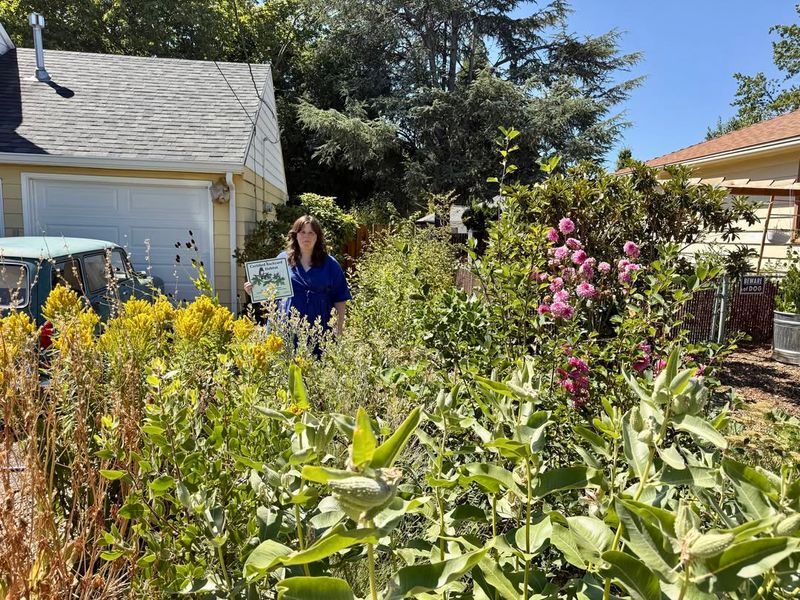
You might be wondering if a wildlife-friendly yard will look messy or unkempt from the curb. The answer is no, not if it’s done thoughtfully.
These yards have structure, color, and seasonal interest, and they often stand out in the best way possible. Instead of a flat expanse of green, you see layers, textures, and movement that change with the seasons.
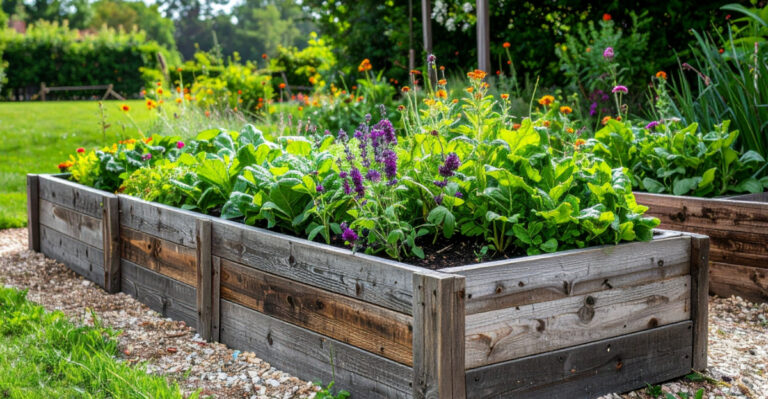
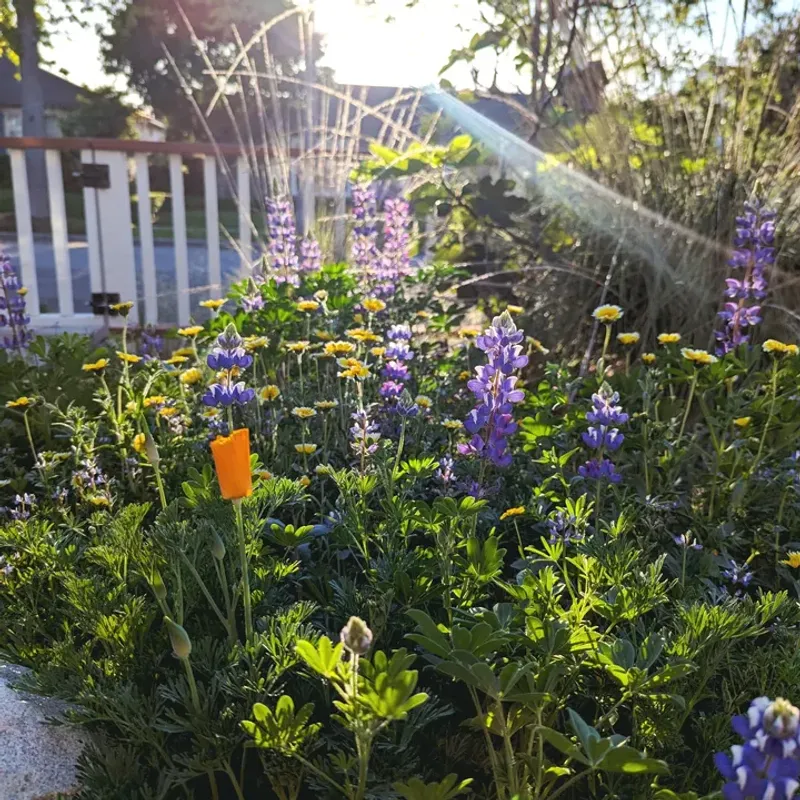
In spring, native wildflowers burst into bloom, drawing the eye with splashes of purple, yellow, and red. By summer, grasses sway gently in the breeze, and pollinators buzz from flower to flower.
Fall brings seed heads and rich foliage colors, while winter reveals the elegant shapes of bare branches and evergreen groundcovers that stay lush year-round. There’s always something to look at, always something happening.
Thoughtful design makes all the difference. Defined edges, mulched pathways, and strategic placement of larger shrubs or small trees give the yard structure and intention.
It’s not about letting everything run wild, it’s about creating a space that feels alive and purposeful, where native plants are showcased rather than hidden.
When done well, a wildlife-friendly yard doesn’t just fit into the neighborhood, it elevates it, offering a glimpse of what Oregon landscapes can be when we work with nature instead of against it.
8. How To Make The Transition Without Redesigning Everything
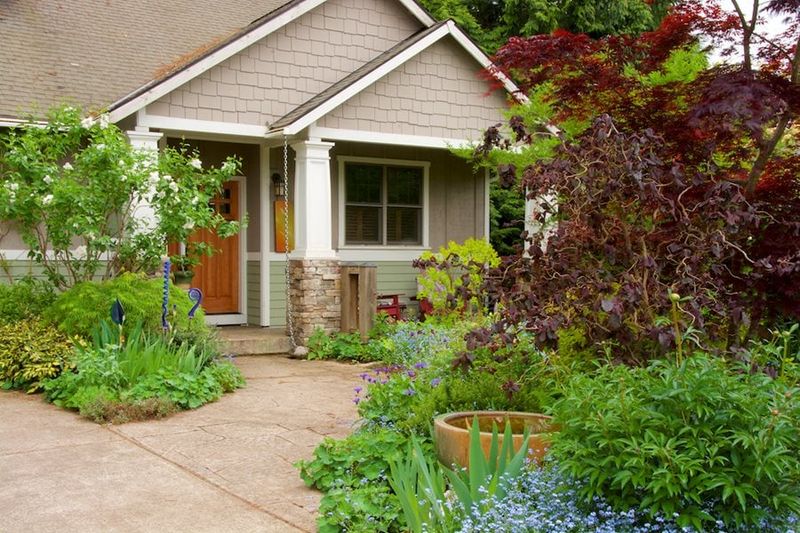
If the idea of transforming your entire yard feels overwhelming, take a breath. You don’t have to do it all at once, and you definitely don’t need to hire a professional crew to rip everything out and start from scratch.
The best wildlife-friendly yards often evolve slowly, one small change at a time, and that approach is easier on both your budget and your stress levels.
Start with one area that’s already giving you trouble—maybe a patch of lawn that never looks good, or a corner that stays too wet or too dry. Replace that section with native plants suited to the conditions, and see how it goes.
You’ll learn what works, what doesn’t, and how much maintenance you’re actually comfortable with before committing to a bigger project.
Another easy starting point is to stop fighting the plants that want to grow in your yard. If native violets or wild strawberries are creeping into your lawn, let them.
If a volunteer Oregon grape seedling pops up, give it space to grow. These plants are telling you they belong there, and working with them is a lot easier than working against them.
Small steps add up. Each native plant you add, each patch of lawn you let go, and each pesticide you skip makes your yard a little more welcoming to wildlife—and a little easier for you to manage.
9. The Role Of Water Conservation In This Movement
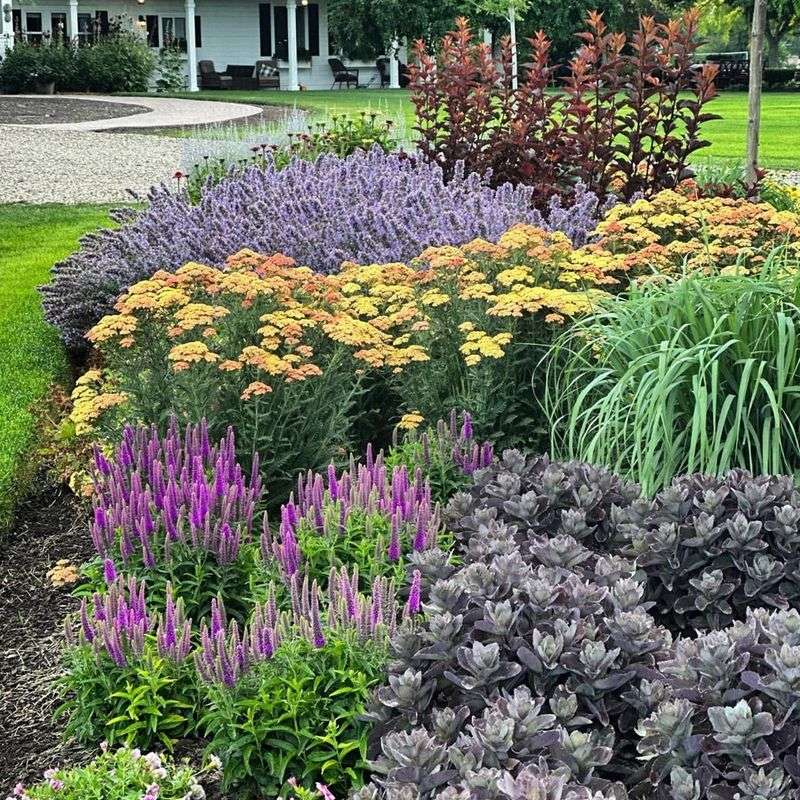
Water is precious in Oregon, especially during our increasingly dry summers. Traditional lawns can guzzle hundreds of gallons per week just to stay green, and that’s water that could be going toward something more meaningful.
Wildlife-friendly landscaping flips that script by using plants that are naturally adapted to survive on rainfall alone once they’re established.
Native plants have deep root systems that reach down into the soil to find moisture, even when the surface is dry. They’re built to handle Oregon’s wet-dry cycle without needing constant irrigation.
This doesn’t just save water—it saves you money on your water bill and frees you from the hassle of dragging hoses and setting timers all summer long.
Mulching plays a big role too. A thick layer of wood chips or leaf mulch around your native plants helps the soil retain moisture, keeps roots cool, and suppresses weeds.
It’s a simple step that makes a huge difference, especially in those first couple of years when your plants are getting established.
By designing your yard around water-wise natives, you’re not just being a good neighbor to wildlife—you’re also being a good steward of Oregon’s natural resources, and that matters more every year.
10. Community And City Support For Wildlife-Friendly Yards
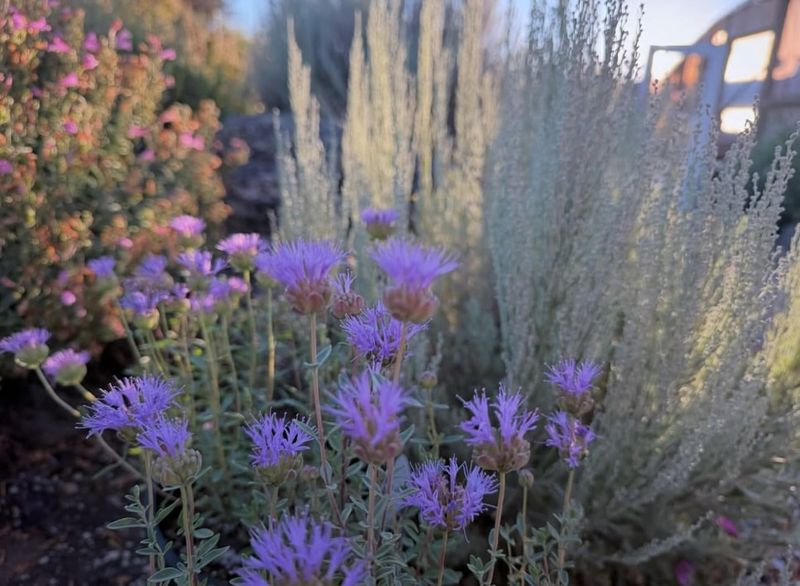
You’re not alone in this shift. Cities and communities across Oregon are actively encouraging wildlife-friendly landscaping through programs, incentives, and education.
Portland’s Backyard Habitat Certification Program, for example, helps homeowners create habitat gardens and connects them with resources and even financial rebates. Eugene, Corvallis, and other cities have similar initiatives that make it easier and more affordable to go native.
Oregon State University Extension offers free workshops, plant lists, and online guides tailored to different regions of the state. Whether you’re in the rainy Willamette Valley or the high desert east of the Cascades, you can find expert advice on what to plant, when to plant it, and how to care for it.
Local native plant societies also host sales, tours, and volunteer opportunities that help you learn while connecting with like-minded neighbors.
Even some homeowner associations are updating their rules to allow and sometimes encourage native landscaping.
The old restrictions that demanded uniform lawns and tidy hedges are slowly giving way to guidelines that recognize the value of habitat gardens and ecological design.
This kind of support makes the transition feel less daunting. When your city, your neighbors, and your local experts are all cheering you on, it’s a lot easier to take that first step toward a wildlife-friendly yard.
11. The Long-Term Benefits Beyond Your Property Line
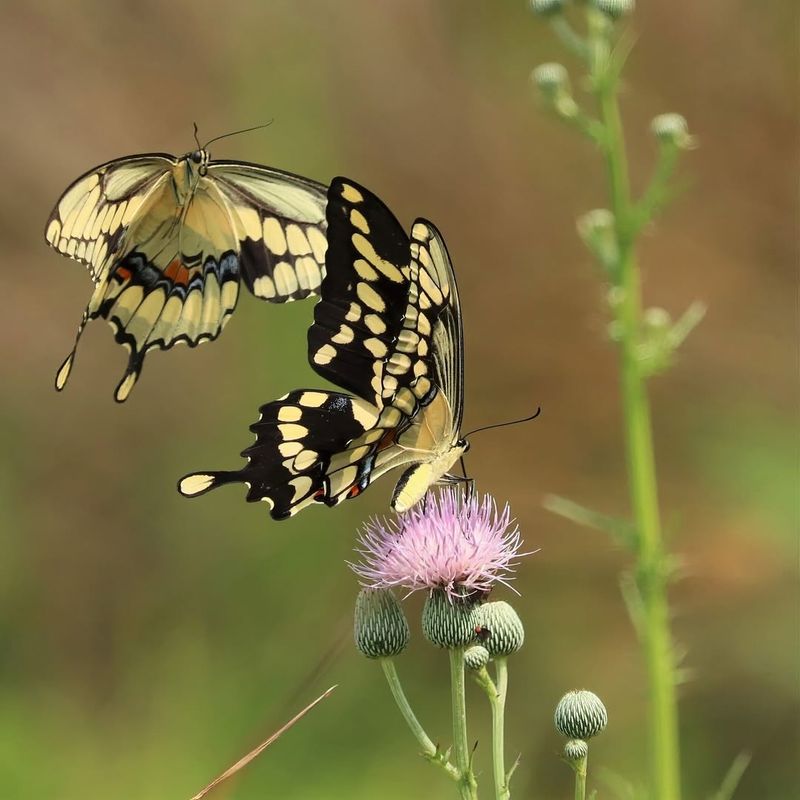
When you create a wildlife-friendly yard, the benefits don’t stop at your fence line. Birds don’t recognize property boundaries, and neither do bees, butterflies, or beneficial insects.
Every native garden you plant becomes part of a larger network of habitat that connects yards, parks, natural areas, and green spaces across your neighborhood and beyond.
This concept, called habitat connectivity, is critical for wildlife survival. Animals need safe pathways to move between food sources, nesting sites, and shelter.
When multiple homeowners in the same area embrace native landscaping, they create a patchwork of habitat that allows wildlife to thrive even in urban and suburban settings. Your yard might be the stopover that helps a migrating songbird make it to its next destination, or the safe corridor that lets a native bee travel from one food source to another.
The environmental benefits ripple outward too. Native plants improve soil health, reduce stormwater runoff, and sequester carbon.
They support complex food webs that keep ecosystems balanced and resilient. And they help preserve Oregon’s unique natural heritage for future generations to enjoy and appreciate.
By rethinking your yard, you’re contributing to something much bigger than a single property—you’re helping to heal the landscape one small piece at a time.
12. What This Means For The Future Of Oregon Landscapes
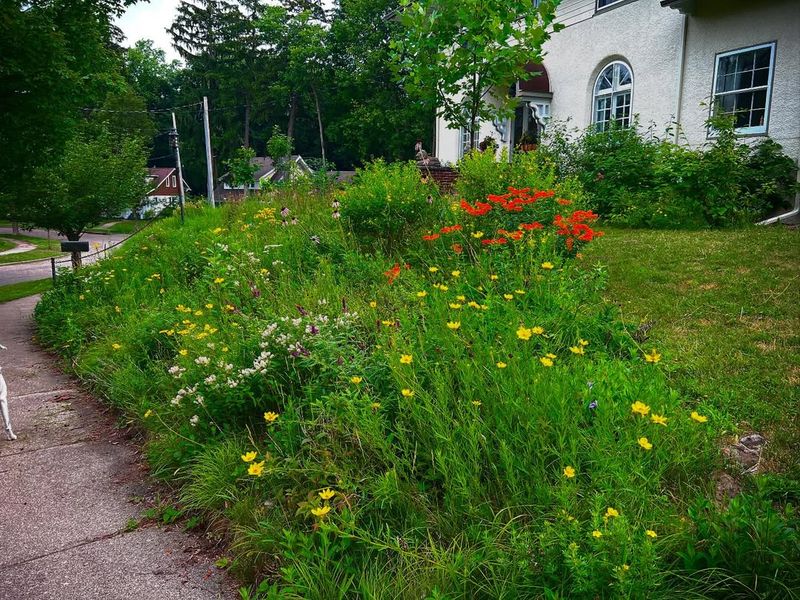
Looking ahead, it’s clear that wildlife-friendly landscaping isn’t just a passing trend, it’s becoming the foundation of how Oregonians think about outdoor spaces.
As more people see the benefits firsthand, and as climate challenges make traditional landscaping harder to maintain, the shift toward native, habitat-focused design will only accelerate.
The yards that stand out in the future won’t be the ones with the greenest lawns, they’ll be the ones buzzing with bees, visited by birds, and alive with seasonal change.
This movement is also shaping the next generation’s relationship with nature. Kids growing up in neighborhoods filled with wildlife-friendly yards will see butterflies, hear birdsong, and understand that humans and nature can coexist in the same space.
They’ll learn that a yard can be more than a place to play, it can be a place to observe, protect, and care for the living world around them.
Landscape professionals are adapting too, offering services that focus on native plant installation, habitat design, and ecological maintenance.
The industry is shifting to meet demand, and that means more expertise, more resources, and more beautiful examples of what’s possible when you design with wildlife in mind.
Oregon is leading the way, and your yard can be part of that story.