This Painful Native Plant Is Rapidly Spreading Through Georgia Woodlands
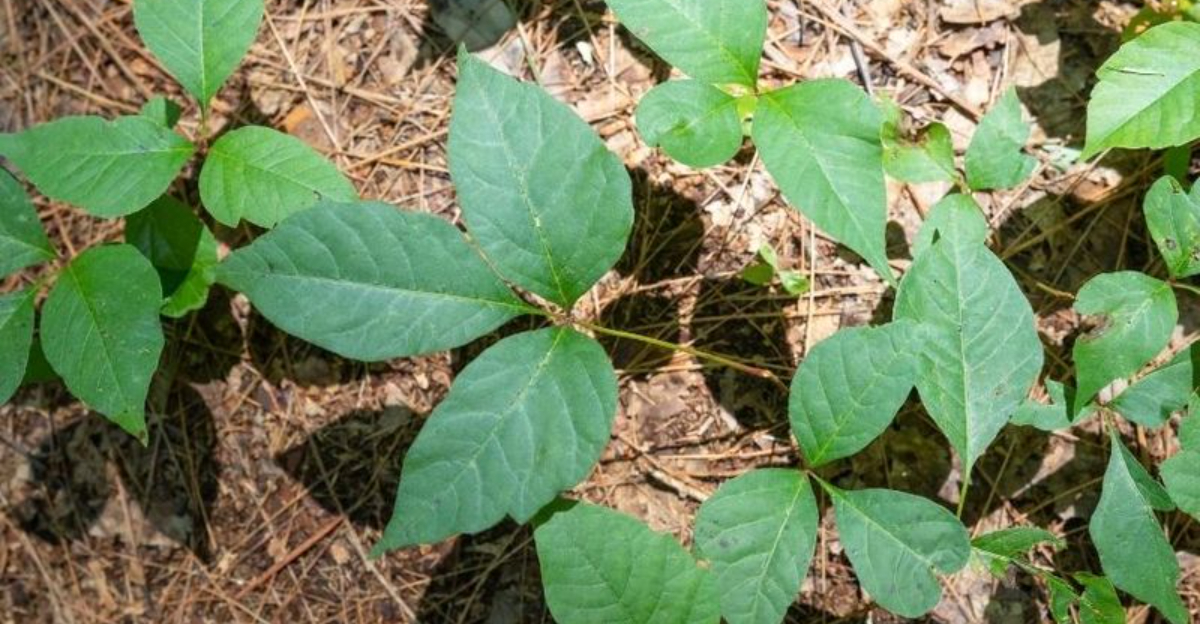
Georgia forests hold a quiet menace that every hiker, hunter, and homeowner should know by name.
Poison ivy, a native vine with glossy leaves, thrives across woods, yards, and trail edges statewide.
A single brush can trigger days of fierce itch, rash, and blistered skin.
This plant favors shade, heat, and disturbed soil, which makes modern land use its perfect ally.
As suburbs push outward and storms reshape tree cover, poison ivy claims fresh ground with ease.
Many residents miss it at first glance, then pay a painful price.
Learn how to spot this notorious species, why it flourishes here, and what smart steps can keep skin safe across Georgia woodlands.
Poison Ivy Contains Urushiol Oil That Causes Allergic Reactions
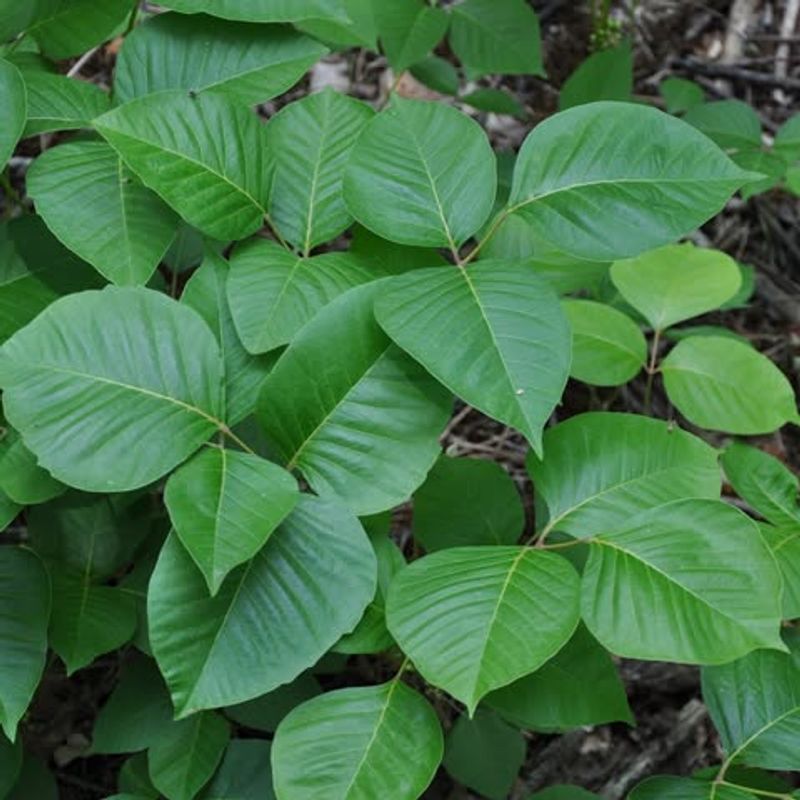
Urushiol is the invisible troublemaker hiding inside every part of the poison ivy plant, from roots to leaves and stems.
This oily substance sits on the surface waiting for unsuspecting hikers, gardeners, or children playing outdoors to make contact with it.
Once urushiol touches your skin, it binds to proteins and triggers your immune system to overreact with inflammation and itching.
Most people experience symptoms within 12 to 48 hours after exposure, though some folks notice redness and bumps much sooner.
The oil is incredibly sticky and can remain active on clothing, tools, pet fur, and camping gear for months or years.
Washing exposed skin with soap and cool water within 10 minutes can sometimes prevent a reaction from developing fully.
Even tiny amounts of urushiol, as little as one billionth of a gram, can cause a rash in sensitive individuals.
Interestingly, about 15 percent of people show no allergic response to urushiol, though repeated exposure can eventually sensitize even them over time.
Leaves Of Three, Let It Be: Identifying Poison Ivy In Georgia
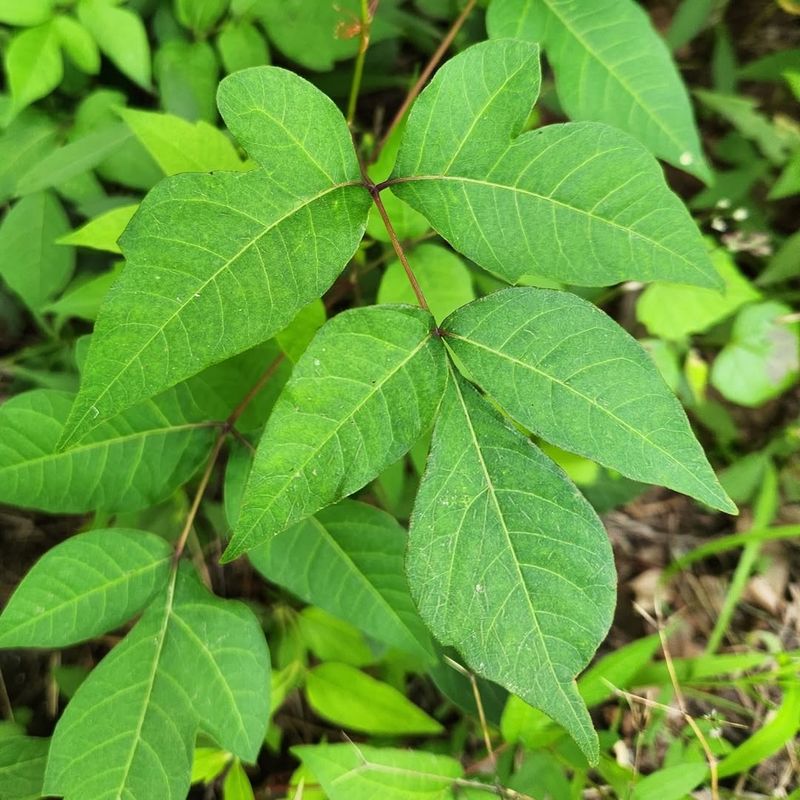
Georgia hikers have repeated the famous rhyme for generations because it remains the simplest way to avoid painful encounters with poison ivy.
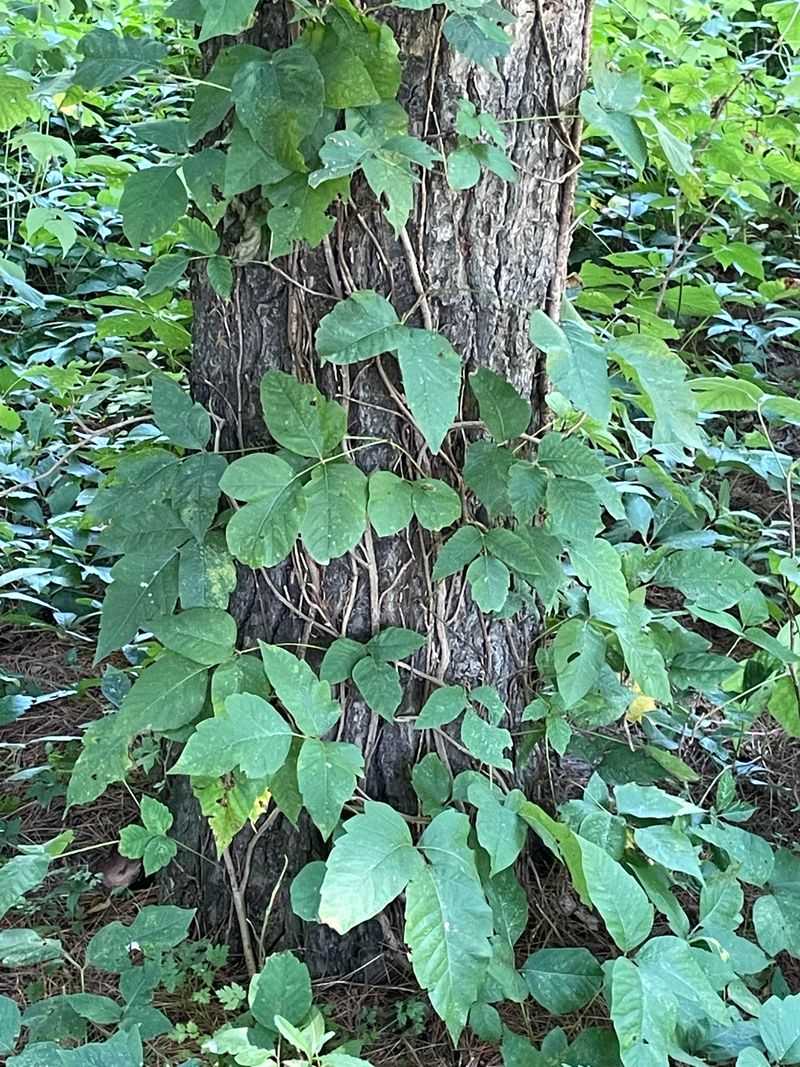
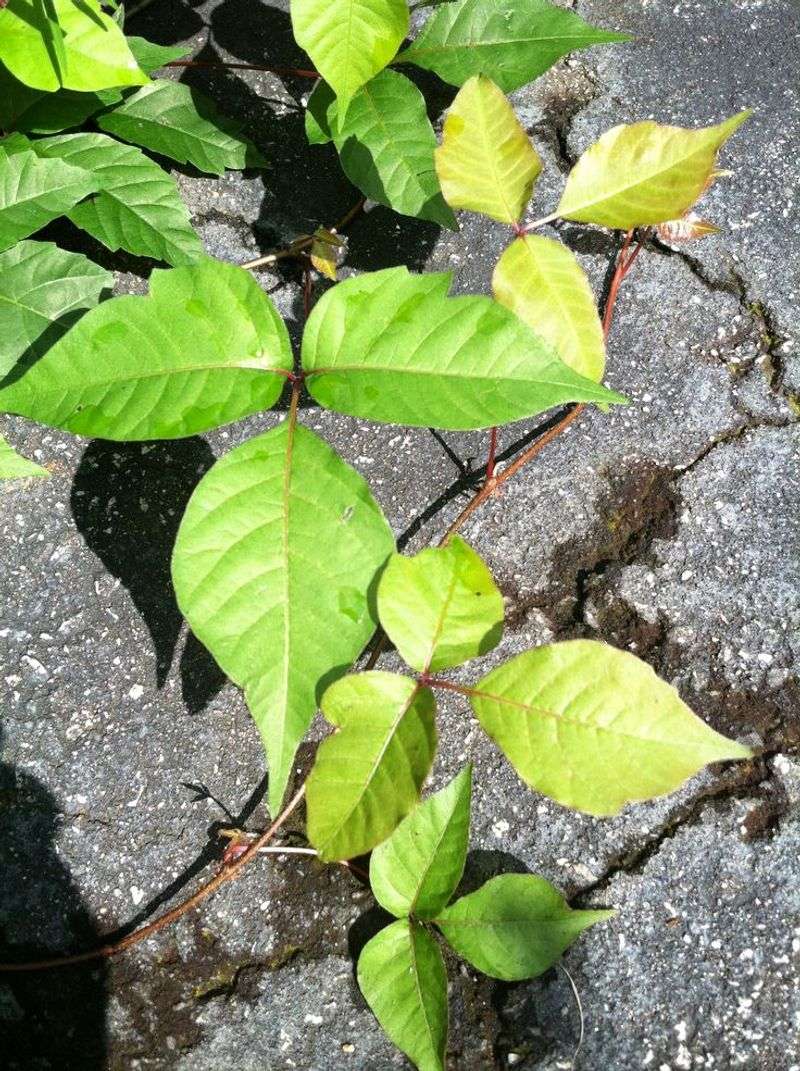
Each poison ivy leaf cluster consists of three pointed leaflets attached to a single stem, with the middle leaflet having a longer stalk.
The leaves can appear shiny or dull depending on the season, and their edges may be smooth, toothed, or slightly lobed.
During spring, new poison ivy leaves emerge with a reddish tint before turning bright green as summer approaches and temperatures rise.
Fall brings another dramatic color change when the leaves transform into brilliant shades of yellow, orange, and red that rival any ornamental plant.
Young plants often grow as ground cover spreading across the forest floor, while mature vines climb high into trees using aerial rootlets.
White berries appear in late summer and persist through winter, providing food for birds that spread seeds throughout Georgia’s expanding woodlands.
Learning to recognize these distinctive features in all seasons helps outdoor enthusiasts avoid accidental contact during any adventure or exploration.
Climate Change Is Fueling Poison Ivy’s Rapid Expansion Across Georgia
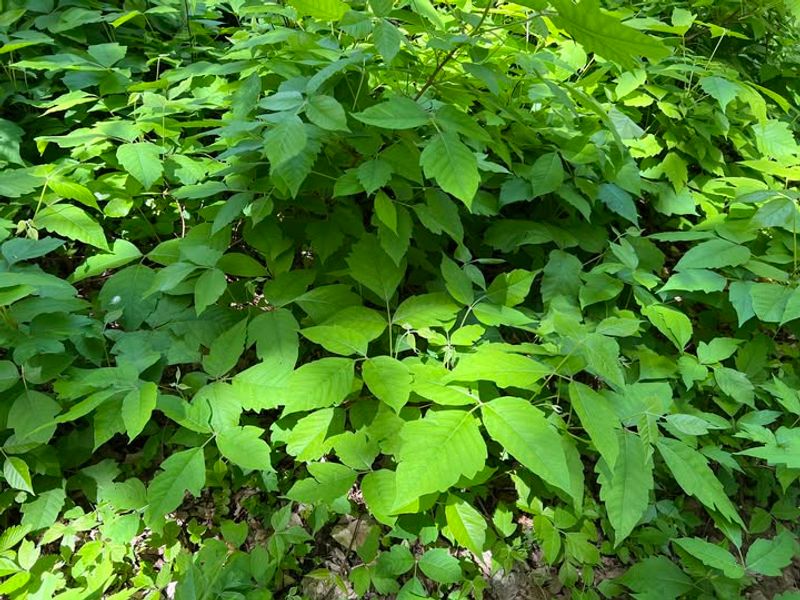
Rising carbon dioxide levels in our atmosphere act like fertilizer for poison ivy, causing it to grow faster, larger, and more potent.
Research from Duke University found that poison ivy plants grown in elevated carbon dioxide conditions produced leaves that were larger and contained higher concentrations of urushiol oil than previous generations.
Warmer winters in Georgia mean fewer hard freezes that would normally limit the plant’s northern expansion and reduce its overall coverage.
Extended growing seasons allow poison ivy to produce more leaves and spread further before dormancy sets in during the colder months ahead.
Scientists predict that poison ivy could become twice as abundant in the southeastern United States by the end of this century.
Georgia’s woodland areas are experiencing particularly aggressive poison ivy growth because the state’s climate provides ideal temperature and moisture conditions year-round.
Forest managers and park rangers report seeing poison ivy in areas where it was rarely spotted just two decades ago.
Understanding this environmental connection helps explain why your grandparents might remember less poison ivy during their childhood outdoor adventures in Georgia.
Poison Ivy Serves Important Ecological Functions In Forest Ecosystems
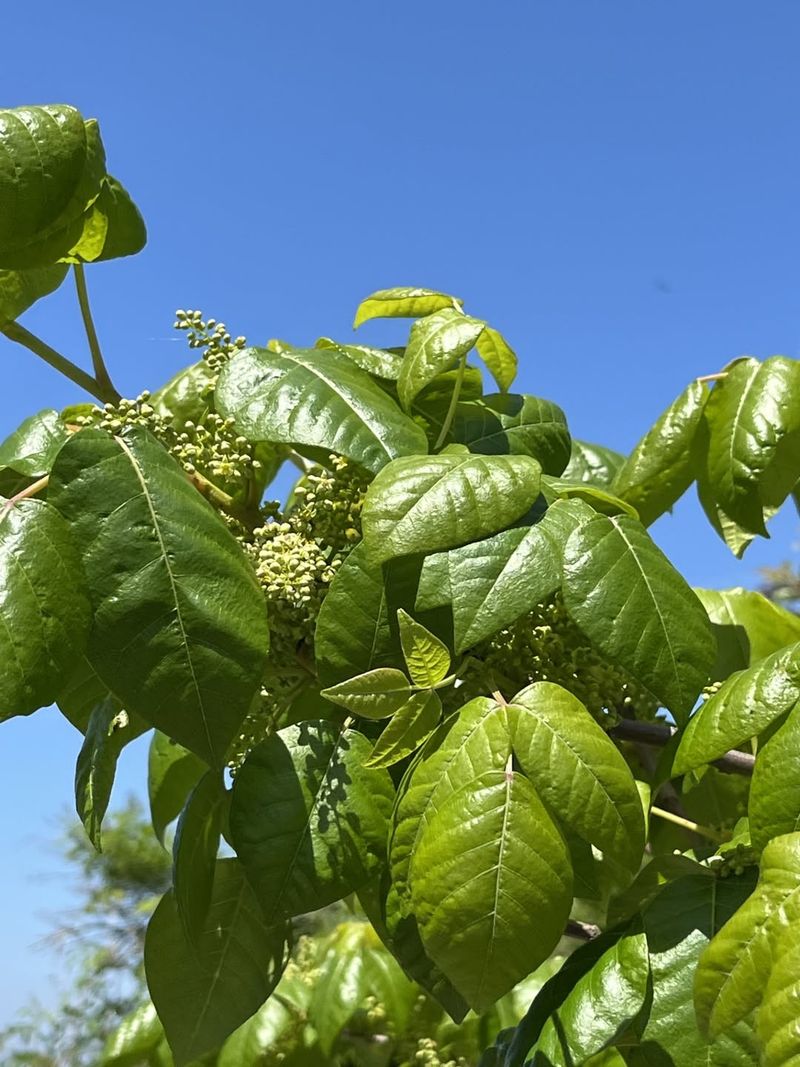
Despite causing misery for humans, poison ivy plays a surprisingly beneficial role in maintaining healthy forest ecosystems throughout Georgia and beyond.
More than 60 species of birds feast on poison ivy berries during fall and winter when other food sources become scarce.
White-tailed deer, black bears, and other mammals browse on the leaves and stems without experiencing any allergic reactions or discomfort.
The dense ground cover created by poison ivy helps prevent soil erosion on slopes and provides shelter for small mammals and insects.
Bees and other pollinators visit the small greenish-white flowers that bloom in late spring, collecting nectar and pollen for their colonies.
Poison ivy also contributes to forest regeneration by creating thick understory vegetation that protects tree seedlings from harsh sunlight and wind.
Native American tribes historically used poison ivy for medicinal purposes and as a source of black dye for baskets and textiles.
Recognizing these ecological benefits doesn’t make the rash any less uncomfortable, but it helps us appreciate poison ivy’s place in nature.
Removing all poison ivy from an area can actually harm wildlife populations that depend on it for survival throughout the year.
The Rash From Poison Ivy Is Not Contagious Between People
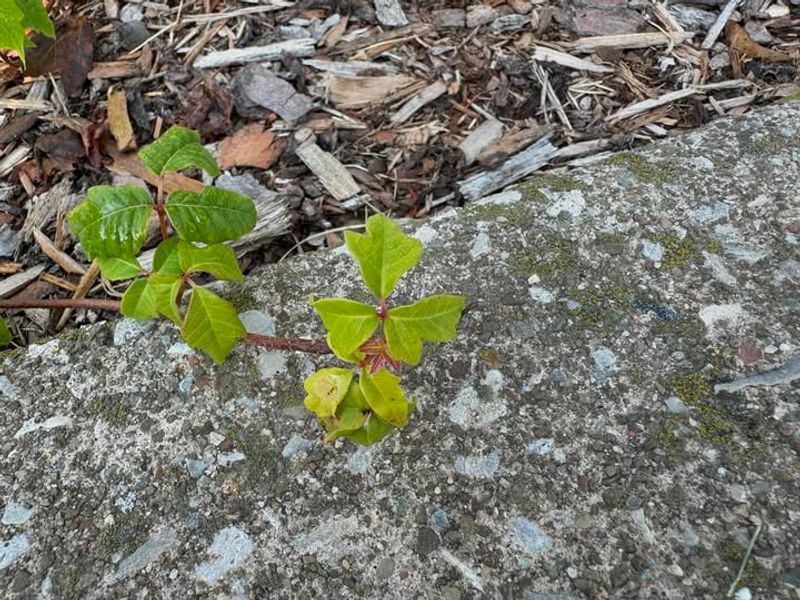
One of the biggest myths about poison ivy is that the rash can spread from person to person through casual contact or touch.
The blisters and oozing fluid that appear during a poison ivy reaction contain no urushiol oil, so touching them cannot transmit the rash.
However, if urushiol oil remains on unwashed skin, clothing, or objects, it can transfer to others who touch those contaminated surfaces.
Rashes sometimes appear to spread across the body, but this happens because different areas absorbed different amounts of oil originally.
Areas with thinner skin or higher oil exposure develop symptoms faster, while thicker-skinned areas take longer to show visible reactions.
Scratching the rash feels satisfying but can introduce bacteria and cause secondary infections that require medical treatment with antibiotics or other interventions.
Washing all exposed clothing, shoes, tools, and pet fur immediately after potential contact helps prevent spreading the oil to family members.
Many people blame their pets for giving them poison ivy, but animals with fur rarely get rashes themselves and only spread it if urushiol remains on their coat.
Understanding this fact helps reduce unnecessary worry and lets you focus on proper cleaning and treatment instead.
Burning Poison Ivy Creates Dangerous Airborne Urushiol Particles
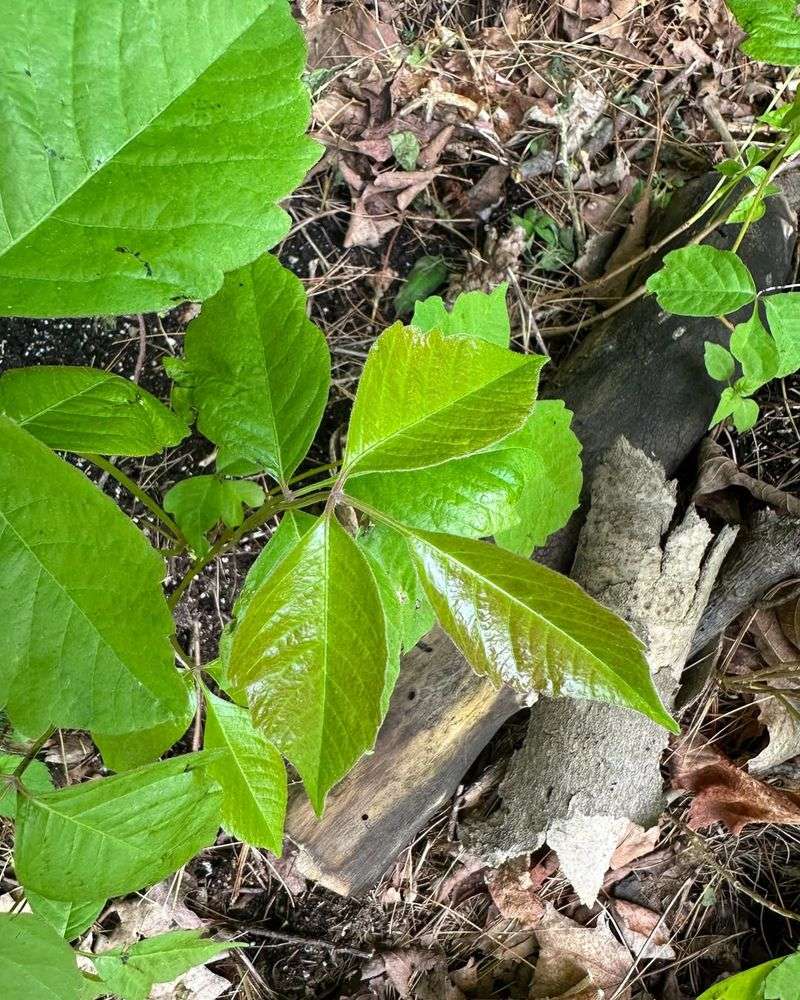
Never burn poison ivy plants, vines, or debris because the smoke carries microscopic urushiol particles that can cause severe internal and external reactions.
Inhaling urushiol-laden smoke can coat the lining of your throat, lungs, and nasal passages, causing dangerous swelling and breathing difficulties.
Emergency rooms in Georgia frequently treat patients during spring cleanup season who unknowingly burned poison ivy mixed with other yard waste.
These respiratory reactions can become life-threatening and may require hospitalization, oxygen therapy, or steroids to reduce inflammation and restore normal breathing.
Even standing downwind from a fire containing poison ivy puts you at risk for exposure to the airborne oil particles.
Firefighters and forest service workers receive special training about poison ivy smoke hazards because wildfires often burn through areas with heavy infestations.
Symptoms from inhaling the smoke can appear hours after exposure, making it difficult to identify the source of the respiratory distress.
Proper disposal methods include bagging the plants carefully while wearing gloves and long sleeves, then throwing them in the trash.
Some Georgia counties offer special yard waste programs that can safely handle poison ivy without burning it or endangering sanitation workers.
Washing And Treatment Must Happen Quickly After Exposure To Work

Speed matters tremendously when treating poison ivy exposure because urushiol oil bonds to skin proteins within just 10 to 15 minutes of contact.
Rushing to wash with cool water and dish soap or specialized poison ivy wash can remove the oil before it fully penetrates.
Rubbing alcohol applied with cotton balls can help dissolve the oil, but you must wipe in one direction to avoid spreading it.
Avoid hot water initially because heat opens pores and allows more urushiol to absorb into your skin, worsening the eventual reaction.
After washing, apply calamine lotion, hydrocortisone cream, or oatmeal baths to soothe itching once the rash begins to develop and spread.
Oral antihistamines like diphenhydramine can reduce itching and help you sleep through the night when symptoms feel most intense and unbearable.
Severe cases covering large body areas or affecting the face and eyes require prescription corticosteroids from a doctor or urgent care.
Cold compresses provide temporary relief by numbing the affected area and reducing inflammation without introducing additional chemicals or potential irritants.
Remember that patience is essential because poison ivy rashes typically last two to three weeks regardless of treatment methods used.
Georgia’s Woodland Expansion Is Creating More Poison Ivy Habitat

Agricultural land across Georgia is gradually reverting to forest as farming operations consolidate and rural populations shift toward urban and suburban centers.
This woodland expansion creates perfect conditions for poison ivy, which thrives in the partial shade found along forest edges and clearings.
Abandoned farmland goes through ecological succession stages where poison ivy often becomes one of the first colonizing plants to establish itself.
Development patterns in Georgia create numerous forest fragments with extensive edge habitat where poison ivy grows most vigorously and spreads rapidly outward.
Suburban neighborhoods built adjacent to woodlands provide ideal interfaces where humans frequently encounter poison ivy during yard work and recreation activities.
Trail systems and greenways designed to connect communities through natural areas inadvertently increase human exposure to poison ivy growing alongside paths.
Property owners attempting to clear invasive species or maintain trails often encounter dense poison ivy infestations that complicate vegetation management efforts.
Forest management practices that create canopy gaps for regeneration also temporarily boost poison ivy growth until tree seedlings establish and shade it.
Understanding these landscape patterns helps Georgia residents anticipate where poison ivy is most likely to appear on their property or favorite hiking spots.
Animals And Insects Can Transfer Urushiol Oil Without Showing Symptoms
Family pets become unwitting carriers of urushiol oil when they romp through areas where poison ivy grows thick along trails and yards.
Dogs and cats love exploring brushy areas where poison ivy thrives, and their fur collects the oil without causing them any itching.
Cuddling your pet after outdoor adventures can transfer urushiol from their coat directly to your skin, causing a reaction hours later.
Horses, goats, and livestock grazing in pastures adjacent to woodlands can also carry the oil on their coats and transfer it to handlers.
Even insects crawling across poison ivy leaves can theoretically carry tiny amounts of urushiol, though this transmission route is relatively uncommon.
Garden tools, lawn equipment, and sporting goods that contact poison ivy become contaminated and can cause reactions months later during storage retrieval.
Bicycle tires rolling through poison ivy patches can spread urushiol along the entire trail and onto your hands during bike maintenance.
Washing pets with pet-safe shampoo after woodland walks protects your family, though you should wear gloves during the bathing process itself.
Cleaning all equipment with rubbing alcohol or specialized cleaners after outdoor use prevents surprise reactions during your next adventure or project.
Building Immunity To Poison Ivy Through Exposure Is A Dangerous Myth
Some people believe that gradually exposing themselves to small amounts of poison ivy will build immunity, but this approach usually backfires spectacularly.
Repeated exposure to urushiol typically increases sensitivity rather than decreasing it, making future reactions more severe and covering larger body areas.
People who show no reaction to poison ivy during childhood often develop allergies later in life after accumulated exposures overwhelm their tolerance.
Eating poison ivy leaves or taking homemade tinctures can cause dangerous internal reactions affecting the digestive tract and other organ systems.
Historical attempts to create immunity through controlled exposure have resulted in hospitalizations and serious medical complications requiring intensive treatment and monitoring.
About 85 percent of the population will develop an allergic reaction to urushiol with sufficient exposure, so very few people are truly immune.
Even those lucky individuals without current sensitivity can suddenly develop allergies after years of safe contact with the plant without warning.
The safest approach remains avoiding poison ivy entirely through careful identification and maintaining awareness of your surroundings during outdoor activities and recreation.
Teaching children to recognize and respect poison ivy from an early age helps them develop good habits that last throughout their lifetime.