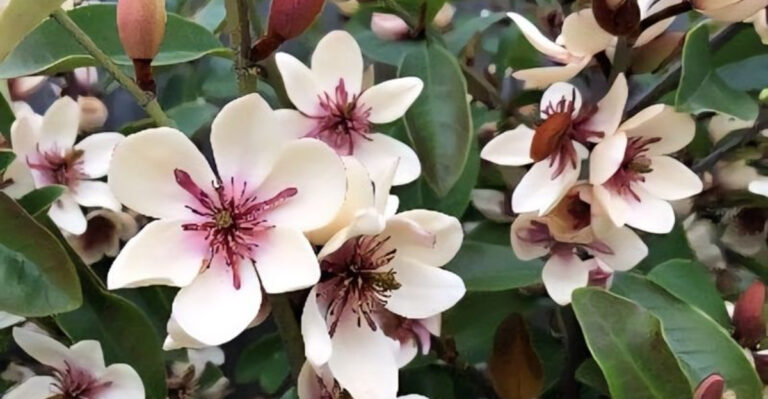
This Peaceful Garden In North Carolina Is Worth The Trip Alone
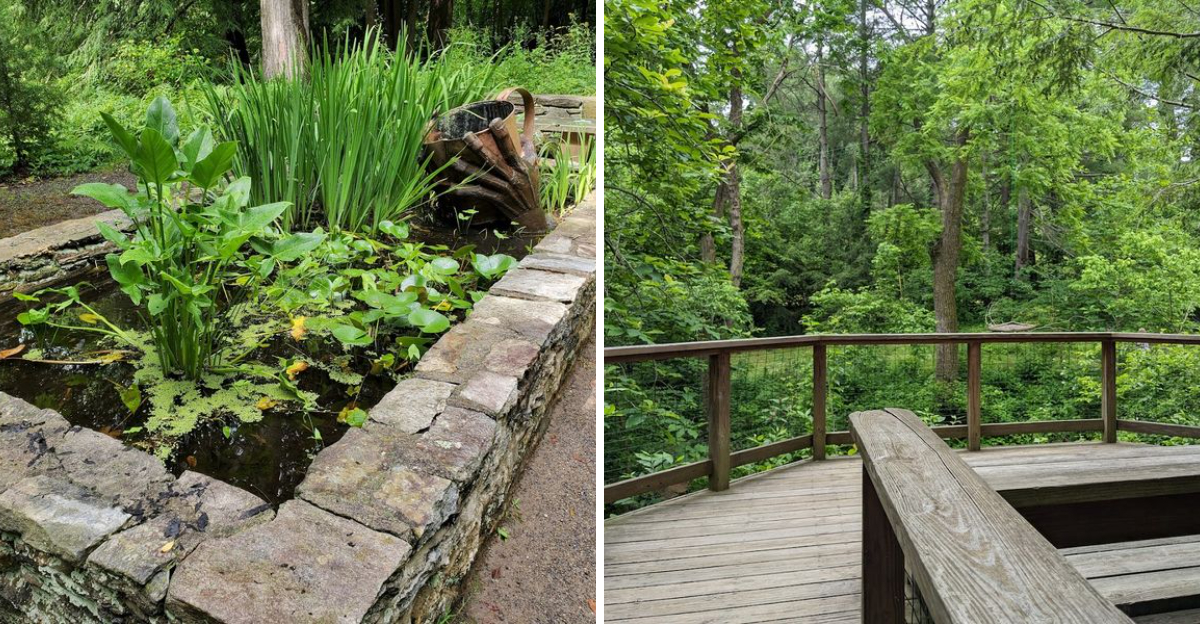
A quiet path beneath towering trees, the gentle sound of flowing water, and a landscape rich with native beauty create an experience that feels worlds away from city life.
Near downtown Asheville, the Botanical Garden stands as one of North Carolina’s most enchanting hidden gems, inviting visitors to explore the natural heritage of the Appalachian region.
More than 600 species of native plants flourish here, carefully preserved along peaceful woodland trails that follow the curves of Reed Creek.
Each step reveals delicate wildflowers, lush greenery, and changing seasonal color that reflect the spirit of the surrounding mountains.
Nature lovers find a place to slow down, photographers discover endless inspiration, and curious visitors gain a deeper understanding of regional plant life. This free public garden offers more than a simple walk in nature.
It provides an authentic North Carolina mountain experience that refreshes the mind and leaves a lasting sense of calm.
A Native Plant Sanctuary Focused On Southern Appalachian Flora
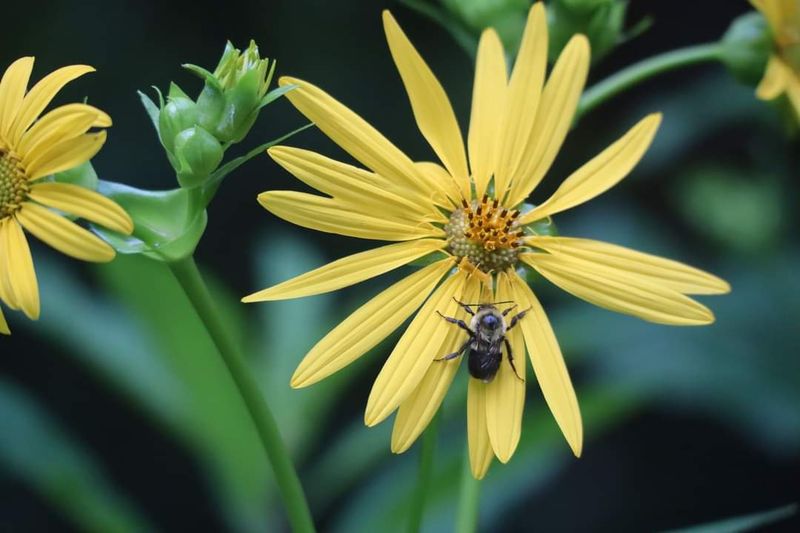
Walking through the Asheville Botanical Garden feels like stepping into the heart of the Southern Appalachian mountains. The garden specializes exclusively in plants native to this unique region, creating an authentic showcase of local biodiversity.
Over 600 species call this sanctuary home, from delicate woodland wildflowers to towering native trees.
Each plant here belongs to the mountain ecosystem that surrounds Asheville. Visitors encounter species that have grown in these mountains for thousands of years, thriving in conditions perfectly suited to their needs.
The collection includes rare and common plants alike, all carefully labeled for easy identification.
This focus on regional flora makes the garden an invaluable resource for understanding local ecosystems. You won’t find exotic imports or tropical specimens here, just honest representations of what grows naturally in these mountains.
The garden serves as a living library of Southern Appalachian plant life.
Learning about native species helps visitors appreciate the incredible diversity right in their backyard. Many plants featured here support local wildlife and pollinators that depend on these specific species.
The garden demonstrates how native plantings create resilient, sustainable landscapes that honor the region’s natural heritage while requiring less maintenance than non-native alternatives.
Free Public Garden Open Year Round
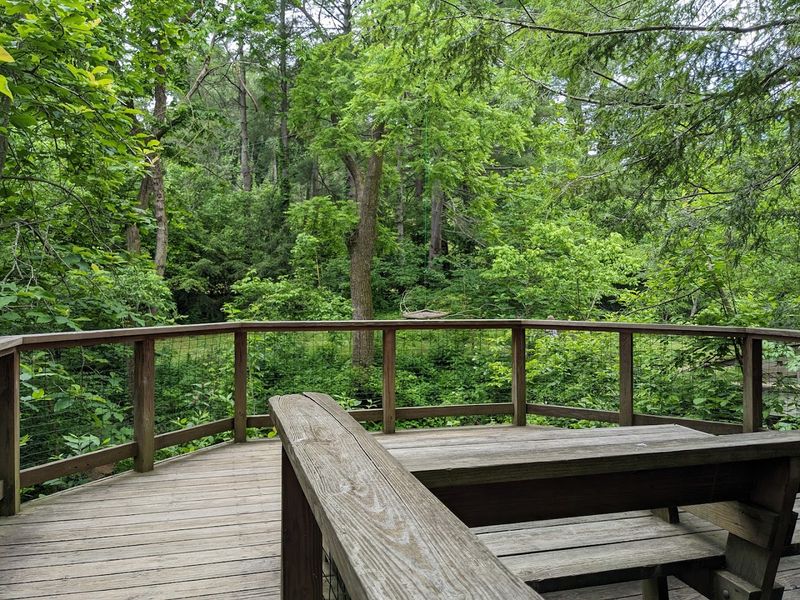
One of the most wonderful aspects of the Asheville Botanical Garden is that it welcomes everyone without charging admission fees. The garden operates as a true community resource, open daily from 10 AM to 4 PM throughout the entire year.
This accessibility makes nature education and outdoor enjoyment available to all, regardless of budget.
Many botanical gardens charge substantial entrance fees, but this one believes nature should be accessible to everyone. Donations are welcome and help support ongoing maintenance and educational programs, but they’re never required.
Families can visit repeatedly without worrying about ticket costs adding up.
The year-round schedule means you can experience the garden through all four seasons. Spring brings wildflower blooms, summer offers lush green canopies, fall showcases brilliant foliage, and winter reveals the garden’s structural beauty.
Each season presents a completely different landscape to explore.
Free parking adds to the convenience, though spaces can fill quickly on weekends. The garden’s commitment to remaining free ensures that students, retirees, families, and anyone seeking a peaceful outdoor experience can enjoy the trails and plantings.
This philosophy reflects the garden’s mission to serve the community while promoting appreciation for native plants and natural landscapes.
Beautiful Woodland Walking Trails Through Natural Landscapes
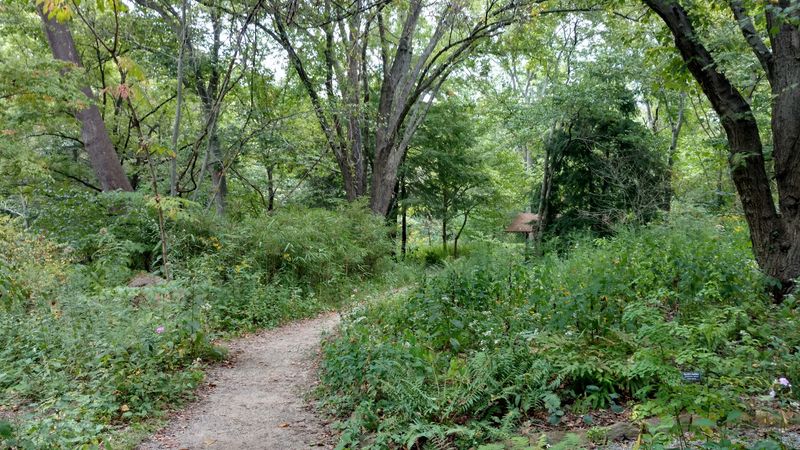
The garden features a half-mile loop trail that meanders through mature forest and naturalistic plantings. This easy walking path takes visitors through varied terrain, crossing bridges over Reed Creek and offering glimpses of mountain landscapes.
The trail surface consists of fine gravel and packed earth, manageable for most fitness levels.
Shade from towering trees keeps the path comfortable even on warm days. The route winds naturally through the woodland, following the land’s contours rather than forcing straight lines.
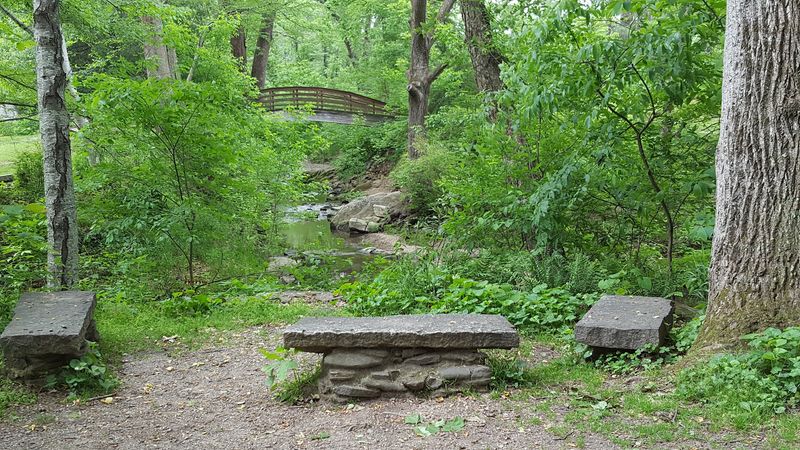
Several benches positioned along the way invite visitors to pause and absorb the peaceful surroundings.
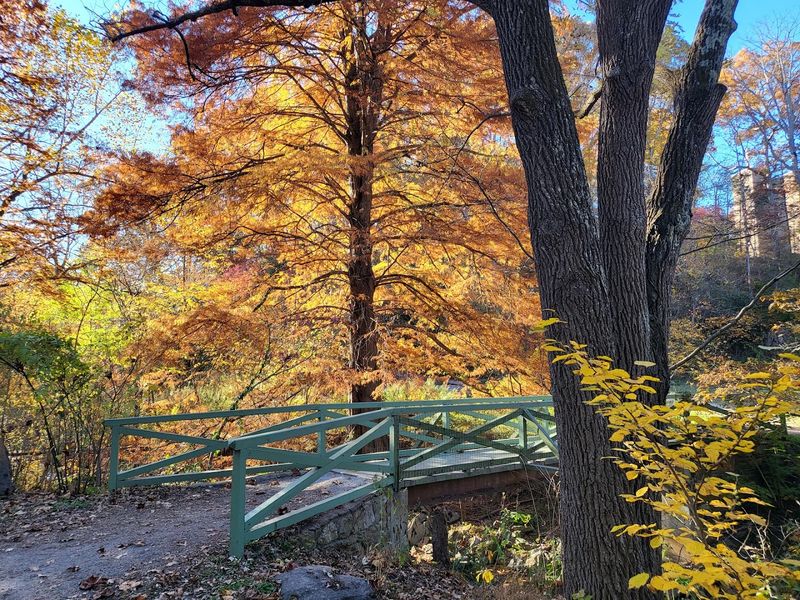
Bridges span the creek at multiple points, providing lovely views of flowing water below. Some sections include gentle stairs or ramps to navigate elevation changes, though the overall trail remains relatively flat.
Accessible routes ensure that people with mobility considerations can enjoy much of the garden.
The naturalistic design means you’re walking through what feels like genuine mountain forest rather than manicured garden beds. Trees, shrubs, wildflowers, and ferns grow in layered communities that mirror wild ecosystems.
Trail markers and plant labels help visitors identify species without disrupting the natural aesthetic. This thoughtful design creates an immersive experience where you can truly connect with the Appalachian landscape.
A Living Collection Of Native Wildflowers And Mountain Plants
Wildflower enthusiasts find abundant treasures throughout the garden’s carefully curated collection. Native species bloom in succession from early spring through fall, ensuring colorful displays across multiple seasons.
Trilliums, bloodroot, jack-in-the-pulpit, and countless other woodland gems grow in conditions that mirror their natural habitats.
The collection goes far beyond just flowers, encompassing ferns, grasses, shrubs, and trees native to mountain ecosystems. Each plant contributes to the overall tapestry of Southern Appalachian flora.
Visitors discover species they might encounter on mountain hikes, making the garden an excellent identification resource.
Labels throughout the garden provide both common and scientific names along with interesting ecological information. This educational approach helps visitors learn to recognize native plants and understand their roles in local ecosystems.
Photography enthusiasts appreciate the opportunity to capture beautiful specimens up close.
Spring brings the most dramatic wildflower displays as ephemeral species bloom before tree canopies fully leaf out. However, every season offers something worth seeing, from summer blooms to fall seed heads.
The living collection demonstrates how diverse and beautiful native plantings can be, inspiring visitors to incorporate these species into their own gardens and appreciate them in wild spaces.
A Peaceful Natural Space Along The Reed Creek Greenway
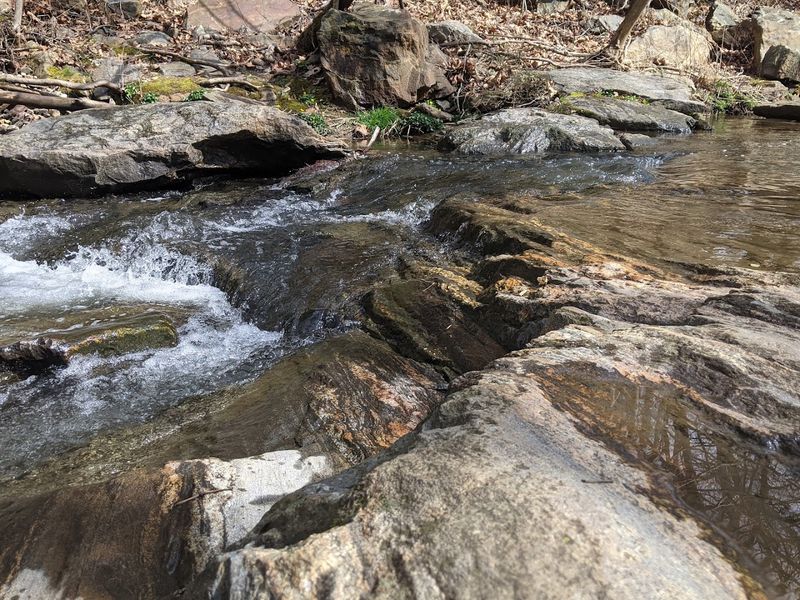
Reed Creek flows directly through the garden property, creating a serene focal point that enhances the entire experience. The sound of moving water provides a constant, calming backdrop as you explore the trails.
Multiple access points allow visitors to approach the creek’s edge and even wade in during warmer months.
The creek connects the garden to the larger Reed Creek Greenway system that extends through Asheville. This integration with community greenspace makes the garden part of a broader network of natural areas.
Visitors can extend their walks beyond the garden boundaries if they choose.
Creek access proves especially popular with families, as children love playing in the shallow water on hot days. Smooth rocks and gentle currents create safe wading conditions in designated areas.
Adults appreciate sitting creekside on sunny rocks, reading, or simply listening to the water’s rhythmic flow.
The riparian environment along the creek supports unique plant communities adapted to moist conditions. Visitors observe how vegetation changes from upland forest to streamside habitats.
This natural feature adds ecological diversity to the garden while providing recreational opportunities. The combination of woodland trails and creek access creates a complete outdoor experience that feels much larger than the actual acreage suggests.
Educational Focus On Native Plants And Conservation
Education forms a core part of the garden’s mission, with programming designed to teach visitors about native ecosystems and conservation principles. Plant labels throughout the grounds provide identification help and ecological context.
Interpretive signs explain relationships between plants, pollinators, and wildlife, creating learning opportunities at every turn.
The garden regularly hosts educational tours focusing on topics like mushroom identification, native plant selection, and seasonal ecology. These programs connect community members with expert knowledge about regional natural history.
Schools frequently bring student groups for outdoor learning experiences that complement classroom instruction.
Understanding why native plants matter becomes clear as you explore the collection. The garden demonstrates how native species support local wildlife in ways that non-native ornamentals cannot.
This practical education helps visitors make informed choices about their own landscaping and gardening practices.
Conservation messaging emphasizes protecting Southern Appalachian biodiversity and natural habitats. Visitors learn about threats facing native plant populations and how individual actions can support conservation goals.
The garden itself models sustainable practices like using regionally appropriate plants and working with natural systems rather than against them. This educational approach transforms a simple garden visit into an opportunity for deeper environmental understanding and engagement with conservation efforts.
Seasonal Changes Bring Different Blooms And Foliage
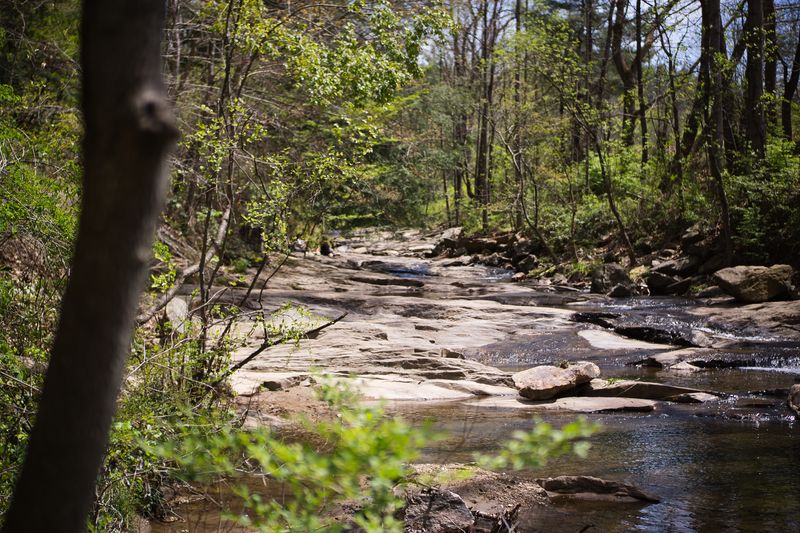
Visiting the garden across different seasons reveals dramatically changing landscapes that showcase the dynamic nature of Appalachian ecosystems. Spring explodes with ephemeral wildflowers that bloom before trees fully leaf out, creating carpets of color across the forest floor.
Early bloomers like bloodroot and hepatica give way to later species in a carefully choreographed succession.
Summer transforms the garden into a lush green sanctuary with full tree canopies providing cooling shade. Different wildflowers take center stage during warmer months, while ferns reach their most impressive sizes.
The creek becomes a focal point as visitors seek its cooling influence.
Fall brings spectacular foliage displays as native trees and shrubs turn brilliant shades of red, orange, and gold. This season offers some of the year’s most photogenic moments as autumn colors reflect in the creek.
Seed heads and dried flower stalks add textural interest to the landscape.
Winter reveals the garden’s structural bones, with bare branches creating intricate patterns against the sky. Evergreen species become more prominent, and the overall aesthetic takes on a quieter, more contemplative quality.
Each season offers unique beauty and ecological lessons, making repeat visits worthwhile throughout the year. This seasonal diversity mirrors the natural rhythms of mountain ecosystems.
A Haven For Pollinators And Local Wildlife
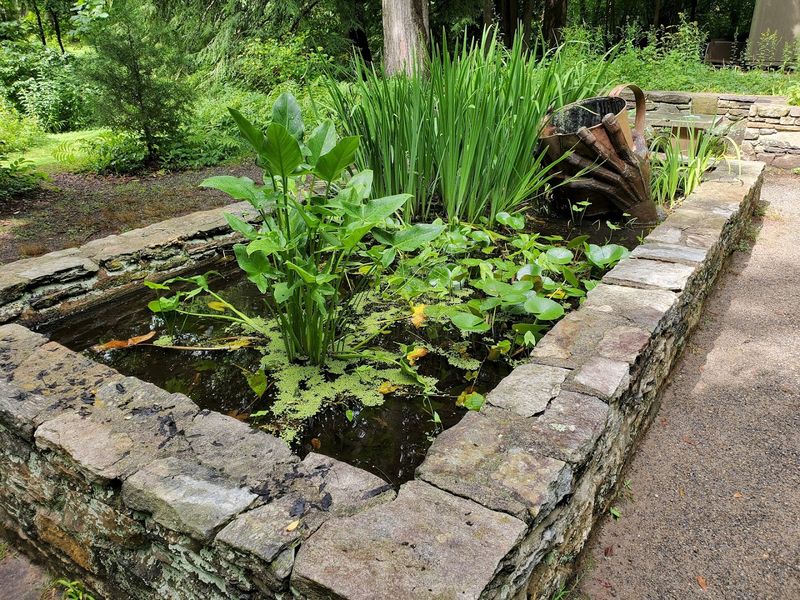
Native plantings throughout the garden create vital habitat for pollinators and wildlife that depend on regional plant species. Butterflies, bees, hummingbirds, and other beneficial insects find abundant food sources among the native blooms.
The garden demonstrates how native plants support complex ecological relationships that sustain biodiversity.
Visitors frequently spot butterflies nectaring on wildflowers throughout the warmer months. Native bees visit flowers that evolved alongside them, creating perfectly matched partnerships.
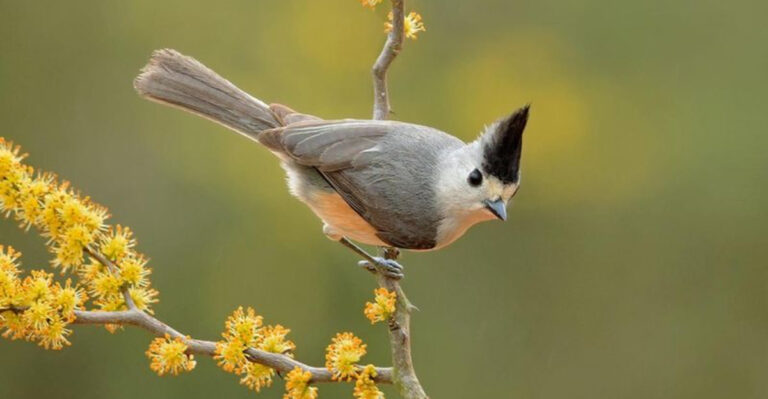
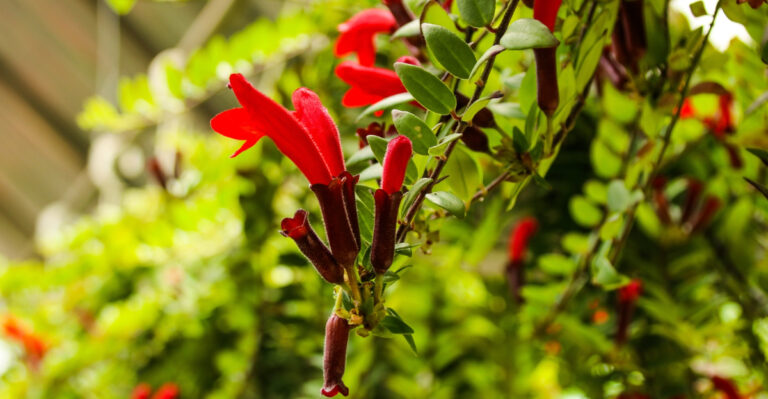
Hummingbirds seek out tubular native blooms that provide high-energy nectar to fuel their incredible metabolisms.
Beyond pollinators, the garden supports birds, small mammals, amphibians, and other wildlife. The creek provides water sources and habitat for salamanders and other moisture-loving creatures.
Visitors have even reported occasional bear sightings, though such encounters remain rare and exciting rather than common.
The garden’s wildlife-friendly approach offers practical lessons for home gardeners interested in supporting pollinators and local fauna. By choosing native plants over exotic ornamentals, gardeners can create landscapes that feed and shelter wildlife while requiring less maintenance.
The garden proves that beautiful landscaping and ecological function aren’t mutually exclusive. Watching pollinators work among the flowers adds another dimension of interest to any visit, connecting visitors to the intricate web of life sustained by native plant communities.
A Quiet Escape Close To Downtown Asheville
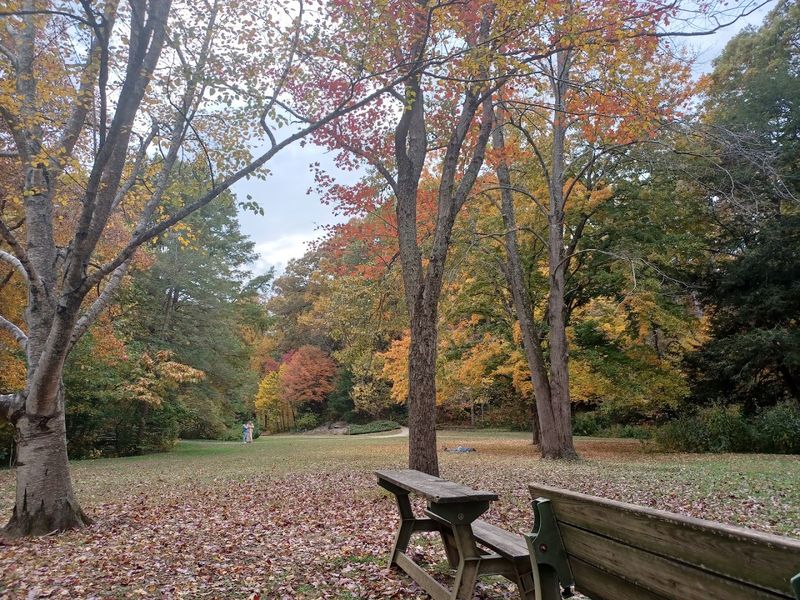
Despite its proximity to downtown Asheville and location adjacent to the UNC Asheville campus, the garden feels remarkably secluded and peaceful. Dense vegetation and thoughtful design create a sense of being deep in mountain wilderness even though you’re minutes from urban amenities.
This convenient location makes natural beauty accessible without requiring long drives into remote areas.
The garden sits at 151 WT Weaver Boulevard, easily reached from downtown in just a few minutes. Free parking makes access simple, though spaces can fill on busy weekends.
The central location means you can combine a garden visit with other Asheville activities in a single outing.
Once inside the garden, city sounds fade into the background, replaced by birdsong, rustling leaves, and flowing water. The woodland setting provides effective sound buffering, though some traffic noise remains audible in certain areas.
Most visitors find the overall atmosphere peaceful and restorative despite occasional urban reminders.
This accessible natural space serves important community needs by providing a place for outdoor recreation, contemplation, and nature connection without requiring significant travel. Residents can visit regularly during lunch breaks or after work.
Tourists appreciate having a quality natural attraction so close to downtown accommodations. The garden proves that cities can preserve meaningful natural spaces that benefit residents and visitors alike.
Inspires Visitors To Grow Native Plants At Home
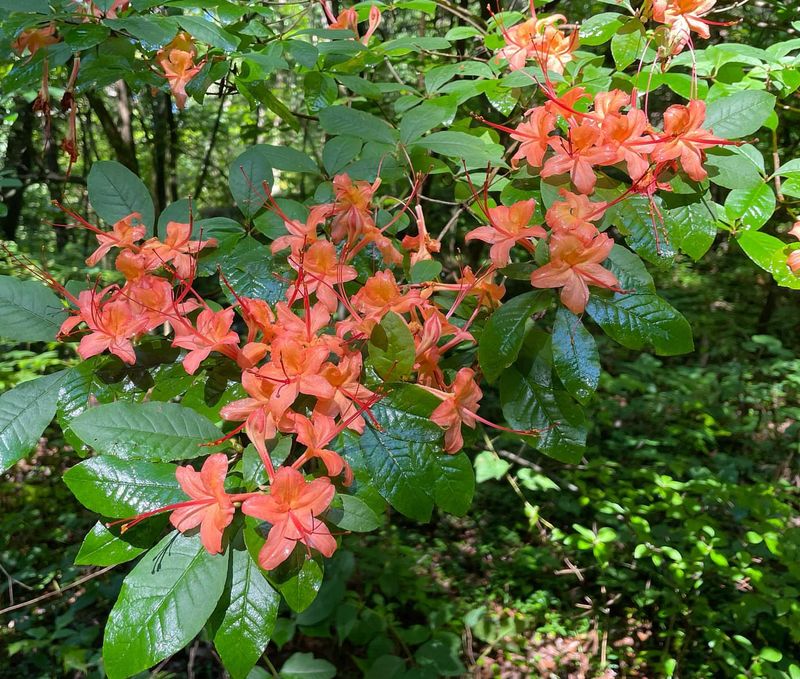
Many visitors leave the garden inspired to incorporate native plants into their own home landscapes. Seeing these species thriving in garden settings demonstrates their ornamental value and practical benefits.
The garden essentially serves as a living catalog of plants well-suited to regional growing conditions, making species selection easier for home gardeners.
The gift shop offers native plant seeds, gardening books, and resources to help visitors get started with native landscaping. Staff and volunteers provide advice about which species work well in different garden situations.
This practical support helps translate inspiration into action once visitors return home.
Native plants require less water, fertilizer, and pest control than most non-native ornamentals once established in appropriate locations. They’re adapted to local climate patterns, soil conditions, and pest pressures.
Home gardeners appreciate these low-maintenance qualities alongside the ecological benefits of supporting local wildlife.
The garden demonstrates various design approaches, from naturalistic woodland gardens to more structured plantings, showing how native species can fit different aesthetic preferences. Visitors see that native doesn’t mean wild or unkempt.
Beautiful, intentional garden designs can feature exclusively native plants while supporting pollinators and wildlife. This inspiration often sparks long-term interest in native plant gardening that extends well beyond a single garden visit.