This Plant Handles California Heat Better Than Hydrangeas
California summers can be brutal on garden favorites, and not every plant handles the heat with grace. Hydrangeas, with their lush leaves and big dreamy blooms, often struggle once the sun starts blazing and the soil dries out.
Crispy edges, drooping stems, and constant thirst can turn them into high maintenance divas when temperatures climb. That is where lantana steps in and steals the spotlight.
This sun loving powerhouse thrives in hot, dry conditions that send other plants into survival mode. Lantana keeps blooming through scorching afternoons, lighting up the garden with clusters of bright, cheerful color while asking for very little in return.
Butterflies adore it, gardeners appreciate its toughness, and the plant just keeps going when the heat refuses to let up.
If your garden bakes under intense California sun, lantana might be the vibrant, resilient upgrade you did not know you needed.
Built For Blazing Summers
Some plants wave a white flag the moment a California summer hits full stride. Lantana does the opposite.
It actually grows stronger, blooms harder, and looks better as the heat cranks up. That is not something you can say about many flowering plants.
Lantana is native to tropical and subtropical regions, which means hot weather is its natural home. It evolved to handle long stretches of high temperatures without missing a beat.
While hydrangeas need shade, cool roots, and constant moisture to survive California summers, lantana is out there soaking up every ray of sunshine.
In places like Fresno, Riverside, and the San Fernando Valley, summer temperatures regularly climb past 100 degrees Fahrenheit. Most flowering plants tap out long before that.
Lantana keeps right on blooming. Its waxy leaves help it hold moisture, and its deep root system pulls water from the soil efficiently.
If you want a plant that treats a blazing California summer like a welcome invitation rather than a threat, lantana is your answer. It was practically built for this climate.
Thrives Where Hydrangeas Wilt
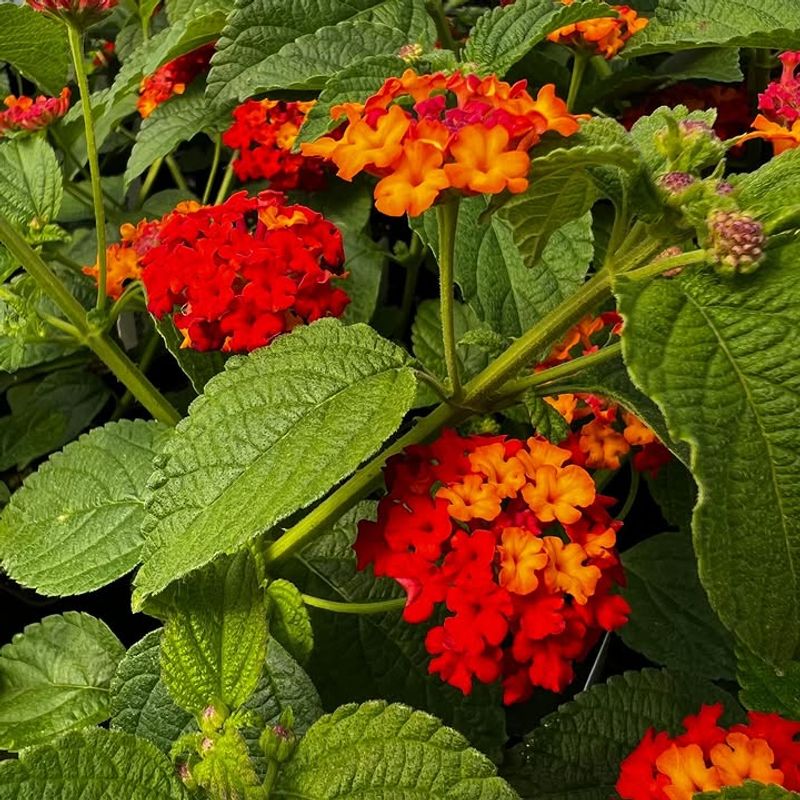
Hydrangeas are beautiful, no question about it. But in California, they spend most of the summer looking sad.
They wilt in the afternoon heat, drop their blooms early, and demand more water than most California gardeners want to give. Lantana has none of those problems.
The reason hydrangeas struggle so much in California comes down to their origins. They come from cooler, more humid climates where temperatures stay moderate and rainfall is reliable.
California is the opposite of that. Hot, dry, and sunny for months on end, California is simply not hydrangea territory, no matter how much you want it to be.
Lantana, on the other hand, was built for exactly these conditions. Plant it in the same sunny California yard where a hydrangea would struggle, and lantana will reward you with months of non-stop color.
It does not need shade cloth, afternoon misting, or special soil amendments. It just needs sun, a little water to get started, and some room to spread.
Gardeners in places like Temecula, Bakersfield, and Stockton have discovered this firsthand, and many have made the switch permanently.
Loves Full, Unfiltered Sun
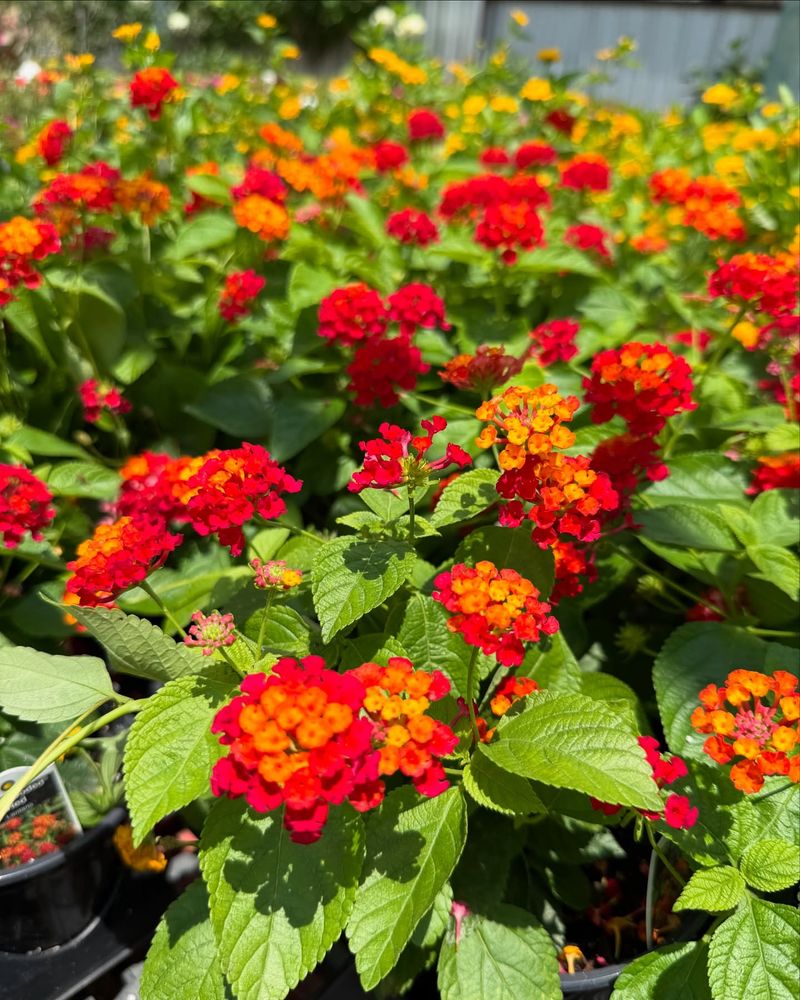
Most flowering plants need at least some relief from the California sun. Not lantana. Full, unfiltered sun is exactly where it performs best. The more direct sunlight it gets, the more blooms it produces. That is a rare quality in a flowering plant.
Gardeners in California often struggle to find plants that can handle a south-facing bed or a spot along a hot concrete driveway. Those locations get baked all day long, and most plants simply cannot take it.
Lantana thrives in those very spots. It actually produces fewer blooms when grown in partial shade, so putting it in the sunniest corner of your yard is not a mistake. It is a strategy.
In cities like Palm Springs, Victorville, and Redding, where summer sun is relentless and shade is hard to come by, lantana fills garden beds with color that other plants cannot match. You do not need to plan your garden around protecting it.
Plant it where the sun hits hardest, water it lightly while it gets established, and then stand back.
Within a few weeks, you will have a blooming, buzzing, beautiful plant that loves its sunny spot just as much as you love your California lifestyle.
Blooms Through The Heatwaves
When a heatwave rolls through California, most gardens go quiet. Roses stop blooming. Lavender looks tired. Hydrangeas practically disappear.
But walk past a lantana plant during a heatwave, and you will find it covered in clusters of bright, cheerful flowers like nothing unusual is happening at all.
Lantana has a flowering habit that is directly tied to warmth and sun exposure. The hotter it gets, the more it blooms.
This makes it one of the very few plants that actually peaks during the toughest weeks of a California summer. Heatwaves that would stress most garden plants into a rest period push lantana into overdrive.
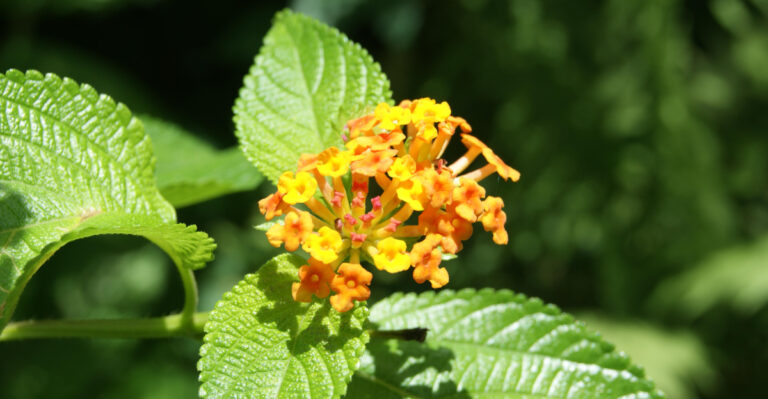
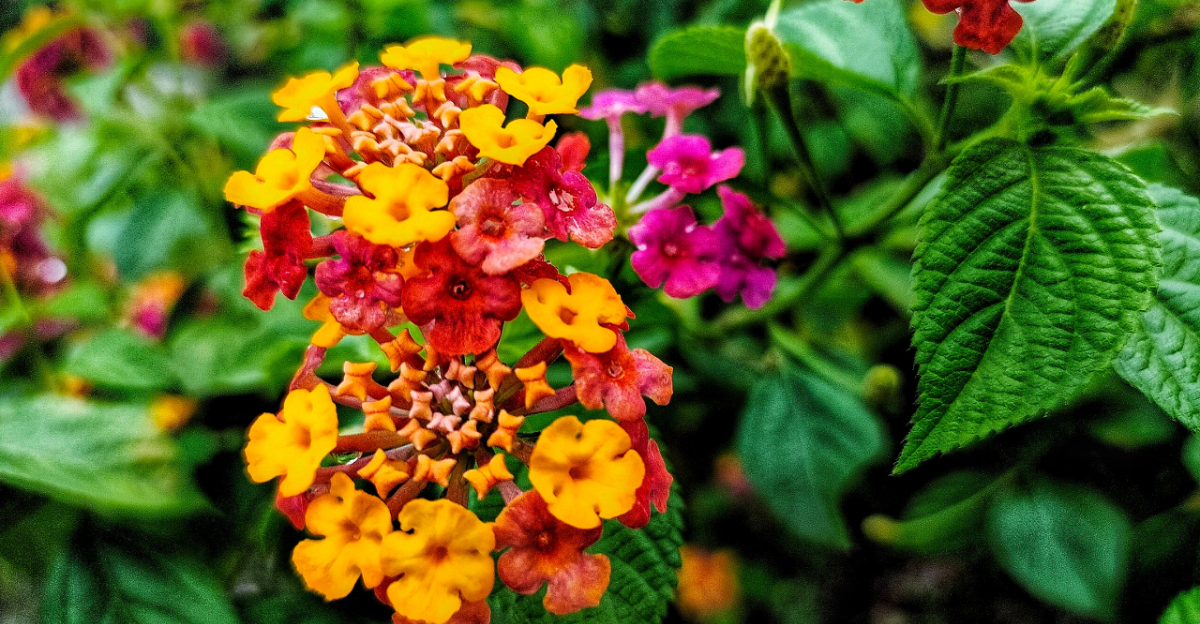
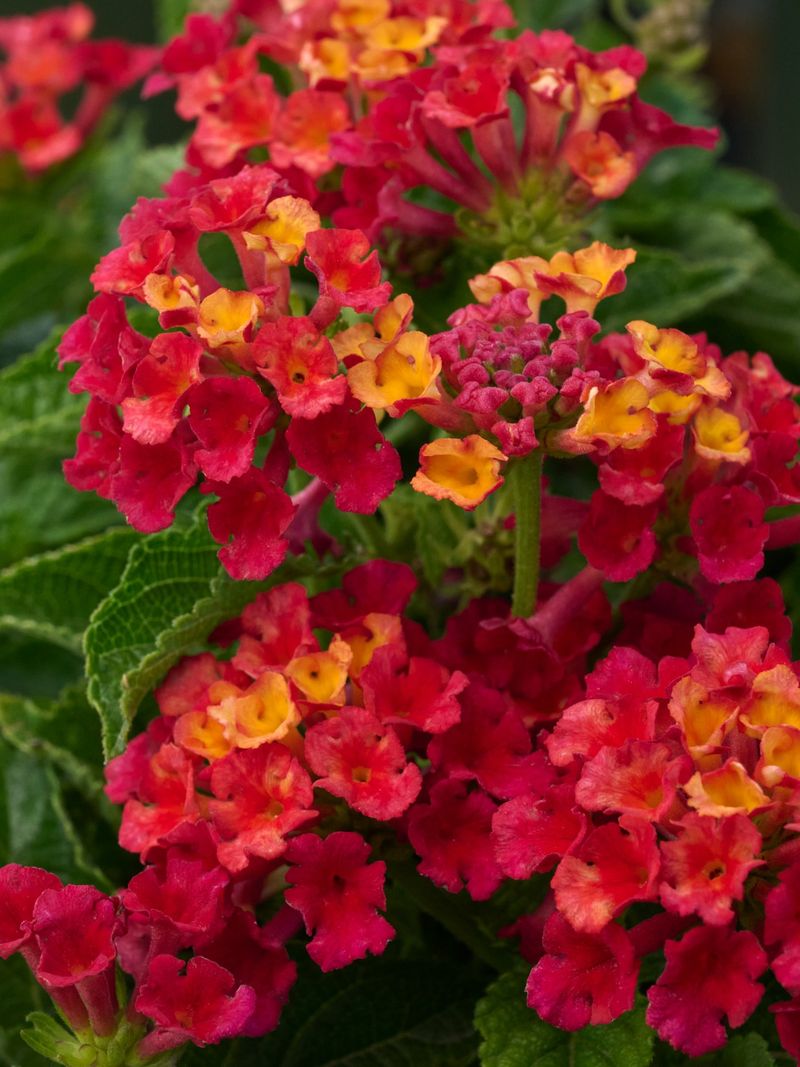
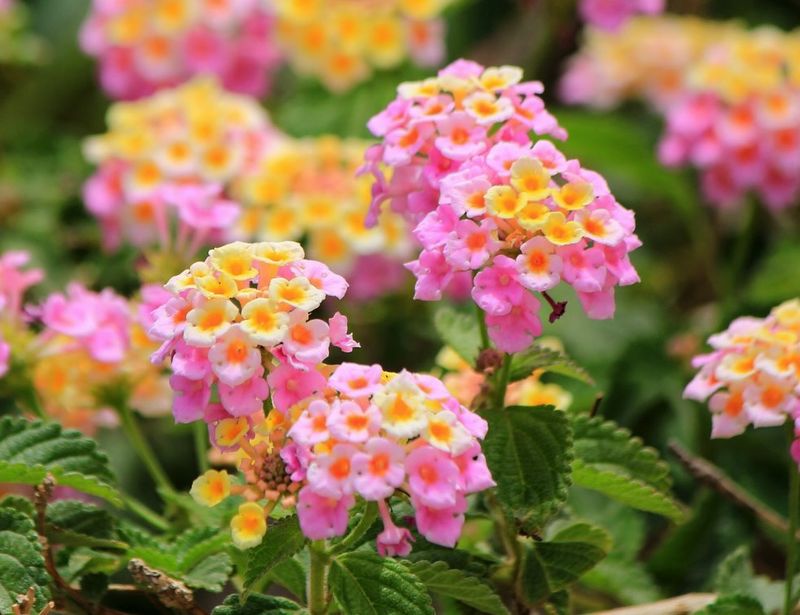
This is a big deal for California gardeners who want color in their yards year-round. From late spring all the way through fall, lantana keeps producing fresh flower clusters in shades of red, orange, yellow, pink, purple, and white.
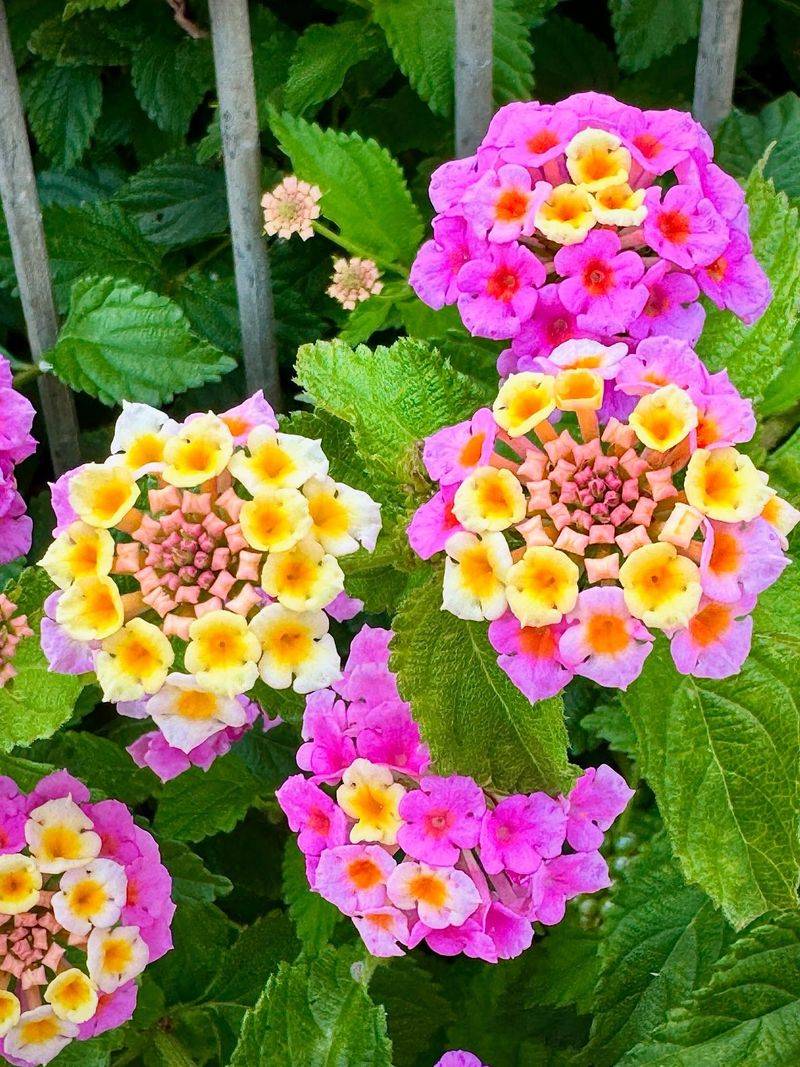
Some varieties even mix multiple colors in a single flower cluster, creating a confetti-like effect that is hard to miss.
In places like Sacramento, San Bernardino, and Modesto, where summer heatwaves are a regular part of life, lantana is one of the most reliable sources of garden color you can find. It simply does not stop.
Needs Far Less Water
Water is precious in California. Droughts are common, restrictions pop up every few years, and every gallon counts. Planting a garden full of thirsty plants is not just frustrating. It can get expensive fast.
Lantana is a smart choice for California gardeners who want to be water-wise without giving up on color.
Once lantana is established, it is remarkably drought-tolerant. During its first season, it needs regular watering to help its roots settle in.
After that, it can survive on very little supplemental irrigation in most parts of California. In coastal areas, natural rainfall and morning fog may be enough to keep it going through mild stretches. In hotter inland areas, occasional deep watering is all it needs.
Compare that to hydrangeas, which need consistently moist soil and will show visible stress within a day or two of drying out. In a state where water conservation is a real responsibility, the difference is significant.
Many California gardeners have replaced their hydrangeas with lantana specifically to cut down on their water bills.
The result is a garden that looks just as colorful and lively, costs less to maintain, and holds up beautifully even when the summer gets dry and long.
Color That Won’t Quit
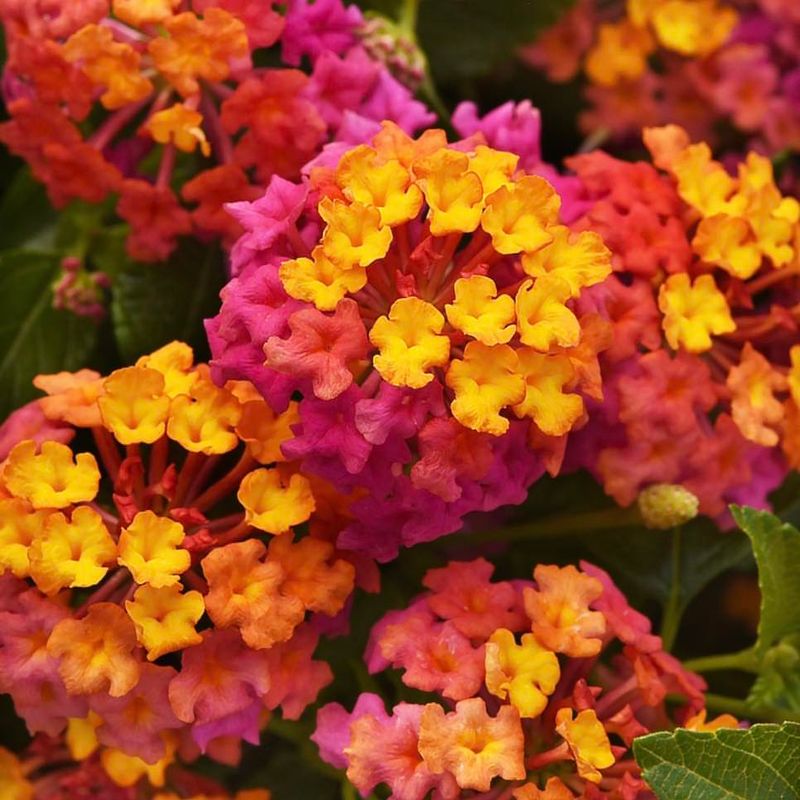
Few plants can match lantana when it comes to sheer, sustained color output. From the time it starts blooming in late spring to the first cool nights of fall, lantana keeps pushing out fresh flower clusters week after week.
There is no mid-summer lull, no fading out, no waiting for a second bloom cycle. What makes lantana especially fun is the variety of colors available.
You can find varieties in bold reds and oranges, soft pinks and creams, rich purples, and cheerful yellows.
Some of the most popular varieties mix two or three colors within a single flower cluster, shifting from one shade at the center to another at the edges. It creates a look that feels almost tropical, which fits right in with California’s warm, sun-soaked personality.
Gardeners in places like San Diego, Los Angeles, and the East Bay have long used lantana as a go-to for adding reliable color to front yards, hillside plantings, and container gardens.
It spills beautifully over retaining walls, fills large garden beds, and even works well in hanging baskets on a sunny porch.
The color payoff is genuinely impressive for a plant that asks so little from you in return. It just keeps going all season long.
Pollinators Can’t Resist It
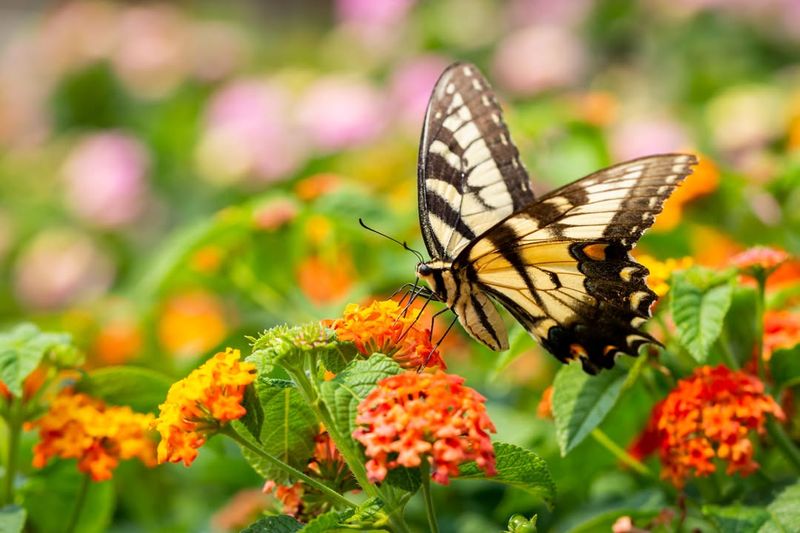
Here is something that might surprise you. Lantana is one of the top pollinator plants you can grow in a California garden.
Butterflies, bees, and hummingbirds are drawn to its small, tubular flowers in a way that turns your yard into a lively, buzzing ecosystem. If you have ever wanted to attract more wildlife to your garden, this plant delivers.
Monarch butterflies in particular are big fans of lantana. As they travel through California on their migration routes, they stop to feed on lantana blooms.
Planting lantana along your fence line or in a front yard bed can make your property a small but meaningful rest stop for these iconic butterflies. Bees love it too, and a healthy bee population benefits every other plant in your garden.
Hummingbirds are regular visitors as well, especially in areas like Santa Barbara, Ventura, and the foothills of Northern California where hummingbird populations are strong.
Watching a hummingbird hover over a patch of blooming lantana is one of those simple garden joys that never gets old.
Beyond the beauty, supporting pollinators is genuinely good for the local environment. Lantana makes it easy to contribute to that without any extra effort on your part.
Just plant it and enjoy the show.
Tough, Vibrant, And Nearly Carefree
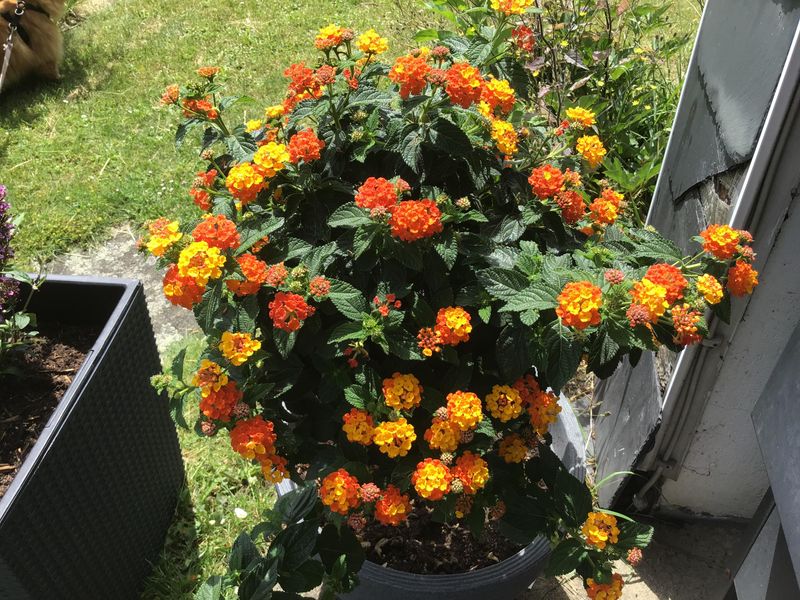
Gardening should be enjoyable, not exhausting. Lantana understands that assignment.
Once it gets settled into your California garden, it is about as low-maintenance as a flowering plant can get. No constant pruning, no weekly fertilizing, no fussing over soil pH. It just grows, blooms, and looks great season after season.
Lantana is also surprisingly resistant to pests and diseases. Deer tend to avoid it, which is a huge bonus for gardeners in foothill communities around the Bay Area, San Diego County, and the Sierra Nevada foothills where deer pressure is a real problem.
Aphids and other common garden pests rarely bother it either. That means fewer sprays, fewer treatments, and less time troubleshooting problems.
A light trim in early spring encourages fresh growth and keeps the plant looking tidy. In mild coastal areas of California, lantana may stay semi-evergreen through winter, giving you color almost year-round.
In hotter inland regions, it may die back slightly in winter but bounces back strong when warm weather returns.
Whether you are a seasoned gardener or someone who just wants a yard that looks good without a lot of effort, lantana fits your lifestyle perfectly. It is tough, vibrant, and genuinely one of the easiest wins in California gardening.