This Pollinator-Friendly Plant Is Winning Over Pennsylvania Gardeners
Some plants manage to do more than brighten a garden bed. They bring movement, color, and a sense that your yard is part of something bigger.
That is exactly why one standout plant has been catching the attention of more and more Pennsylvania gardeners lately. It looks bold without feeling fussy, and once it starts blooming, it turns into the kind of plant people stop and notice.
For gardeners who want something beautiful but also useful, this one has a lot going for it. It handles Pennsylvania conditions well, adds strong summer color, and helps create a yard that feels lively instead of static.
Butterflies are especially drawn to it, which gives it an extra layer of appeal for anyone who enjoys seeing more life in the garden.
Butterfly milkweed has earned its growing popularity the honest way. It performs well, brings real pollinator value, and adds a bright, cheerful look that fits just as easily into a wildflower patch as it does into a more polished front yard.
1. Why Butterfly Milkweed Is Showing Up In More Pennsylvania Gardens
Walk through almost any Pennsylvania garden center in late spring, and you will likely spot flats of butterfly milkweed lined up near the front. Gardeners across the state have been reaching for this native plant in growing numbers, and the reasons are hard to argue with.
Butterfly milkweed (Asclepias tuberosa) is native to Pennsylvania and much of eastern North America, which means it is already adapted to local soils, rainfall patterns, and seasonal conditions.
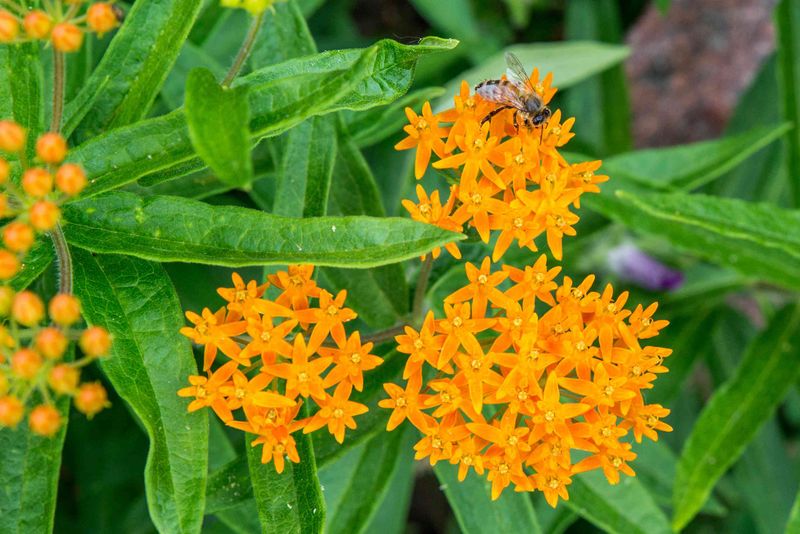
That alone makes it a smart pick, but the plant brings much more to the table. Its bright clusters of orange flowers are a powerful nectar source, drawing in a wide range of pollinators from early summer through late summer.
For gardeners who want their outdoor space to feel alive and buzzing with activity, few plants deliver like this one does.
What really sets butterfly milkweed apart from other flowering perennials is its role as a monarch butterfly host plant. Monarch caterpillars can only survive on milkweed, and butterfly milkweed is one of the best native options available to Pennsylvania gardeners.
The combination of beauty, ecological value, and native toughness is exactly why butterfly milkweed keeps popping up in more Pennsylvania landscapes every single year.
2. The Bright Orange Blooms Are Hard To Ignore
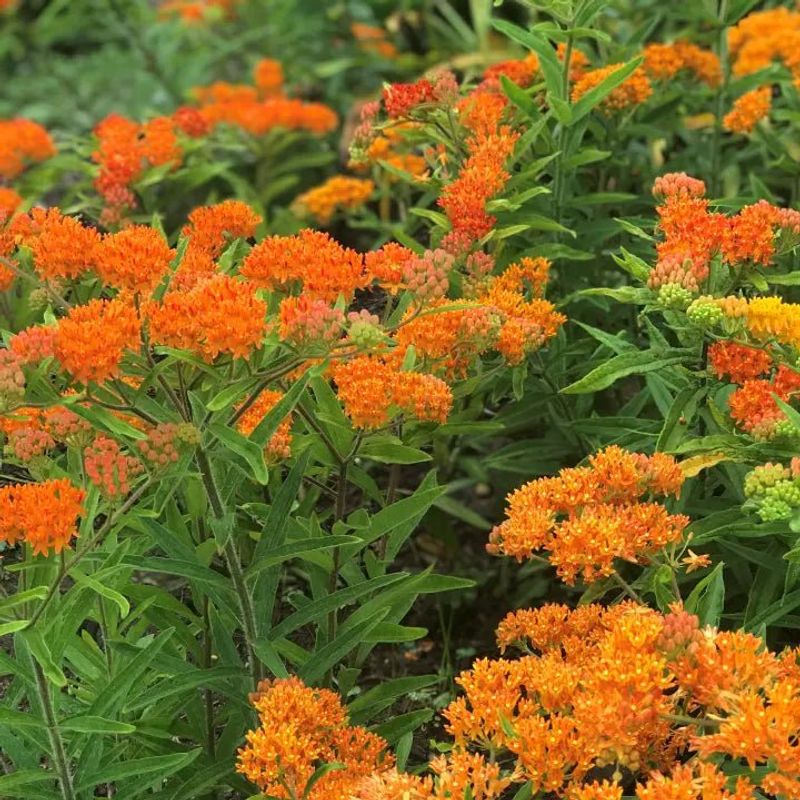
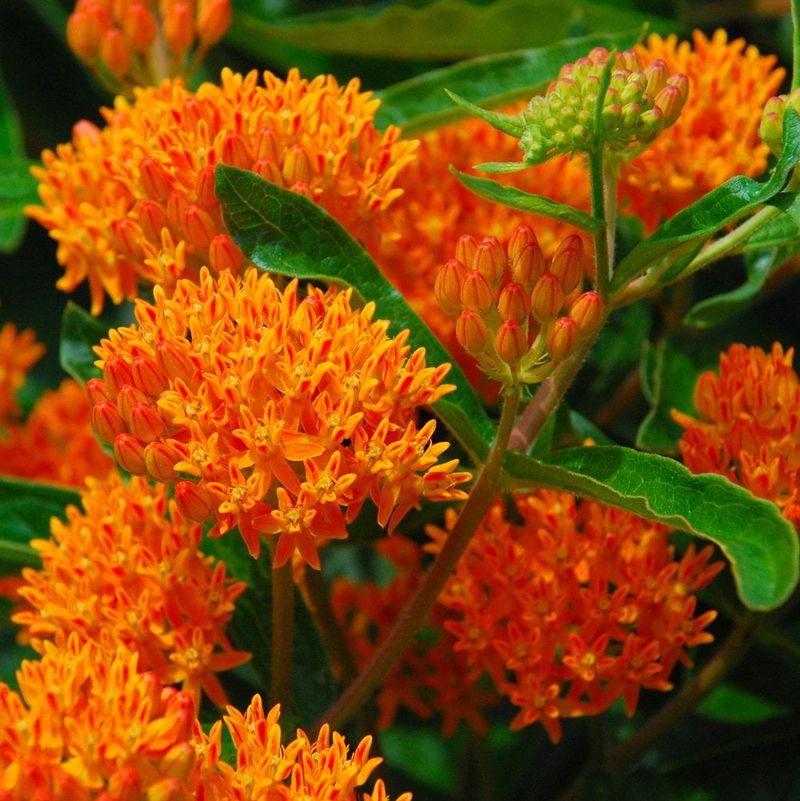
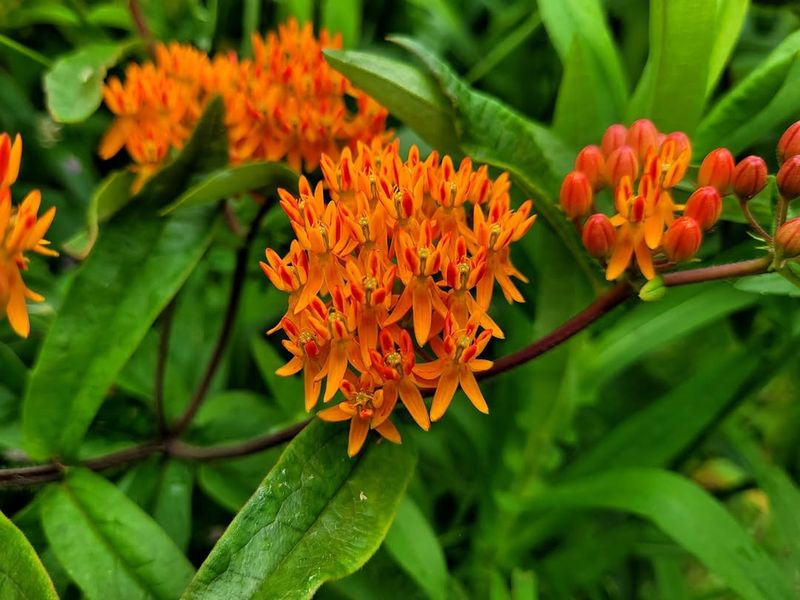
Some plants blend quietly into the background, and then there is butterfly milkweed. The moment it bursts into bloom, usually from June through August, it grabs attention with clusters of fiery orange flowers that almost seem to glow in the summer sun.
In a Pennsylvania garden, that kind of color is genuinely hard to come by without resorting to fussy annuals that need constant replanting.
What makes the look even better is how effortless it appears. Butterfly milkweed grows in tidy, upright clumps that reach about one to two feet tall.
The flowers sit on top in dense, flat-topped clusters called umbels, and they hold their color for weeks at a time. There is nothing overdone or artificial-looking about it.
The plant just shows up and delivers bold, honest color that works beautifully against green foliage or alongside purple coneflowers and black-eyed Susans in a classic Pennsylvania pollinator bed.
For gardeners who want summer interest without a lot of effort, this plant is a genuine standout. It does not flop over, does not need staking, and does not lose its appeal after the first week of bloom.
As summer stretches on, the flowers give way to interesting seed pods that add texture and structure to the garden even after peak bloom has passed.
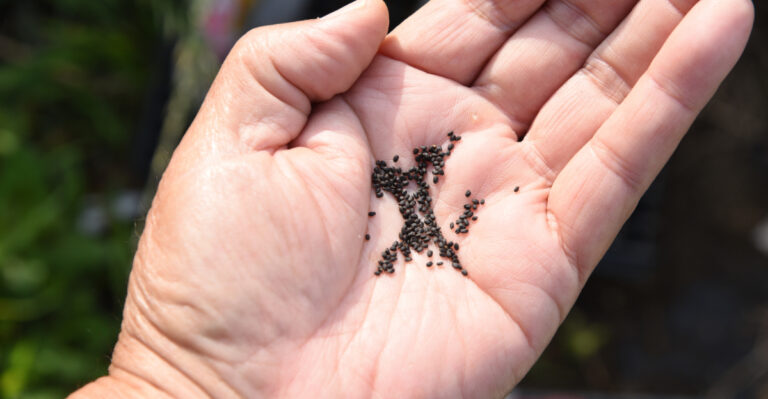
Those pods eventually split open to release silky seeds that drift away on the breeze, which is a charming detail that makes the plant feel connected to the natural landscape of Pennsylvania in a way that imported ornamentals simply cannot match.
3. It Does More Than Attract Butterflies
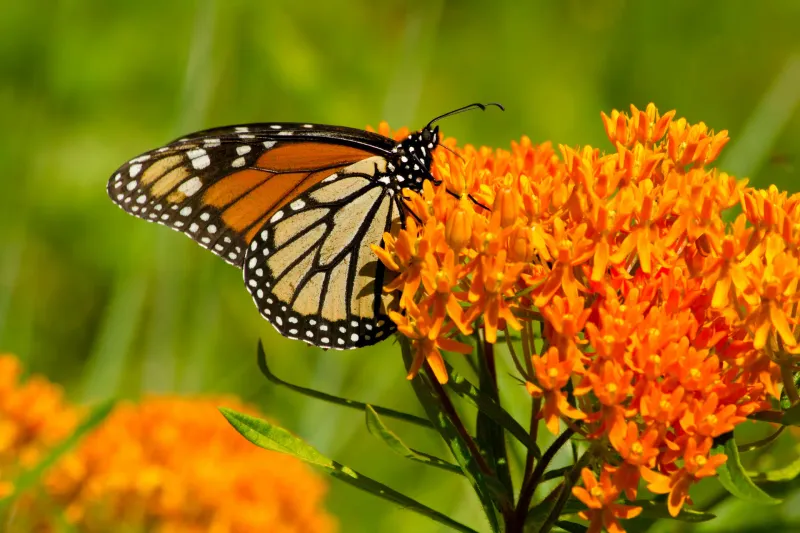
Most people plant butterfly milkweed with monarchs in mind, and that makes complete sense. But once the plant starts blooming, gardeners in Pennsylvania quickly discover that the guest list is much longer than expected.
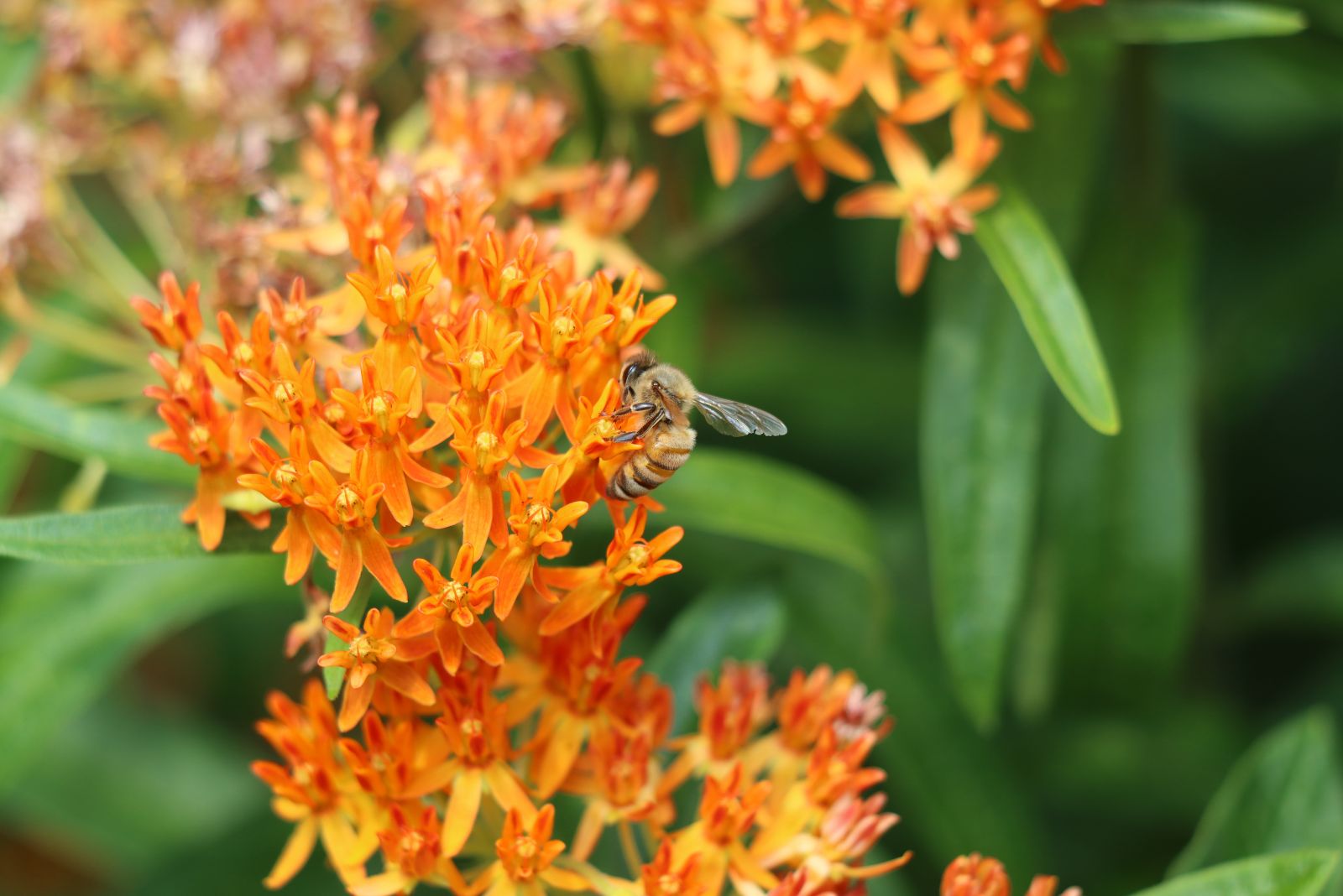
Native bees, bumblebees, skippers, fritillaries, swallowtails, and even hummingbirds show up regularly to feed on its nectar-rich flowers. For anyone who wants a garden that feels genuinely alive, butterfly milkweed delivers in a big way.
Native bees are especially drawn to the plant. Species like bumblebees and sweat bees visit constantly throughout the bloom period, and their activity makes even a small planting feel buzzing and energetic.
That wildlife activity is something many Pennsylvania gardeners say they did not fully expect when they first added this plant, and it quickly becomes one of their favorite things about it.
Hummingbirds are another welcome surprise. The combination of nectar access and nearby open space gives hummingbirds the kind of feeding environment they prefer. Beyond individual visitors, this plant supports the broader food web.
Insects that feed on the plant become food for birds, and the overall activity level in the garden increases noticeably. Pennsylvania gardeners who care about ecological balance tend to appreciate that butterfly milkweed is not just decorative.
It is genuinely useful to a wide community of creatures, which makes every single planting feel like a meaningful contribution to the local environment.
4. This Is The Milkweed Pennsylvania Gardeners Feel Good About Planting
Not all milkweeds are created equal, and Pennsylvania gardeners have learned that lesson well.
Tropical milkweed (Asclepias curassavica), which is widely sold at big-box stores, has raised concerns among conservationists because it can interfere with monarch migration patterns when it stays green too long in warmer climates.
Butterfly milkweed, on the other hand, is a native species that follows natural seasonal cycles, making it a much better ecological choice for gardeners in Pennsylvania who want to help monarchs the right way.
What makes butterfly milkweed especially rewarding is its role as a larval host plant. Monarch females lay their eggs on milkweed leaves, and the caterpillars feed exclusively on milkweed foliage as they grow.
Planting butterfly milkweed means you are not just offering nectar to adult butterflies passing through.
You are providing a place where the next generation of monarchs can actually develop. That is a much bigger ecological contribution than most flowering perennials can offer.
Seeing monarch caterpillars munching on the leaves of your own plants is one of those garden moments that Pennsylvania gardeners talk about for years. It turns a simple planting decision into a genuine wildlife experience.
Knowing that your garden played a small but real role in supporting a struggling species adds a layer of meaning that purely ornamental plants cannot provide.
For gardeners who want both beauty and purpose in their outdoor spaces, few plants deliver that combination as honestly as this one does.
5. It Thrives In The Sunny, Dry Spots Other Plants Struggle With
Every garden has that one trouble spot. Maybe it is a south-facing slope that bakes in the summer sun.
Maybe it is a strip along the driveway where the soil drains fast and gets bone dry by July. Most perennials throw in the towel in spots like that, but butterfly milkweed actually thrives there.
It evolved in exactly those kinds of conditions, which is why it performs so well in the tougher corners of Pennsylvania gardens.
Butterfly milkweed prefers full sun, meaning at least six hours of direct sunlight per day, and it does best in well-drained to dry soils. Heavy clay that stays wet after rain is the one condition it genuinely dislikes.
In those situations, root rot can become a problem. But in sandy, rocky, or average garden soil with good drainage, this plant establishes itself with very little fuss and keeps coming back stronger each year.
Drought tolerance is one of its most practical selling points for Pennsylvania gardeners. Once butterfly milkweed is established, usually after its first full growing season, it can handle dry summer stretches without supplemental watering.
That is a real advantage during Pennsylvania summers, which can swing between rainy stretches and extended dry spells. The plant’s deep taproot is the secret behind its drought toughness, anchoring it firmly and pulling moisture from deeper in the soil.
That same taproot is also why butterfly milkweed resents being transplanted once it is settled in.
Pick your spot carefully, plant it right the first time, and this perennial will reward Pennsylvania gardeners with reliable color and wildlife value for many years to come.
6. Why It’s Becoming A Go-To Choice For Pennsylvania Landscapes
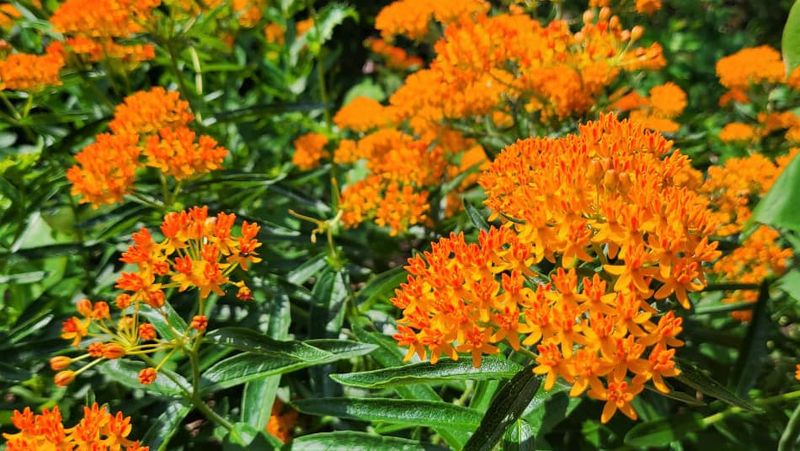
When a plant is native, long-lived, low-maintenance, and valuable to wildlife all at once, it tends to earn a permanent spot in gardeners’ plans.
Butterfly milkweed checks every one of those boxes, which is a big reason why it keeps climbing in popularity across Pennsylvania.
Gardeners who planted it for the first time a few years ago are now expanding their patches, recommending it to neighbors, and pairing it with other native plants like coneflowers, ironweed, and threadleaf tickseed to build out full pollinator gardens.
The plant fits naturally into many different landscape styles. It works in formal borders alongside ornamental grasses, in casual cottage-style plantings, and in naturalized meadow areas where it can spread gently over time.
Once established, butterfly milkweed asks for very little. No deadheading is required, though cutting back spent flower clusters can encourage a second flush of blooms.
No fertilizer is needed, and in well-drained soil, no extra watering is necessary after the first season. For busy Pennsylvania gardeners who want beautiful, wildlife-friendly results without spending every weekend maintaining their yard, that kind of reliability is genuinely valuable.
The plant comes back faithfully each spring, grows a little fuller each year, and continues to support monarchs, bees, and other pollinators season after season.
That steady, honest performance is exactly why butterfly milkweed has become one of the most trusted native perennials in Pennsylvania landscapes today.