This Secret Greenhouse In California Is Protecting The World’s Most Endangered Plants
Hidden behind glass in California grows a living link to the age of dinosaurs. This secret greenhouse is dedicated to cycads, some of the oldest and most endangered plants on Earth.
With their bold, palm-like crowns and ancient lineage, cycads once thrived across the planet, yet many species now stand on the brink of extinction due to habitat loss and illegal collecting.
Inside this carefully controlled sanctuary, conservationists nurture rare specimens, safeguard precious seeds, and study how to restore fragile populations in the wild.
Every new leaf represents hope for plants that have survived millions of years but now face their greatest challenge. Step inside and you will find more than a greenhouse.
You will discover a quiet rescue mission where science, patience, and passion are working together to ensure these remarkable survivors continue growing far into the future.
Living Fossils Behind Locked Doors
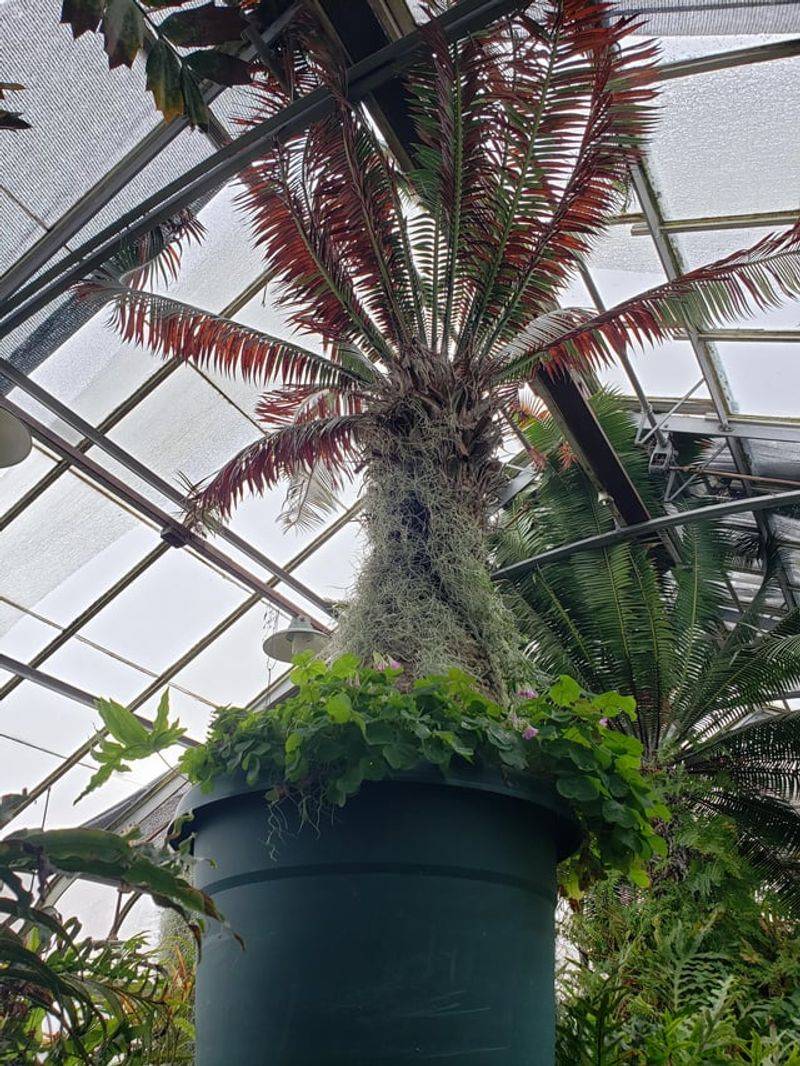
Cycads have been around for more than 280 million years, making them older than flowering plants and even most dinosaur species. Their thick trunks and stiff, palm-like leaves give them an unmistakable prehistoric appearance.
Walking among them feels like stepping into a lost world, where these ancient survivors stand as living connections to Earth’s distant past.
What makes cycads truly remarkable is how little they’ve changed over millions of years. While countless other species evolved or disappeared, these plants found a winning formula and stuck with it.
They survived mass extinctions that wiped out the dinosaurs, adapted to changing climates, and colonized habitats across the globe.
Today, however, cycads face their greatest threat yet: humans. Nearly all cycad species are now endangered, with some down to just a handful of individuals in the wild.
California’s secret greenhouses have become crucial sanctuaries for these survivors. Behind locked doors and security systems, botanists carefully tend to specimens that represent entire species’ last hopes.
The secrecy isn’t paranoia, it’s necessary protection. These facilities guard against theft, habitat disclosure, and unauthorized access that could doom already vulnerable populations.
The Cycad Poaching Crisis
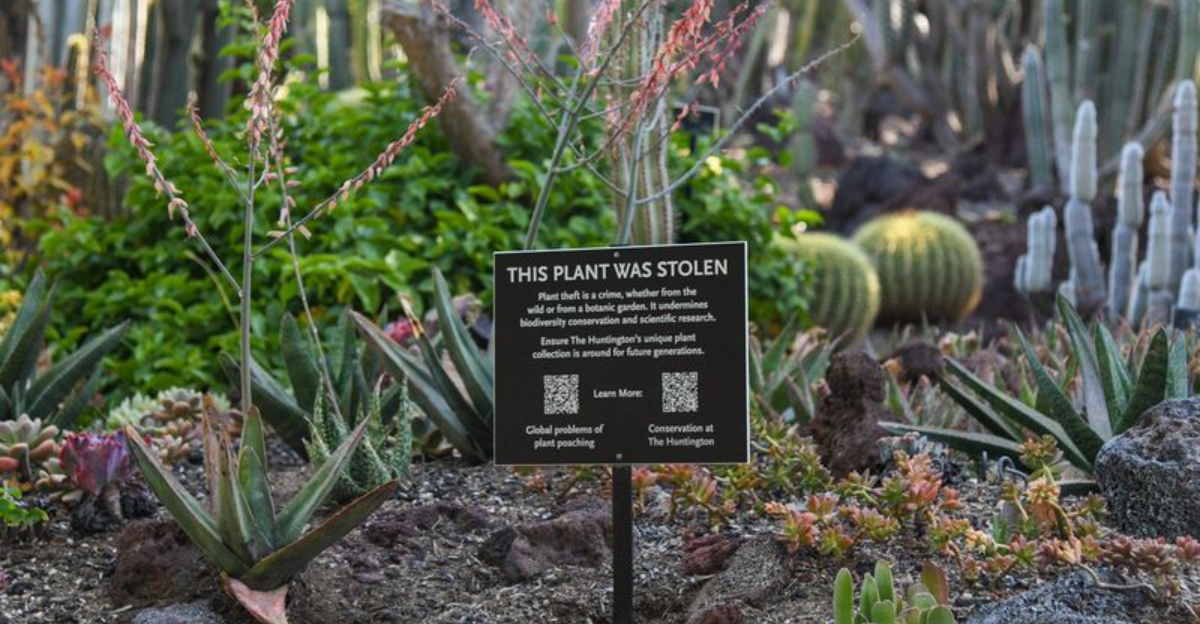
Rare cycads can sell for tens of thousands of dollars on the black market, making them targets for sophisticated poaching operations. Collectors obsessed with owning the rarest specimens fuel an illegal trade that rivals wildlife trafficking in its destructiveness.
Entire wild populations have been decimated by thieves who see only dollar signs where conservationists see irreplaceable genetic diversity.
The poaching problem became so severe that some botanical gardens stopped publishing specific locations of their rarest cycads. Thieves had been using collection catalogs as shopping lists, breaking into gardens at night to steal plants worth more than luxury cars.
Some facilities now refer to their security measures as “cycad jail”, a tongue-in-cheek term for very serious protection protocols.
California institutions have implemented multiple security layers to protect their collections. Motion sensors, cameras, and restricted access areas create barriers between these vulnerable plants and those who would exploit them.
Staff members receive training on security protocols, and visitor areas are carefully separated from conservation zones.
Despite these precautions, the threat remains constant. International smuggling networks continue operating, and demand from wealthy collectors shows no signs of decreasing.
UC Berkeley’s Hidden Treasure
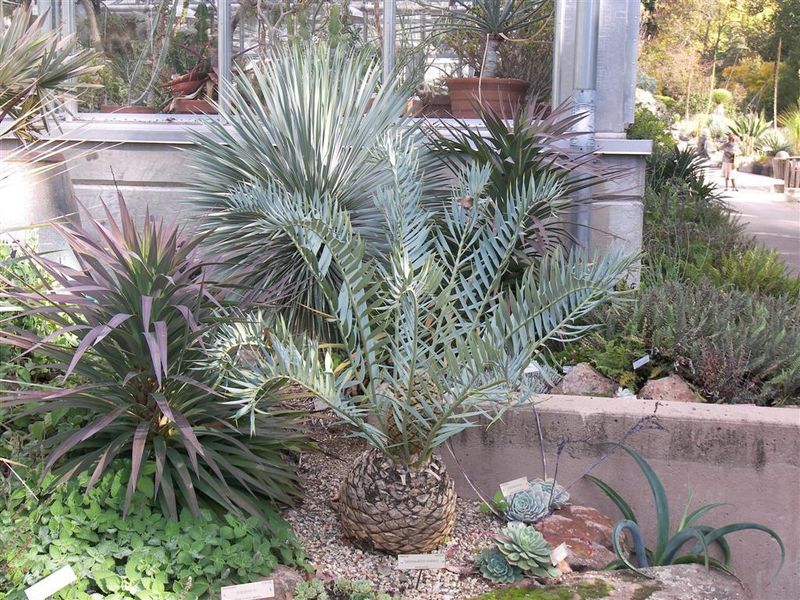
The UC Botanical Garden at Berkeley houses one of the world’s most significant cycad collections, though most visitors never see the rarest specimens.
Tucked away in restricted areas, these plants receive specialized care from botanists who understand their unique needs.
The garden’s location in the Berkeley Hills provides ideal growing conditions, with mild temperatures and fog-cooled summers that many cycads find comfortable.
Berkeley’s collection includes species from South Africa, Australia, Mexico, and Central America, representing the full global diversity of these ancient plants.
Each specimen is carefully documented, with genetic information preserved and propagation efforts ongoing.
The garden participates in international conservation networks, sharing seeds and knowledge with institutions worldwide.
What makes Berkeley’s program special is its combination of research, conservation, and education. Scientists study cycad biology, reproduction, and genetics while simultaneously working to increase population numbers.
Graduate students conduct groundbreaking research on these plants, uncovering secrets about their pollination, growth patterns, and survival strategies.
The facility also serves as a genetic bank, preserving diversity that no longer exists in the wild. For some species, Berkeley’s plants represent significant portions of all remaining individuals.
This responsibility weighs heavily on staff members who understand they’re safeguarding irreplaceable living heritage.
The Loneliest Plant On Earth
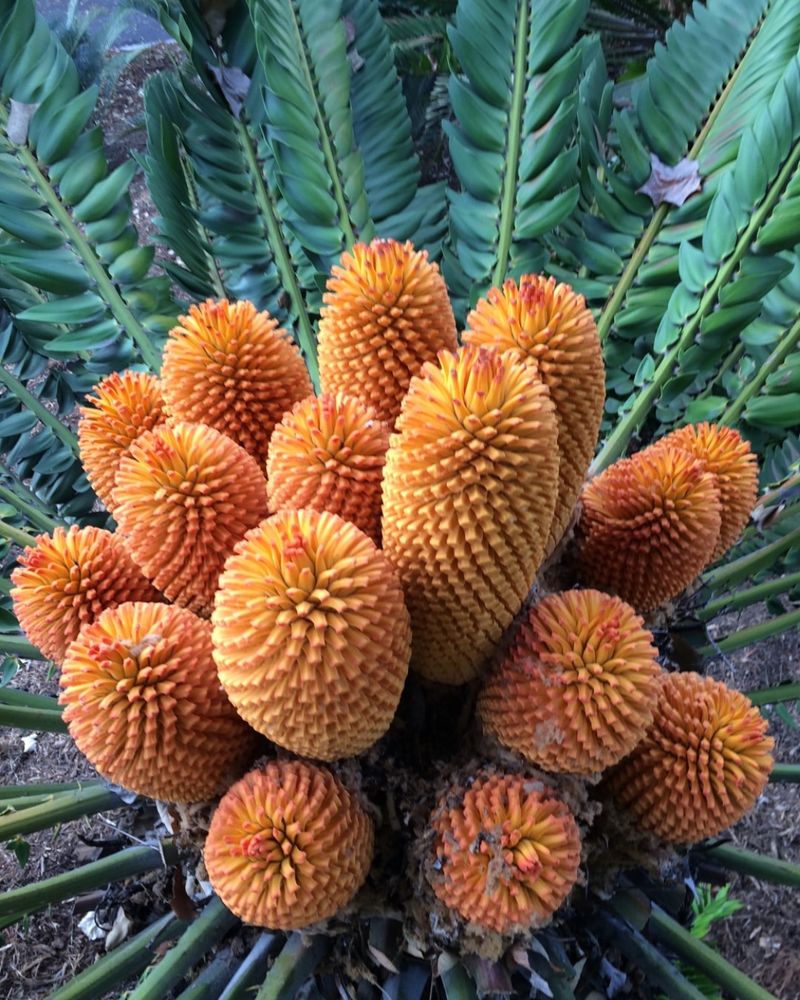
Encephalartos woodii holds a heartbreaking distinction: it’s the loneliest plant on Earth. The last known wild specimen was discovered in 1895 in South Africa, and no female has ever been found.
Every E. woodii alive today is a clone of that single male plant, making natural reproduction impossible. Without a female, this species can never produce seeds or create genetic diversity through sexual reproduction.
California institutions house several E. woodii clones, each one genetically identical to the original. These plants produce impressive male cones, large, orange structures that release pollen destined never to fertilize an egg.
It’s a poignant reminder of what we’ve lost and what hangs in the balance for so many other species.
Scientists haven’t given up hope entirely. Expeditions still search South African forests for a female E. woodii, though the odds grow slimmer with each passing year.
Some researchers explore the possibility of genetic manipulation or cross-breeding with closely related species, though such interventions raise ethical questions about species purity and natural evolution.
The E. woodii story resonates with visitors who learn about it, transforming abstract conservation concepts into tangible, emotional reality. Here’s a species that survived millions of years, only to face extinction in our lifetime.
Climate Refugees Find California Home
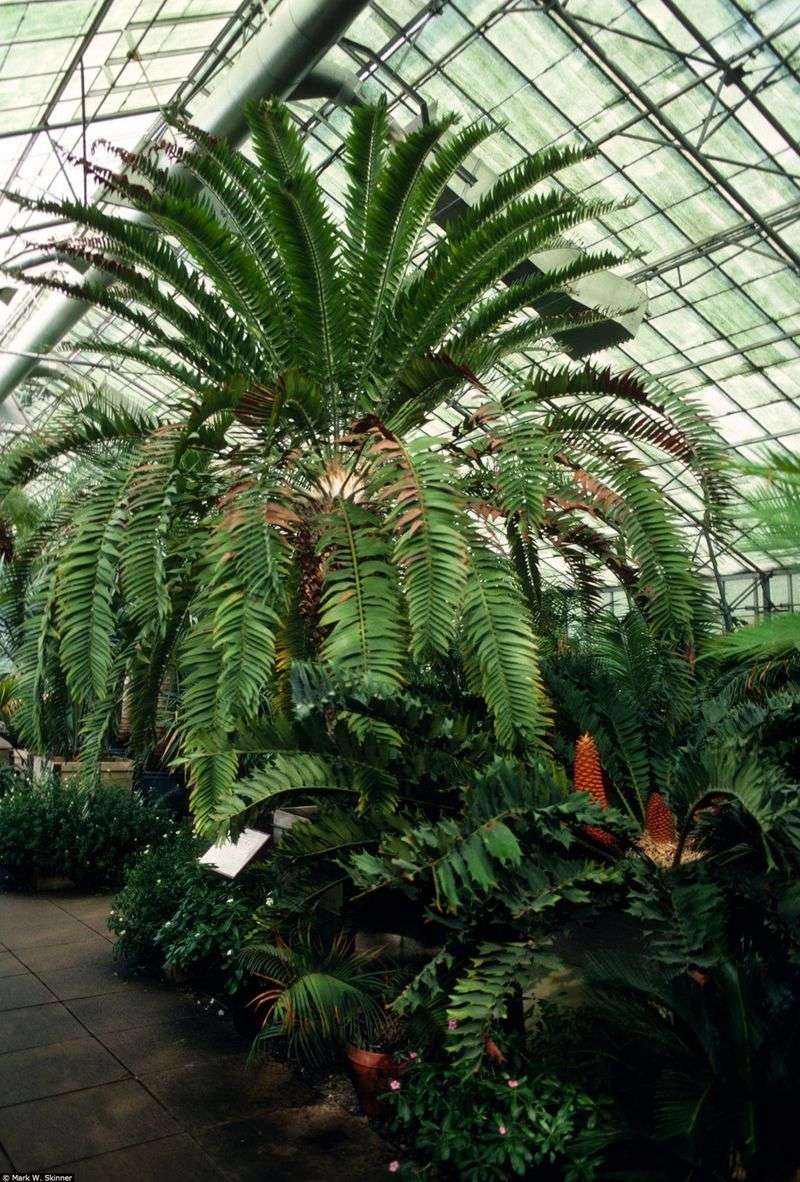
Many endangered cycads come from regions experiencing severe climate disruption, habitat loss, and environmental degradation. California’s botanical facilities offer these species refuge in carefully controlled environments that replicate their native conditions.
Temperature, humidity, and light levels are precisely managed to keep plants healthy and encourage reproduction.
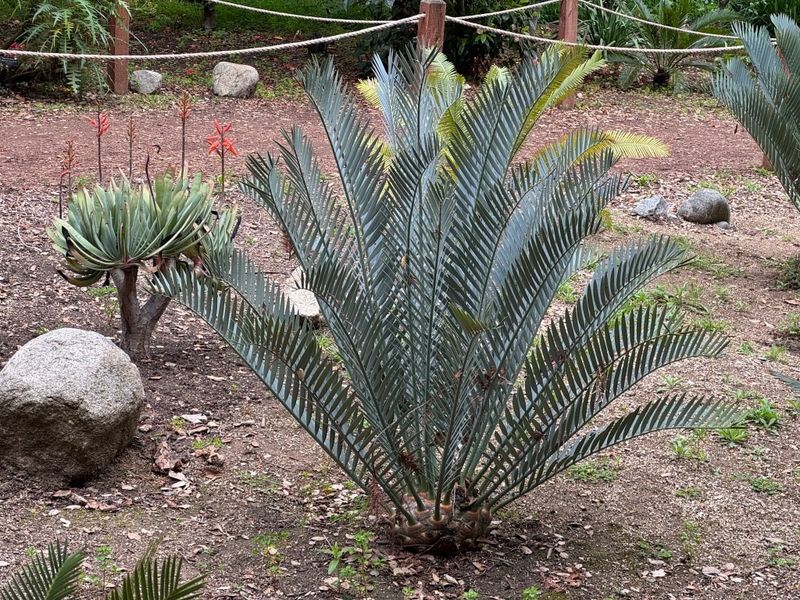
South African cycads, accustomed to Mediterranean climates, often thrive in California’s similar weather patterns. Species from tropical regions require more intervention, with heated greenhouses maintaining the warmth and moisture they need.
Australian cycads adapt well to the state’s dry summers, while Mexican species appreciate the mild winters.
This climate compatibility makes California an ideal conservation location. Plants grown outdoors in appropriate microclimates often fare better than those confined to greenhouses elsewhere.
They experience natural day-length variations, seasonal temperature changes, and other environmental cues that promote healthy growth and reproductive cycles.
However, climate change threatens even these refuges. Rising temperatures, altered rainfall patterns, and increased wildfire risks create new challenges for outdoor collections.
Conservation strategies must evolve constantly, balancing the benefits of naturalistic growing conditions against emerging environmental threats.
Some facilities are developing climate-controlled backup locations, ensuring that collection losses won’t mean species extinctions.
Propagation Breakthroughs And Challenges
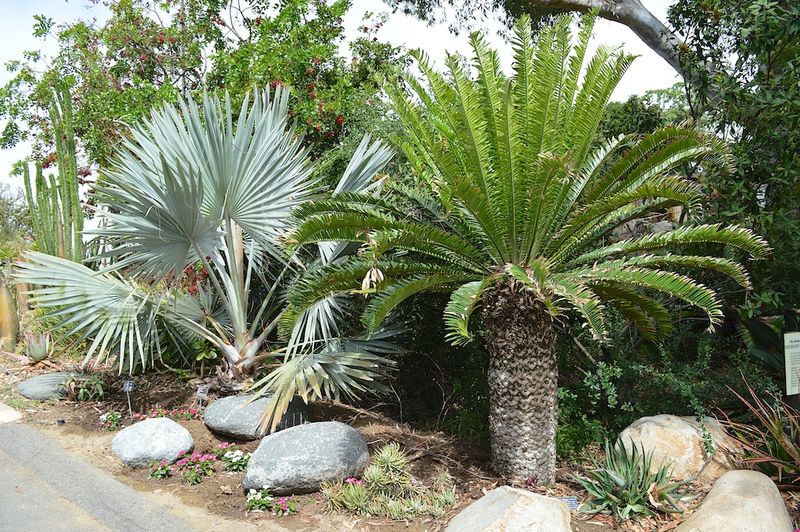
Growing cycads from seed is notoriously difficult, requiring patience that spans years or even decades. Some species take 15 years to reach reproductive maturity, making conservation breeding programs long-term commitments that outlast individual careers.
Seeds often have complex germination requirements, needing specific temperature cycles, scarification, or symbiotic relationships with particular soil organisms.
California researchers have made significant progress in understanding and improving cycad propagation.
Tissue culture techniques allow scientists to create multiple plants from small tissue samples, essentially cloning rare specimens without damaging parent plants.
This technology has proven crucial for species like E. woodii, where traditional propagation is impossible.
Seed banking presents another challenge. Unlike many plant seeds that can be dried and frozen for long-term storage, cycad seeds often lose viability quickly.
They require specialized storage conditions, and even then, success rates can be disappointingly low. Researchers continue experimenting with storage methods, seeking ways to preserve genetic diversity for future restoration efforts.
Cross-pollination between different collections helps maintain genetic diversity within captive populations. California institutions coordinate with gardens worldwide, shipping pollen when plants bloom and carefully tracking parentage of resulting seeds.
These collaborative efforts prevent inbreeding and keep captive populations genetically healthy.
Secret Locations And Security Protocols
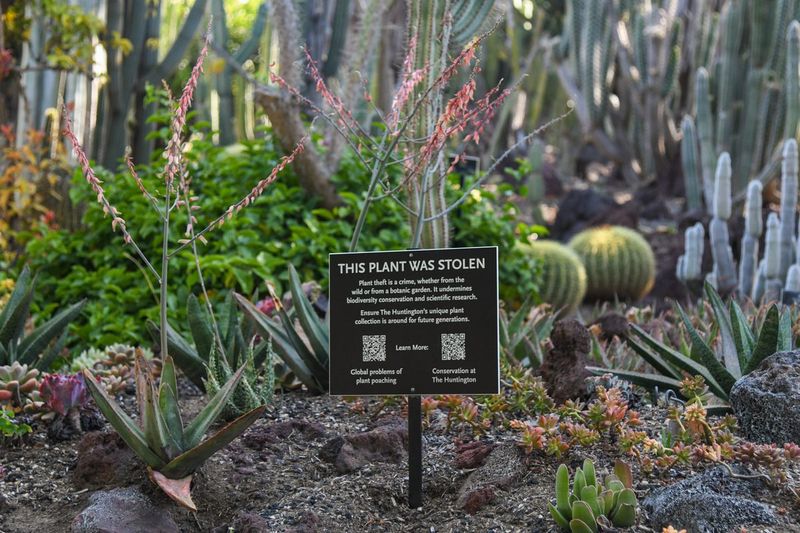
When botanical gardens publish their holdings, they often use vague language about their rarest specimens: “location withheld” or “secure collection.”
This deliberate obscurity protects plants from theft while still allowing institutions to share information with legitimate researchers and conservationists. The balance between transparency and security requires constant adjustment.
Some California facilities have established what staff jokingly call “cycad jail”, high-security growing areas with restricted access, surveillance systems, and alarm monitoring. Only authorized personnel can enter, and all visits are logged.
These measures might seem extreme for plants, but given the black-market values and ease of theft, they’re entirely justified.
Security extends beyond physical barriers. Digital information about plant locations is carefully controlled, with GPS coordinates and detailed site information shared only through secure channels.
Social media policies prevent staff and visitors from posting photos that might reveal sensitive locations. Even scientific publications sometimes omit specific location data to prevent poacher exploitation.
The secrecy creates challenges for education and public engagement. How do you inspire people to care about conservation without showing them what’s being conserved?
California institutions navigate this by featuring common cycad species in public areas while keeping the rarest specimens hidden, allowing visitors to appreciate these plants without compromising security.
Global Conservation Networks
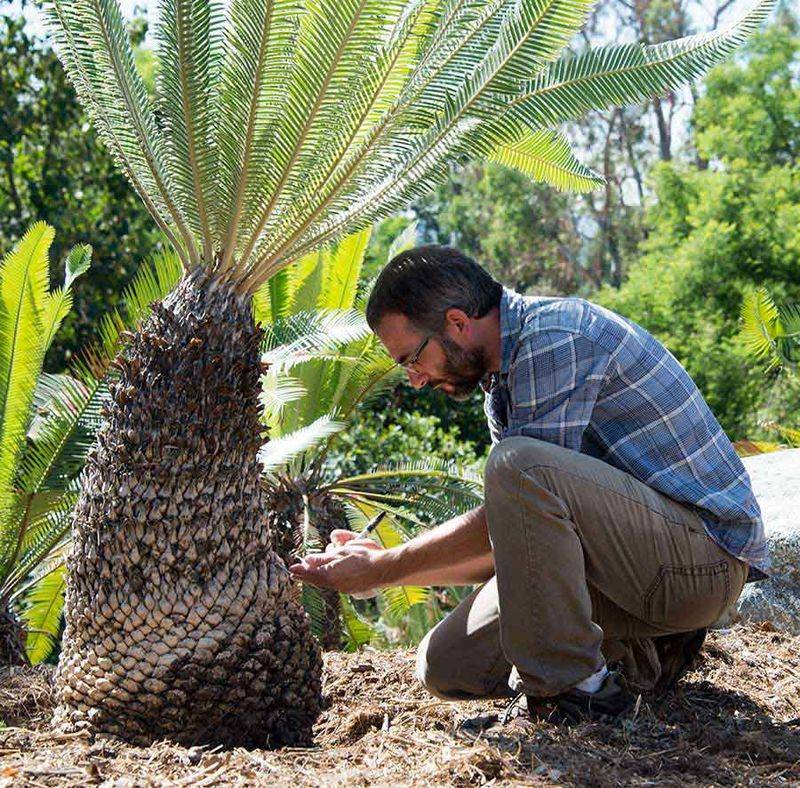
California’s cycad conservation efforts connect to a worldwide network of botanical gardens, research institutions, and conservation organizations.
These partnerships enable genetic material exchange, coordinate breeding programs, and share knowledge about cultivation techniques.
When a rare cycad blooms in California, pollen might be shipped overnight to a garden in Australia where a compatible plant is receptive.
International cooperation becomes essential when working with species distributed across multiple countries.
Mexican cycads, for example, require collaboration between U.S. and Mexican institutions to ensure genetic diversity and coordinate protection of remaining wild populations.
South African species involve partnerships with gardens and conservation agencies across that country’s diverse regions.
The Cycad Specialist Group, part of the International Union for Conservation of Nature, coordinates global conservation strategies and maintains databases tracking all known cycad populations, both wild and cultivated.
California institutions contribute significantly to this effort, providing data about their collections and participating in coordinated conservation planning.
These networks also facilitate emergency responses when wild populations face sudden threats.
If a development project threatens a newly discovered cycad population, the network can quickly mobilize resources to collect seeds, relocate plants, or advocate for habitat protection.
California facilities have received such emergency collections, providing safe harbor for plants rescued from imminent destruction.
Why These Ancient Plants Matter
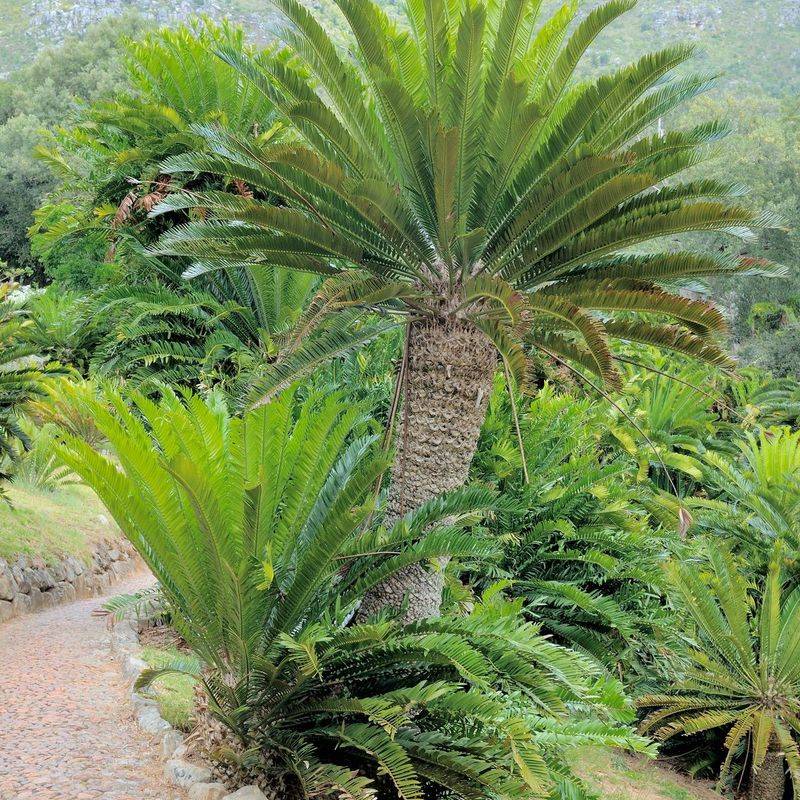
Cycads represent more than just botanical curiosities or living fossils. They’re crucial components of their native ecosystems, providing food for specialized insects, supporting unique pollinator relationships, and occupying ecological niches that no other plants can fill.
When a cycad species goes extinct, we lose not just the plant but entire webs of ecological relationships built over millions of years.
From a scientific perspective, cycads offer insights into plant evolution, ancient ecosystems, and survival strategies that worked across vast time scales.
Their genetic information contains solutions to environmental challenges we’re only beginning to understand.
Losing these species means losing potential knowledge about adaptation, resilience, and survival that could inform future conservation efforts or even agricultural development.
There’s also a moral dimension to cycad conservation. These plants survived natural catastrophes that destroyed countless other species. They persisted through ice ages, continental drift, and dramatic climate shifts.
To let them disappear now, on our watch, due to human greed and habitat destruction, seems like a profound failure of stewardship. California’s hidden greenhouses acknowledge this responsibility.
By protecting these plants, conservationists preserve options for the future, maintain biodiversity, and honor the remarkable persistence of life forms that have endured far longer than human civilization.
Hope In Hidden Places
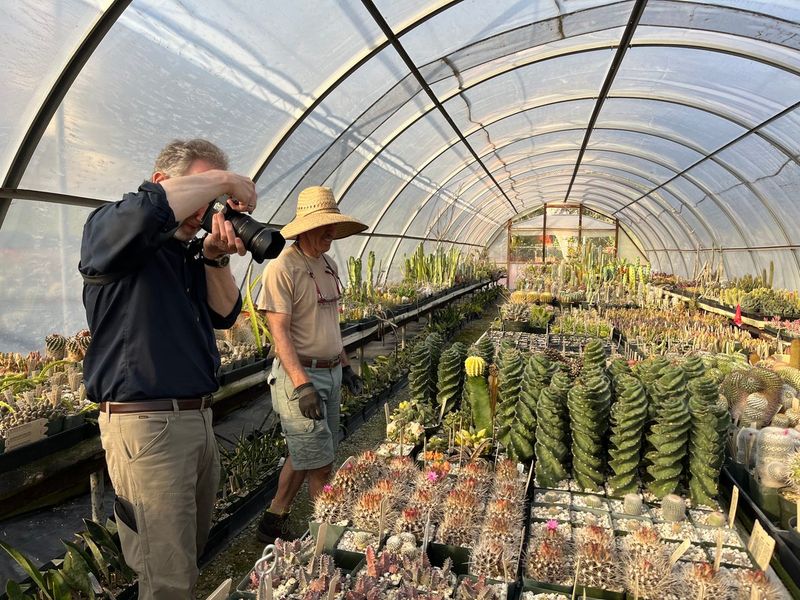
Despite the grim statistics and ongoing threats, California’s cycad conservation programs offer genuine reasons for optimism.
Populations of several species have increased in cultivation, with some institutions successfully producing second and third generations from their collections.
Techniques that seemed impossible decades ago are now routine, and scientific understanding of these plants continues expanding.
Some species once considered doomed now have viable captive populations that could support reintroduction programs when wild habitats are secured and protected.
Young cycads growing in California greenhouses represent hope that future generations might see these plants thriving in restored natural habitats, not just in botanical collections.
The dedication of conservationists working in these facilities inspires confidence that these efforts will continue regardless of challenges ahead.
These scientists and horticulturists have devoted careers to plants most people have never heard of, driven by conviction that every species matters and extinction is unacceptable.
California’s secret greenhouses prove that conservation can succeed even for species on the brink.
While threats remain serious and the work is far from finished, these hidden sanctuaries demonstrate humanity’s capacity to protect rather than destroy, to preserve rather than exploit. In a world of environmental bad news, these quiet successes matter immensely.