This Shrub Fills Georgia Gardens With Sweet Fragrance In Spring
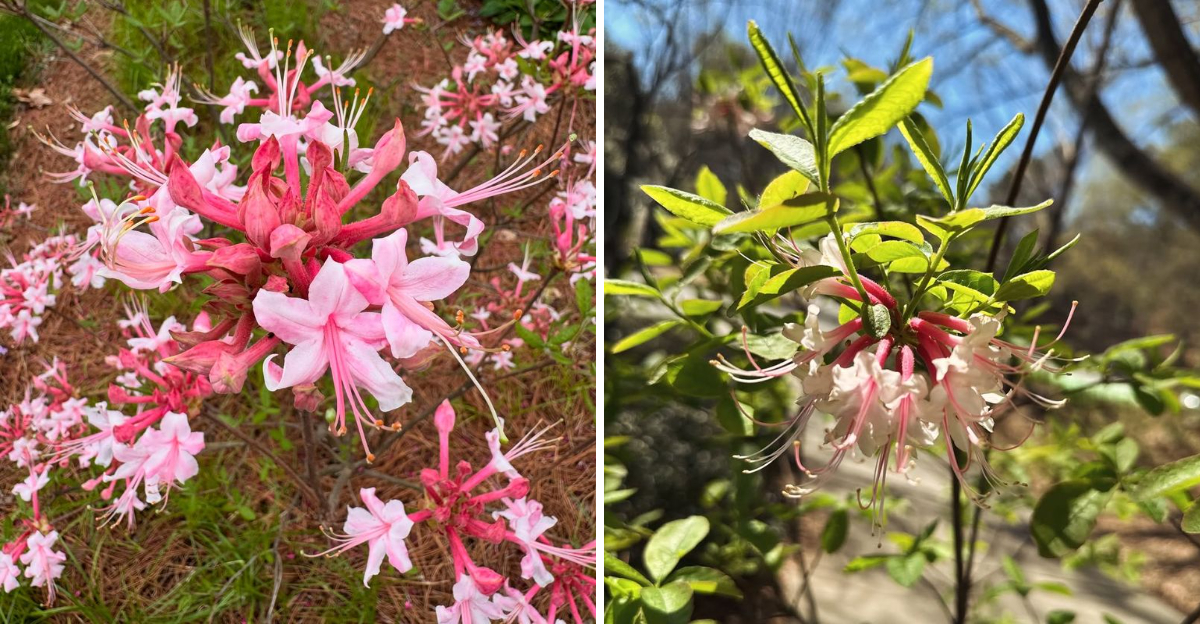
The moment spring settles into Georgia, some gardens start to smell different. Not just fresh or green, but sweet.
That soft, noticeable fragrance drifting through the yard usually comes from one special type of shrub that comes alive right when the weather begins to warm in March and April.
Many gardeners focus on flowers they can see, but fragrance is what people actually remember. A shrub that releases a sweet scent across the yard can completely change the atmosphere of a spring garden.
Walk past it on a warm afternoon and the air suddenly feels richer, almost like the garden has its own natural perfume.
These fragrant shrubs do more than just look beautiful when they bloom. They attract early pollinators, bring life back to the landscape after winter, and create one of the most enjoyable moments of the gardening season in Georgia.
When spring arrives, their scent is often one of the first signs that the garden is truly waking up again.
1. Piedmont Azalea Produces Clusters Of Fragrant Pink Blooms
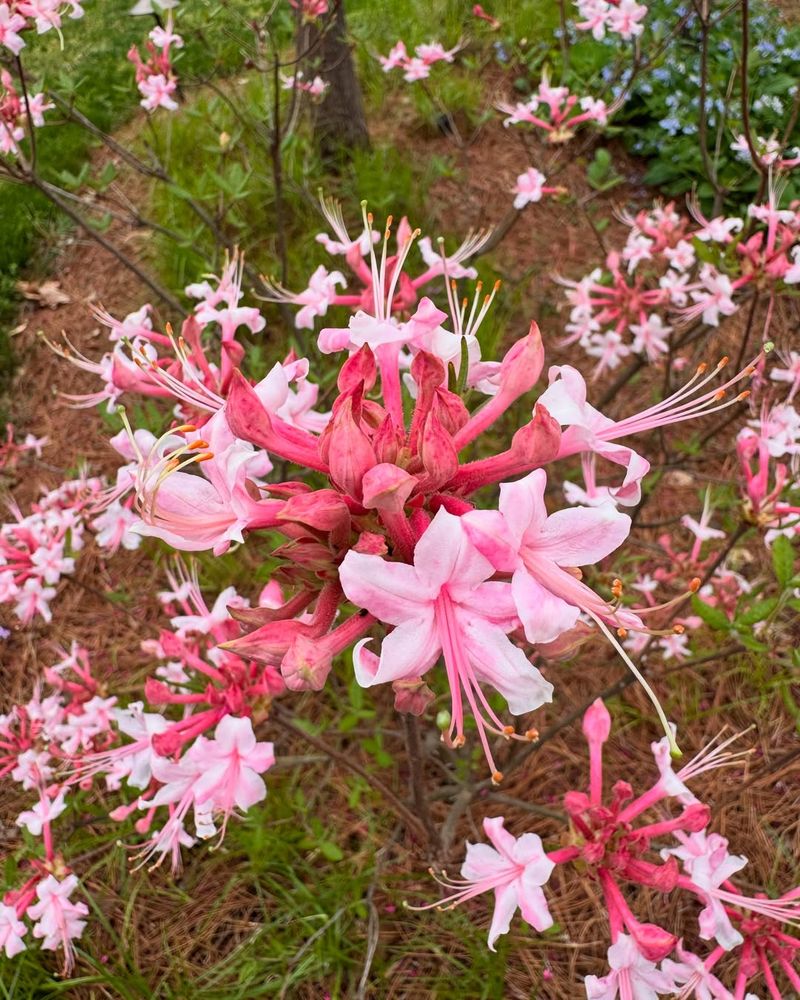
Few flowering shrubs stop people in their tracks the way a Piedmont Azalea does when it is in full bloom. Those clusters of soft pink flowers carry a fragrance that is hard to put into words, somewhere between honeysuckle and fresh roses, but entirely its own.
Gardeners across Georgia have been planting this shrub for generations, and the reason is simple: nothing else smells quite like it in April.
Each cluster holds several trumpet-shaped blooms that open gradually over a week or two, stretching out the show longer than you might expect.
Colors can range from pale blush pink to a deeper rose depending on the individual plant, which means two shrubs planted side by side might look slightly different from each other.
That natural variation is part of what makes growing this azalea feel rewarding rather than predictable.
In Georgia, the blooms usually appear sometime between late March and early May, depending on how warm the spring has been.
A cooler spring can push flowering back by a couple of weeks, while an early warm stretch might bring out the first buds ahead of schedule.
Planting it where you can enjoy the scent from a porch or path makes the most of what this shrub has to offer. It rewards patience with a fragrant payoff that feels genuinely special every single year.
2. Flowers Often Appear Before The Leaves Fully Open

Bare branches covered in flowers before a single leaf has opened, that sight catches even experienced gardeners off guard the first time they see it.
Piedmont Azalea has a habit of blooming ahead of its own foliage, which creates a dramatic look that feels almost theatrical.
Stand back far enough and the whole shrub looks like a soft pink cloud hovering in the garden.
Botanically speaking, this early bloom timing is not unusual among native azaleas, but it still surprises people who are used to shrubs that leaf out first.
The flowers emerge while the plant is still technically waking up from winter, pulling stored energy from its roots rather than from fresh new growth.
Because of this, the blooms can appear even when nearby trees are still completely bare, making the azalea one of the earliest and most eye-catching plants in any Georgia yard.
One practical advantage of this timing is visibility. When leaves are absent, nothing crowds or hides the flowers, so each bloom gets its full moment in the sun.
Photographs taken during this window tend to look especially striking because of the clean contrast between the pink flowers and the open sky or dark branches behind them.
Gardeners in Georgia who want a strong early-season focal point often position this shrub where it can be seen clearly from a window or a frequently used outdoor space. Timing the bloom right adds an extra layer of anticipation to the spring season.
3. Soft Trumpet-Shaped Blossoms Cover Bare Branches
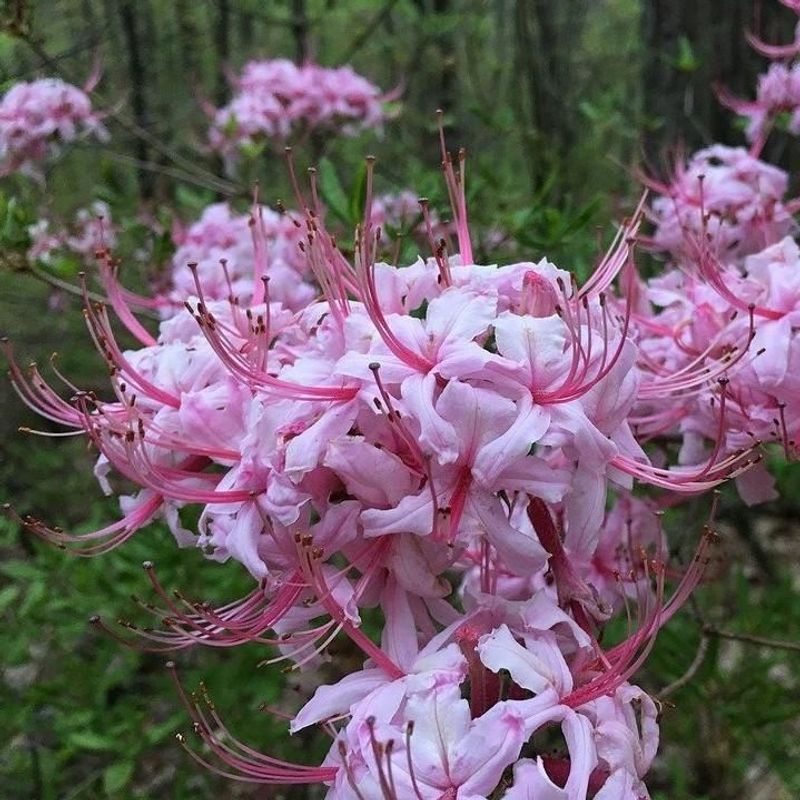
Up close, each individual Piedmont Azalea flower has a shape that rewards a second look. The petals form a narrow tube at the base that flares outward into a wide, open face, giving the flower its classic trumpet profile.
Long stamens extend well beyond the petals, adding a delicate, spidery quality that sets it apart from the rounder, puffier look of hybrid azaleas sold at most nurseries.
When dozens of these blossoms open across the same branch at once, the effect is almost overwhelming in the best possible way. Branches that looked completely dormant just two weeks earlier are suddenly draped in color.
Georgia gardeners who have grown this shrub for several years often say the annual bloom still surprises them, even when they know exactly what is coming.
The trumpet shape also serves a practical purpose beyond aesthetics. Pollinators with longer tongues, including certain native bees and butterflies, are especially well-suited to accessing the nectar tucked deep inside that narrow floral tube.
So the flower shape is not just beautiful, it is functional. Planting this azalea in a spot where you can observe it closely during bloom time gives you a front-row seat to that pollinator activity.
In Georgia, where spring comes on fast and strong, catching the peak bloom window can feel like a race, but the visual reward is absolutely worth tracking the timing each year.
4. Bees And Butterflies Are Attracted To Its Nectar-Rich Flowers
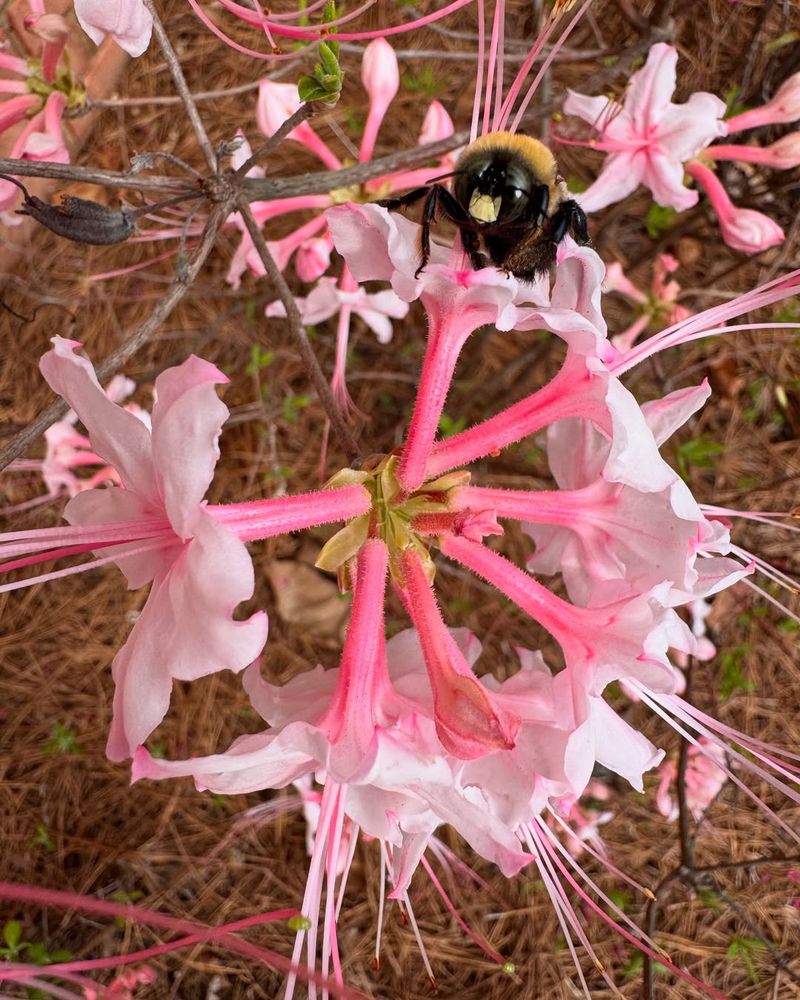
Step near a blooming Piedmont Azalea on a warm April morning in Georgia and you will almost certainly hear it before you see the visitors.
A low, steady hum signals that bees have already found the flowers, sometimes arriving within hours of the first blooms opening.
Native bumblebees are especially reliable visitors, drawn in by both the scent and the generous supply of nectar tucked inside each trumpet.
Butterflies tend to show up a bit later in the morning once temperatures climb, and a handful of Georgia species are particularly fond of this shrub.
Spicebush swallowtails and tiger swallowtails are regular guests, and watching them work their way through a cluster of blooms is one of those small, unhurried pleasures that gardening tends to deliver.
Unlike some flowering shrubs that attract one or two species, this azalea seems to pull in a broad mix of pollinators.
From a garden ecology standpoint, having this kind of pollinator traffic early in the season matters more than people might realize. Many beneficial insects are just becoming active in spring and need reliable food sources to build up their populations for the rest of the year.
Planting a Piedmont Azalea contributes to that early-season food web in a way that plastic flowers and ornamental grasses simply cannot.
Georgia gardeners who want their yards to feel genuinely alive, not just tidy and attractive, find that this shrub pulls more than its weight when it comes to supporting local wildlife.
5. Loose Multi-Stemmed Growth Creates A Natural Woodland Look
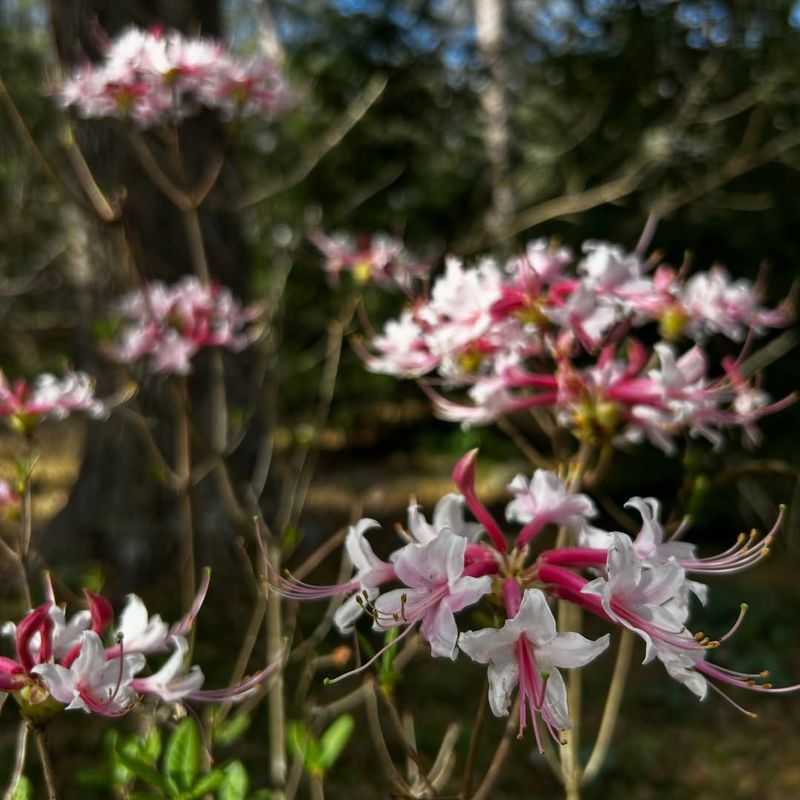
Formal, clipped shrubs have their place, but there is something genuinely refreshing about a plant that does not need to be controlled into a perfect sphere or rectangle.
Piedmont Azalea grows in an open, airy way, sending up multiple stems that arch outward rather than growing straight and stiff.
The overall form looks relaxed, almost casual, which fits perfectly into the kind of naturalistic gardens that have become popular across Georgia in recent years.
Because it grows in this loose, multi-stemmed fashion, it blends naturally with other woodland plants.
Pair it with native ferns, wild ginger, or oakleaf hydrangea and the combination looks like it could have occurred without any human involvement at all.
That quality is harder to achieve than it sounds, and it is one reason why landscape designers working on naturalistic projects in Georgia reach for this shrub regularly.
Height-wise, mature plants typically reach somewhere between six and ten feet tall, though the spread can sometimes match or exceed the height. That means you want to give it real space rather than cramming it into a narrow bed.
Planting it too close to a fence or foundation will work against its natural shape and force you into regular pruning just to keep it contained.
Set it back far enough to grow freely and the form it develops on its own will be far more interesting than anything you could achieve by cutting it into a managed shape every season.
6. Prefers Moist, Well-Drained Soil With Slight Acidity
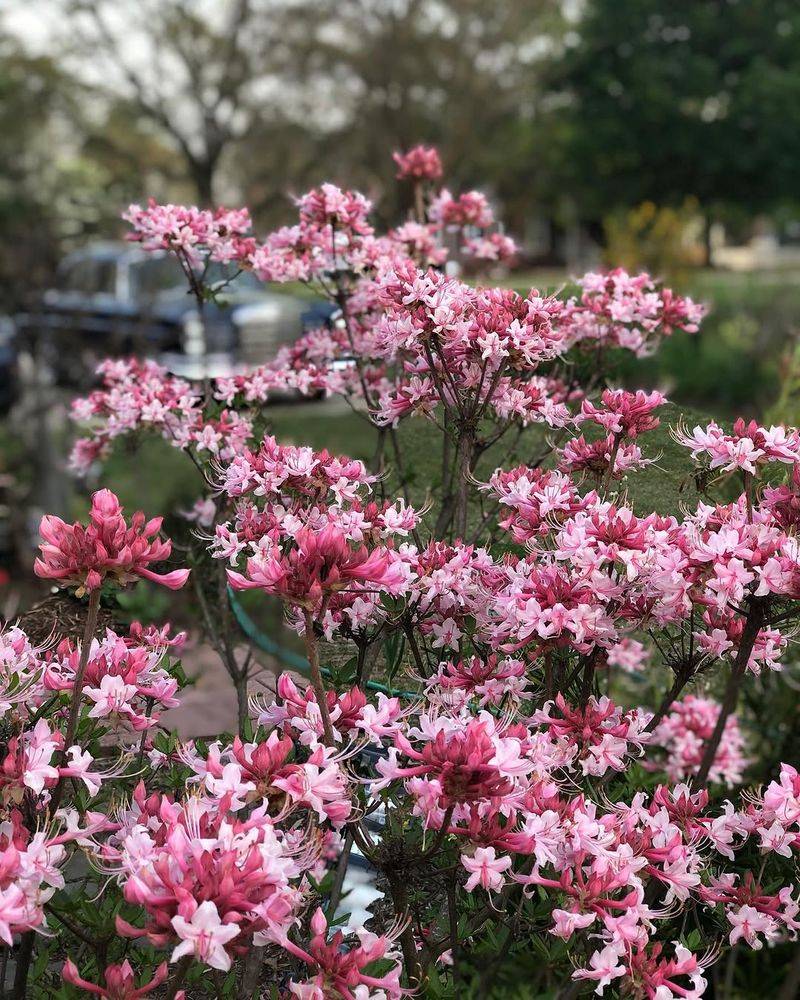
Soil is where most people run into trouble with this shrub, and getting it right upfront saves a lot of frustration later.
Piedmont Azalea wants ground that stays consistently moist but never waterlogged, a balance that is easier to achieve in some parts of Georgia than others.
Heavy clay soils that hold water after rain are the most common problem, and planting in those conditions without amending the soil first is a recipe for struggling roots.
Acidity matters too. A soil pH somewhere between 4.5 and 6.0 is where this shrub feels most comfortable, and Georgia soils tend to lean naturally in that direction, which is one reason the plant does so well here.
If you are unsure about your soil pH, a basic test kit from any garden center will give you a reliable reading. Adding pine bark mulch or composted leaves around the base helps maintain both moisture and the slightly acidic conditions the roots prefer.
Organic matter is your best friend when preparing a planting site.
Working in a generous amount of compost before planting improves drainage in heavy soils and water retention in sandy ones, addressing both common extremes found across different parts of Georgia.
A two to three inch layer of mulch spread around the base, kept a few inches away from the main stems, goes a long way toward regulating soil temperature and moisture through the unpredictable swings of a Georgia spring.
Consistent soil moisture during the first growing season helps roots establish strong enough to handle dry stretches later on.
7. Pruning Right After Blooming Helps Preserve Next Year’s Flowers
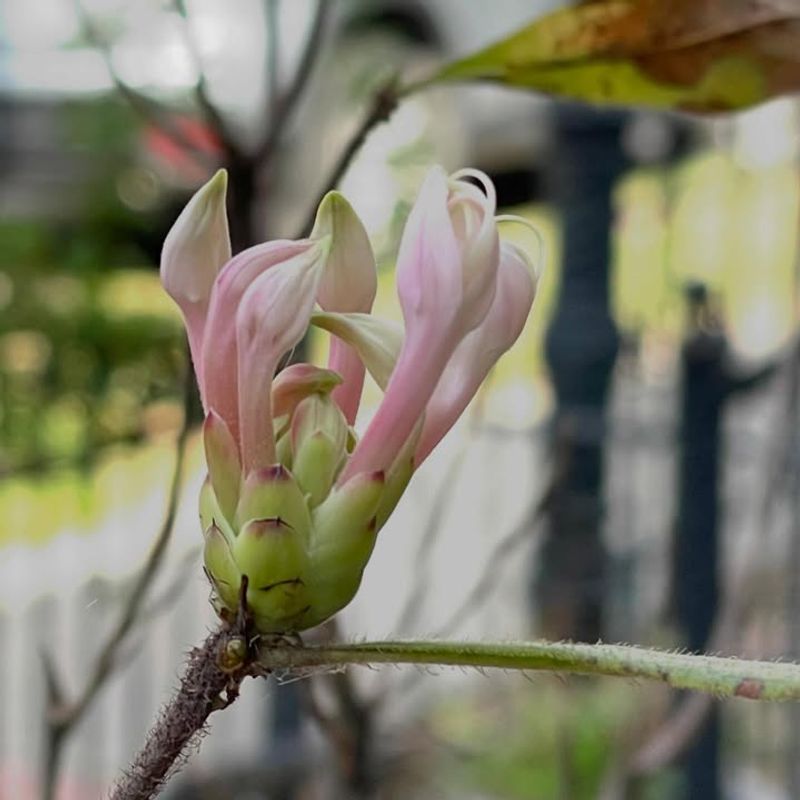
Timing your pruning wrong with this shrub is the single fastest way to lose next year’s flower display entirely.
Piedmont Azalea sets its flower buds on new growth that develops during the summer, which means any pruning done in late summer, fall, or winter will remove the buds before they ever get a chance to open.
A lot of gardeners learn this lesson the hard way after wondering why a healthy-looking shrub refuses to bloom the following spring.
Right after the flowers fade, usually sometime in May depending on where you are in Georgia, is the ideal window for any shaping or size control.
At that point, you have a full season ahead for the plant to push out new growth and set fresh buds before temperatures cool down again.
Light pruning during this window keeps the shrub at a manageable size without sacrificing the next bloom cycle.
Heavy cutting is rarely necessary unless the shrub has been neglected for years and grown completely out of bounds. In most cases, removing crossing branches, trimming back a few overlong stems, and cleaning up any damaged wood is all the attention it needs.
Avoid the temptation to shear it into a neat geometric shape, since that approach removes far more growth than necessary and works against the natural form that makes this plant attractive in the first place.
Sharp, clean pruning tools reduce stress on the stems and help cuts heal faster, which keeps the shrub looking its best heading into Georgia’s long, warm growing season.