This Simple Milk Jug Trick Is Changing Winter Sowing For Ohio Gardeners
Think winter sowing is complicated? Think again.
Ohio gardeners are buzzing about a shockingly simple milk jug trick that turns freezing temps into a secret advantage. This low-effort, high-reward method creates the perfect mini greenhouse right in your backyard, helping seeds sprout stronger, tougher, and earlier than usual.
No pricey equipment. No special setup.
Just smart timing and a plastic jug you probably already have. Cold winds, gray skies, and stubborn frost no longer mean a pause button on planting.
This clever approach works with nature instead of fighting it, giving seedlings the steady moisture, protection, and airflow they need to thrive. Gardeners across the state are seeing better germination, fewer losses, and healthier starts once spring arrives.
If you want fuller garden beds, earlier harvests, and less spring stress, this tiny change could make a huge difference. Ohio growing season, meet your new favorite shortcut.
1. Winter Sowing Delivers Big Results In Ohio Gardens
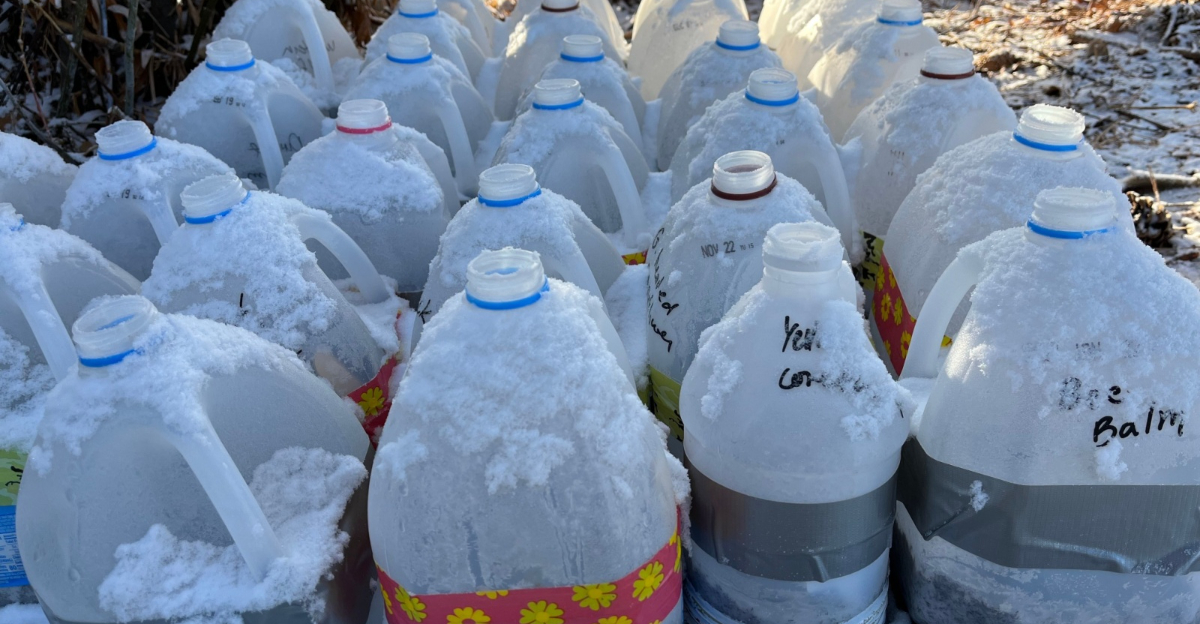
You step outside on a February morning and notice your neighbor’s milk jugs lined up along the fence, each one clouded with condensation and showing tiny green shoots pushing through soil. Those recycled containers are doing something your indoor seed trays struggle with, they’re creating seedlings that can handle Ohio’s unpredictable spring weather without wilting at the first cold snap.
Winter sowing works because seeds experience natural cold stratification outdoors. They germinate when temperatures rise just enough, then grow slowly and steadily through late winter temperature swings.
Your seedlings often develop sturdier growth habits and thicker stems than many plants started under indoor grow lights.
The milk jug method costs almost nothing and requires no special equipment. You fill containers with potting mix, sow seeds, seal the tops, and set them outside where snow and rain do the watering.
Seeds stay protected from harsh winds while still getting the temperature fluctuations they need to germinate properly.
Ohio State University Extension confirms that many hardy annuals and perennials germinate better with exposure to freezing temperatures. Your milk jug mini greenhouses provide exactly that environment while keeping seeds from washing away during March rains.
2. Milk Jug Mini Greenhouses Shield Seeds From Winter Weather
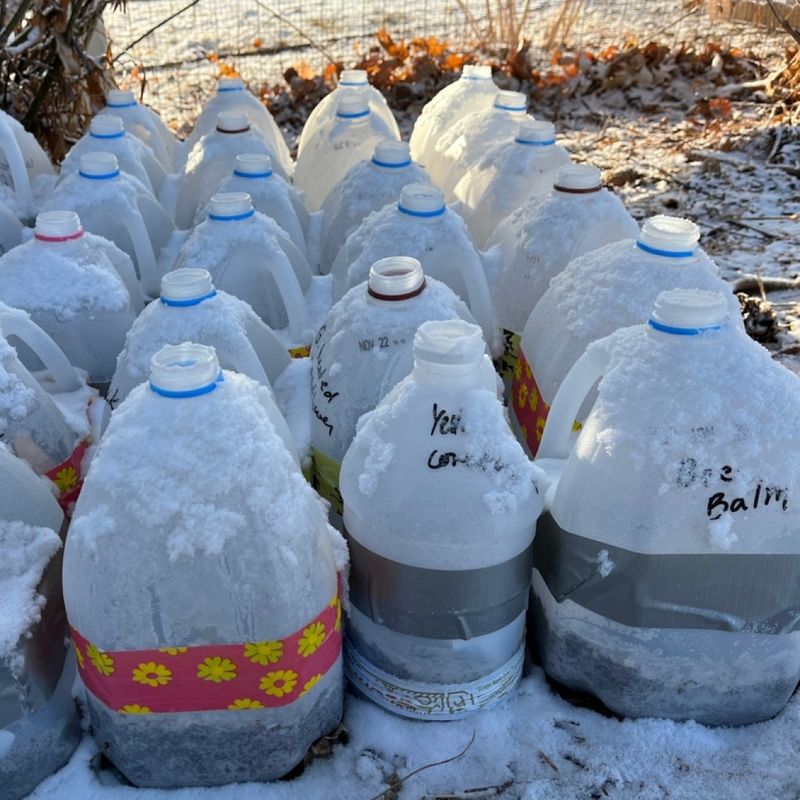
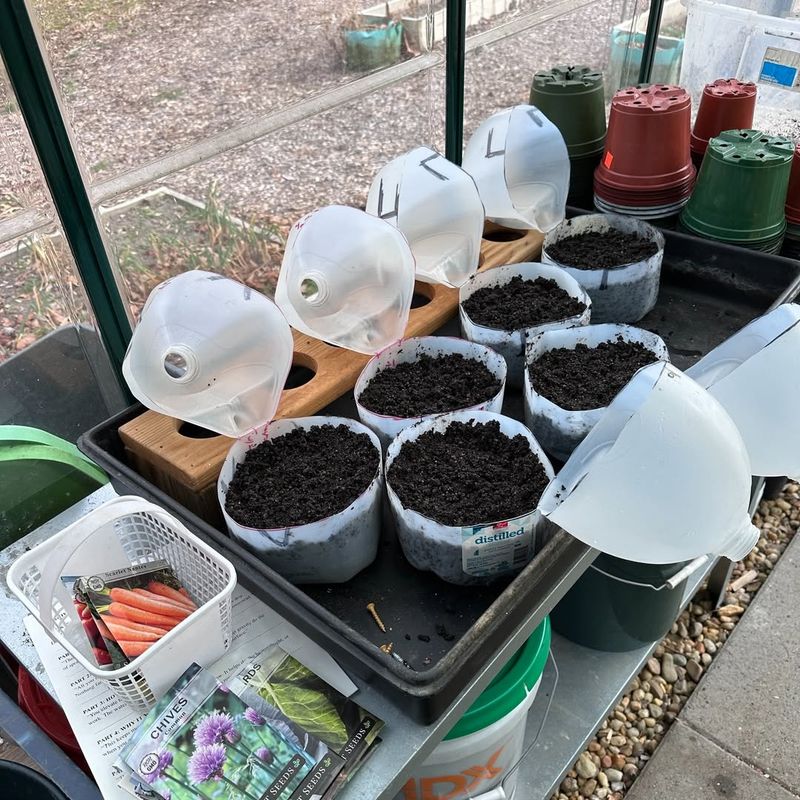
Your recycled milk jugs become protective seed chambers when you cut them horizontally around the middle, leaving one side attached as a hinge. This simple modification creates a container that opens for planting and ventilation while staying closed during harsh weather.
The translucent plastic walls let sunlight reach seeds while blocking wind that would otherwise dry out soil or scatter seeds across your yard.
Each jug needs drainage holes punched in the bottom so water doesn’t pool and rot seeds. You poke four or five holes using a drill bit, awl, or carefully heated screwdriver, creating clean openings that won’t crack the plastic.
The top also needs small ventilation holes to prevent excessive heat buildup on sunny winter days.
After filling your jug with moistened potting mix and sowing seeds, you tape the top and bottom halves together using duct tape or packing tape. The seal keeps the container closed during wind and snow while the hinge lets you check progress or add water if needed.
Your mini greenhouse sits outside all winter, collecting snow and rain while maintaining the moist environment seeds need.
This setup protects seeds from birds, rodents, and heavy rain while creating the perfect germination conditions for cold-hardy plants.
3. Ohio Garden Seeds That Thrive With Winter Sowing
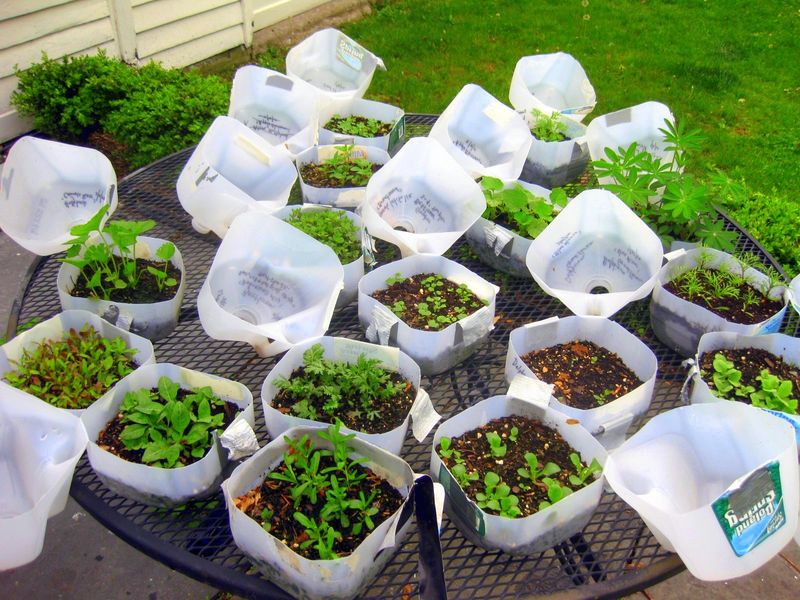
Walk through any Ohio garden center in January and you’ll find seed racks already stocked with varieties perfect for milk jug sowing. Hardy annuals like bachelor buttons, calendula, and snapdragons germinate beautifully in outdoor containers, producing sturdy plants that bloom weeks earlier than direct-sown seeds.
These flowers need cold exposure to break seed dormancy, making winter sowing ideal for Ohio conditions.
Perennials respond even better to this method. Echinacea, rudbeckia, and columbine all require cold stratification periods that happen naturally when you winter sow.
Your seeds experience the freeze-thaw cycles they need without you having to refrigerate them for weeks indoors. The Buckeye Yard and Garden Line recommends this approach for native wildflowers that struggle with indoor starting.
Cool-season vegetables also excel in milk jugs. Lettuce, spinach, kale, and Swiss chard germinate in late winter and give you harvestable greens by early May.
These crops actually prefer the gradual temperature increase that happens in outdoor containers rather than the sudden transition from indoor heat to outdoor cold.
Avoid tomatoes, peppers, and other heat-loving crops in winter sowing setups. These plants need consistent warmth and won’t germinate until soil temperatures reach the sixties.
4. Milk Jug Setup That Produces Strong Seedlings Every Time
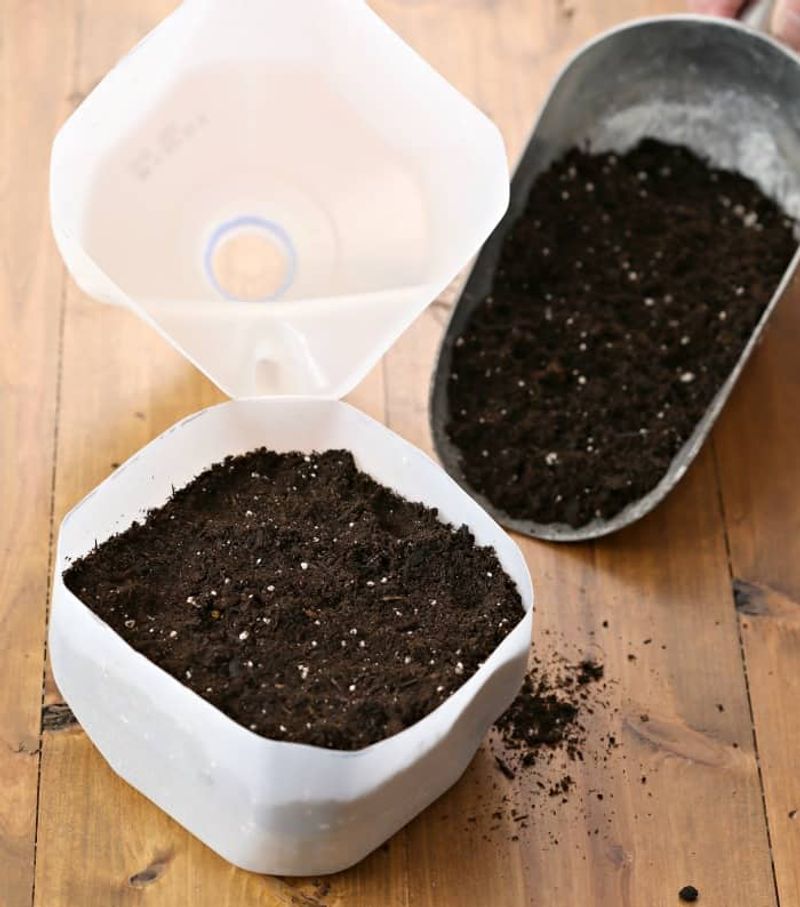
Your hands work quickly on a January afternoon, filling milk jugs with potting mix that feels slightly damp to the touch. This moisture level matters more than most gardeners realize, because overly wet soil increases the risk of rot and disease during freeze-thaw cycles.
You want the mix moist enough to clump when squeezed but dry enough to crumble apart easily.
Each jug gets filled to about three inches below the cut line, leaving room for seedlings to grow before transplanting. You scatter seeds across the soil surface according to packet directions, then press them gently into the mix or cover them lightly depending on the variety.
Small seeds like snapdragons need light to germinate and stay on the surface, while larger seeds prefer a thin soil covering.
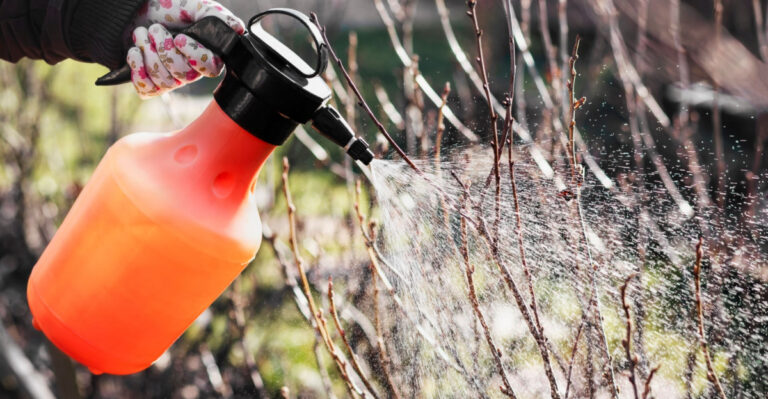
After sowing, you mist the soil surface with a spray bottle to settle seeds without washing them into clumps. The top half of the jug goes back on and gets taped securely, with ventilation holes already punched near the cap.
You write the plant name and sowing date on each container using permanent marker so you remember what’s growing where.
The finished jugs sit outside immediately, even if snow is falling. They don’t need protection or gradual acclimation because seeds won’t germinate until conditions are right.
5. Perfect Winter Sowing Timing For Ohio Growers
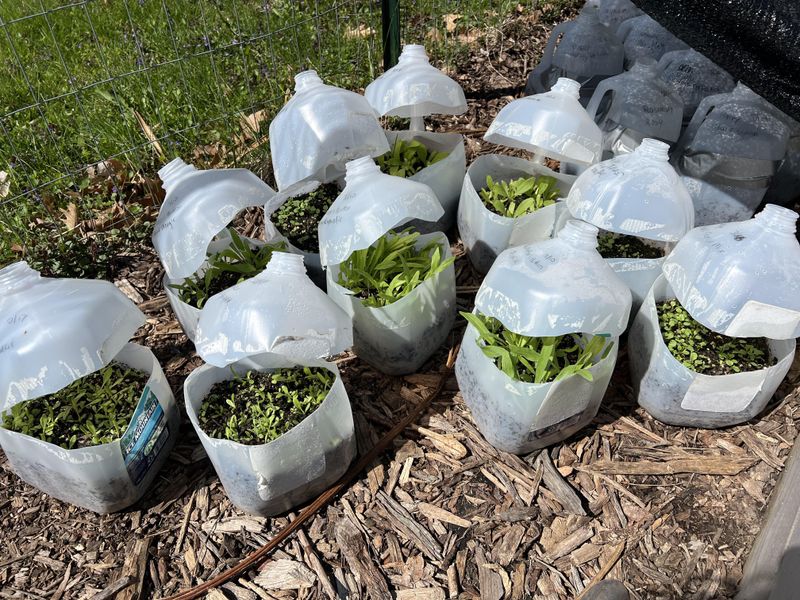
Northern Ohio gardeners watch January arrive and start preparing milk jugs while snow still covers the ground. This timing works perfectly because seeds sown in mid to late January experience the cold period they need, then germinate naturally when March temperatures begin rising.
Your containers sit through several freeze-thaw cycles that strengthen seedlings and prepare them for Ohio’s unpredictable spring weather.
Central Ohio residents can start slightly later, sowing hardy seeds in late January through mid-February. The moderate winter temperatures in this region still provide enough cold exposure while allowing earlier germination than northern counties.
You’ll notice seedlings emerging in late March or early April, ready for transplanting when soil warms sufficiently.
Southern Ohio gardeners have the longest winter sowing window, extending from early January through late February for most hardy varieties. The earlier warming trend in this region means your seedlings develop faster and can go into garden beds sooner.
Some years you’ll transplant winter-sown seedlings in early April while northern gardeners still watch snow melt.
Avoid sowing too early in December when extreme cold can damage containers or too late in March when seedlings won’t develop the hardiness that makes winter sowing valuable. Ohio State University Extension recommends sowing after consistent winter cold has arrived, which in Ohio is typically January through February for hardy seeds.
6. Smart Milk Jug Placement For Faster Germination
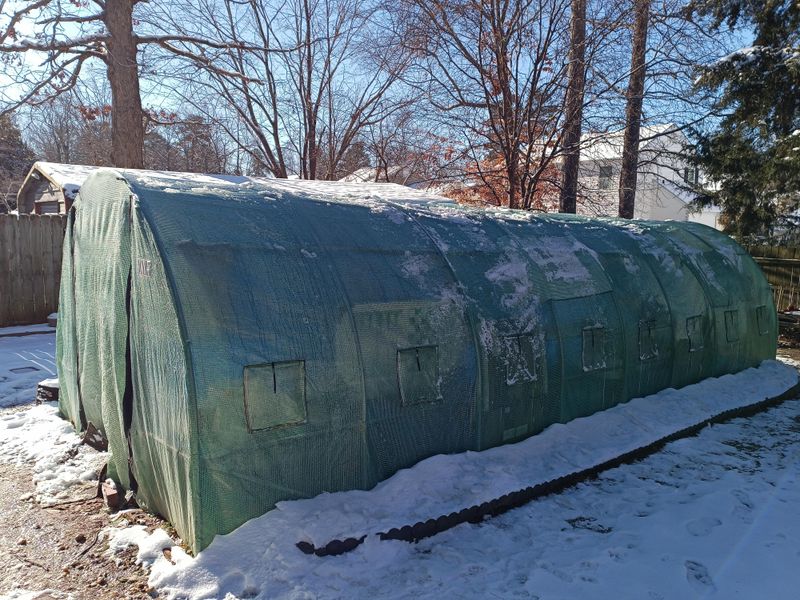
You notice your milk jugs warming quickly on sunny February afternoons when they sit against your garage’s south-facing wall. This placement captures maximum sunlight while the building blocks harsh north winds that would otherwise cool containers and slow germination.
The reflected heat from the wall creates a microclimate several degrees warmer than open yard locations.
Each jug needs direct sunlight for at least six hours daily to maintain the warmth that triggers germination. Placing containers on concrete patios or driveways works well because these surfaces absorb heat during sunny days and release it gradually overnight.
Your seedlings experience warmer root zones than jugs sitting directly on frozen ground.
Avoid putting milk jugs under roof overhangs where they won’t collect rain or snow for natural watering. The containers need moisture from precipitation to maintain proper soil dampness without you having to open them repeatedly.
Sheltered locations also miss the freeze-thaw cycles that help break seed dormancy.
Northern Ohio gardeners benefit from placing jugs near foundations or in protected corners where snow accumulates and provides insulation. Central and southern Ohio residents can use more exposed locations since extreme cold is less common.
Check your containers weekly and rotate them if you notice uneven snow coverage or ice buildup on one side that blocks sunlight.
7. Costly Winter Sowing Mistakes Ohio Gardeners Must Avoid
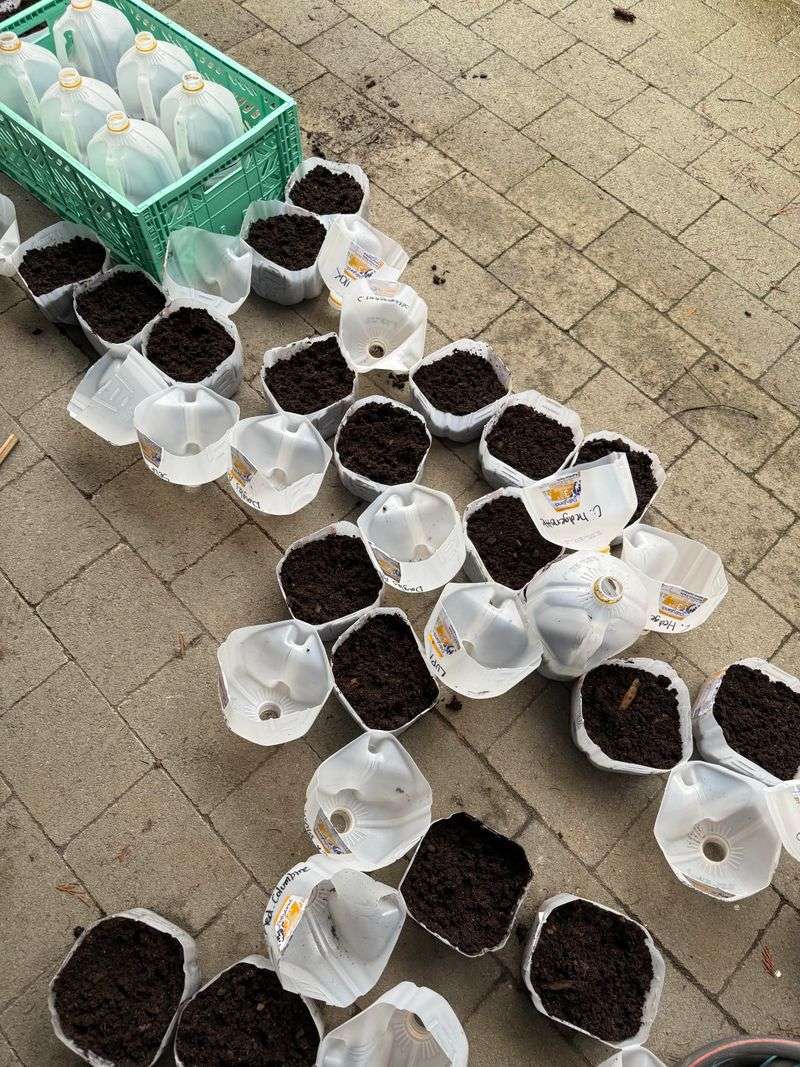
Your neighbor’s milk jugs toppled over during last week’s windstorm because they weren’t weighted properly at the bottom. This common mistake scatters seeds and wastes weeks of potential growing time.
You prevent this problem by adding gravel or small rocks to the bottom inch of each container before filling with potting mix, or by setting jugs in shallow trays that catch drainage while adding stability.
Another frequent error is forgetting ventilation holes in the top half of containers. Without these openings, excessive heat can build up on sunny days and damage or stress young seedlings.
You need four or five small holes punched near the jug’s cap to allow hot air to escape while maintaining the greenhouse effect. The holes also prevent condensation from becoming so heavy that water drips constantly onto soil and promotes fungal growth.
Using garden soil instead of potting mix causes drainage problems that rot seeds before they germinate. Garden soil compacts inside containers and stays waterlogged through freeze-thaw cycles.
Quality potting mix stays loose and drains properly while holding enough moisture for seed germination.
Opening containers too frequently during winter lets out accumulated warmth and delays germination. Check your jugs weekly but resist the urge to open them unless soil looks completely dry or you spot problems through the translucent walls.
8. Easy Spring Transplanting For Winter Sown Seedlings
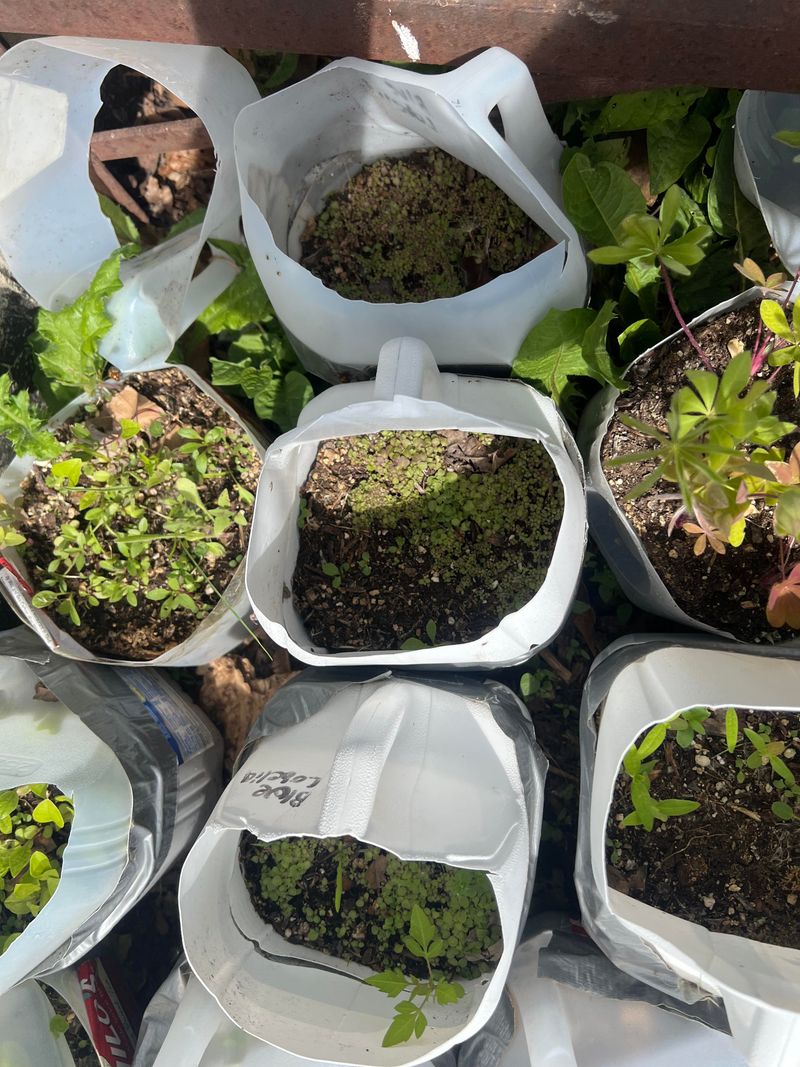
Late April arrives and your milk jug seedlings show four to six true leaves, signaling they’re ready for garden transplanting. You open the containers fully during the day for a week before transplanting, letting seedlings adjust to unfiltered wind and direct sunlight.
This brief hardening period prevents transplant shock even though winter-sown plants are naturally tougher than indoor starts.
Each seedling comes out of the jug with its root ball intact because the loose potting mix releases easily. You dig holes in prepared garden beds that match the depth of the root system, setting plants at the same level they grew in containers.
Deeper planting can rot stems while shallow planting exposes roots to drying air.
Water transplants thoroughly after planting and keep soil consistently moist for the first week while roots establish in their new location. Your winter-sown seedlings typically need less coddling than indoor starts because they’re already acclimated to outdoor temperatures and weather fluctuations.
They begin growing vigorously within days rather than sitting dormant while adjusting to garden conditions.
Ohio Department of Natural Resources guidelines suggest transplanting on overcast days or in late afternoon to reduce stress from intense sunlight. Your seedlings establish faster when they have several hours of gentle conditions before facing full sun exposure the next morning.