This Simple Spring Spray Guide Helps Oregon Fruit Trees Thrive
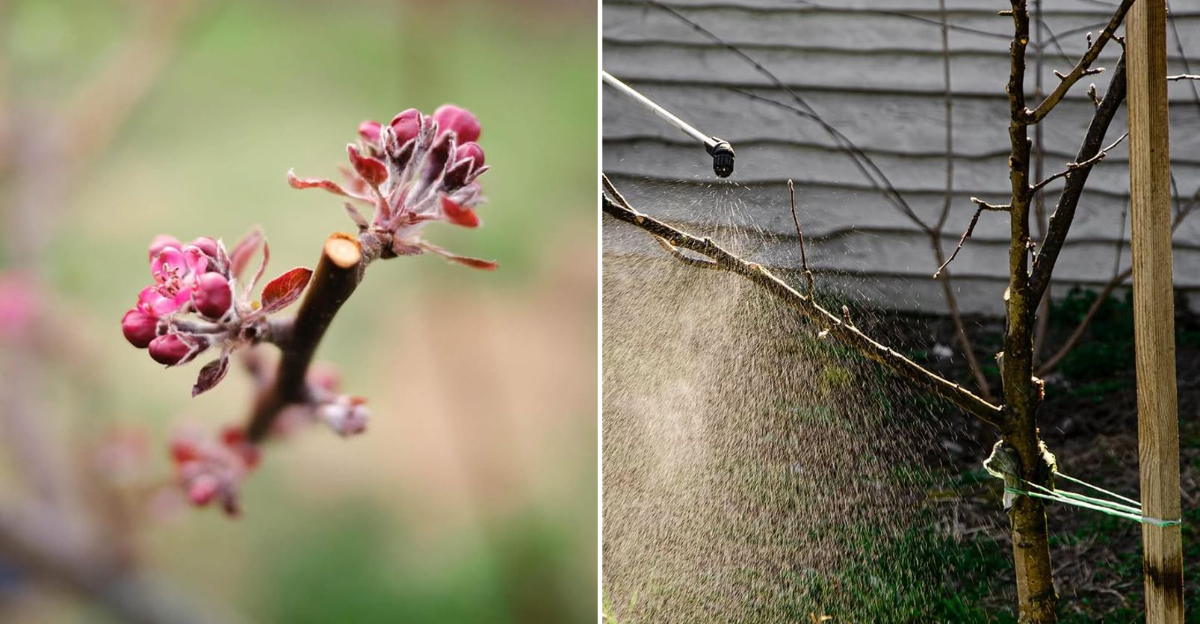
Just as fruit trees begin to wake and buds start to swell, a small window opens that can shape the entire season ahead.
A simple spray routine during this early growth stage helps protect delicate new leaves, reduce the chance of common fungal problems, and keep damaging pests from gaining a foothold.
Many problems that show up later often begin quietly now, long before they are visible. Taking a little time for preventative care can mean stronger blossoms, healthier branches, and cleaner fruit down the line.
The process is straightforward and does not require complicated steps, yet the impact can be dramatic.
With good timing and a steady approach, your apples, pears, cherries, and plums can move into the growing season with the strength and resilience needed for a productive, satisfying harvest.
1. Late Winter Dormant Sprays
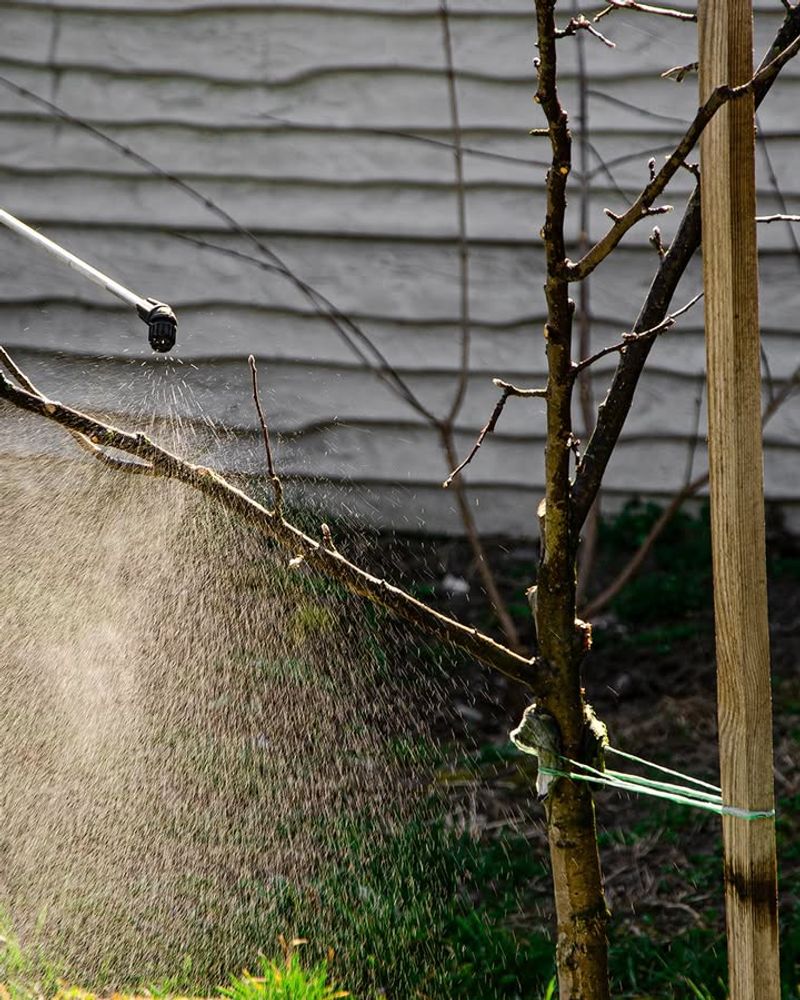
Before a single bud breaks open, late winter is your first and best chance to get ahead of pest problems in your Oregon orchard. Dormant oil sprays work by smothering overwintering insects and their eggs before they get a chance to hatch.
This is especially important for common Oregon pests like San Jose scale, aphid eggs, and mite eggs.
Timing matters a lot here. You want to apply dormant oil when temperatures are above 40 degrees Fahrenheit and no rain is expected for at least 24 hours.
Applying too early in a hard freeze can actually damage your trees instead of helping them.
Copper-based sprays are also popular during this stage. They help control fungal diseases like fire blight and peach leaf curl before the season even begins.
Many Oregon growers in the Hood River Valley use copper sprays as a standard part of their late winter routine.
Always read the product label before mixing your spray. Use proper protective gear like gloves and goggles.
A clean, well-maintained sprayer will give you better coverage and more consistent results across your entire orchard block.
2. The Green Tip Stage
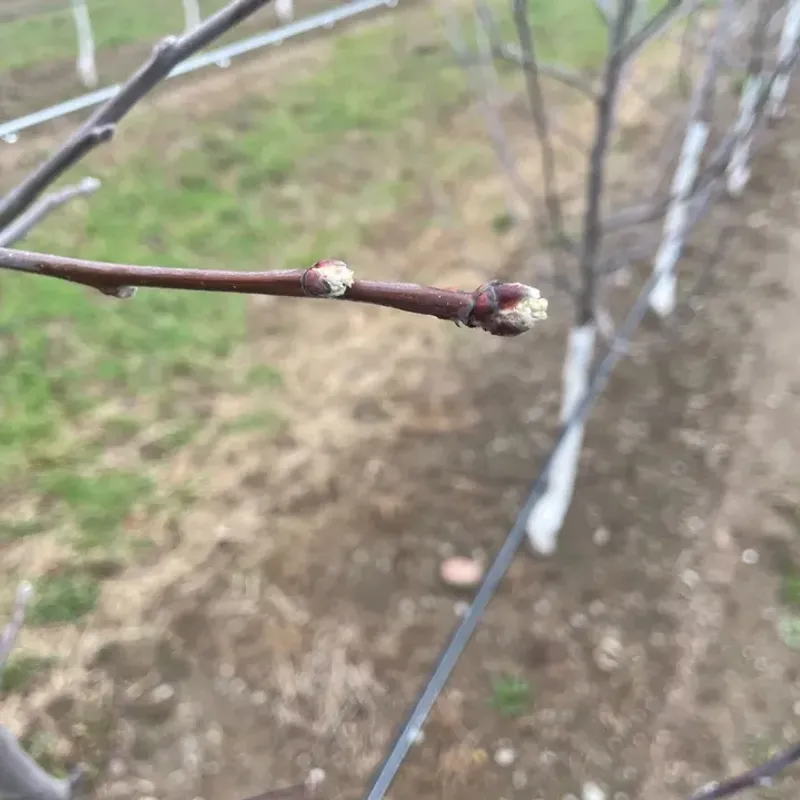
As buds begin to open and the first green tissue becomes visible, protecting young leaves from early infection becomes one of the most important priorities of the season.
Apple scab spores are released just as buds break, and Oregon’s typically cool, wet spring weather often creates nearly perfect conditions for those spores to germinate and spread across new foliage.
Once infection begins at this stage, it can quietly build and continue affecting leaves and fruit long into the growing season.
Mancozeb and sulfur-based fungicides are commonly used at green tip to provide protective coverage against apple scab before infection becomes established.
Some growers may also combine compatible products to broaden protection, but all materials must be used according to label directions.
Mancozeb in particular is subject to seasonal use limits and pre-harvest restrictions, so careful tracking of total applications is essential.
Rotating fungicide groups throughout the season helps prevent resistance from developing and preserves the long-term effectiveness of available products.
Close observation is important during this period because bud development can move quickly when temperatures rise.
A well-timed application at green tip can dramatically reduce early disease pressure, protect tender new leaves, and set the stage for healthier tree growth as the season progresses.
3. Tight Cluster Timing
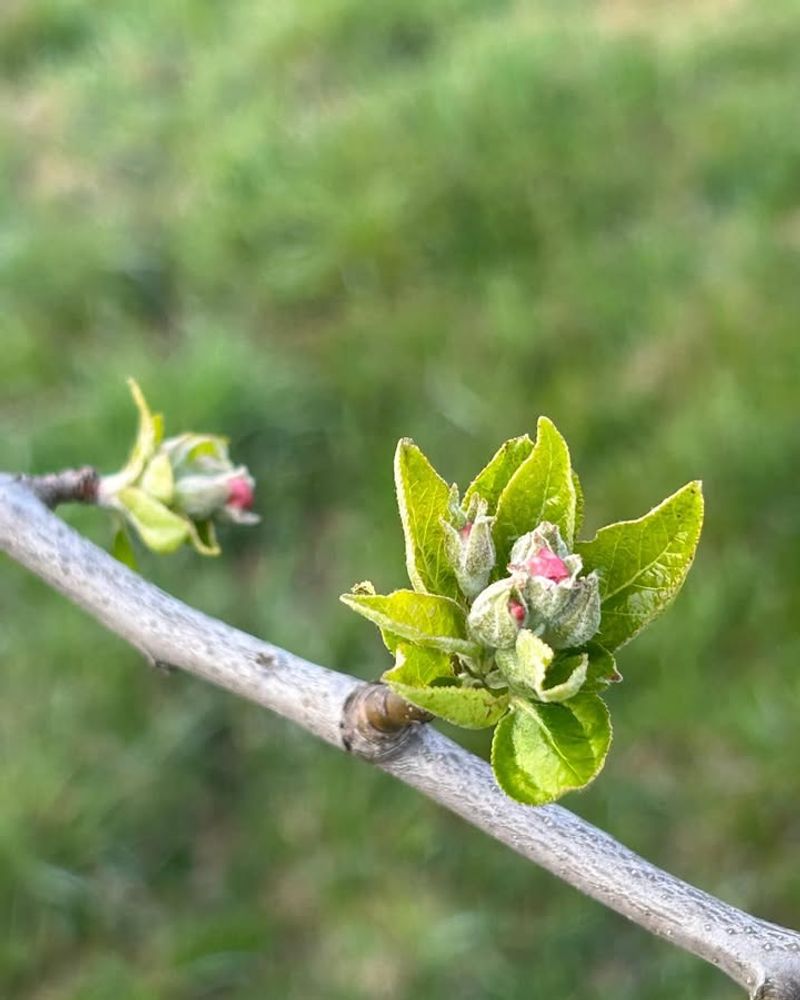
Once buds have pushed past green tip and small clusters of flower buds start to form, you have entered the tight cluster stage. At this point, the flower buds are visible but still tightly packed together.
This stage is a major milestone for Oregon growers because it comes with its own set of pest and disease risks.
Powdery mildew is a serious concern during tight cluster. The fungus thrives in moderate temperatures and spreads quickly through orchards in the foothills of the Cascades and across the Willamette Valley.
Applying a sulfur or myclobutanil fungicide at this stage helps keep mildew under control before bloom begins.
Rosy apple aphid is another pest to watch for. These tiny insects love to feed on young cluster leaves and can cause curling and distortion that affects fruit set later in the season.
A targeted insecticide application can prevent a small aphid population from turning into a much bigger problem.
Record the date and conditions every time you spray. Good record-keeping helps you make smarter decisions year after year.
Oregon State University Extension offers spray guides specific to your region, and consulting those resources alongside your own notes is a smart habit for any serious grower.
4. Pink Bud Protection
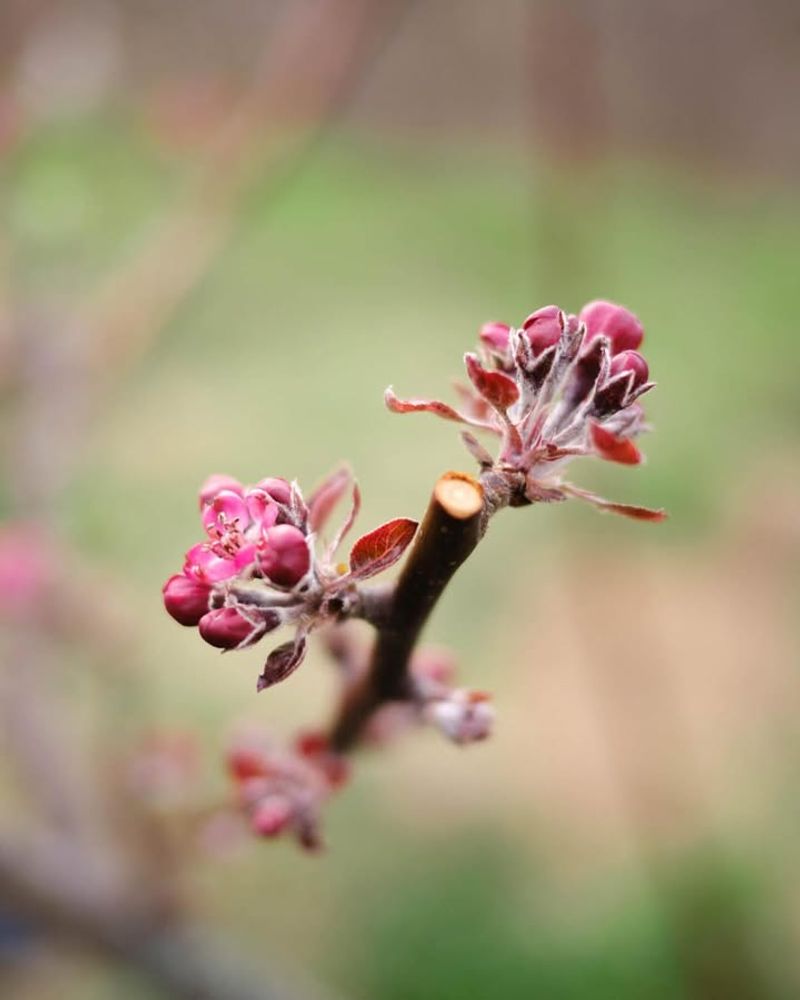
Pink bud is one of the most visually beautiful stages of the fruit tree season, and it also happens to be one of the most important decision points for disease prevention.
At this stage, the flower petals are beginning to show color but have not yet opened, and bloom is just around the corner.
Fire blight is a bacterial disease that infects apple and pear trees primarily through open blossoms.
While copper sprays applied earlier during dormancy help reduce overwintering bacteria, in-season fire blight control in Oregon is usually based on weather-driven infection risk.
Growers commonly apply streptomycin during bloom when warm temperatures and moisture create favorable conditions for infection, rather than relying on pink-stage sprays alone.
Copper products used too close to bloom can sometimes cause fruit russeting on sensitive apple varieties, so careful timing and label guidance are important.
Codling moth traps should be placed in the orchard around this time to monitor the first sustained moth flight.
Although it is still too early to spray for codling moth, tracking moth activity now allows growers to accurately time control measures later using degree-day models.
Avoid insecticide sprays once flowers begin to open, since pollinators such as honeybees and native bees are essential for fruit set and overall orchard productivity.
5. Spray At Petal Fall
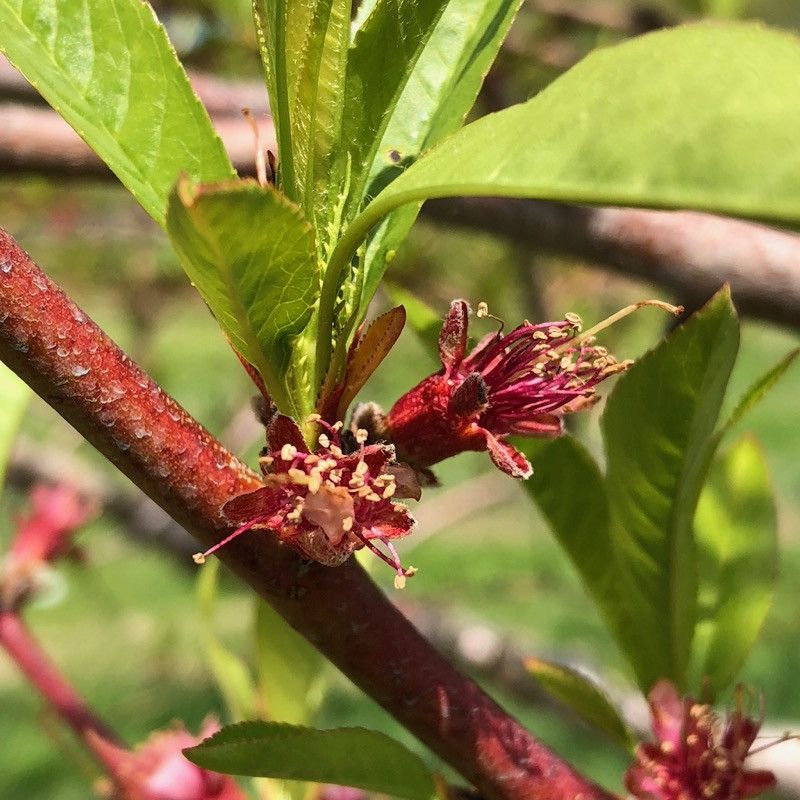
Petal fall is one of the most active and important spray windows of the season. As the last flower petals drop from apple, pear, or cherry trees, young fruitlets are exposed and several key pests begin targeting the developing crop.
Codling moth adults typically begin flying around bloom, and egg laying often starts near petal fall. However, effective control depends on timing insecticide applications to predicted egg hatch using degree-day models rather than relying on calendar timing alone.
Pheromone traps help establish the first sustained moth flight, known as biofix, and degree-day accumulation from that point determines when newly hatched larvae are most vulnerable to treatment.
Fungal diseases may still pose a threat during this period, particularly in wetter parts of western Oregon.
Apple scab and other surface diseases can continue developing on young fruit if cool, moist conditions persist, so maintaining protective fungicide coverage through petal fall helps safeguard the crop.
Consulting local pest monitoring services or extension resources can help fine-tune spray timing and improve overall effectiveness.
6. Early Cover Sprays
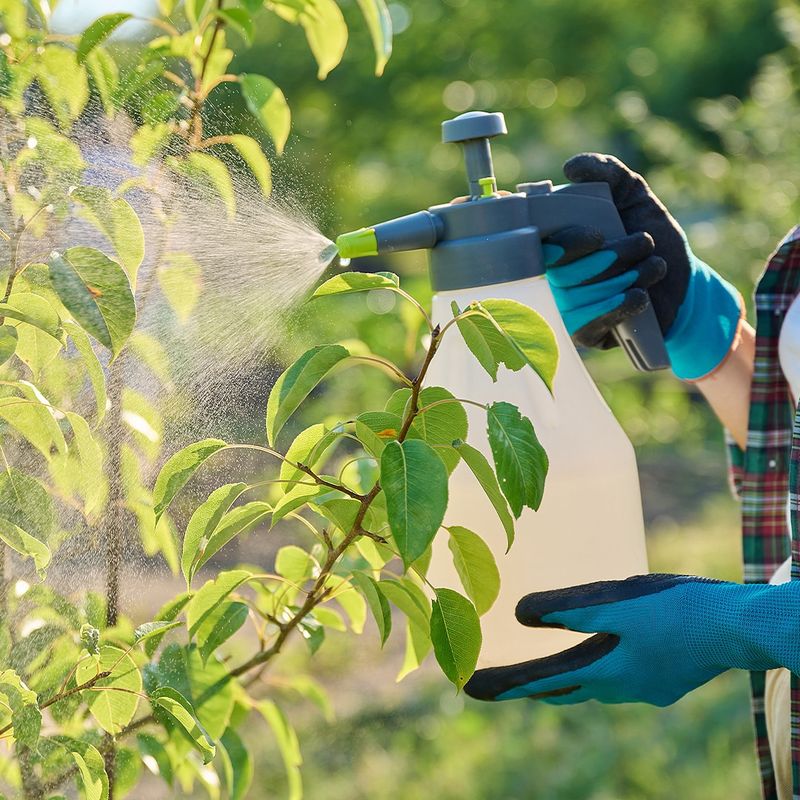
After petal fall, attention shifts to early cover sprays as young fruit begins to size and develop across the canopy.
This stage often requires a steady, consistent protection program because both insects and fungal diseases remain active while fruit surfaces are still highly vulnerable.
Early cover sprays are commonly applied at roughly 10 to 14 day intervals, but real-world timing should always be adjusted based on rainfall, temperature, tree growth, and overall disease pressure rather than following a rigid calendar schedule.
Periods of extended wet weather can increase infection risk and may require tighter spray intervals to maintain protective coverage on leaves and fruit.
In contrast, stretches of warm, dry conditions can sometimes allow growers to extend intervals slightly or reduce the total number of applications without sacrificing crop protection.
Monitoring pest activity, checking trap counts, and watching weather trends helps guide better decisions and keeps sprays aligned with actual orchard conditions.
Good spray coverage during this stage is just as important as timing. As fruit continues expanding, more surface area must be protected from fungal spores and insect feeding.
Calibrating equipment, maintaining steady travel speed, and ensuring thorough canopy penetration helps deliver even coverage and keeps developing fruit clean, healthy, and protected through this critical growth period.
7. When To Stop And Monitor
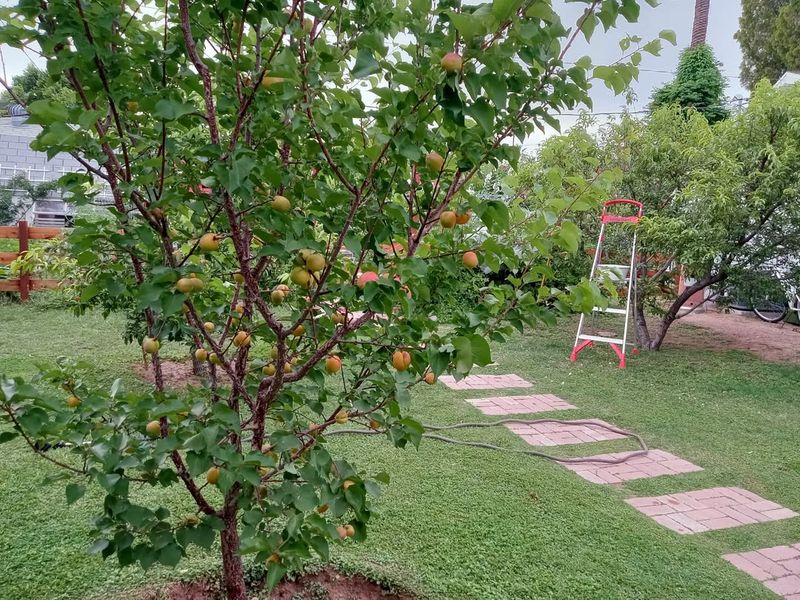
At some point in the season, spraying becomes less necessary and monitoring becomes more important. Knowing when to put the sprayer away is just as valuable as knowing when to pick it up.
Oregon growers who pay close attention to their trees can often reduce the number of sprays they need without sacrificing fruit quality.
By mid-summer, most fungal disease risk has dropped significantly as the weather dries out. In eastern Oregon growing regions like the Dalles and Hood River, dry summers mean fire blight and scab pressure naturally decreases after June.
Shifting your focus to pest monitoring helps you stay ahead of any late-season insect activity.
Codling moth can have two or even three generations per season in warmer parts of Oregon. Keeping your traps active through summer lets you catch any second-generation adult flights and decide if an additional spray is needed.
Many growers find that careful monitoring allows them to skip unnecessary applications entirely.
Walk your orchard at least once a week and look closely at the fruit, leaves, and bark. Early detection of a new pest or disease is always easier and cheaper to manage than a full-blown outbreak.
Good observation skills are the most powerful tool any Oregon fruit grower can develop over time.