This Simple Trick Makes Snake Plants Grow In A Spiral Shape
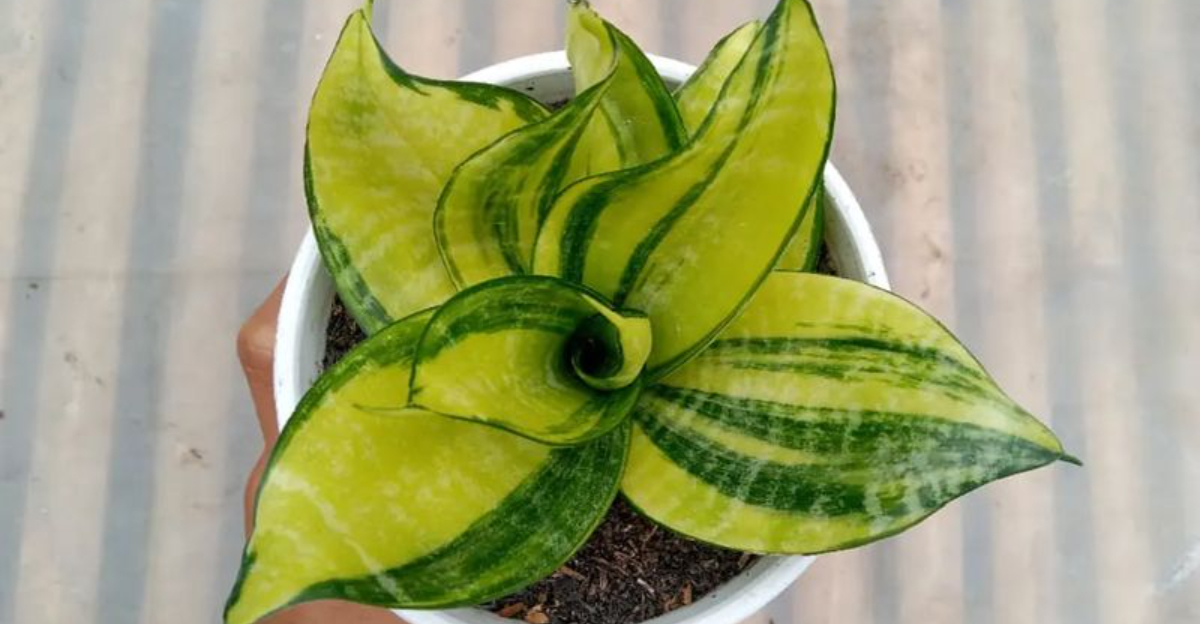
Snake plants usually grow straight and stubborn, so seeing one twist into a spiral feels a little magical, like it decided to show off when no one was watching.
This shape is not a special variety or a rare plant trick, and it happens in regular homes with regular light and a bit of patience.
Once you notice the change starting, it becomes oddly satisfying to watch each new leaf follow the curve and slowly turn the whole plant into a statement piece.
The Trick Is Simple Rotating The Pot A Little At A Time
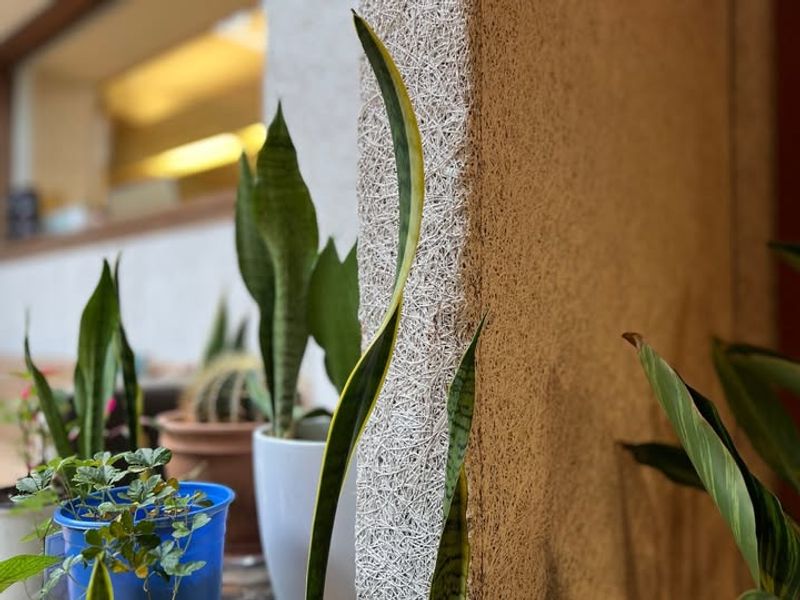
Rotating your snake plant pot in small increments is the secret method that creates that eye-catching spiral shape everyone will ask about.
You only need to turn the container a quarter turn every week or two, depending on how fast your plant grows naturally.
This gradual rotation works because snake plants send new leaves toward the brightest light source available in their immediate growing environment today.
When you rotate the pot regularly, each new leaf emerges at a slightly different angle than the one that came before it.
Over several months, this creates a twisting pattern that looks intentional and artistic rather than random or messy in any way at all.
You do not need any special tools or expensive equipment to make this work perfectly for your own indoor snake plant collection.
Just mark the pot with a piece of tape or a marker so you remember which direction you turned it last time.
Consistency matters more than speed when you are training your snake plant to grow in this unique and beautiful spiral shape over time.
Even beginners can master this technique because it requires only a few seconds of effort every week and nothing else at all really.
Your snake plant will not show signs of stress from rotating because these plants adapt easily to changes in their light direction.
Why Slow Pot Rotation Changes How Snake Plants Grow
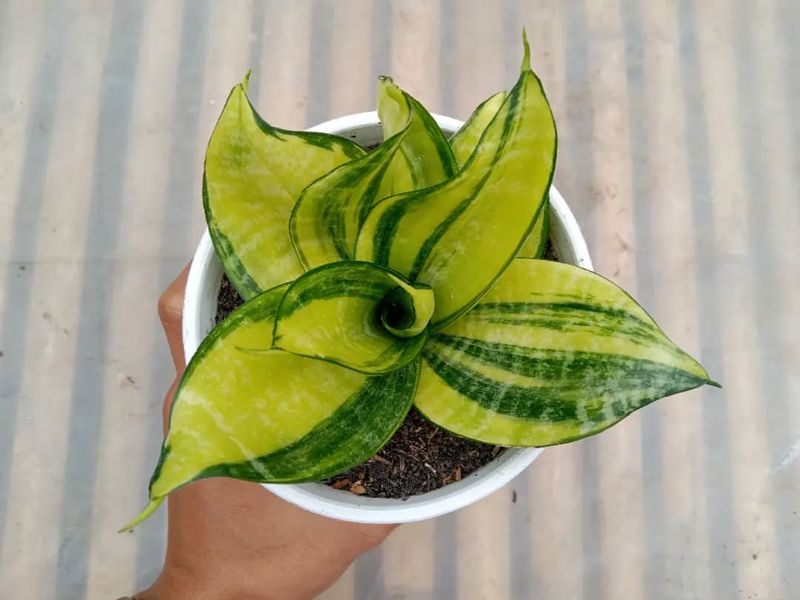
Snake plants exhibit a natural behavior called phototropism, which means they always grow toward the strongest source of available light around them.
When you keep the pot in one fixed position, all the leaves will lean in the same direction over time predictably and consistently.
Rotating the pot slowly tricks the plant into thinking the light source is moving in a circle around it throughout the season.
Each new leaf that emerges from the center of the plant will aim toward wherever the light is strongest at that moment.
Because you turned the pot since the last leaf grew, the new one points in a slightly different direction than its predecessor.
This creates a staggered arrangement where each leaf is offset from the others by a predictable angle that increases with every rotation cycle.
The slower you rotate, the tighter the spiral becomes because the leaves have less distance to travel between each new growth stage.
Faster rotations create a looser spiral pattern that looks more open and spread out rather than tightly coiled like a spring or corkscrew.
Understanding this biological response helps you control the final appearance of your spiral snake plant with precision and confidence every single time.
No genetic modification or special plant variety is needed because all snake plants respond to light direction in this predictable and reliable way.
How Light Direction Trains Leaves Into A Spiral Shape
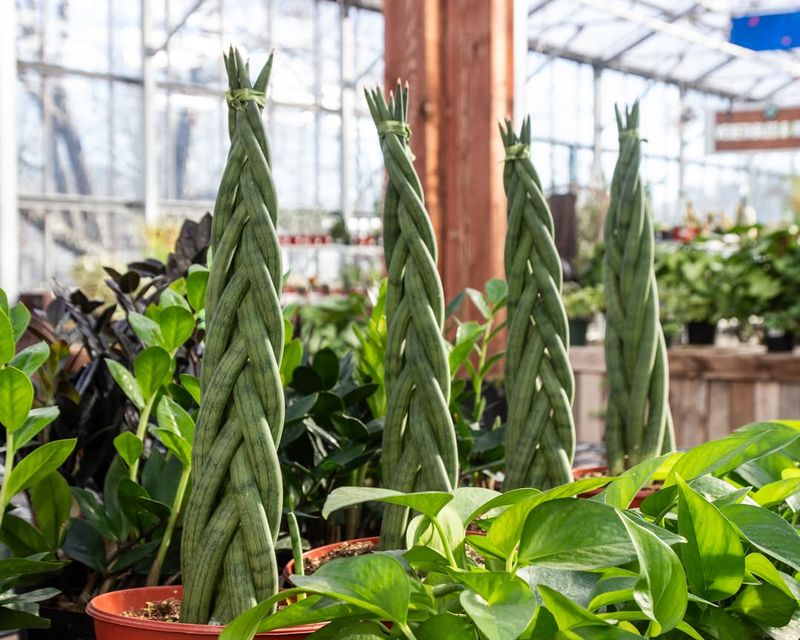
Light direction acts like an invisible guide that tells each new snake plant leaf exactly where to point as it emerges slowly.
When you place your snake plant near a window, the leaves naturally bend and curve toward that bright light source over time.
By rotating the pot regularly, you change the light direction before the plant can fully adjust to the previous position it was in.
This constant redirection forces the plant to keep adjusting its growth pattern, which creates the spiral effect you want to achieve successfully here.
Each leaf remembers the light direction from when it first started growing, so it stays pointed in that original direction permanently now.
Meanwhile, newer leaves are already aiming toward the new light direction created by your most recent pot rotation just a week ago.
This layering effect builds up over months, with each leaf frozen in its original growth angle while new ones point somewhere else.
The result is a beautiful spiral that looks like the plant twisted itself on purpose rather than by accident or random chance alone.
Bright indirect light works best for this technique because it gives the plant a clear signal without causing any leaf burn problems.
Rooms with consistent natural light from one main window are ideal because the light direction remains predictable throughout the entire growing season.
How Often To Turn The Pot For Visible Spiral Results
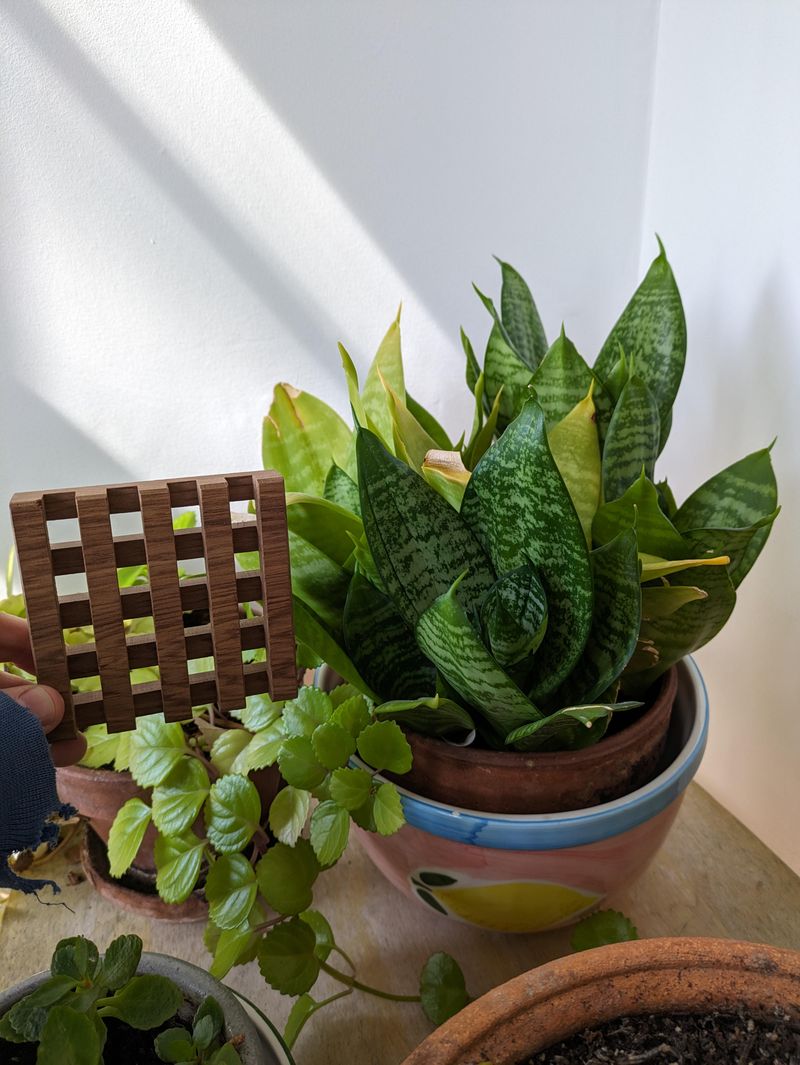
Turning your snake plant pot once every seven to fourteen days strikes the perfect balance between progress and patience for most growers.
If your plant grows quickly during spring and summer, weekly rotations will give you faster results and a tighter spiral pattern overall.
During fall and winter when growth slows down naturally, rotating every two weeks prevents you from turning the pot too often unnecessarily.
You will know the timing is right when you see at least one new leaf starting to emerge before you rotate again.
Rotating before new growth appears wastes the opportunity because the plant needs time to respond to the previous light direction change first.
Mark your calendar or set a phone reminder so you do not forget to rotate regularly and consistently throughout the entire year.
A quarter turn each time means you will complete a full circle rotation after four turns, which usually takes about one to two months.
After several months of consistent rotating, the spiral pattern becomes obvious and impressive enough that visitors will definitely notice it immediately upon entering.
Some growers prefer rotating every ten days as a middle ground that works well for plants with moderate growth rates in typical conditions.
Experiment with your rotation schedule to find what produces the spiral tightness and appearance you find most attractive and satisfying to look at daily.
What Happens When You Rotate Too Fast Or Too Little
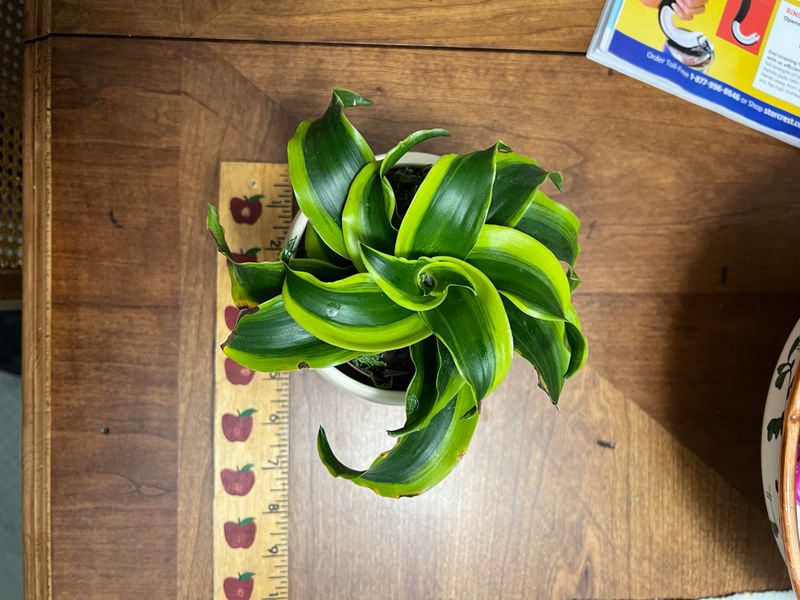
Rotating the pot too frequently confuses the plant and prevents it from establishing any clear growth direction at all during that period.
When you turn the pot every day or two, new leaves do not have enough time to orient themselves toward light properly.
This creates a chaotic growth pattern where leaves point in random directions rather than forming the organized spiral you want to see.
Your snake plant might also slow down its growth rate because it is spending too much energy trying to adjust constantly unnecessarily.
On the other hand, rotating too infrequently means the plant has time to fully adapt to one light direction before you turn it.
This results in groups of leaves all pointing the same way, which breaks up the spiral effect into distinct clusters instead of smooth curves.
You will end up with a plant that looks slightly off-balance rather than elegantly twisted in a continuous flowing pattern throughout its form.
The ideal rotation frequency allows each new leaf to establish its direction while still being offset from the previous leaf by a noticeable angle.
Pay attention to your plant’s growth rate and adjust your rotation schedule accordingly to match its natural rhythm and seasonal changes throughout time.
Finding the right balance takes a little observation, but once you establish the pattern, maintaining the spiral becomes almost automatic and effortless every week.
When Snake Plants Start Holding The Spiral On Their Own
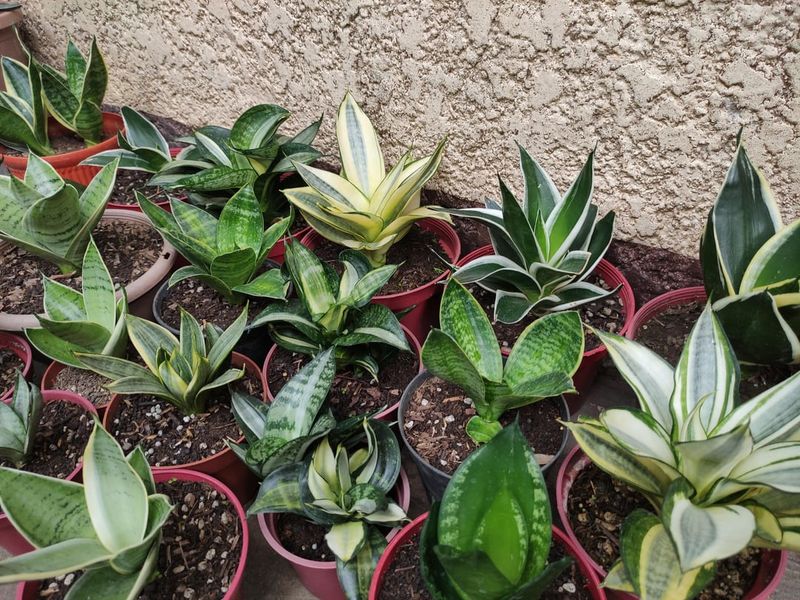
After about six to twelve months of consistent rotating, your snake plant will have enough mature leaves to hold a visible spiral permanently.
Once the spiral is established, the older leaves stay in their twisted positions even if you stop rotating the pot completely now.
However, new leaves will continue growing straight toward the light if you stop the rotation schedule before you want them to stop.
Most growers find that continuing the rotation habit maintains the spiral shape and prevents new growth from disrupting the established pattern you created.
The plant itself does not remember the spiral, but the physical structure of the leaves locked into their growth angles holds everything together.
Mature snake plants with thick, sturdy leaves maintain their spiral better than younger plants with thin, flexible leaves that might shift over time.
If you want to stop rotating, you can do so once you are satisfied with the spiral density and overall appearance.
New growth will then follow the current light direction, which might add a crown of straight leaves on top of the spiral base.
Some people prefer this mixed look because it shows the plant’s natural growth alongside the trained spiral you worked so hard to create.
Others continue rotating indefinitely to keep the entire plant in a consistent spiral from the bottom all the way to the very top.
How To Maintain The Spiral Shape Without Extra Effort
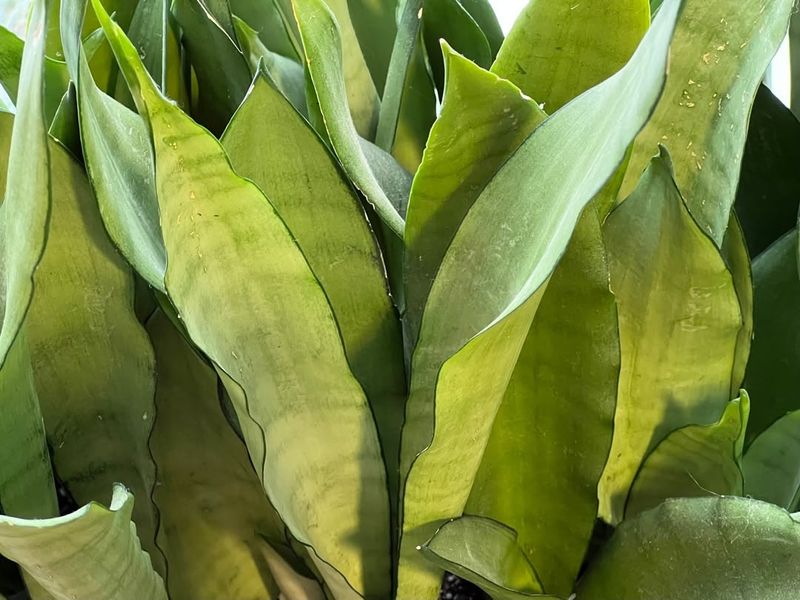
Maintaining your snake plant’s spiral shape long-term requires only the same rotation schedule you used to create it in the first place.
Continue turning the pot a quarter turn every week or two, and the new growth will naturally follow the spiral pattern already established.
Regular watering and proper light conditions keep the plant healthy, which ensures it continues producing new leaves that contribute to the spiral design.
Avoid moving the plant to different rooms or light conditions because sudden changes can disrupt the growth pattern you worked to create.
Consistency in both rotation schedule and environmental conditions produces the best long-term results with minimal effort or adjustments needed over time here.
If you notice new leaves growing straight up instead of following the spiral, check that you are still rotating on schedule consistently.
Dust the leaves regularly so they can absorb light efficiently, which keeps the plant responding to the light direction as intended originally.
Fertilizing during the growing season encourages steady leaf production, which makes the spiral denser and more impressive as months pass by steadily.
Once you establish the routine, maintaining the spiral becomes second nature and takes less than a minute of your time each week.
Your spiral snake plant will remain a stunning focal point in your home for years with just this small, simple maintenance habit practiced regularly.
Why This Trick Works Better Than Buying Pre-Shaped Plants
Buying pre-shaped spiral plants from specialty nurseries can cost three to five times more than growing your own using this simple method.
Many commercial spiral plants are trained using wires or stakes, which can leave marks or damage the leaves when they are removed later.
Training your own snake plant with rotation alone creates a natural spiral without any artificial supports or potentially harmful wire constraints at all.
You also get the satisfaction of watching your plant transform slowly over time, which makes the final result feel much more rewarding and personal.
Starting with a regular snake plant from any garden center means you can choose a healthy specimen with the exact size you want.
The rotation method works with any snake plant variety, including the common green types and the variegated yellow-edged cultivars everyone loves so much.
Pre-shaped plants might lose their spiral form if you do not continue the rotation schedule after bringing them home from the store.
When you train your own plant, you understand exactly how the spiral was created and how to maintain it successfully for years.
This hands-on approach teaches you about plant behavior and phototropism, which helps you become a better plant parent for all your houseplants.
Growing your own spiral snake plant from scratch is more affordable, educational, and ultimately more satisfying than buying one already shaped by someone else.