This 5-Step Method Makes California Snake Plants Grow In Perfect Spirals
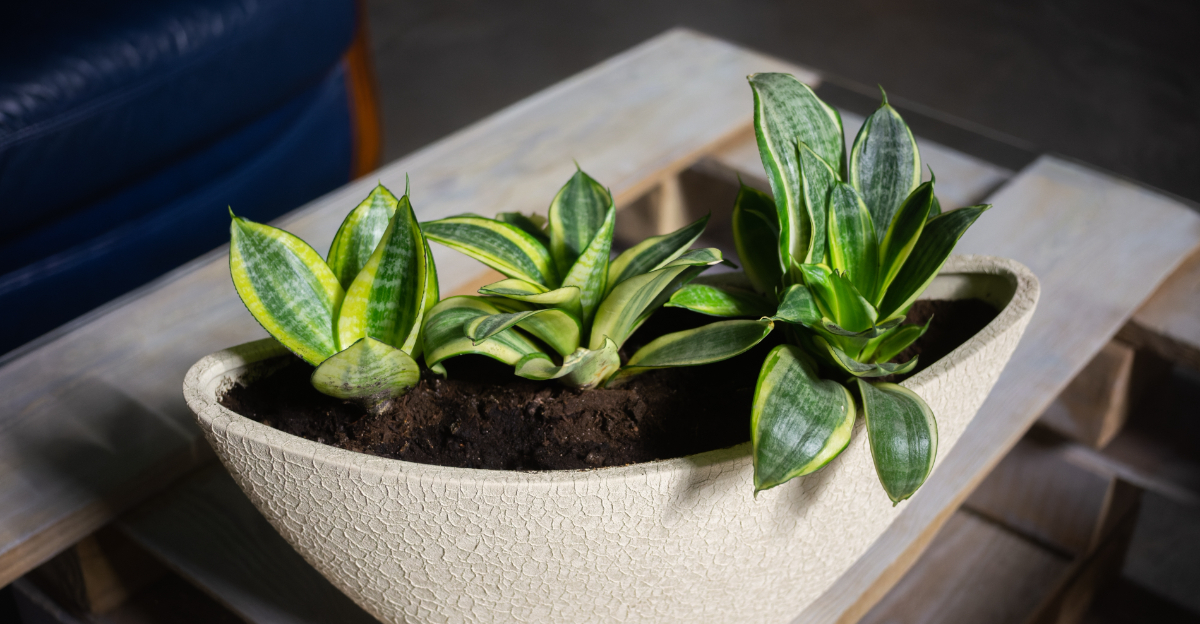
Snake plants don’t wake up one day and decide to grow in perfect spirals. That magic comes from smart care and a few clever tricks.
Right now, many California plant lovers are watching their snake plants lean sideways, stretch toward windows, and grow in awkward directions. It doesn’t have to be that way.
With the right steps, you can train your plant to twist, curve, and rise in smooth, dramatic patterns that look straight out of a design magazine. It’s part science, part fun experiment, and totally satisfying to watch happen.
No fancy tools. No complicated routines. Just simple moves that guide your plant into shape!
1. Control The Light Direction
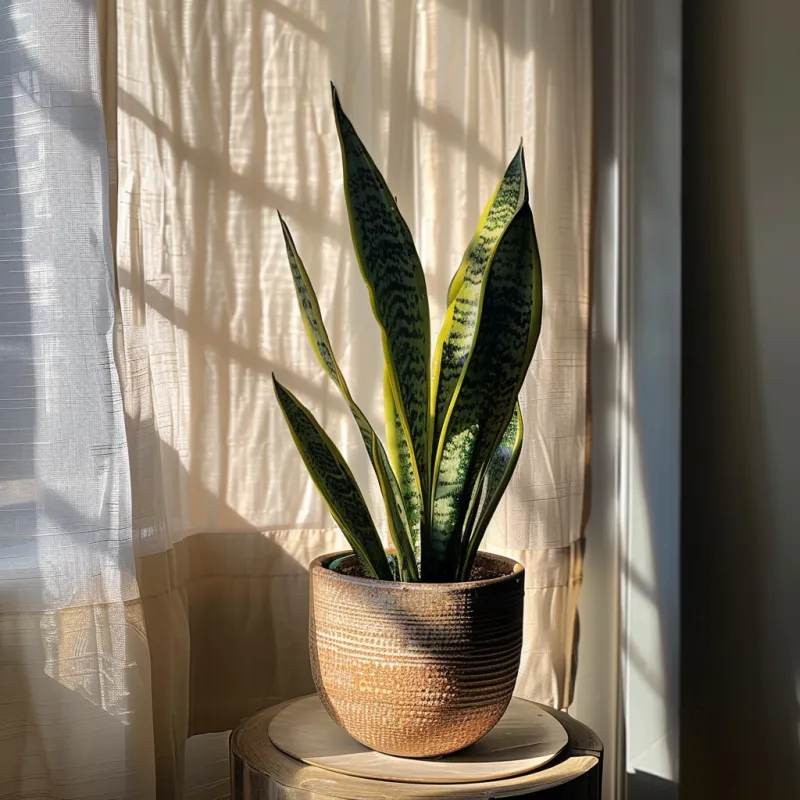
Most snake plant owners place their pots in a convenient spot and forget about them. The leaves grow wherever they want, often leaning awkwardly toward the brightest window while the back leaves stay hidden in shadow.
This uneven light exposure creates lopsided growth that looks messy rather than intentional.
Snake plants naturally bend toward their primary light source through a process called phototropism. When light consistently hits from just one direction, the plant cells on the shaded side grow faster than those facing the light, causing the entire leaf to curve.
In California homes with intense west-facing or south-facing windows, this bending happens quickly and dramatically during spring and summer months.
Position your snake plant about three to five feet from a bright window where it receives strong indirect light from one specific angle. Avoid placing it directly in the windowsill where harsh afternoon sun might scorch the leaves.
The goal is steady, directional brightness that encourages controlled bending without causing sunburn damage.
Watch how your plant responds over the first week. You should notice the newest leaves starting to lean slightly toward the light source within five to seven days.
If leaves remain completely upright, move the pot six inches closer to the window. If leaf tips start turning brown or pale, pull it back slightly to reduce intensity.
California’s dry indoor air and year-round sunshine make phototropic training especially effective here. Unlike humid climates where growth slows during winter, your snake plant keeps actively growing and responding to light cues throughout all twelve months.
This consistent activity lets you shape spiral patterns faster than gardeners in other regions.
Never rotate the pot during this initial training phase. Changing the light direction confuses the plant and disrupts the bending pattern you’re establishing.
Keep the same side facing the window for at least two full weeks before making any adjustments to the pot’s position or angle.
2. Rotate On A Weekly Schedule
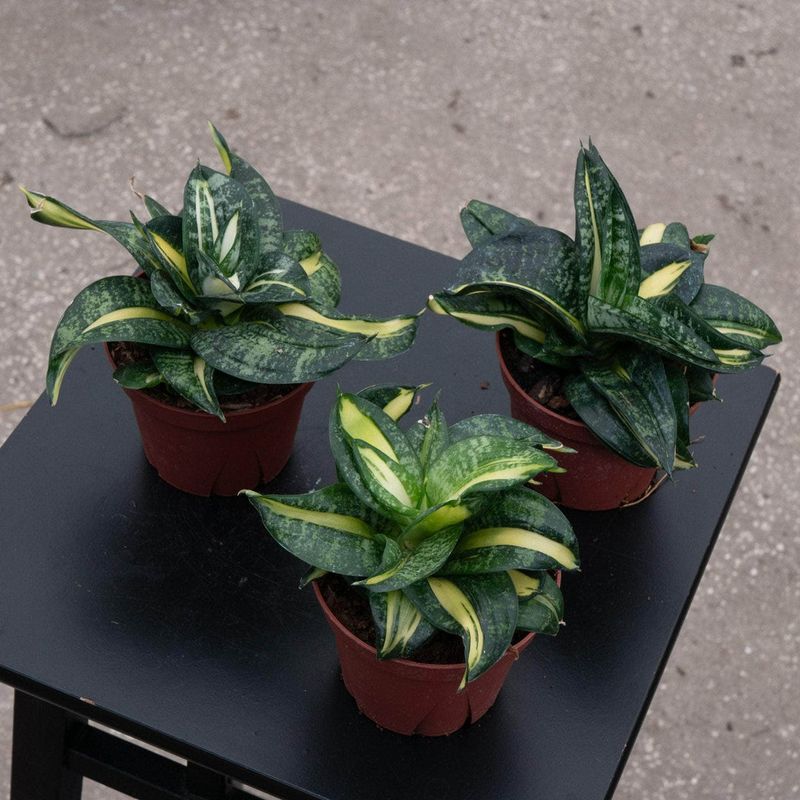
Many plant owners rotate their snake plants randomly whenever they remember, or they spin them completely around in one motion. This irregular turning prevents any organized growth pattern from developing.
The leaves receive light from constantly changing angles, so they grow in confused, uncoordinated directions rather than forming the smooth spiral you want.
Consistent rotation timing creates the spiral effect by gradually shifting which leaves receive the most intense light exposure. When you rotate the pot by a small, measured amount each week, the plant continuously adjusts its growth direction.
Each leaf bends toward the light, then the pot turns, then the next leaf bends, creating a staggered spiral pattern around the central growing point.
Mark your pot with a small piece of tape or a permanent marker dot to track rotation progress. Every seven days, turn the pot exactly 45 degrees in the same direction—always clockwise or always counterclockwise, never alternating.
This quarter-turn interval gives each section of the plant approximately one week as the primary light-receiving side before rotating again.
Set a recurring phone reminder for the same day and time each week. Saturday mornings or Sunday evenings work well since you’re likely home and have a few extra minutes.
Rotating on a strict schedule prevents the common mistake of turning the pot too frequently, which stops spiral development, or forgetting for weeks, which creates irregular gaps in the pattern.
In California’s bright indoor conditions, weekly rotation provides enough time for visible leaf movement without allowing any single leaf to bend too far. Faster rotation schedules work in dimmer climates, but our intense natural light causes quicker phototropic responses.
Slower schedules let individual leaves curve excessively before the next rotation, breaking the smooth spiral flow.
Track your rotation progress by taking photos from the same angle every two weeks. After eight to ten rotations, you should see a clear spiral pattern emerging from the center of the plant outward.
3. Stabilize The Pot And Soil
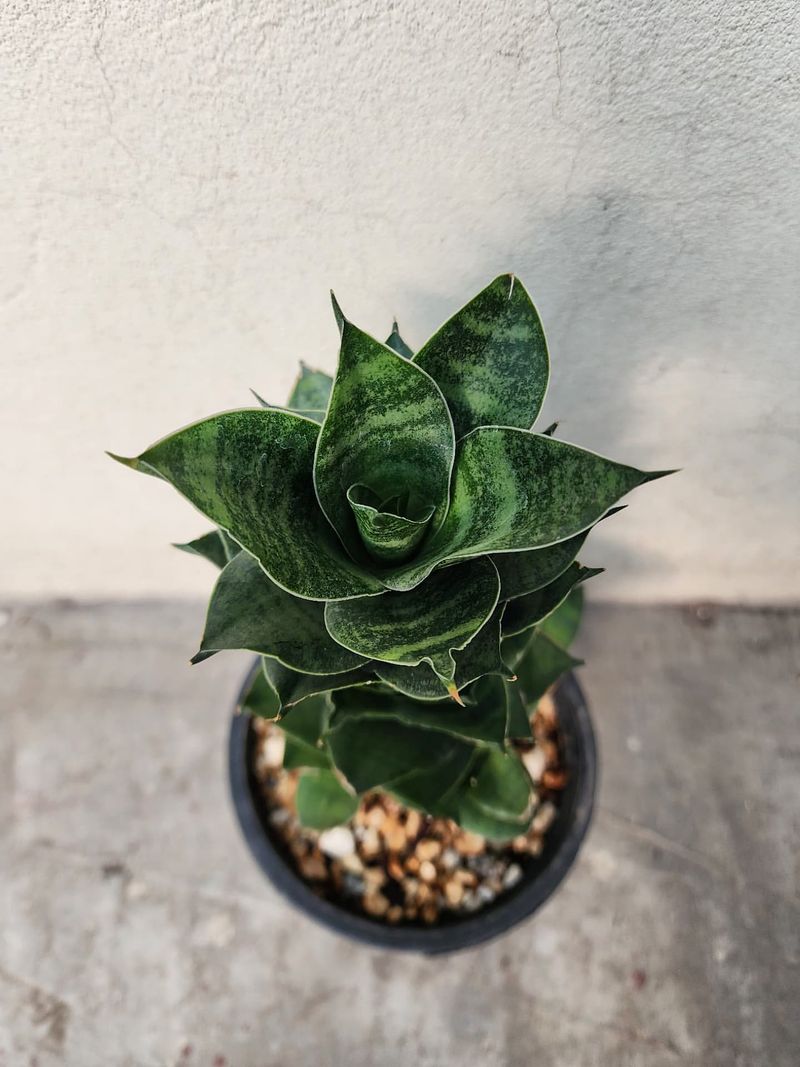
Loose soil and lightweight pots create a frustrating problem during spiral training. Each time you rotate the plant, the pot wobbles or the soil shifts inside the container, causing the entire plant to lean unpredictably.
This instability ruins your careful rotation schedule because the leaves respond to the tilted growing angle rather than just the directional light.
A stable base ensures the plant remains perfectly upright between rotations. When the pot and soil stay firmly in place, the only variable affecting leaf direction is the changing light angle from your weekly turns.
This consistency lets the spiral pattern develop cleanly without random curves from physical tilting or settling.
Choose a heavy ceramic or terracotta pot that won’t tip easily when you rotate it. These materials also help regulate moisture in California’s dry indoor air better than plastic containers.
The pot should feel substantial when you lift it—if it’s too light, add a layer of gravel or small stones at the bottom before adding soil to increase stability.
Use a well-draining soil mix specifically formulated for succulents and cacti. These blends contain sand, perlite, or pumice that prevents compaction and waterlogging.
Firm the soil gently around the plant’s base when potting, pressing down just enough to eliminate air pockets without crushing the roots. The soil surface should feel solid but not rock-hard.
Place your pot on a flat, level surface like a plant stand, side table, or sturdy shelf. Avoid windowsills that slope slightly for drainage or wobbly furniture that shifts when bumped.
Check the level by placing a small carpenter’s level across the pot rim—the bubble should rest perfectly centered.
After each weekly rotation, gently press the soil surface near the plant base to ensure nothing has loosened. If you notice any tilting or settling over time, top-dress with additional soil mix to restore the firm, level surface.
This maintenance prevents gradual leaning that disrupts your spiral training progress.
4. Prune For Balanced Growth
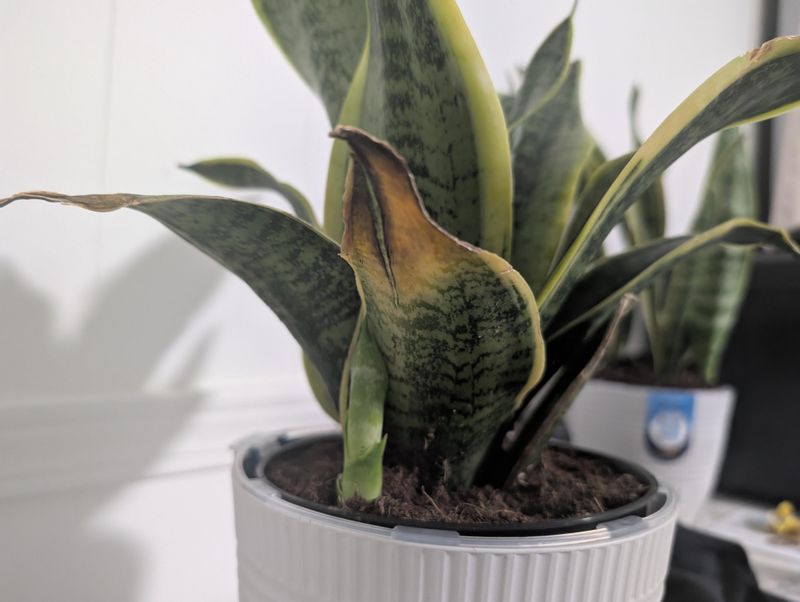
Snake plants occasionally produce leaves that grow much faster or larger than their neighbors. These aggressive growers dominate the spiral pattern, creating visual imbalance where one section looks crowded while another appears sparse.
Without selective pruning, your spiral loses its graceful, even appearance and starts looking chaotic or lopsided.
Strategic leaf removal redirects the plant’s energy toward maintaining uniform growth around the entire spiral. When you remove overly dominant leaves, the plant compensates by strengthening the smaller, weaker leaves that contribute to the spiral’s overall symmetry.
This balancing act keeps the pattern flowing smoothly from the center outward without jarring size differences between adjacent leaves.
Inspect your snake plant every three to four weeks during active growing seasons. Look for leaves that extend significantly beyond their neighbors or leaves that grow at odd angles that disrupt the spiral flow.
Also identify any damaged, yellowing, or brown-tipped leaves that detract from the plant’s appearance regardless of the training pattern.
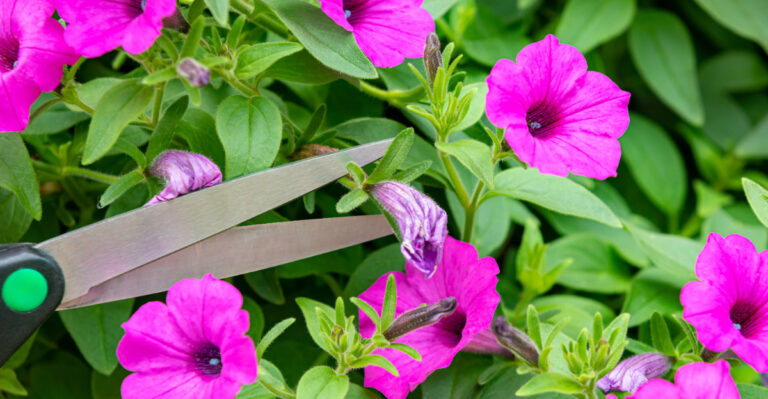
Use clean, sharp pruning shears or scissors sterilized with rubbing alcohol. Cut problem leaves as close to the soil line as possible without damaging surrounding growth.
Make clean cuts rather than tearing or ripping, which creates ragged wounds that invite bacterial or fungal problems in California’s dry indoor conditions.
Remove no more than two or three leaves per pruning session, even if you see more issues. Snake plants tolerate pruning well, but removing too much foliage at once stresses the plant and temporarily halts the spiral training process.
Space pruning sessions at least three weeks apart to give the plant recovery time between cuts.
After pruning, continue your regular weekly rotation schedule without changes. The plant will naturally adjust its growth to fill gaps left by removed leaves.
Within four to six weeks, you should notice new shoots emerging from the soil line that grow into the spiral pattern you’ve established through consistent light direction and rotation timing.
5. Maintain Consistent Care
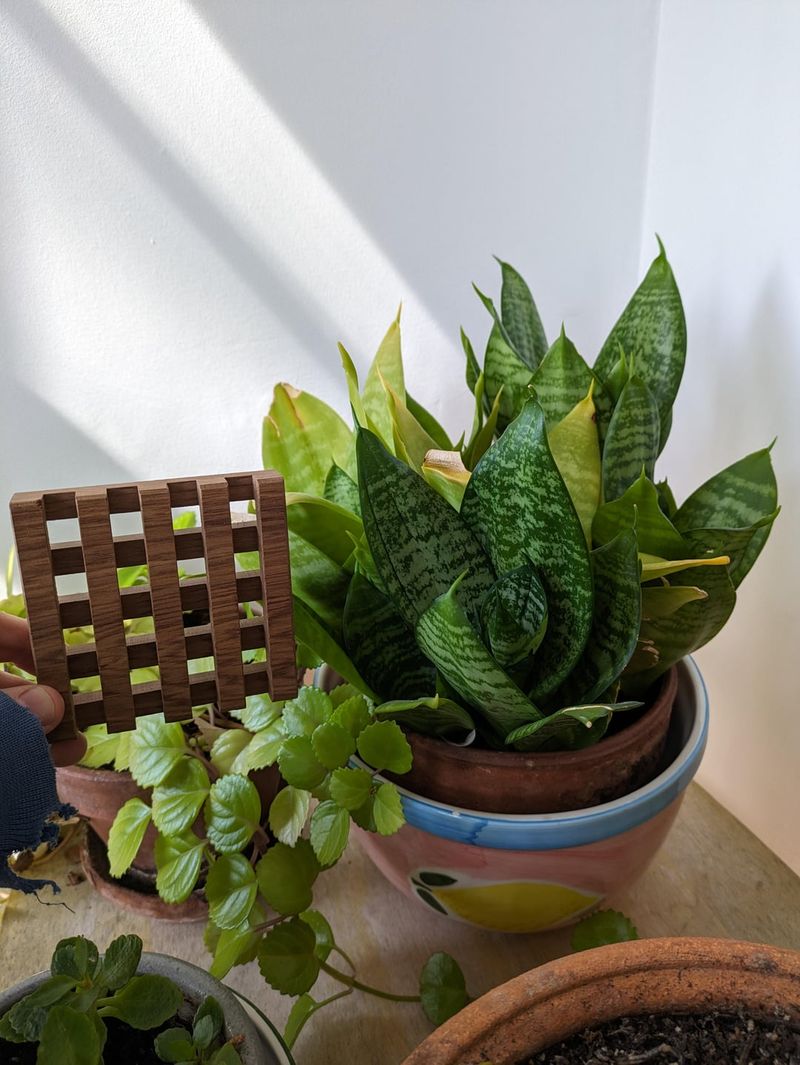
Irregular watering and temperature fluctuations cause snake plants to enter survival mode. When a plant experiences stress from drought, sudden cold, or other environmental shocks, it stops active growth and focuses on staying alive.
This dormancy period interrupts spiral training because the leaves aren’t actively growing and bending toward light—they’re just hanging on until conditions improve.
Steady, predictable care keeps your snake plant in continuous active growth throughout the year. When water, temperature, and light remain consistent, the plant maintains the energy and cellular activity needed for phototropic responses.
Each weekly rotation produces visible results because the plant is healthy enough to keep growing and adjusting to the changing light direction.
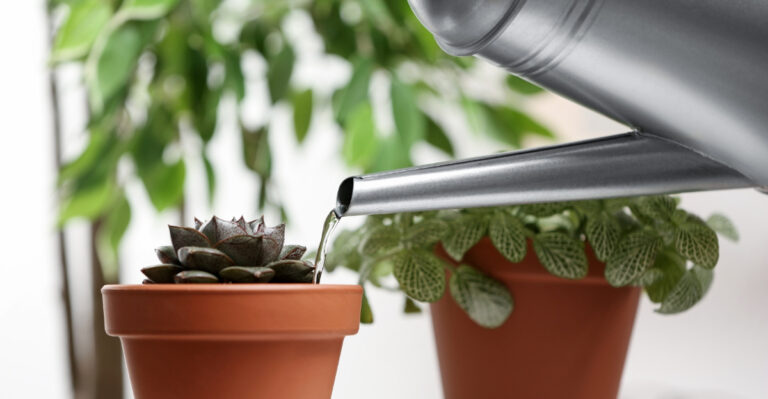
Water your snake plant only when the top two to three inches of soil feel completely dry to the touch. In California’s low-humidity indoor environments, this typically means watering every two to three weeks during warmer months and every four to five weeks during cooler periods.
Pour water slowly until it drains from the bottom holes, then empty the saucer to prevent root rot.
Maintain indoor temperatures between 65 and 80 degrees Fahrenheit year-round.
Snake plants tolerate California’s natural temperature variations well, but avoid placing them near heating vents, air conditioning units, or drafty windows that create sudden hot or cold spots.
These temperature swings stress the plant and disrupt steady growth patterns.
Fertilize sparingly with a balanced, water-soluble houseplant fertilizer diluted to half strength. Apply once in early spring and once in midsummer during peak growing seasons.
California’s year-round growing conditions don’t require heavy feeding—too much fertilizer causes rapid, uncontrolled growth that ruins your carefully trained spiral pattern.
Monitor for common pests like spider mites or mealybugs, which thrive in dry California indoor air. Wipe leaves monthly with a damp cloth to remove dust and check for early pest signs.
Healthy, clean leaves respond better to light direction and create more attractive spirals than pest-damaged or dusty foliage.