This Strange Tree Growth Is Showing Up Across Alabama — And It’s Not What You Think
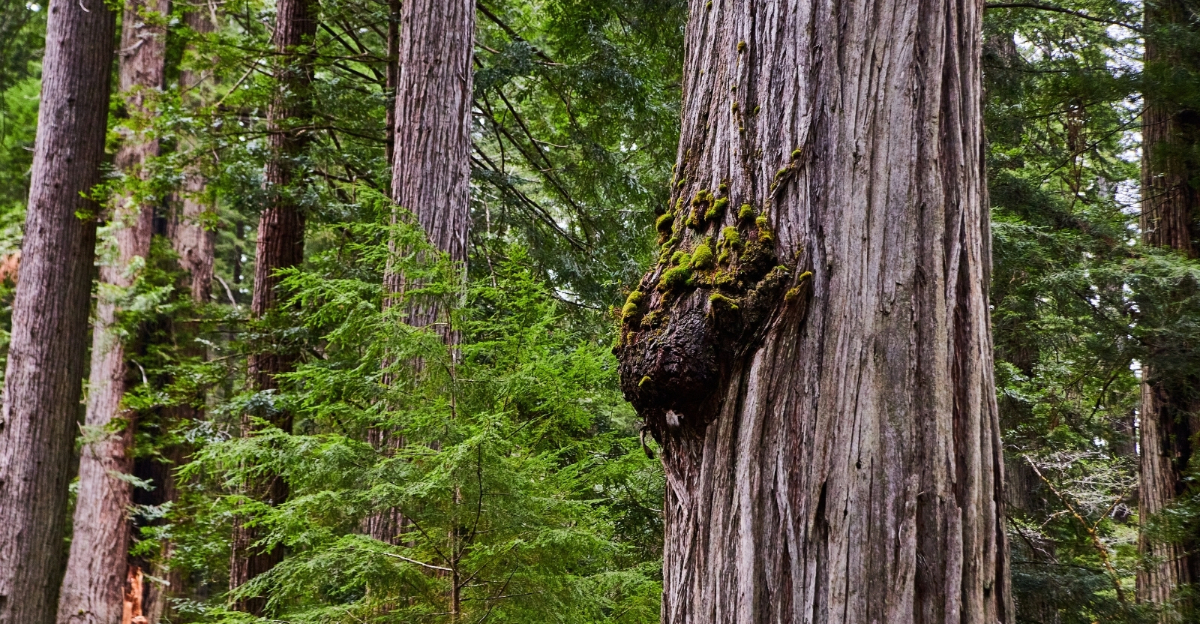
Strange, bumpy growths have been appearing on trees across Alabama, catching attention because they look sudden, irregular, and hard to explain.
The bulges and knots stand out against smooth bark, making healthy trees seem unexpectedly changed.
At first glance, the shapes feel alarming, especially when they appear without any obvious damage. The texture and size of these growths give the impression that something has gone wrong beneath the surface.
What makes them even more confusing is that the surrounding branches and leaves often look completely normal.
The truth behind these unusual formations is far less dramatic than their appearance suggests.
In many cases, this strange tree growth is simply part of how Alabama trees adapt and protect themselves over time.
1. What This Unusual Tree Growth Looks Like In Alabama
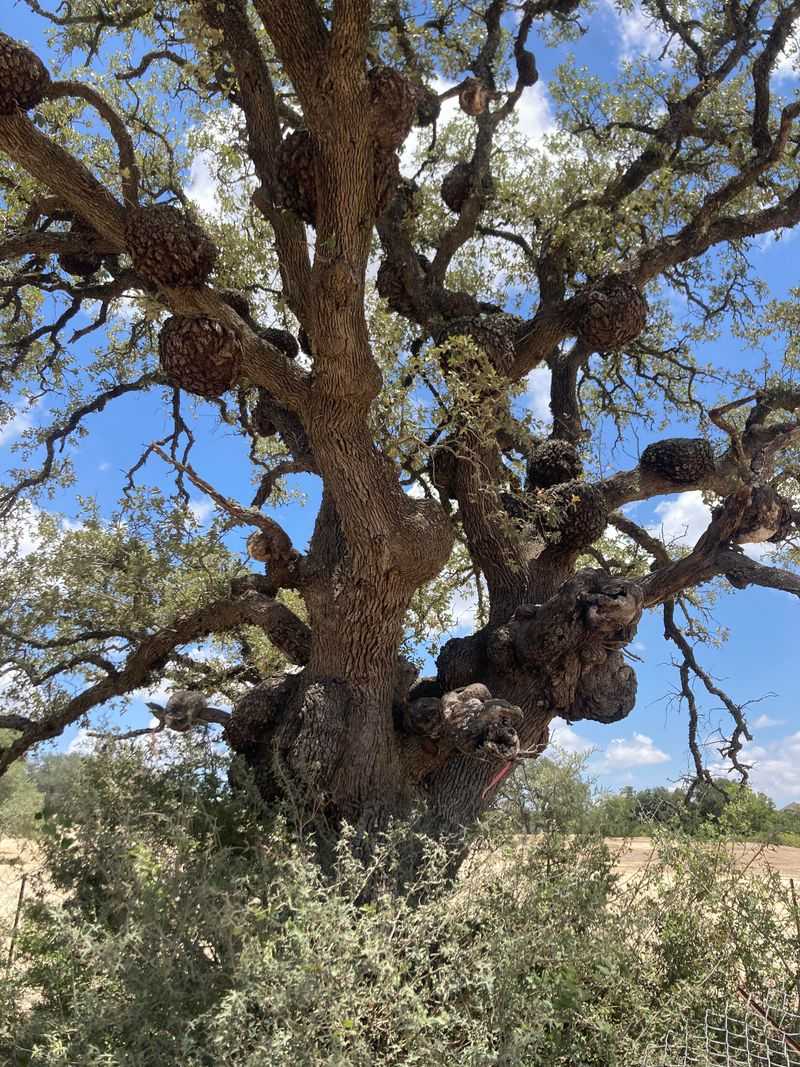
Bumpy bulges and swollen bark sections appear on tree trunks throughout Alabama neighborhoods, catching the eye of confused property owners.
Some growths resemble large knots or burls, while others look like twisted wood formations that seem out of place.
The texture varies from smooth and rounded to rough and irregular, depending on the tree species and how long the growth has been developing.
Colors range from the same shade as the surrounding bark to darker or lighter patches that stand out dramatically.
Size differences are notable too, with some growths measuring just a few inches across while others span several feet in diameter.
Homeowners in Huntsville and Montgomery report seeing these formations at various heights on their trees, from near the ground to high up on major branches.
Shape characteristics include circular bumps, elongated ridges, and sometimes spiral patterns that wrap around the trunk.
Alabama’s diverse tree population shows these growths in different ways, making each case unique. Texture can feel hard and woody or slightly softer in newer formations.
Location patterns on trees tend to cluster where branches meet the trunk or where old wounds once existed.
The growths often appear on the south-facing side of trees where sun exposure is strongest. Observation reveals that multiple growths can occur on a single tree, creating an unusual appearance that worries many Alabama residents.
2. Why Many Homeowners Mistake It For Disease
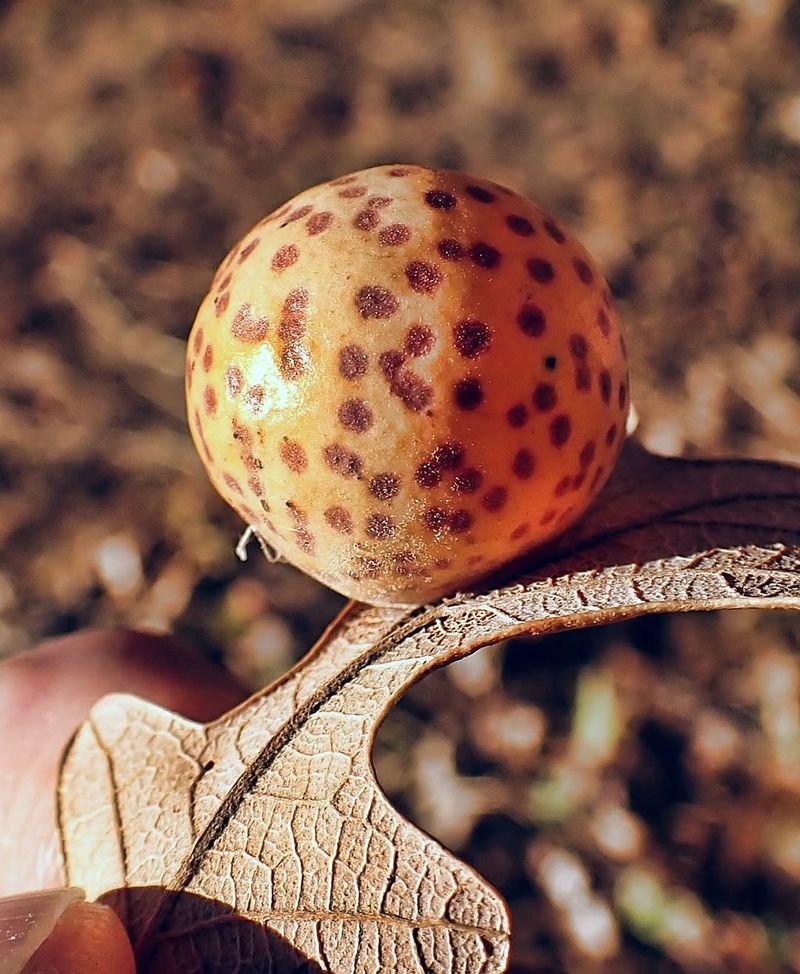
Panic sets in when Alabama residents first spot these odd formations on their favorite shade trees.
The unusual appearance triggers immediate concern because people naturally associate strange bumps with illness or infection. Most folks have never seen anything quite like it before, leading them to assume the worst about their tree’s health.
Visual similarities to fungal infections make the confusion understandable, especially when the growths appear suddenly. Homeowners in Tuscaloosa and Auburn often compare the bumps to tumors or cancerous growths, using medical terminology to describe what they’re seeing.
Social media posts in Alabama gardening groups frequently show worried residents asking if their trees are contagious or spreading problems to neighboring plants.
Lack of education about normal tree responses contributes to the misunderstanding across the state. Schools and community programs rarely teach people about how trees heal themselves or adapt to stress.
Garden centers receive countless calls from concerned customers who describe the growths in alarming terms.
Professional arborists in Alabama spend considerable time explaining that most of these formations are harmless defensive mechanisms.
The dramatic appearance simply doesn’t match people’s expectations of healthy tree bark.
Fear of losing a valuable tree drives many to seek immediate treatment when none is actually needed.
3. Natural Tree Responses That Create Unexpected Growth
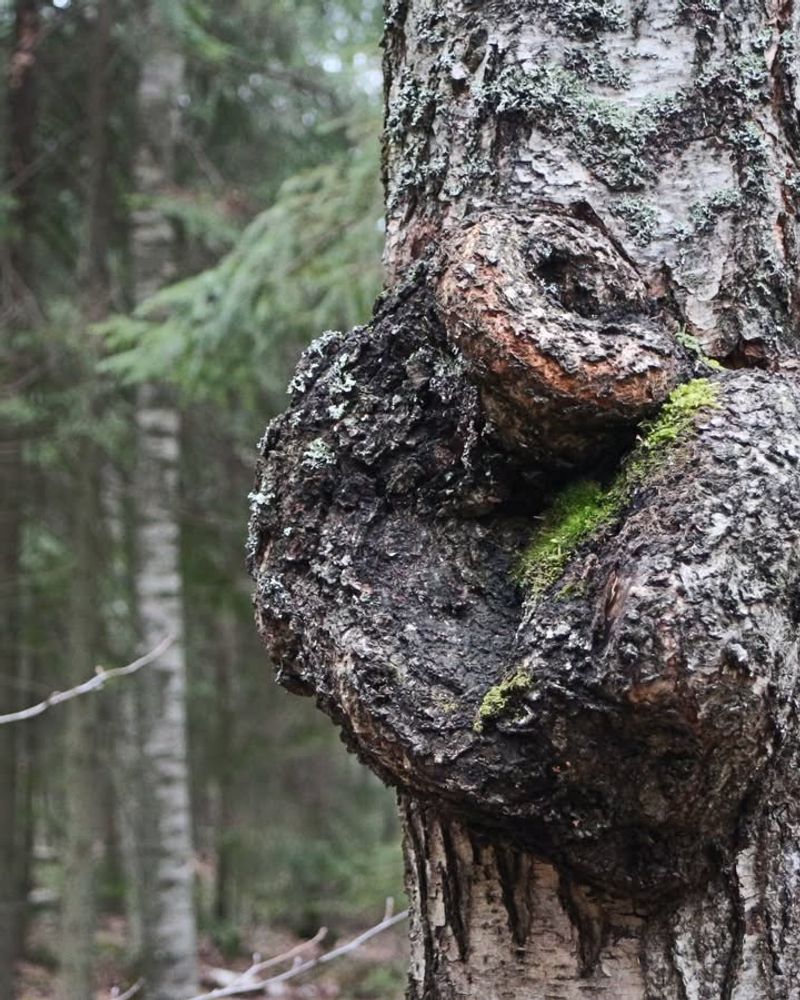
Trees possess remarkable abilities to protect themselves from injury and environmental challenges throughout Alabama. Compartmentalization happens when a tree walls off damaged tissue to prevent decay from spreading to healthy wood.
This defense mechanism triggers extra cell growth around wounds, creating the bumpy formations that puzzle so many observers.
Callus tissue forms as trees seal cuts, scrapes, and broken branches, much like how human skin creates scabs over injuries. Alabama’s trees work constantly to cover exposed wood that could invite insects or disease organisms.
The process takes months or even years, building up layers of protective material that look unusual but serve an important purpose.
Reaction wood develops when trees need to support heavy branches or correct their growing direction after being pushed by wind or other forces.
This specialized wood is denser and stronger than normal growth, appearing as bulges or swellings. Trees in Birmingham and Mobile use this strategy to maintain structural integrity during storms.
Adventitious buds sometimes activate in response to damage, producing clusters of shoots that create woody masses over time.
These backup growth points sit dormant under the bark until the tree needs them. Girdling roots occasionally cause swelling as they press against the trunk, though this represents a different situation requiring attention from Alabama arborists.
4. How Weather And Seasonal Stress Play A Role

Alabama’s intense summer heat puts tremendous pressure on trees, causing them to respond in protective ways. Prolonged drought periods force trees to prioritize survival over normal growth patterns, sometimes resulting in unusual bark formations.
Temperature swings between seasons create expansion and contraction in wood tissue, occasionally leading to splits that heal with prominent scarring.
Severe thunderstorms and high winds cause mechanical damage that triggers the defensive growth responses seen across the state. Lightning strikes create particularly dramatic healing patterns as trees work to seal major wounds.
Hail damage, while less common, leaves countless small injuries that trees must address through callus formation.
Freeze events in northern Alabama counties sometimes damage tender cambium layers beneath the bark, prompting extensive healing growth. Ice accumulation on branches creates weight stress that trees compensate for by strengthening affected areas.
Spring flooding in low-lying regions stresses root systems, and trees respond by adjusting their above-ground growth patterns.
Humidity levels influence how quickly trees can heal wounds and produce protective tissue throughout Alabama’s varied climate zones.
Rapid weather changes don’t give trees much time to gradually adapt, forcing faster responses that appear more dramatic. Seasonal transitions bring their own challenges as trees shift between active growth and dormancy periods, sometimes creating visible marks of these changes.
5. Trees Most Commonly Affected By This Growth
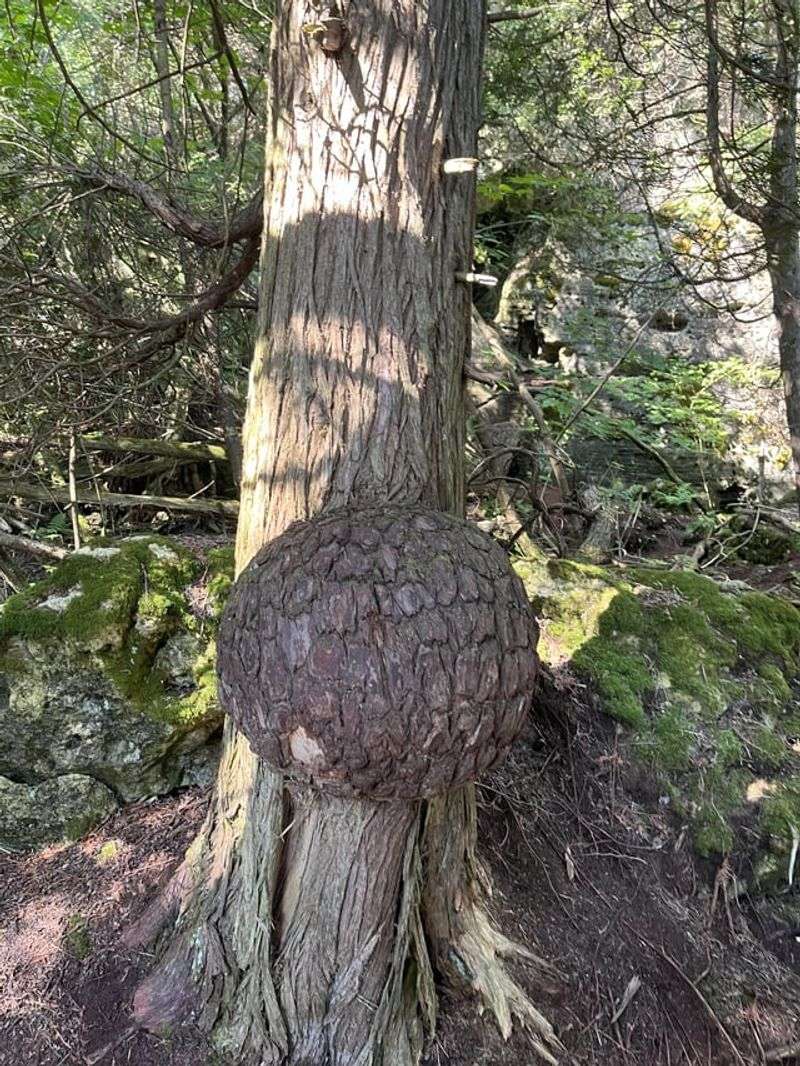
Oak species dominate Alabama’s forests and landscapes, making them the most frequently observed trees with these unusual growths. Their thick bark and long lifespan mean they accumulate more visible healing responses over the decades.
Live oaks, white oaks, and red oaks all show distinctive patterns of burl and callus formation throughout the state.
Hickory trees develop particularly prominent burls that can reach impressive sizes in Alabama’s woodlands. These hardwoods respond to stress by producing dense, swirling grain patterns that woodworkers prize for their beauty.
Pecan trees, a hickory relative, show similar tendencies in both wild and cultivated settings across the state.
Maple varieties growing in Alabama occasionally display unusual bark formations, especially after mechanical injuries from lawn equipment.
Their relatively thin bark makes wounds more visible and healing responses more dramatic. Silver maples and red maples both exhibit this characteristic in urban and suburban settings.
Pine trees handle stress differently but still produce noticeable pitch pockets and resin accumulations that look abnormal to untrained eyes. Southern yellow pines throughout Alabama create thick resin flows to seal wounds, resulting in hardened masses on the trunk.
Sweetgum trees also make the list, forming corky bark ridges and burls that stand out against their normally straight trunks in neighborhoods from Dothan to Florence.
6. When Strange Growths Are Harmless
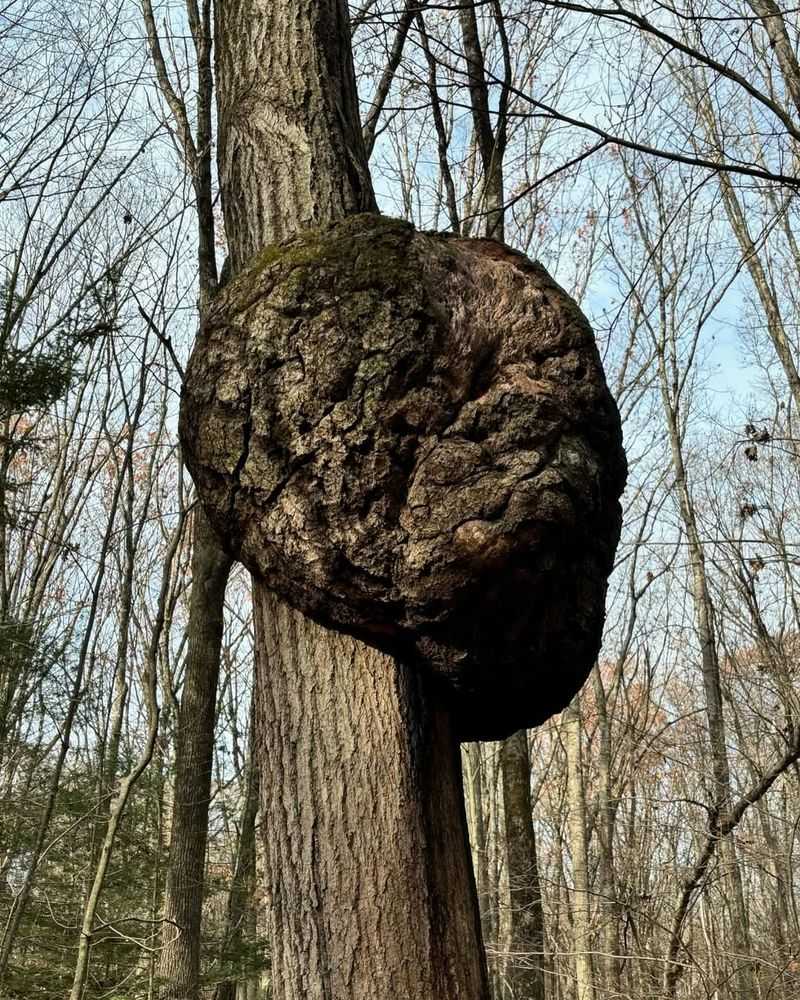
Burls represent one of the most benign types of tree growths you’ll encounter across Alabama properties. These woody formations actually increase in value among woodworkers who seek their unique grain patterns for specialty projects.
The tree continues functioning normally despite having one or more burls on its trunk or branches.
Old wound calluses tell the story of past injuries that the tree successfully sealed off years ago.
Alabama trees wear these like badges of survival, showing they overcame challenges and continue thriving.
The growth remains stable without expanding or changing, indicating the healing process completed successfully.
Epicormic shoots that have been pruned away leave small bumpy scars that look odd but cause no harm. Trees in Decatur and Gadsden often show these markings after professional trimming or storm cleanup.
The bark eventually smooths somewhat over time, though the evidence of past growth remains visible.
Frost cracks that healed properly create raised ridges running vertically on trunks without compromising structural integrity. These old injuries sealed completely, preventing decay organisms from entering the wood.
Insect galleries that trees successfully compartmentalized also leave permanent marks without ongoing damage.
Grafting scars on fruit trees and ornamentals appear as pronounced bumps where two different plants were joined, which is completely normal and expected.
Alabama orchards and gardens feature many trees with these intentional unions that look unusual to those unfamiliar with grafting techniques.
7. Signs That Warrant Closer Attention
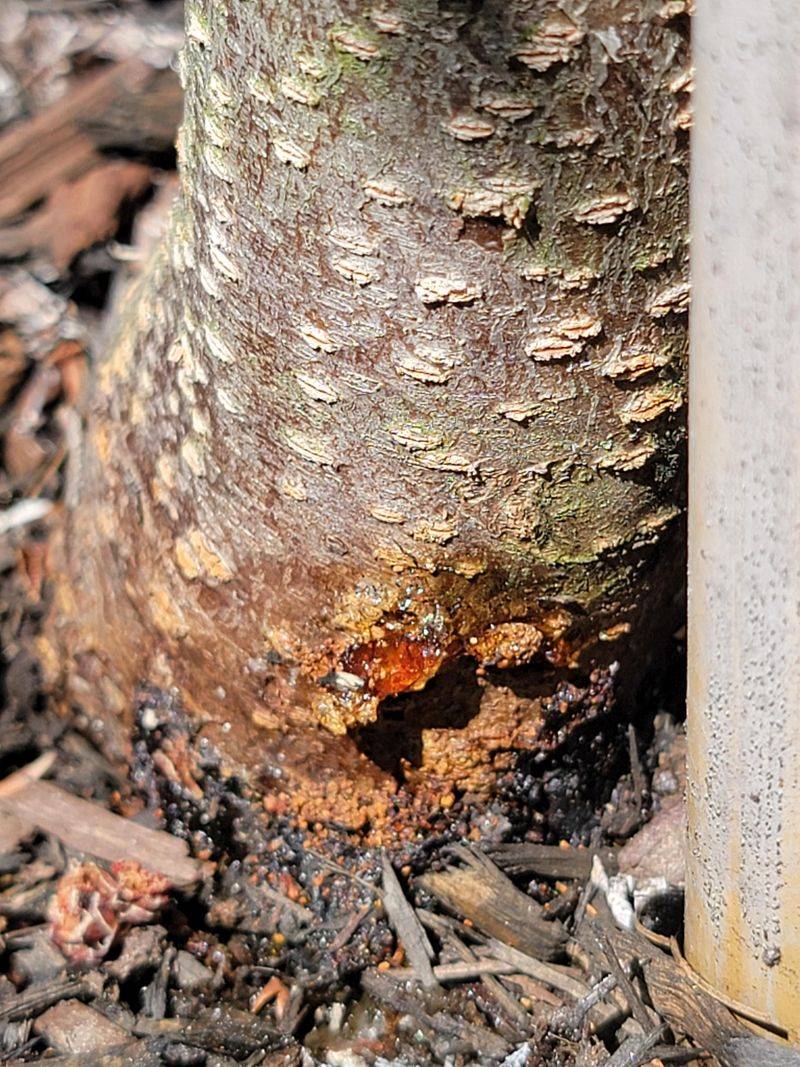
Rapidly expanding growths that change size noticeably within a single growing season deserve professional evaluation by Alabama arborists. Normal healing tissue develops slowly over years, so quick changes suggest something more concerning might be happening.
Measuring and photographing suspicious areas helps track progression over time.
Soft or spongy textures in bark growths indicate possible decay or active fungal infection rather than healthy callus tissue. Alabama’s humid climate creates ideal conditions for certain wood-rotting organisms that feel different from firm healing wood.
Pressing gently on the growth reveals whether it has solid structure or concerning softness.
Oozing sap or unusual discharge from growth areas signals active problems that need diagnosis and possible treatment. Clear, amber-colored sap is normal for some species, but dark, foul-smelling fluids suggest bacterial infection.
Trees in Mobile and other coastal Alabama areas face particular challenges with moisture-related issues.
Cracking bark around growths with visible wood underneath exposes the tree to additional threats from insects and disease.
The protective barrier has been compromised, requiring intervention to prevent further damage. Loose bark that peels away easily indicates the growth might be associated with decline rather than healthy adaptation.
Yellowing foliage or declining branches near unusual growths suggests the tree is dealing with more than simple wound recovery.
Alabama homeowners should contact certified arborists when strange growths coincide with other symptoms of poor tree health.
8. How Trees Adapt Over Time After Growth Appears
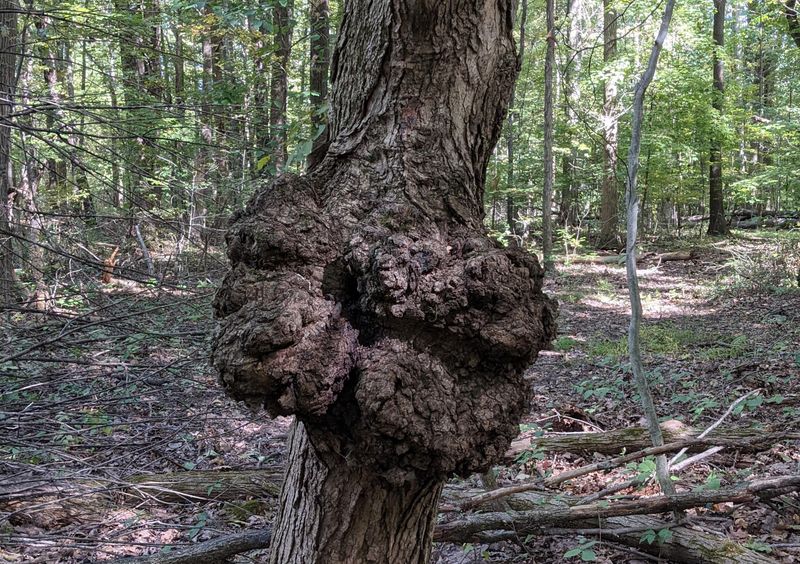
Gradual integration of unusual growths into the overall tree structure happens as years pass and new wood layers develop. Alabama trees don’t remove or reabsorb the formations, but they do incorporate them into their expanding girth.
The growth becomes less noticeable proportionally as the tree increases in size throughout its lifespan.
Bark texture often normalizes somewhat around old healing sites, though the underlying shape remains permanently altered. Trees in Anniston and other Alabama cities show how time softens the appearance of dramatic burls and calluses.
New bark layers cover the oldest portions, creating a more uniform surface that blends better with surrounding areas.
Strength adjustments occur as trees redistribute structural support to account for irregular growth patterns. The wood fibers orient themselves to handle stress loads effectively despite unusual shapes.
Alabama’s mature trees demonstrate remarkable engineering as they balance heavy crowns on trunks with multiple burls and healing formations.
Growth rate changes sometimes follow major wound responses, with trees temporarily slowing their expansion while healing.
Once the injury is sealed, normal growth typically resumes at previous rates. Annual ring patterns visible in cross-sections tell the story of when challenges occurred and how the tree responded.
Long-term stability proves that most strange growths don’t compromise tree health or longevity across Alabama landscapes.
Trees adapt their internal structure to maintain function despite external appearance changes that worry observers.
9. What Alabama Gardeners Are Noticing More Frequently

Increased awareness through social media and online forums has Alabama gardeners paying closer attention to their trees than previous generations did. Photography and sharing make it easy to document and discuss unusual findings, leading to more reported observations.
Community groups dedicated to Alabama plants and trees see regular posts about strange bark formations that might have gone unnoticed years ago.
Climate variability with more extreme weather events creates additional stress that triggers visible tree responses throughout the state.
Gardeners in Prattville and Selma report seeing more dramatic healing formations after particularly harsh storm seasons.
The connection between environmental challenges and tree adaptations becomes clearer as people track patterns over multiple years.
Urban development pressure exposes trees to more mechanical injuries from construction equipment, vehicles, and landscape maintenance activities.
Alabama’s growing cities see trees responding to these modern challenges with pronounced healing growth. Gardeners notice the correlation between human activity near trees and subsequent unusual bark formations.
Educational outreach from university extension services helps Alabama residents understand what they’re observing on their property.
Master gardener programs include information about tree biology and natural responses, reducing unnecessary panic.
Knowledge spreads through communities as trained volunteers share accurate information about harmless versus concerning growth patterns.
Native plant enthusiasm has more Alabama gardeners studying local tree species closely, discovering characteristics they never noticed before. This attention to detail reveals that many strange growths have always been present but simply went unobserved in earlier times.