This Tall Oregon Flower Attracts Bees, Hummingbirds, And Butterflies All Season
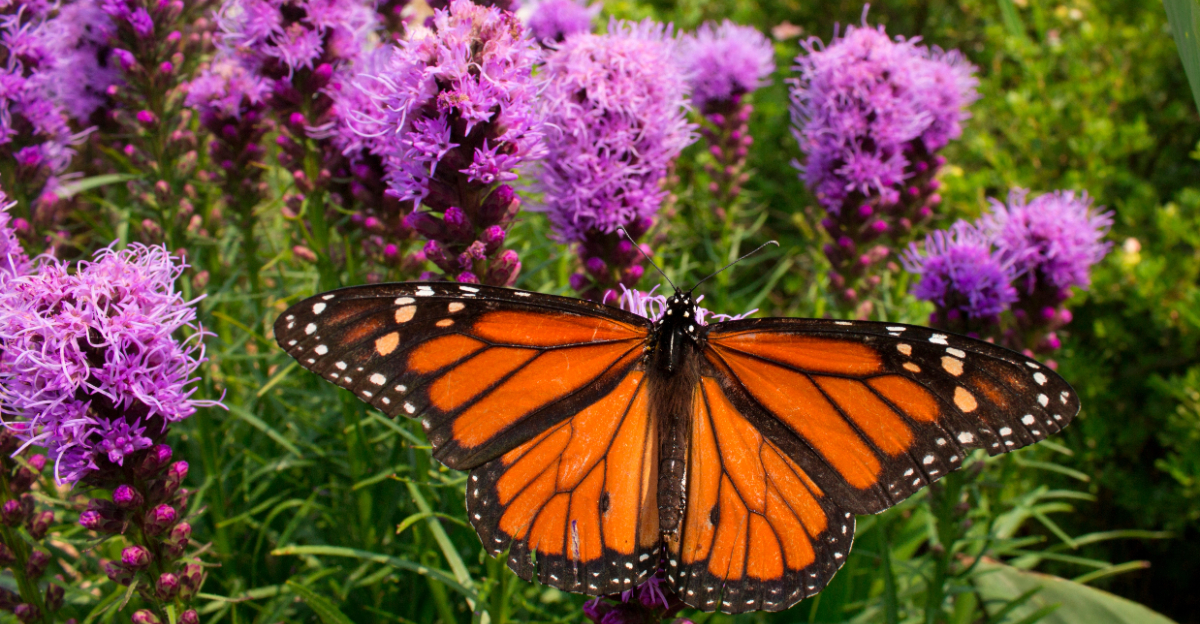
Tall, colorful, and loaded with fuzzy purple blooms, it brings serious vertical drama to an Oregon garden while quietly turning the whole place into a pollinator hotspot.
Blazing star is one of those flowers that knows how to make an entrance. Bees love it, butterflies flock to it, and hummingbirds never seem to miss the invitation.
If you want a flower that looks striking and keeps the garden buzzing with life for months, this one absolutely earns its spot. It also helps that blazing star is tougher than it looks.
Once established, it can handle summer heat surprisingly well and keeps blooming when other plants start slowing down. That makes it a standout choice for gardeners who want beauty, movement, and nonstop wildlife action without planting something fussy.
In a border or pollinator bed, blazing star does not just blend in. It steals the scene and keeps the garden lively all season long.
Why Blazing Star Stands Out
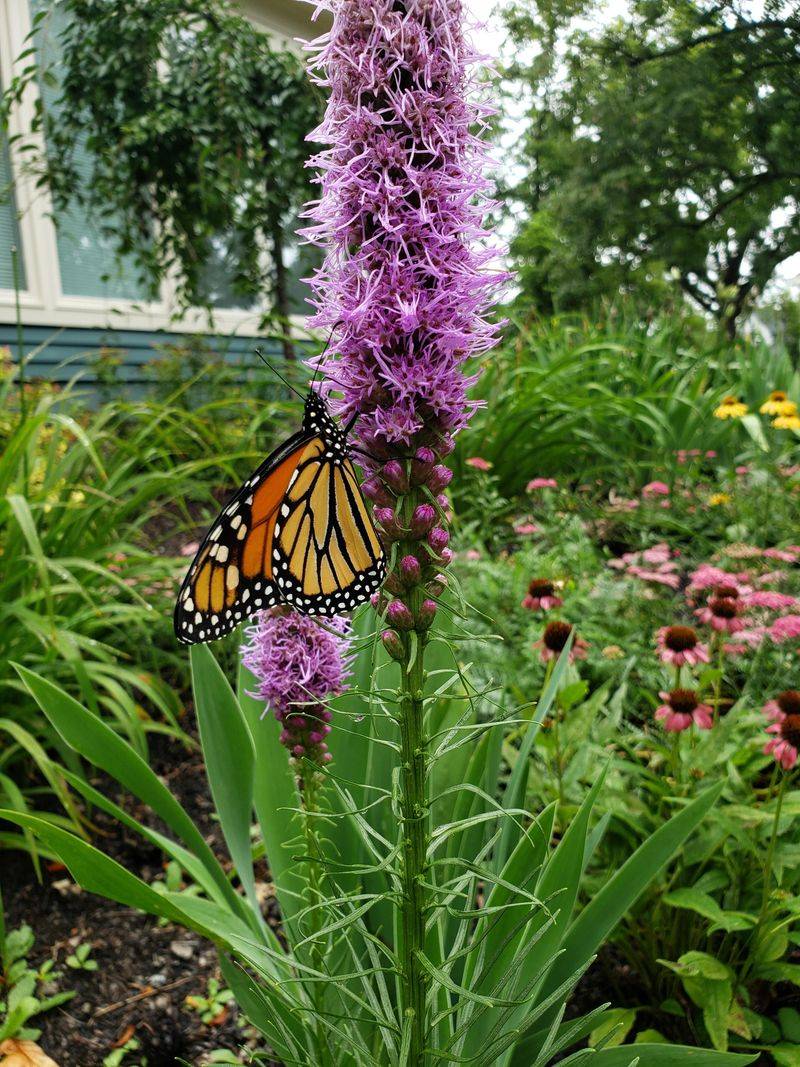
Not every plant can stop you in your tracks, but Blazing Star has that kind of power. Also known as Liatris spicata, this perennial grows tall, straight spikes covered in fluffy purple flower heads.
It looks bold and dramatic, especially when planted in groups.
What makes it even more interesting is how it blooms. Unlike most flowers that open from the bottom up, Blazing Star blooms from the top down.
That unusual pattern keeps it looking fresh and full for a longer stretch of time.
Oregon gardeners love it because it fits right into both wild-style and formal garden designs. It pairs beautifully with yellow coneflowers and ornamental grasses.
The tall spikes create a vertical element that draws the eye upward and makes the whole garden feel more alive.
Even before it blooms, the plant looks tidy and structured. Its narrow, grass-like leaves stay green and attractive throughout the growing season.
It is a true standout in any Oregon landscape, and it earns every bit of the attention it gets from both gardeners and pollinators alike.
Made For Oregon Summers
Oregon summers can be warm and dry, especially east of the Cascades, and Blazing Star handles that beautifully. Once it gets established in the ground, it becomes surprisingly tough.
It does not need constant watering or a lot of fuss to thrive.
The plant grows from a corm, which is a small bulb-like structure that stores energy underground. That underground reserve helps it survive dry spells without much trouble.
Even during hot Oregon summers, it stays upright and keeps producing blooms.
It loves full sun, which Oregon provides in plenty from June through September. Give it at least six hours of direct sunlight each day and it will reward you with strong, tall stalks loaded with flowers.
It really does perform best when the sun is shining bright.
Gardeners in the Willamette Valley, the Rogue Valley, and even drier parts of central Oregon have found success growing Blazing Star. It adapts well to different Oregon microclimates.
Whether your summers are mild and coastal or hot and inland, this plant finds a way to shine and bloom right on schedule every single year.
Tall Color That Lasts
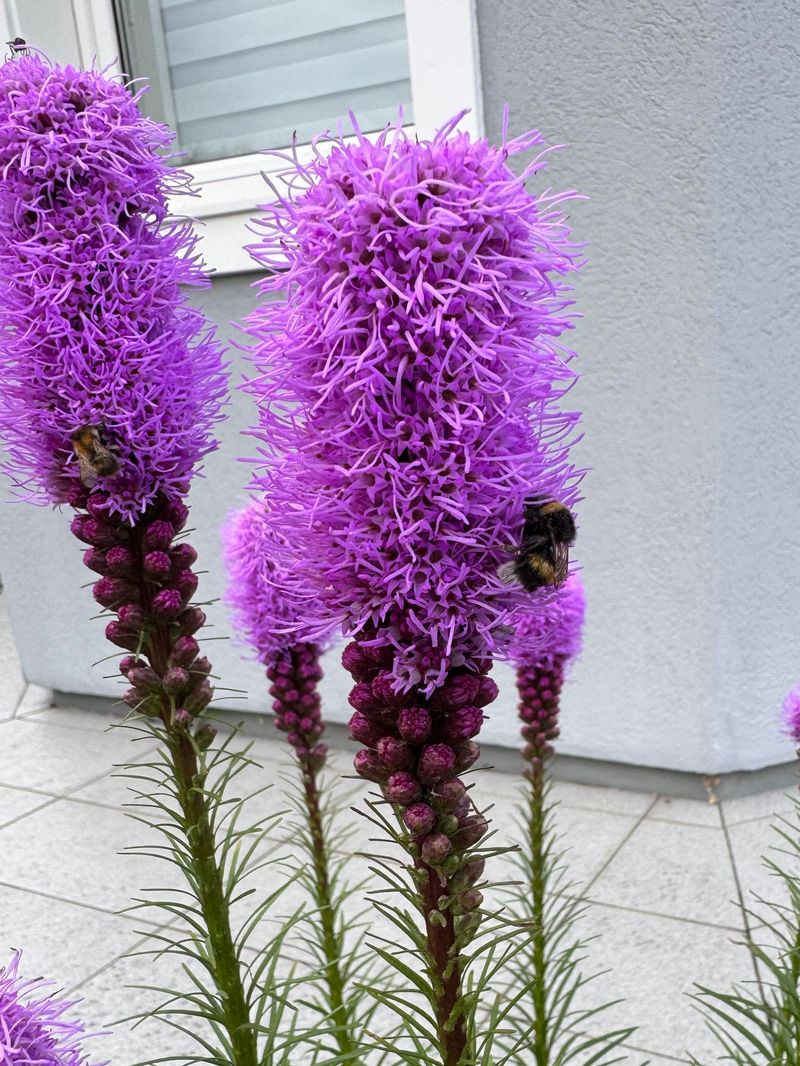
Height matters in a garden, and Blazing Star delivers it with style. The flower spikes can reach anywhere from two to five feet tall depending on soil conditions and sunlight.
That kind of vertical color is hard to find in most perennial plants.
The blooms appear in mid to late summer in Oregon and stick around for several weeks. Because the flowers open gradually from top to bottom, the plant stays attractive for a longer period than most summer bloomers.
You get more color for your effort.
The rich purple-pink hue pops against green foliage and golden summer grasses. It creates contrast and depth in a garden bed.
Many Oregon gardeners plant it alongside white coneflowers or yellow black-eyed Susans to make the colors really sing together.
Even after the blooms fade, the seed heads stay on the plant and add texture through fall. Birds like goldfinches love to pick at those seed heads, which adds yet another layer of wildlife activity to your yard.
So from summer bloom all the way through autumn, Blazing Star keeps earning its place in the Oregon garden with reliable, long-lasting color that truly impresses every season.
Why Pollinators Love It
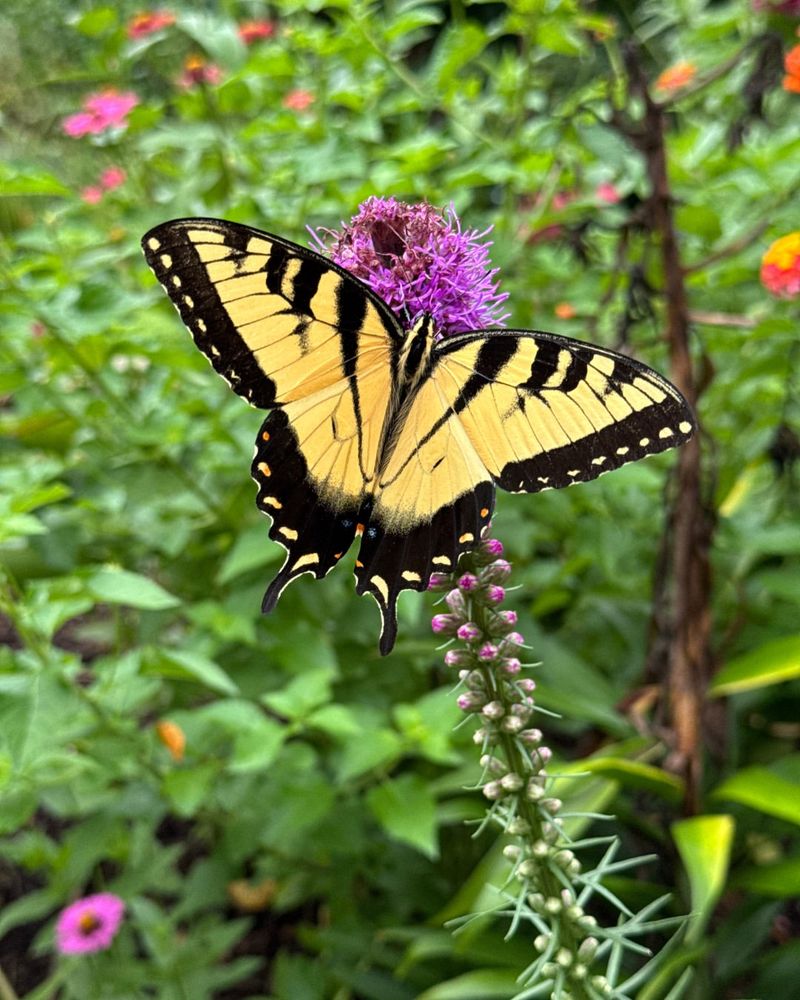
Watch a patch of Blazing Star for just five minutes and you will quickly understand the excitement. Bees land on the fluffy flower heads and work their way down the spike with focused energy.
Butterflies flutter from bloom to bloom in a slow, graceful dance.
The flowers are rich in nectar, which is the main reason pollinators flock to them. Monarch butterflies in particular have a strong attraction to Liatris spicata.
In Oregon, where monarch populations have been declining, planting Blazing Star can make a real difference.
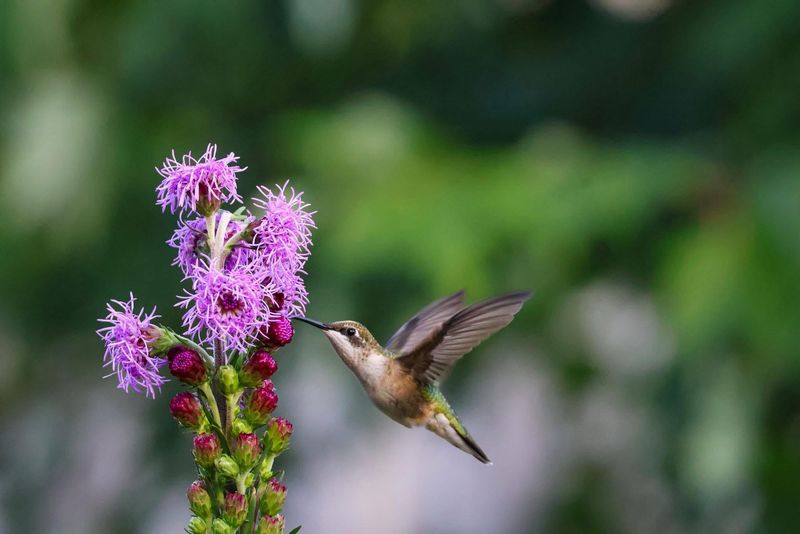
Hummingbirds also visit regularly, hovering near the tall spikes and feeding on the deep nectar reserves inside each tiny flower. Their quick wings and bright colors add a magical layer of activity to the garden.
It is genuinely exciting to watch them zip around.
Native bees, including bumblebees and sweat bees, are also frequent visitors throughout the bloom season. The plant blooms from midsummer into early fall in Oregon, which is a critical time when many other nectar sources are fading.
Blazing Star fills that gap perfectly, giving pollinators a reliable food source right when they need it most in the Oregon landscape.
Where It Grows Best
Picking the right spot for Blazing Star makes all the difference. It thrives in full sun with well-drained soil.
If water sits around the roots for too long, the corms can rot, so drainage is truly the most important factor to get right from the start.
Sandy or loamy soil works great for this plant. Heavy clay soil, which is common in parts of the Willamette Valley in Oregon, should be amended with compost or coarse sand before planting.
Raised beds are also a smart option if your soil stays wet in winter.
In terms of spacing, plant corms about twelve to fifteen inches apart to give each plant room to grow and spread. Crowded plants do not bloom as well and are more likely to develop fungal issues in Oregon’s wetter spring conditions.
Blazing Star also works well in containers if you have limited garden space. Use a pot with good drainage holes and a quality potting mix.
Place the container in the sunniest spot on your patio or deck. Oregon gardeners in urban areas like Portland or Eugene often use containers to bring pollinator-friendly plants onto small balconies and patios, and Blazing Star performs beautifully in those compact settings.
How To Keep It Blooming
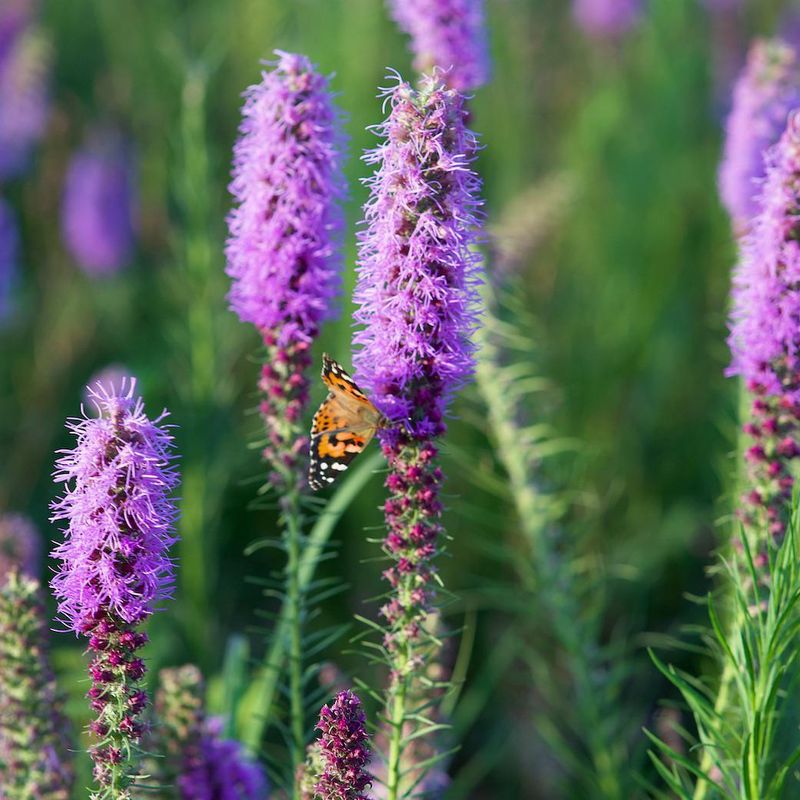
Keeping Blazing Star happy does not require a lot of complicated work. A little attention at the right times goes a long way.
Start by watering new plants regularly during their first season to help them get established in your Oregon garden bed.
Once established, water only during long dry spells. Overwatering is actually more harmful than underwatering for this plant.
A good rule of thumb is to water deeply once a week during dry summer stretches and let the soil dry slightly between waterings.
Fertilizing once in early spring with a balanced slow-release fertilizer gives the plant a healthy boost before the growing season kicks in. Avoid high-nitrogen fertilizers, which push leafy growth at the expense of flowers.
You want blooms, not just green leaves.
Deadheading spent flower spikes can encourage a second round of blooming in some cases. Cut the stalks back to the base once the flowers are fully done.
In fall, leave the seed heads in place for birds to enjoy, then cut the whole plant back to ground level before winter sets in. This simple routine keeps Blazing Star strong and blooming year after year in your Oregon garden without a lot of stress or guesswork.
Why It’s Worth Planting
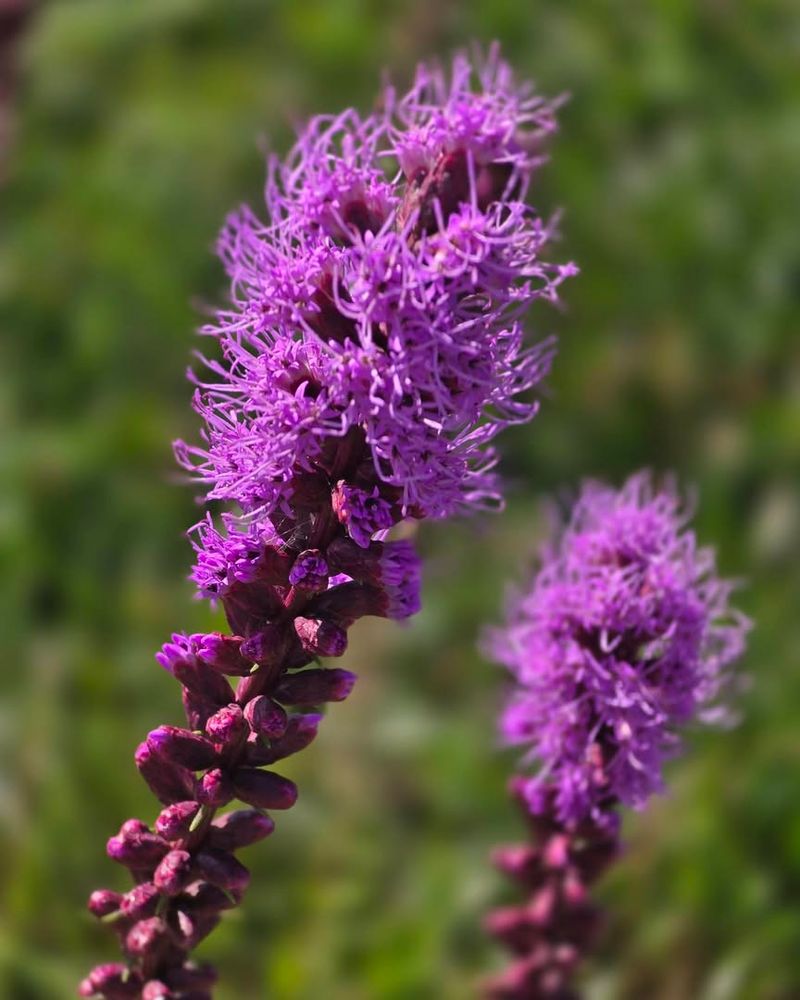
Some plants just earn their place in the garden over and over again, and Blazing Star is one of them. It comes back every year without needing to be replanted.
That makes it a smart, cost-effective choice for any Oregon gardener who wants long-term results without constant replanting.
Beyond the savings, it supports local ecosystems in a meaningful way. Pollinators that visit your Blazing Star carry pollen to other plants in your yard and neighborhood.
That chain reaction helps fruits, vegetables, and other flowers produce better and more abundantly.
It also requires very little water once established, which is a major plus in Oregon during summer water restrictions. Choosing low-water perennials like Blazing Star is a responsible and practical gardening decision that benefits both your water bill and the environment.
For families with children, it is a fantastic teaching plant. Kids love watching the butterflies and hummingbirds that visit regularly. It sparks curiosity about nature and pollinators in a very hands-on, visual way.
Planting Blazing Star in your Oregon yard is one of the easiest ways to create a space that feels alive, looks stunning, and gives back to the natural world every single blooming season without demanding much in return.
A Favorite For Wildlife
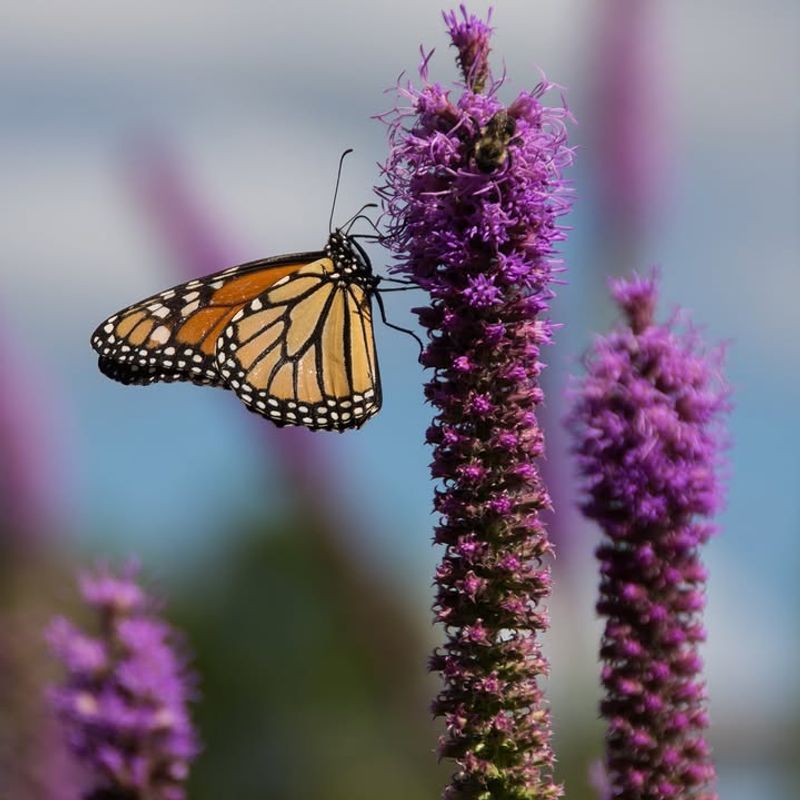
Few plants do as much for local wildlife as Blazing Star does. From the moment it starts blooming in midsummer, it becomes a hub of activity in any Oregon garden.
The list of visitors is genuinely impressive and grows longer as the season moves along.
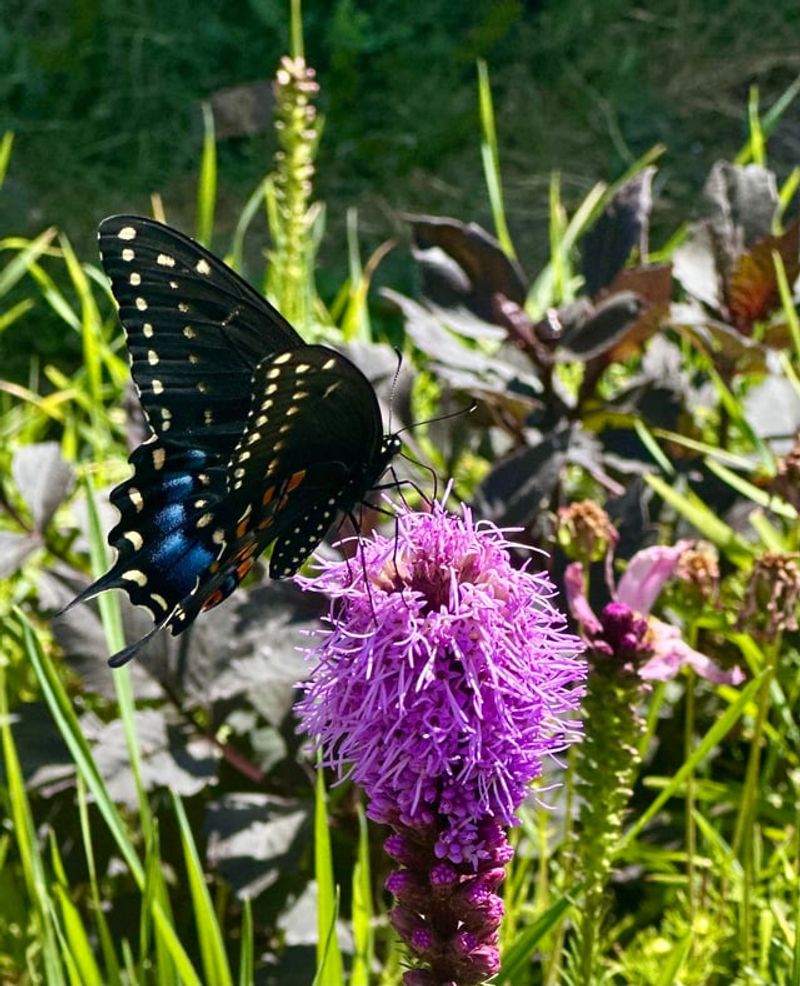
Monarch butterflies use it as a key fuel stop during their long migration journeys. Swallowtail butterflies are also frequent guests, along with skippers and fritillaries.
Each species adds its own color and movement to the garden scene.
Hummingbirds patrol the tall spikes with territorial energy, chasing each other off and then returning for more nectar. Watching them hover and feed is one of the true joys of growing this plant in Oregon.
It never gets old no matter how many times you see it.
As summer turns to fall, goldfinches and other seed-eating birds move in to harvest the tiny seeds from the dried flower heads. The plant essentially feeds wildlife from bloom to seed, covering an impressive stretch of the calendar.
For anyone in Oregon who wants to garden with purpose and create a yard that genuinely supports the local food web, Blazing Star is one of the most rewarding plants you can put in the ground.