This Uncommon Hydrangea Variety Thrives In North Carolina Gardens
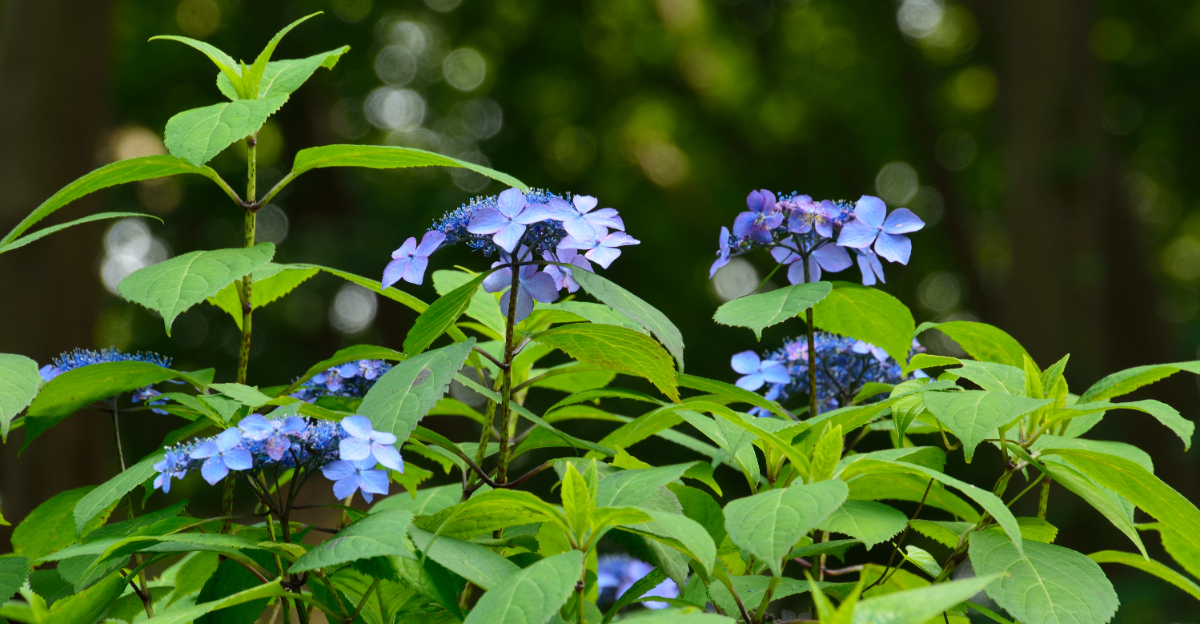
Hydrangea serrata, also called mountain hydrangea, is one of the most underrated flowering shrubs you can grow in North Carolina.
Most gardeners reach for the classic bigleaf hydrangea, but this compact beauty from the mountains of Korea and Japan quietly outperforms it in many ways.
It handles cooler temperatures better, often blooms more reliably, and fits easily into smaller garden spaces without taking over.
From the Blue Ridge Mountains to the rolling Piedmont, this plant adapts beautifully and rewards patient gardeners with stunning blooms that can shift in color depending on the soil.
Its delicate lacecap flowers add a softer, more natural look that stands out in any landscape. It may not always be the first plant people think of, but it often becomes a favorite once it gets established.
Once you understand what makes it special, you will want one in every corner of your yard.
1. Naturally Suited To Cooler Mountain And Piedmont Conditions
Few plants feel as at home in the North Carolina mountains as Hydrangea serrata does. Native to the rugged, high-elevation regions of Korea and Japan, this shrub evolved where temperatures drop sharply and winters arrive early.
That background gives it a natural toughness that most ornamental shrubs simply do not have.
When you plant it in the cooler zones of North Carolina, especially in the Appalachian Mountains or the upper Piedmont, it settles in fast. The roots are accustomed to rocky, well-drained mountain soils, so they do not struggle the way some tropical-origin plants do.
Gardeners in Asheville, Boone, and surrounding areas often find that it performs more consistently than other hydrangea species.
Its cold tolerance also means that buds survive winter without much extra protection. Many hydrangea varieties lose their flower buds to late cold snaps, leaving gardeners with bare stems in spring.
Hydrangea serrata tends to hold those buds more reliably, giving you a better shot at a full bloom season.
For North Carolina gardeners who have struggled with inconsistent hydrangea performance, this variety is a refreshing change. Planting it where it naturally thrives, in cooler elevations and shaded hillside beds, brings out its best qualities.
It is a plant that genuinely belongs in this region and shows it every single growing season.
2. More Reliable Blooming After Late Winter Temperature Swings
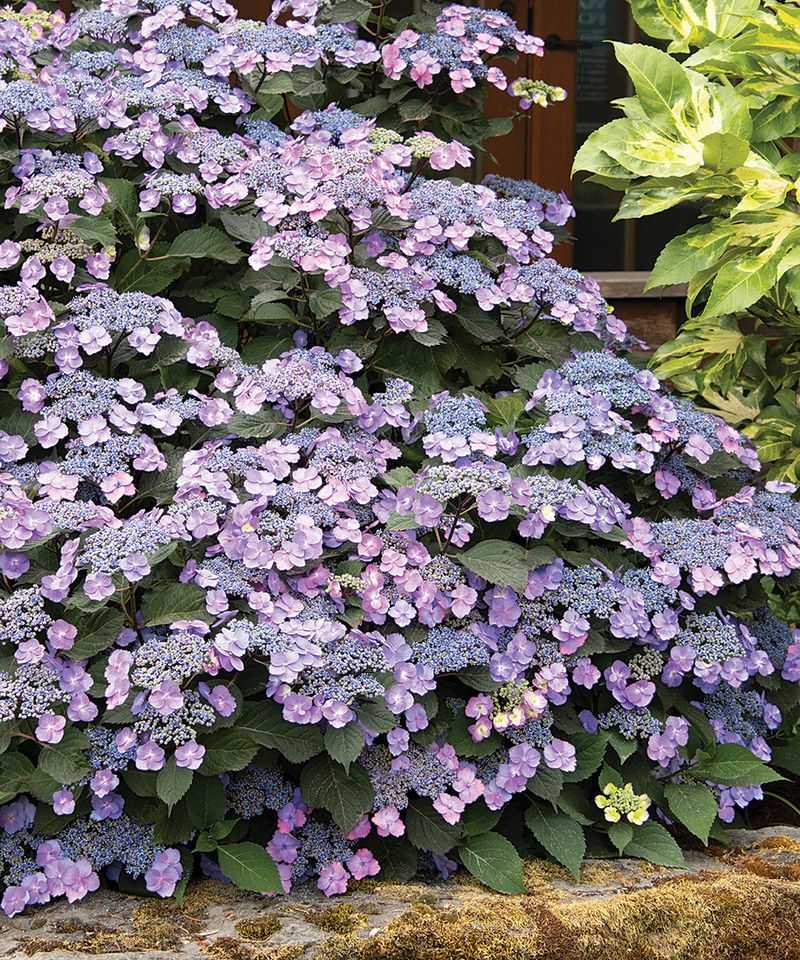
Late winter in North Carolina is unpredictable, with warm days in February often followed by hard freezes in March. For hydrangea growers, that rollercoaster can mean heartbreak when spring arrives with no flowers.
Hydrangea serrata handles those swings with noticeably more resilience than traditional bigleaf hydrangeas.
The reason comes down to bud hardiness. The flower buds on Hydrangea serrata tend to tolerate brief cold snaps better after periods of warmth, which is exactly what Piedmont and mountain gardeners experience each year.
While a bigleaf hydrangea might lose most of its buds after a false spring freeze, serrata keeps pushing forward.
Gardeners across the Piedmont, from Greensboro to Charlotte, have noticed this difference firsthand. They watch neighboring bigleaf hydrangeas sit flowerless while their serrata plants open up with lacecap blooms right on schedule.
It is the kind of reliability that makes you fall in love with a plant.
Choosing the right spot still matters, though. Planting near a north-facing wall or under a canopy of deciduous trees slows bud break just enough to avoid the earliest warm spells.
That small adjustment helps protect the buds even further. With the right placement in a North Carolina garden, Hydrangea serrata can bloom consistently year after year without any guesswork or worry about the weather forecast.
3. Compact Growth Fits Smaller North Carolina Landscapes
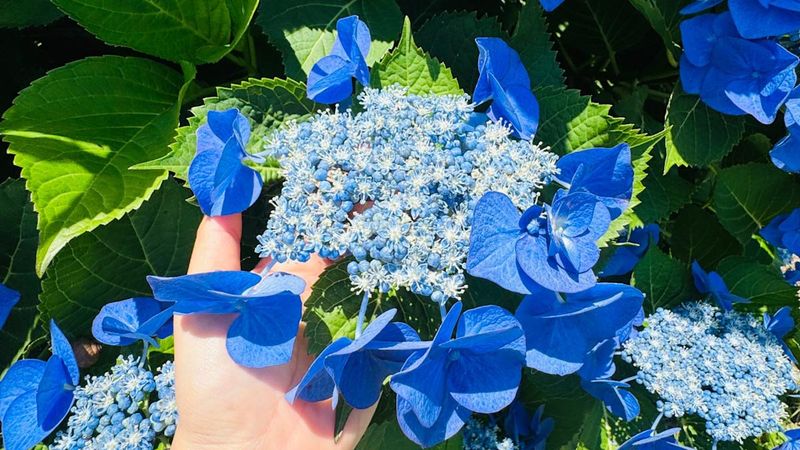
Not every yard in North Carolina comes with wide open planting beds and sprawling space. Many homes in Raleigh, Durham, and Charlotte have modest backyards where every square foot counts.
That is exactly where Hydrangea serrata earns its place, growing to a tidy two to four feet in both height and width.
That compact size makes it a natural fit for foundation plantings, narrow side-yard borders, and shaded garden corners. You can tuck it under a window without worrying about it blocking the view in a few years.
It grows slowly and predictably, so it rarely needs aggressive reshaping to stay looking neat and proportionate.
In established North Carolina landscapes where large trees already fill the space, fitting in a new shrub can feel impossible. Hydrangea serrata slides into those gaps beautifully.
Its smaller footprint allows it to share root space with nearby plants without overwhelming them or competing too aggressively for water and nutrients.
Woodland garden designs benefit especially from this variety. Pair it with ferns, hostas, and native wildflowers for a layered, naturalistic look that feels right at home under a canopy of oaks or pines.
The plant’s refined scale makes it versatile enough for formal borders and relaxed cottage gardens alike. For North Carolina homeowners working with limited space, Hydrangea serrata is one of the smartest choices you can make for a flowering shrub.
4. Thrives In Morning Sun And Afternoon Shade Conditions
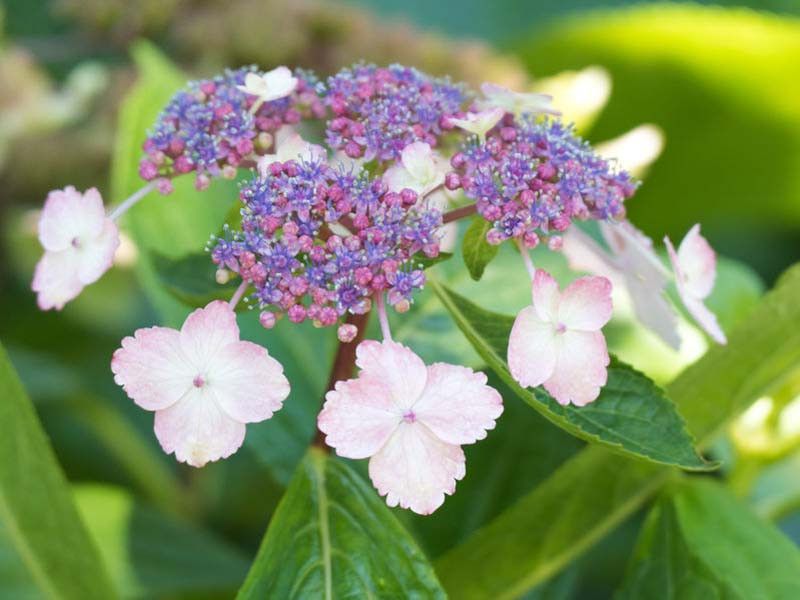
Sunlight placement is one of the most important decisions you make when growing Hydrangea serrata in North Carolina. Get it right, and the plant rewards you with lush foliage and abundant blooms all season long.
Put it in the wrong spot, and the leaves scorch and the flowers fade fast.
Morning sun with afternoon shade is the sweet spot for this variety. The gentle early light fuels strong growth and vibrant flower color without putting too much heat stress on the plant.
By the time the intense afternoon sun arrives, especially in the Piedmont and Coastal Plain during July and August, the plant is already resting in shade.
In North Carolina’s hot and humid summers, afternoon shade is not just helpful, it is often essential. Without it, even well-watered plants can show wilting and leaf scorch by midsummer.
A spot on the east side of a house, fence, or large tree works perfectly and mimics the dappled forest conditions the plant evolved in.
Proper placement also improves bloom quality significantly. Flowers last longer when they are not baked by direct afternoon heat, and the blue and pink hues stay richer and more saturated throughout the season.
Many North Carolina gardeners who struggled with hydrangeas in the past have found that simply moving to an east-facing bed made all the difference for their plants and their patience.
5. Handles North Carolina Humidity Better Than Many Expect
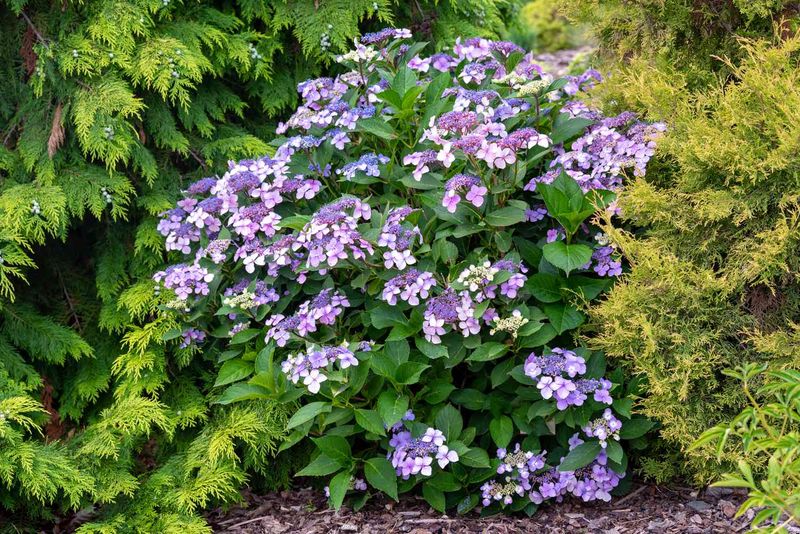
North Carolina summers are famously sticky, and many ornamental plants suffer for it. Fungal issues, wilting, and stressed foliage are common complaints from gardeners dealing with the state’s high summer humidity.
Hydrangea serrata, though, handles the moisture in the air surprisingly well when you set it up correctly from the start.
Spacing is the single biggest factor in helping this plant thrive in humid conditions. When you plant it with enough room for air to move freely around the leaves and stems, moisture does not sit on the foliage long enough to cause problems.
A spacing of at least three feet between plants keeps things breezy and reduces the risk of powdery mildew, which can appear on serrata’s thinner leaves in stagnant conditions.
Mulching the base with pine bark or shredded leaves also helps by keeping soil moisture consistent without waterlogging the roots.
Hydrangea serrata does not like sitting in wet soil, so good drainage paired with consistent watering strikes the right balance in humid North Carolina summers.
Morning watering is another smart habit. Watering at the base of the plant early in the day gives leaves time to stay dry before nightfall, reducing the chance of fungal growth.
With these simple practices in place, North Carolina gardeners are often surprised by how cleanly and vigorously Hydrangea serrata grows through even the most oppressive August heat and humidity.
6. Performs Well In Amended Clay Soil
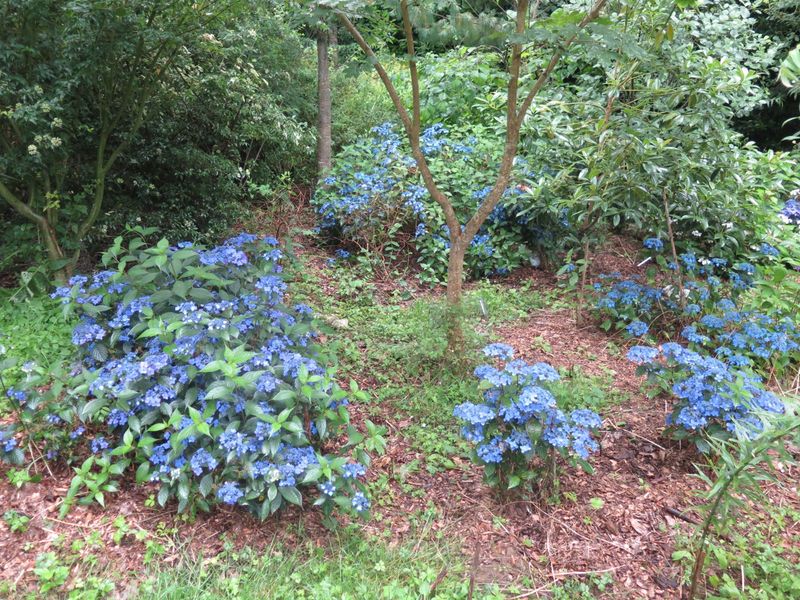
Clay soil is one of the most common challenges for North Carolina gardeners, stretching across the Piedmont and into parts of the Coastal Plain. It compacts easily, drains slowly, and can suffocate plant roots when wet.
The good news is that Hydrangea serrata grows beautifully in clay once you give it a little help before planting.
The key is amending the soil generously before the plant goes in the ground. Mix in two to three inches of finished compost and an equal amount of pine bark fines to break up the clay structure.
This creates pockets of air and drainage that roots need to spread and establish properly. That one-time investment pays off for years of healthy growth.
Raising the planting area slightly also helps in areas with particularly heavy clay. Even a modest four to six inch raised bed improves drainage enough to prevent root stress during North Carolina’s rainy spring season.
Planting on a gentle slope works well too, since water naturally moves away from the root zone.
After planting, a thick layer of organic mulch keeps the amended soil from compacting again over time. Pine straw works especially well in North Carolina because it breaks down slowly and slightly acidifies the soil, which Hydrangea serrata prefers.
With the right preparation, clay soil stops being a problem and becomes a reliable foundation for a thriving, long-lived shrub that blooms beautifully season after season.
7. Lacecap Blooms Support Pollinators
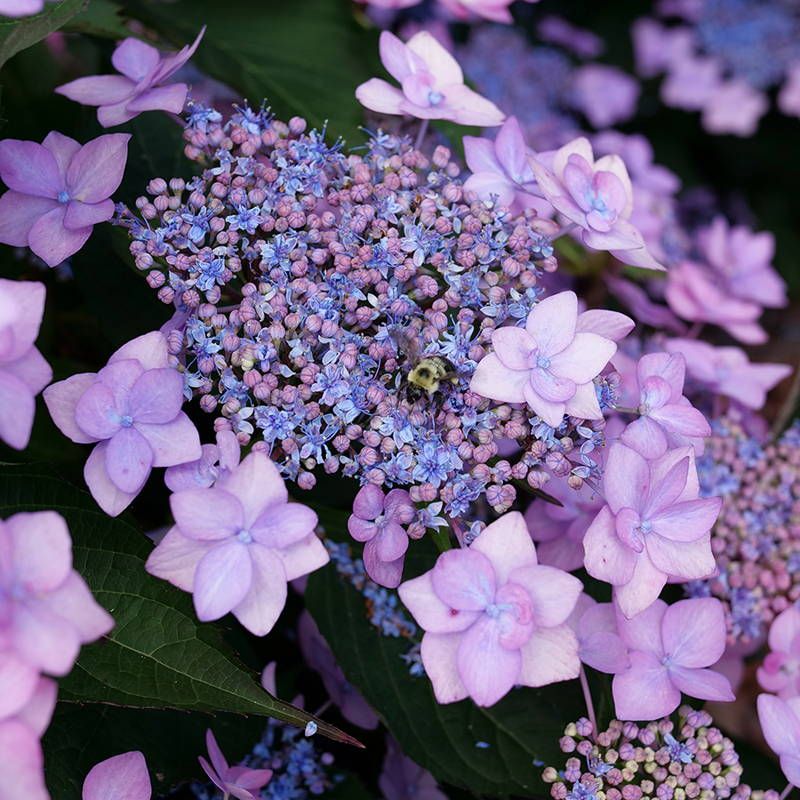
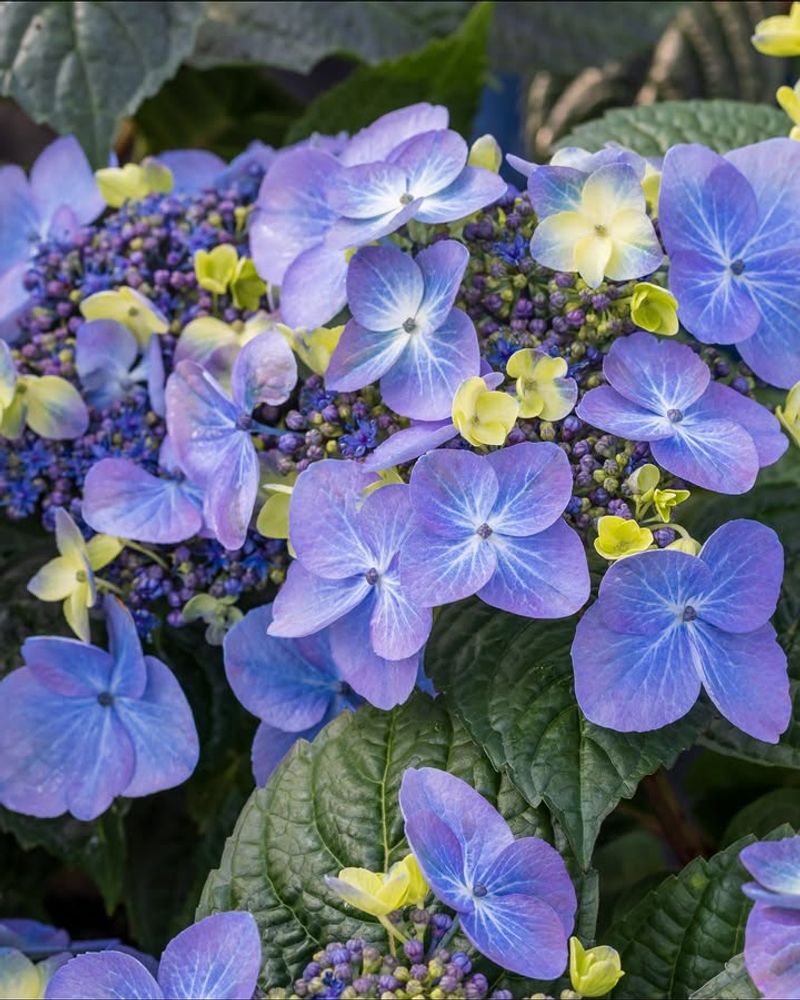
There is something quietly magical about a lacecap bloom. Unlike the round mophead flowers most people picture when they think of hydrangeas, lacecap blooms have a flat, open structure with a ring of showy outer petals surrounding a cluster of tiny fertile flowers in the center.
That center is where the real action happens for pollinators. Bees, butterflies, and hoverflies are drawn to those central fertile flowers because they offer easy access to nectar and pollen.
The open face of the bloom means pollinators do not have to work hard to reach their reward, making Hydrangea serrata a genuinely welcoming plant for beneficial insects.
In North Carolina gardens, you will often see bumblebees and native sweat bees visiting the blooms throughout the summer months.
This pollinator-friendly design adds real ecological value to the garden. As native bee populations face increasing pressure from habitat loss, planting more open-structured flowers like lacecaps gives them reliable food sources right in your backyard.
North Carolina gardeners who care about supporting local wildlife will appreciate how much life a single Hydrangea serrata can attract.
Planting several together amplifies the effect even more. A small grouping of three plants in a border creates a generous feeding station that hums with insect activity from early summer through late August.
It is a simple way to make your North Carolina garden more alive, more connected, and more meaningful beyond just its good looks.
8. Lower Maintenance With Correct Pruning Timing
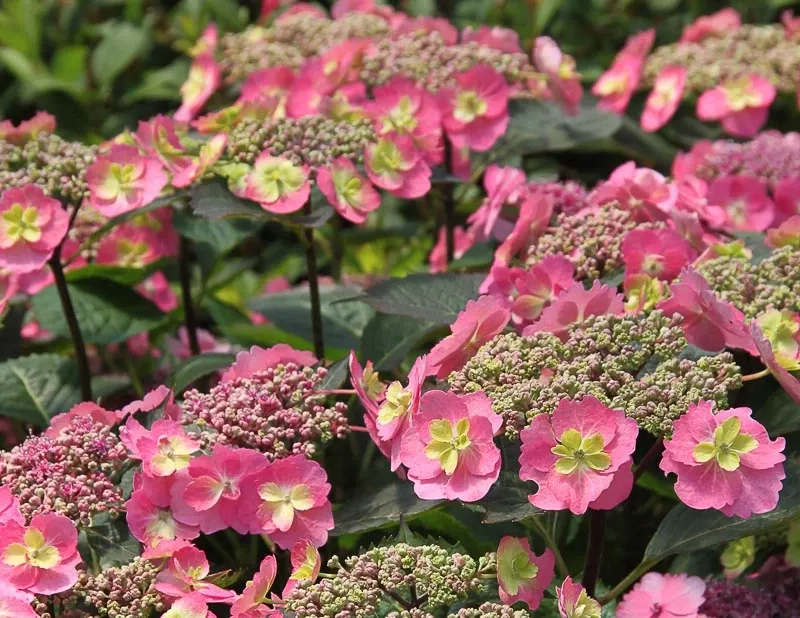
Pruning hydrangeas trips up a lot of gardeners, and the confusion usually comes from not knowing which type blooms on old wood versus new wood. Hydrangea serrata blooms on old wood, meaning the flower buds form on stems that grew during the previous season.
Cut those stems at the wrong time, and you lose next year’s blooms entirely.
The right time to prune Hydrangea serrata in North Carolina is right after the flowers finish, typically in late summer. At that point, the plant still has enough of the growing season left to set new buds on the fresh growth that follows.
Those buds then harden through fall and winter, ready to open the following spring and summer.
Avoid the temptation to do a big cleanup cut in late fall or early spring. Even though the stems look bare and woody, the buds are already there, waiting.
Removing them at that stage is the most common reason North Carolina gardeners end up with a healthy-looking shrub that never seems to flower.
Routine maintenance stays minimal beyond that one well-timed pruning session. Remove any weak, crossing, or winter-damaged stems in early spring without cutting back healthy old wood.
Keep the center of the shrub open for airflow, and the plant largely takes care of itself. For busy North Carolina homeowners who want a beautiful flowering shrub without constant fussing, Hydrangea serrata is genuinely one of the easiest choices available.