This Vintage Terracotta Style Is Winning Over Georgia Gardeners

Georgia gardeners are falling in love with a classic look that brings warmth and character to outdoor spaces.
Vintage terracotta pots and planters have made a huge comeback, transforming ordinary gardens into charming retreats that feel both timeless and cozy.
Whether you have a small balcony or a sprawling backyard, this earthy style adds a touch of old-world elegance that plastic containers just cannot match.
Read on to discover why so many people in Georgia are choosing vintage terracotta and how you can easily bring this beautiful trend to your own garden.
Timeless Beauty That Never Goes Out Of Style
Terracotta has been around for thousands of years, and its appeal remains just as strong today.
The warm, earthy tones of these clay pots create a natural backdrop that makes every plant look better.
Unlike trendy plastic or metal containers that can feel dated after a few seasons, terracotta keeps its charm year after year.
Georgia gardeners appreciate how vintage terracotta blends seamlessly with both traditional Southern homes and modern landscapes.
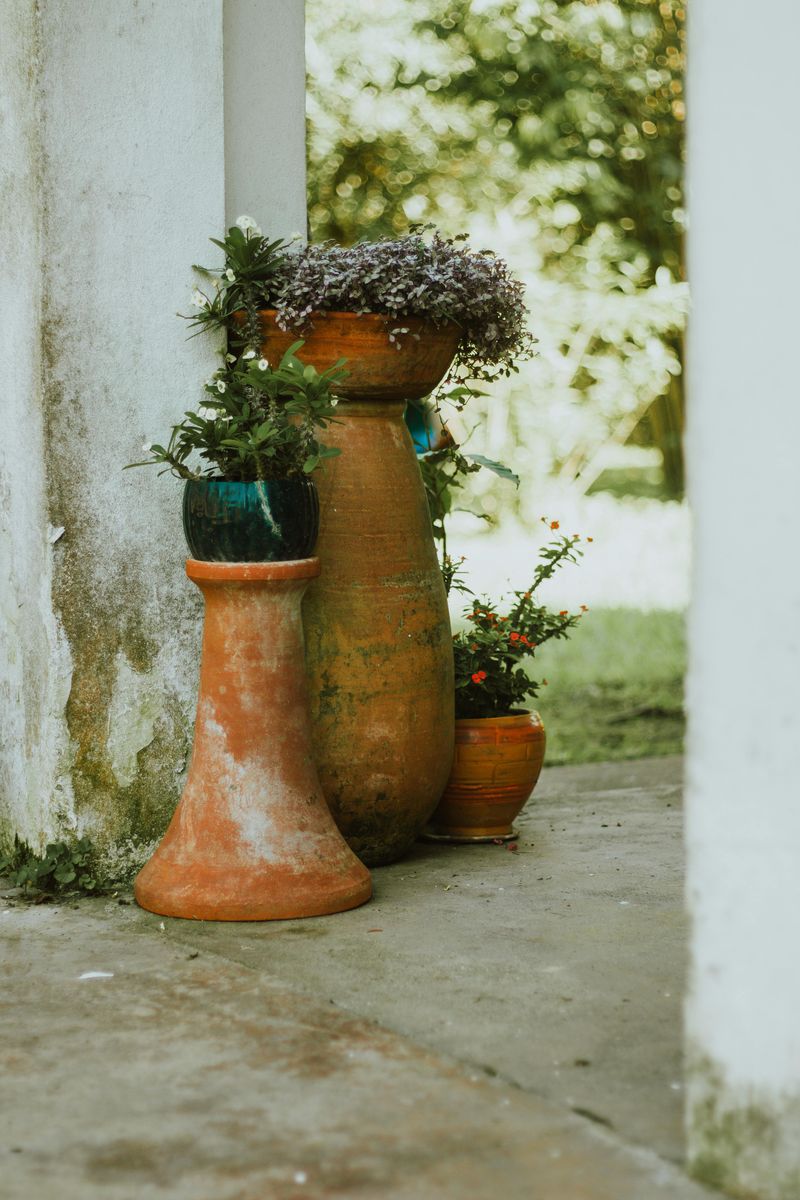
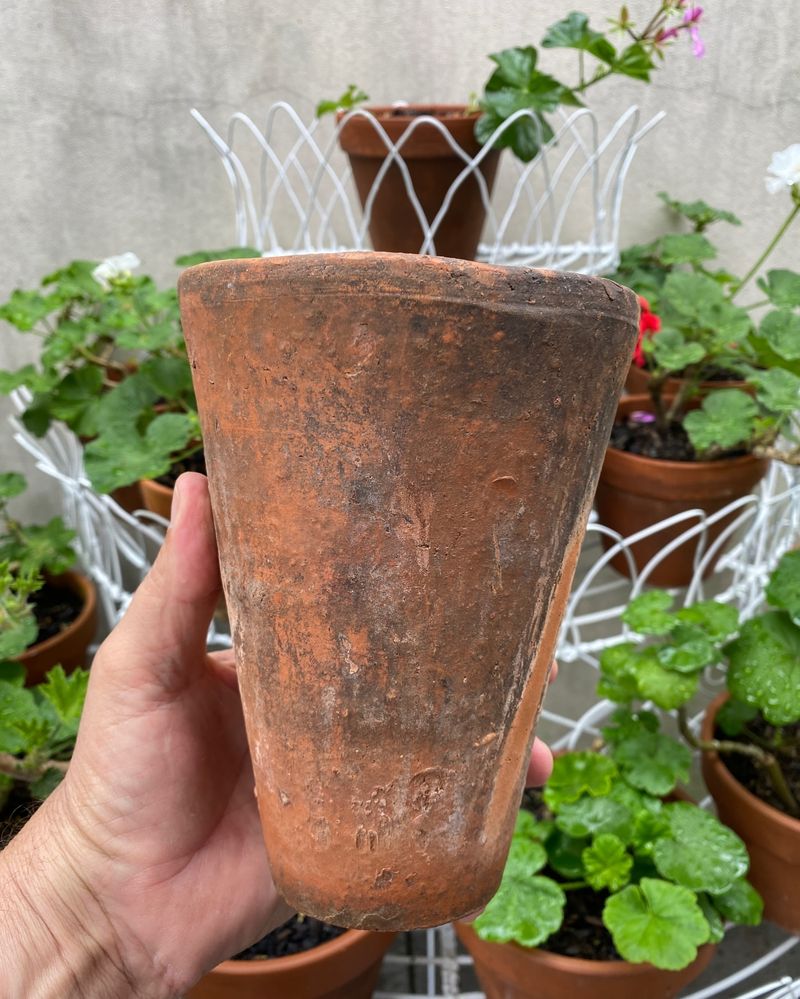
The slightly weathered appearance of older pots adds character and history to your garden.
You can find these treasures at antique shops, estate sales, or even your grandmother’s shed.
When you choose vintage terracotta, you are investing in a look that will stay beautiful for decades.
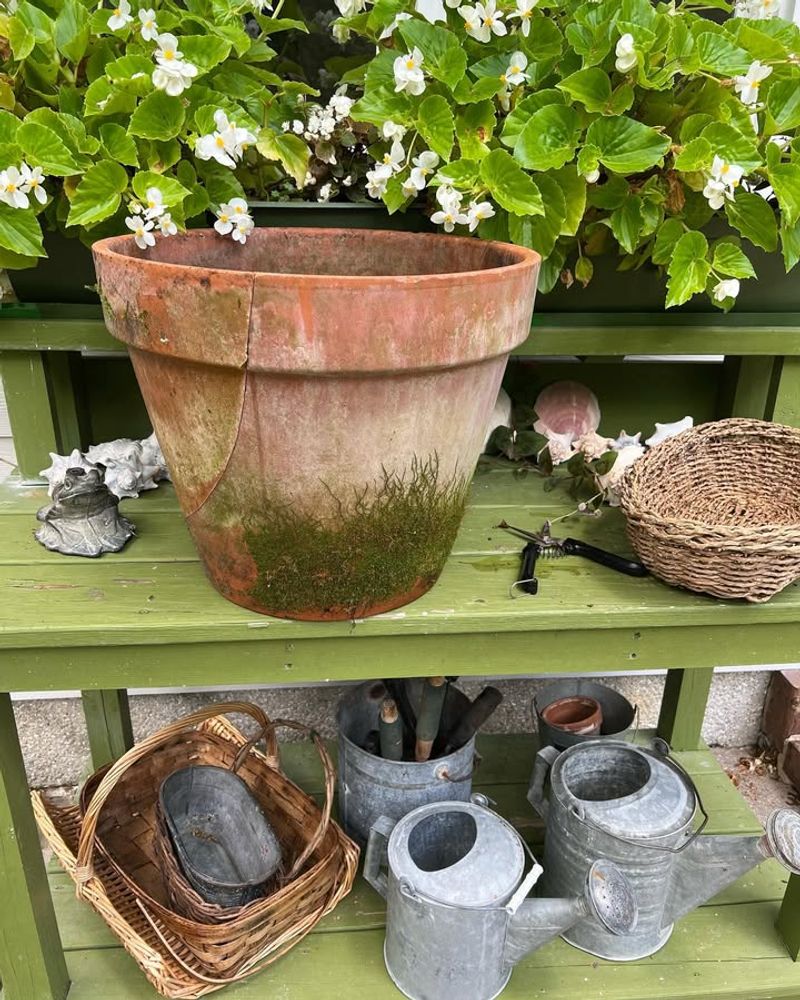
The clay develops a lovely patina over time, with mineral deposits and moss creating unique patterns.
This aging process actually makes the pots more attractive, not less.
Mixing different sizes and shapes of vintage terracotta creates visual interest without feeling cluttered.
Your garden will have a collected, curated appearance that looks thoughtful and intentional.
Perfect For Georgia’s Hot And Humid Climate
Clay pots breathe in ways that plastic containers simply cannot match.
The porous nature of terracotta allows air and moisture to pass through the walls, which helps prevent root rot in Georgia’s humid summers.
Plants stay healthier because excess water can evaporate through the sides of the pot, not just the drainage hole at the bottom.
During those scorching July and August days, terracotta helps regulate soil temperature better than darker materials.
The natural clay color reflects some heat while still absorbing enough warmth to keep roots comfortable.
This balance is especially important for herbs and vegetables that can struggle in extreme temperatures.
Georgia’s occasional heavy rainstorms can waterlog plants in non-porous containers.
Terracotta gives your plants a fighting chance by allowing that extra moisture to escape.
The breathable walls create better conditions for beneficial soil bacteria and earthworms too.
If you forget to water for a day or two, the clay retains some moisture within its walls.
This small reserve can help your plants survive brief dry spells without wilting completely.
Sustainable And Eco-Friendly Gardening Choice

Choosing terracotta means saying no to plastic waste that fills landfills for centuries.
These clay pots are made from natural earth materials that will eventually break down and return to the soil.
When a terracotta pot finally cracks or breaks, you can crush the pieces and use them as drainage material in other containers or garden beds.
Many Georgia gardeners are becoming more conscious about their environmental impact.
Vintage terracotta fits perfectly into a sustainable lifestyle because you are reusing items that already exist.
Shopping for secondhand pots keeps perfectly good containers out of the trash while giving them new life in your garden.
The production of terracotta uses far less energy than manufacturing plastic or glazed ceramic pots.
Traditional pottery methods have remained largely unchanged for centuries, relying on simple firing techniques.
When you buy vintage, you are not contributing to new manufacturing emissions at all.
Terracotta pots can last for generations if properly cared for during winter months.
Your grandchildren might use the same containers you plant in today, creating a beautiful cycle of reuse and sustainability.
Affordable Way To Create A Designer Look
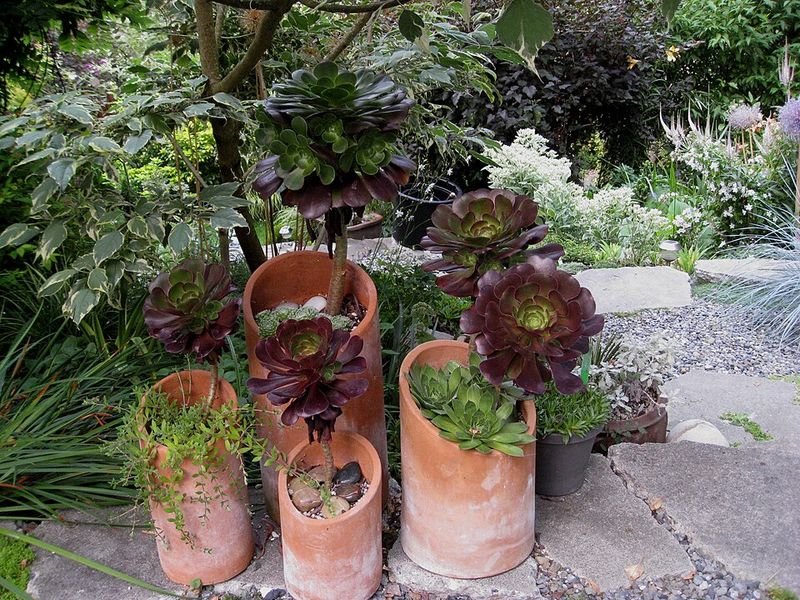
High-end garden stores charge outrageous prices for new decorative planters that claim to look vintage.
Why pay premium prices when you can find authentic vintage terracotta for a fraction of the cost?
Thrift stores, yard sales, and flea markets throughout Georgia are treasure troves for affordable clay pots with real character.
Even brand-new terracotta costs significantly less than fancy glazed ceramics or designer resin containers.
A basic terracotta pot might run you just a few dollars, while a comparable plastic planter with fake stone texture could cost three times as much.
The real clay version will look better and last longer too.
Creating a cohesive garden design does not require matching sets from expensive retailers.
Mismatched vintage terracotta pots actually look more interesting and collected than perfectly uniform containers.
You can build an impressive collection gradually without breaking your budget.
Simple terracotta becomes a blank canvas for creative customization if you want to add personal touches.
Paint designs, add stencils, or leave them natural—either way, you start with an inexpensive base that looks professionally chosen.
Encourages Healthier Root Development
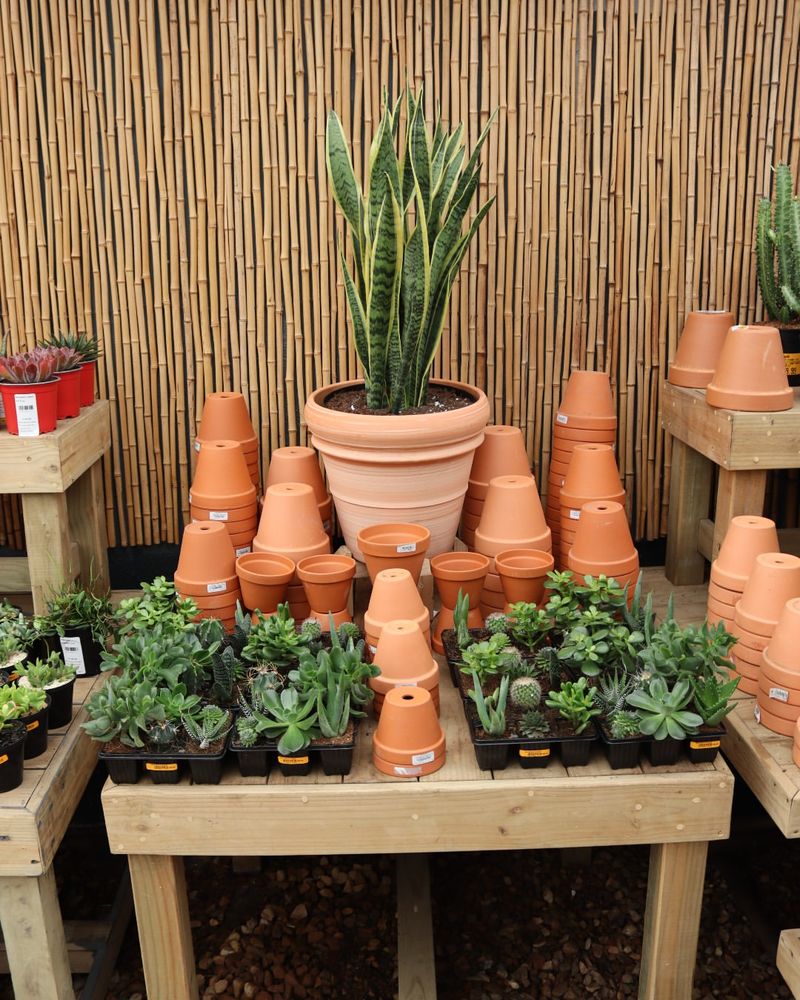
Plant roots need oxygen just as much as they need water and nutrients.
Terracotta’s porous walls allow air to reach the root zone from all sides, not just from the soil surface.
This increased oxygen availability leads to stronger, more extensive root systems that support healthier plants overall.
Roots growing in plastic containers often circle around the inside walls, becoming root-bound and stressed.
In terracotta pots, roots naturally air-prune themselves when they reach the breathable clay walls.
This self-pruning encourages the plant to develop more branching roots throughout the soil instead of creating tangled messes.
Georgia gardeners notice that tomatoes, peppers, and herbs grow more vigorously in terracotta than in plastic pots.
The improved root health translates directly to better fruit production and more flavorful harvests.
Flowering plants produce more blooms when their roots are happy and well-oxygenated.
The weight of terracotta also provides stability that lightweight plastic cannot match.
Tall plants and top-heavy specimens are less likely to tip over in a sturdy clay pot, protecting both the plant and your hard work from damage.
Easy To Find And Collect Throughout Georgia
Nearly every town in Georgia has at least one antique mall, thrift store, or regular flea market where vintage terracotta appears regularly.
Atlanta’s Scott Antique Markets, Savannah’s weekend markets, and countless small-town shops offer excellent hunting grounds for pot collectors.
You might find Italian imports, old American pottery, or locally-made pieces from Georgia clay.
Estate sales are goldmine opportunities for serious terracotta enthusiasts.
Many older Georgia homes have sheds and garages filled with decades-old pots that families are eager to clear out.
Arriving early to estate sales gives you first pick of the best pieces before other gardeners snatch them up.
Online marketplaces like Facebook Marketplace and Craigslist frequently feature people giving away or selling terracotta pots cheaply.
Sometimes folks are moving and cannot take their garden containers with them.
Setting up alerts for keywords like terracotta, clay pots, or garden planters helps you catch deals quickly.
Building a collection becomes an enjoyable hobby rather than a shopping chore.
Each pot has its own story and character, making your garden feel personal and meaningful instead of store-bought and generic.
Naturally Regulates Soil Moisture Levels
Overwatering destroys more container plants than any other mistake gardeners make.
Terracotta acts as a helpful safety net by wicking away excess moisture through its walls.
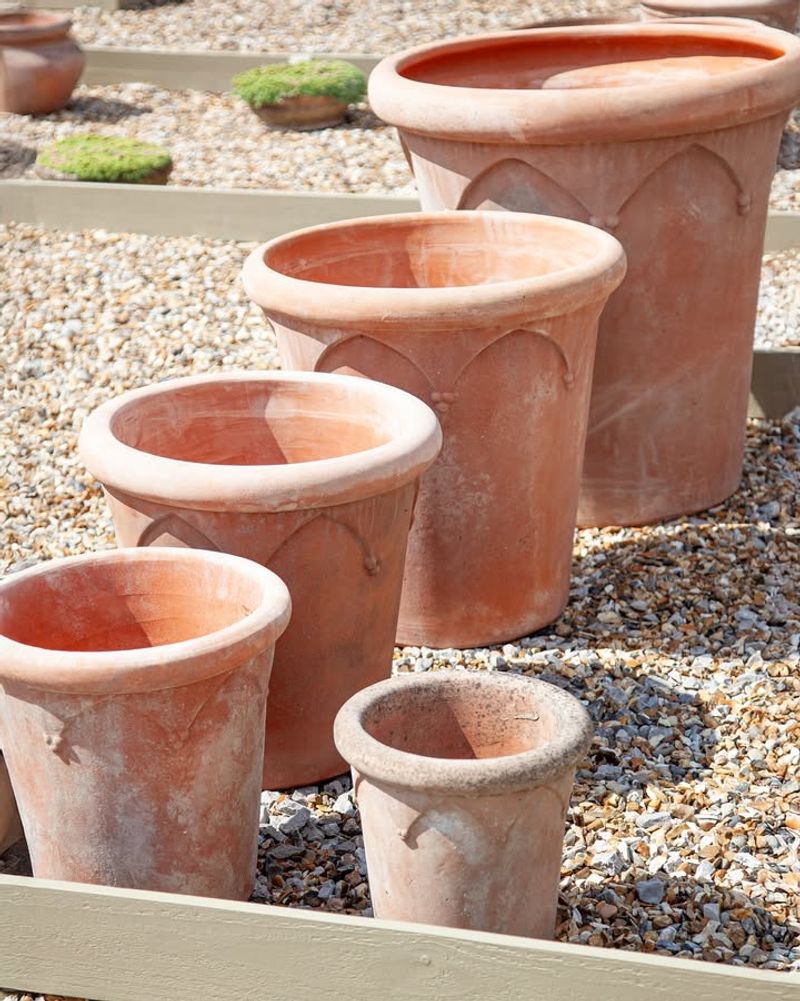
You can actually see when the pot needs water because the clay color darkens when wet and lightens as it dries out.
This visual moisture indicator is especially helpful for beginners who are still learning their plants’ water needs.
No more guessing whether your basil needs a drink or should wait another day.
Simply look at the pot—if it is light-colored and dry to the touch, it is time to water.
Georgia’s variable weather patterns can make watering schedules tricky to maintain.
A week of rain followed by sudden heat waves challenges even experienced gardeners.
Terracotta helps buffer these extremes by slowly releasing stored moisture during dry spells and allowing excess to evaporate during wet periods.
Plants that prefer drier conditions, like lavender, rosemary, and succulents, thrive in terracotta.
The pots create the well-drained environment these Mediterranean plants need to flourish in Georgia’s climate.
You will see better growth and fewer fungal problems when moisture levels stay balanced.
Adds Rustic Charm To Any Garden Style
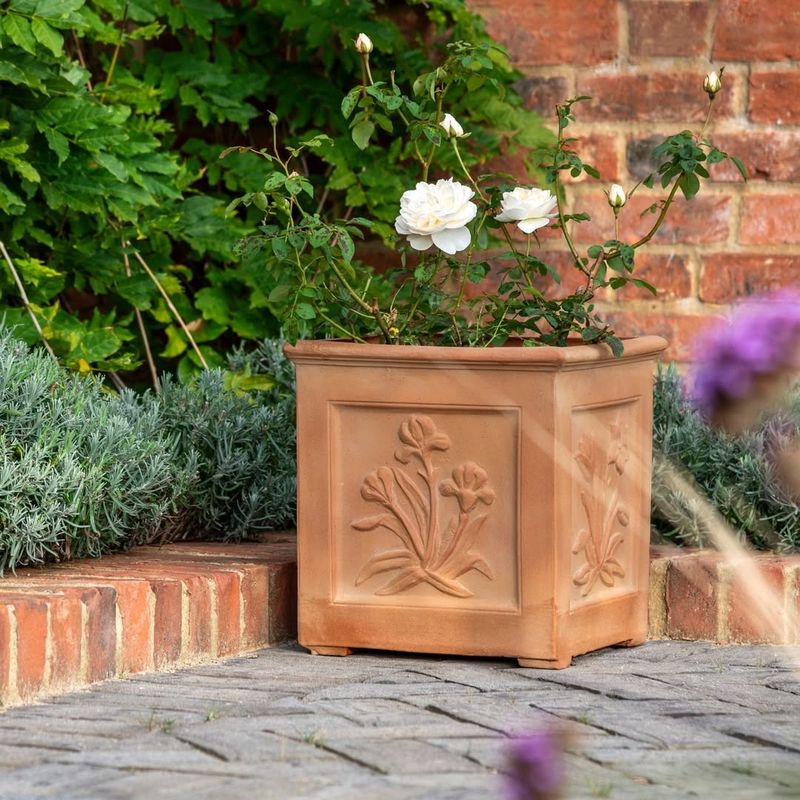
Whether your garden leans toward formal English borders or casual cottage style, terracotta fits right in.
The neutral earth tones complement every color of flower and foliage without competing for attention.
Bright zinnias pop against the warm clay, while soft pastels create gentle, romantic combinations.
Southern gardens gain instant character when vintage terracotta replaces modern plastic containers.
Imagine aged clay pots overflowing with petunias on a front porch, or herb gardens in mismatched terracotta lining a brick walkway.
These scenes feel authentically Georgian in a way that shiny new planters never could.
Farmhouse and shabby-chic styles practically demand terracotta as their foundation.
Stack different sizes to create vertical interest, or line them up along fence lines for a collected look.
The imperfections in vintage pots—chips, cracks, and weathering—add to their appeal rather than detract from it.
Even modern minimalist gardens benefit from the organic texture terracotta provides.
A single large clay pot planted with architectural grasses or a sculptural succulent creates a striking focal point.
The contrast between sleek contemporary design and rustic clay feels intentional and sophisticated.
Simple DIY Aging Techniques For New Pots

Cannot find enough vintage pots to complete your vision?
You can easily age new terracotta to match your existing collection.
Painting new pots with a mixture of yogurt or buttermilk encourages moss and lichen growth that creates authentic-looking patina.
Place the treated pots in shady, damp areas of your garden for a few weeks and watch nature work its magic.
Rubbing new pots with dirt, sand, or even coffee grounds creates instant aging effects.
Focus on the rim and base where natural wear would occur over time.
A light sanding with fine-grit sandpaper removes the too-perfect factory finish and adds realistic scuffs.
Soaking new terracotta in water mixed with a bit of fertilizer encourages mineral deposits to form on the surface.
These white salt lines mimic decades of watering and evaporation cycles.
For faster results, alternate between soaking and drying the pot several times before planting.
Paint washes using diluted acrylics in white, gray, or green tones create subtle color variations.
Apply the wash unevenly and wipe away excess for a naturally weathered appearance.
Nobody will guess your aged pots came from the garden center last week.
Supports Local Georgia Pottery Traditions
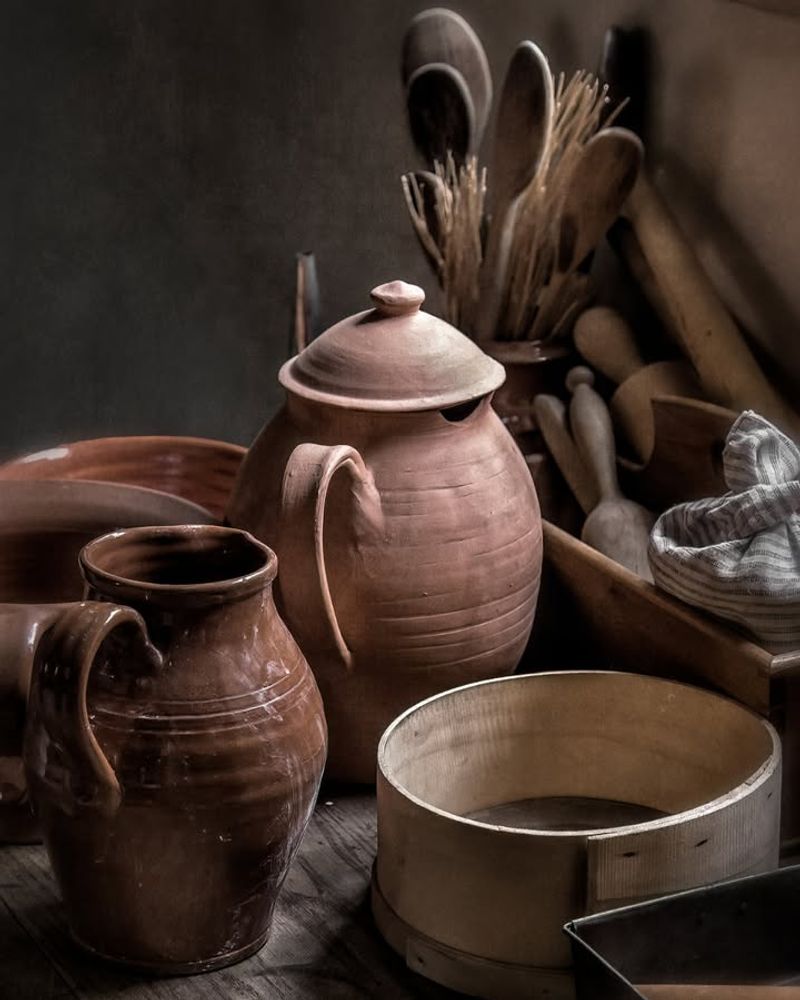
Georgia has a rich history of pottery-making that dates back centuries to Native American traditions and early settler crafts.
Buying vintage terracotta or supporting local potters keeps these cultural traditions alive.
Towns like Seagrove in nearby North Carolina and Georgia’s own pottery communities continue creating beautiful handmade clay work.
When you purchase from local artisans at farmers markets or craft fairs, you are investing in your community’s economy.
These skilled craftspeople pour their knowledge and creativity into every piece they make.
Handmade terracotta pots often feature unique designs, sizes, and finishes you will never find in big-box stores.
Many Georgia potters use local clay deposits, creating a true connection between your garden and the land beneath your feet.
Using pots made from Georgia clay to grow Georgia plants in Georgia soil creates a satisfying full-circle experience.
You are literally gardening with earth from your own region.
Attending pottery studio tours and workshops helps you appreciate the skill required to create even simple terracotta pots.
Learning about firing temperatures, clay preparation, and forming techniques deepens your connection to these everyday objects.
Your garden containers become treasured pieces rather than disposable supplies.