This Whimsical Mushroom Fairy Garden Trend Is Spreading Across Shady Michigan Yards
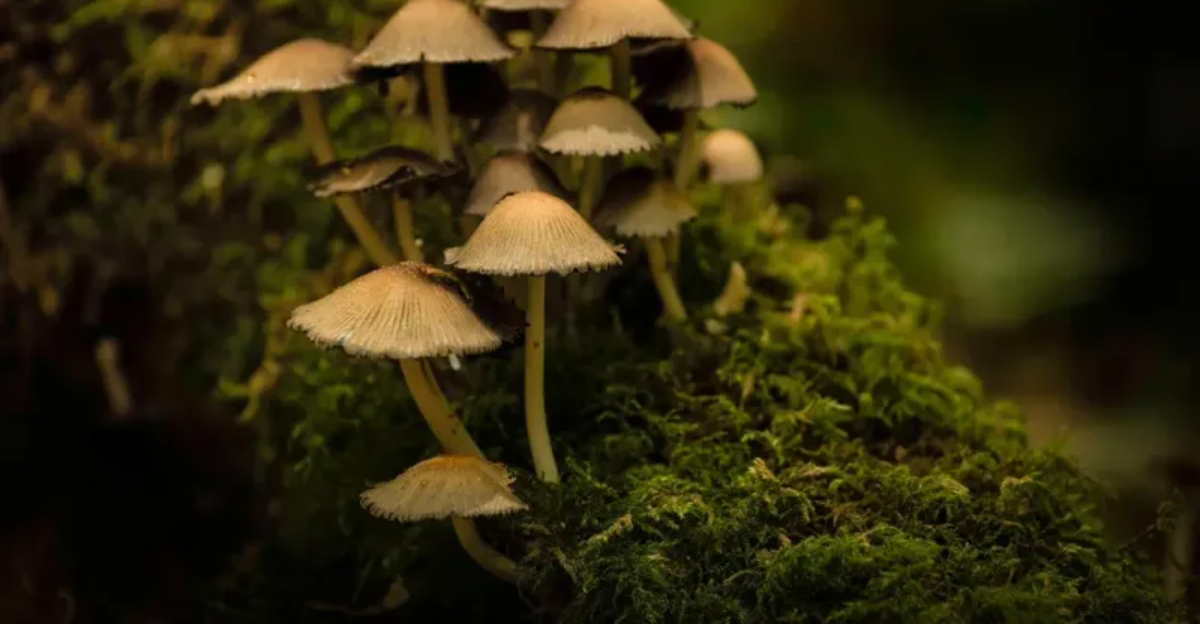
Walk through a shady Michigan backyard lately and you might spot something unexpected tucked between hostas and ferns. Tiny mushroom houses, winding pebble paths, and little fairy doors popping up near tree trunks.
What started as a playful weekend project has quietly turned into a growing garden trend. These whimsical mushroom fairy gardens thrive in low light spaces where grass struggles and flowers fade, making them perfect for those tricky shady corners.
Gardeners love them because they add color, personality, and charm without demanding constant care. Kids get excited, neighbors stop to look, and suddenly the yard feels like a storybook scene instead of a forgotten patch of shade.
It is creative, budget friendly, and surprisingly easy to start. If your shaded areas feel dull or unused, this magical idea might be exactly what your garden has been waiting for.
Shady Yards Provide Ideal Fungal Habitat
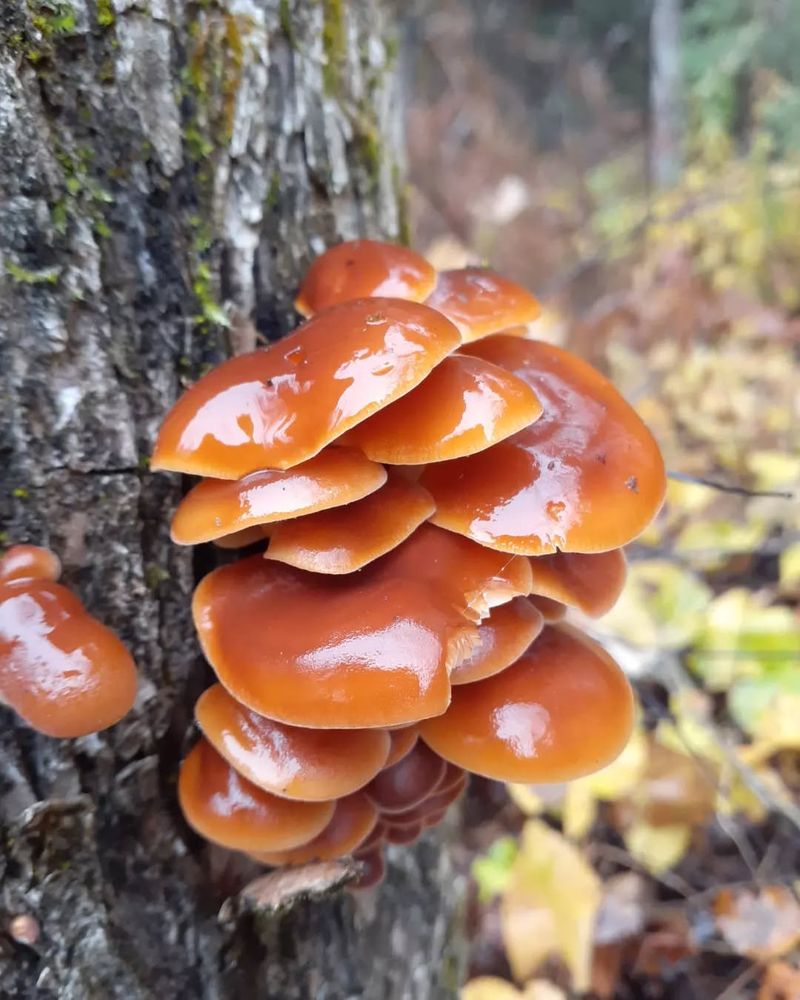
Michigan’s woodland-style shaded areas create a natural sanctuary for mushroom cultivation that few other garden features can match.
Under the protective canopy of mature trees and established shrubs, temperatures remain consistently cooler throughout the day, while moisture levels stay elevated even during drier periods.
These conditions mirror the forest floor environments where wild mushrooms naturally flourish, making your backyard an excellent candidate for fungal gardening without extensive modifications.
Saprophytic mushrooms, which feed on decomposing organic matter, find everything they need in these shaded spaces. The leaf litter, wood chips, and fallen branches that accumulate under trees become the perfect growing medium for various mushroom species.
Many homeowners discover that their shady areas, previously considered gardening challenges, suddenly transform into valuable growing real estate.
The consistent humidity and protection from harsh afternoon sun create microclimates where mushroom mycelium can colonize substrates effectively. This natural advantage means less intervention from gardeners and more successful fruiting throughout the growing season.
Michigan’s climate naturally supports these conditions, making mushroom fairy gardens feel like they belong in the landscape rather than appearing forced or artificial.
Minimal Maintenance In Shaded Spaces
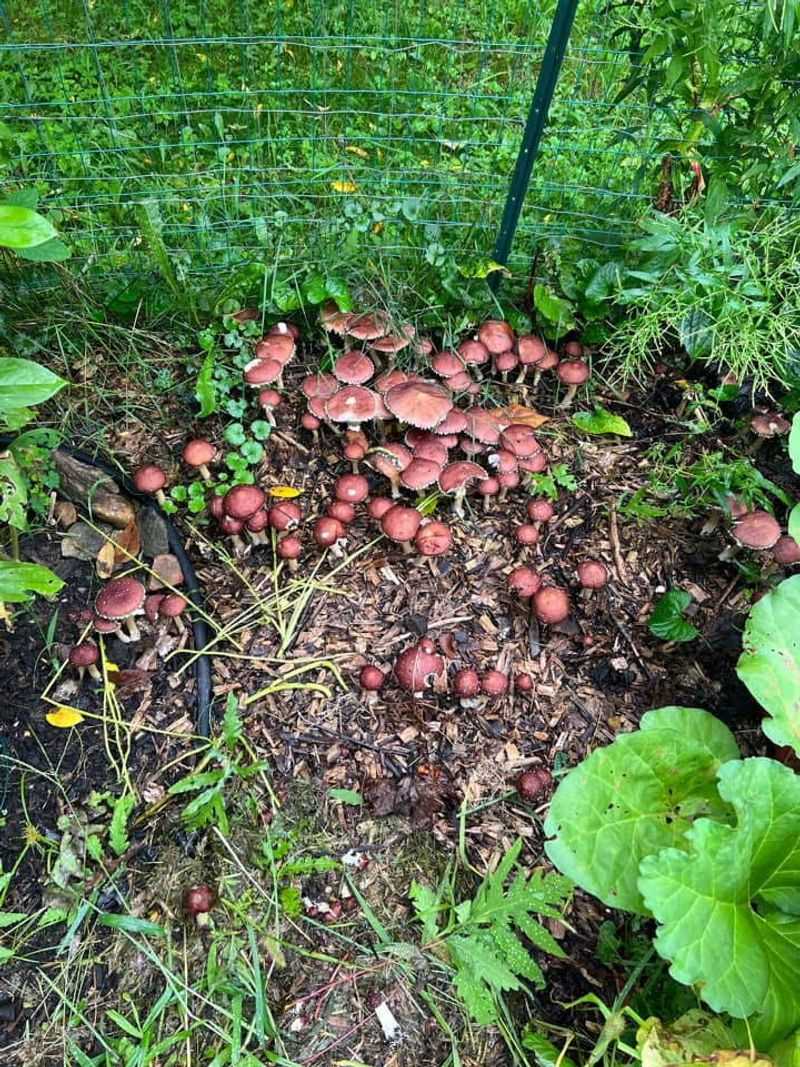
Busy homeowners appreciate that mushroom gardens practically care for themselves once properly established.
Unlike traditional flower beds that demand regular watering, fertilizing, and ongoing attention, mushroom patches thrive with remarkably little interference.
The initial setup involves preparing substrate materials like wood chips or straw inoculated with mushroom spawn, but after that, nature handles most of the work.
Michigan’s naturally humid climate provides adequate moisture for mushroom development without constant irrigation. Shaded locations retain water more effectively than sunny spots, reducing the need for supplemental watering even during summer months.
This hands-off approach appeals to gardeners who want beautiful landscapes without dedicating hours each week to upkeep.
The self-sustaining nature of mushroom gardens fits perfectly with modern lifestyles where time is precious. Occasional checks to ensure substrate moisture levels remain adequate and removing any competing weeds constitute the primary maintenance tasks.
Many gardeners find that adding fresh organic material once or twice per season keeps their mushroom patches productive for years, making this one of the most rewarding low-effort gardening projects available for Michigan yards.
Use Of Native Fungi Encourages Biodiversity
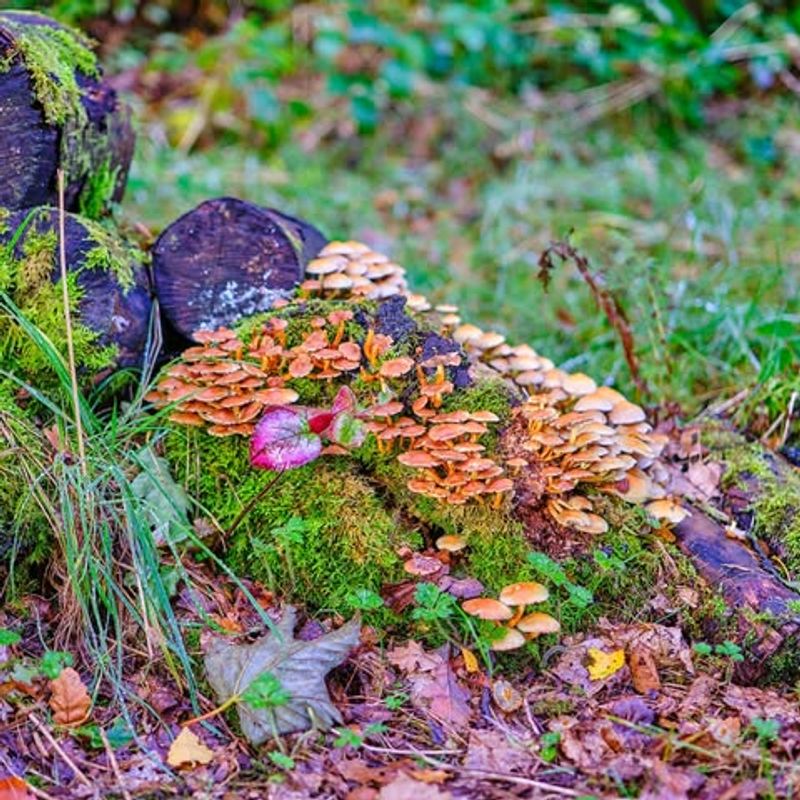
Gardeners increasingly recognize that cultivating native Michigan mushroom species creates ripple effects throughout local ecosystems.
Species like morels, hen-of-the-woods, and oyster mushrooms naturally occur in Michigan forests, and introducing them into residential landscapes strengthens connections between yards and surrounding wild areas.
These fungi form complex relationships with soil organisms, insects, and other wildlife that depend on healthy fungal networks.
Native mushrooms support biodiversity in ways that extend beyond the visible fruiting bodies. Underground mycelial networks communicate with plant roots, share nutrients, and create soil structures that benefit countless organisms.
Birds, small mammals, and beneficial insects all interact with mushroom gardens, finding food sources and habitat within these miniature ecosystems.
Choosing native species also ensures better adaptation to local conditions and reduces risks associated with introducing non-native organisms.
Michigan’s native fungi have evolved alongside regional plants and animals, creating balanced relationships that support ecological health.
Homeowners who prioritize native mushrooms contribute to conservation efforts while enjoying the practical benefits of species naturally suited to local growing conditions, making their fairy gardens both beautiful and environmentally responsible additions to the landscape.
Enhances Soil Health Naturally
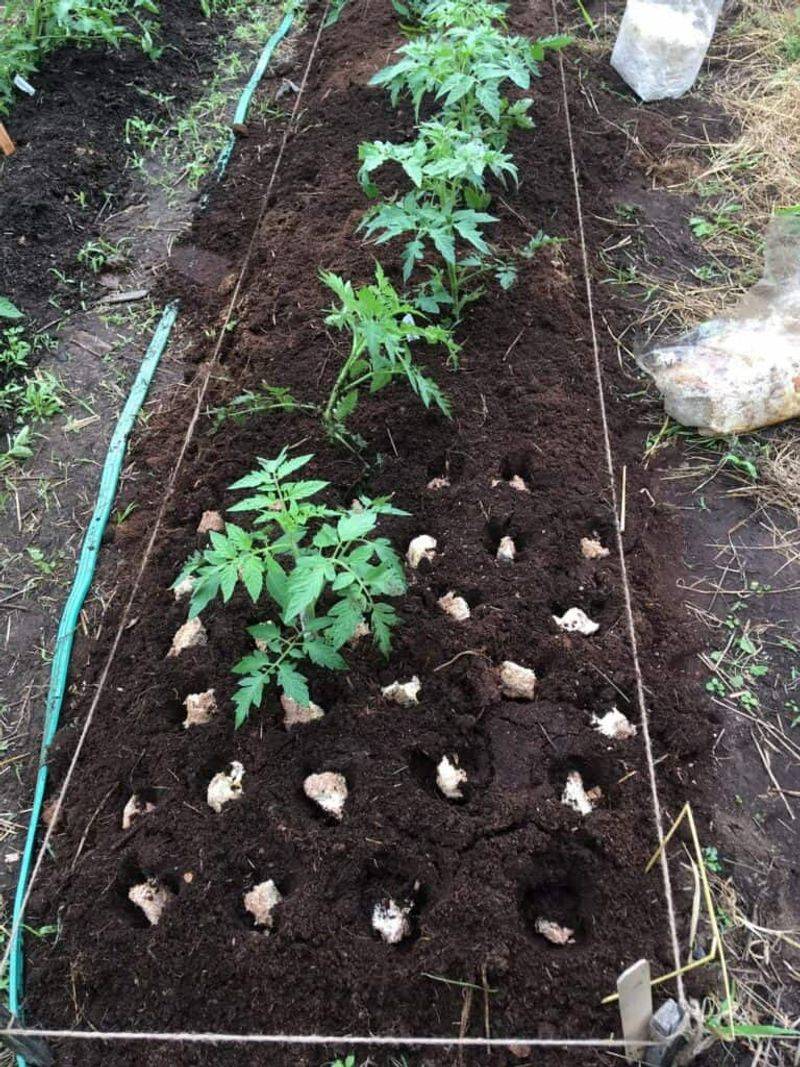
Mushrooms perform essential underground work that transforms soil quality in remarkable ways.
As fungi decompose organic materials like wood chips, leaves, and plant debris, they break down complex compounds into simpler nutrients that plants can readily absorb.
This natural recycling process creates rich, fertile soil that supports healthier plant growth throughout your garden.
Michigan yards often contain heavy clay soils or compacted areas where water drainage poses challenges and plant roots struggle to penetrate. Mushroom mycelium threads through soil particles, creating channels that improve aeration and water movement.
The decomposition process also produces humus, the dark, crumbly material that gives healthy soil its structure and nutrient-holding capacity.
Improved moisture retention represents another significant benefit, particularly in shaded areas where tree roots compete for available water.
Fungal activity increases soil’s ability to hold moisture without becoming waterlogged, creating more stable growing conditions for companion plants.
Homeowners notice that areas with established mushroom gardens gradually develop richer, more productive soil that requires fewer amendments and supports more vigorous plant growth over time, making the entire landscape more resilient and easier to maintain.
Complements Shade-Tolerant Plantings
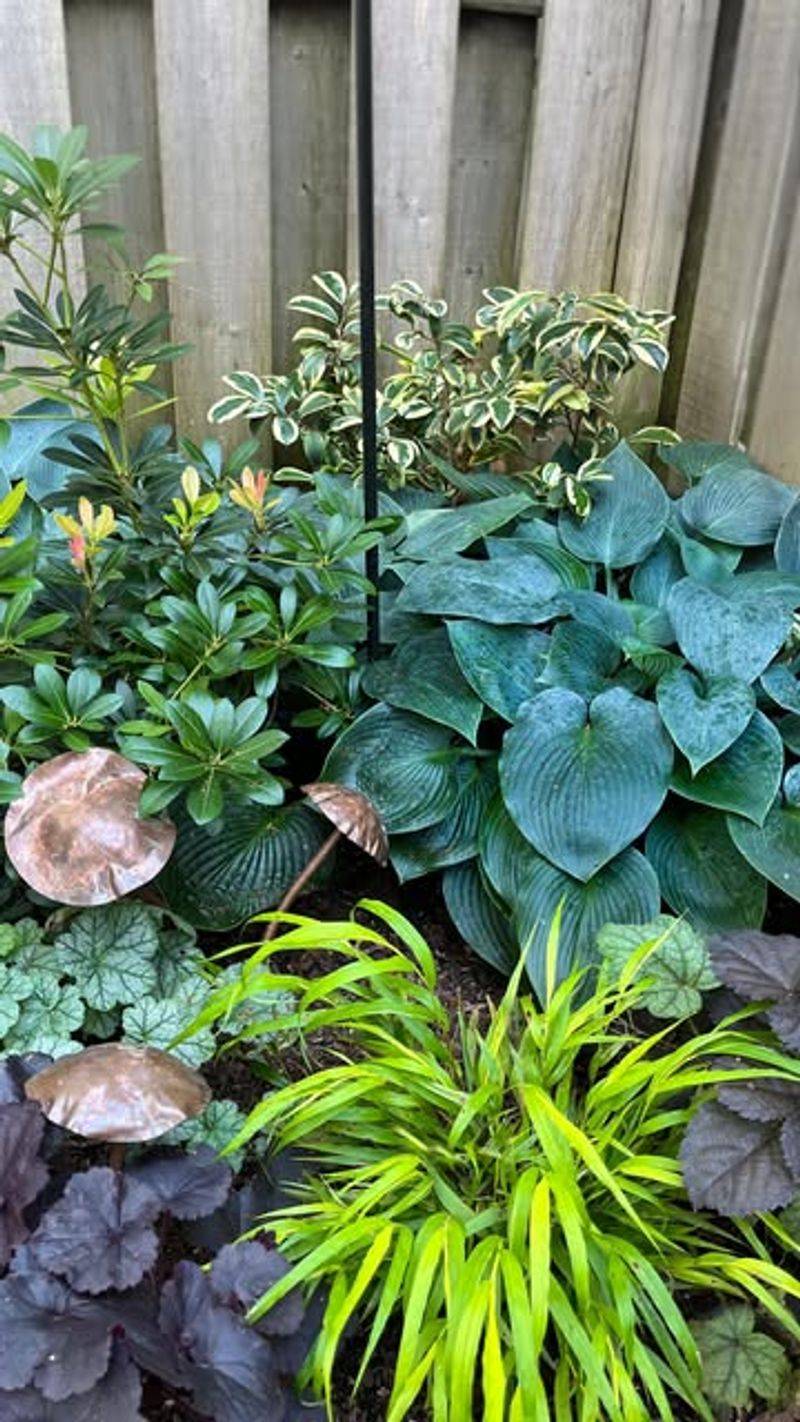
Mushroom fairy gardens create stunning visual partnerships with shade-loving plants that thrive in Michigan’s woodland-style landscapes.
Ferns unfurl their delicate fronds beside clusters of oyster mushrooms, while hostas provide broad-leaved backdrops for whimsical fairy houses nestled among fungal colonies.
These combinations feel natural and cohesive, as if they’ve always belonged together in the shaded understory.
Layered plantings gain new dimensions when mushrooms join the composition. Ground-level fungi add interest at eye level for garden visitors who might otherwise overlook low-growing elements.
Colorful mushroom caps provide seasonal focal points that change throughout the year, offering visual variety that complements the more static presence of perennial foliage plants.
Woodland perennials like bleeding hearts, astilbes, and coral bells share similar growing requirements with cultivated mushrooms, making them ideal companions. They all appreciate consistent moisture, protection from intense sun, and rich organic soil.
Gardeners discover that managing one element benefits the others, creating efficient maintenance routines.
The textural contrasts between feathery fern fronds, bold hosta leaves, and smooth mushroom surfaces create visually dynamic compositions that feel professionally designed yet remain accessible for home gardeners to achieve in their own shaded Michigan yards.
Educational And Observational Appeal
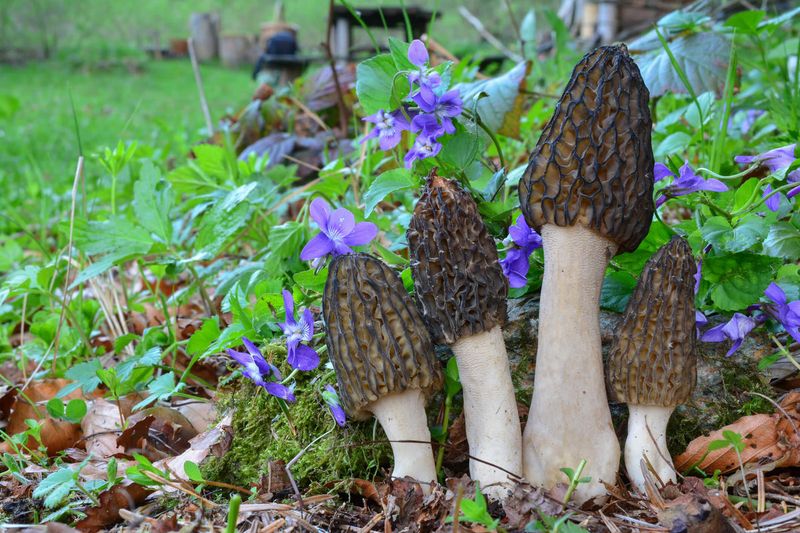
Families find that mushroom fairy gardens become living classrooms where children develop observation skills and scientific curiosity.
Tracking fungal growth from tiny pinheads to mature fruiting bodies teaches patience and reveals biological processes that typically remain hidden.
Kids become engaged naturalists, checking their garden patches daily for new developments and learning to identify different mushroom species.
Garden clubs and homeschooling groups embrace mushroom gardens as hands-on learning tools that connect abstract concepts to tangible experiences.
Understanding decomposition, nutrient cycles, and ecological relationships becomes easier when students can observe these processes in their own backyards.
Photography opportunities abound as mushrooms emerge, mature, and release spores, creating documentation projects that span entire growing seasons.
Adults also appreciate the meditative quality of observing fungal development. The relatively rapid growth of mushrooms provides satisfying feedback that rewards attention and care.
Many homeowners discover renewed appreciation for their shaded areas, which transform from overlooked spaces into destinations for quiet observation and connection with natural cycles.
This educational dimension adds lasting value beyond simple aesthetics, making mushroom fairy gardens meaningful investments in both landscape beauty and personal growth for Michigan families.
Humid Michigan Summers Support Fruiting
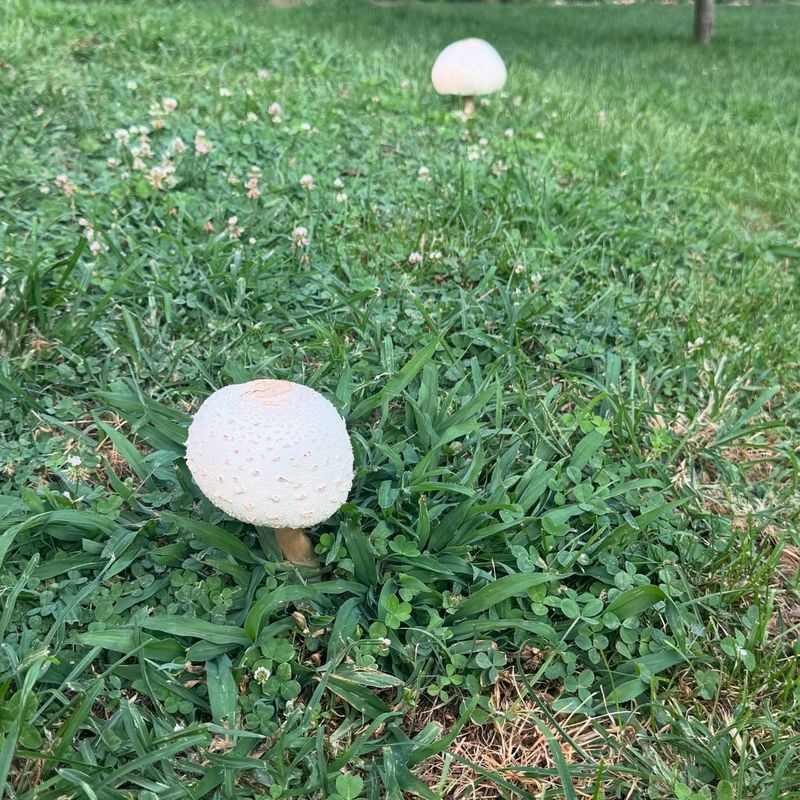
Michigan’s summer weather patterns provide ideal conditions for mushroom production that gardeners in drier climates can only envy.
Even brief periods of elevated humidity trigger fruiting responses in established mushroom patches, causing seemingly bare substrate to suddenly sprout dozens of mushrooms within days.
This reliable productivity makes mushroom gardening particularly rewarding in the Great Lakes region.
The combination of warm temperatures and frequent summer rainfall creates perfect fruiting windows throughout the growing season.
Unlike vegetables that require months from planting to harvest, mushrooms can complete their reproductive cycle in weeks or even days.
Gardeners experience multiple flushes of mushrooms from spring through fall, with each rainfall event potentially initiating new growth.
Shaded locations amplify these natural advantages by maintaining higher relative humidity even during periods between rain events. Morning dew lingers longer under tree canopies, and evaporation rates remain lower throughout the day.
These microclimatic factors extend productive periods and increase total mushroom yields.
Homeowners discover that their fairy gardens remain visually interesting and biologically active throughout Michigan’s entire growing season, providing continuous opportunities for harvest, observation, and enjoyment rather than brief flowering periods followed by months of dormancy.
Supports Eco-Friendly Landscaping Trends
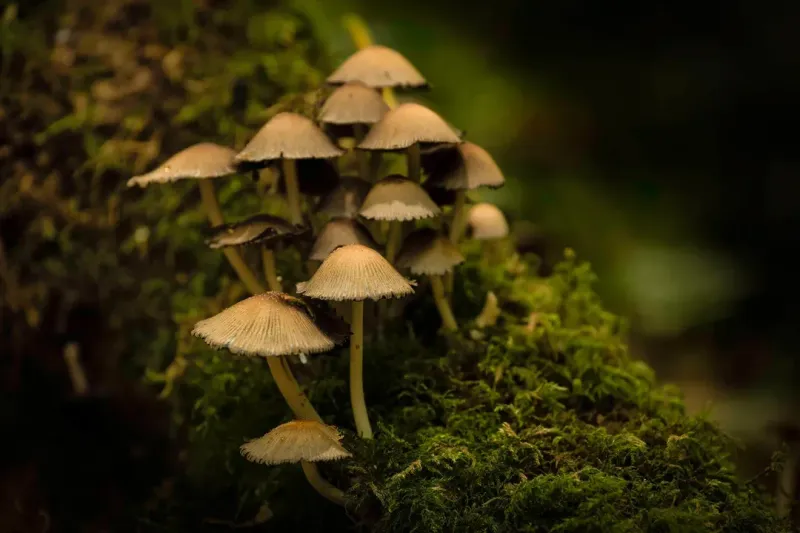
Contemporary gardening movements emphasize sustainability, and mushroom fairy gardens align perfectly with these environmental values.
They require no synthetic fertilizers, pesticides, or herbicides, relying instead on natural processes that have sustained forest ecosystems for millennia.
This chemical-free approach protects water quality, beneficial insects, and soil organisms while producing beautiful landscape features.
Water conservation represents another significant advantage in an era of increasing environmental awareness. Established mushroom gardens need minimal supplemental irrigation, drawing primarily on natural rainfall and ambient humidity.
This low-water approach reduces utility costs and environmental impact while maintaining productive, attractive landscapes. Homeowners appreciate gardening methods that deliver results without depleting natural resources.
Wildlife-friendly landscaping gains momentum as people recognize the importance of supporting pollinators, birds, and beneficial insects. Mushroom gardens contribute to these efforts by creating habitat complexity and food sources for numerous organisms.
The organic materials used in mushroom cultivation eventually decompose completely, returning nutrients to the soil without generating waste.
Michigan gardeners increasingly view their yards as ecosystems rather than mere decorative spaces, and mushroom fairy gardens represent this philosophical shift toward regenerative, nature-positive landscaping that benefits both people and the environment.