Those Little Mounds In Your Michigan Lawn In April May Not Be Ants
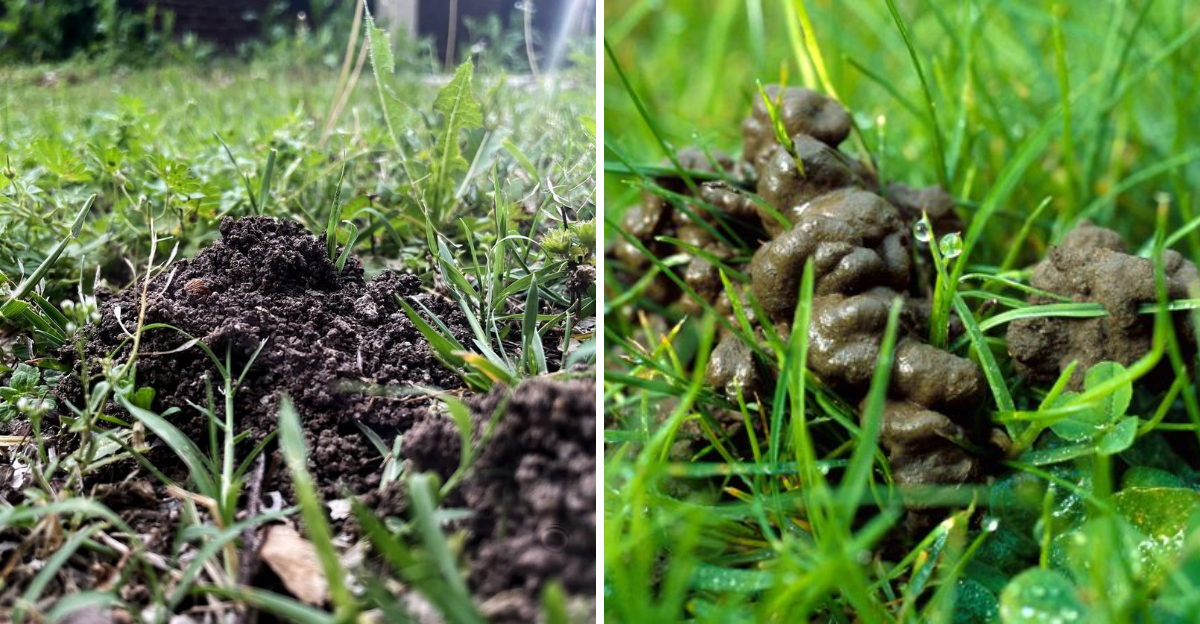
As Michigan lawns start to green up in April, small mounds of soil can begin to appear across the surface. At first glance, they look like ant hills, and many homeowners assume that is exactly what they are.
But in many cases, these little piles have a completely different source that often goes unnoticed. Earthworms become more active as the soil warms and moisture levels rise, especially after spring rains.
As they move through the ground, they leave behind small deposits of soil on the surface known as castings. These can show up quickly and in large numbers, making them easy to mistake for something else.
While they may look messy at first, they are actually a sign of healthy soil. Once you understand what these mounds really are, you may start to see them as a positive part of your lawn rather than a problem to fix.
1. They Are Called Earthworm Castings
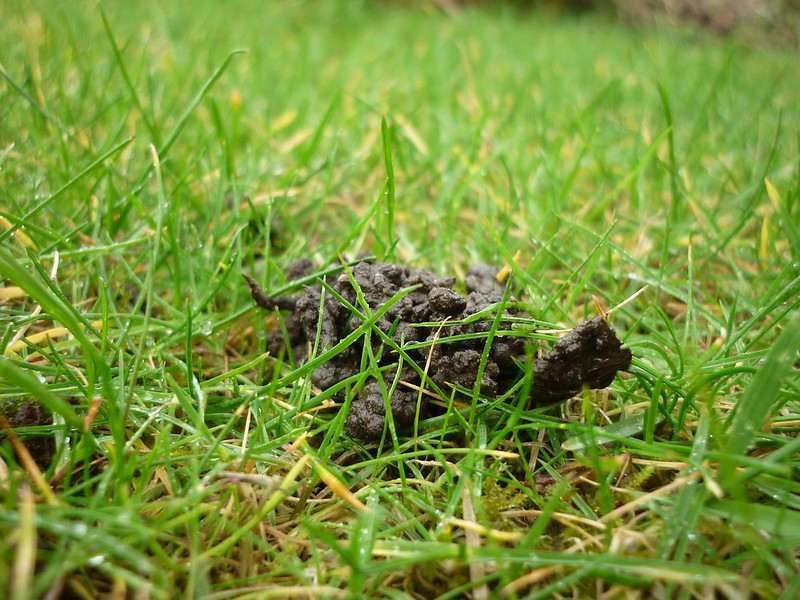
Most people see those small mounds on their lawn and immediately think something is wrong. Surprise, those little piles are actually called earthworm castings, and they are one of the best signs your soil is healthy.
Earthworms process organic material as they tunnel underground, and what comes out the other end gets pushed up to the surface as castings.
The name sounds fancy, but it simply means worm waste, and it is packed with nutrients your lawn loves. In Michigan, you will notice castings popping up most in April and May, right after the ground thaws and moisture levels rise across the Lower Peninsula.
The worms become incredibly active during this window, moving toward the surface as conditions become ideal.
Knowing what these mounds are called is the first step toward understanding your lawn better. Homeowners who recognize castings stop worrying and start appreciating what is happening beneath their feet.
Your grass is sitting on top of a natural soil factory, and those little mounds are the receipts. Michigan lawns with active earthworm populations tend to have better drainage, softer soil, and stronger root systems over time, making castings a welcome sight rather than a cause for concern.
2. Castings Look Like Soft, Crumbly Soil Mounds
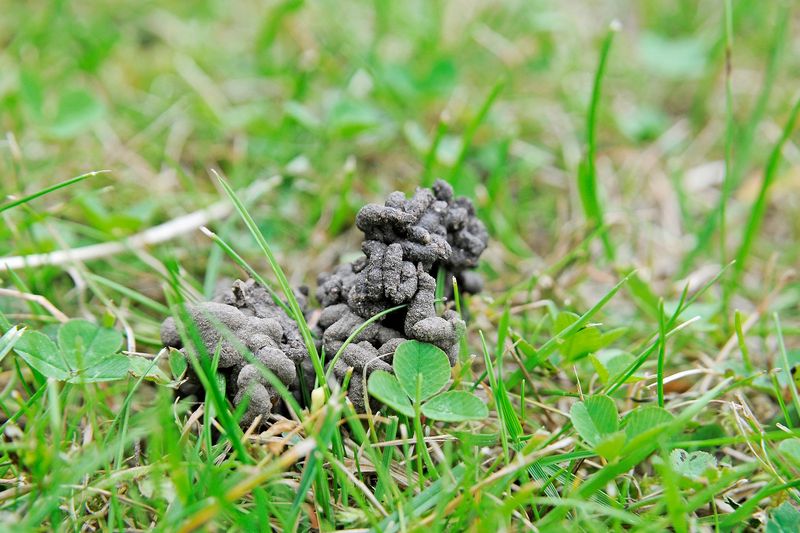
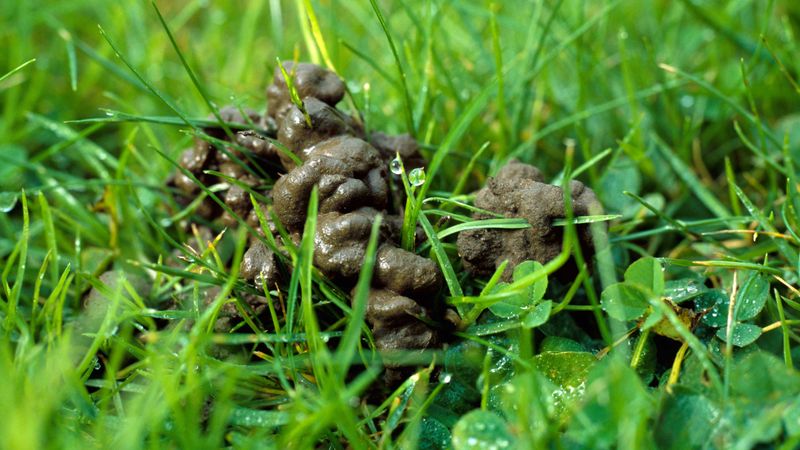
One of the easiest ways to figure out what is on your lawn is to look closely at the shape and texture of those mounds. Earthworm castings are irregular, low-profile, and fall apart easily when you touch them.
There is no neat cone shape, no entry hole, and no organized structure like you would see with an ant mound.
Ant hills tend to look more deliberate, with a central opening and a slightly symmetrical pile of fine, dry soil around it. Worm castings, on the other hand, look like someone randomly dropped small handfuls of dark, moist dirt across the grass.
When you press one with your finger, it crumbles apart without resistance, almost like loose potting soil.
In Michigan, the castings often appear darker than the surrounding lawn because they are rich in organic matter that has passed through the worm.
After a rainy April morning in places like Lansing or Grand Rapids, these mounds can look almost black against the green grass.
The texture is the giveaway every time. If the mound breaks apart with a gentle tap and has no hole in the center, you are almost certainly looking at earthworm castings rather than any kind of insect activity.
3. They Appear During Cool, Wet Michigan Springs
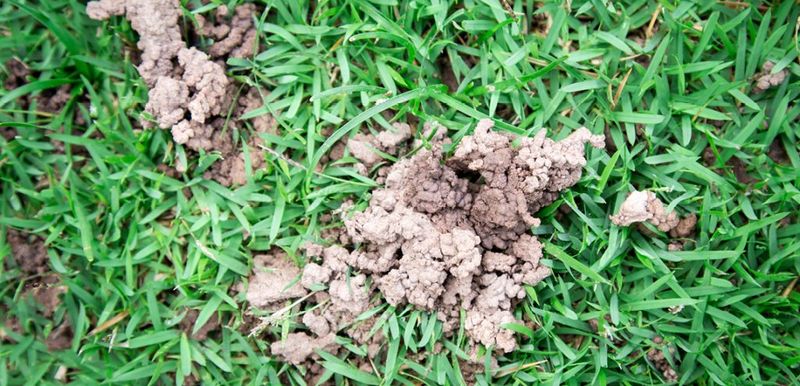
April in Michigan is basically a welcome mat for earthworm activity. Cool temperatures, frequent rain, and freshly thawed soil create the perfect environment for worms to move toward the surface and get busy.
That is exactly why so many Michigan homeowners notice these mounds appearing almost overnight during the first warm weeks of spring.
Earthworms breathe through their skin and need moisture to survive near the surface. When the soil is saturated from spring rain and temperatures stay between 50 and 60 degrees Fahrenheit, worms thrive in the upper layers of the ground.
Michigan’s Lower Peninsula, with its heavy clay soils and abundant spring rainfall, gives earthworms ideal conditions for weeks at a time.
Many people assume insect season is to blame when they see mounds in early spring, but insects are usually not that active yet in Michigan during April.
The timing of worm castings often catches homeowners off guard because it happens right when lawns are waking up from winter.
If you notice the mounds appearing after a stretch of rainy, cool days rather than during a dry warm spell, earthworms are almost certainly the source. Paying attention to weather patterns is a surprisingly useful tool for figuring out what is going on in your lawn.
4. No Central Hole Or Colony Structure Inside
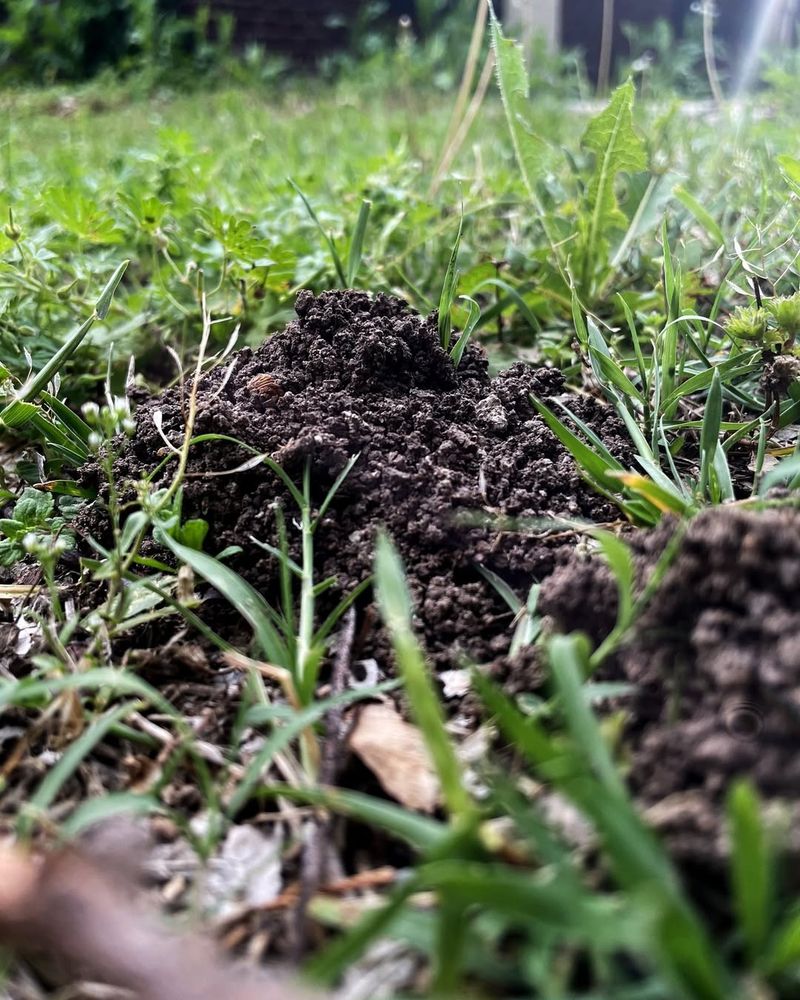
Here is a simple trick that works every time you are unsure about what made those mounds. Get down close and look for a hole.
Ant mounds almost always have a visible entry point right in the center, and that opening leads down into a tunnel system where the colony lives and works. Earthworm castings have absolutely none of that.
Worm castings are simply expelled soil that gets pushed out as the worm tunnels horizontally through the ground. There is no colony underneath, no queen, and no organized insect activity at all.
The mound itself is just a byproduct of the worm doing its job, not a home base for anything living inside it.
This distinction matters a great deal for Michigan homeowners who might be tempted to treat their lawn with pesticides or ant control products. Applying the wrong treatment wastes money and can actually harm the beneficial organisms already working in your soil.
A quick visual inspection before doing anything is always worth the effort. No hole means no colony, and no colony means earthworms are your most likely culprit.
Once you train your eye to look for that central opening, you will be able to tell the difference between worm castings and ant mounds in seconds, saving yourself time and unnecessary stress every spring.
5. Castings Can Temporarily Affect How Your Lawn Looks
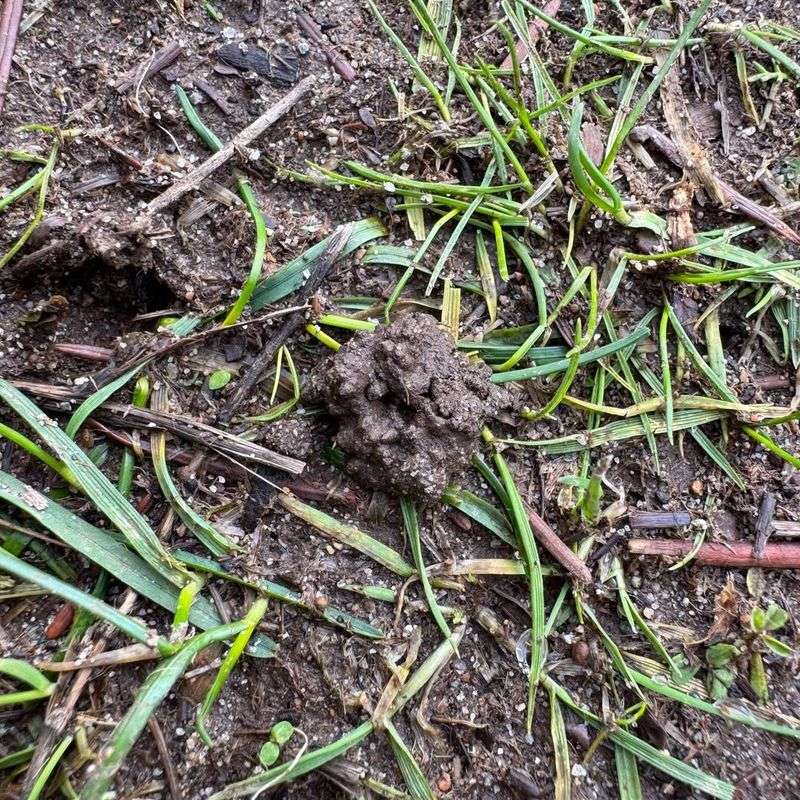
Nobody wants their lawn looking rough right when spring is getting started. Earthworm castings can create an uneven surface, and when you walk across them or mow over them while still moist, they smear across the grass and leave muddy streaks.
It is one of the more frustrating parts of having an active worm population, even though the worms themselves are doing great things for your soil.
The good news is that the mess is temporary. As April turns into May and Michigan soils begin to dry out, the castings harden and break apart naturally.
A light raking on a dry day can help redistribute the soil back into the lawn without causing any damage to the grass underneath.
Raising your mower height to around three or four inches also helps, since taller grass blades do a great job of hiding the mounds between mowing sessions.
Timing your lawn care around the castings makes a real difference in how your yard looks through spring. Avoid mowing when the ground is wet and the castings are still soft and sticky.
Wait for a dry stretch, let the mounds firm up, and then gently rake or mow. Most Michigan homeowners find that by mid to late May, the surface of their lawn evens out on its own as worm activity slows and grass growth fills in any rough spots.
6. Earthworms Improve Your Michigan Soil In A Big Way
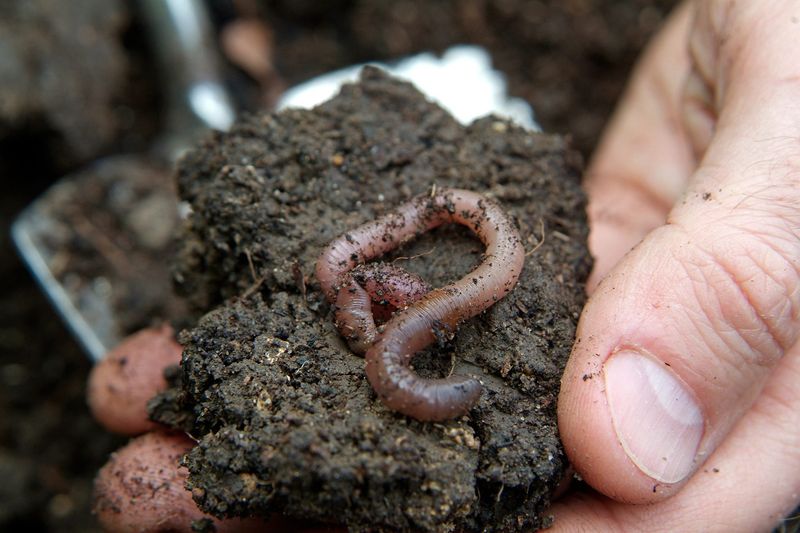
Forget expensive soil treatments for a moment, because earthworms do something no product can fully replicate. As they tunnel through Michigan’s often dense, clay-heavy soils, they create tiny channels that allow air and water to move more freely through the ground.
That process, called aeration, helps grass roots grow deeper and stronger without any effort from you at all.
On top of aeration, earthworm castings are genuinely rich in plant-available nutrients. Research shows castings contain higher concentrations of nitrogen, phosphorus, and potassium than the surrounding soil, all released slowly as the season progresses.
For Michigan lawns struggling with compacted soil or poor drainage, this natural nutrient boost is a huge benefit that costs absolutely nothing.
The impact of earthworms goes beyond just the surface. Their tunneling breaks up compaction layers that can prevent roots from reaching deeper moisture during dry summer months.
In areas like Southeast Michigan where clay soils are common, worm activity over many years can genuinely transform the structure of the ground.
Gardeners and lawn care enthusiasts across the state have started recognizing earthworms as one of their greatest natural allies.
Encouraging a healthy worm population by avoiding harsh chemical treatments and adding organic matter to your lawn is one of the smartest long-term investments you can make for your yard.
7. Worm Activity Slows Down As Summer Approaches
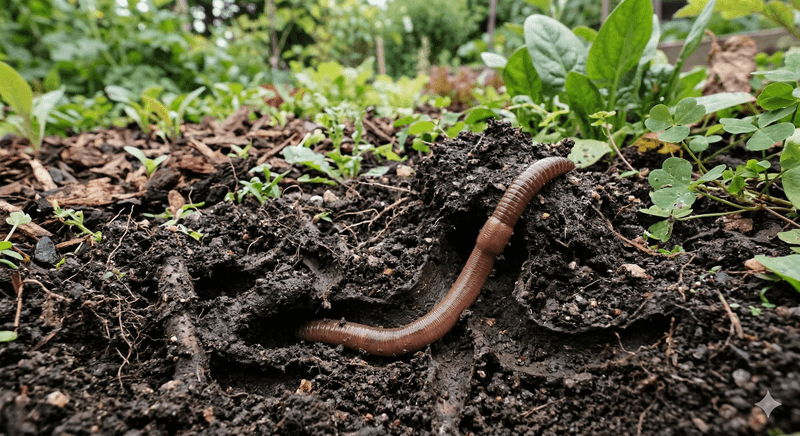
One of the most reassuring things about earthworm castings is that they are genuinely seasonal.
By the time Michigan summers kick in and soil temperatures climb above 70 degrees Fahrenheit, earthworms move deeper underground where conditions stay cooler and more moist.
The mounds that seemed to appear overnight in April simply stop showing up, and your lawn surface smooths out on its own.
This seasonal pattern follows the same rhythm every year across Michigan. Spring brings the worms up, summer sends them back down, and fall sometimes triggers a second round of surface activity when temperatures cool and rains return.
Understanding this cycle helps homeowners stop worrying each spring when the mounds appear, because they already know the situation will resolve itself naturally.
There is nothing you need to do to speed up this process. Trying to chase the worms away with treatments or excessive watering changes does more harm than good.
The best approach is simply patience, which is easier when you understand what is happening and why.
Michigan lawns that host strong earthworm populations through spring tend to look noticeably better through summer because of all the underground work that took place.
By June, most of those April mounds are a distant memory, replaced by thick, green, well-rooted grass that quietly benefited from everything happening below the surface.
8. No Treatment Is Needed, And That Is Great News
Here is the best part of this whole story: you do not need to do anything. Earthworms are not pests, they are partners.
Reaching for pesticides or any kind of soil treatment when you see castings would actually work against you, reducing the population of organisms that are actively improving your lawn every single day.
Michigan State University Extension has noted that earthworms are among the most beneficial creatures in any lawn or garden ecosystem.
Attempting to reduce their numbers through chemical treatments can degrade soil structure over time, making your lawn more dependent on synthetic fertilizers and irrigation just to maintain basic health.
That is the opposite of what most homeowners want. The smartest response to seeing earthworm castings in your Michigan lawn is a simple one: appreciate them. If the surface appearance bothers you, a light raking on a dry day is all you need.
Adjust your mowing height, avoid overwatering, and let the natural seasonal cycle do its work. By late spring, the castings will fade and your lawn will be in better shape than it was before the worms got active.
Sharing this information with neighbors in your Michigan community can also prevent well-meaning people from treating a beneficial situation like a problem, protecting the soil health of the whole neighborhood one lawn at a time.