Those Tiny Flying Gnats In Michigan Soil Are Not What You Think
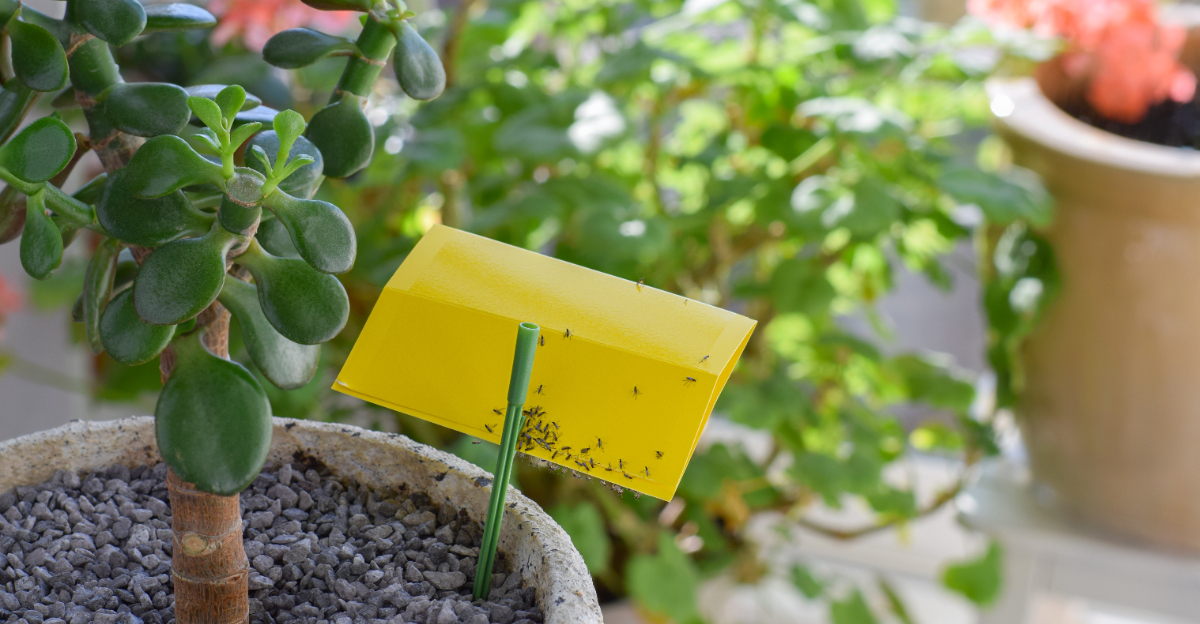
They may look like harmless little bugs, but those tiny flying insects around your soil can quickly turn into a real headache. Many Michigan gardeners mistake them for fruit flies at first, especially when they start hovering around houseplants, seed trays, or pots indoors.
The surprise comes when the problem is not coming from fruit at all. In many cases, fungus gnats are the ones taking over.
These small pests are drawn to moist potting mix, and once they settle in, they can seem to appear everywhere. Seeing them bounce across the soil or drift around your plants is enough to make any gardener feel frustrated.
The good news is that knowing what they are changes how you deal with them. Once you understand what attracts fungus gnats and why they keep showing up, it becomes much easier to stop them before they spread even more.
1. They Are Usually Fungus Gnats, Not Fruit Flies
Most Michigan homeowners assume those tiny fliers near their plants are fruit flies, but that guess is almost always wrong. Fruit flies hang around ripening bananas, open juice containers, and kitchen counters.
Fungus gnats, on the other hand, stay close to soil and rarely wander far from your plant pots.
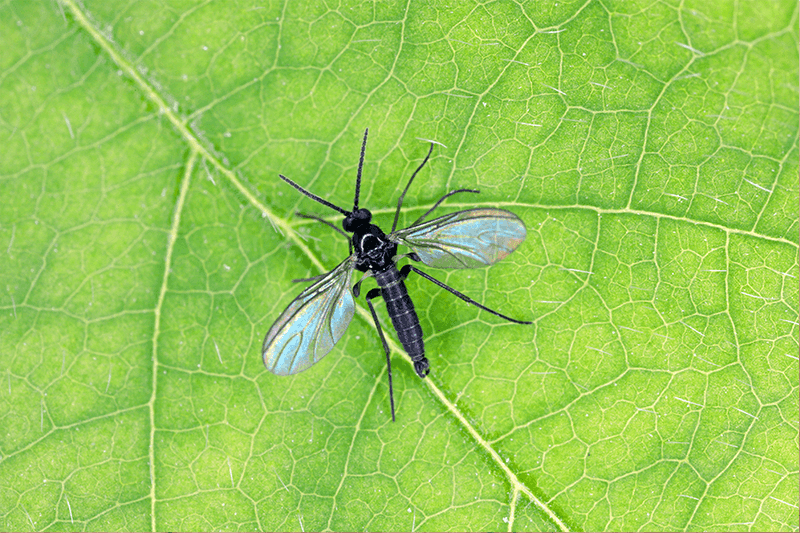
Adult fungus gnats belong to the family Sciaridae and measure only about 2 to 5 millimeters long. They look a bit like miniature mosquitoes, with long legs, dark bodies, and wings that carry a faint gray tint.
You will notice them walking quickly across the surface of your soil or flying in weak, erratic patterns just above your containers.
Fruit flies have a rounder body shape, reddish eyes, and are noticeably attracted to fermented smells. Fungus gnats show no interest in your fruit bowl whatsoever.
That one difference is your fastest clue when trying to figure out what is buzzing around your Michigan living room during winter.
Knowing which insect you are dealing with matters because the control methods are totally different. Putting out apple cider vinegar traps will catch fruit flies but barely makes a dent in a fungus gnat population.
Targeting the soil moisture and breeding conditions is the only approach that truly works for these sneaky little insects.
2. They Are Most Common In Late Winter And Early Spring
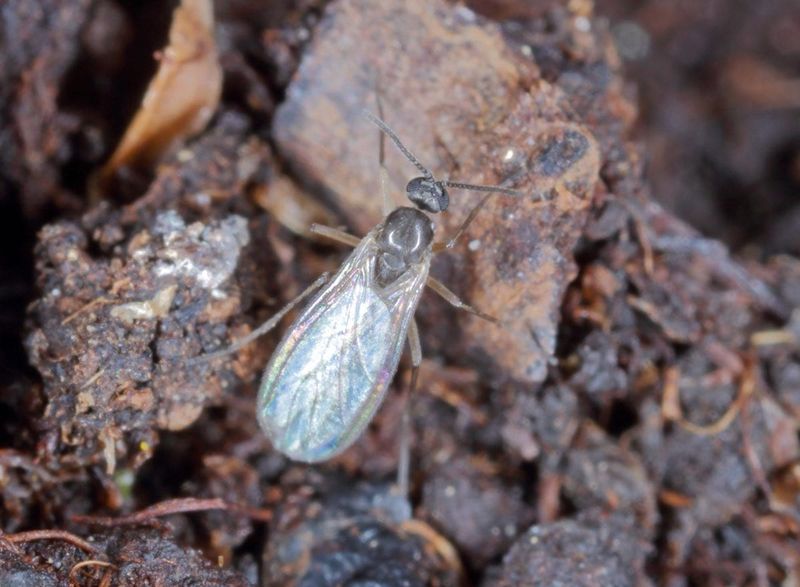
Walk into almost any Michigan home between February and April, and chances are good you will spot a fungus gnat or two near a windowsill. This timing is not random at all.
It lines up perfectly with when gardeners across the state start seed trays and bring out their indoor plant collections after a long, cold winter.
Indoor heating runs constantly during Michigan winters, and that warmth combined with regularly watered seedling trays creates a cozy paradise for fungus gnats.
The conditions inside your home during this season almost perfectly match what these insects need to breed and multiply quickly. Moist soil, warm air, and plenty of organic material add up to a gnat breeding ground.
Outdoor temperatures keep fungus gnat populations in check during colder months, but indoors the story is completely different. A single adult female can lay up to 200 eggs in moist soil, and the full life cycle from egg to adult can wrap up in just three weeks.
That math adds up fast when your seed room stays warm all day and night.
Michigan gardeners who start seeds in January or February often notice the first adults by mid-February. Staying ahead of the problem early in the season saves a lot of frustration later.
Watching your watering habits right from the start of seed season is one of the smartest moves you can make.
3. The Larvae Live In The Soil, Not The Air
Seeing adults fly around is annoying, but the real action in a fungus gnat infestation happens underground where you cannot see it.
The larvae are the stage that actually causes trouble, and they spend their entire early lives buried in the top few inches of your potting mix.
Most people focus on swatting the flying adults while the larvae keep feeding below the surface without any interruption.
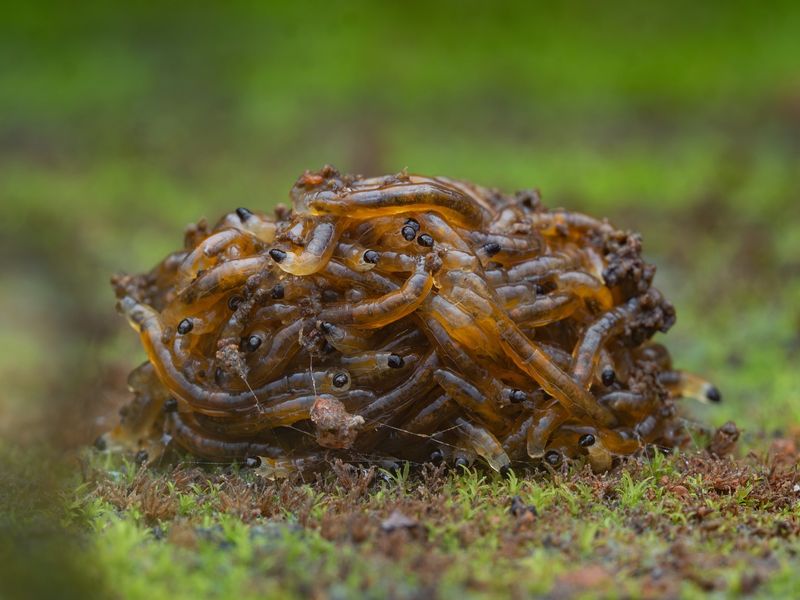
Fungus gnat larvae are small, white, and almost transparent, with a shiny black head that is barely visible to the naked eye. They feed primarily on fungi and decaying organic matter in the soil, which is completely harmless in most cases.
The problem starts when populations get large or when tender young roots happen to be in their path.
In seed-starting trays, the roots of newly sprouted plants are thin, fragile, and incredibly close to the soil surface. Larvae feeding in that zone can clip or damage those tiny roots, causing seedlings to wilt, turn yellow, or simply stop growing.
Michigan gardeners who start tomatoes, peppers, or herbs indoors sometimes blame poor germination when fungus gnat larvae are actually the hidden cause.
Treating only the adult population without addressing the larvae is like mopping the floor while leaving the faucet running. Any effective control plan needs to target the soil environment where larvae develop, not just the flying adults buzzing around your grow lights.
4. Overwatering Is The Main Cause
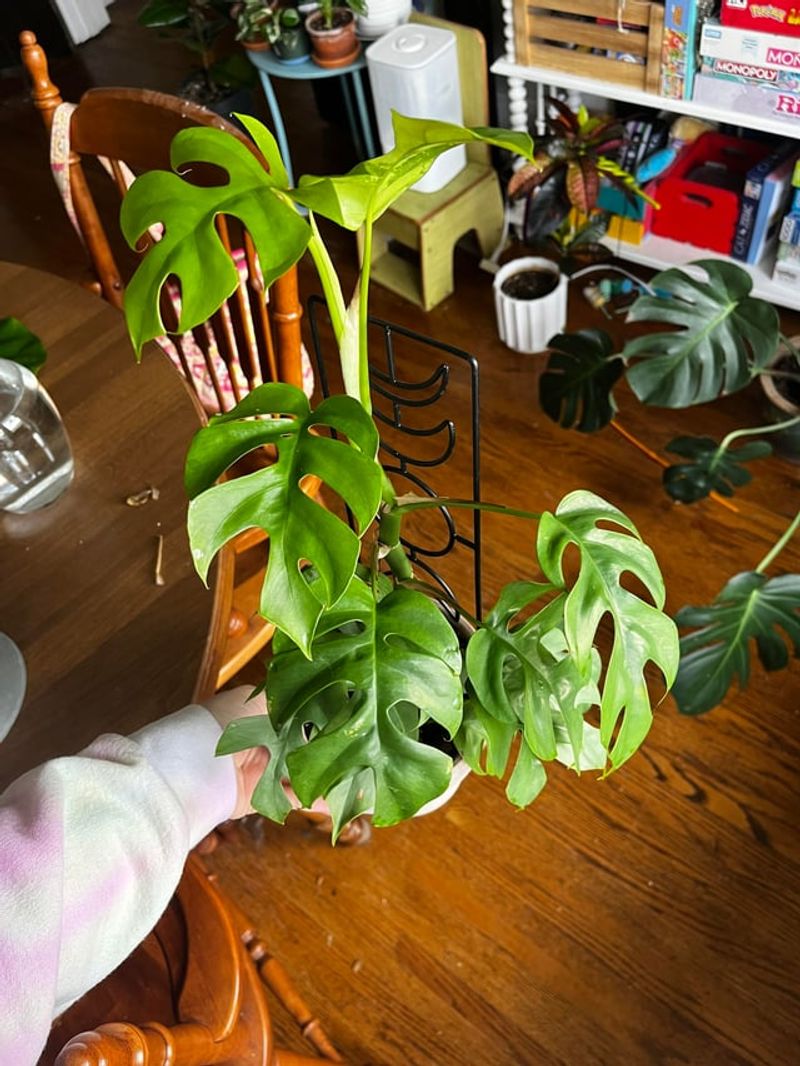
If fungus gnats have taken over your Michigan home, your watering can is probably the first place to look for answers. Consistently wet soil is the single biggest invitation you can give these insects to move in and start a family.
Fungus grows quickly in soggy conditions, and that fungal growth is exactly what draws egg-laying adults straight to your pots.
During Michigan winters, indoor plants need far less water than most people realize. The combination of lower light levels and cooler windowsill temperatures slows plant growth dramatically, which means roots are absorbing water much more slowly than in summer.
Watering on the same schedule year-round almost guarantees that your soil stays too wet for too long.
Adult female fungus gnats are remarkably good at sniffing out the right conditions. They lay eggs in the moist top layer of soil, sometimes depositing clusters of 20 to 30 eggs at a time.
Within just four to six days, those eggs hatch into hungry larvae ready to start feeding on anything organic they can find in that wet environment.
Cutting back on water is genuinely one of the most powerful things you can do. Letting the top inch or two of soil dry out completely between waterings removes the conditions that fungus gnats depend on for survival.
A simple moisture meter costs only a few dollars and takes all the guesswork out of knowing when your plants actually need a drink.
5. They Are Most Active Around Seedlings
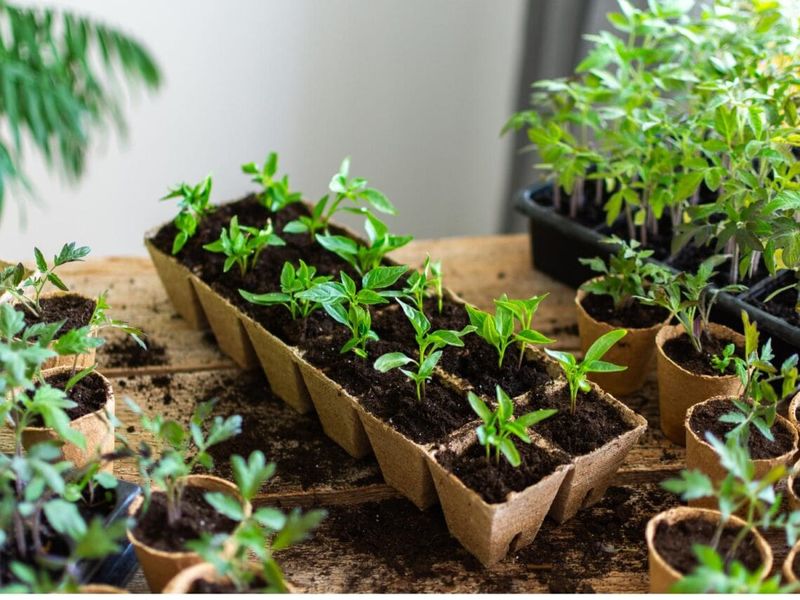
Starting seeds indoors is one of the most rewarding parts of gardening in Michigan, but it also creates perfect conditions for fungus gnats to thrive.
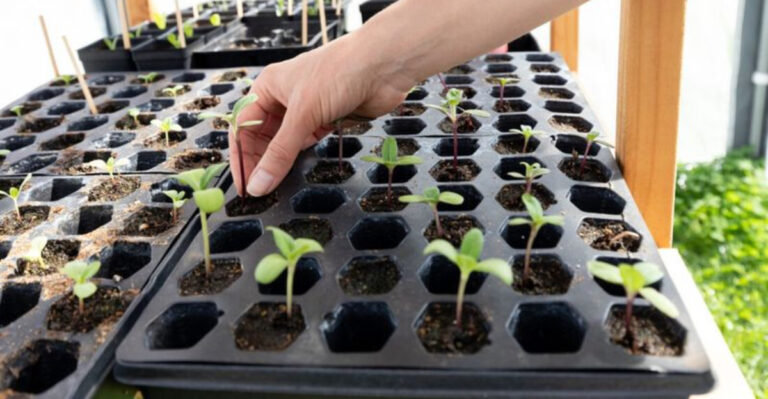
Seed-starting trays stay consistently moist, sit under warm grow lights, and are filled with rich organic mixes that fungi absolutely love.
Put all of those factors together and you have a setup that practically sends an open invitation to every fungus gnat in the area.
Young seedlings are especially vulnerable because their root systems are barely developed when they first emerge.
A tomato or pepper seedling in its first two weeks of life has roots no thicker than a thread, and even minor feeding damage from larvae can set the plant back significantly.
Gardeners across Michigan have watched entire trays of seedlings decline without ever connecting the problem to what was happening just below the soil surface.
Symptoms of larval feeding on seedlings include sudden wilting even when soil is moist, yellowing lower leaves, and stunted growth that does not respond to fertilizer.
If you gently remove a struggling seedling from its tray and notice damaged or missing fine roots, fungus gnat larvae are almost certainly involved. The damage looks subtle but the impact on young plants is real.
Keeping a close eye on your seedling trays from the moment you sow is the best strategy. Catching a gnat problem early, before populations build up, makes the whole situation much easier to manage without disrupting your seed-starting schedule.
6. They Prefer Organic Potting Mixes
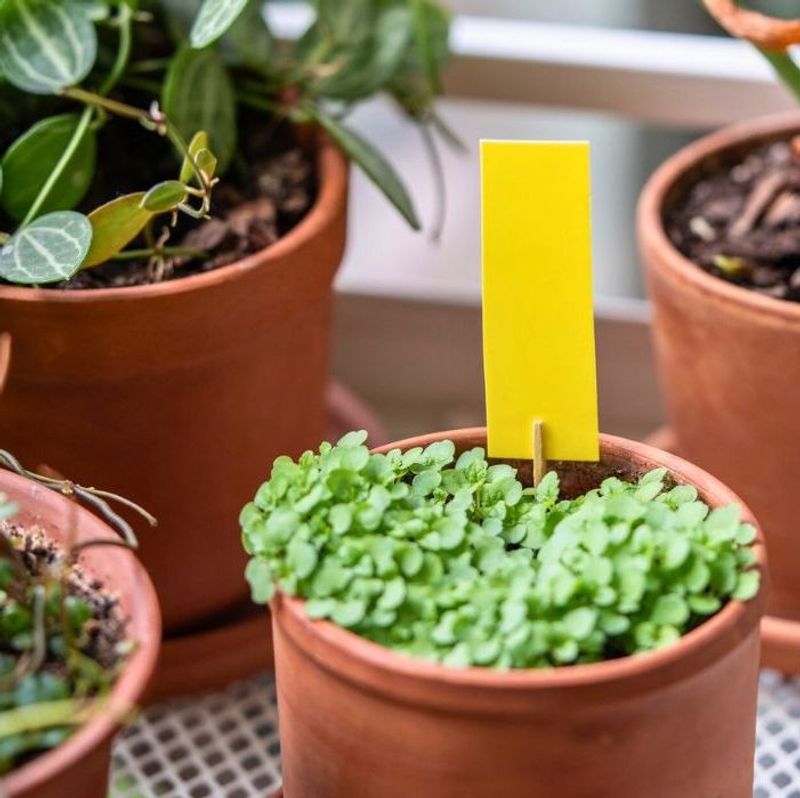
Not all potting soils are created equal when it comes to attracting fungus gnats, and the type of mix you choose actually makes a real difference.
Organic-rich blends that contain peat moss, compost, or bark hold moisture longer and support the fungal growth that larvae feed on.
Those qualities make them a top destination for any fungus gnat looking for a place to lay eggs.
Peat-based mixes are extremely popular among Michigan gardeners because they are lightweight, affordable, and great for seed starting. However, peat holds water like a sponge and can stay moist for days after watering, especially in low-light winter conditions.
That prolonged moisture is exactly the environment where fungus gnat populations can explode in a matter of weeks.
Some gardeners have had great results switching to coir-based mixes or adding perlite to their standard potting soil to improve drainage. Better drainage means the soil dries faster, which directly cuts down on the conditions that support fungal growth and egg-laying.
A mix that drains well still feeds your plants perfectly while making life much harder for fungus gnats.
Sterilized potting mixes also tend to have fewer fungal spores present at the start, which can reduce early infestations. Checking the label before you buy and choosing mixes with good drainage properties is a simple habit that pays off big during Michigan seed-starting season.
Small choices at the garden center can prevent big headaches at home.
7. They Rarely Harm Established Plants
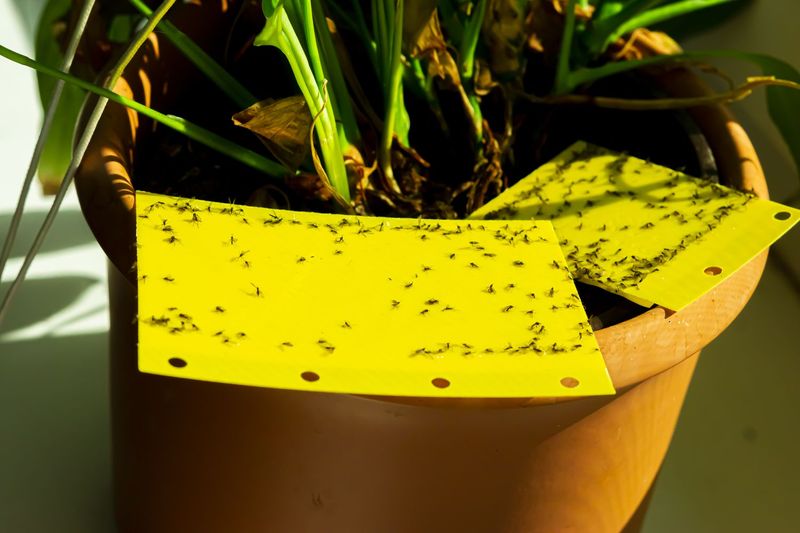
Here is something that might actually make you feel better about your fungus gnat situation. For the most part, fully grown houseplants with strong, established root systems handle a moderate fungus gnat population without any real trouble.
The adults are annoying to look at, but they do not bite, sting, or spread plant disease, and they mostly just hover around being irritating.
An established snake plant, pothos, or fiddle leaf fig has a dense, mature root network that can easily tolerate the minor nibbling that fungus gnat larvae might cause. The roots regenerate quickly, and the plant rarely shows any visible stress from a normal-sized infestation.
Michigan homeowners with a few gnats around their mature houseplants can breathe a little easier knowing the plants are probably just fine.
The real concern kicks in when populations grow very large or when the plants involved are seedlings, cuttings, or newly rooted transplants. Those younger plants simply do not have the root reserves to bounce back from even modest larval feeding.
Established plants in well-draining soil with healthy root systems are genuinely at low risk compared to a tray of two-week-old pepper seedlings.
Managing gnats around established plants is mostly about comfort and aesthetics rather than saving your greenery. Reducing watering frequency and adding a yellow sticky trap near affected pots will handle most mild infestations without any need for stronger treatments.
Patience and dry soil go a very long way.
8. Simple Changes Can Break Their Life Cycle
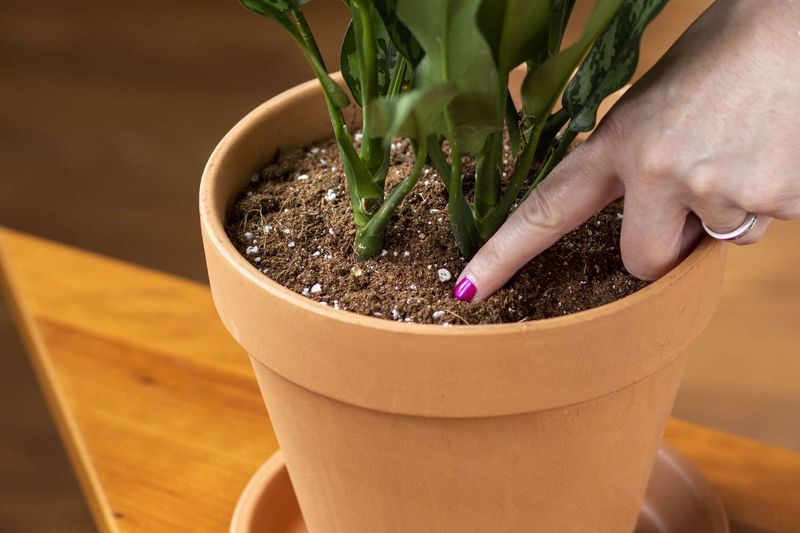
Fungus gnats sound intimidating, but their life cycle has several weak points that are surprisingly easy to target. The most effective approach focuses on disrupting the moist conditions they depend on rather than reaching for chemical sprays right away.
Michigan gardeners who make a few simple adjustments often see results within just one to two weeks.
Allowing the top inch or two of soil to dry out completely between waterings removes the main trigger for egg-laying. Adult females will not deposit eggs in dry soil, so breaking the watering habit is step one.
Improving airflow around your plants with a small fan also helps the soil surface dry faster, which makes the environment far less appealing to any gnats looking for a home.
Yellow sticky traps are inexpensive, non-toxic, and surprisingly effective at catching large numbers of adults before they have a chance to lay more eggs.
Placing one trap per pot at soil level gives you a clear picture of how serious the infestation is and steadily reduces the adult population.
Some Michigan gardeners also use a thin layer of coarse sand or fine gravel on top of their soil, which creates a dry surface barrier that discourages egg-laying entirely.
For more stubborn cases, products containing Bacillus thuringiensis var. israelensis, commonly called BTi, can be watered into the soil to target larvae without harming plants or people.
Combining dry-down periods, sticky traps, and BTi treatments creates a complete strategy that breaks every stage of the fungus gnat life cycle effectively.