Those Tiny Flying Gnats In Ohio Soil Are Not What You Think
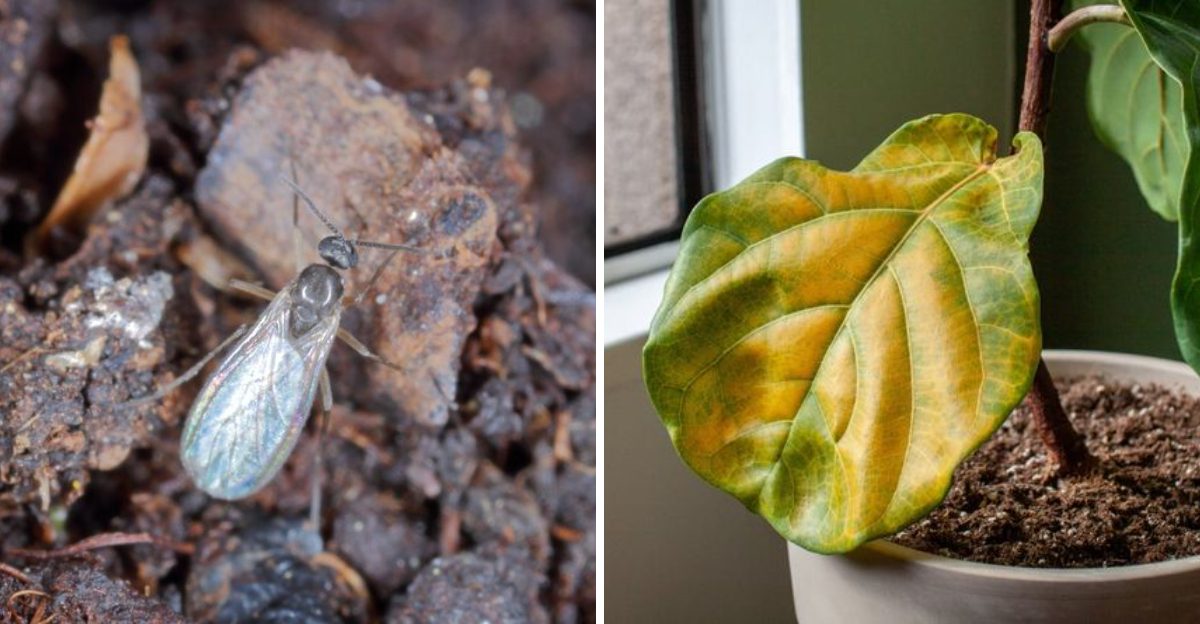
You spot them the moment you water. Tiny flying gnats lift off from the soil, hover for a second, then disappear back into the surface.
Most Ohio gardeners assume the worst right away, thinking something is wrong with their plants or that an infestation is taking over. The reality is a bit more surprising.
What you are seeing is not always a sign of serious trouble, and in many cases, the issue starts below the surface long before those insects show up. Ohio’s mix of spring moisture, rich soils, and indoor growing conditions can create the perfect setup for these visitors to appear out of nowhere.
Before you reach for sprays or drastic fixes, it helps to understand what is really going on and why they keep showing up in the first place.
1. The Problem Isn’t The Gnats It’s What’s Happening Below The Surface
Most people see those tiny dark flies buzzing around their houseplants and immediately think the insects themselves are the problem. Grab a spray, swat them away, and call it done.
But that approach misses the bigger picture entirely, because the adult gnats you see flying around are really just the visible tip of a much deeper situation.
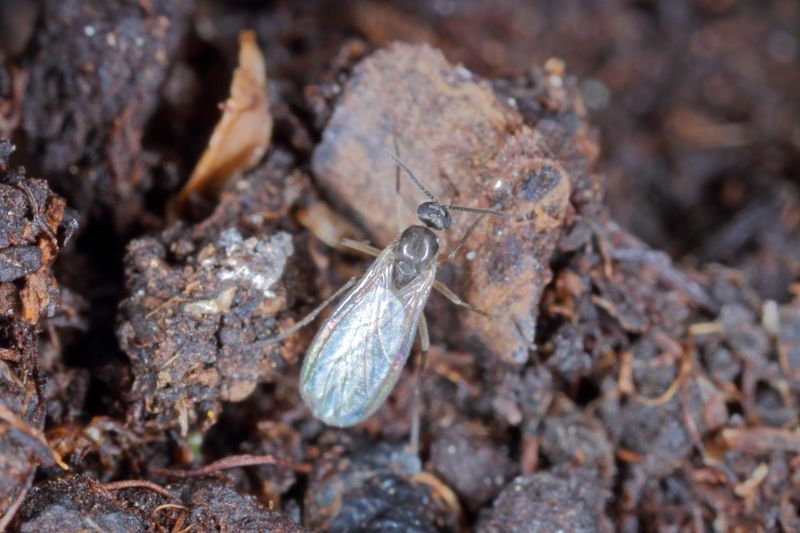
Those insects are fungus gnats, belonging to the family Sciaridae. They are small, dark-bodied flies that are roughly 1/16 to 1/8 inch long, with long legs, long antennae, and light gray or clear wings that often show a distinct Y-shaped vein pattern.
They look a little like tiny mosquitoes, which is why so many people misidentify them at first glance.
The real activity that matters is happening in your soil, not in the air. Fungus gnat larvae live and feed in the top layers of moist potting mix, and soil conditions are what drive the entire population cycle.
When your soil stays consistently wet, it creates an environment where fungal growth thrives, and that fungal growth is exactly what the larvae need to survive and develop.
Focusing only on the flying adults is like fixing a leaky ceiling by mopping the floor. You might feel like you’re doing something helpful, but the source of the problem remains untouched.
Understanding that soil conditions are the true driver of a fungus gnat infestation is the first and most important step toward actually resolving it for good.
2. Fungus Gnat Larvae Live In Soil And Feed On Organic Matter
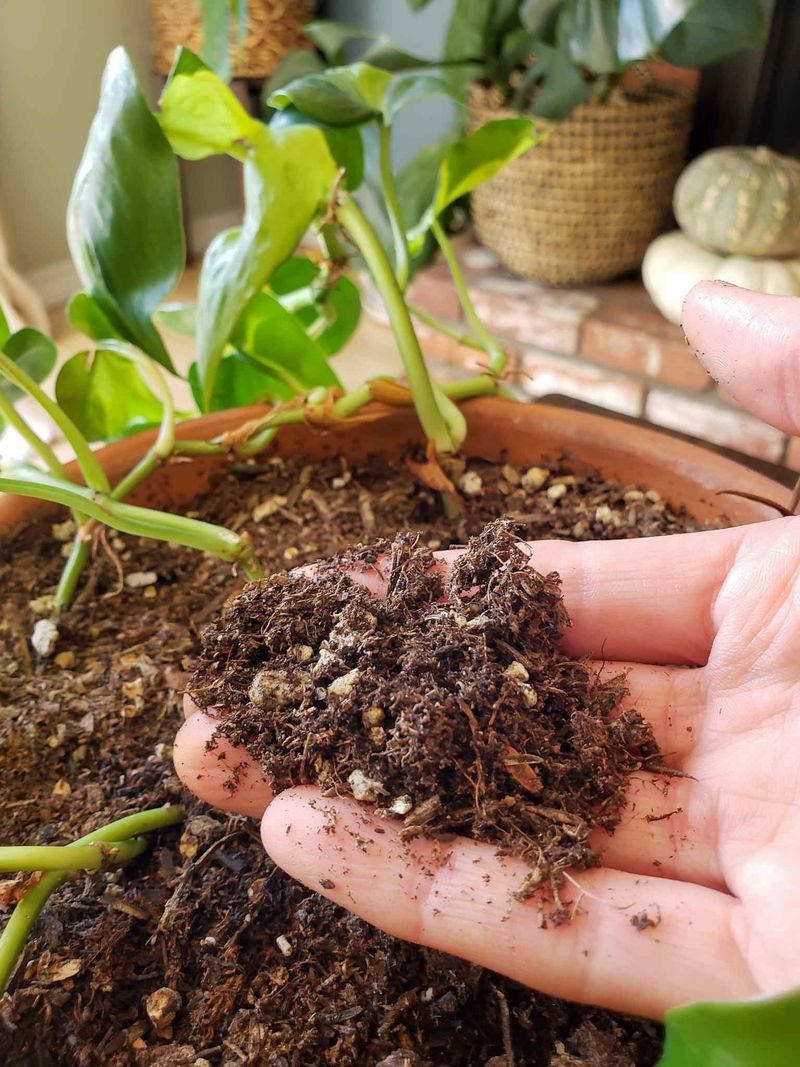
Seeing a few flying gnats might seem harmless, but what those adults leave behind in your soil is where the real story unfolds. Female fungus gnats lay their eggs in moist organic matter, and a single female can deposit dozens of eggs just beneath the soil surface during her short adult lifespan.
Once those eggs hatch, the larvae that emerge are the ones doing the underground work.
The lifecycle moves through four stages: eggs hatch into larvae, larvae feed and grow through several instars, then pupate in the soil before emerging as winged adults. The larval stage is the longest and most impactful part of the cycle.
Larvae are small, whitish, and nearly translucent with a shiny black head capsule, making them hard to spot without a close look.
Larvae primarily feed on fungi, algae, and decomposing organic material in the soil. For most healthy, established plants, this feeding activity is not a major concern.
However, when larval populations get large, they can also nibble on fine root hairs and delicate young roots, which becomes a more serious issue for seedlings and young transplants.
A practical tip here is to carefully examine the top inch or two of your potting soil if you suspect an infestation. Gently disturbing the surface and looking for small, worm-like creatures can confirm whether larvae are present.
Catching them early, before populations build up, makes managing the situation significantly more straightforward and less stressful overall.
3. Overwatering Creates The Perfect Environment For Them To Multiply
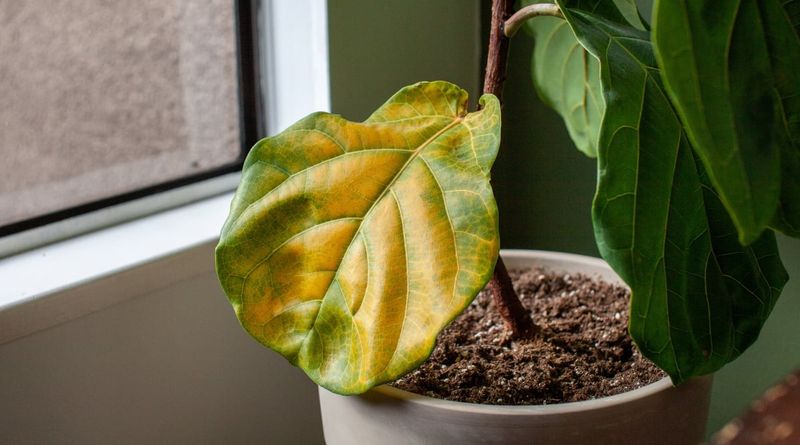
Walk into almost any Ohio home in late winter or early spring, and you’ll find the same scene: houseplants and seed-starting trays being watered on a regular schedule, sometimes daily, regardless of whether the soil actually needs it. That well-meaning routine is the single most common reason fungus gnats show up and stick around.
Consistently wet soil encourages the growth of the fungi and organic breakdown that larvae depend on for food. When moisture stays trapped near the surface for extended periods, it essentially rolls out a welcome mat for egg-laying adults.
Two situations make this especially likely: frequent watering schedules that don’t account for actual soil dryness, and containers with poor drainage that allow water to pool at the bottom and wick back upward through the soil.
Containers without drainage holes are particularly problematic. Water has nowhere to go, so the soil stays saturated far longer than it should.
Even containers with drainage holes can cause issues if they sit in trays full of standing water, which keeps the root zone wet from below. Both situations feed the same cycle.
A helpful habit to build is checking soil moisture before reaching for the watering can. Push a finger about an inch into the soil.
If it still feels damp, wait another day or two. This simple adjustment can dramatically reduce the moisture levels that fungus gnats rely on to lay eggs successfully.
Ohio homes tend to have lower natural humidity in winter, which actually helps soil dry out faster between waterings if you let it.
4. Constantly Damp Soil Is The Real Issue Not The Flying Adults
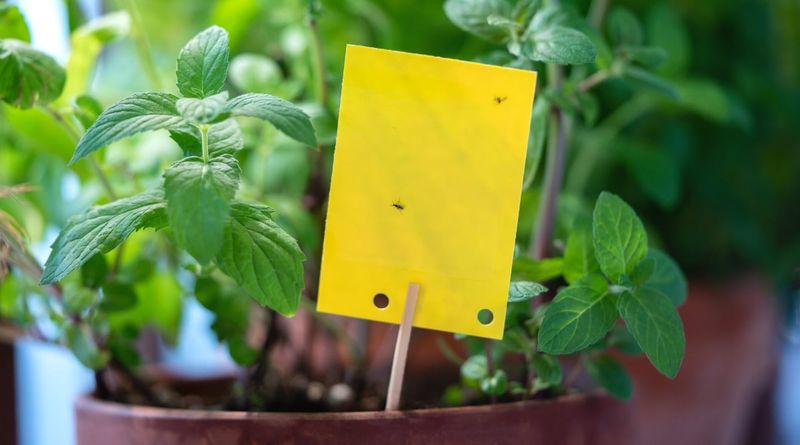
Swatting adult fungus gnats or placing a sticky trap near your plant might make the problem feel more manageable, but it does not address what’s actually sustaining the population. Adults live for only about a week, and during that time, their primary job is to find moist soil and lay more eggs.
If the soil stays wet, new generations keep emerging no matter how many adults you catch.
Adults are, in a very real sense, just a symptom. They show up because conditions underground are favorable, not because they wandered in from outside looking for trouble.
Treating the symptom without changing the conditions is a cycle that frustrates a lot of Ohio gardeners every single spring, especially those starting seedlings indoors under grow lights where watering tends to be frequent.
The most effective thing you can do is shift your focus from the air to the soil. Before adjusting anything else, evaluate how often you’re watering and how long your soil stays moist after each session.
Letting the top layer of soil dry out between waterings removes the conditions that support both egg-laying and larval survival.
A practical tip worth remembering: yellow sticky traps placed near plants are genuinely useful for monitoring adult populations and getting a sense of how large the infestation is. But think of them as a tracking tool rather than a solution.
Once you start managing moisture properly, you’ll likely notice the number of adults caught on those traps dropping steadily over time, which is a clear sign the soil conditions are improving.
5. Seedlings And Young Roots Are The Most Vulnerable
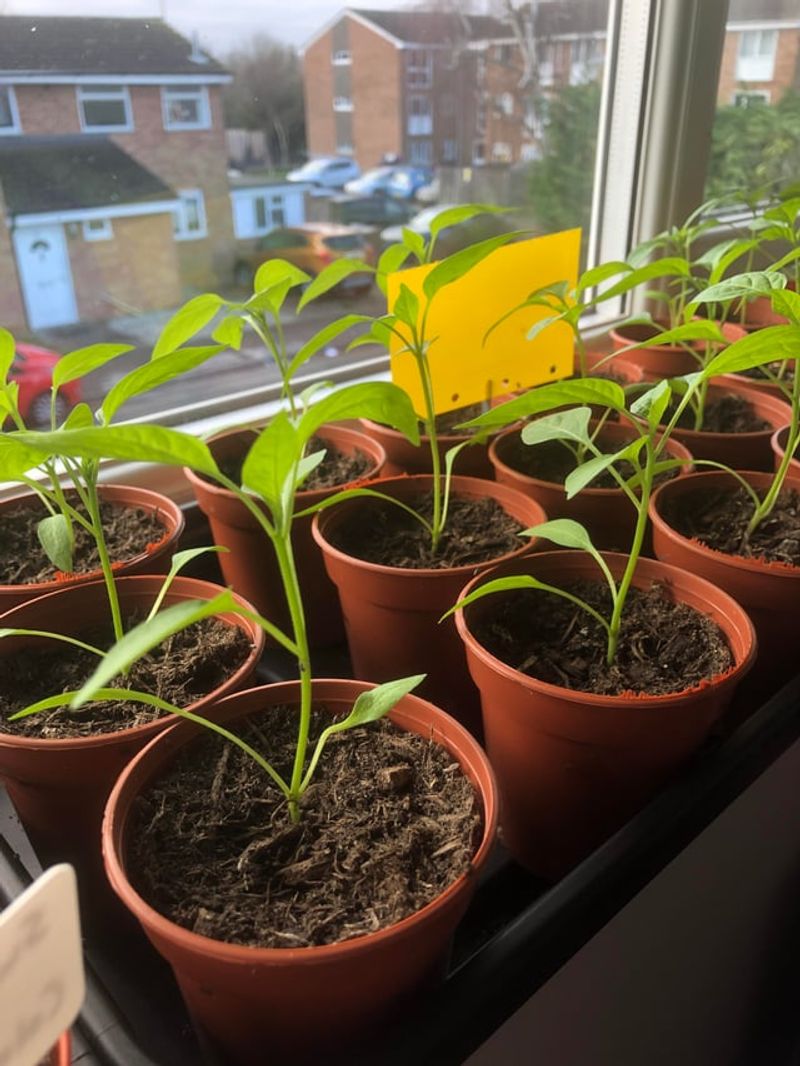
Mature, well-established plants have extensive root systems that can handle a bit of larval feeding without showing much visible stress. Seedlings are a completely different story.
When a young plant is just getting started, its root system is tiny, tender, and not yet capable of recovering quickly from any kind of damage or disruption.
Seed-starting trays are high-risk environments for fungus gnat infestations. They typically contain a fine, moisture-retentive growing mix that stays wet for long stretches, especially when covered with a humidity dome to encourage germination.
That combination of warmth, moisture, and organic-rich media creates nearly ideal conditions for egg-laying adults and developing larvae.
When larval populations are high in a seed tray, the feeding activity on fine root hairs can slow growth noticeably. Seedlings may appear pale, stunted, or slow to develop their first true leaves.
Because the symptoms mimic nutrient deficiency or overwatering stress, the connection to fungus gnats often gets missed entirely until the problem is already well established.
Monitoring moisture closely during early growth stages is especially important. Seed-starting mixes should be kept moist but never soggy, and humidity domes should be vented or removed once germination is underway to allow some surface drying.
If you’re starting seeds under grow lights in Ohio during late winter or early spring, try bottom-watering your trays instead of watering from above. Bottom-watering keeps the surface of the soil drier while still delivering moisture to the roots, which makes the environment noticeably less inviting for adult gnats looking to lay eggs.
6. Letting Soil Dry Out Slightly Can Break The Life Cycle
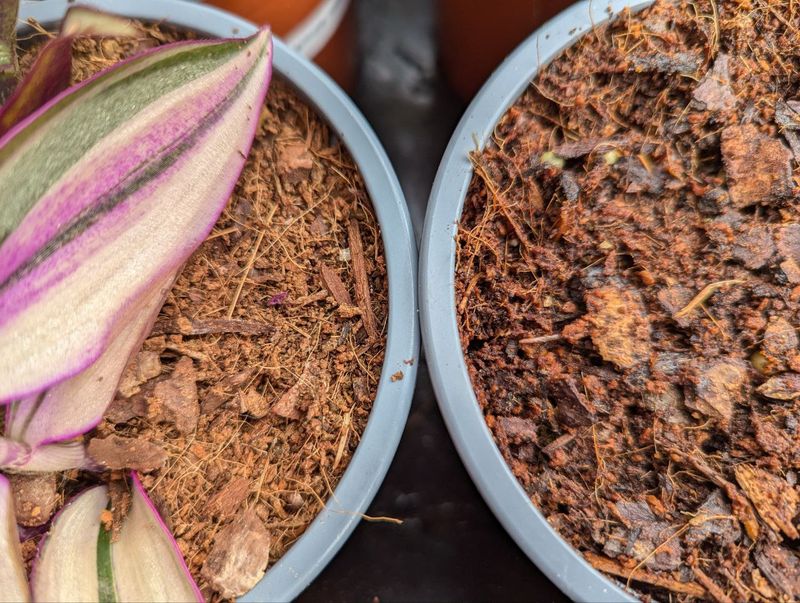
Fungus gnat larvae cannot survive in dry conditions. That one biological fact is the foundation of the most effective non-chemical strategy available for managing an active infestation.
When the top layer of soil dries out, eggs and young larvae in that zone cannot complete their development, which gradually brings the population down over several weeks.
Allowing the top one to two inches of soil to dry out between waterings is the most widely recommended approach, and it’s backed by guidance from Ohio State University Extension. The surface of the soil should feel dry to the touch before you water again.
For most houseplants, this does not cause any meaningful stress. Many popular indoor plants actually prefer to dry out slightly between waterings anyway, so this adjustment often improves plant health at the same time it discourages gnats.
Adjusting your watering frequency matters more than adjusting the amount of water you use at one time. Watering deeply but less often is generally better for root development and creates longer dry periods near the soil surface.
Shallow, frequent watering keeps the top layer consistently moist, which is exactly the condition larvae need.
Balance is the key word here. The goal is not to let plants wilt or experience drought stress, especially during active growth periods.
A simple finger test before each watering session goes a long way. Push your finger an inch or two into the soil, and if it still feels cool and damp, hold off for another day.
Small adjustments to your watering habits, practiced consistently, can interrupt the gnat lifecycle within just a couple of generations.
7. Better Drainage Helps Prevent Future Infestations
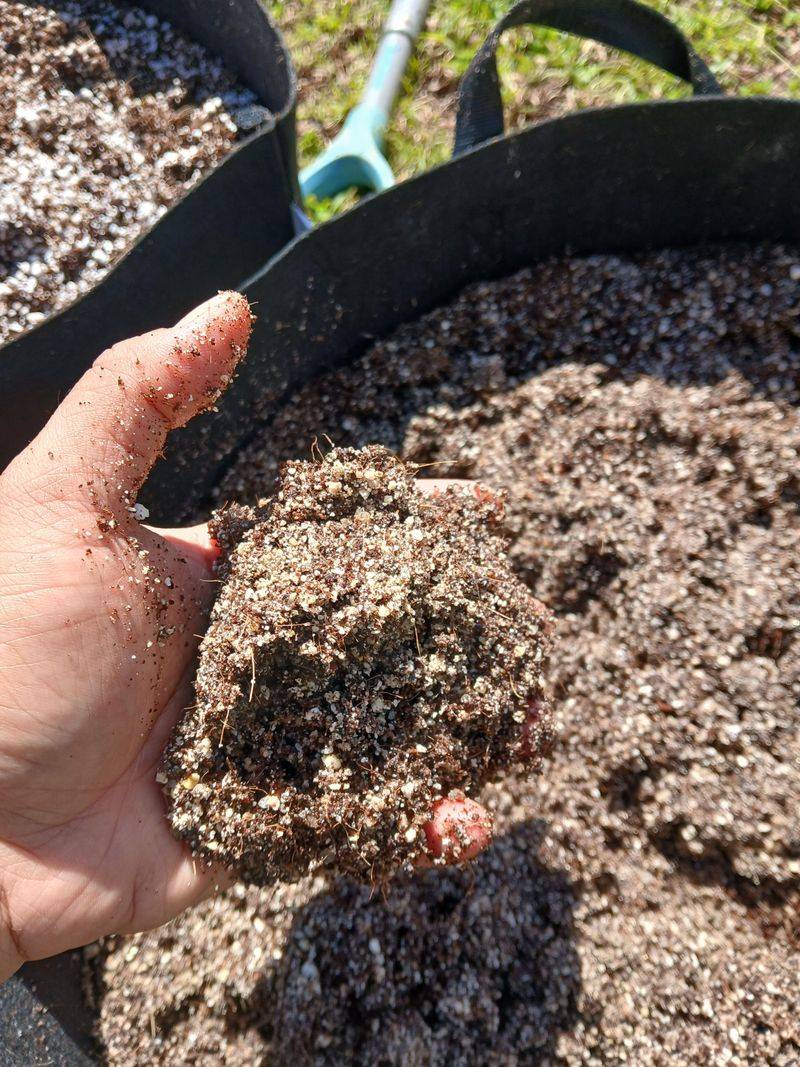
Once you’ve got an active fungus gnat situation under control, the next smart move is making sure your soil setup doesn’t recreate the same conditions all over again. Drainage is the foundation of that prevention effort, and it starts with the potting mix you use and the containers you choose.
Standard potting mixes can hold a lot of moisture, especially the dense, peat-heavy blends that are common in garden centers. Adding perlite to your potting mix is a straightforward and affordable way to improve drainage and aeration.
A mix of roughly 70 to 80 percent potting soil and 20 to 30 percent perlite drains significantly faster than straight potting mix and allows air to reach roots more effectively between waterings.
Containers with drainage holes are non-negotiable for preventing waterlogged soil. Without a drainage hole, excess water has nowhere to go and just accumulates at the bottom of the pot, keeping the entire root zone saturated.
If you love the look of a decorative pot without drainage, use it as a cachepot by placing a well-draining inner pot inside it, and always remove the inner pot when watering so excess water can drain freely.
Avoiding water sitting in saucers or trays is equally important. After watering, check back in about 30 minutes and empty any water that has collected beneath the pot.
Letting a plant sit in standing water keeps the bottom of the soil perpetually wet, which undermines all the work you’ve done to improve drainage above. A well-draining setup is one of the simplest long-term investments you can make for healthier plants and far fewer uninvited flying visitors.