Three Sisters Companion Planting That Works Well In North Carolina Gardens
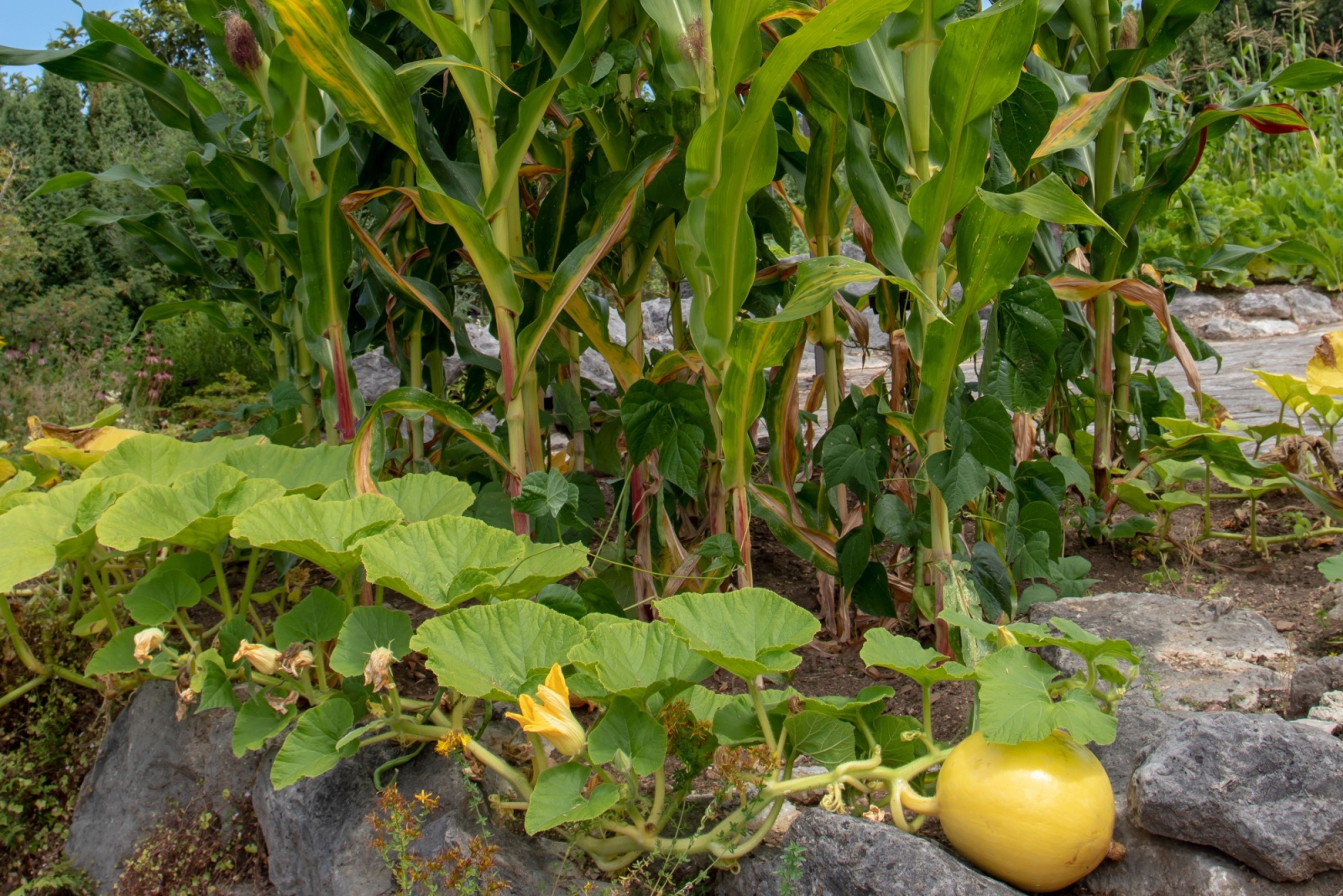
If you love gardening with a little history and a lot of results, the Three Sisters method is worth a spot in your North Carolina garden.
This time-tested planting trio of corn, beans, and squash has been used for generations to grow healthier crops in a shared space. The magic is in how these plants work together.
Corn provides a natural trellis, beans add nitrogen to the soil, and squash spreads out to shade the ground and block weeds.
In North Carolina’s warm growing season, this combination can thrive when set up the right way. It is efficient, space-saving, and surprisingly low maintenance once established.
Whether you garden in raised beds or a backyard plot, this classic companion planting strategy can boost yields while keeping your soil happier. Let’s explore how to make the Three Sisters method work beautifully in North Carolina gardens.
The Three Sisters Are Corn, Beans, And Squash
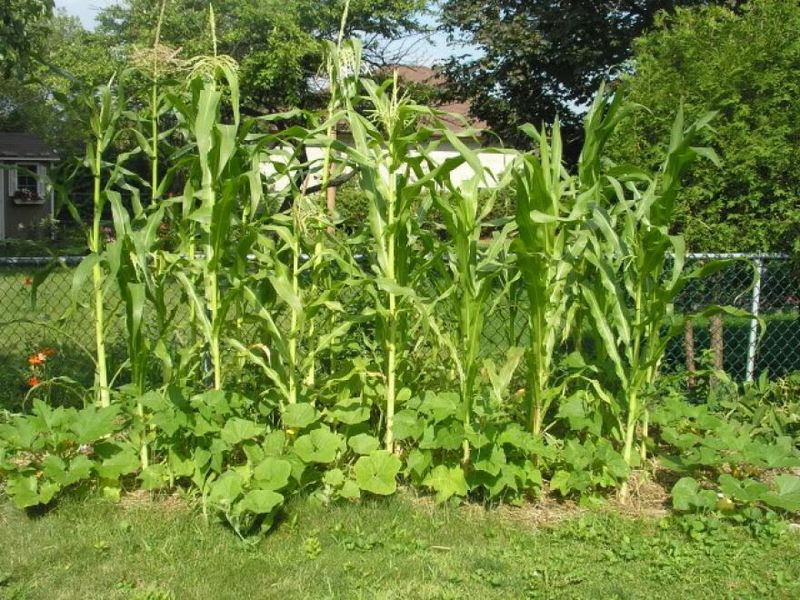
This traditional planting trio creates a natural partnership that benefits all three crops. Corn stands tall and proud, beans climb upward seeking sunlight, and squash spreads its broad leaves across the ground.
Each plant brings something special to the group. The combination works because these crops evolved together in indigenous agriculture for thousands of years. North Carolina gardeners love this method because it mimics nature’s own design.
Your garden becomes more productive when you plant these three together. The system reduces your workload while increasing yields. You’ll harvest fresh vegetables throughout the growing season without constant maintenance.
This approach saves money on fertilizers and support structures. The plants naturally provide what each other needs. Your garden bed transforms into a self-sustaining mini ecosystem that thrives with minimal intervention.
Starting your Three Sisters garden means embracing wisdom from generations of farmers. The method proves that cooperation beats competition, even in the plant world.
North Carolina’s climate provides perfect conditions for this ancient agricultural technique to flourish in modern backyard gardens.
Corn Provides A Natural Pole
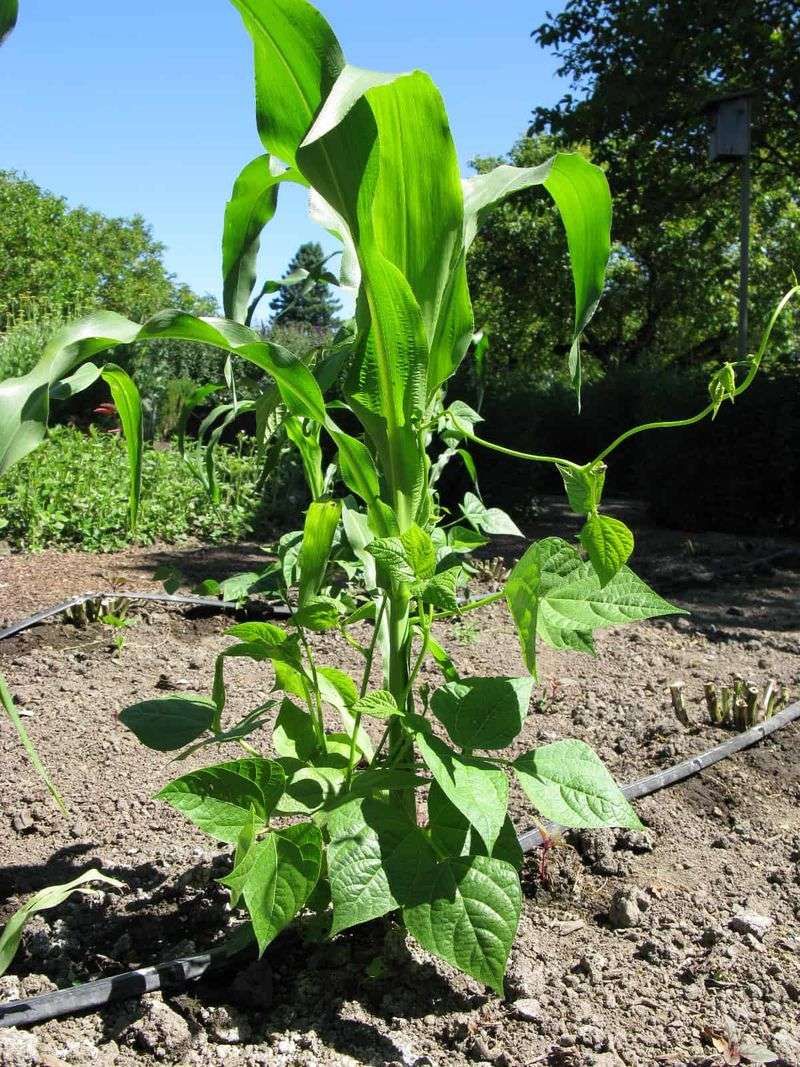
Sturdy corn stalks become living trellises for your bean plants. This eliminates the need for expensive stakes or complicated support systems. The beans wind their way up naturally as the corn grows taller each week.
Planting beans near corn creates a vertical garden without extra materials. Your beans reach for the sky using corn as their climbing frame. This partnership saves you time and money while producing abundant harvests.
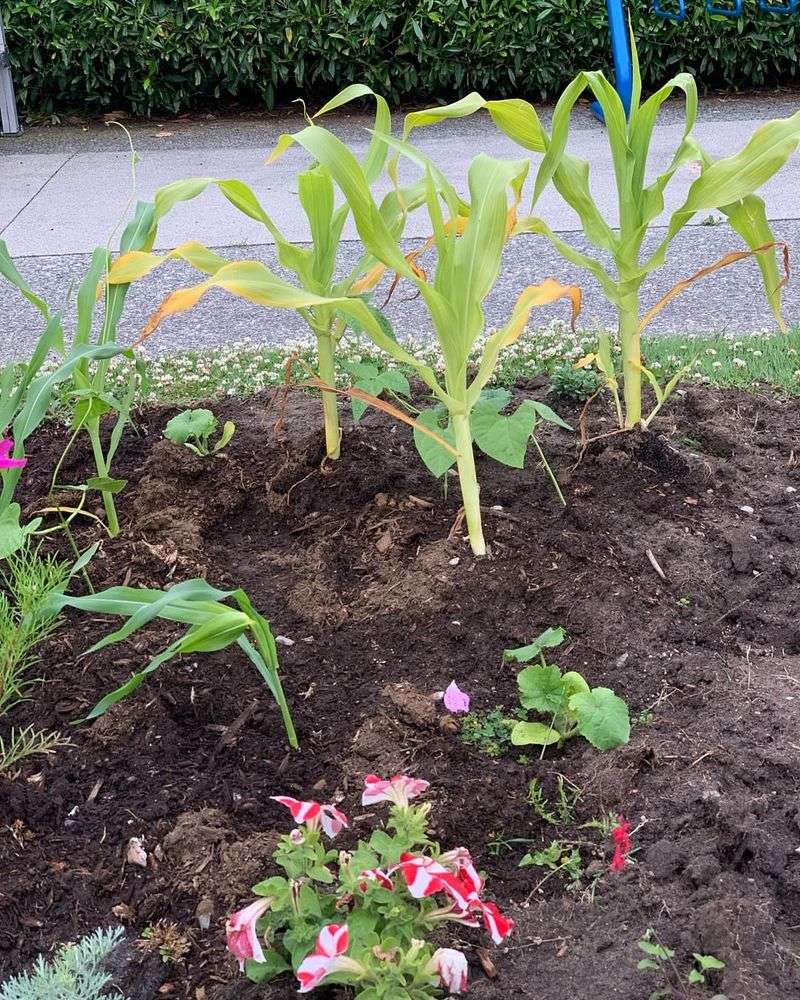
The corn must establish strong roots before beans start climbing. Waiting until stalks reach about six inches tall prevents the beans from pulling down young corn plants. Patience at the beginning ensures success throughout the season.
North Carolina’s warm summers help corn grow quickly and robustly. Strong stalks easily support multiple bean vines without bending or breaking. The natural support system works better than artificial structures in many cases.
This method maximizes your growing space by going vertical. You get two crops from the same footprint in your garden. The intertwined plants create a beautiful display while producing food for your family throughout summer and fall.
Beans Fix Nitrogen In Soil
Bean roots host special bacteria that capture nitrogen from the air. These tiny organisms convert atmospheric nitrogen into a form plants can use. Your soil becomes naturally enriched without adding chemical fertilizers.
Corn is a heavy feeder that needs lots of nitrogen to grow tall. Beans provide this essential nutrient right where corn roots can access it. The partnership creates a natural fertilization system that keeps both plants healthy and productive.
This biological process happens continuously throughout the growing season. As beans grow, they deposit nitrogen compounds into the surrounding soil. Corn and squash benefit immediately from this natural nutrient boost.
North Carolina gardeners appreciate this free fertilizer service. You’ll notice healthier plants with darker green leaves when beans are present. The nitrogen enrichment continues even after harvest as plant matter breaks down in the soil.
This sustainable approach builds soil fertility year after year. Your garden beds become richer with each Three Sisters planting cycle.
Future crops benefit from the improved soil structure and increased nutrient levels created by this ingenious companion planting system.
Squash Shades The Soil
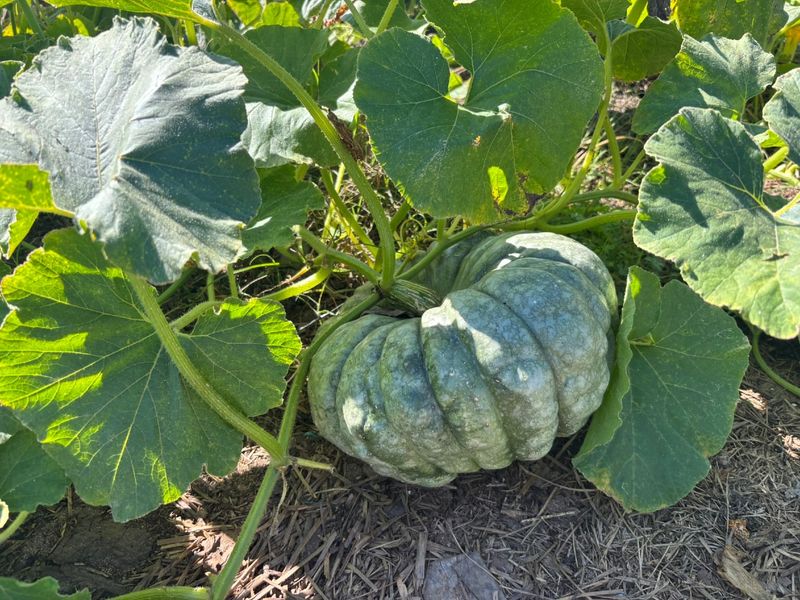
Broad squash leaves create a living mulch across your garden bed. This natural ground cover blocks sunlight from reaching weed seeds. Your weeding time drops dramatically when squash plants spread their generous foliage.
North Carolina summers can be brutally hot and dry. Squash leaves shade the soil surface, keeping it cooler and preventing moisture from evaporating quickly. Your watering needs decrease while plant health improves.
The large leaves also prevent soil erosion during heavy rainstorms. Water infiltrates gradually instead of running off and carrying precious topsoil away. Your garden bed stays intact and fertile throughout the growing season.
This ground cover creates a microclimate that benefits all three crops. Soil temperatures stay more consistent, and beneficial organisms thrive in the protected environment. The shaded earth retains moisture much longer than exposed ground.
Squash plants naturally suppress competing vegetation without chemicals or constant manual labor.
The spreading vines and expansive leaves outcompete potential weeds for space and resources. Your garden stays cleaner and more productive with this natural weed control system working around the clock.
Timing Of Planting
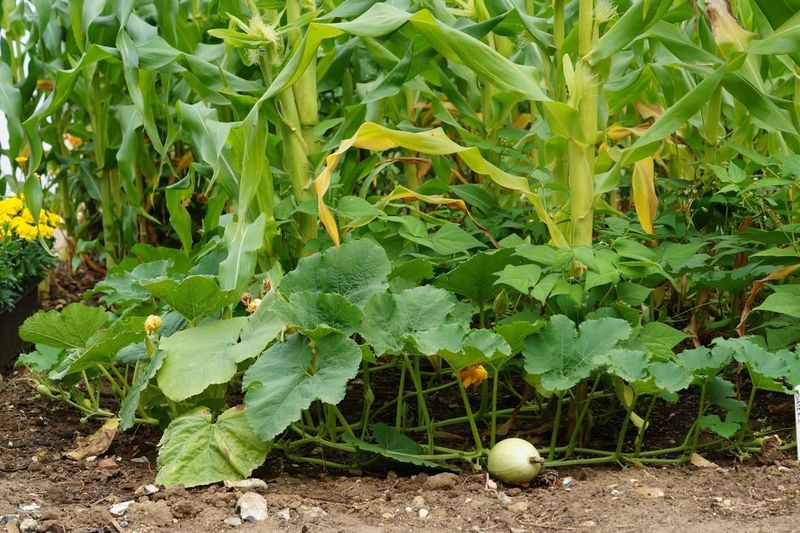
Success with Three Sisters requires careful timing and patience. Plant corn seeds first when soil temperatures reach about 60 degrees Fahrenheit. North Carolina gardeners typically start in mid-April, though coastal areas may begin earlier.
Wait for your corn to reach four to six inches tall before adding beans. This gives corn time to establish strong roots and sturdy stalks. Rushing this step often results in beans pulling down immature corn plants.
Squash goes in last, about a week after the beans. This prevents aggressive squash vines from overwhelming the other plants early on. Sequential planting gives each crop the space it needs to establish properly.
The staggered schedule ensures plants reach maturity at optimal times. Corn grows tall first, beans climb next, and squash fills in the ground level. Each plant gets its chance to shine without competing destructively.
Mark your calendar to track planting dates and growth milestones. Taking notes helps you refine your timing for next year’s garden.
North Carolina’s variable spring weather means flexibility matters, so watch soil temperature and moisture levels rather than following rigid calendar dates.
Soil Preparation Is Key
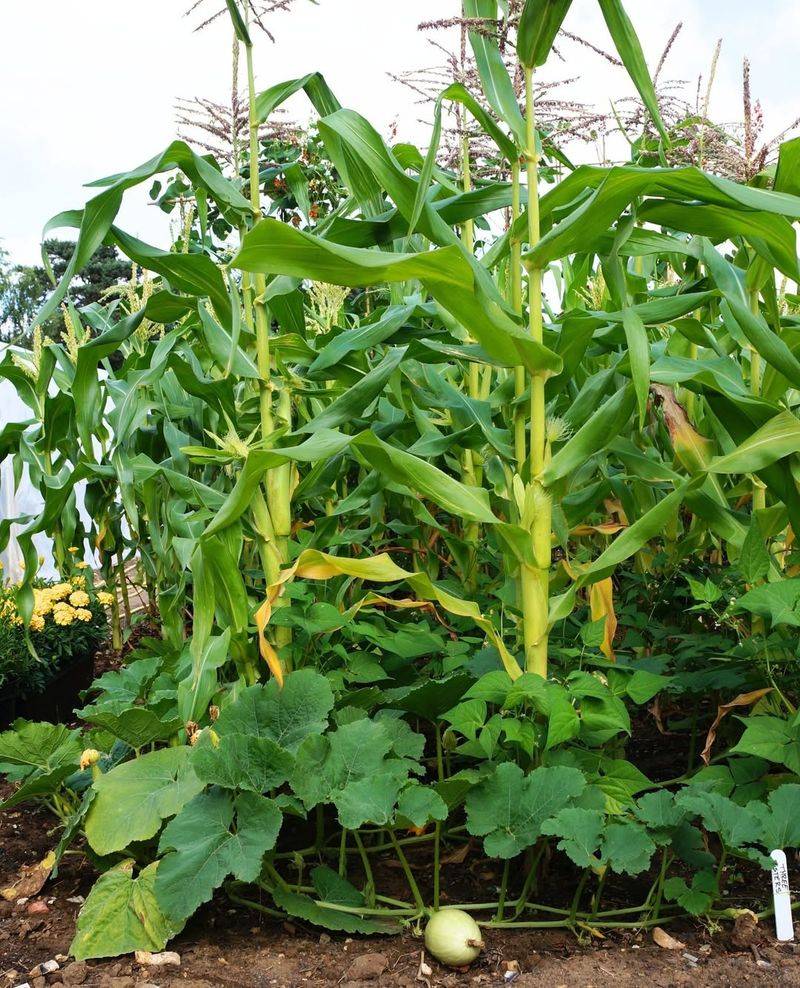
Your Three Sisters garden needs a solid foundation to thrive. Start by testing your soil’s pH level, aiming for a range between 6.0 and 6.8. North Carolina soils often lean acidic, so lime amendments may be necessary.
Mix generous amounts of compost into your planting area several weeks before starting. Well-aged compost improves drainage in clay soils while helping sandy soils retain moisture. The organic matter feeds beneficial microorganisms that support plant health.
Ensure your garden bed drains well to prevent waterlogged roots. Corn, beans, and squash all dislike standing water. Raised beds work wonderfully in areas with heavy clay or poor drainage issues.
Break up compacted soil to at least twelve inches deep. Deep cultivation allows roots to penetrate easily and access nutrients. Loose, friable soil promotes vigorous growth and healthy root development for all three crops.
Add a balanced organic fertilizer before planting if your soil test reveals deficiencies. The initial nutrient boost helps plants establish quickly. Good soil preparation reduces problems later and sets the stage for an abundant harvest from your Three Sisters garden.
Spacing Matters
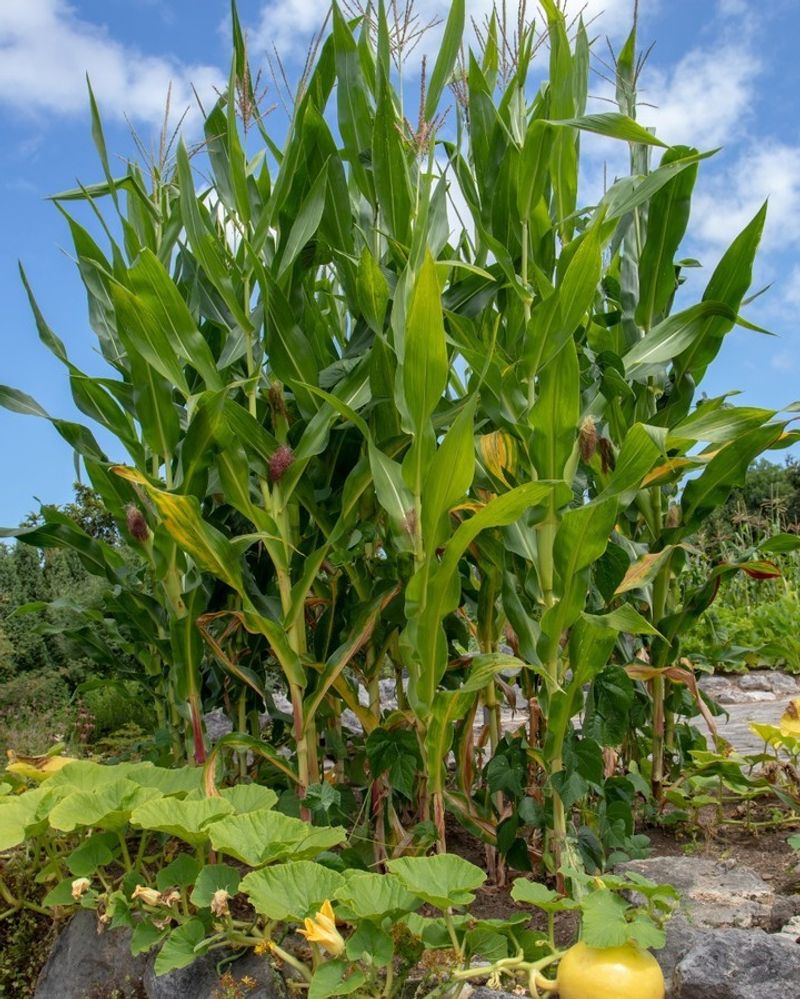
Proper spacing prevents overcrowding and ensures each plant gets adequate resources. Plant corn seeds twelve to eighteen inches apart in clusters or short rows. This close spacing helps corn pollinate effectively while supporting climbing beans.
Position bean seeds four to six inches away from established corn stalks. This distance lets beans reach the corn easily while giving both plants room to grow. Too close causes competition, while too far prevents beans from finding their support.
Squash needs generous space because of its spreading growth habit. Place squash plants twenty-four to thirty-six inches apart from corn clusters. This prevents squash vines from smothering the other crops while allowing adequate ground coverage.
North Carolina’s fertile soil and warm climate promote vigorous plant growth. Generous spacing becomes even more important in these ideal conditions. Plants grow larger here than in cooler regions, so err on the side of more space.
Consider your garden’s total size when planning spacing. Smaller gardens may need tighter arrangements, while larger plots can accommodate more generous distances.
Adjust spacing based on the specific varieties you choose, as some grow more compactly than others.
Pest And Disease Benefits
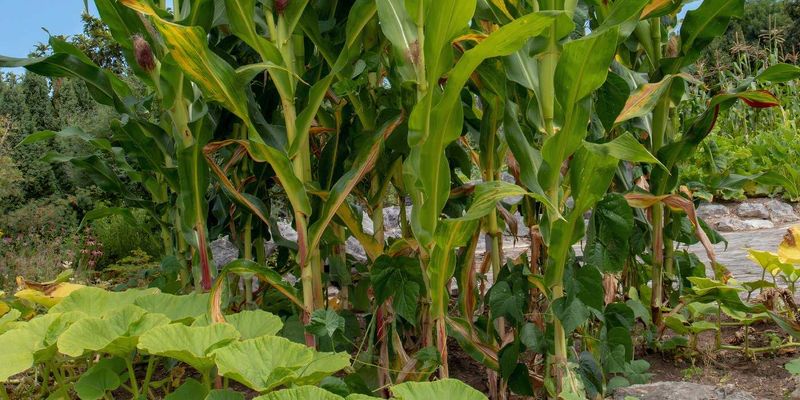
Planting multiple crop species together confuses many common pests. Insects that specialize in attacking one plant type struggle to locate their preferred host among the diversity. Your pest pressure decreases naturally without chemical interventions.
The varied plant structure creates habitat for beneficial insects. Ladybugs, lacewings, and predatory wasps patrol your Three Sisters garden hunting for harmful pests. These natural allies provide free pest control services throughout the growing season.
Disease pressure also drops when you avoid planting the same crop repeatedly in one location. The Three Sisters system inherently rotates crops and breaks disease cycles. Soil pathogens that attack one species find fewer hosts in this diverse planting.
North Carolina’s humid climate can encourage fungal diseases in crowded gardens. The Three Sisters arrangement promotes better air circulation around plants. Improved airflow helps foliage dry quickly after rain or morning dew, reducing disease development.
This integrated approach to pest management aligns with organic gardening principles. You reduce or eliminate pesticide use while maintaining healthy, productive plants.
The natural balance created by companion planting protects your crops more effectively than chemicals alone ever could.
Efficient Use Of Space
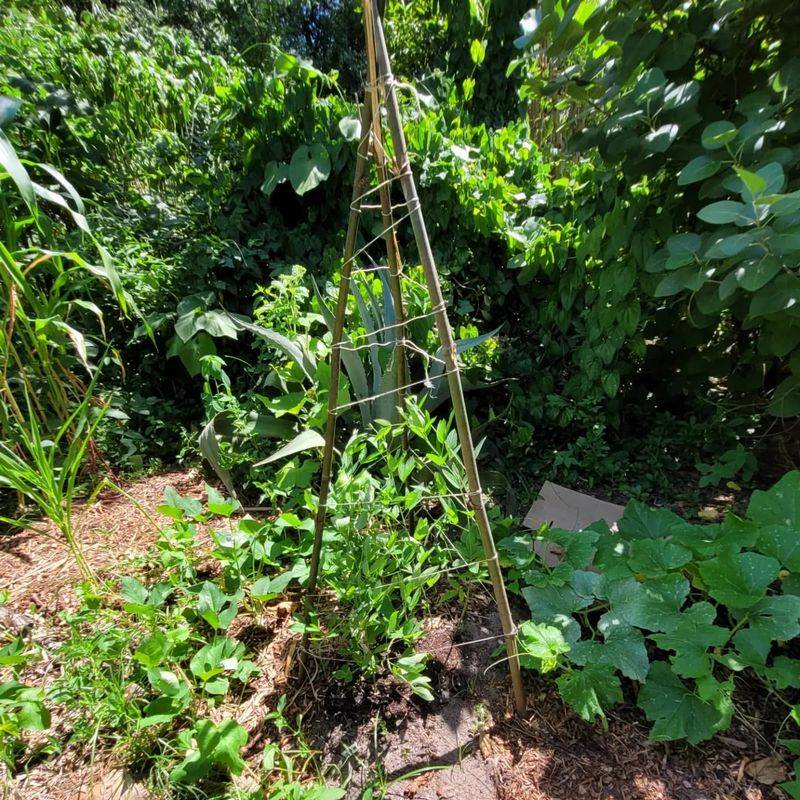
Small North Carolina yards can still produce abundant harvests using the Three Sisters method. Vertical growth from corn and beans maximizes the space above ground. Squash spreads horizontally below, using the ground level efficiently.
This three-dimensional approach produces more food per square foot than traditional row planting. You’re essentially stacking crops in the same footprint. The layered system makes excellent use of sunlight, soil, and available growing space.
Urban gardeners especially appreciate this space-saving technique. A modest garden bed can yield corn, beans, and squash for fresh eating and preservation. The efficient design proves you don’t need acres to grow meaningful amounts of food.
The interplanted crops also create an attractive garden feature. The varied heights, textures, and colors make an appealing landscape element. Your productive garden becomes a beautiful focal point in your yard.
This efficient system reduces the total garden footprint needed for these three crops. You can dedicate remaining space to other vegetables or flowers.
The Three Sisters planting demonstrates how thoughtful design multiplies garden productivity without expanding physical boundaries or requiring additional land.
Tradition And Cultural Value
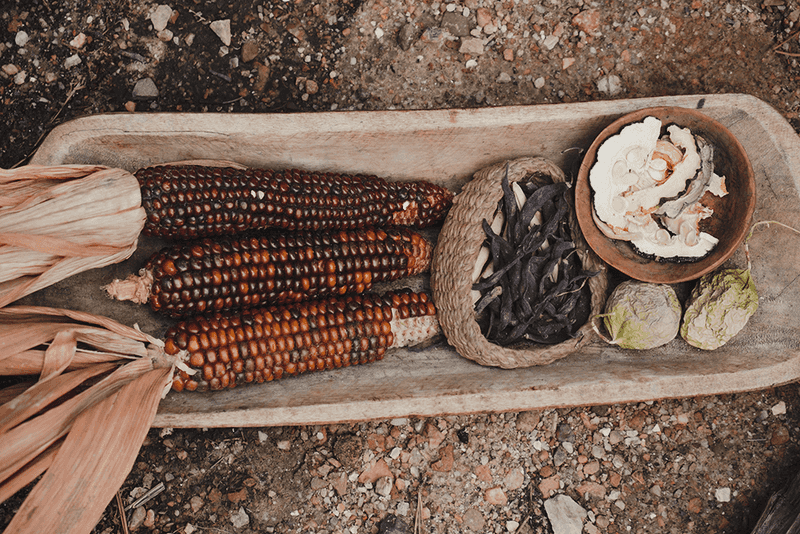
The Three Sisters system represents thousands of years of agricultural wisdom. Indigenous peoples across North America developed and refined this method through careful observation and experimentation.
Their knowledge continues benefiting modern gardeners who embrace these time-tested techniques.
This planting method reflects a deep understanding of plant relationships and ecosystem dynamics. Native farmers recognized that cooperation produces better results than monoculture farming.
The wisdom embedded in this system remains relevant for today’s sustainable agriculture movement.
North Carolina’s climate mirrors conditions where this method originated and flourished. The warm growing season and adequate rainfall suit these crops perfectly. Practicing Three Sisters gardening connects you to agricultural heritage while producing fresh food.
Teaching children about this traditional method offers valuable lessons. They learn about indigenous cultures, sustainable farming, and plant biology simultaneously.
The garden becomes an outdoor classroom that engages multiple subjects through hands-on experience.
Honoring this cultural legacy means respecting the knowledge keepers who preserved these techniques.
The Three Sisters garden represents more than efficient food production. It embodies a philosophy of cooperation, sustainability, and living in harmony with natural systems that remains profoundly relevant in our modern world.