Thriving Pollinator Plants For Rainy Washington Landscapes
Ever wondered how to turn your soggy Washington garden into a pollinator paradise?
With all that rain and lush greenery, the Evergreen State is already a magnet for life, but your garden can do even more.
Imagine butterflies dancing among vibrant blooms, bees buzzing happily from flower to flower, and hummingbirds sipping nectar from every corner.
Pollinators aren’t just pretty visitors. They’re the little heroes keeping our ecosystems alive and our gardens thriving.
The best part? Many stunning, low-maintenance plants actually love Washington’s wet, mild climate, making it easier than ever to create a backyard buzzing with color, life, and energy.
Ready to make your garden the place everyone, winged or not, wants to be?
1. Red Flowering Currant
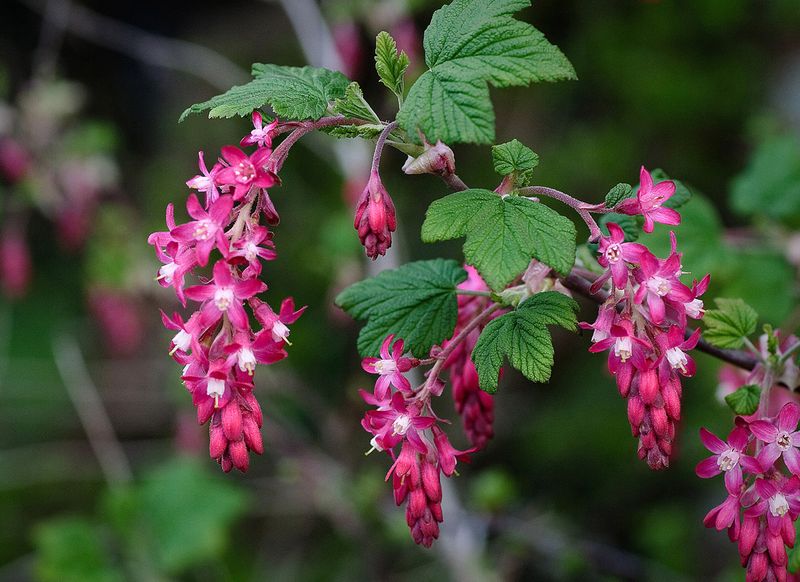
Spring explodes when Red Flowering Currant blooms. No wonder Washington gardeners keep coming back for more.
This native shrub bursts into clusters of deep pink and red blooms just as hummingbirds return from their winter travels.
Spotting a rufous hummingbird hovering at these flowers on a misty Washington morning is one of spring’s greatest rewards.
Red Flowering Currant thrives in Washington’s rainy climate without much fuss from you. It handles wet winters and dry summers with equal grace, making it one of the most adaptable shrubs you can plant.
Bees go absolutely wild for its nectar-rich flowers, which appear before most other plants have even woken up for the season.
Plant it along a fence line or as a natural hedge for maximum visual impact. It grows to about six to ten feet tall and wide, so give it room to spread out and show off.
After the flowers fade, small blue-black berries appear that birds love to snack on throughout the summer.
If you want a plant that works hard for Washington’s pollinators from early spring onward, Red Flowering Currant is your answer.
2. Oregon Grape
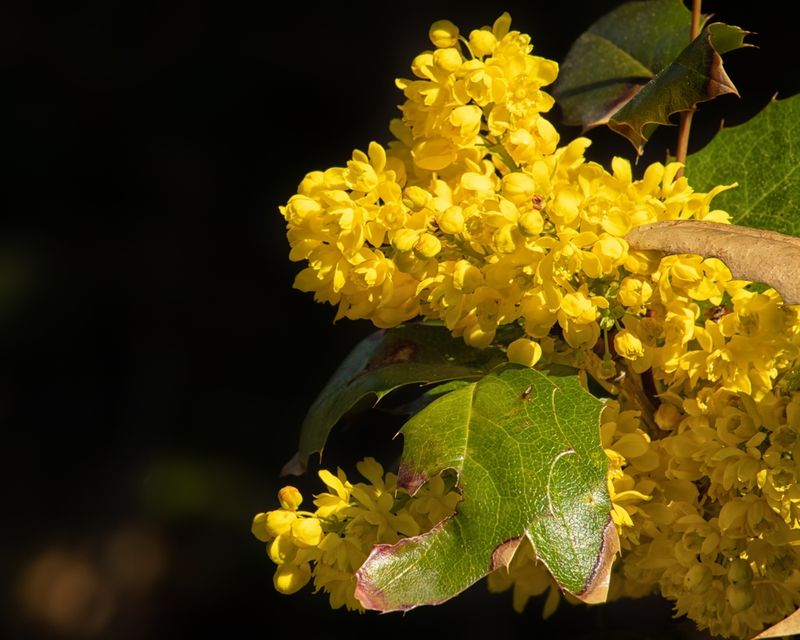
Oregon Grape: tough, reliable, and seriously underrated.
The quiet workhorse every Washington pollinator garden needs.
This bold, evergreen shrub produces brilliant yellow flower clusters in early spring, offering one of the first reliable nectar sources for hungry bees emerging from winter.
Native bees in Washington absolutely flock to these cheerful blooms when little else is available. What makes Oregon Grape especially appealing is its incredible toughness.
It laughs in the face of Washington’s soggy winters, moist soils, and shady spots where other plants simply refuse to grow.
You can tuck it under tall trees, along a shaded fence, or in a rain garden and it will reward you with glossy, holly-like foliage year-round.
By late summer, clusters of dusty blue-purple berries replace the flowers, attracting cedar waxwings and other songbirds to your yard.
The berries are tart but edible and have a long history of use by Indigenous peoples of the Pacific Northwest.
Oregon Grape also works beautifully as a low-maintenance ground cover on slopes where erosion can be a problem in Washington’s heavy rainy season.
It truly earns its place in every pollinator-friendly landscape.
3. Nodding Onion
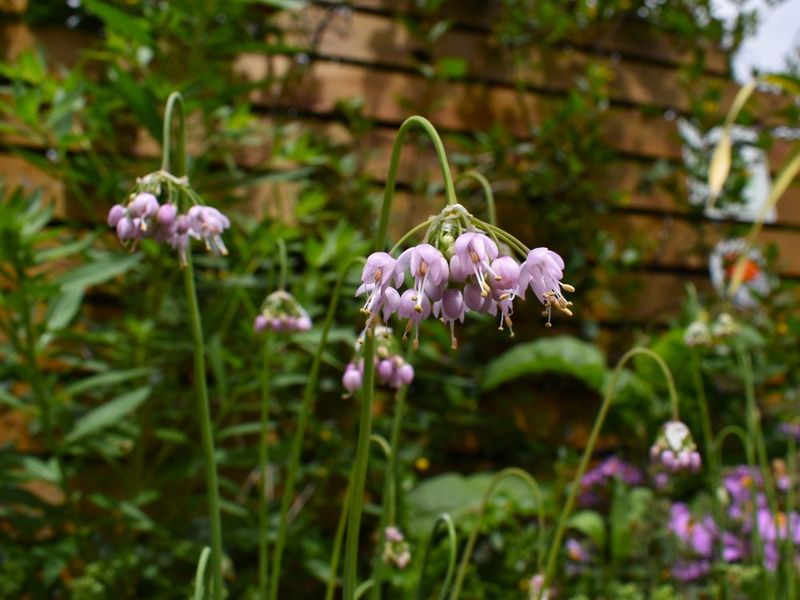
There is something wonderfully quirky about Nodding Onion. A native wildflower whose blooms hang downward like tiny lavender lanterns swaying in the Washington breeze.
Bumblebees seem to have cracked the code on how to access its nectar, clinging upside down to the drooping flower clusters with impressive acrobatic skill.
Watching this happen in your garden is genuinely entertaining.
Nodding Onion is a fantastic choice for Washington gardeners who want low-maintenance beauty in a sunny or partially shaded spot.
It grows naturally in meadows, rocky outcroppings, and open woodlands throughout the Pacific Northwest, meaning it is already perfectly adapted to Washington’s rainfall patterns.
Once established, it needs almost no extra watering or care, as long as the soil is well-drained rather than soggy. The plant forms tidy clumps of grass-like foliage that stay attractive even when not in bloom.
In midsummer, it sends up slender stalks topped with those distinctive nodding flower clusters in shades of pink, lavender, and white.
Swallowtail butterflies, native bees, and even small beetles visit the blooms regularly.
Plant Nodding Onion in drifts of ten or more plants for a naturalistic meadow look that pollinators in Washington will not be able to resist.
It also spreads slowly on its own, gradually filling gaps in your garden without becoming invasive.
4. Blue Camas
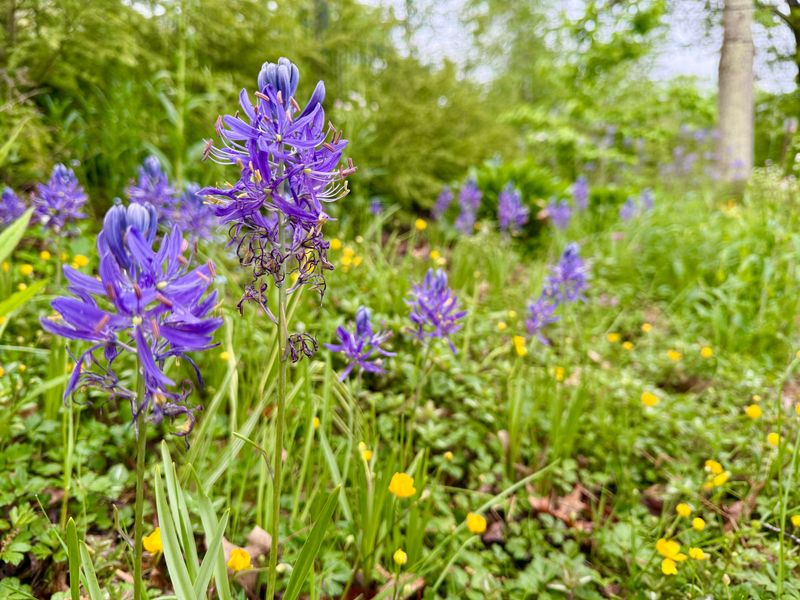
A sea of electric blue-violet stretching to the horizon. That’s Blue Camas at its most breathtaking. Few native plants create a more breathtaking springtime display, and pollinators agree wholeheartedly.
Mason bees, bumblebees, and syrphid flies swarm the star-shaped flowers in impressive numbers on warm spring days.
Blue Camas grows from bulbs and naturally thrives in wet meadows and seasonally flooded areas, making it a dream plant for Washington’s notoriously soggy low spots in the yard.
If you have a damp area near a downspout or a low-lying section of lawn that stays wet in winter, Blue Camas will absolutely love it there.
Many Washington gardeners use it to transform problem wet spots into stunning pollinator hotspots.
The blooms appear in April and May, just when early pollinators need fuel the most after a long winter. After flowering, the foliage quietly fades back and the bulbs rest underground through summer.
Blue Camas looks stunning paired with red flowering currant or nodding onion in a naturalistic planting scheme.
It has deep cultural significance to many Indigenous tribes of Washington and the broader Pacific Northwest, adding a meaningful layer of history to your garden.
Planting it is a small act of ecological restoration.
5. Tall Oregon Grape
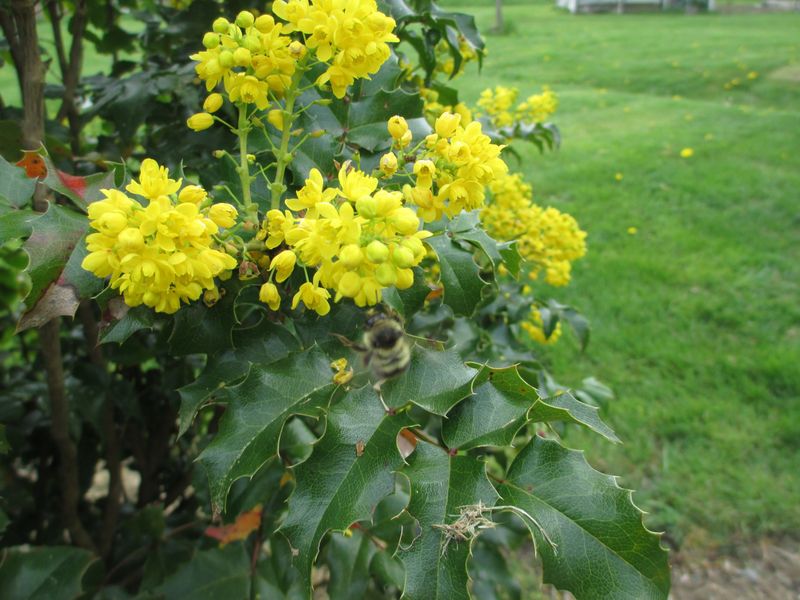
Tall Oregon Grape brings height, structure, and instant drama. The bold big sibling your Washington pollinator garden didn’t know it needed.
Reaching heights of six to ten feet, this stately evergreen shrub commands attention with its large, spiny leaflets and impressive upright clusters of bright yellow flowers.
Early-season bees treat those blooms like an all-you-can-eat buffet every single spring. One of the best things about Tall Oregon Grape is how well it handles Washington’s deep shade and heavy rainfall.
It naturally grows in the understory of Douglas fir and western red cedar forests throughout the Pacific Northwest, so it is completely at home in a shaded corner of your yard where few other flowering shrubs would survive.
Pairing it with ferns and sword fern creates a lush, woodland-inspired planting that looks effortlessly natural.
The yellow flowers give way to large clusters of tart blue-purple berries by late summer, which songbirds eagerly consume.
The foliage often turns beautiful shades of red and bronze in winter, adding unexpected seasonal color to your Washington landscape.
Tall Oregon Grape also makes an excellent privacy screen or natural barrier planting along property lines.
For gardeners wanting bold structure combined with serious pollinator value, this native shrub is a truly outstanding choice.
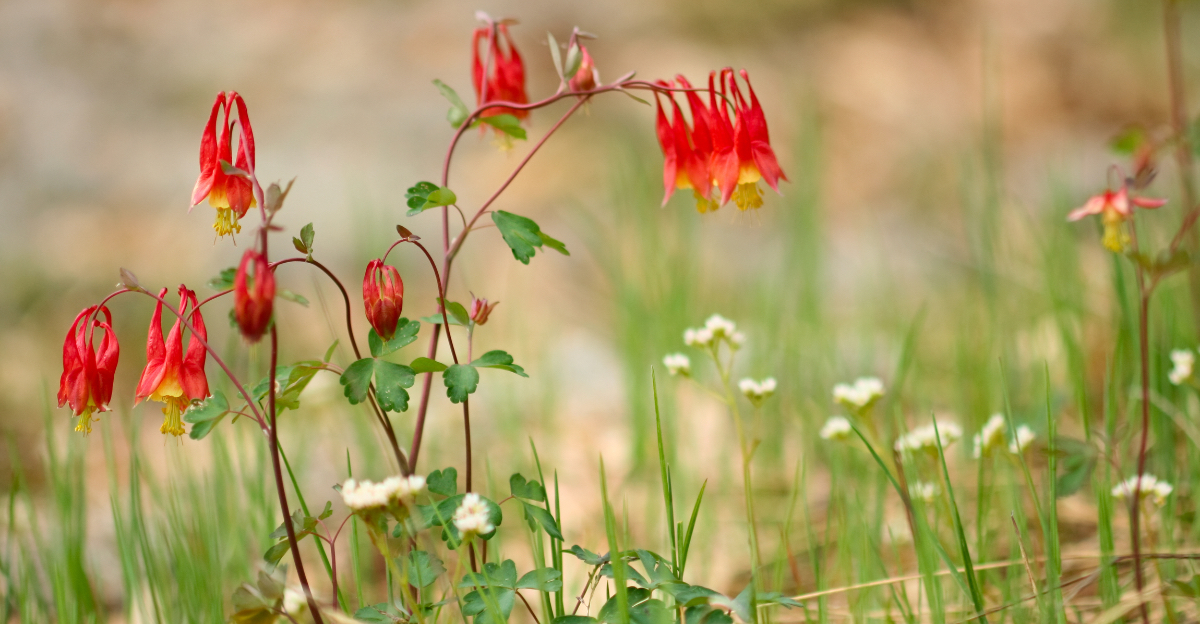
6. Western Columbine
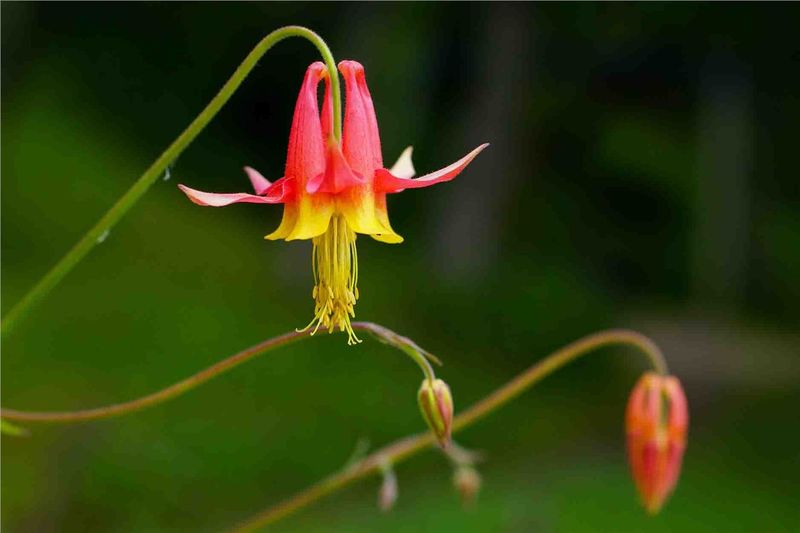
Ever seen a flower that makes you stop mid-step? Western Columbine does, tiny red and yellow ballerinas, frozen mid-dance.
Hummingbirds are completely obsessed with these flowers, hovering with extraordinary precision to sip nectar from the long, curved spurs.
In Washington, spotting a hummingbird at a patch of Western Columbine in a woodland garden is a genuinely magical moment.
This graceful native perennial grows naturally in rocky slopes, open woodlands, and stream banks throughout Washington and the broader Pacific Northwest.
It handles both shade and partial sun beautifully, making it an incredibly flexible choice for tricky spots in the garden.
Rainy Washington springs suit it perfectly, and it rarely needs any supplemental watering once it has settled in.
Western Columbine blooms from April through July, providing weeks of nectar for hummingbirds, bumblebees, and sphinx moths. After the flowers fade, attractive seed pods form that songbirds enjoy picking apart in late summer.
The ferny, blue-green foliage remains pretty throughout the growing season, adding texture even when the plant is not in bloom.
Plant Western Columbine in groups near a shaded seating area so you can comfortably watch the hummingbird action up close. It self-seeds gently, slowly spreading into a lovely naturalistic colony over time.
7. Nootka Rose
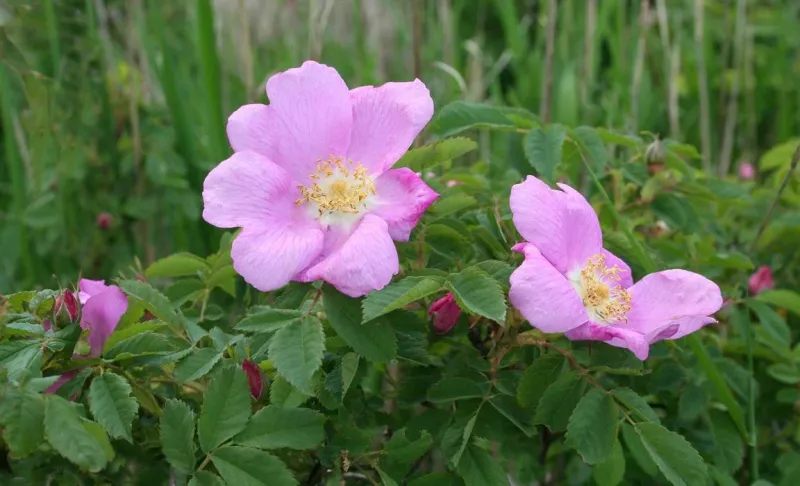
That sweet scent drifting through the cool June air? You’ve already met the Nootka Rose.
This robust native shrub produces large, five-petaled pink flowers with a scent that rivals any cultivated garden rose, and pollinators cannot get enough of it.
Bees practically mob the open, pollen-rich blooms on warm summer mornings. Nootka Rose is wonderfully tough and thrives in Washington’s wet, mild climate without any extra pampering.
It grows naturally along streams, wetland edges, and forest clearings throughout the Pacific Northwest, so soggy soil is no problem at all.
In fact, planting it near a rain garden or along a drainage swale is an excellent way to use it while providing habitat at the same time.
By autumn, the plant produces large, bright red rose hips that are packed with vitamin C and beloved by birds, deer, and even adventurous human foragers.
The hips persist through winter, providing critical food for wildlife during Washington’s coldest months. Nootka Rose also forms dense, thorny thickets that offer safe nesting habitat for small birds.
For a plant that feeds pollinators in summer and wildlife in winter while looking absolutely beautiful, Nootka Rose is impossible to beat.
8. Pearly Everlasting
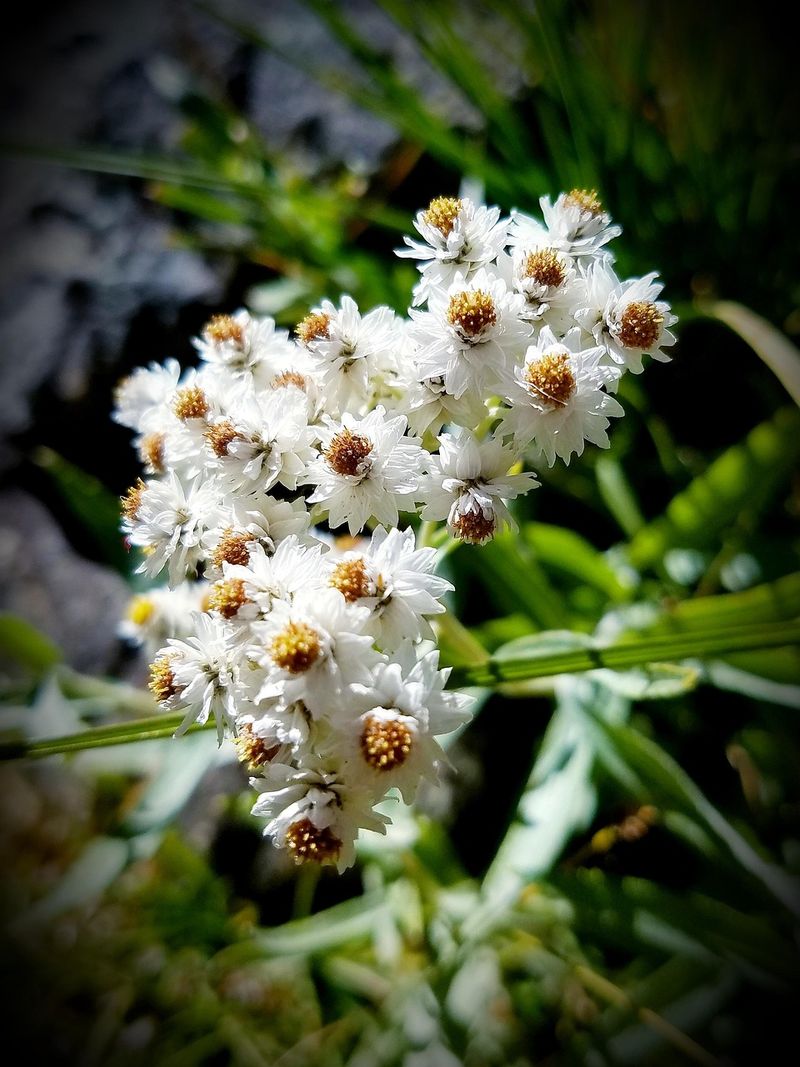
Pearly Everlasting has a name that sounds like it belongs in a fairy tale. Honestly, its papery white flower clusters are pretty enchanting in real life too.
This cheerful native wildflower blooms from midsummer into fall, filling in the gap when many other plants in Washington have already finished for the season.
Painted lady butterflies are particularly devoted to it, laying their eggs on the silvery leaves so their caterpillars can munch away happily.
Unlike many pollinator plants, Pearly Everlasting actually prefers drier, well-drained soils and full sun, making it a great option for the drier, more exposed areas of your Washington yard rather than wetter spots.
Once established, it handles summer dry spells with ease and needs very little attention from you. The flowers hold their shape and color even after being cut and dried, making them a favorite for dried flower arrangements.
Bumblebees, small native bees, and a wide variety of butterflies all visit the blooms regularly through late summer and fall.
Pearly Everlasting spreads slowly by rhizomes, gradually forming attractive silvery-green colonies that look stunning against darker foliage.
For a late-season pollinator boost in a Washington garden, few native plants do the job as reliably or as prettily.
9. Twinberry Honeysuckle
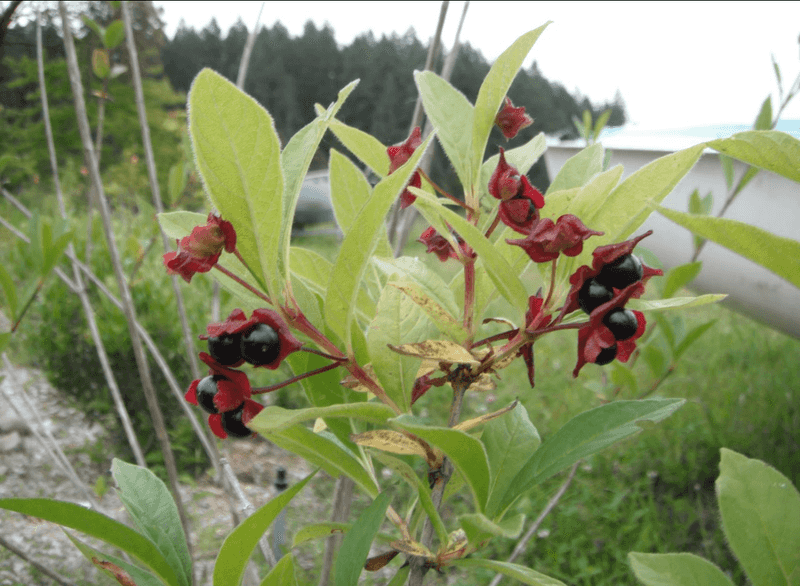
Wildlife magnet or visual standout, but why choose? Twinberry Honeysuckle does both, all season long.
The paired yellow tubular flowers that bloom in spring are a hummingbird magnet, with the birds zeroing in on them with laser focus from the moment they appear.
Watching a hummingbird work a Twinberry Honeysuckle in a misty Washington morning garden is pure, unhurried joy.
Naturally found along stream banks, wetland margins, and moist forest edges throughout Washington and the Pacific Northwest, this vigorous native shrub is built for wet conditions.
It handles boggy soils, heavy rainfall, and partial shade with zero complaints, making it one of the most versatile shrubs available for challenging wet spots in your landscape. It grows quickly to six or eight feet, providing fast structure and screening in a new garden.
After the flowers fade, the plant produces pairs of shiny black berries surrounded by deep red bracts that are visually striking and beloved by thrushes, waxwings, and other fruit-eating birds.
The bold, rounded leaves add a lush, tropical feel to the garden through summer. Twinberry Honeysuckle also works beautifully as part of a rain garden planting or along a bioswale in Washington neighborhoods.
For sheer ecological generosity combined with bold good looks, this native shrub truly stands in a class of its own.