Ticks Wake Up Earlier Than You Think In Ohio And Here’s How To Get Ahead
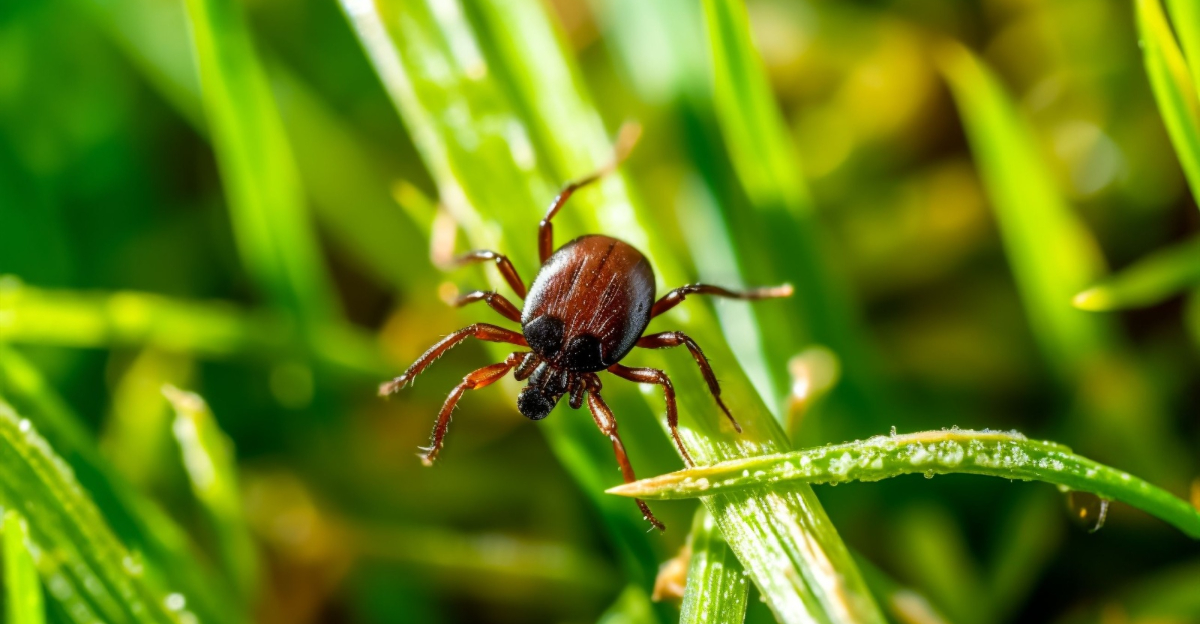
Most Ohioans think tick season starts in late spring. That mistake is exactly why so many people get caught off guard.
While winter still hangs on, ticks are already stirring, crawling, and looking for their first easy meal. One warm afternoon, one walk through damp leaves, one trip into the yard can be all it takes.
Suddenly it’s not just a summer problem anymore. Dogs, kids, hikers, and backyard gardeners are all at risk earlier than expected.
The scary part is how quietly it happens. No buzzing, no warning, just tiny hitchhikers ready to latch on.
Getting ahead of ticks now can mean fewer bites, fewer scares, and far less stress later in the season. The clock starts ticking long before most people realize it.
1. Know When Ticks Wake Up In Ohio
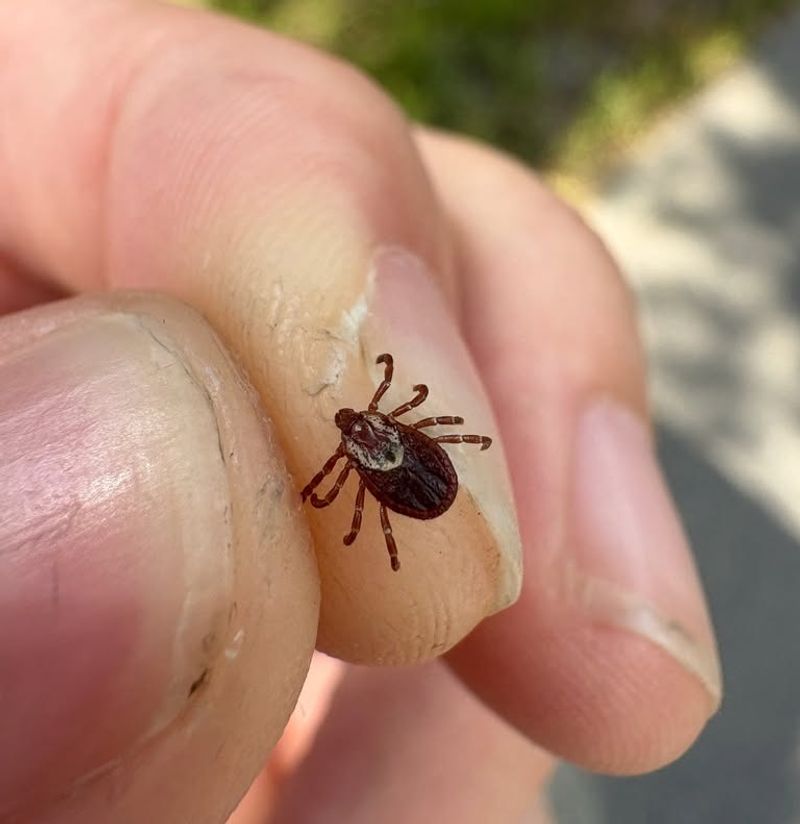
Temperature matters more than the calendar when it comes to tick activity in Ohio. Once the ground thaws and daytime temperatures consistently reach above 40 degrees Fahrenheit, ticks start moving around looking for hosts.
This can happen surprisingly early, sometimes in late February during mild years, though March and April are more typical. Many residents assume ticks only appear in May or June, but that assumption leaves families vulnerable for months.
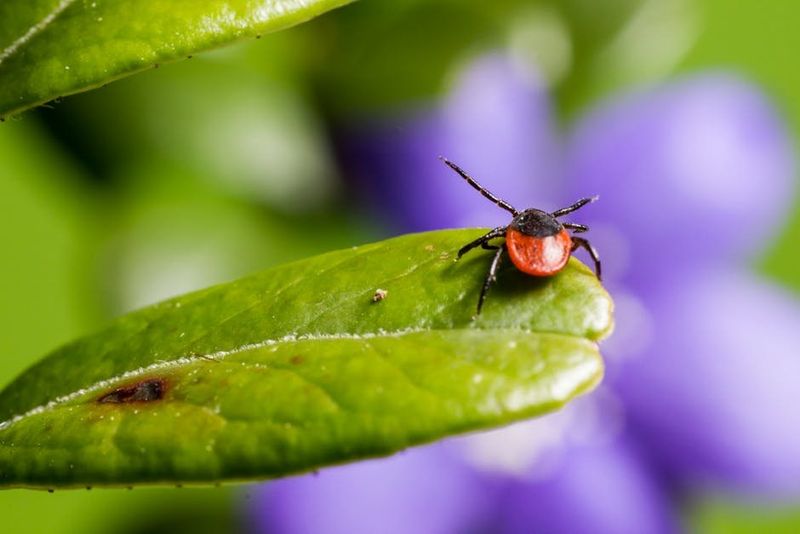
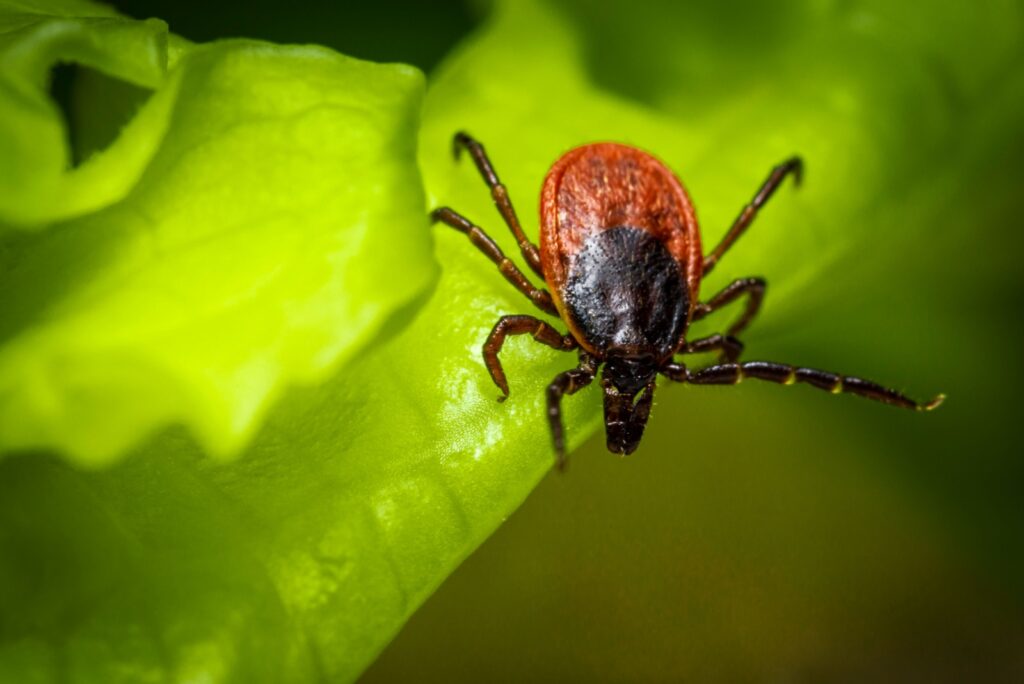
Blacklegged ticks, also called deer ticks, are particularly active in early spring across Ohio. These are the ones that carry Lyme disease, making early awareness critical.
Adult ticks survive through winter by hiding under leaf litter and snow, then emerge hungry as soon as conditions allow. American dog ticks follow a similar pattern, becoming active slightly later but still well before most people expect.
Checking local weather patterns helps you predict tick emergence in your specific Ohio region. Northern counties might see ticks a few weeks later than southern areas, but the 40-degree rule applies everywhere.
Mark your calendar for early March and start tick prevention measures then, regardless of whether you’ve spotted any yet. Waiting until you see a tick means you’re already behind.
Being proactive based on temperature gives you the advantage you need to protect your family before tick encounters happen.
2. Spot The Warm Weather Triggers Early

Watching for specific weather signals helps you anticipate tick activity before it peaks. A string of sunny days with temperatures in the mid-40s starts the process, especially when combined with melting snow.
Ground temperatures warm faster than air temperatures in sunny spots, creating ideal conditions for ticks to become active. Pay attention to south-facing slopes and areas near your home that get full sun, as these warm up first.
Rain followed by warm weather creates particularly favorable conditions for ticks throughout Ohio. Moisture keeps ticks from drying out, and warmth gets them moving.
If you notice several rainy days followed by temperatures climbing into the 50s, expect tick activity to increase dramatically within a week. This pattern often occurs in April across Ohio, but it can happen earlier or later depending on the year.
Humidity levels also play a role in tick survival and activity. Ohio’s spring weather typically provides plenty of moisture, which allows ticks to quest for hosts more aggressively.
Questing is when ticks climb onto grass blades or low vegetation and wait with their front legs extended, ready to grab onto passing animals or people. Monitor weather forecasts specifically for temperature trends rather than just daily highs, as sustained warmth matters more than occasional spikes.
3. Find The Tick Hotspots Around Your Yard
Ticks don’t spread evenly across your property; they concentrate in specific microclimates that offer moisture and protection. Leaf piles left over from fall create perfect tick habitats, providing shelter and humidity even during dry spells.
The edges where your lawn meets wooded areas or tall grass are prime tick zones because they offer both sun and shade. Walk your Ohio property and identify these transition areas, as they require the most attention.
Woodpiles and stone walls also attract ticks because small mammals like mice and chipmunks live there. These animals carry ticks and drop them off as they move around your yard.
If you have firewood stacked near your house, you’re essentially creating a tick highway leading straight to your door. Garden beds with heavy mulch stay moist and shaded, making them attractive to ticks as well.
Playground equipment and outdoor furniture near overgrown areas pose risks too. Children playing in these spots can pick up ticks without anyone noticing until later.
Low-hanging branches and shrubs that brush against pathways allow ticks to transfer easily onto people and pets. Take a careful walk around your entire yard, noting anywhere with dense vegetation, leaf litter, or tall grass.
These hotspots need immediate attention through clearing, trimming, or treatment to reduce tick populations before they establish themselves for the season.
4. Take Early Tick Risks Seriously
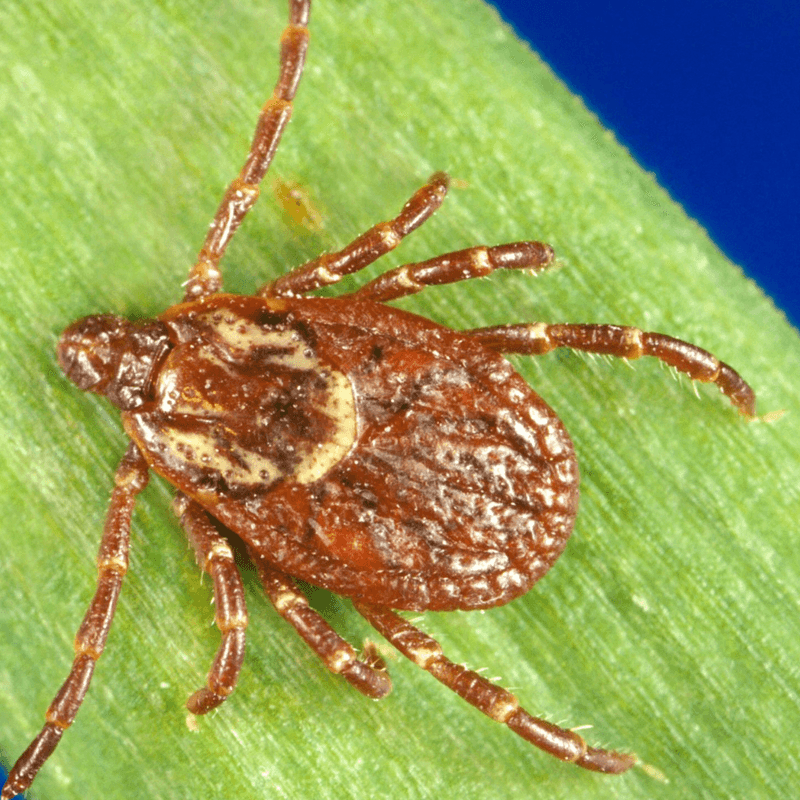
Underestimating early-season ticks leads to preventable health problems across Ohio. Lyme disease cases in the state have increased significantly over the past decade, with most infections occurring from bites that happen in spring and early summer.
The blacklegged ticks that transmit Lyme disease are most active during these cooler months, not during the heat of summer when people are most vigilant. Missing this window of high risk means missing the most important time to protect yourself.
Other tick-borne illnesses also pose threats in Ohio, including Rocky Mountain spotted fever and ehrlichiosis. These diseases can cause serious symptoms ranging from fever and fatigue to more severe complications if left untreated.
Early spring ticks are just as capable of transmitting diseases as summer ticks, sometimes more so because adult ticks are larger and may feed longer if not detected quickly.
Children and pets face particular vulnerability during early tick season because families aren’t yet in the habit of checking for ticks. A child playing in the yard in March might come inside with a tick that goes unnoticed for days.
Regular tick checks should start the moment temperatures allow outdoor play, not when summer vacation begins. Understanding that real risk exists from the first warm days changes behavior and prevents infections that could otherwise affect your family’s health throughout the year.
5. Block Ticks With Smart Yard Fixes

Creating physical barriers between tick habitats and your living spaces dramatically reduces encounters. A three-foot-wide strip of gravel or wood chips between your lawn and wooded areas stops ticks from easily crossing into your yard.
Ticks struggle to traverse dry, open spaces because they dehydrate quickly without moisture and vegetation. This simple landscaping change makes a measurable difference in tick populations near your home.
Keeping your grass mowed short eliminates the tall blades ticks use for questing. Aim for a height of three inches or less in areas where people and pets spend time.
Ticks prefer taller grass where they can climb higher and have better chances of latching onto hosts. Regular mowing throughout the growing season, starting in early spring, maintains this protective barrier.
Ohio’s climate supports rapid grass growth, so weekly mowing may be necessary during peak season.
Removing leaf litter and clearing brush eliminates tick hiding spots and breeding areas. Rake up leaves thoroughly in early spring, paying special attention to areas along fences and building foundations.
Trim back shrubs and bushes to allow sunlight and air circulation, which creates drier conditions that ticks avoid. Stack firewood away from your house and off the ground using racks.
These yard modifications work together to create an environment that’s inhospitable to ticks while remaining attractive and functional for your family’s outdoor enjoyment throughout the Ohio seasons.
6. Use Simple Outdoor Protection Habits
Clothing choices make a significant difference in preventing tick bites when you’re outdoors in Ohio. Light-colored, long-sleeved shirts and long pants allow you to spot ticks before they reach your skin.
Tucking your pants into your socks might look unusual, but it blocks the primary route ticks use to reach your legs and torso. This simple adjustment takes seconds and provides excellent protection during hikes, yard work, or any outdoor activity in tick-prone areas.
Treating clothing with permethrin creates a powerful barrier against ticks. This insecticide bonds to fabric and remains effective through multiple washings, often lasting several weeks.
You can buy pre-treated clothing or spray your own gear at home. Permethrin actually repels and can incapacitate ticks that contact treated fabric, preventing them from biting.
Apply it to boots, pants, socks, and even hats before spending time outdoors during tick season.
Insect repellents containing DEET, picaridin, or oil of lemon eucalyptus provide additional protection on exposed skin. Apply repellent to ankles, wrists, and necks where clothing gaps exist.
Reapply according to product directions, especially if you’re sweating or spending extended time outside. After any outdoor activity in Ohio’s woods, fields, or even your own yard, perform thorough tick checks on yourself, your children, and your pets.
Look carefully in warm, hidden areas like behind knees, in armpits, along hairlines, and around waistbands where ticks prefer to attach and feed.
7. Shield Pets From Bringing Ticks Inside

Pets venture into exactly the kinds of places where ticks wait, making them efficient tick transporters into your home. Dogs exploring brushy areas or walking through tall grass pick up ticks that later drop off indoors or transfer to family members.
Cats that go outside face similar risks, though they’re often better at grooming ticks off themselves. Establishing a routine tick prevention program for your pets protects both them and your household from tick-borne diseases common in Ohio.
Year-round tick prevention medication for dogs and cats should start well before you think tick season begins. Monthly topical treatments or oral medications work by repelling ticks or eliminating them quickly after attachment, before disease transmission can occur.
Consult your veterinarian about which products work best for Ohio’s tick species and your pet’s specific needs. Some products also prevent fleas and other parasites, offering comprehensive protection.
Checking your pets thoroughly after every outdoor excursion catches ticks before they establish feeding sites. Run your hands over your dog’s entire body, feeling for small bumps that might be attached ticks.
Pay close attention to ears, between toes, under collars, and around the face where ticks commonly attach. Brush or comb your pet’s coat regularly to remove any ticks that haven’t yet attached.
Keep grass trimmed in areas where pets spend time, and consider treating your yard with pet-safe tick control products to reduce the tick population before your animals encounter them.
8. Stay Ahead Of Tick Season All Year

Effective tick management requires consistent effort across all seasons, not just during obvious warm months. Winter preparations set the stage for reduced tick populations in spring.
Clearing leaves and debris in late fall removes overwintering habitats where ticks survive cold Ohio winters. Adult blacklegged ticks remain active during winter warm spells, so vigilance shouldn’t completely stop even in January and February when temperatures occasionally rise above freezing.
Spring demands the most intensive prevention efforts as tick activity surges. Start yard treatments and personal protection measures in March, refreshing them regularly through June.
This is when most disease transmission occurs, making consistency crucial. Summer requires maintaining the habits you established in spring, though some tick species become less active during the hottest weeks.
Continue tick checks and yard maintenance even when you haven’t seen ticks recently.
Fall brings another wave of adult tick activity in Ohio, particularly for blacklegged ticks. September through November can be surprisingly risky for tick encounters, yet many people have already relaxed their prevention efforts.
Resume vigilant tick checks and continue protecting pets through autumn. Late fall yard cleanup removes next year’s tick habitat before winter arrives.
This year-round approach means you’re never caught off guard by early or late season tick activity. Staying ahead requires viewing tick prevention as an ongoing lifestyle rather than a seasonal chore, ensuring your family’s protection regardless of what Ohio’s unpredictable weather brings.