10 Timeless Flowers With Ancient Roots For North Carolina Gardens
Some flowers growing in North Carolina today come from plant families that have been around for millions of years. Long before neighborhoods, highways, and backyards existed, these plants were already shaping the landscape.
Adding them to your garden means more than just planting something pretty. It means growing living history right outside your door.
Grow flowers that have survived ice ages and still bloom beautifully today. Many of these ancient-rooted plants are also surprisingly easy to care for and well adapted to local conditions, making them a smart choice for home gardeners.
Turn your yard into a space where natural history and color come together. Their unique shapes, textures, and long-lasting blooms add character that modern hybrids often lack.
Bring timeless beauty into your landscape with plants shaped by deep evolutionary roots. Let your garden tell a story that started long before modern gardening trends ever existed. Once you discover these remarkable blooms, your garden will never feel ordinary again.
1. Roses
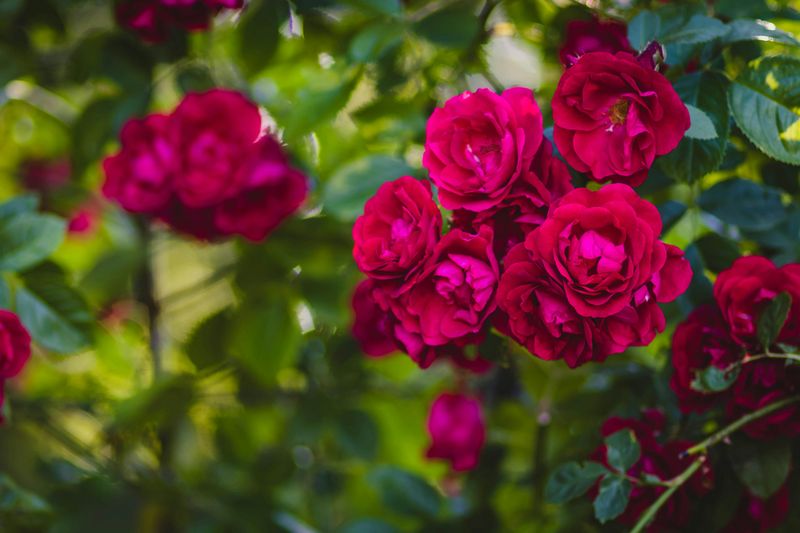
Fossil records show that roses existed over 35 million years ago, making them one of the oldest flowering plants still gracing our gardens today.
Ancient Chinese gardens cultivated roses as early as 5,000 years ago, and Romans scattered rose petals at celebrations and used them in medicines.
North Carolina gardeners have a wonderful advantage because the state’s varied climate zones support many rose varieties beautifully.
Modern hybrid teas, floribundas, and shrub roses all trace their lineage back to these ancient species. Your North Carolina garden can benefit from planting roses in well-drained soil with at least six hours of sunlight daily.
The state’s warm summers and mild winters create ideal conditions for both old garden roses and newer cultivars.
Choosing disease-resistant varieties helps your roses thrive with less maintenance while still connecting you to centuries of gardening tradition.
Knockout roses have become particularly popular across North Carolina because they handle humidity well and bloom repeatedly from spring through fall.
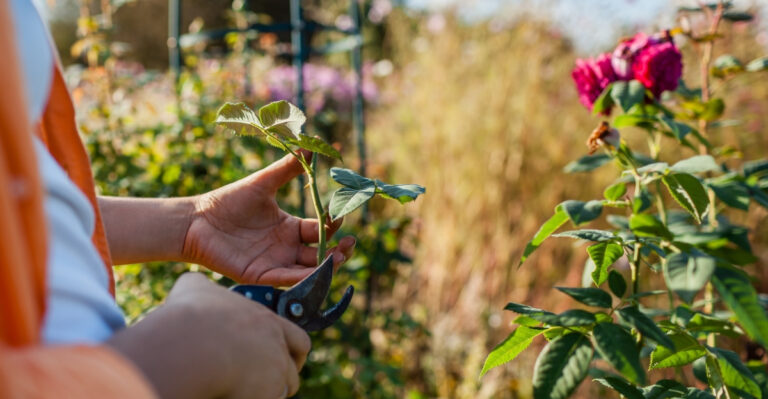
Regular watering during dry spells and annual pruning in late winter keep your roses healthy and productive. Adding mulch around the base helps retain moisture and regulate soil temperature through North Carolina’s sometimes unpredictable weather patterns.
2. Peonies
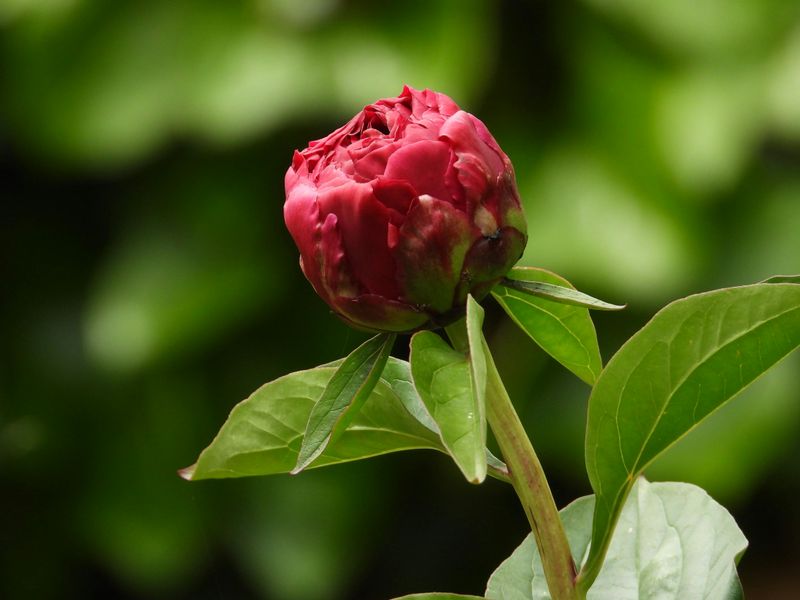
Chinese emperors treasured peonies over 2,000 years ago, calling them the king of flowers and growing them exclusively in imperial gardens. These magnificent blooms eventually traveled along trade routes to reach Europe and later America, bringing their legendary beauty to gardens worldwide.
North Carolina gardeners in the piedmont and mountain regions have the best success with peonies because these plants need winter chill hours to bloom properly.
Herbaceous peonies perform wonderfully in North Carolina’s cooler zones, producing massive flowers in late spring that can measure up to ten inches across.
Planting them in fall gives roots time to establish before winter, and choosing a spot with morning sun and afternoon shade protects delicate petals from intense heat.
Your peony plants may take two or three years to reach full blooming potential, but their longevity makes the wait worthwhile since they can flourish for decades.
Good drainage is absolutely essential because peonies dislike wet feet and can develop root problems in soggy soil. North Carolina’s clay soil often needs amending with compost to improve drainage and provide nutrients these heavy feeders require.
Support rings help keep those huge blooms upright during spring rains that frequently visit the state during peak peony season.
3. Irises
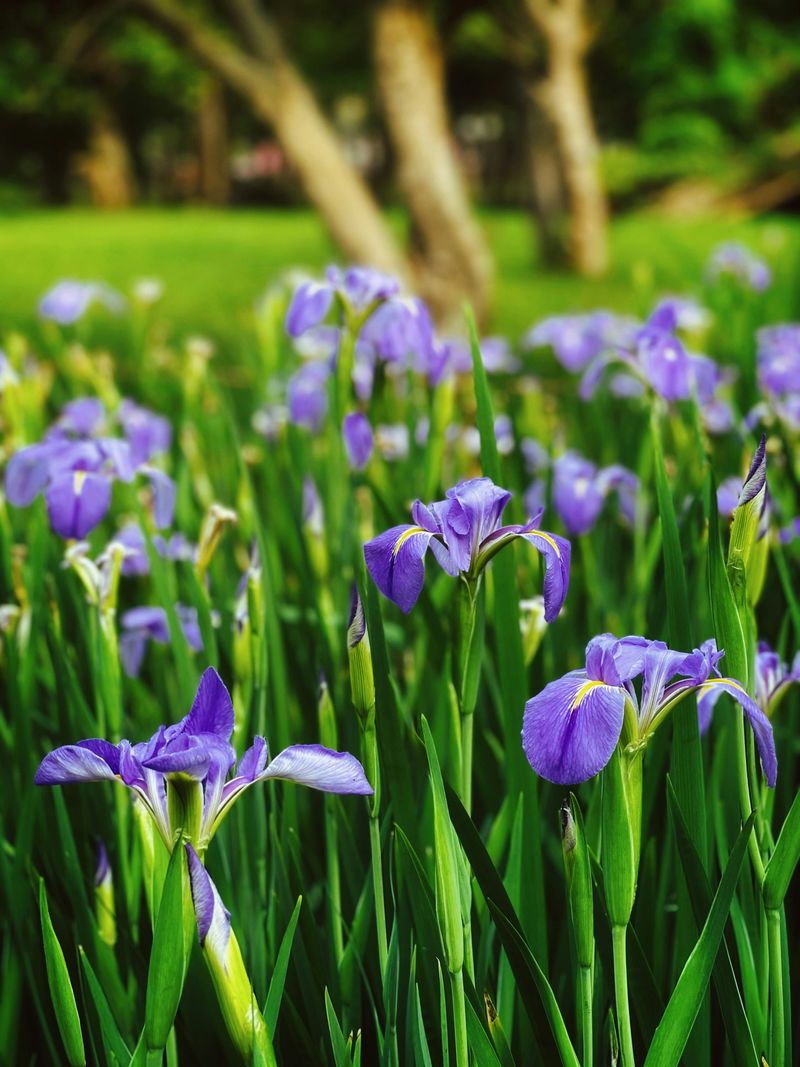
Ancient Egyptians featured irises prominently in their artwork and planted them along the Nile River over 4,000 years ago, associating these elegant flowers with royalty and power.
Greek mythology named the iris after the goddess of the rainbow, perfectly describing the incredible color range these flowers display.
North Carolina’s diverse climate allows gardeners throughout the state to grow different iris types successfully, from bearded varieties to Louisiana irises.
Bearded irises thrive in North Carolina’s piedmont region where well-drained soil and full sun create perfect growing conditions. These rhizomatous plants spread gradually over time, forming impressive clumps that produce dozens of blooms each spring.
Planting rhizomes in late summer with their tops slightly exposed to sunlight helps prevent rot and encourages strong growth.
Coastal North Carolina gardeners often have better luck with Louisiana irises, which tolerate moisture and humidity better than their bearded cousins. These water-loving varieties can even grow in shallow pond edges or rain gardens where other irises would struggle.
Dividing iris clumps every three to four years keeps plants vigorous and blooming abundantly. North Carolina’s warm falls provide ideal conditions for this division work because plants have time to establish before winter temperatures arrive.
4. Poppies
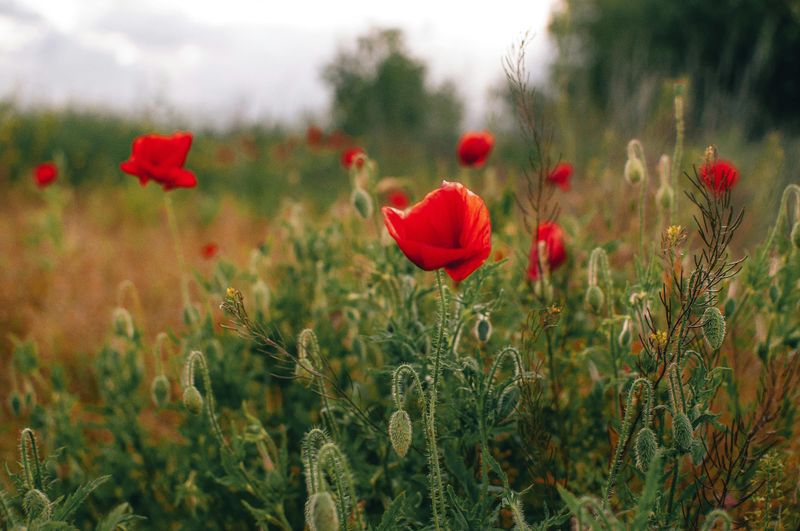
Archaeological discoveries reveal that ancient Sumerians cultivated poppies as far back as 3400 BCE, calling them the joy plant and using them in various cultural practices.
Romans spread poppy cultivation throughout their empire, and these cheerful flowers have brightened gardens ever since.
North Carolina gardeners can grow several poppy varieties, though the annual types generally perform better than perennials in the state’s humid summers.
Oriental poppies create stunning displays in North Carolina mountain gardens where cooler temperatures suit their preferences. Their enormous crepe-paper blooms in brilliant oranges, reds, and pinks appear in late spring before the plants go dormant during summer heat.
California poppies reseed readily in North Carolina gardens, popping up year after year with their sunny orange and yellow flowers that close at night.
Direct sowing poppy seeds in fall or very early spring works best because these plants dislike transplanting and develop stronger roots from direct seeding.
North Carolina’s unpredictable spring weather means some years bring better poppy displays than others, but their carefree nature makes them worth planting.
Letting seed heads mature and scatter naturally ensures future generations of these ancient flowers will continue gracing your garden. Poor soil actually suits poppies just fine, making them perfect for challenging spots where other flowers struggle to establish themselves.
5. Lilies
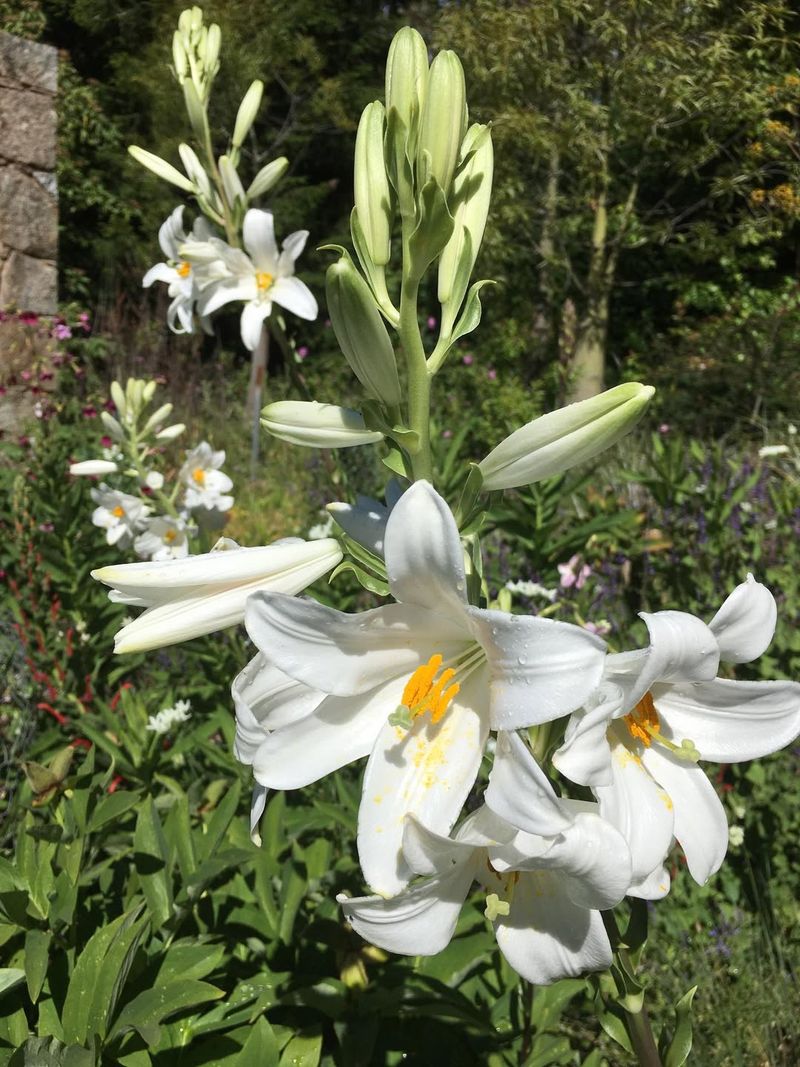
Minoan frescoes from 1580 BCE showcase lilies, proving these elegant flowers have captivated humans for nearly four millennia. Ancient Greeks believed lilies sprang from the milk of Hera, queen of the gods, giving these blooms divine status in classical mythology.
North Carolina’s climate supports many lily varieties, from Asiatic hybrids that bloom in early summer to Oriental lilies that perfume late summer gardens.
Asiatic lilies handle North Carolina’s heat better than other types and come in nearly every color except true blue. Planting bulbs in fall or early spring at a depth three times their height gives them proper insulation and stability.
North Carolina gardeners should choose sites with excellent drainage because lily bulbs rot quickly in waterlogged soil that stays wet after heavy rains.
Oriental lilies bloom later in the season and fill North Carolina gardens with their legendary fragrance that can perfume entire yards on warm evenings. These varieties prefer afternoon shade in the state’s hotter regions where intense sun can fade their blooms prematurely.
Mulching around lily plants keeps roots cool and moist while suppressing weeds that compete for nutrients.
North Carolina’s longer growing season allows lilies to build strong bulbs after flowering, ensuring spectacular displays return year after year with minimal care required from busy gardeners.
6. Chrysanthemums
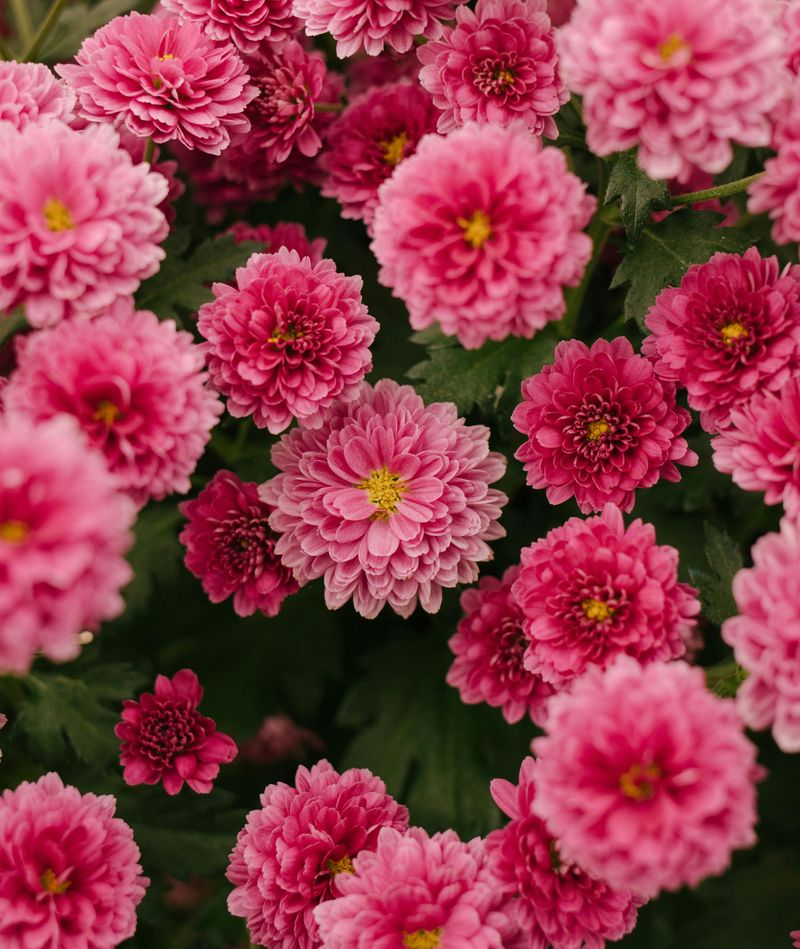
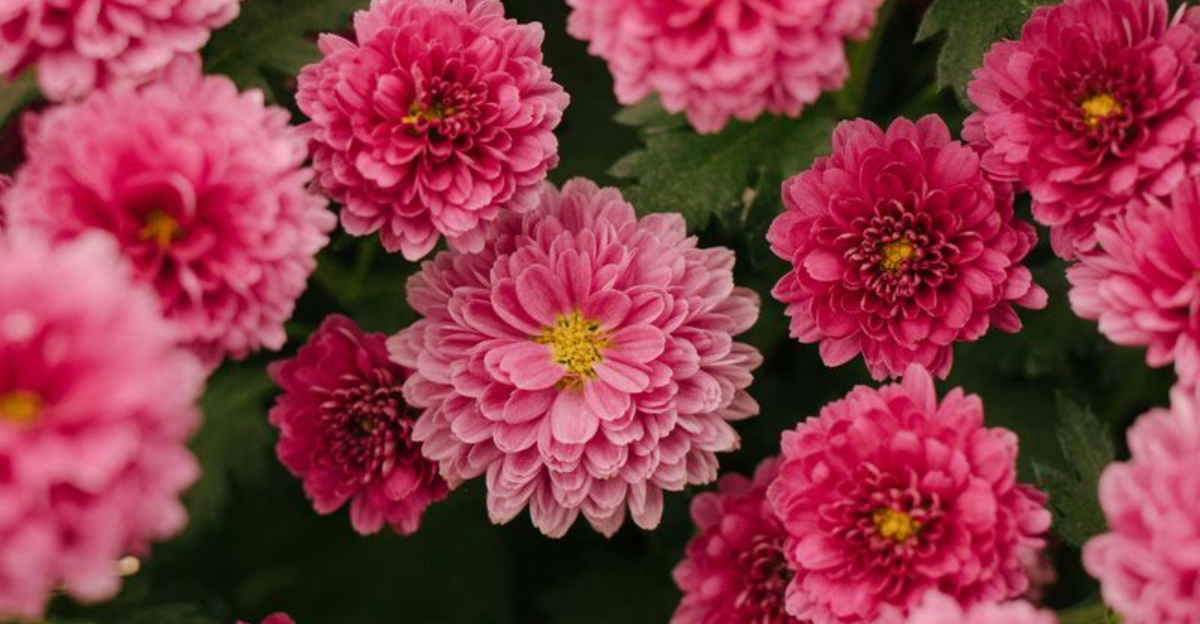
Chinese writings from 1500 BCE describe chrysanthemums as medicinal plants before anyone appreciated their ornamental beauty. Confucius himself mentioned these flowers in his writings, and Chinese culture eventually elevated them to symbols of autumn and longevity.
North Carolina’s fall season provides perfect conditions for chrysanthemums to shine, with cool nights and warm days intensifying their colors beautifully.
Garden mums bloom reliably in North Carolina from late summer through the first hard freeze, providing color when many other flowers have finished their season.
Pinching back stems in late spring and early summer encourages bushier plants with more flower buds that create impressive fall displays.
North Carolina gardeners can find mums in every imaginable color except true blue, from deep burgundies to bright yellows and soft pastels.
Planting mums in spring rather than fall gives them time to establish strong root systems that help them survive North Carolina winters and return as perennials.
Many gardeners treat mums as annuals because fall-planted specimens often struggle to overwinter successfully in the state’s variable climate.
Choosing hardy garden varieties instead of florist types increases your chances of perennial success in North Carolina landscapes. Regular watering during dry spells and deadheading spent blooms keeps plants looking fresh throughout their lengthy blooming period that brightens gardens for months.
7. Daffodils
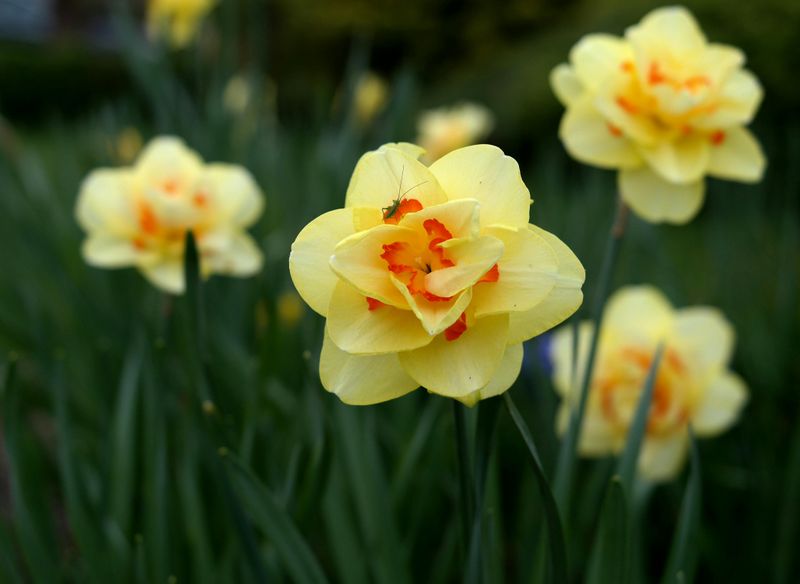
Ancient Greeks knew daffodils well, and these cheerful spring flowers appear in myths and medical texts dating back over 2,000 years. Romans brought daffodils to Britain during their conquests, and these reliable bloomers have naturalized across the world ever since.
North Carolina gardeners love daffodils because they bloom dependably every spring, resist deer browsing, and multiply steadily without demanding constant attention.
Planting daffodil bulbs in fall before the ground freezes gives them time to develop roots before winter dormancy.
North Carolina’s mild winters suit daffodils perfectly because they need cold temperatures to trigger spring blooming but rarely experience freezes harsh enough to damage buried bulbs.
Choosing early, mid, and late-season varieties extends the daffodil display in your North Carolina garden from February through April.
These bulbs naturalize beautifully in lawns, under deciduous trees, and along woodland edges throughout North Carolina’s varied landscapes.
Leaving foliage in place after flowers fade allows bulbs to store energy for next year’s blooms, even though the yellowing leaves look untidy for several weeks.
North Carolina’s spring rains usually provide adequate moisture, but watering during dry spells while foliage is still green helps bulbs build strength. Dividing overcrowded clumps every five or six years rejuvenates plantings and gives you extras to spread throughout your property or share with neighbors.
8. Lavender
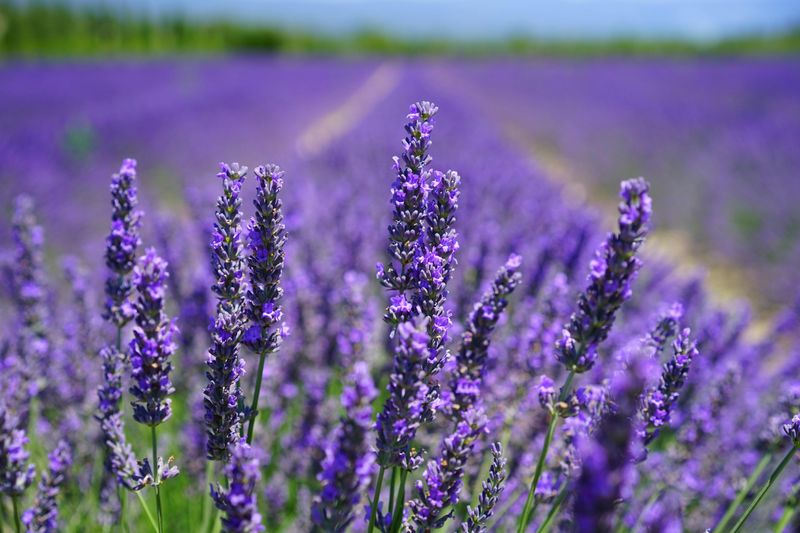
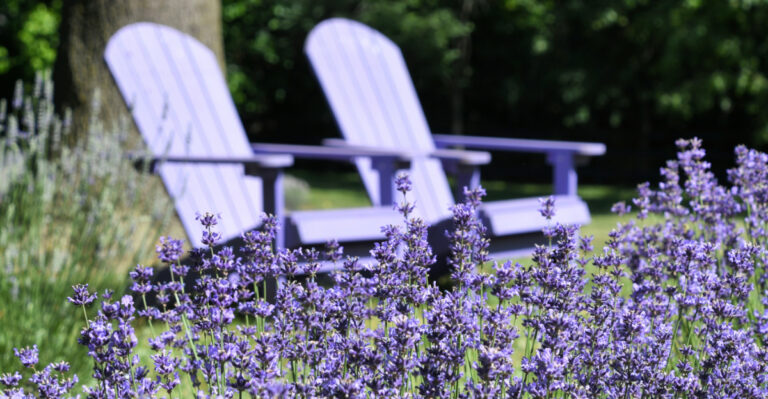
Romans added lavender to their bathwater and used it extensively in cooking and medicine over 2,000 years ago, spreading cultivation throughout their vast empire. Ancient Egyptians used lavender in their mummification process, and traces of this aromatic herb were found in King Tut’s tomb.
North Carolina gardeners face some challenges with lavender because it prefers drier conditions than the state’s humid summers typically provide, but success is definitely possible with proper variety selection and site preparation.
English lavender varieties struggle in North Carolina’s heat and humidity, but Spanish and French lavenders handle the state’s climate much better. Planting lavender in raised beds or on slopes ensures the excellent drainage these Mediterranean natives absolutely require to thrive.
North Carolina’s sandy coastal soils naturally suit lavender better than the heavy clay found in piedmont regions, though amending clay with gravel and compost improves drainage significantly.
Full sun and good air circulation help prevent fungal problems that can plague lavender in North Carolina’s muggy summers. Pruning plants lightly after their first bloom flush encourages a second flowering and keeps plants compact and attractive.
North Carolina gardeners who successfully grow lavender enjoy fragrant blooms that attract countless butterflies and bees while providing aromatic stems perfect for crafts and cooking.
Avoiding overhead watering and never letting plants sit in soggy soil dramatically increases your chances of keeping lavender happy for years.
9. Hollyhocks
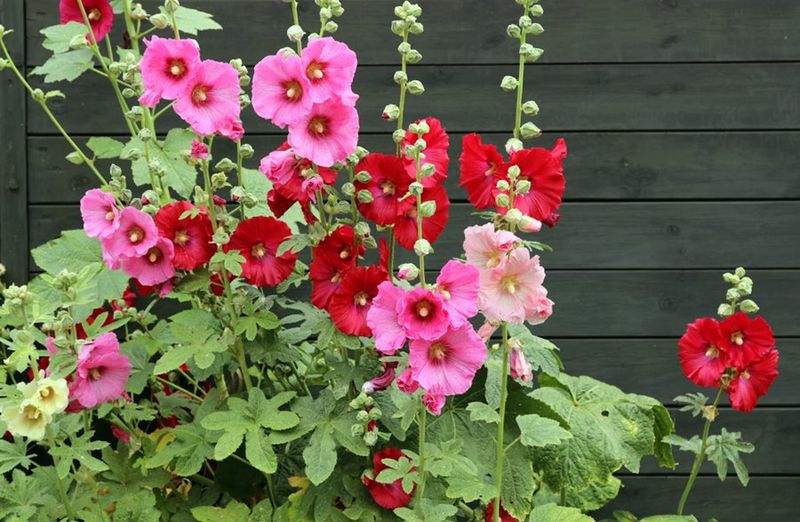
China cultivated hollyhocks over 2,000 years ago before these towering flowers traveled the Silk Road to reach Europe and eventually America.
Medieval gardens featured hollyhocks prominently, and cottage gardeners have treasured them for centuries because of their impressive height and abundant blooms.
North Carolina’s climate suits hollyhocks reasonably well, though gardeners should expect them to behave as biennials or short-lived perennials rather than truly permanent fixtures.
These architectural plants can reach six to eight feet tall in North Carolina gardens, creating dramatic vertical accents against fences, walls, or buildings.
Hollyhocks bloom in midsummer with flowers stacked along tall spikes in colors ranging from nearly black through pinks, reds, yellows, and white.
North Carolina’s heat and humidity can encourage rust fungus on hollyhock leaves, but selecting resistant varieties and ensuring good air circulation minimizes this common problem.
Sowing seeds directly in the garden in late summer gives plants time to establish before winter and bloom the following year. North Carolina gardeners often find hollyhocks self-sow readily, popping up in unexpected spots and ensuring these cottage garden favorites remain part of the landscape.
Staking tall varieties prevents summer thunderstorms from toppling these impressive plants before they finish blooming.
Growing hollyhocks near the back of borders takes advantage of their height while allowing shorter plants to hide their sometimes ratty-looking lower leaves as summer progresses.
10. Marigolds
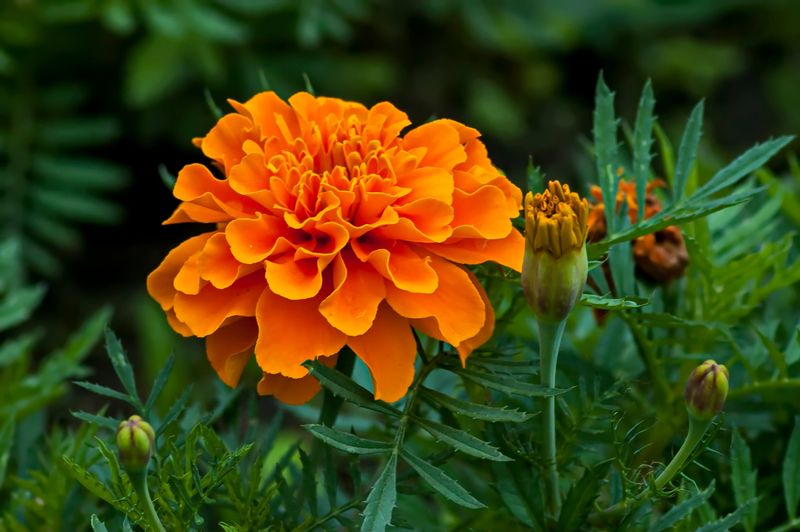
Aztec civilizations cultivated marigolds for medicinal and ceremonial purposes long before European explorers arrived in the Americas. Spanish conquistadors brought marigold seeds back to Europe in the 16th century, and these sunny flowers quickly became garden staples worldwide.
North Carolina gardeners appreciate marigolds for their reliability, extended bloom period, and reputation for deterring certain garden pests naturally.
French marigolds stay compact and bushy, making them perfect for edging beds and containers throughout North Carolina gardens. African marigolds grow much taller with larger blooms, creating impressive displays in the back of annual borders or vegetable gardens.
Both types handle North Carolina’s summer heat beautifully and bloom continuously from late spring until frost without demanding constant deadheading or special care.
Planting marigolds after the last spring frost ensures they establish quickly in North Carolina’s warming soil. These annuals actually prefer lean soil and can become too leafy with reduced flowering if given excessive fertilizer or rich compost.
North Carolina’s frequent summer thunderstorms can batter large-flowered African marigolds, so placing them in somewhat protected spots prevents damage.
The pungent foliage that some people find objectionable actually helps repel certain insects, making marigolds valuable companion plants in vegetable gardens throughout the state.
Saving seeds from your favorite marigolds allows you to continue growing these ancient flowers year after year without purchasing new plants.