6 Times Michigan Gardeners Say Buying Seedlings Is Better Than Starting Seeds
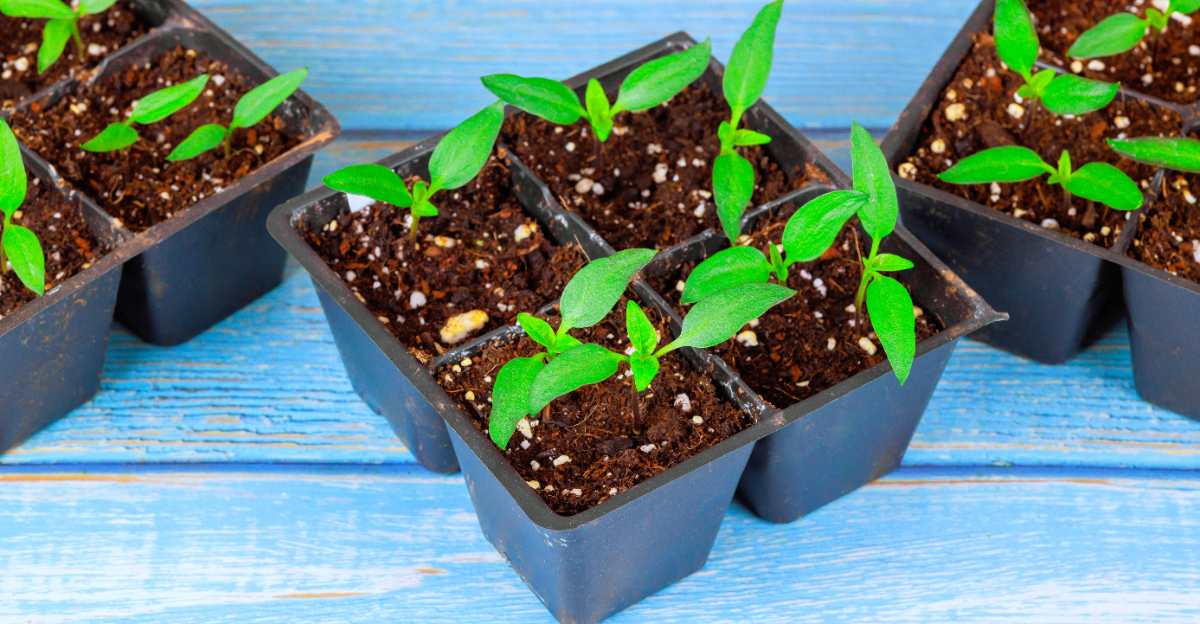
Michigan gardeners know how quickly the growing season can slip away. With late spring frosts and sudden weather swings, every week of warm weather becomes valuable.
Many gardeners start seeds indoors to get ahead, but sometimes that extra effort does not always pay off.
Across the Upper and Lower Peninsulas, certain crops grow so well as nursery seedlings that starting them from seed at home may not be the most practical choice.
Garden centers often provide strong, well established plants that are already ready for the garden once temperatures stabilize. For busy gardeners, this can save time and remove a lot of early season stress.
Knowing when to start seeds yourself and when to buy healthy seedlings can make gardening much easier. With the right approach, Michigan gardeners can focus on growing strong plants and making the most of the short but productive warm season.
1. When The Growing Season Is Short
Michigan’s warm season moves quickly. In many parts of the state, the frost-free window usually runs from early May through late September, giving gardeners only about five reliable months of warm weather.
For crops that need steady heat to grow and produce fruit, that window can feel surprisingly short. Warm-season vegetables depend on every bit of that time to develop properly.
Tomatoes (Solanum lycopersicum) and peppers (Capsicum annuum) are perfect examples. Both plants require a long growing period before they begin producing fruit.
Starting them from seed directly outdoors rarely works in Michigan because the soil warms too late in spring. Even when seeds are started indoors, the plants typically need six to ten weeks of growth before they are strong enough to transplant into the garden.
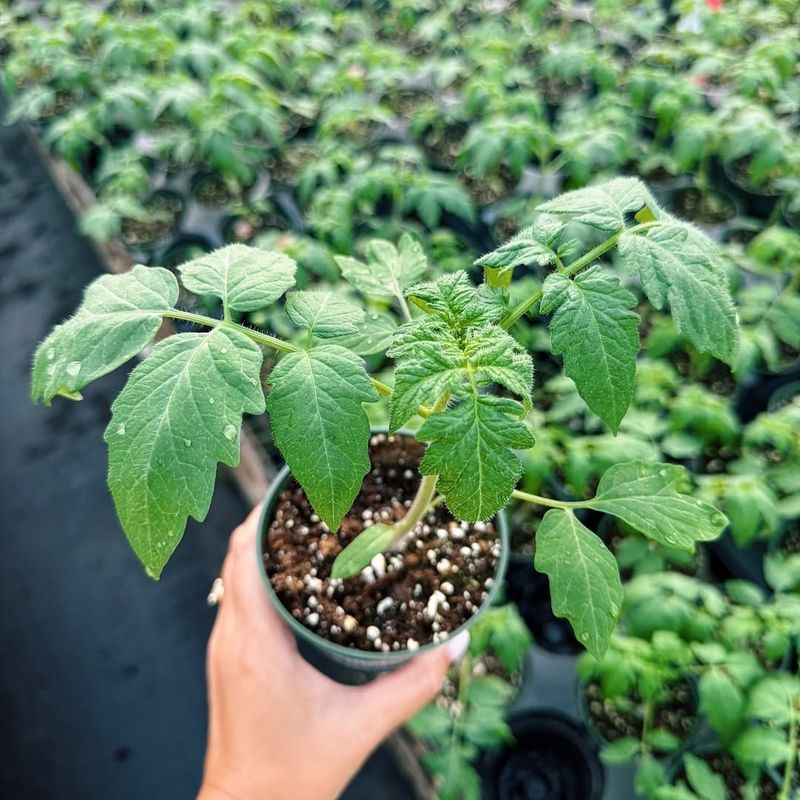
Buying healthy transplants from a local Michigan garden center gives gardeners a valuable head start. A sturdy six-week-old seedling purchased in early May is already well established and ready to grow once planted outside.
These plants often begin flowering and producing fruit weeks earlier than seeds planted at the same time, which makes a big difference when fall frosts begin approaching.
Local nurseries across Michigan, from the Upper Peninsula to the Lower Peninsula, prepare for this short growing season by raising strong greenhouse-grown transplants each spring. These plants are hardened off and ready for outdoor conditions.
By skipping the indoor seed-starting process, gardeners can avoid extra equipment and effort while still enjoying a productive harvest during Michigan’s beautiful but relatively short growing season.
2. When Seeds Need Long Indoor Growing Time
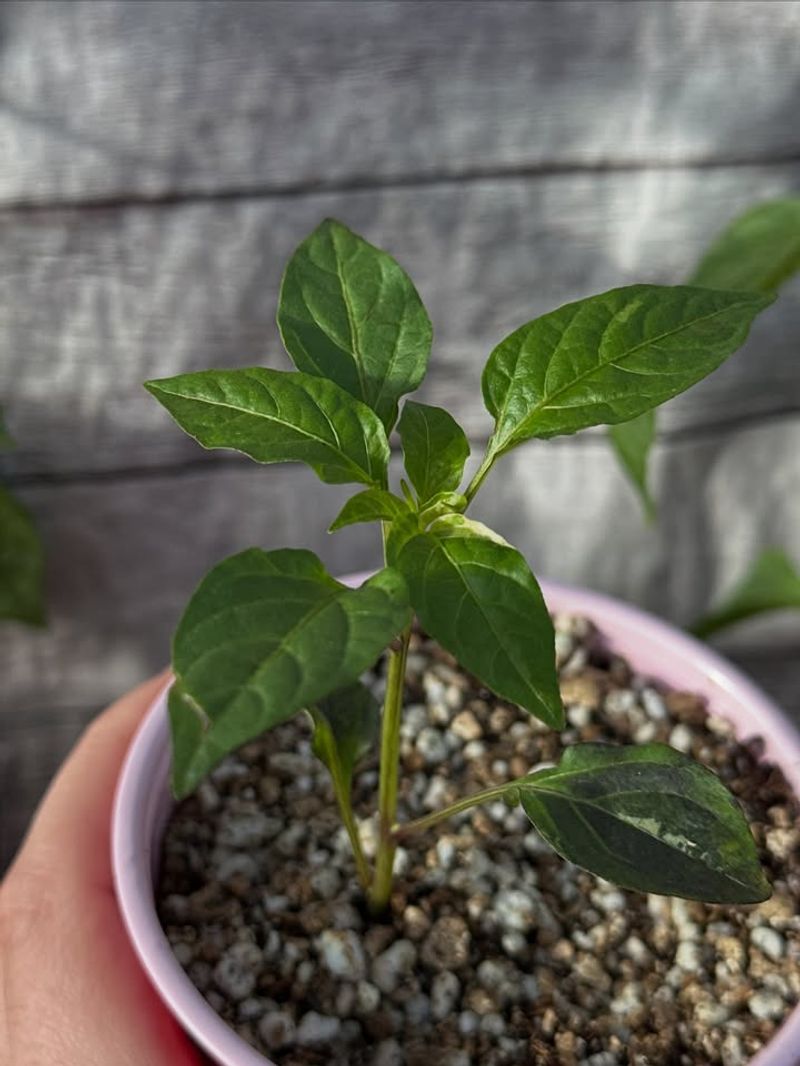
Some vegetables demand a serious time commitment before they ever see the outside world. Peppers (Capsicum annuum) and eggplant (Solanum melongena) are two crops that Michigan gardeners must start indoors eight to ten weeks before the last frost date.
That puts seed-starting time all the way back in late January or early February.
That is a long time to manage seedlings inside your home. You need consistent warmth, proper humidity, and enough light to keep young plants growing strong.
Without all three, those seedlings can struggle before they even get a chance to shine outdoors.
Many Michigan gardeners simply do not have the setup for such a long indoor growing period. Keeping a heating mat running for weeks, monitoring soil moisture daily, and rotating trays under lights adds up to real effort.
For gardeners who want results without the hassle, buying established seedlings in May is a genuinely smart solution.
Local nurseries in Michigan grow these crops under ideal greenhouse conditions, giving the plants exactly what they need from day one. By the time you pick up a pepper or eggplant transplant at your local garden center, it already has weeks of strong growth behind it.
Putting that plant into your Michigan garden means you skip the hardest part and go straight to the rewarding part.
3. When You Do Not Have Good Indoor Light
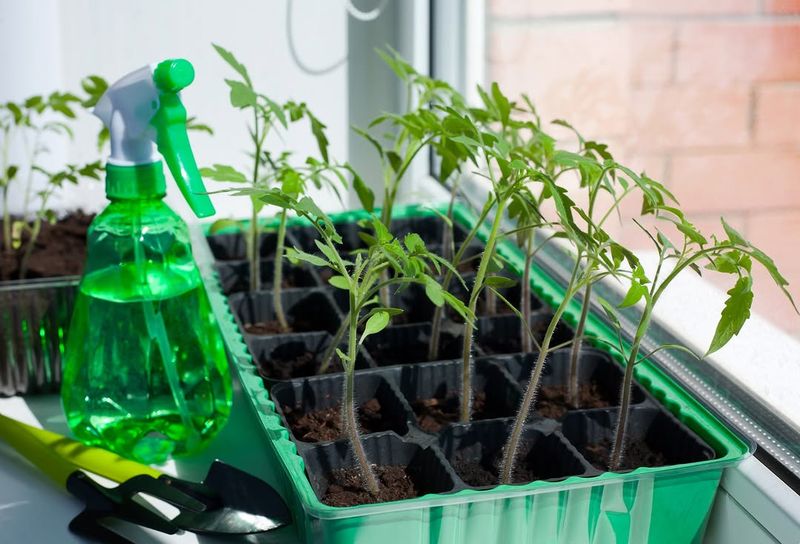
Here is something many first-time Michigan gardeners discover the hard way: a sunny windowsill is almost never enough.
Vegetable seedlings like tomatoes (Solanum lycopersicum) need between twelve and sixteen hours of strong light every day to grow into sturdy transplants. A south-facing window in a Michigan winter simply cannot deliver that.
When seedlings do not get enough light, they stretch toward whatever brightness they can find. This creates tall, spindly stems that are weak and easy to damage.
Leggy seedlings often struggle after transplanting and take longer to recover, cutting into your already short Michigan growing season.
Grow lights solve this problem, but they come with a cost. Quality full-spectrum LED grow lights, proper fixtures, and timer setups can add up quickly.
For gardeners who only grow a few plants each year, that investment might not make financial sense.
Buying seedlings from a Michigan greenhouse is a practical alternative that skips all of this. Greenhouse-grown tomato and pepper transplants receive consistent, high-intensity light from the moment they sprout.
By the time they reach the garden center shelves, they are compact, green, and strong. Transplanting a well-grown greenhouse seedling into your Michigan garden gives you a much better starting point than a pale, stretched plant that spent winter leaning toward a frosted window.
4. When You Miss The Seed Starting Window
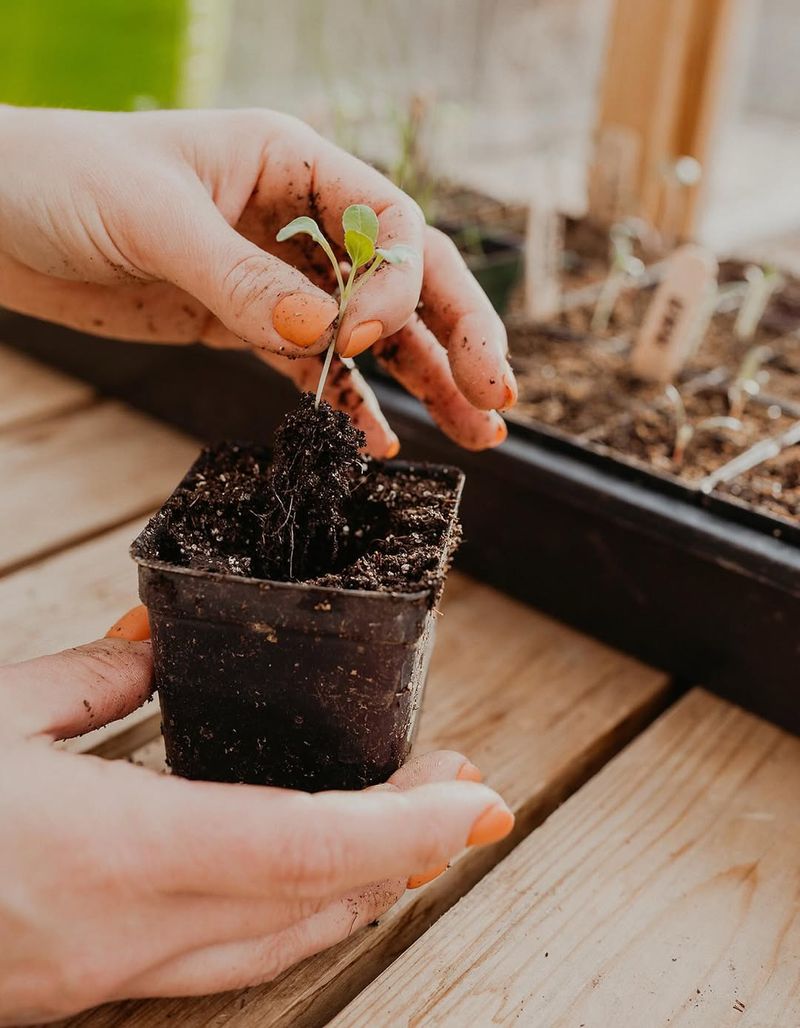
Life gets busy, and sometimes the seed-starting calendar slips right past you.
Michigan gardeners are supposed to start tomatoes (Solanum lycopersicum) indoors about six to eight weeks before the last frost, which typically means late February or early March in much of the state.
Miss that window, and you are already behind before the season even starts.
It happens to experienced gardeners too, not just beginners. A hectic work schedule, a family situation, or simply forgetting to check the calendar can push seed-starting into April, which is already too late for many warm-season crops.
Planting seeds at that point means your tomatoes will still be tiny when the rest of the neighborhood is already harvesting.
The good news is that Michigan nurseries and garden centers come to the rescue every May. Local shops stock healthy transplants of tomatoes, peppers, herbs, and more throughout the spring season.
Picking up a few ready-to-plant seedlings lets you recover from a late start and still grow a productive, rewarding garden.
Plenty of Michigan gardeners have salvaged a whole season this way. A well-established six-week-old transplant bought from a local nursery in mid-May can catch up quickly once it is in warm soil.
Missing the seed-starting window does not have to mean missing the whole season when good seedlings are available nearby.
5. When You Only Need A Few Plants
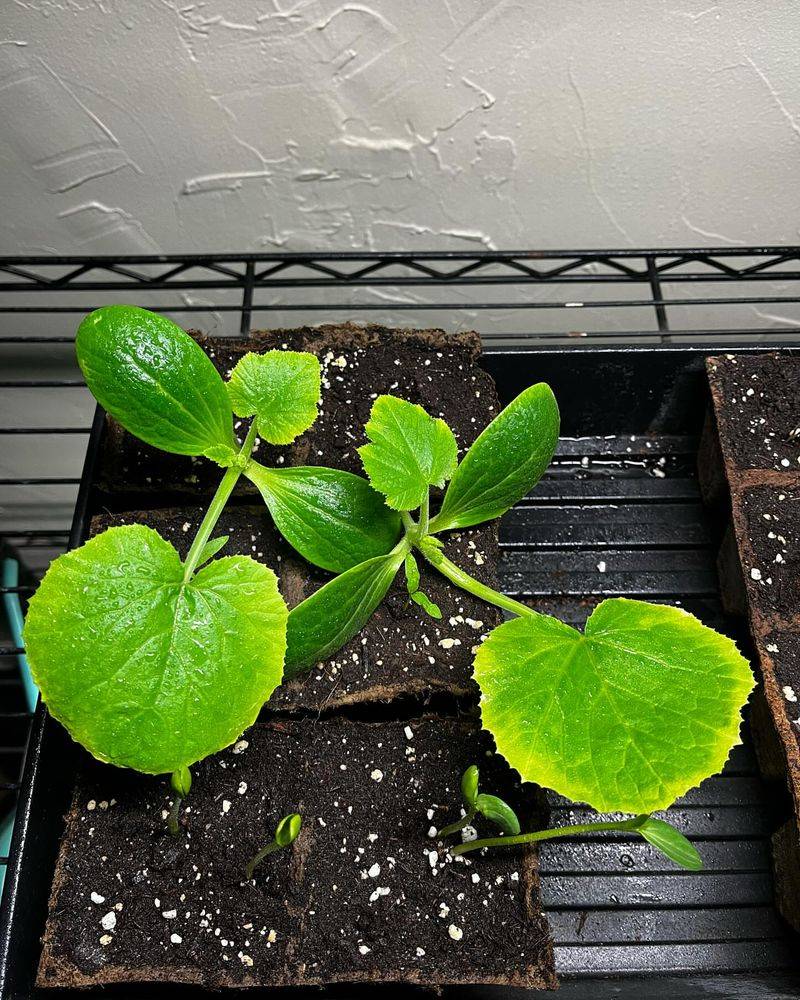
Not every Michigan gardener is growing food for a large family or a big plot of land. Plenty of people tend small raised beds, container gardens on decks, or compact backyard spaces where a handful of plants is genuinely all they need.
For those gardeners, buying a seed packet can feel like overkill. Vegetables like cucumber (Cucumis sativus) and zucchini (Cucurbita pepo) are perfect examples.
A single seed packet often contains twenty-five or more seeds, far more than most home gardeners will ever use.
Zucchini especially is famous for producing abundantly from just one or two plants, so buying a whole packet makes little practical sense for a small Michigan garden.
Seedlings sold at local Michigan nurseries often come in individual pots or small two-packs, which is exactly the right amount for a compact garden. You pay for what you actually need and skip the extra seeds that would otherwise sit in a drawer until they lose viability.
There is also a freshness factor to consider. Greenhouse-grown transplants from a Michigan garden center are already several weeks old and ready to produce.
Buying two healthy zucchini plants in May and putting them straight into your raised bed is faster, easier, and more practical than managing an entire seed packet for a garden that only has room for a couple of vines.
6. When Plants Are Difficult To Start From Seed
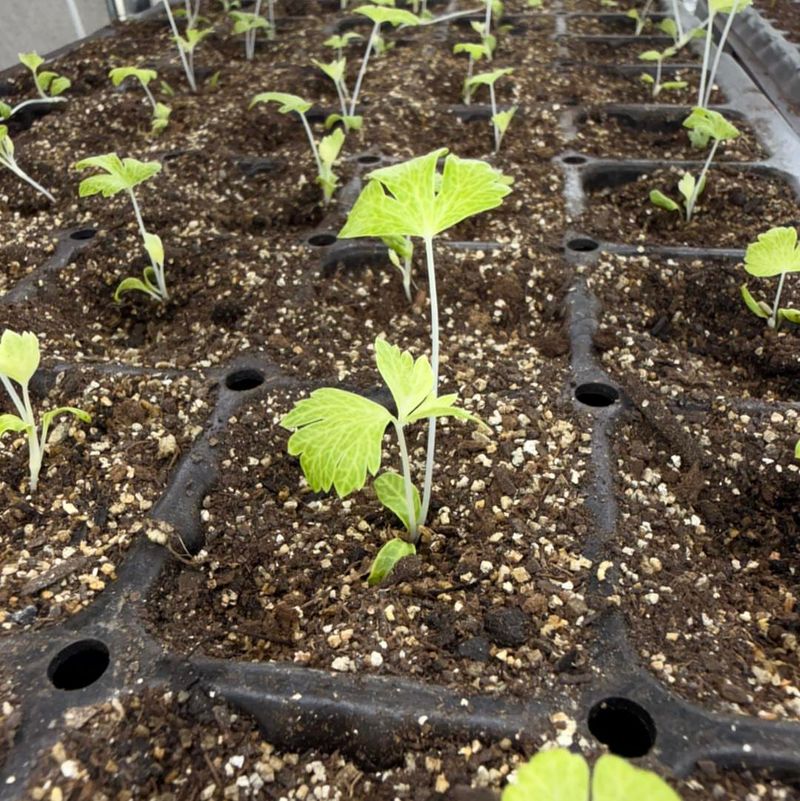
Some plants are just genuinely tricky to start from seed, even for gardeners who have been growing food for years. Celery (Apium graveolens) is one of the most notoriously difficult vegetables to germinate.
It needs consistent moisture, a very specific soil temperature, and plenty of patience before it shows any sign of life at all.
Parsley (Petroselinum crispum) presents a similar challenge. Its seeds can take three to four weeks to germinate even under good conditions, and they require steady moisture throughout that entire period.
For a Michigan gardener juggling work, family, and a short growing season, waiting a month just to see a sprout can feel discouraging.
Buying established celery or parsley seedlings from a Michigan nursery completely sidesteps that frustration. The plants arrive already past the hardest stage of growth, with strong root systems and healthy foliage.
You skip the slow germination phase entirely and move straight to growing.
Beginning gardeners in Michigan especially benefit from starting with transplants of these trickier crops. Building confidence in the garden matters, and nothing builds that confidence faster than watching a healthy plant thrive after transplanting.
Local Michigan garden centers carry a solid selection of herb and vegetable transplants each spring, making it easy to fill your garden with plants that are already off to a great start.