7 Times Ohio Gardeners Are Better Off Buying Seedlings Instead Of Starting Seeds
Ever wonder if that crowded windowsill of leggy, leaning sprouts is actually doing your Ohio garden any favors?
While there is a certain pioneer charm to starting seeds under grow lights in the depths of a Buckeye February, the reality of our unpredictable Great Lakes springs can quickly turn a fun hobby into a high-stress headache.
For many gardeners from the Lake Erie shore to the Ohio River, the most successful harvests don’t actually start in a seed tray at home.
Choosing vibrant, professional-grade transplants from a local nursery isn’t “cheating.” It is often the most strategic move you can make.
Between Ohio’s tight warm-season windows and the technical demands of maintaining perfect humidity and light indoors, buying established starts ensures your plants hit the soil strong, resilient, and perfectly timed for our climate.
In many cases, a tray of sturdy, store-bought seedlings will easily outperform a struggling home-grown start, giving you a massive head start on a productive season.
1. Long-Season Crops Need A Bigger Head Start In Ohio
Ohio’s warm season is generous enough for a lot of crops, but for tomatoes, eggplants, and similar long-season vegetables, the math gets tight fast. In northern Ohio especially, the average last frost date hovers around mid-May, and the first fall frost can arrive by early October.
That leaves roughly 150 days of frost-free growing, which sounds comfortable until you realize that some eggplant varieties need 100 or more days from transplant to a full harvest.
Starting these crops from seed at home means beginning 8 to 10 weeks before your last frost date, which puts many Ohio gardeners under grow lights in late February or early March.
Maintaining the right soil temperature for germination, providing enough light intensity to prevent leggy seedlings, and keeping up with watering and fertilizing over that long stretch takes real commitment.
Not every home setup can deliver the warmth and light that eggplants and peppers need during those early weeks.
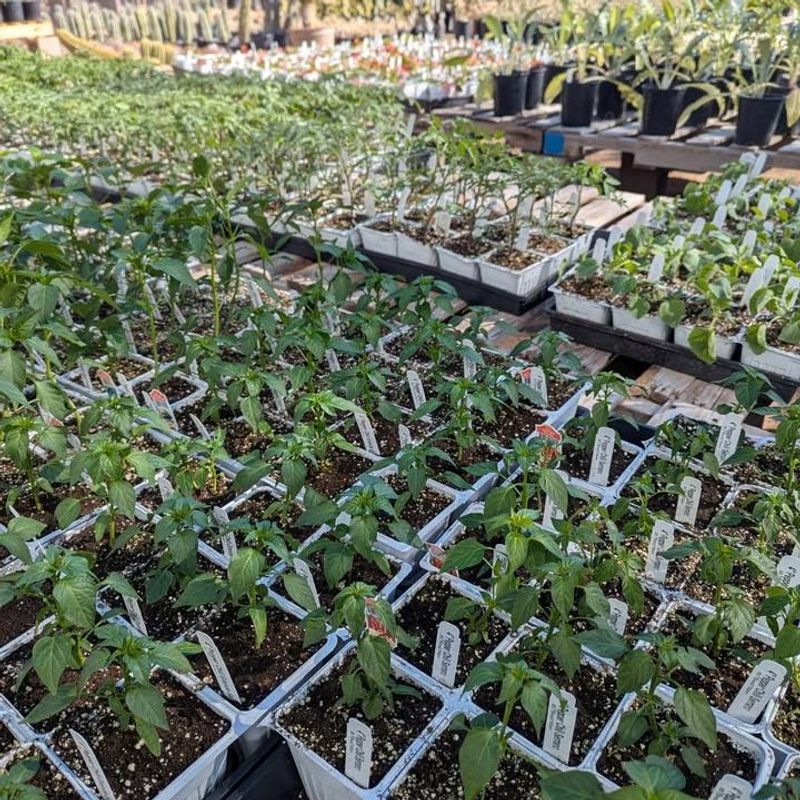
Commercial greenhouse growers start these crops in controlled environments with consistent heat and high-intensity lighting, which produces stockier, healthier transplants than most home setups can match.
When you buy a well-grown eggplant or tomato seedling in May, you are getting a plant that has been raised under near-ideal conditions from the start.
For Ohio gardeners who want a reliable harvest of long-season crops without the stress of a two-month indoor growing project, purchasing transplants from a trusted local nursery is often the more dependable route to a productive garden.
2. Buying Seedlings Saves You From Weak Indoor Starts
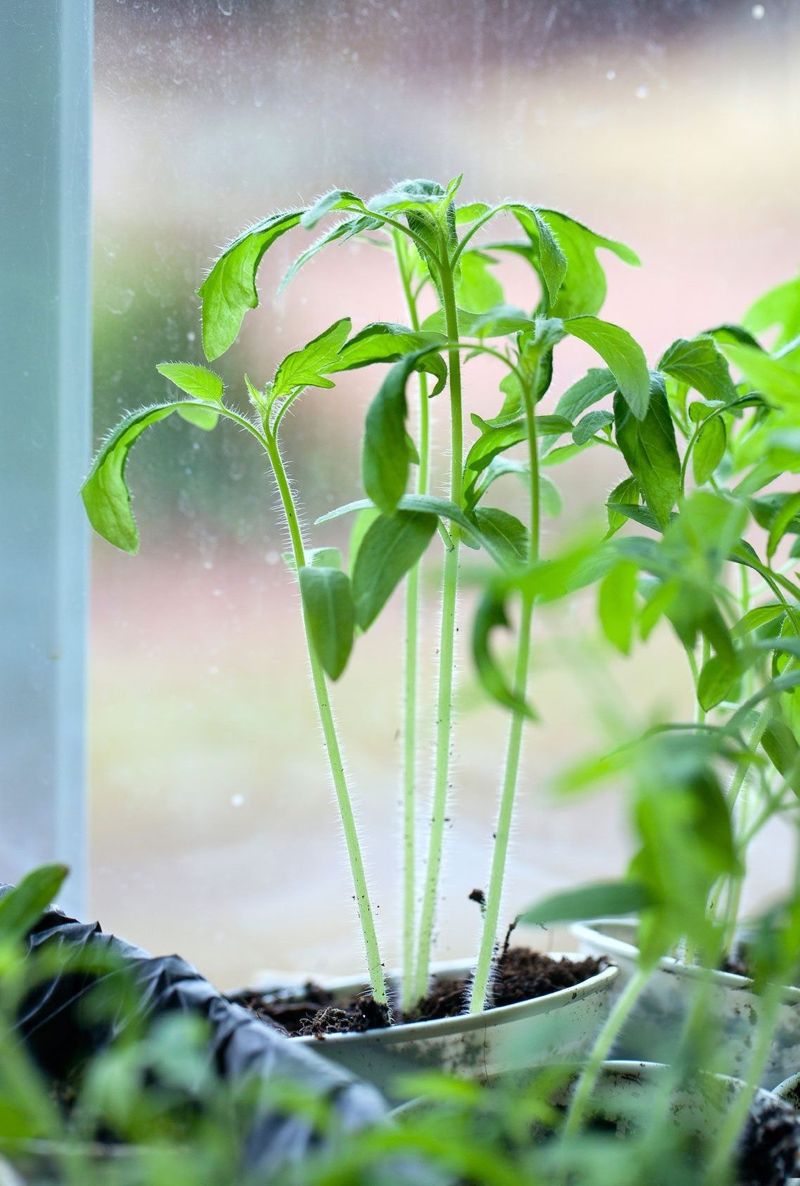
Walk into almost any Ohio home in March and you might find a windowsill crowded with seed trays, seedlings leaning hard toward the glass, stems stretched thin from reaching for light that a south-facing window simply cannot provide at that time of year.
Weak, leggy seedlings are one of the most common frustrations in home seed starting, and they happen because natural light in Ohio during late winter and early spring is both too low in intensity and too short in duration to drive compact, sturdy growth.
Supplementing with grow lights helps, but only when the lights are positioned close enough to the seedlings and run for enough hours each day.
Many gardeners underestimate how much light output a proper setup requires, and the result is transplants that are tall, floppy, and slow to establish once they go into the garden.
Leggy seedlings are more vulnerable to wind damage, transplant stress, and early pest pressure than compact, well-grown starts.
Nursery-grown transplants, by contrast, are raised in greenhouses designed to maximize light exposure and airflow. The plants come out with thick stems, deep green color, and strong root systems.
When you set a greenhouse-grown transplant into your Ohio garden bed in May, it tends to hit the ground running rather than spending two weeks recovering from transplant shock.
For gardeners who do not have a reliable grow-light setup or a well-lit space, buying seedlings sidesteps the whole problem of weak indoor starts and puts vigorous plants in the ground from day one.
3. Peppers Are Often Better As Transplants In Ohio Gardens
Few vegetables test an Ohio gardener’s patience quite like peppers. They grow more slowly than many warm-season crops, they need a solid head start indoors, and they respond poorly when spring conditions stay cooler than expected.
Ohio guidance recommends using transplants over direct seeding for greater success and earlier harvest, which tells you a lot about how peppers behave in this climate.
Starting them from seed is definitely possible, but it takes timing, warmth, and steady attention to produce sturdy plants by planting time.
Pepper seeds germinate best in warm soil, generally around 70 to 80 degrees Fahrenheit, so many home gardeners need a heat mat or another dependable warm spot to get them going well indoors.
After that, the seedlings still need strong light, careful watering, and enough time to grow before they can be hardened off and planted outside.
Ohio guidance suggests starting pepper seed indoors about 8 to 10 weeks before the expected outdoor planting date, which can make peppers a fairly long indoor project compared with some other crops.
Spring timing matters too. Peppers should go into the garden only after frost risk has passed and when temperatures are warm enough to support growth.
Ohio guidance notes that peppers do best with daytime temperatures around 70 to 80 degrees and nighttime temperatures above 55.
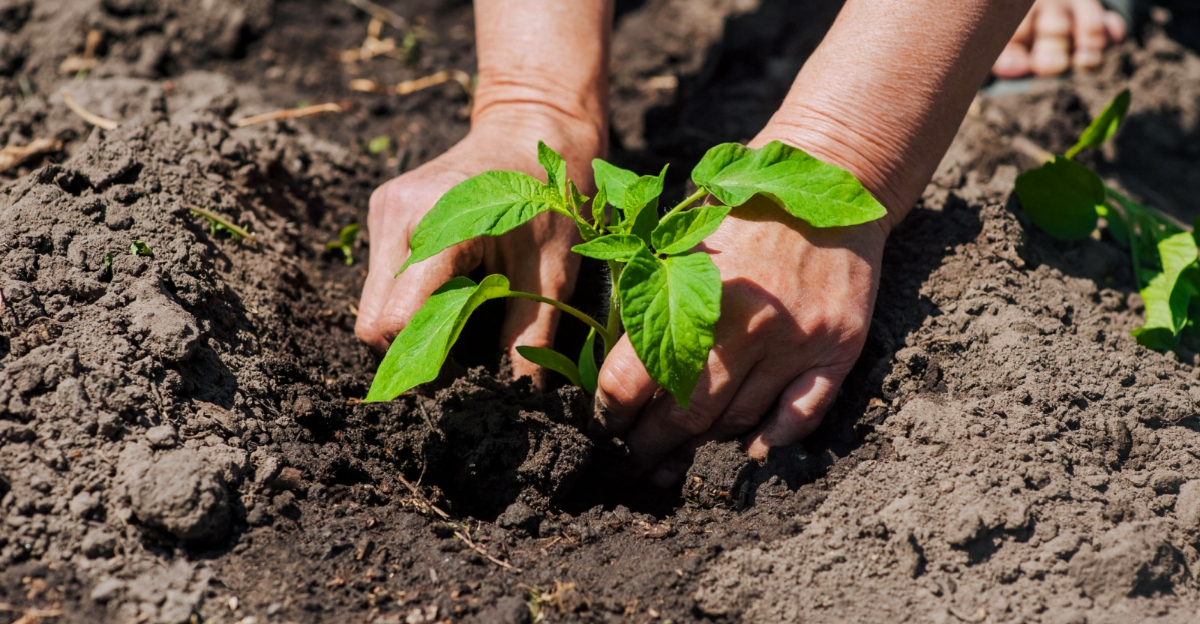
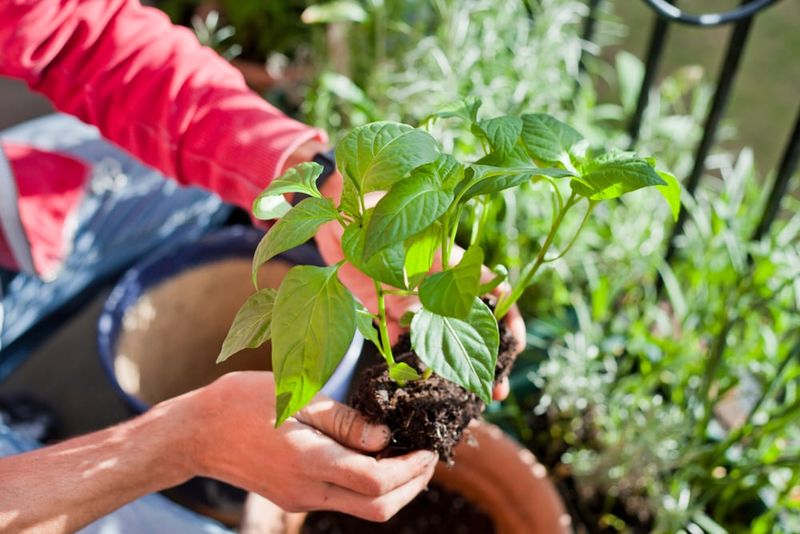
Buying pepper transplants from a reliable nursery lets gardeners skip the trickiest indoor stage and start with plants already sized and timed for Ohio conditions.
For many gardeners, that is the more practical route to a dependable harvest.
4. A Late Start Can Make Store-Bought Plants The Smarter Choice
Life has a way of getting busy right around the time Ohio gardeners are supposed to be starting seeds indoors.
Tax season, spring sports schedules, work travel, or simply a stretch of exhausting weeks can push seed-starting tasks off the calendar until suddenly it is mid-April and the window for starting tomatoes indoors has closed.
Missing that timing window does not have to mean a bad garden season – it just means the plan needs to shift.
When the seed-starting schedule has passed, buying transplants from a local nursery or garden center is the most practical way to recover.
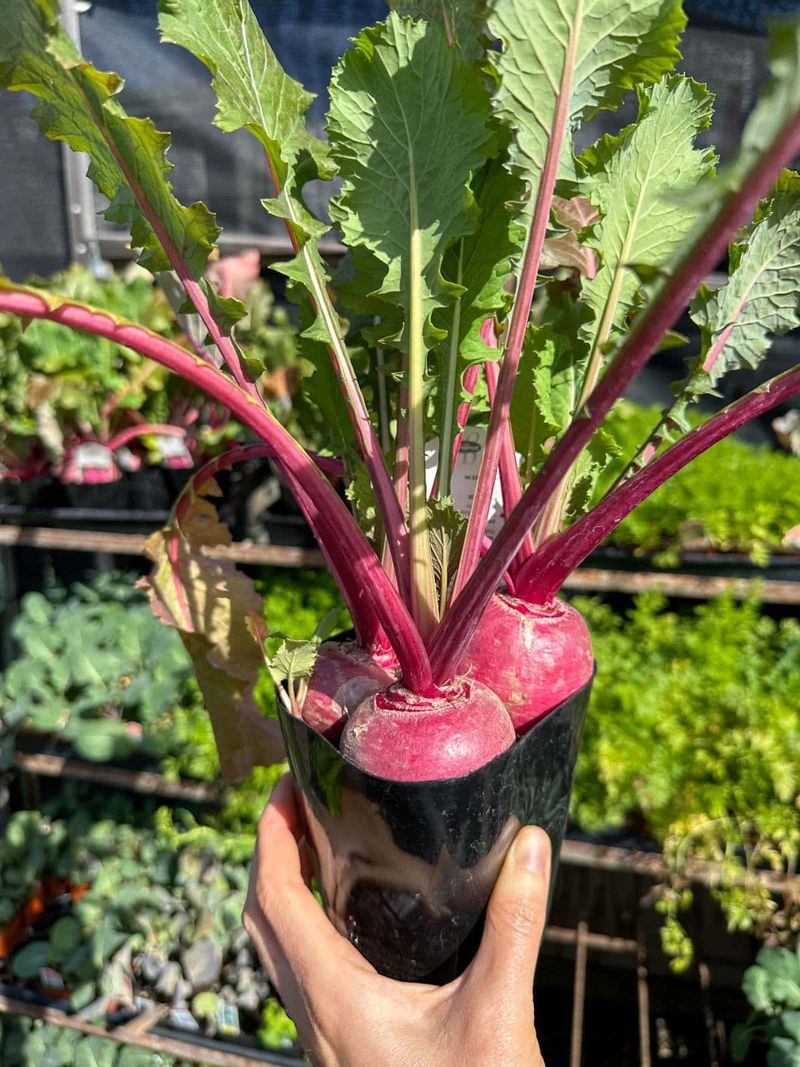
A healthy tomato or pepper transplant purchased in mid-May and put in the ground at the right time will often outperform a homegrown seedling that was started late and is still small and underdeveloped when planting time arrives.
The transplant is already at the size and stage it needs to be, regardless of what was happening in your house in February.
Ohio garden centers are well stocked with transplants through late May and often into early June for warm-season crops.
This gives gardeners a real window to course-correct after a late start without sacrificing much of the growing season.
Buying transplants in this situation is not giving up on the garden – it is making a realistic and practical decision that keeps the season moving forward.
A garden planted a bit late with strong, nursery-grown transplants will almost always produce better results than a garden planted with stressed, undersized seedlings that were rushed along to catch up.
5. Fall Brassicas Often Do Better When You Start With Transplants
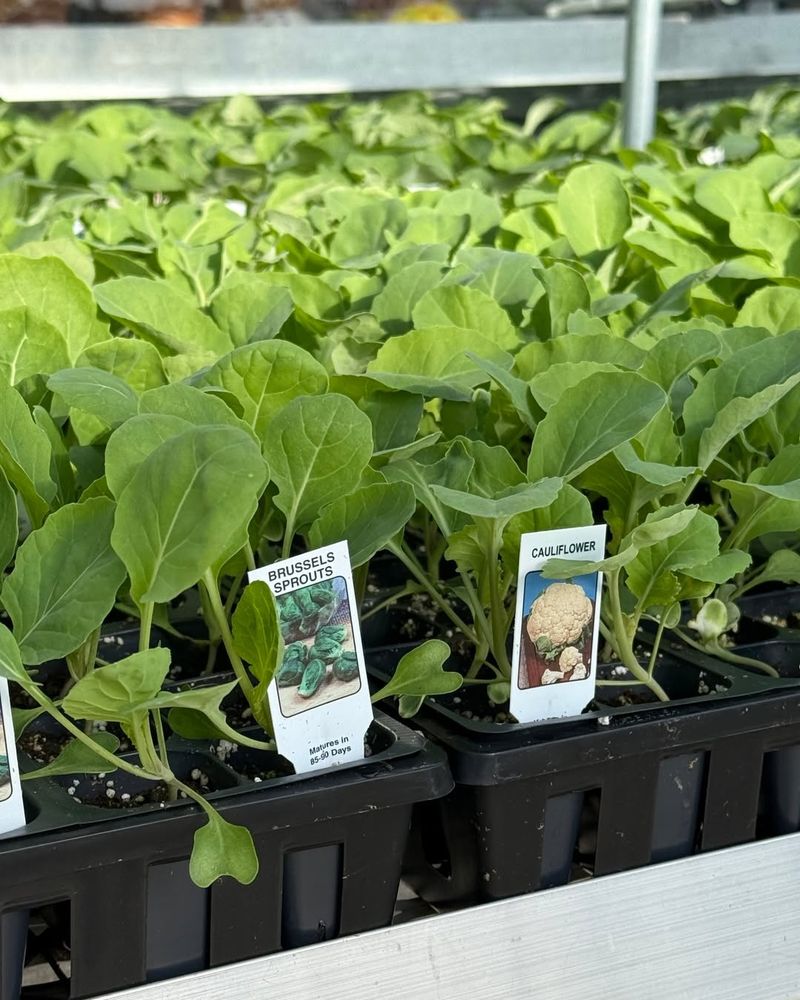
By the time Ohio gardeners start thinking seriously about fall broccoli, cabbage, cauliflower, or kale, the garden is usually already full of tomatoes, beans, squash, and a long list of summer chores.
That timing is exactly why transplants can make so much sense.
Fall brassicas need to be established early enough to size up before the weather turns sharply colder, and for some of these crops, Ohio guidance points to an earlier planting window than many gardeners expect.
For cabbage and cauliflower, Ohio guidance says fall crops should be set out as transplants in early to mid-July. That is earlier than a lot of gardeners assume, especially if they are still focused on managing midsummer crops.
Broccoli is also generally better grown from transplants than by direct seeding, and Ohio guidance notes that young, healthy transplants reduce stress and help avoid problems like buttoning.
The exact fall timing can vary by variety, but the broader point is that transplants are often the easier and more reliable way to hit the window.
Buying transplants in summer also helps gardeners skip a second indoor seed-starting cycle during one of the busiest parts of the season.
Instead of managing seed trays in June or early July, you can focus on getting strong young plants into prepared soil with enough moisture to settle in well.
For Ohio gardeners who want a productive fall brassica crop without adding more complexity to midsummer garden work, purchased transplants are often the more practical choice.
6. A Small Garden May Not Need Trays Full Of Seedlings
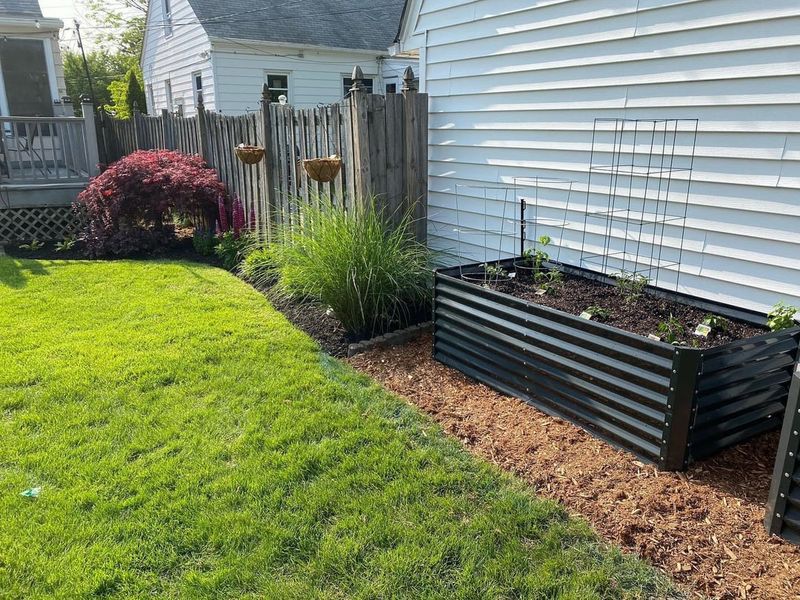
Seed packets are an incredible value when you need a lot of plants, but most packets contain far more seeds than a small-space gardener will ever use.
Starting a full tray of tomato seeds just to end up with three or four plants for a raised bed can feel excessive.
It often means caring for 20 or 30 seedlings, thinning them down, and dealing with extras you cannot use while keeping the remaining plants healthy under grow lights for weeks.
For gardeners working with a single raised bed, a small patio container setup, or a compact backyard plot, buying three or four transplants from a nursery is simply more efficient.
You pay a few dollars more per plant than you would if you had started seeds, but you save weeks of indoor growing time, avoid the need for a full seed-starting setup, and skip the process of hardening off a large batch of seedlings.
The math changes when you only need a handful of plants.
Ohio nurseries and garden centers carry transplants in individual pots and small packs that are sized exactly for this kind of small-scale gardening.
You can pick up two tomato plants, a couple of pepper starts, and a six-pack of basil without committing to an indoor growing operation that takes over your dining room table for two months.
Small-space gardening in Ohio is extremely popular, and buying transplants fits that style of gardening in a way that large-scale seed starting simply does not. Quality over quantity is a perfectly sound approach for the backyard gardener.
7. New Gardeners Often Get Better Results With Healthy Starts
There is a particular kind of discouragement that hits new gardeners when a seed-starting project falls apart – the mold on the soil surface, the seeds that never sprouted, the seedlings that looked fine for two weeks and then collapsed.
Seed starting has a real learning curve, and that curve can feel steep when you are also learning how to prepare garden beds, manage soil, and figure out Ohio’s unpredictable spring weather all at the same time.
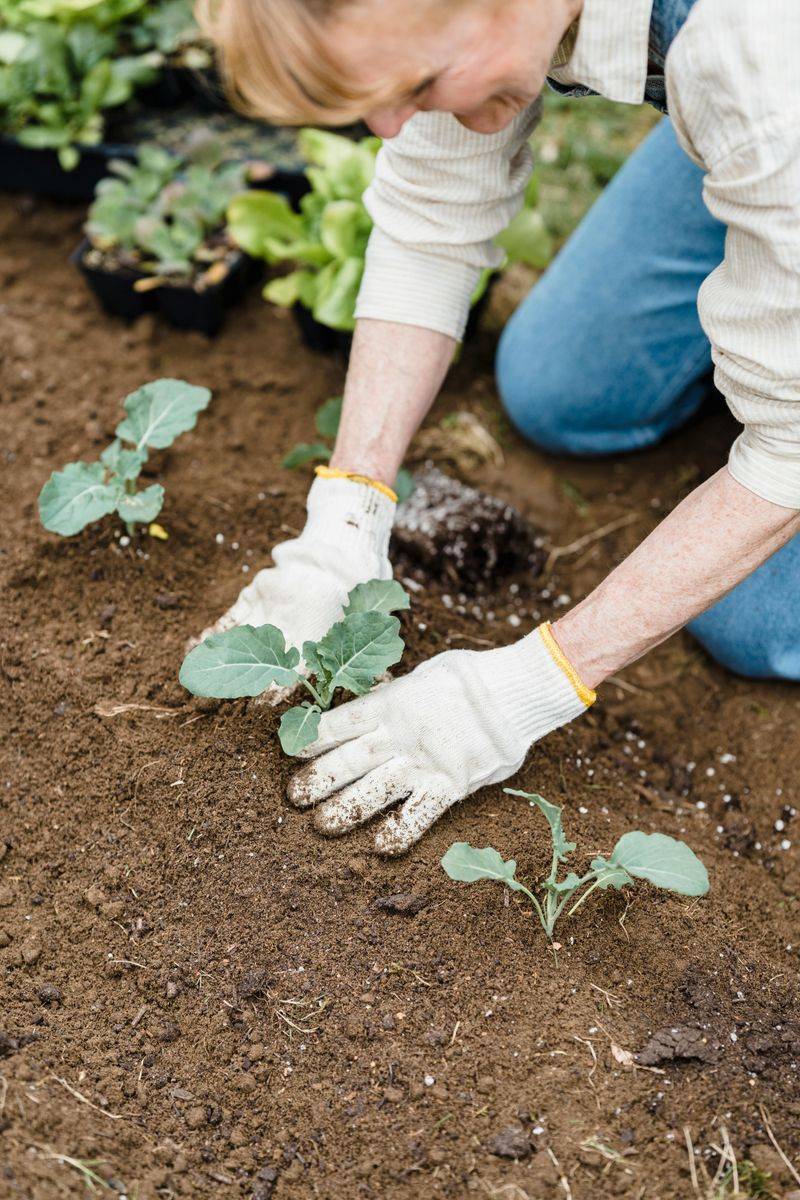
For first-year and early-stage Ohio gardeners, buying healthy transplants removes one major variable from an already complex learning process.
Instead of troubleshooting germination failures or trying to rescue leggy seedlings, a new gardener can focus on the basics first.
That means learning soil preparation, proper planting depth, watering habits, mulching, and how their yard and microclimate behave through the season.
Those foundational skills will serve them well for years.
Starting with strong, nursery-grown transplants also tends to produce more encouraging results in that first season, which matters more than most experienced gardeners realize.
A new gardener who harvests a good crop of tomatoes and peppers in their first year is far more likely to keep gardening, expand their beds, and eventually try seed starting when they are ready and better prepared.
Ohio has a strong network of local nurseries, farmers markets, and garden centers that sell quality transplants in spring.
Using those resources as a new gardener is not a workaround – it is a practical and confidence-building way to get started on the right foot.