8 Tips Every Illinois Gardener Should Know For Growing Strawberries Indoors
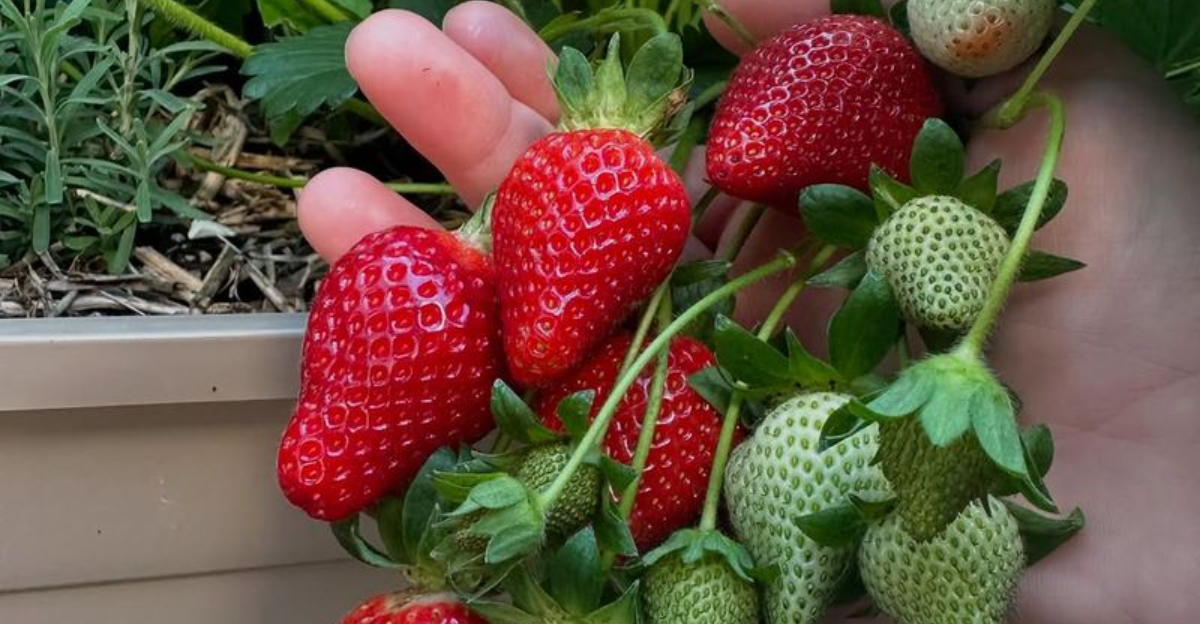
Winter in Illinois can make fresh strawberries feel like a distant dream—but you don’t have to wait until spring to enjoy sweet, homegrown berries.
Indoor strawberry growing lets you harvest juicy, flavorful fruits year-round, even when frost blankets the outdoors.
It’s easier than you might think, but there are a few essential tricks to ensure success.
Who says strawberries are just a summer treat?
Grow them indoors all winter!
From choosing the right varieties and containers to providing proper light, temperature, and watering, these eight tips help Illinois gardeners create thriving indoor strawberry setups.
Proper care ensures strong roots, abundant blooms, and sweet harvests that rival store-bought berries in both flavor and freshness.
Turn your windowsill or countertop into a strawberry paradise!
Indoor strawberry gardening is perfect for small spaces, apartments, or anyone looking to enjoy fresh fruit without leaving the house.
By following these strategies, you’ll have juicy strawberries ready to pick, impressing family, friends, and even yourself.
Winter doesn’t have to mean flavorless fruit—your garden can thrive indoors!
1. Choose Day-Neutral Strawberry Varieties
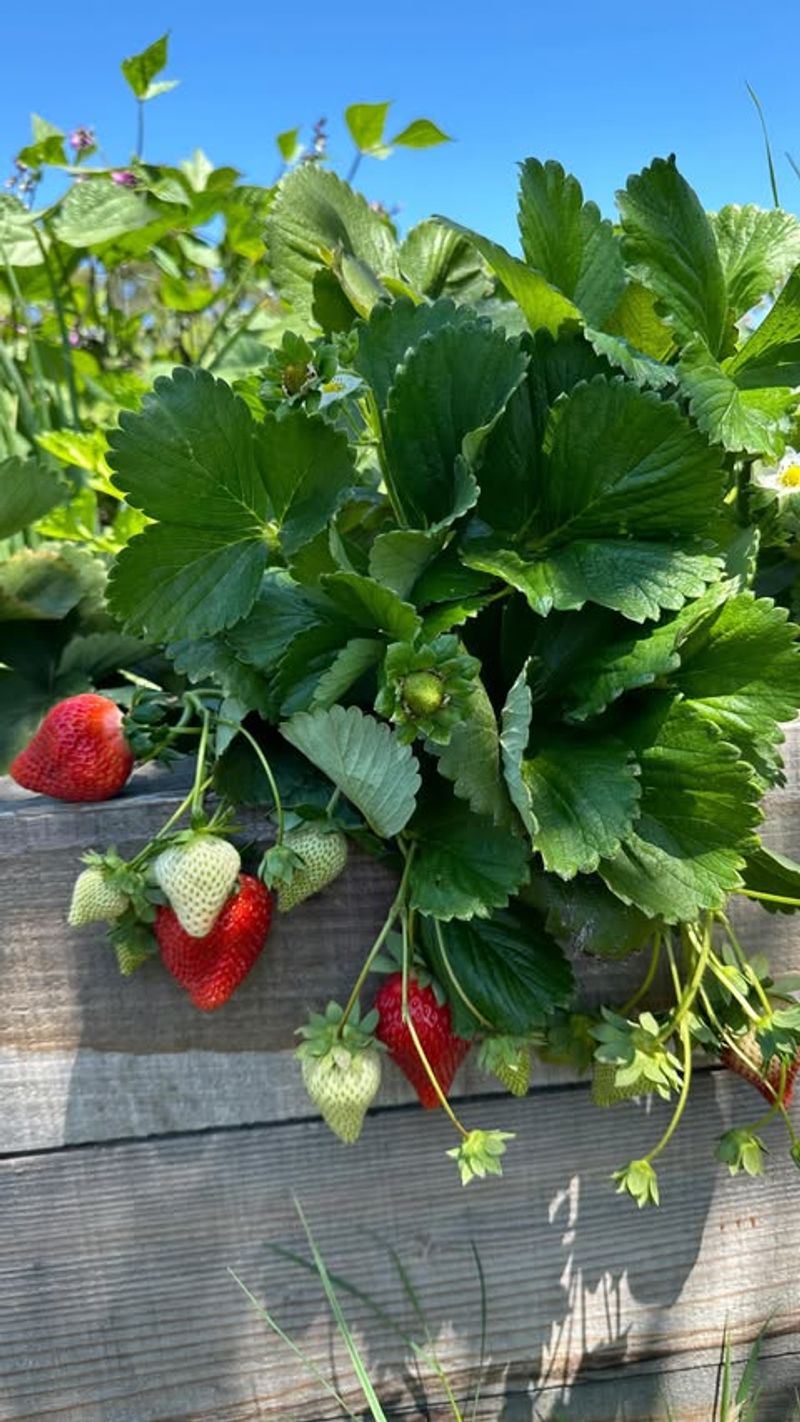
Day-neutral strawberries stand apart from their June-bearing cousins because they produce fruit throughout the growing season rather than in one big burst.
This trait makes them absolutely ideal for indoor gardening, where you want a steady supply of berries instead of waiting months for a single harvest.
Unlike traditional varieties that need long summer days to trigger flowering, day-neutral types bloom and fruit based on temperature rather than daylight length.
Illinois winters bring short, gray days that would leave most strawberry plants sitting dormant and fruitless.
Day-neutral varieties ignore the clock and the calendar, setting flowers and producing berries as long as temperatures stay in their comfort zone.
This means you can enjoy fresh strawberries in January just as easily as in July, which is the whole point of growing indoors.
Popular day-neutral varieties like Albion, Seascape, and Tristar perform beautifully in containers and adapt well to indoor conditions.
They develop compact root systems that fit nicely in pots, and their continuous fruiting habit means you’ll always have something to look forward to.
When shopping for plants, specifically ask for day-neutral varieties rather than June-bearing or everbearing types, as the growing pattern makes all the difference for indoor success.
2. Start With Healthy Plants Instead Of Seeds
Seeds might seem like the economical choice, but strawberries grown from seed take an incredibly long time to produce fruit, often requiring more than a year before you see your first berry.
Indoor gardeners who want results within a reasonable timeframe should skip the seed packets and invest in starter plants or bare-root crowns instead.
These established plants already have developed root systems and mature tissues ready to flower and fruit within weeks of planting.
Bare-root strawberries arrive dormant, looking like a bundle of dried roots with a small crown in the center.
They wake up quickly once planted in moist soil and typically begin flowering within a month or two under good conditions.
Potted starter plants from nurseries offer an even faster route, as they’re already actively growing and may even have flowers or tiny berries when you bring them home.
Quality matters tremendously when selecting starter plants, so purchase from reputable nurseries or garden centers that guarantee disease-free stock.
Inspect the crowns for firm, healthy tissue without any soft spots or discoloration, and check that roots appear fresh rather than dried out or mushy.
Starting with vigorous, healthy plants gives you a significant head start and helps avoid the frustration of waiting endlessly for seedlings to mature into productive berry producers.
3. Give Strawberries Bright, Consistent Light
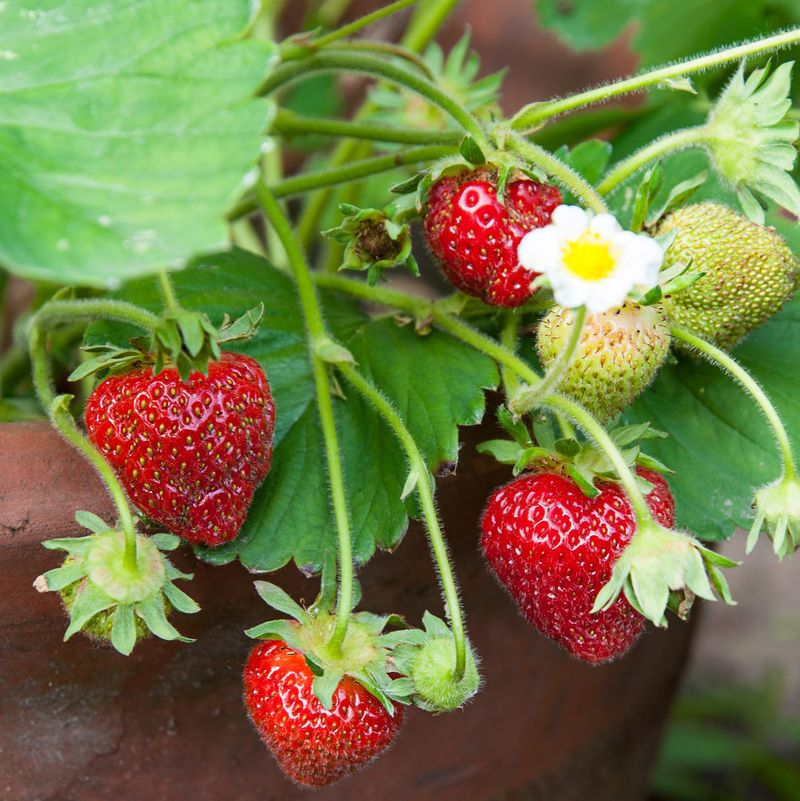
Strawberries are sun-loving plants that need at least six to eight hours of bright light daily to produce sweet, flavorful fruit.
South-facing windows provide the strongest natural light in Illinois homes, making them the best location for indoor berry growing during winter months.
However, even the brightest window may not deliver enough intensity during our gray Midwestern winters, especially from November through February when cloud cover dominates.
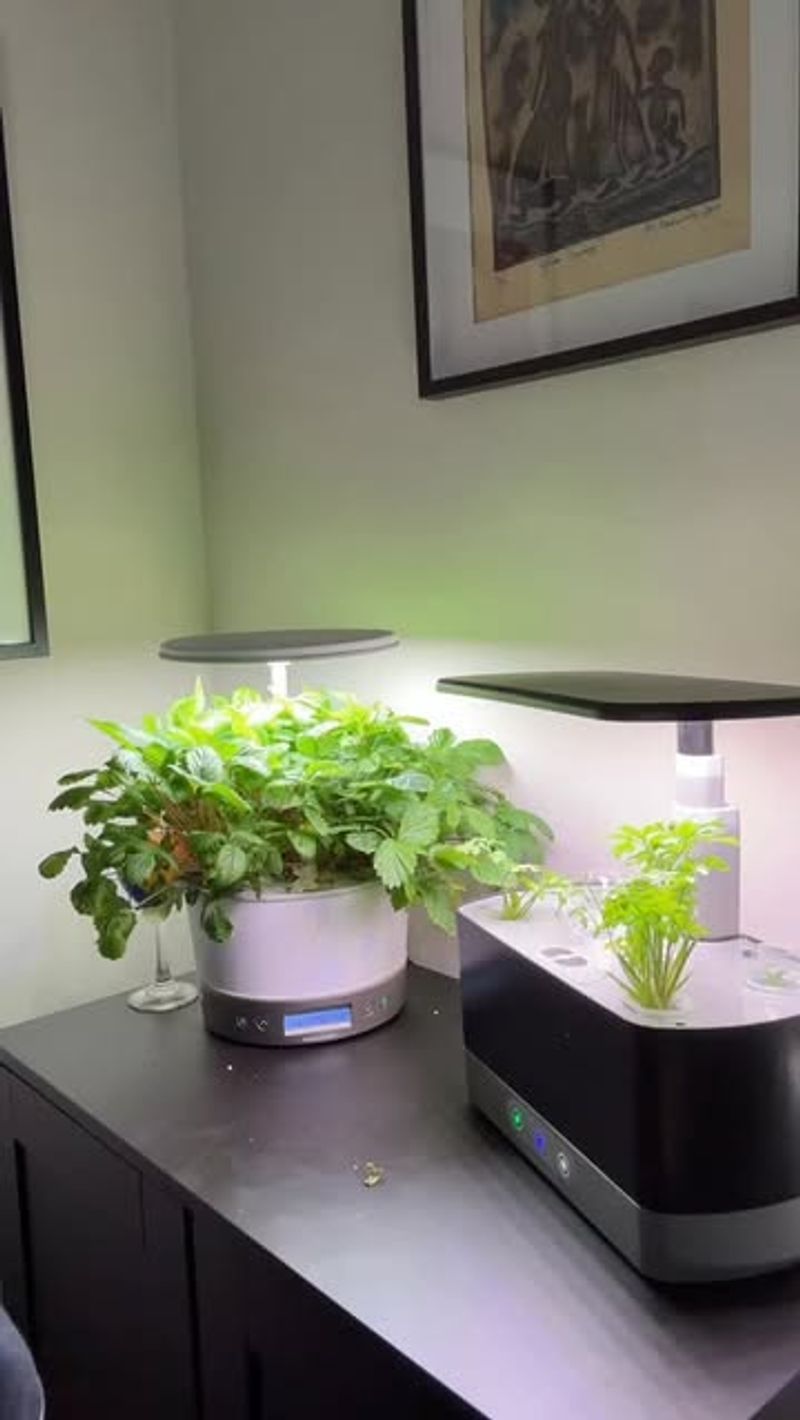
Supplemental grow lights solve the light challenge beautifully and give you much more flexibility in where you place your plants.
Full-spectrum LED grow lights designed for fruiting plants work exceptionally well, providing the right wavelengths for both vegetative growth and berry production.
Position lights about six to twelve inches above the plant canopy and run them for twelve to sixteen hours daily to mimic ideal growing conditions.
Plants that don’t receive adequate light become leggy and weak, producing mostly leaves with few flowers and disappointing fruit.
Watch for signs of light stress, including pale leaves, stretched stems, or flowers that drop without forming berries, all of which indicate your plants need more illumination.
Combining a bright window with supplemental lighting during the darkest months creates the perfect environment for continuous indoor strawberry production throughout the entire year.
4. Use Containers With Excellent Drainage
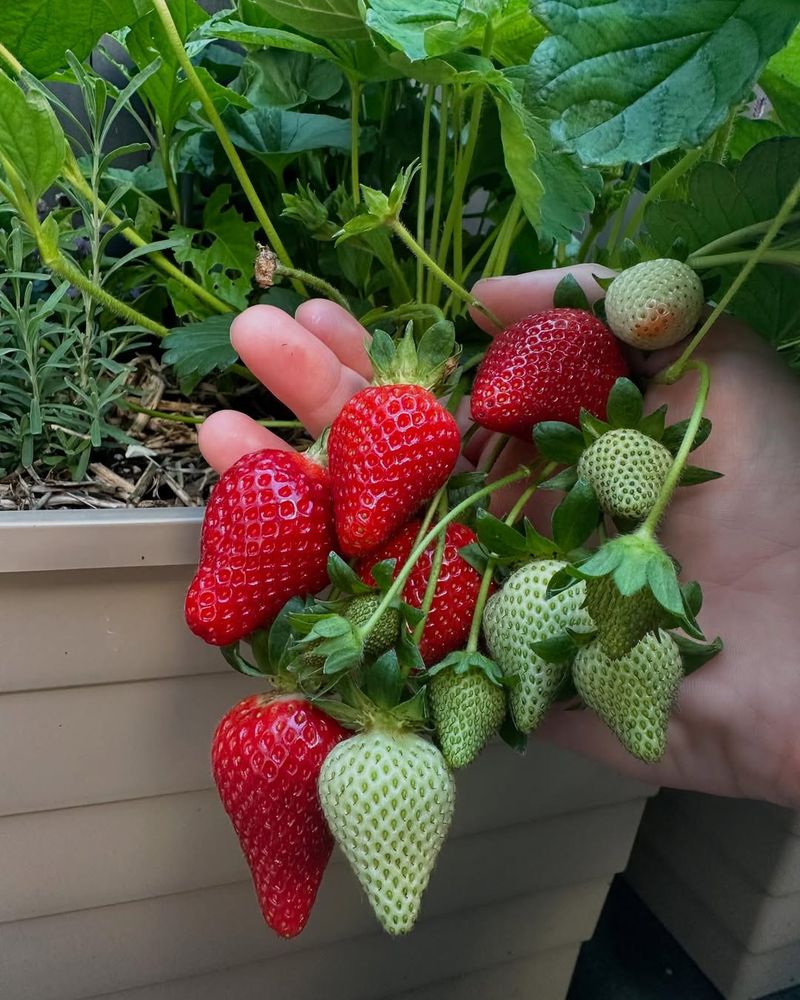
Root rot represents the single biggest threat to indoor strawberries, developing quickly when soil stays too wet for too long.
Strawberry roots need oxygen just as much as they need water, and soggy conditions suffocate roots while creating perfect conditions for harmful fungi to thrive.
Choosing containers with multiple drainage holes in the bottom prevents water from pooling and keeps roots healthy and productive.
A container measuring six to eight inches deep and equally wide provides enough space for one strawberry plant to develop a strong root system.
Shallow containers work better than deep pots because strawberries have relatively compact roots that spread horizontally rather than diving deep into the soil.
Terra cotta pots offer the advantage of being porous, allowing excess moisture to evaporate through the pot walls, though plastic containers work fine as long as drainage is excellent.
Always place a saucer under your containers to catch excess water, but never let pots sit in standing water for more than a few minutes after watering.
Illinois homes tend to be quite dry during winter when heating systems run constantly, but cool indoor temperatures can still keep soil moist longer than expected.
Use a well-draining potting mix specifically formulated for containers rather than garden soil, which compacts easily and holds too much moisture for healthy strawberry root development indoors.
5. Keep Temperatures Steady And Mild
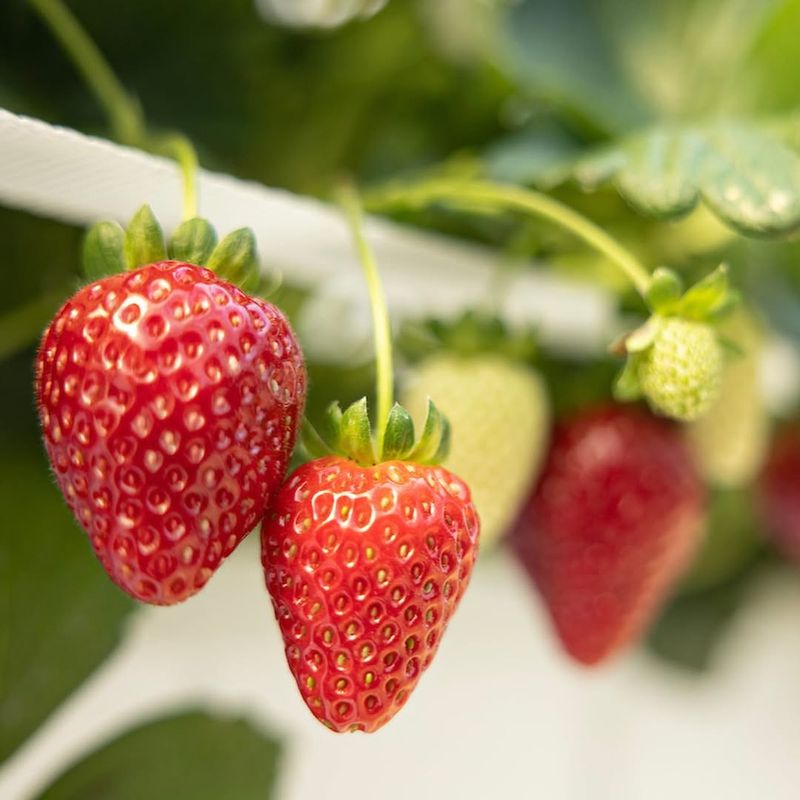
Strawberries flourish in moderate temperatures between sixty and seventy-five degrees Fahrenheit, which fortunately matches the comfort range most Illinois residents maintain in their homes during winter.
Temperatures that swing wildly between hot and cold stress plants and reduce fruit production, so finding a location with consistent conditions helps your berries thrive.
Avoid placing plants near heating vents, radiators, or drafty windows where temperature fluctuations can be extreme.
Most modern heating systems create a dry indoor environment that can stress strawberry plants if humidity drops too low.
While strawberries don’t need tropical humidity levels, they appreciate moderate moisture in the air, especially when flowers are forming and fruit is developing.
Grouping several plants together helps create a slightly more humid microclimate, or you can place containers on trays filled with pebbles and water, ensuring the pot bottoms stay above the waterline.
Nighttime temperatures slightly cooler than daytime readings actually benefit strawberries, mimicking natural outdoor conditions and encouraging better fruit set.
A drop of five to ten degrees at night signals the plant that conditions are right for reproduction and berry formation.
Monitor the area where you keep your plants with a simple thermometer to ensure temperatures stay within the ideal range, adjusting placement if necessary to maintain the steady, mild conditions that produce the sweetest, most abundant indoor strawberry harvests.
6. Hand-Pollinate Flowers For Better Fruit Set
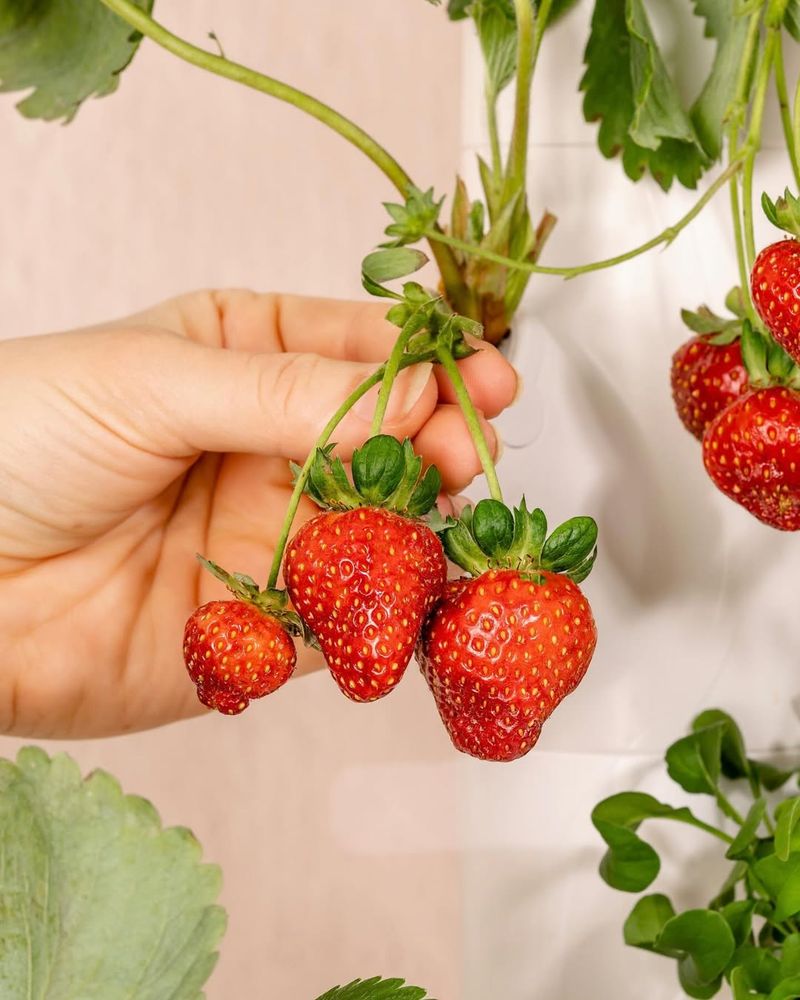
Outdoors, bees and other insects transfer pollen from flower to flower, ensuring that strawberry blossoms develop into plump, well-formed berries.
Inside your Illinois home, those helpful pollinators can’t reach your plants, which means flowers may bloom beautifully but fail to produce fruit without your assistance.
Hand pollination sounds complicated, but it’s actually a simple and oddly satisfying task that takes just a minute or two every few days.
A small, soft paintbrush or a cotton swab serves as your pollination tool, gently mimicking the work of a visiting bee.
When flowers are fully open, lightly brush the center of each blossom in a circular motion, moving pollen from the male parts (the ring of yellow anthers) to the female part (the central stigma).
Visit each flower on each plant, using the same brush to transfer pollen between blossoms, which improves pollination success rates significantly.
The best time for hand pollination is mid-morning when flowers are fully open and pollen is most viable and ready for transfer.
You’ll know your efforts succeeded when the petals drop away and a tiny green berry begins swelling at the flower’s base.
Flowers that weren’t successfully pollinated will simply shrivel and drop without forming fruit, so regular pollination sessions every two to three days while plants are blooming ensures you get the maximum berry harvest from your indoor strawberry garden.
7. Water Carefully To Prevent Mold And Fungus
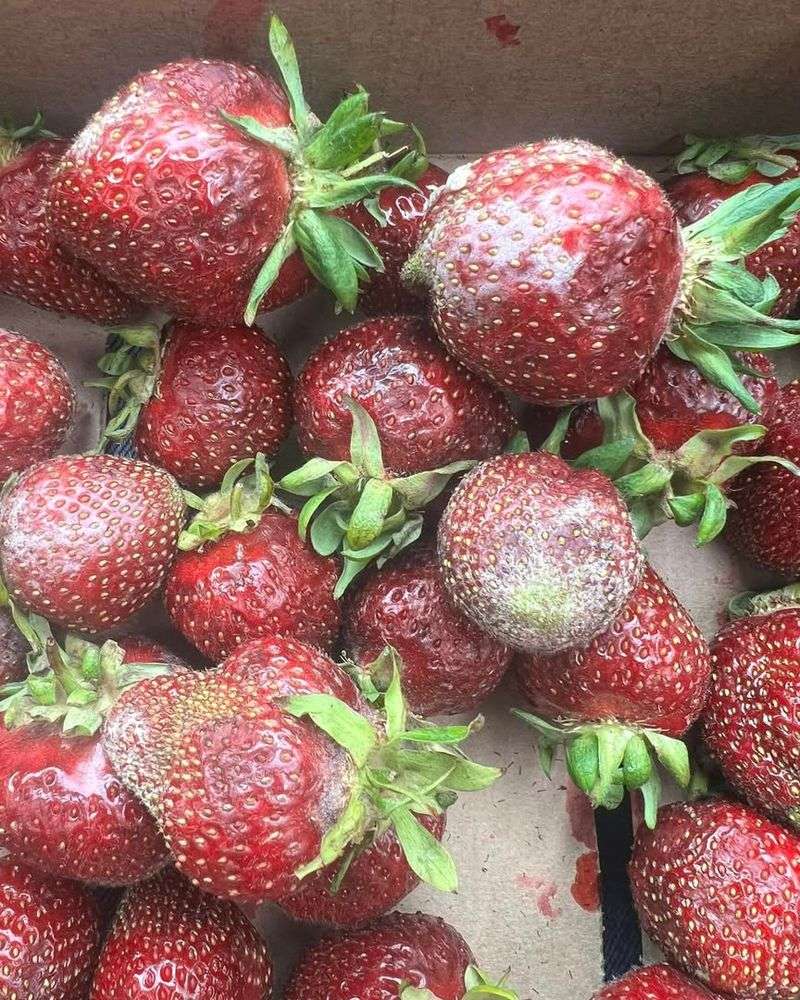
More indoor strawberry plants succumb to overwatering than any other single problem, as enthusiastic gardeners often water on a schedule rather than based on actual plant needs.
Strawberries prefer soil that’s evenly moist but never soggy, which requires paying attention to soil conditions rather than following a rigid watering calendar.
Stick your finger about an inch into the soil, and only water when the top layer feels dry to the touch rather than moist or damp.
When you do water, apply enough so that it drains out the bottom of the pot, ensuring the entire root zone receives moisture.
Then allow the soil to dry slightly before watering again, which prevents the constantly wet conditions that encourage fungal growth and root problems.
Cool indoor temperatures and lower light levels during Illinois winters mean plants use water more slowly than they would outdoors in summer, so you’ll likely water less frequently than you might expect.
Watch for warning signs of excess moisture, including yellowing leaves, soft or mushy crowns, or fuzzy mold growth on the soil surface or fruit.
Improve air circulation around plants by spacing containers apart and running a small fan on low speed nearby, which helps moisture evaporate and prevents fungal issues.
Water in the morning rather than evening so plants have all day to dry off, and always water the soil directly rather than splashing water on leaves and fruit, keeping foliage as dry as possible to maintain healthy, productive indoor strawberry plants.
8. Harvest Often To Encourage More Berries
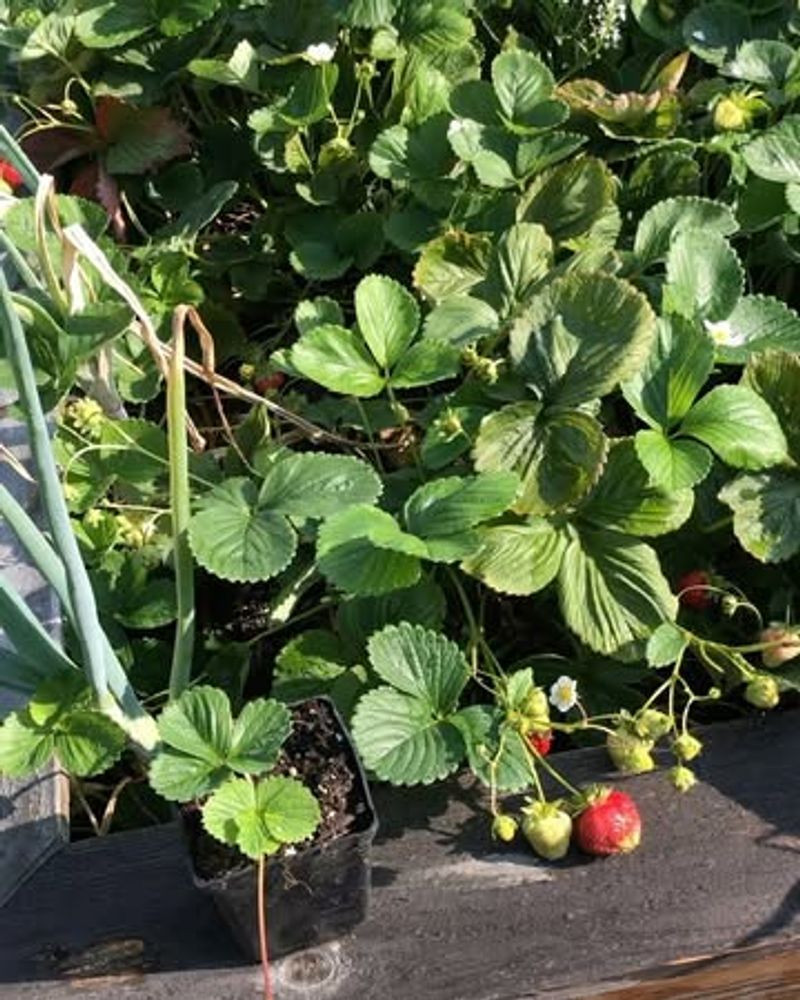
Picking strawberries as soon as they ripen signals the plant to keep producing more flowers and fruit, creating a continuous cycle of berry production.
Berries reach peak ripeness when they turn completely red with no white or green areas remaining near the stem, and they develop their sweetest flavor and best texture at this stage.
Leaving overripe fruit on the plant diverts energy away from new flower and berry production, so frequent harvesting actually increases your total yield over time.
Use scissors or pinch the stem just above the berry rather than pulling fruit off the plant, which can damage delicate stems and crowns.
Check your plants every two to three days during peak production, removing any berries that have reached full color and firmness.
Even if you can’t eat all the berries immediately, harvesting them on time keeps plants vigorous and productive rather than allowing them to slow down and rest.
Strawberries taste absolutely incredible when eaten fresh within minutes of picking, offering a flavor intensity that store-bought berries simply cannot match.
That amazing taste represents your reward for the care and attention you’ve given your indoor garden throughout the growing process.
Regular harvesting also lets you spot any problems early, such as mold or pests, before they spread to healthy fruit and foliage, keeping your entire indoor strawberry operation healthy and producing delicious berries month after month.