7 Tips For Growing Grapefruit Trees In Pots In Pennsylvania
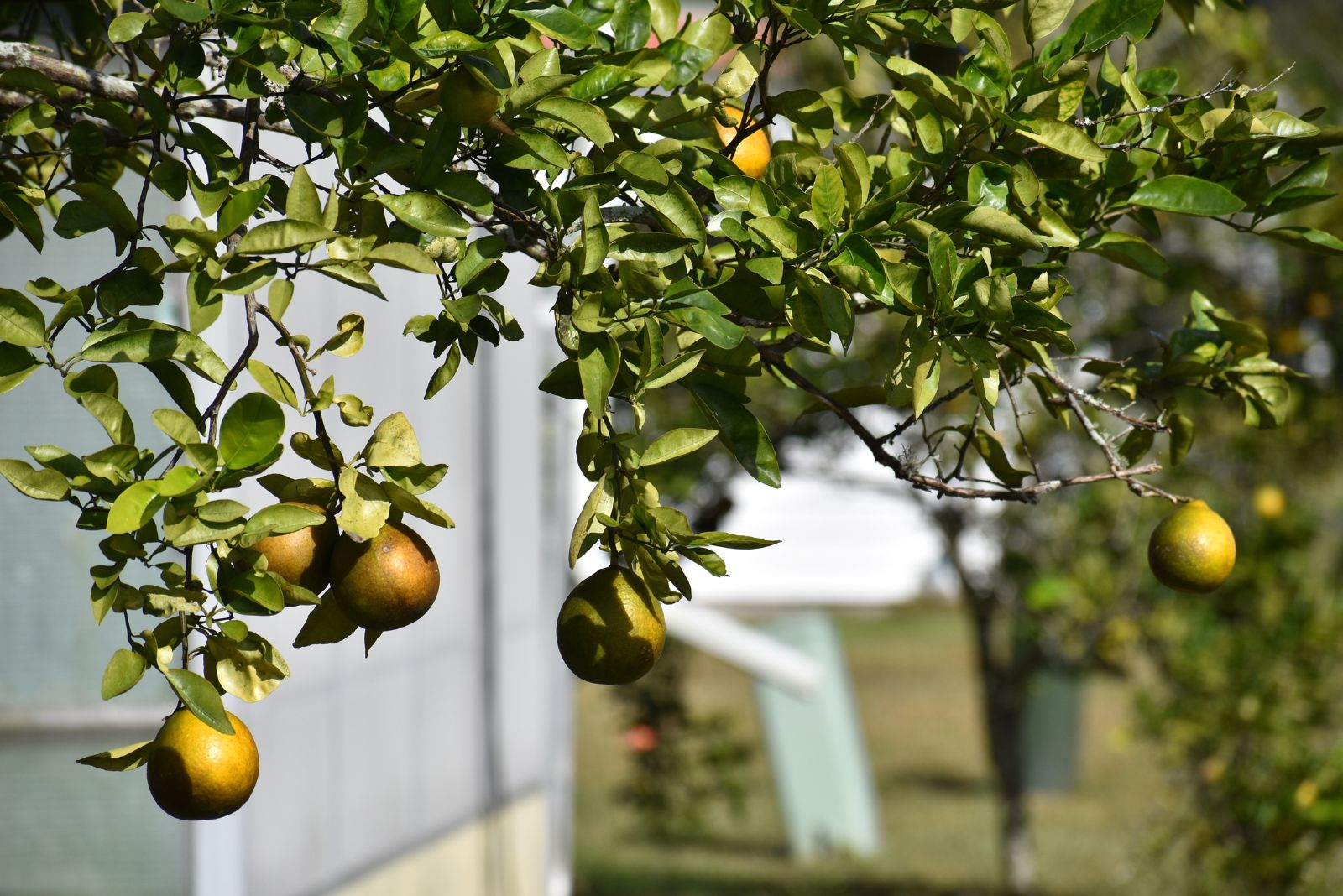
Growing grapefruit trees in Pennsylvania might sound like a challenge, but it’s more achievable than you think, especially when using pots.
While the climate isn’t ideal for growing these sun-loving trees outdoors year-round, container gardening offers a clever solution.
With the right care and attention, you can enjoy the beauty of a citrus tree in your own backyard, even if temperatures dip during the colder months.
The key to success lies in choosing the right pot, providing plenty of sunlight, and ensuring proper drainage. Grapefruit trees need warmth, so placing them in a sunny spot during the growing season is crucial.
As the cold weather sets in, you’ll want to bring them inside or provide protection from frost. With a little planning, you can have a thriving grapefruit tree that not only adds a tropical touch to your garden but also rewards you with fresh fruit – right in Pennsylvania!
1. Always Grow Grapefruit Trees In Containers
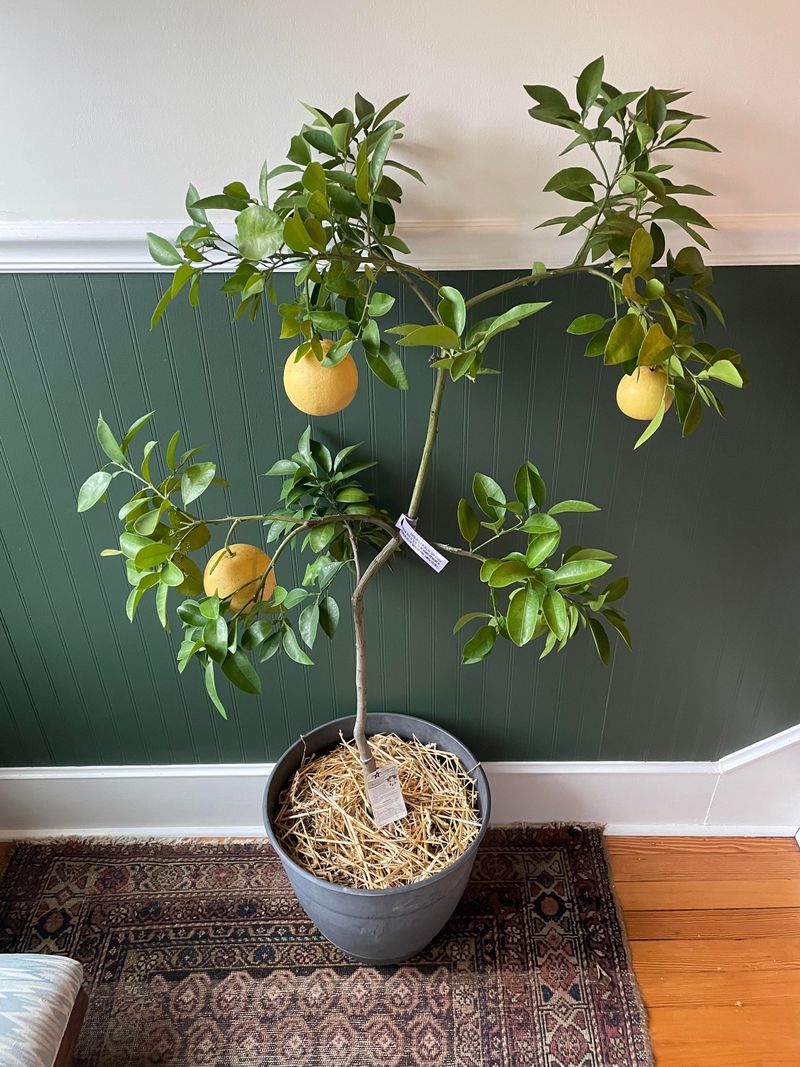
Grapefruit trees are tropical plants that simply cannot handle Pennsylvania winters outdoors. The cold temperatures that arrive each fall would damage or completely destroy a citrus tree planted in the ground.
Growing your grapefruit tree in a container is not just a good idea, it is the only way to make it work in Pennsylvania.
Container growing gives you full control over your tree’s environment. When summer arrives, you can roll the pot outside to soak up the warm sunshine.
When fall temperatures start dropping, you can bring it right back indoors without any stress to the roots or branches.
Dwarf or semi-dwarf varieties like Ruby Red or Oro Blanco are perfect choices for container growing. They stay smaller and are much easier to manage in pots.
These varieties also produce real, tasty grapefruit, so you will actually get to enjoy the fruits of your hard work.
Start with a pot that is at least 15 to 20 gallons in size. Bigger containers hold more soil, which keeps moisture more stable and gives roots room to spread.
Make sure the pot has wheels or a rolling tray underneath so moving it in and out of the house is easy and convenient.
Many Pennsylvania gardeners have found great success growing citrus in containers. Once you get the hang of it, the process becomes a satisfying seasonal routine that rewards you with fresh, homegrown grapefruit year after year.
2. Use A Large, Well-Draining Pot
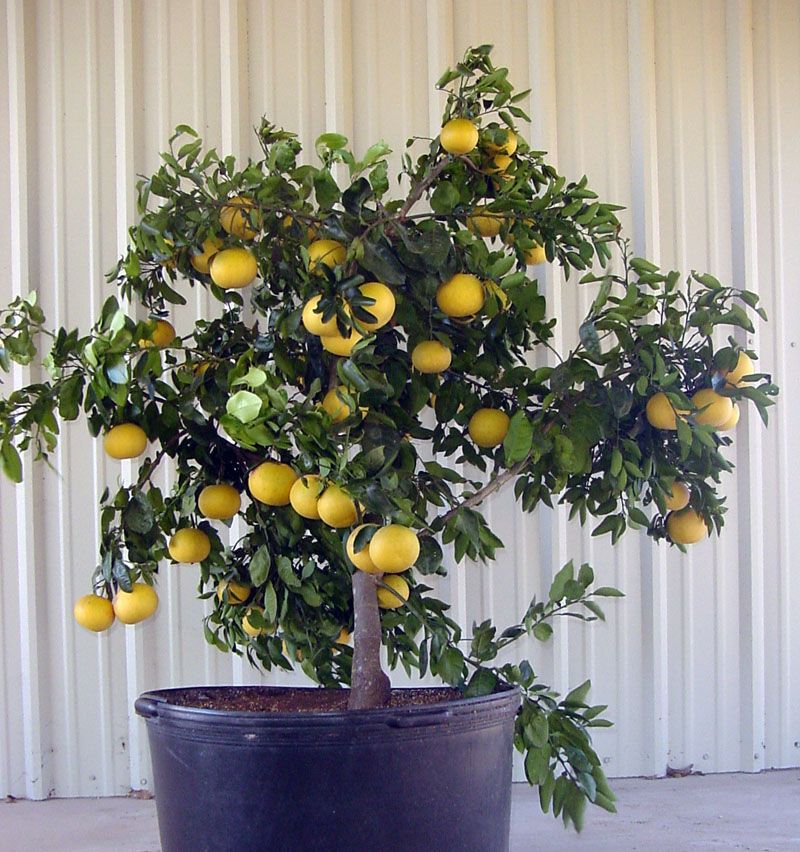
Picking the right pot is one of the most important decisions you will make for your grapefruit tree. A container that is too small will cramp the roots and slow down growth.
A pot without proper drainage holes will trap water and lead to root rot, which is one of the fastest ways to lose a citrus tree.
Choose a container that is at least twice the size of the nursery pot your tree came in. As the tree grows, you will need to repot it into something even larger every few years.
A 20 to 25 gallon pot works well for a mature dwarf grapefruit tree in a Pennsylvania home or sunroom.
The potting mix you use matters just as much as the pot itself. Regular garden soil is too heavy and does not drain well enough for citrus trees.
Use a potting mix made specifically for citrus, or blend regular potting soil with perlite and peat moss for better drainage and aeration.
Plastic pots are lighter than ceramic ones, which makes moving your tree in and out of the house much easier during Pennsylvania’s changing seasons. However, ceramic pots look more attractive and hold moisture a bit longer during dry summer days.
Place a layer of small rocks or broken pottery pieces at the bottom of the pot before adding soil. This simple trick helps water drain out faster and keeps the drainage holes from getting clogged with soil over time.
3. Give Them Maximum Sunlight
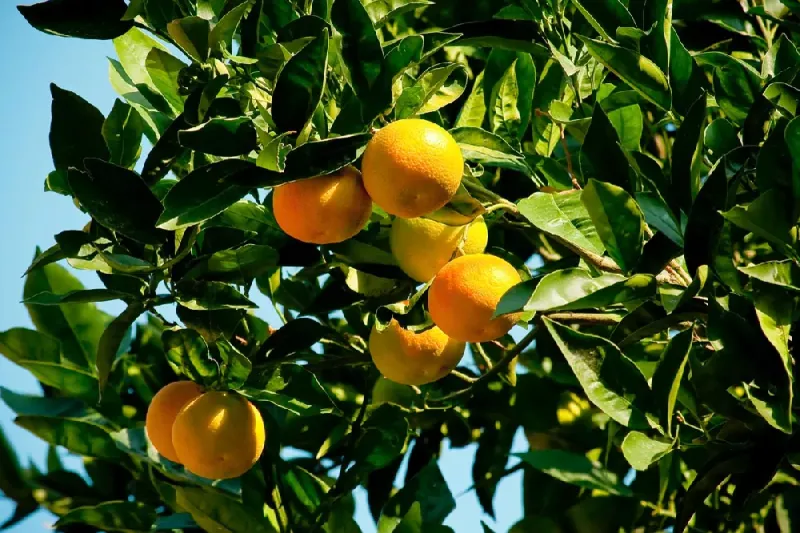
Sunlight is the fuel that keeps your grapefruit tree alive and productive. Without enough of it, the tree will grow slowly, drop its leaves, and probably never produce fruit.
Grapefruit trees need a minimum of 8 to 10 hours of direct sunlight every single day to truly thrive.
During the warm months in Pennsylvania, your tree should spend as much time outdoors as possible. A sunny patio, deck, or backyard spot that gets full sun from morning to late afternoon is ideal.
The more natural sunlight your tree soaks up during summer, the better it will perform during the winter months indoors.
Once you move the tree inside for the colder Pennsylvania months, placement becomes critical. Put the pot near your brightest south-facing or west-facing window.
These windows receive the most sunlight during fall and winter when the sun sits lower in the sky.
If your home does not have enough natural light, grow lights are a fantastic solution. LED grow lights designed for plants can provide the full-spectrum light that citrus trees need. Run them for 12 to 14 hours a day to make up for what the tree is missing from the sun.
Rotate the pot every week or two so all sides of the tree receive equal light exposure. This prevents the tree from leaning toward the light source and keeps growth balanced and healthy.
Even small adjustments like this make a real difference over a full growing season in Pennsylvania.
4. Bring Them Indoors Before Temperatures Drop
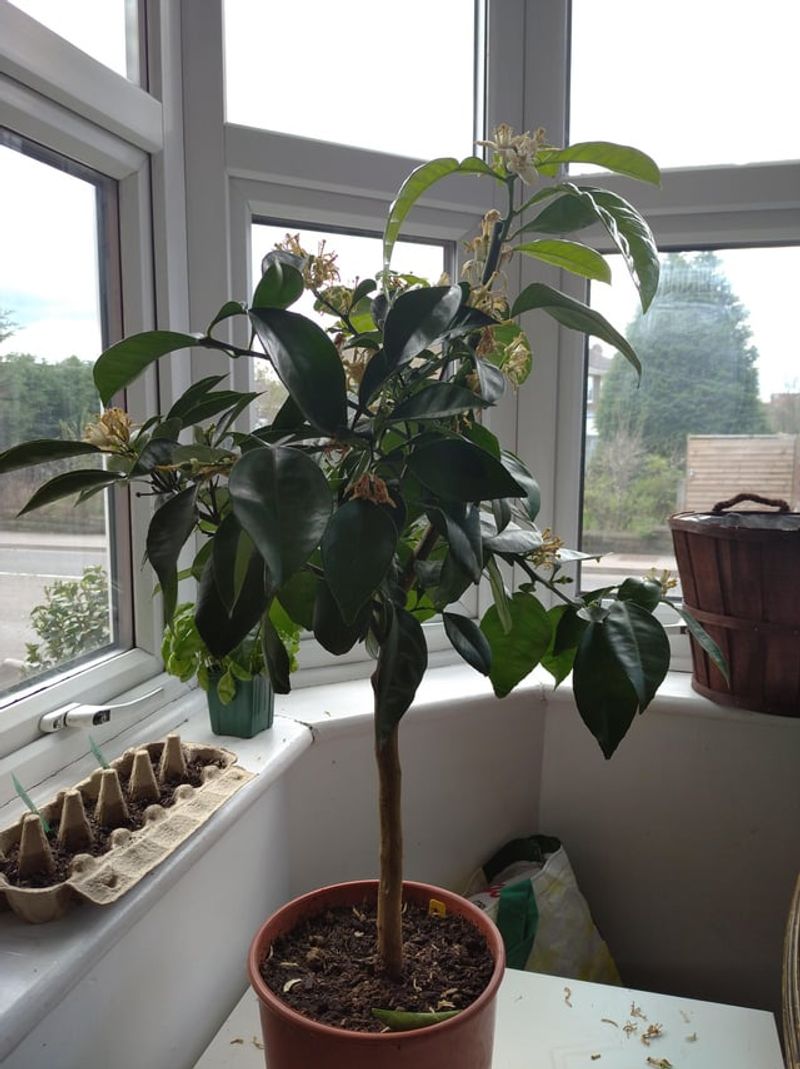
Timing is everything when it comes to protecting your grapefruit tree from Pennsylvania’s cold weather.
Citrus trees are very sensitive to cold temperatures and can suffer serious damage when temps fall below 50 degrees Fahrenheit. Do not wait until frost is in the forecast to start moving your tree inside.
A good rule of thumb is to bring your grapefruit tree indoors when nighttime temperatures consistently drop below 50 degrees Fahrenheit. In Pennsylvania, this usually happens sometime in September or October depending on where you live in the state.
Northern parts of Pennsylvania tend to get cold earlier than southern areas, so keep a close eye on your local forecast.
Moving a large potted tree can be challenging, which is why having a pot on wheels makes life much easier.
If the tree is too heavy to move alone, ask for help or use a hand truck to roll it inside safely. Avoid dragging the pot, as this can damage both the container and the roots.
When bringing the tree indoors, take a moment to check the leaves and soil for any insects or pests that may have hitchhiked inside. A quick rinse with a garden hose or a wipe-down with insecticidal soap can prevent a pest problem from spreading to other houseplants.
A sunroom, heated garage with windows, or a bright living room are all good winter homes for your grapefruit tree in Pennsylvania. The key is warmth, light, and protection from drafts near doors and windows.
5. Adjust Watering For Indoor Vs Outdoor Conditions
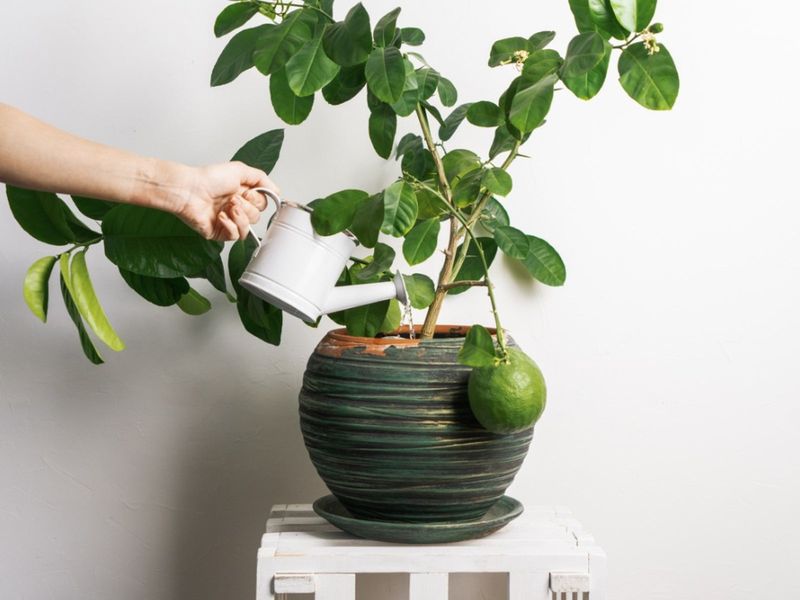
Watering a grapefruit tree sounds simple, but it is actually one of the trickiest parts of growing citrus in Pennsylvania. The amount of water your tree needs changes depending on the season and whether it is inside or outside.
Getting this balance right makes a huge difference in the health of your tree. During summer, when your tree is outside in the Pennsylvania heat and sunshine, it uses water quickly. Water it regularly and keep the soil evenly moist but never soggy.
Stick your finger about an inch into the soil before watering. If it feels dry, it is time to water. If it still feels moist, wait another day or two.
When the tree moves indoors for winter, everything slows down. The tree is not growing as fast, the air indoors is cooler, and there is far less sunlight.
This means it needs much less water than it did during summer. Overwatering in winter is one of the most common mistakes Pennsylvania citrus growers make.
In winter, water only when the top inch or two of soil feels dry to the touch. Make sure water drains freely from the bottom of the pot each time you water. Never let the tree sit in a saucer full of standing water, as this invites root rot very quickly.
Indoor air in Pennsylvania homes can get very dry during winter because of heating systems. Misting the leaves occasionally or placing a small humidifier nearby can help the tree stay comfortable and healthy throughout the cold months.
6. Feed Regularly With Citrus Fertilizer
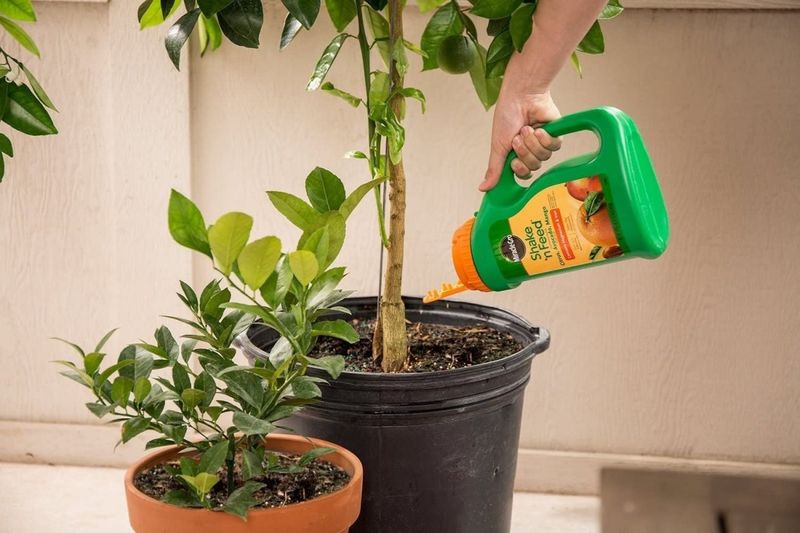
Potted grapefruit trees cannot pull nutrients from the ground the way in-ground trees can. Everything they need has to come from you, which is why regular fertilizing is so important.
Skipping fertilizer means your tree will grow slowly, produce fewer fruits, and look pale or yellow over time.
Use a fertilizer that is made specifically for citrus trees. These fertilizers contain the right balance of nitrogen, phosphorus, and potassium, along with trace minerals like iron, zinc, and manganese that citrus trees need to stay healthy.
You can find citrus fertilizer at most garden centers in Pennsylvania.
During the growing season, which runs roughly from spring through early fall in Pennsylvania, fertilize your tree every four to six weeks. Follow the directions on the fertilizer package carefully.
More is not always better, and over-fertilizing can actually harm the roots and cause leaf burn.
Slow-release granular fertilizers are a convenient option because you only need to apply them a few times a season. Liquid fertilizers work faster and are great for giving your tree a quick boost if it is looking a little pale or stressed after a long indoor winter.
Stop fertilizing in late fall when you bring the tree indoors. The tree slows its growth during winter and does not need the extra nutrients.
Resume feeding again in early spring when new growth starts appearing and the days begin to get longer in Pennsylvania. This seasonal feeding schedule keeps your tree productive and strong.
7. Expect Slower Growth And Be Patient
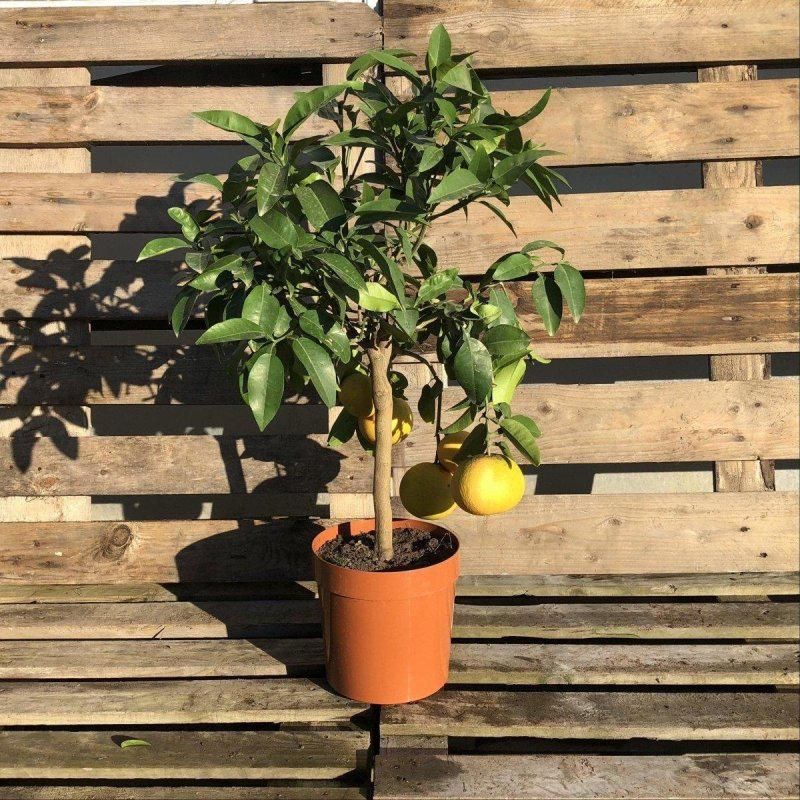
Growing grapefruit in Pennsylvania is a long game, and patience is your best gardening tool.
Unlike trees grown in warm states like Florida or California, your Pennsylvania grapefruit tree will grow more slowly because it spends several months indoors each year with limited light and cooler temperatures. That is completely normal and expected.
Most grapefruit trees take three to five years before they start producing fruit, even in ideal conditions. In Pennsylvania, it may take a bit longer because of the seasonal indoor-outdoor cycle.
Do not get discouraged if your tree blooms but the fruit does not develop right away. Keep caring for it consistently and results will come.
Focus on building a healthy tree first and fruit will follow. Strong, dark green leaves, steady new growth each spring, and white fragrant blossoms are all signs that your tree is happy and heading in the right direction.
Celebrate those small wins along the way. Consistency is the secret ingredient for growing grapefruit in Pennsylvania.
Stick to a regular watering schedule, keep up with fertilizing during the growing season, and make sure the tree gets as much sunlight as possible both indoors and out. Every good habit you build adds up over time.
Many Pennsylvania gardeners have grown beautiful, fruit-bearing grapefruit trees in containers and are proud of every single fruit they harvest.
The process teaches you a lot about plants, patience, and the rewards of sticking with something challenging. Your tree can absolutely thrive with the right care and a little time.