9 Tips For Growing Indoor Tropical Houseplants In Georgia’s Climate
Tropical houseplants can turn any Georgia home into a lush retreat, but they do not always adjust easily to the state’s changing indoor conditions. Bright nursery leaves can fade fast once they face real household light, airflow, and temperature swings.
Many people assume tropical plants are difficult, yet most problems come from simple care mistakes rather than the plant itself.
Georgia’s climate creates unique indoor challenges that affect moisture levels, light exposure, and overall plant strength. A slight shift in placement or watering habits can completely change how a plant performs.
Healthy tropicals should look bold, glossy, and full, not weak or stretched.
The right approach keeps indoor tropical houseplants thriving instead of surviving. These tips will help you build a vibrant, long-lasting indoor jungle that feels fresh and alive in every season.
1. Use Bright Indirect Light To Offset Short Georgia Winter Days
Georgia’s winter daylight shrinks dramatically compared to summer, leaving your tropical plants hungry for photons. Most tropical species evolved under dense rainforest canopies where they received filtered but consistent light throughout long equatorial days.
When November rolls around in Georgia and sunset arrives before dinner, your plants start showing signs of light starvation.
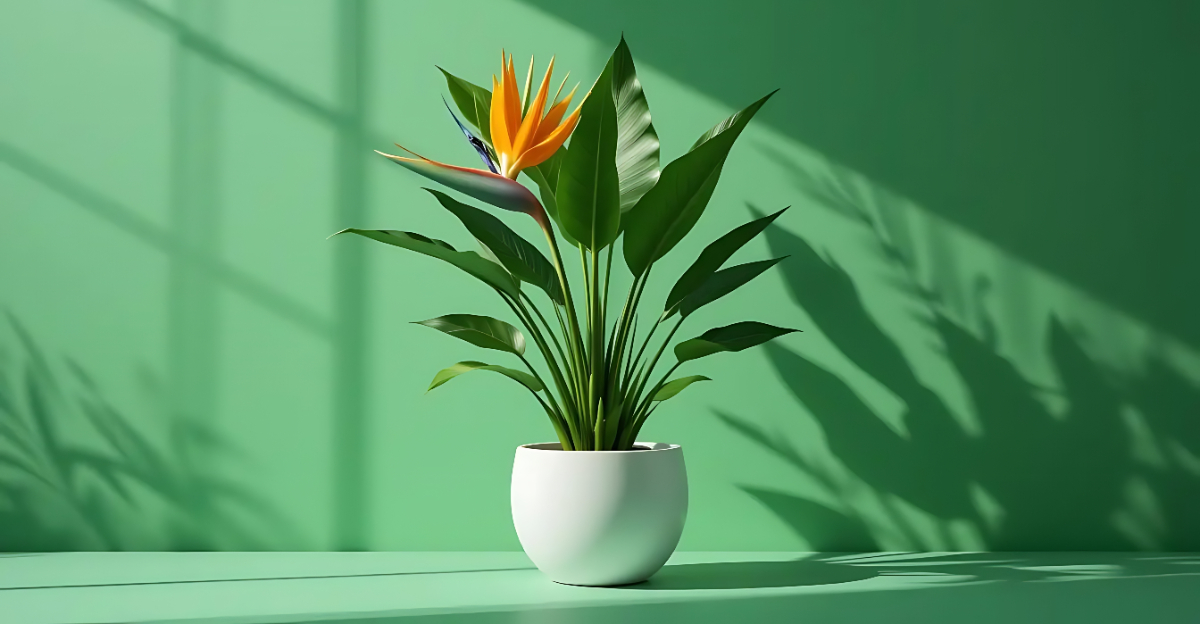
South-facing windows become your best friends during these darker months. Position light-loving plants like fiddle leaf figs and bird of paradise within three feet of these bright spots.
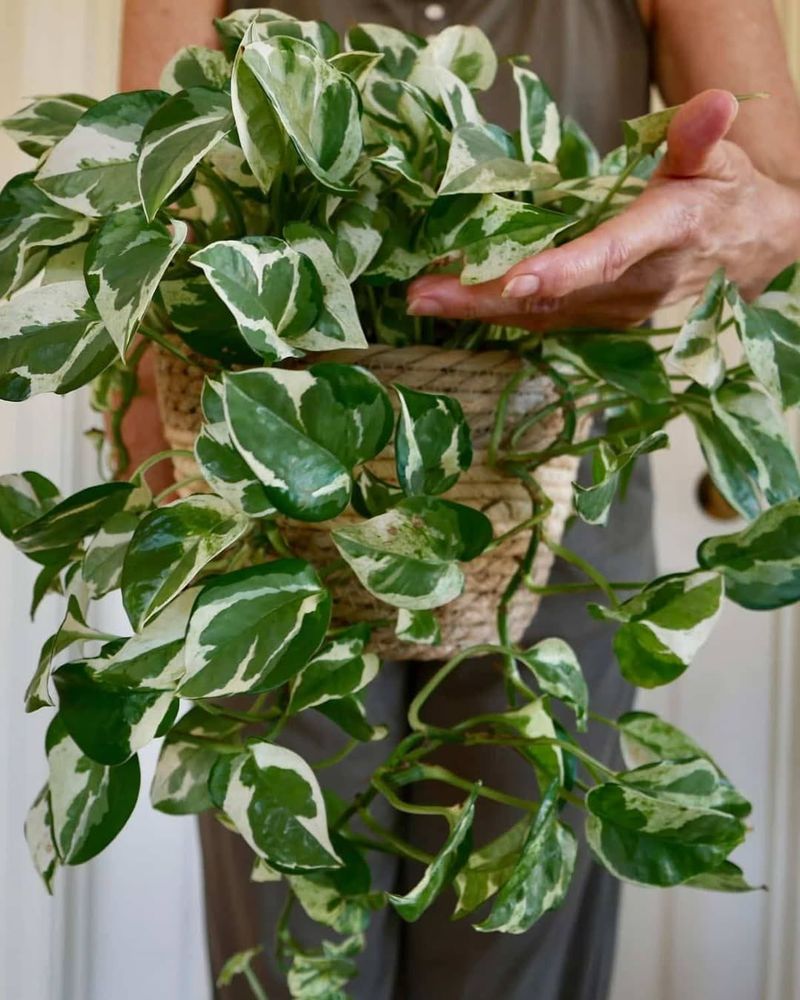
East-facing windows work beautifully for medium-light lovers such as pothos and philodendrons, giving them gentle morning rays without harsh afternoon intensity.
Sheer curtains help diffuse direct beams that might scorch leaves even in winter. Rotate your plants every week so all sides receive equal exposure, preventing that telltale lean toward the light source.
If natural light remains insufficient, consider supplementing with full-spectrum grow lights positioned about twelve inches above foliage.
Watch for stretched stems and pale new growth, classic signals your plant needs repositioning closer to windows.
Georgia’s cloud cover during winter storms further reduces available light, making strategic placement even more critical for maintaining vibrant, compact growth throughout the season.
2. Watch For Dry Indoor Air During Heating Season
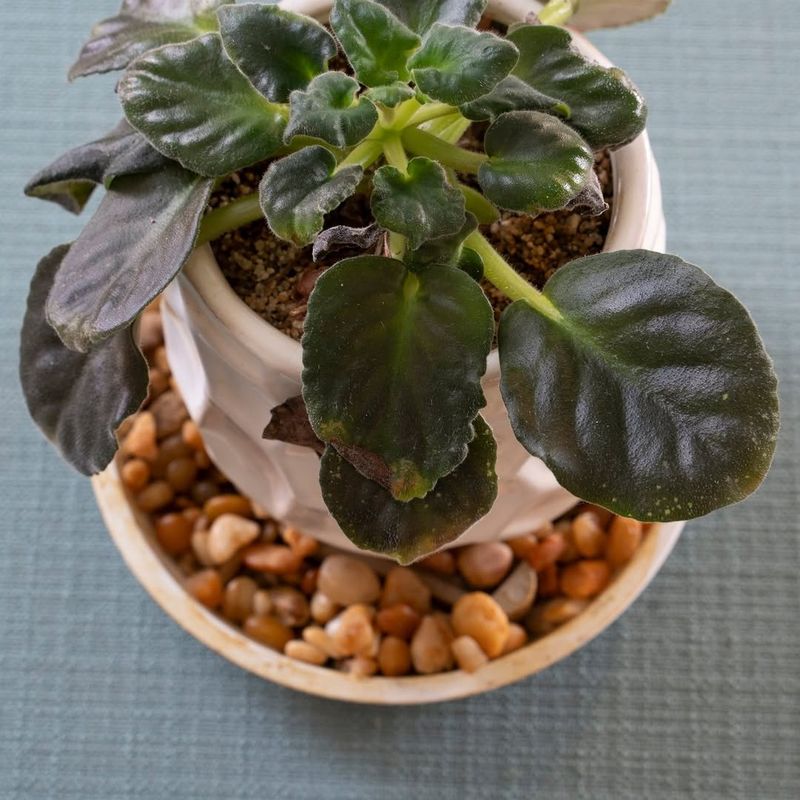
Furnaces and heating systems transform Georgia homes into deserts during cold snaps. Indoor humidity can plummet below twenty percent when heat kicks on regularly, creating conditions more suitable for cacti than moisture-loving tropicals.
Your monsteras and calatheas will broadcast their distress through crispy leaf edges and curling foliage.
Grouping plants together creates a microclimate where their collective transpiration raises local humidity levels. Place a shallow tray filled with pebbles and water beneath pots, ensuring the water level stays below the pot bottoms to prevent root rot.
As water evaporates, it bathes nearby leaves in much-needed moisture.
Bathrooms with windows offer naturally humid environments perfect for ferns and orchids. The steam from showers mimics their native tropical conditions beautifully.
Kitchen areas near sinks also provide bonus humidity, though keep plants away from direct heat sources like stoves.
Electric humidifiers work wonders for larger collections, maintaining consistent moisture levels throughout rooms. Aim for forty to sixty percent humidity for most tropical species.
Avoid misting as a primary humidity solution since it provides only temporary relief and can encourage fungal issues. Georgia’s heating season typically runs November through March, requiring vigilant monitoring during these drier months.
3. Avoid Overwatering When Growth Slows In Cooler Months
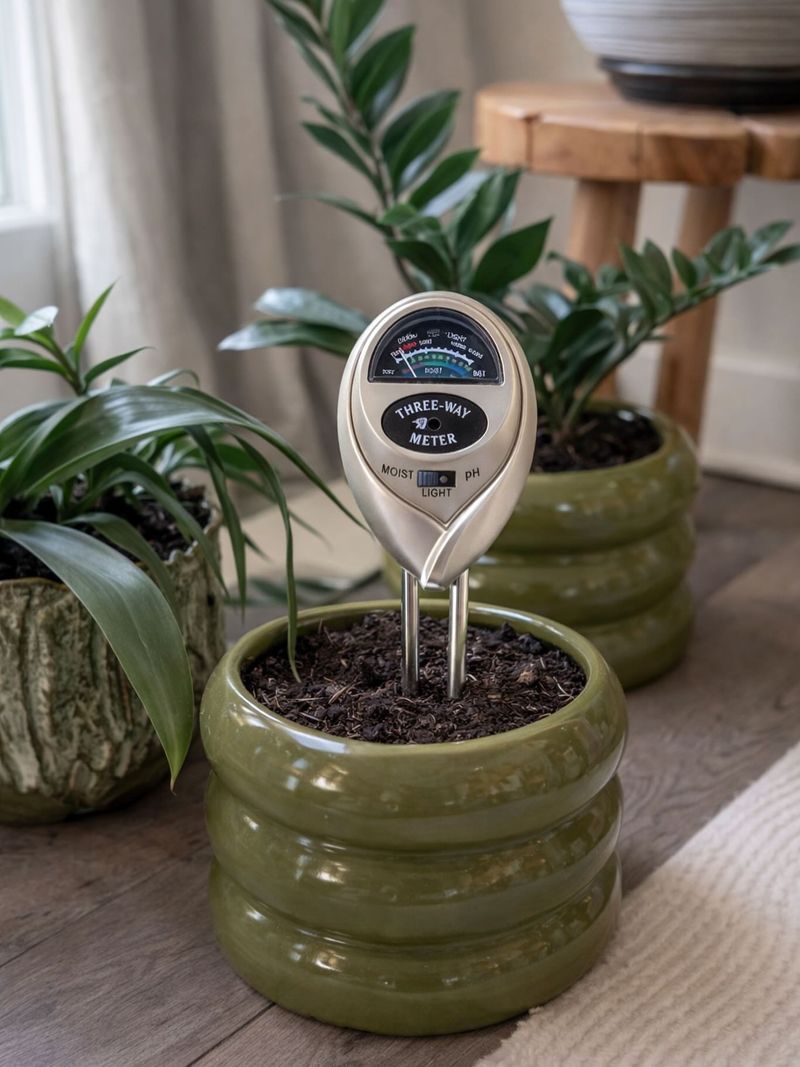
Cooler temperatures trigger most tropical houseplants to enter semi-dormancy, drastically reducing their water needs. What worked perfectly in July becomes a recipe for root rot by January.
Georgia’s mild winters might seem plant-friendly, but indoor temperatures still drop enough to slow metabolic processes significantly.
Stick your finger two inches deep into soil before reaching for the watering can. Soil should feel dry at this depth before adding moisture.
Heavy, waterlogged soil suffocates roots and invites fungal problems that spread quickly in cooler conditions.
Reduce watering frequency by roughly half during winter months compared to summer schedules. A plant that needed weekly watering in August might only require moisture every two weeks come December.
Pot size matters too since larger containers hold moisture longer and dry out more slowly.
Bottom leaves turning yellow and dropping often signal overwatering rather than natural aging. Mushy stems and a sour smell from soil indicate serious moisture problems requiring immediate attention.
Terracotta pots help prevent overwatering by allowing excess moisture to evaporate through their porous walls.
Georgia’s occasional winter warm spells might tempt you to increase watering, but resist unless plants show genuine signs of thirst like drooping leaves. Always err on the side of slightly dry rather than too wet during cooler months.
4. Rotate Plants To Prevent One-Sided Leaning Toward Sunlight
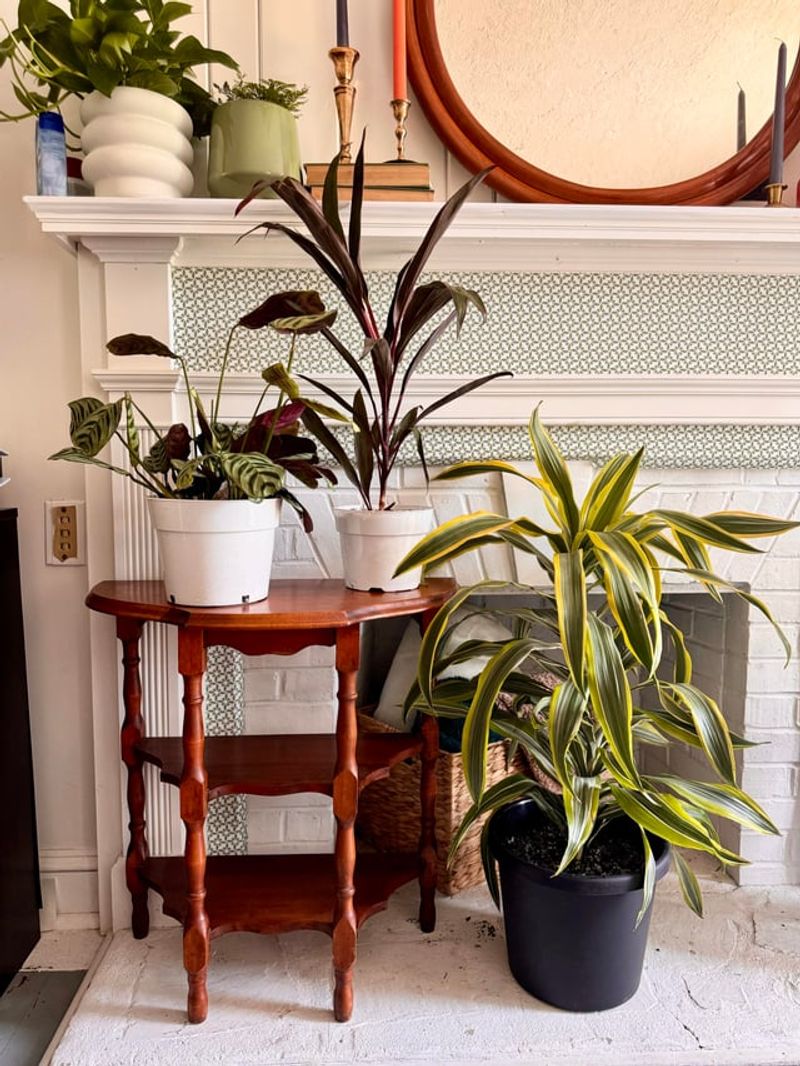
Plants behave like solar panels, constantly adjusting their leaves to capture maximum light. This phototropic response causes dramatic leaning when one side consistently faces a window.
Left unchecked, your once-symmetrical rubber plant transforms into a lopsided mess reaching desperately toward Georgia sunshine.
Mark your pots with a small piece of tape or a permanent marker dot. Every time you water, give each pot a quarter turn in the same direction.
This simple habit ensures all sides receive equal light exposure over a month’s rotation cycle.
Floor plants near windows develop the most pronounced leaning since their height creates greater distance between shaded and lit sides. Tabletop plants experience less dramatic effects but still benefit from regular turning.
Hanging plants need rotation too, especially those near windows or under skylights.
Some species grow faster on their sunny sides, creating uneven canopies even with rotation. Pruning leggy growth encourages bushier, more balanced development.
Training vining plants like pothos around supports helps distribute growth more evenly than allowing them to sprawl toward light sources.
Georgia’s changing sun angles throughout the year mean south-facing windows provide different light intensities seasonally. Adjust rotation frequency based on growth rates, turning faster-growing plants more often.
Consistent rotation prevents the need for drastic corrective measures later and maintains attractive, symmetrical specimens.
5. Keep Tropical Plants Away From Drafty Windows And Doors
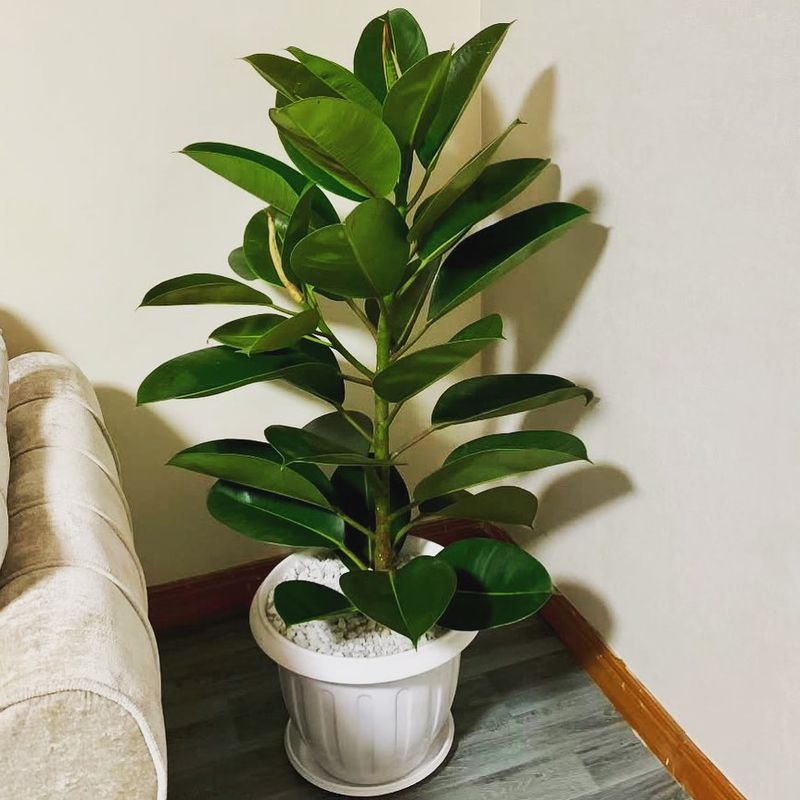
Cold drafts shock tropical plants accustomed to stable temperatures. Georgia winters bring occasional freezing nights, and poorly insulated windows leak icy air directly onto nearby foliage.
Leaves touching cold glass can develop black spots or transparent patches where cellular damage occurred.
Check for drafts by holding a lit candle near window frames and door edges on windy days. Flickering flames reveal air leaks that need addressing with weatherstripping or caulk.
Even small drafts create temperature fluctuations stressful to plants expecting consistent warmth.
Position plants at least twelve inches away from windows during winter months. This buffer zone protects them from both cold drafts and contact with frigid glass surfaces.
Exterior doors used frequently pose particular hazards since each opening blasts plants with outdoor air.
Insulated curtains closed at night create an additional protective barrier between plants and cold windows. Open curtains during daylight hours to provide needed light while maintaining this evening protection.
Georgia’s occasional ice storms make this precaution especially important when temperatures plummet unexpectedly.
Heating vents present the opposite problem, blasting plants with hot, dry air that desiccates foliage rapidly. Keep plants away from direct airflow paths of both heating and air conditioning systems.
Room corners away from exterior walls typically offer the most stable temperature zones for sensitive tropical species year-round.
6. Increase Humidity Without Overcomplicating Care
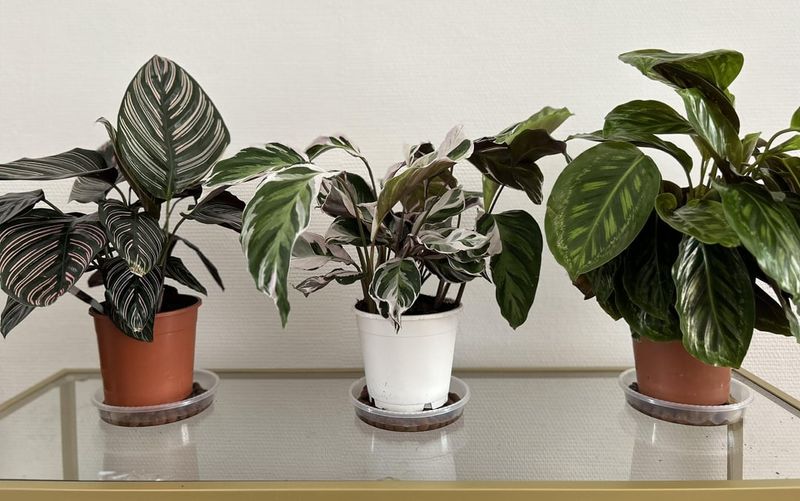
Humidity solutions need not involve expensive equipment or elaborate setups. Simple strategies work remarkably well for maintaining moisture levels that keep tropical foliage looking fresh.
Georgia’s naturally humid summers require little intervention, but winter heating demands creative approaches.
Pebble trays rank among the easiest humidity boosters. Fill shallow trays with decorative stones, add water until it nearly reaches the top of the pebbles, then set pots on top.
Evaporating water raises humidity around plants without waterlogging roots. Refill trays weekly as water evaporates.
Clustering plants creates mutual benefit through transpiration. Each plant releases moisture through its leaves, and grouped specimens share this humidity collectively.
Arrange plants in attractive groupings rather than scattering them throughout rooms for both aesthetic appeal and improved growing conditions.
Bathroom and kitchen placements leverage existing moisture from showers and cooking. Ferns, orchids, and peace lilies particularly appreciate these naturally humid spaces.
Ensure adequate light remains available since humidity alone cannot compensate for insufficient illumination.
Small electric humidifiers offer consistent moisture control for serious collectors. Place them centrally among plant groupings for maximum benefit.
Cool-mist models prevent heat buildup while maintaining steady humidity levels throughout Georgia’s variable winter conditions. Clean humidifiers weekly to prevent mold and bacterial growth that could harm both plants and household air quality.
7. Check For Pests That Thrive In Warm Indoor Spaces
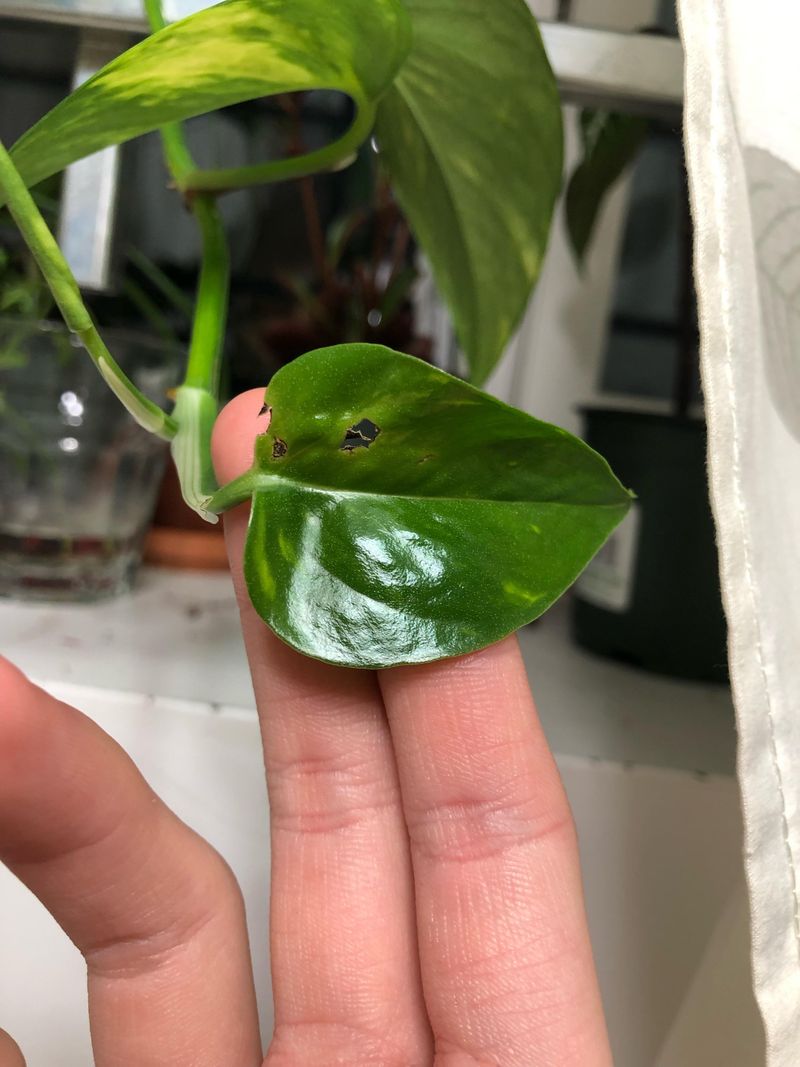
Warm Georgia homes create perfect breeding grounds for common houseplant pests. Spider mites, mealybugs, and scale insects multiply rapidly in the stable temperatures we maintain for comfort.
These tiny invaders often hitchhike indoors on new plants or through open windows during warmer months.
Inspect plants weekly, checking leaf undersides and stem joints where pests hide. Spider mites leave fine webbing and stippled yellow spots on leaves.
Mealybugs appear as white cottony masses in leaf axils. Scale insects look like small brown bumps attached to stems and leaves.
Isolate new plants for two weeks before introducing them near your established collection. This quarantine period allows hidden pest problems to become visible before spreading.
Wipe down leaves with damp cloths during inspection, physically removing pests and their eggs.
Neem oil spray works effectively against most common pests when applied thoroughly to all plant surfaces. Mix according to package directions and apply every seven days for three weeks to break pest life cycles.
Insecticidal soap offers another gentle option safe for most tropical species.
Proper plant care prevents many pest problems since stressed plants attract more insects. Maintain appropriate watering, lighting, and humidity levels to keep plants vigorous and resistant.
Georgia’s mild climate means some pests remain active year-round rather than experiencing winter dormancy, requiring constant vigilance.
8. Fertilize Lightly Until Consistent Spring Growth Returns
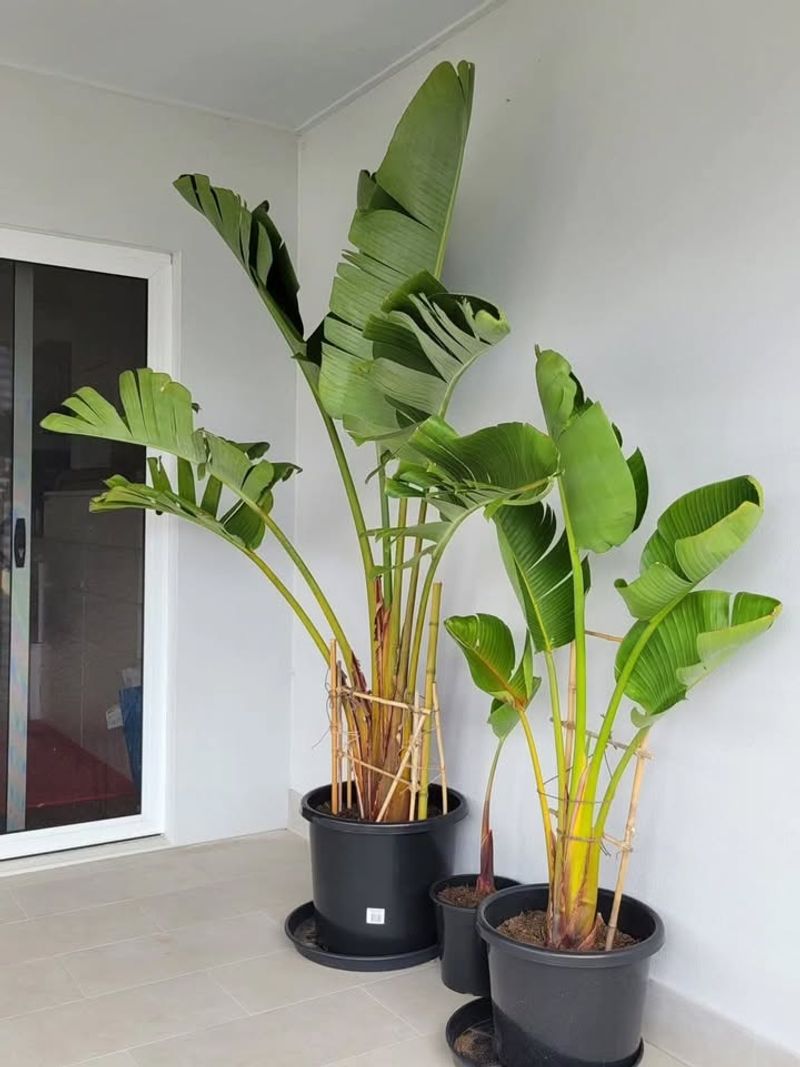
Fertilizing dormant or slow-growing plants wastes nutrients and risks chemical buildup in soil. Georgia’s unpredictable late winter weather creates confusion about when to resume feeding schedules.
Wait for clear signals that plants have shifted from dormancy into active growth before increasing fertilizer applications.
New leaf emergence and brighter green coloration indicate plants are ready for nutrients. Fertilize at quarter strength initially, gradually increasing to half strength as growth accelerates.
Slow-release granular fertilizers provide steady nutrition without requiring frequent applications, ideal for forgetful plant parents.
Liquid fertilizers offer precise control over nutrient delivery. Dilute water-soluble formulas to half the recommended strength during early spring transition periods.
Apply every four weeks rather than the typical two-week summer schedule until Georgia’s longer days trigger robust growth.
Avoid fertilizing newly repotted plants for at least six weeks since fresh potting mix contains nutrients. Over-fertilization causes brown leaf tips, white crusty deposits on soil surfaces, and stunted growth despite your good intentions.
When in doubt, apply less rather than more.
Organic options like worm castings or compost tea provide gentle nutrition without harsh chemical salts. These natural amendments improve soil structure while feeding plants gradually.
Resume full-strength fertilization schedules once Georgia’s consistent warm weather arrives in late April or May, adjusting based on individual plant responses and growth rates throughout the active growing season.
9. Adjust Watering As Georgia’s Longer Days Boost Growth
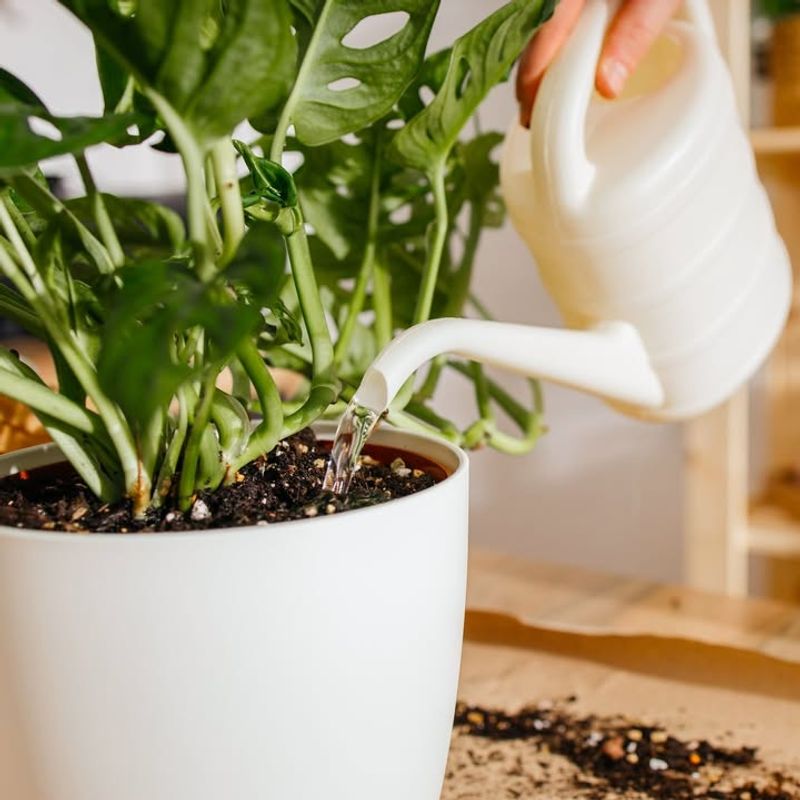
Spring’s arrival in Georgia brings dramatic increases in daylight hours and intensity. Plants respond by ramping up growth rates, demanding more frequent watering to support new foliage production.
What sustained your monstera through winter becomes insufficient as metabolism accelerates with lengthening days.
Monitor soil moisture more frequently as temperatures warm and growth resumes. Soil that stayed moist for two weeks in February might dry completely within five days by May.
Increased transpiration from new leaves pulls more water through plant systems, requiring adjusted watering schedules.
Check plants every few days rather than following rigid weekly routines. Environmental factors like humidity, temperature, and air circulation affect water needs as much as daylight changes.
Smaller pots dry faster than large containers, requiring more frequent attention during active growth periods.
Flush pots thoroughly when watering, allowing excess to drain completely from bottom holes. This practice prevents salt accumulation from fertilizers while ensuring entire root systems receive moisture.
Georgia’s spring can bring rapid temperature swings, so adjust watering based on actual conditions rather than calendar dates.
Watch for signs of increased thirst like slight leaf drooping in late afternoon or soil pulling away from pot edges. These signals indicate plants need more frequent watering as their growth accelerates.
By June, most tropical houseplants require their full summer watering schedules, drinking deeply and often to fuel lush new growth throughout Georgia’s long, warm growing season.