7 Tips For Growing Lemon Trees Successfully In Containers In Pennsylvania
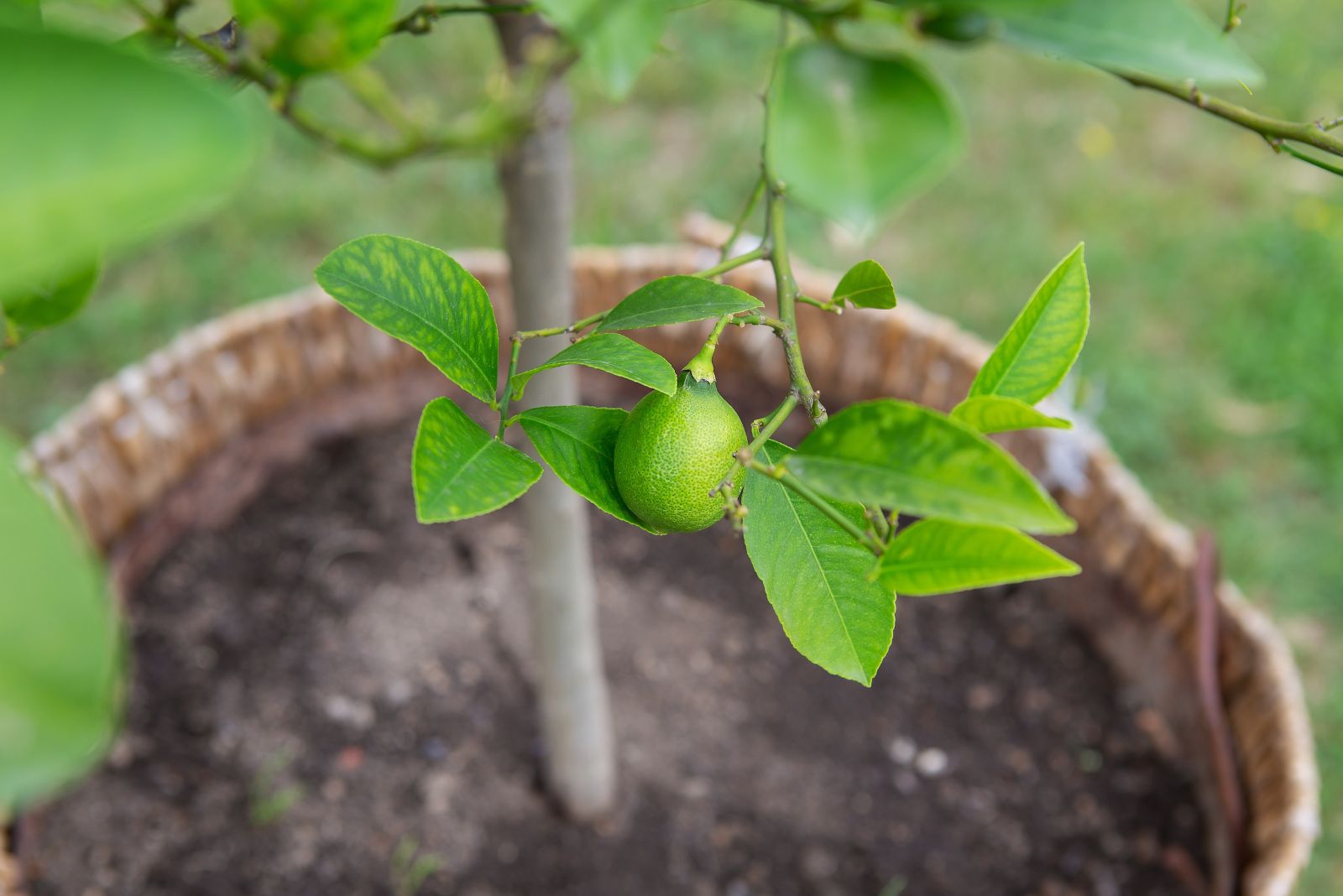
Have you ever wanted a lemon tree of your own but thought the Pennsylvania climate might be too tricky? Container gardening makes it possible to enjoy fresh lemons even in cooler states.
Growing lemon trees in pots lets you move them indoors during frost, control soil quality, and give your tree the attention it needs to thrive.
Successful container lemon trees start with the right pot, well-draining soil, and a sunny spot. These trees love sunlight, so placing them where they get plenty of light is key.
Regular watering and feeding keep the tree healthy, but overwatering can quickly cause problems, so balance is important. Pruning also encourages strong growth and fruit production, while keeping the tree manageable in size.
With a little planning and care, your potted lemon tree can flourish, produce fruit, and brighten up your indoor or patio space, giving Pennsylvania gardeners a taste of the tropics year after year.
1. Choose The Right Lemon Variety
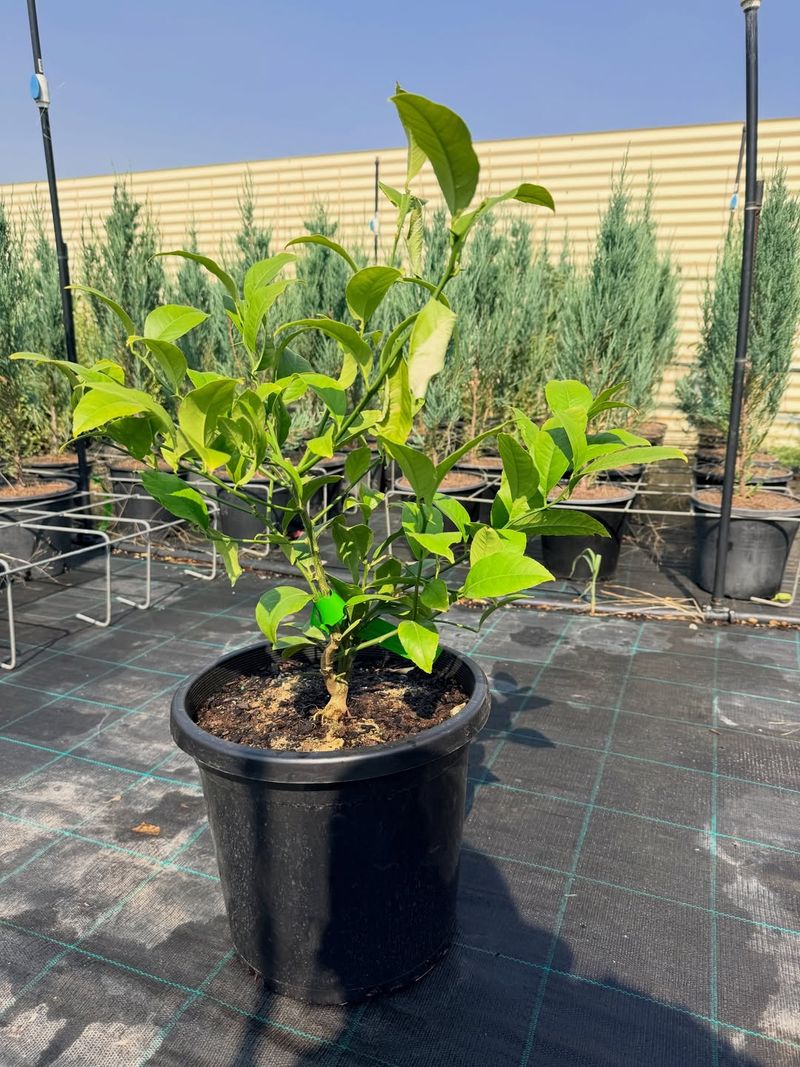
Not every lemon tree is built for life in a container, and picking the wrong variety can make things much harder than they need to be. Some lemon trees grow too large and spread too wide to thrive in a pot.
Luckily, there are compact, dwarf varieties that are perfectly suited for container growing in Pennsylvania.
The Meyer lemon is one of the most popular choices for container gardeners across the country. It is a hybrid variety that tends to be smaller, more compact, and more tolerant of indoor conditions than standard lemon trees.
The Improved Meyer lemon, in particular, is well-known for producing sweet, thin-skinned fruit and handling lower light levels better than most citrus trees.
Dwarf Eureka lemon is another solid option worth considering. It stays manageable in size while still producing plenty of fruit.
Both varieties adapt well to the seasonal shifts that come with living in Pennsylvania, where winters can be long and cold.
When shopping for a tree, look for grafted varieties rather than seed-grown ones. Grafted trees produce fruit much faster, sometimes within a year or two. Seed-grown trees can take up to five years before you see any lemons at all.
Starting with the right variety sets the foundation for everything else. A tree that matches your climate and container setup will reward you with healthy growth and a reliable harvest season after season right here in Pennsylvania.
2. Use A Well-Draining Container
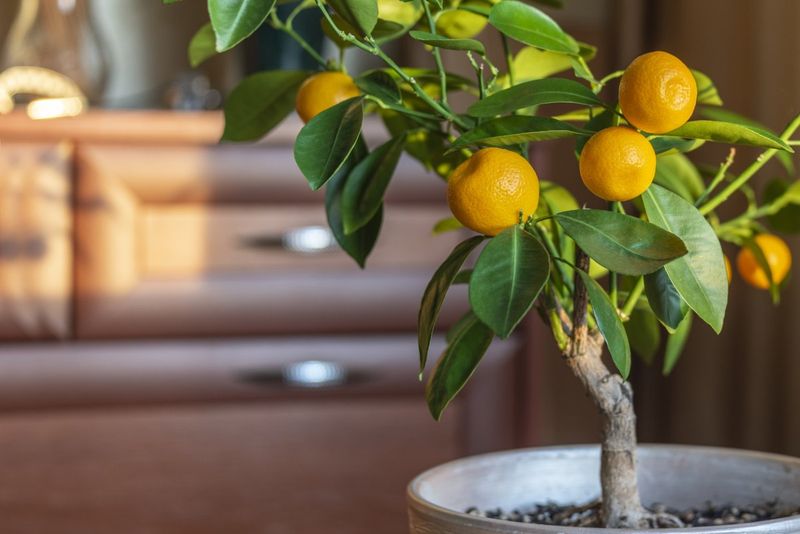
You might be surprised how much the container itself affects the health of your lemon tree. A pot that holds too much water can cause serious root problems, and root rot is one of the fastest ways to lose a healthy tree.
Choosing the right container from the start makes a huge difference. Always use a pot with plenty of drainage holes at the bottom. Water needs to flow freely out of the container after each watering session.
If water sits at the roots for too long, the roots cannot access oxygen, and the tree begins to struggle.
For young lemon trees, a container that is at least 12 inches in diameter works well. As the tree grows, you will want to move it into a larger pot, somewhere between 15 and 25 gallons.
Bigger containers hold more soil, which means more nutrients and more stable moisture levels for your tree.
Plastic pots are lightweight and easy to move, which is especially helpful in Pennsylvania when you need to bring the tree indoors before winter.
Terracotta pots look beautiful but can be heavy and may crack in freezing temperatures. Whichever material you choose, drainage is the most important feature to prioritize.
Placing a saucer under the pot is fine for protecting floors, but empty it regularly so the tree is never sitting in pooled water. Good drainage is the foundation of a thriving container lemon tree.
3. Provide Plenty Of Sunlight
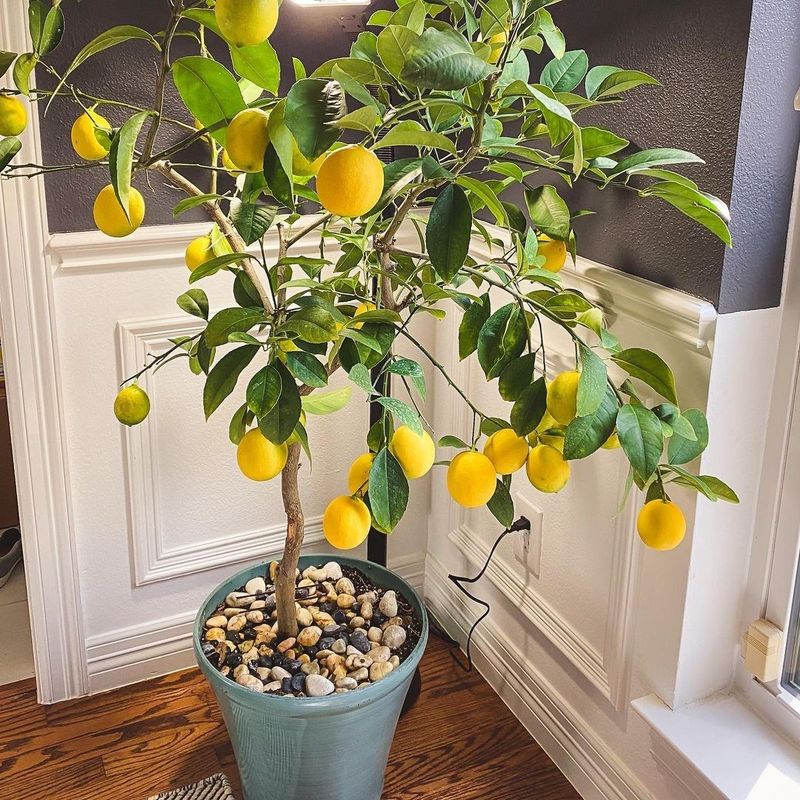
Sunlight is basically fuel for your lemon tree. Without enough of it, the tree will grow slowly, produce few flowers, and struggle to set fruit.
Getting the lighting right is one of the most important things you can do for your container citrus in Pennsylvania.
Lemon trees need at least six to eight hours of direct sunlight every single day. During the warmer months, placing your container outside in a sunny spot is the easiest way to meet this need.
A south-facing or west-facing location in your yard or on your patio will give the tree the best exposure to the sun throughout the day.
Once the cold Pennsylvania weather rolls in and you bring the tree indoors, sunlight becomes harder to come by. A south-facing window is your best friend during those months. Position the tree as close to the glass as possible to maximize the light it receives.
If your home does not get enough natural light during the winter, grow lights are a practical solution.
Full-spectrum LED grow lights can supplement sunlight and keep your tree healthy through the darker months. Run them for about 12 to 14 hours a day to make up for what the sun is not providing.
Rotating the pot every week or two ensures all sides of the tree get equal light exposure. This simple habit encourages even, balanced growth and prevents the tree from leaning too heavily toward the light source.
4. Water Carefully And Consistently
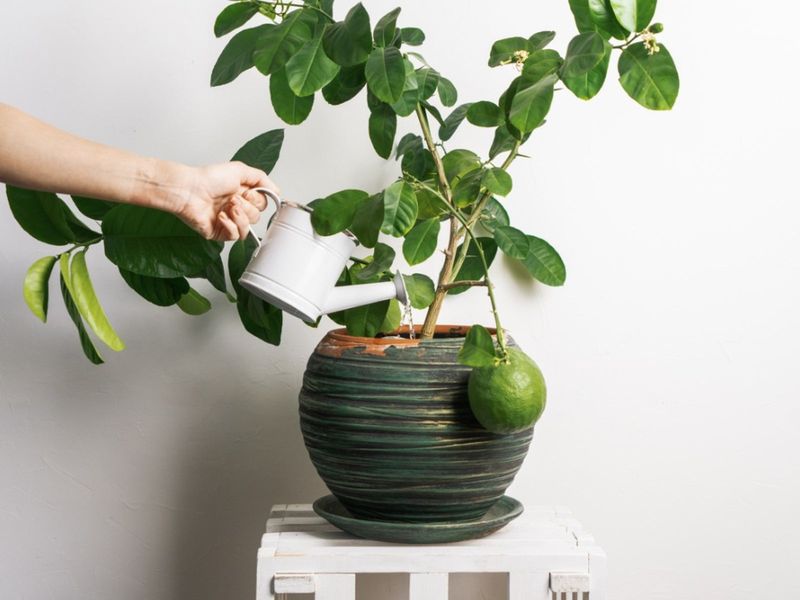
Watering a container lemon tree sounds simple, but getting it right takes a little practice. Too much water is just as harmful as too little.
Finding the right balance keeps your tree healthy and productive throughout the year in Pennsylvania.
The best approach is to water your lemon tree when the top inch of soil feels dry to the touch. Stick your finger about an inch into the soil and check the moisture level before reaching for the watering can. If the soil feels damp, wait another day and check again.
When you do water, do it thoroughly. Pour water slowly and evenly over the soil until it drains freely from the holes at the bottom of the pot. This ensures the entire root zone gets moisture, not just the top layer of soil.
Container trees dry out faster than trees planted in the ground, especially during warm Pennsylvania summers when outdoor pots can lose moisture quickly.
You may need to water more frequently during the summer and less often during the winter months when the tree is resting indoors.
Overwatering is a common mistake that leads to yellowing leaves and weak roots. If your tree’s leaves are turning yellow and the soil feels soggy, scale back the watering right away and make sure drainage is working properly.
Using a moisture meter is a handy way to take the guesswork out of watering, especially for beginners who are still learning how their specific tree behaves.
5. Fertilize Regularly
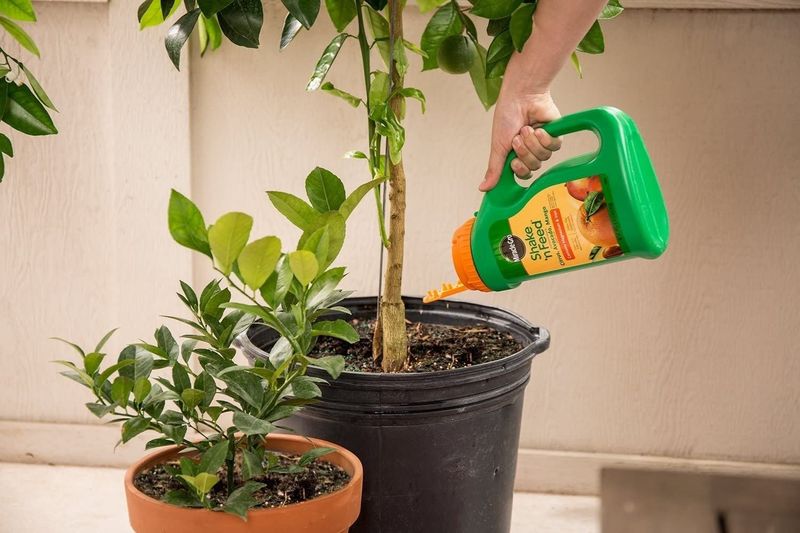
Here is something many new container gardeners quickly discover: potted plants need to be fed more often than plants growing in the ground. Every time you water a container tree, nutrients slowly wash out through the drainage holes.
Regular fertilizing keeps your lemon tree stocked with everything it needs to grow and fruit well in Pennsylvania.
During the growing season, which runs from spring through summer, feed your lemon tree once a month with a balanced citrus fertilizer. Look for a formula that includes nitrogen, phosphorus, and potassium, along with trace minerals like iron, zinc, and manganese.
These micronutrients are especially important for citrus trees and help prevent common issues like yellowing leaves.
Slow-release granular fertilizers are convenient because they break down gradually over several weeks. Liquid fertilizers work faster and can be applied during regular watering sessions. Either option works well as long as you stay consistent with the schedule.
As fall arrives and Pennsylvania temperatures start to drop, ease up on the fertilizer. The tree naturally slows its growth during cooler months, and feeding it too much during this period can cause more harm than good.
Resume your regular feeding schedule in early spring when new growth starts to appear. Always follow the instructions on the fertilizer package and avoid over-applying. Too much fertilizer can burn the roots and cause leaf damage.
A steady, moderate feeding routine throughout the growing season is the most reliable way to encourage a healthy, fruit-producing lemon tree.
6. Protect From Cold Temperatures
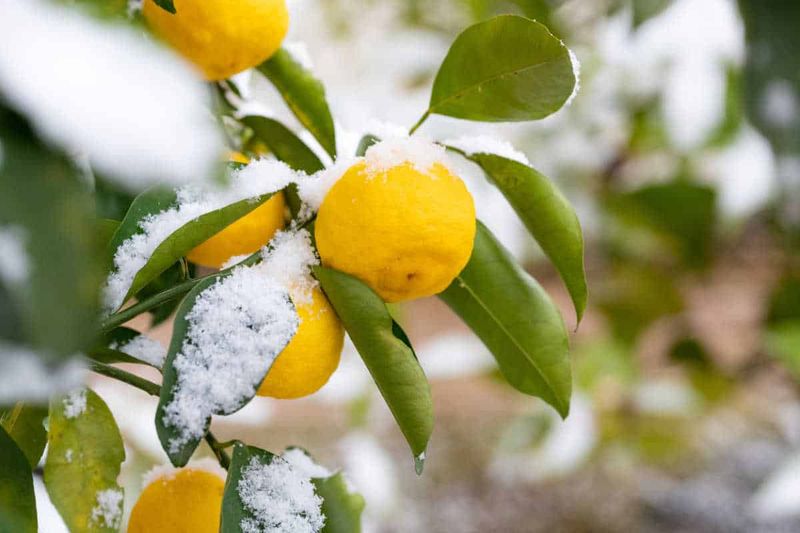
Lemon trees are tropical plants at heart, and they have absolutely no tolerance for frost. Pennsylvania winters can be brutally cold, with temperatures regularly dropping well below freezing.
Protecting your container tree from the cold is not optional; it is essential for keeping it alive and healthy year after year.
Watch the weather forecast closely as fall approaches. When nighttime temperatures start consistently dropping below 50 degrees Fahrenheit, it is time to start thinking about bringing your tree inside.
Do not wait until the first frost warning to act, as even a single cold night can cause significant damage to the leaves and branches.
Move the tree to a warm, bright indoor location before the cold really sets in. A room that stays between 55 and 70 degrees Fahrenheit is ideal.
Place the tree near your sunniest window, or set up a grow light to keep it thriving through the long Pennsylvania winter months.
When moving the tree indoors, inspect it carefully for pests like spider mites or scale insects. These bugs love to hide in containers and can spread to other houseplants once inside.
A gentle rinse of the leaves and a close inspection before bringing the tree in can save you a lot of trouble later.
Once spring arrives and overnight temperatures stay consistently above 50 degrees, you can start transitioning the tree back outdoors. Do it gradually over a week or two to help the tree adjust to the brighter, more intense outdoor sunlight without getting stressed.
7. Prune And Maintain Shape
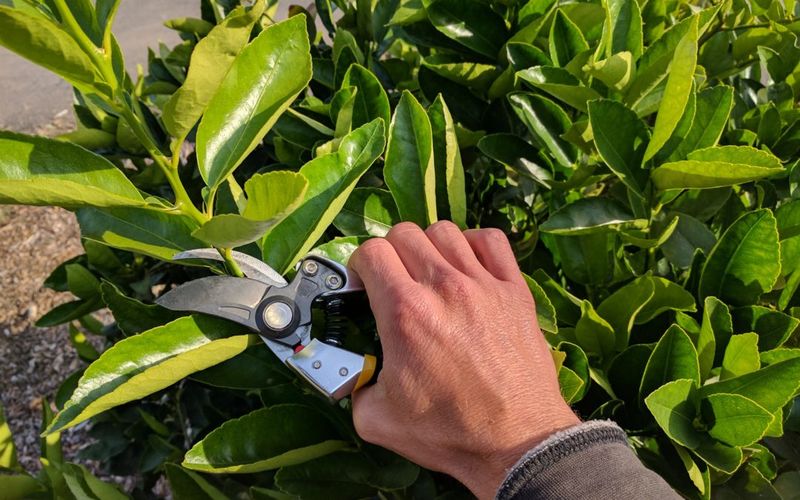
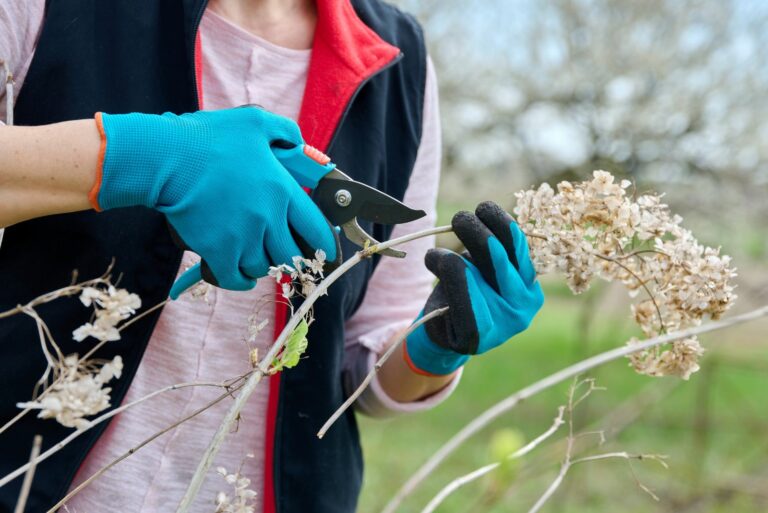
Pruning might feel intimidating if you have never done it before, but it is actually one of the most helpful things you can do for your container lemon tree.
Regular trimming keeps the tree looking tidy, encourages better airflow through the branches, and helps the tree put more energy into producing fruit rather than maintaining excess growth.
The best time to prune your lemon tree is in early spring, just before new growth begins. Start by removing any branches that look dead, damaged, or crossing over each other awkwardly.
Branches that crowd the center of the tree block light and airflow, which can lead to weaker growth and make the tree more vulnerable to pests.
Keep an eye out for suckers, which are fast-growing shoots that sprout from the base of the tree or below the graft union.
These suckers pull energy away from the main tree and should be removed as soon as you spot them. Snap or cut them off cleanly at the base to prevent regrowth.
For container trees in Pennsylvania, keeping the overall size manageable is also a practical reason to prune. A smaller, well-shaped tree is much easier to move indoors when cold weather arrives.
You do not need to prune heavily; just a light shaping session once or twice a year is usually enough to keep the tree in great condition.
Always use clean, sharp pruning shears to make smooth cuts. Ragged cuts can invite disease and slow down the tree’s recovery after trimming.