8 Tips For Growing Tomatoes And Basil Together In California Gardens
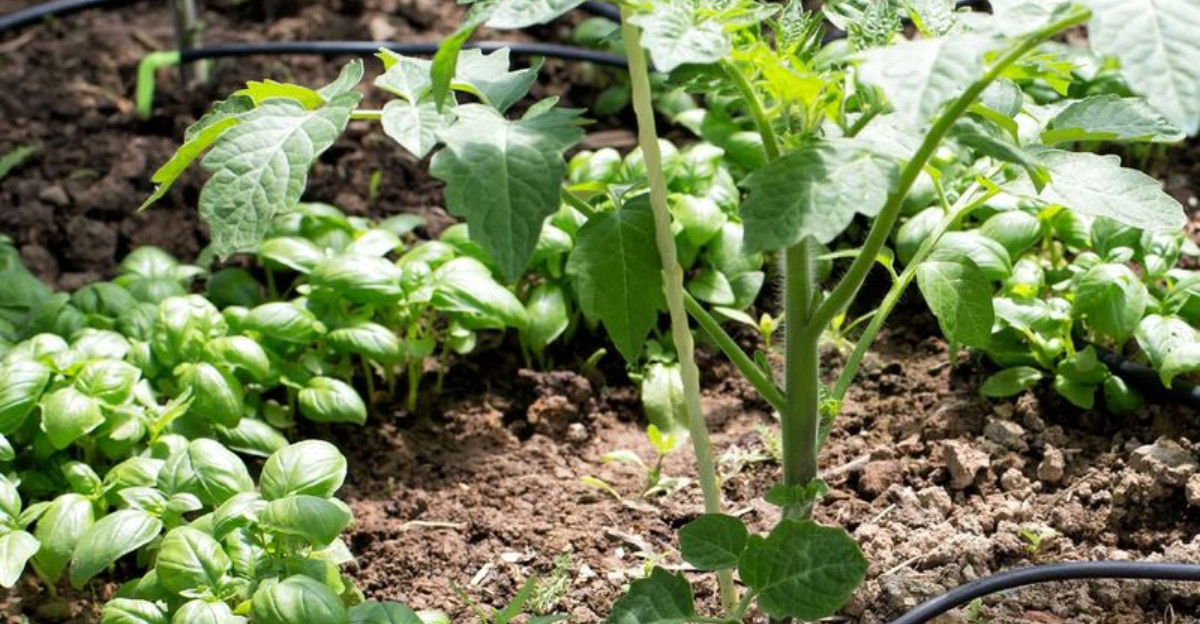
Tomatoes and basil aren’t just delicious together on the plate—they’re a classic pairing in the garden too.
California gardeners know that planting these two companions side by side can boost flavor, repel pests, and create a thriving, productive garden.
But like any partnership, it works best when you follow a few key rules.
Tomatoes and basil aren’t just friends in the kitchen—they’re garden allies too!
These eight tips guide California gardeners on everything from spacing and soil preparation to watering, pruning, and pest control.
Properly pairing these plants encourages healthy growth, maximizes yields, and ensures both thrive in the sunny, warm climate California gardens are famous for.
Companion planting done right creates a natural synergy that benefits both plants while making your garden more visually appealing.
When planted together thoughtfully, these two powerhouses support each other all season long.
For California gardeners looking to get the most out of their backyard harvests, following these tips makes growing tomatoes and basil together easier, more productive, and more rewarding.
Plant smart, nurture carefully, and enjoy a bountiful harvest of flavor and color.
1. Why Tomatoes And Basil Are Natural Companion Plants
Mother Nature knew what she was doing when she made tomatoes and basil perfect garden partners.
Basil releases aromatic oils that confuse and repel common tomato pests like aphids, whiteflies, and hornworms, acting as a natural protective shield.
This means fewer unwanted visitors munching on your precious tomato leaves and fruit.
Beyond pest control, basil actually improves the flavor of tomatoes growing nearby, though scientists are still exploring exactly how this works.
Many gardeners swear their tomatoes taste sweeter and more robust when basil plants are tucked in around them.
The two plants also have similar growing needs, making them easy to care for together without complicated schedules.
Basil’s shallow root system complements the deeper roots of tomato plants, so they are not competing for nutrients in the same soil layer.
This natural layering allows both plants to access what they need without getting in each other’s way.
The basil stays low and bushy while tomatoes climb upward, creating an efficient use of garden space.
California gardeners especially benefit from this partnership because both plants love warm weather and sunshine.
When you plant them together, you create a mini ecosystem that supports healthy growth and bountiful harvests throughout the long California growing season.
2. Choose Heat-Tolerant Varieties For California Gardens
California summers can be scorching, especially in inland valleys and southern regions where temperatures regularly soar above ninety degrees.
Not all tomato and basil varieties handle this intense heat equally well, so picking the right ones makes a huge difference in your harvest success.
Heat-tolerant varieties have been bred or naturally adapted to keep producing even when the thermometer climbs.
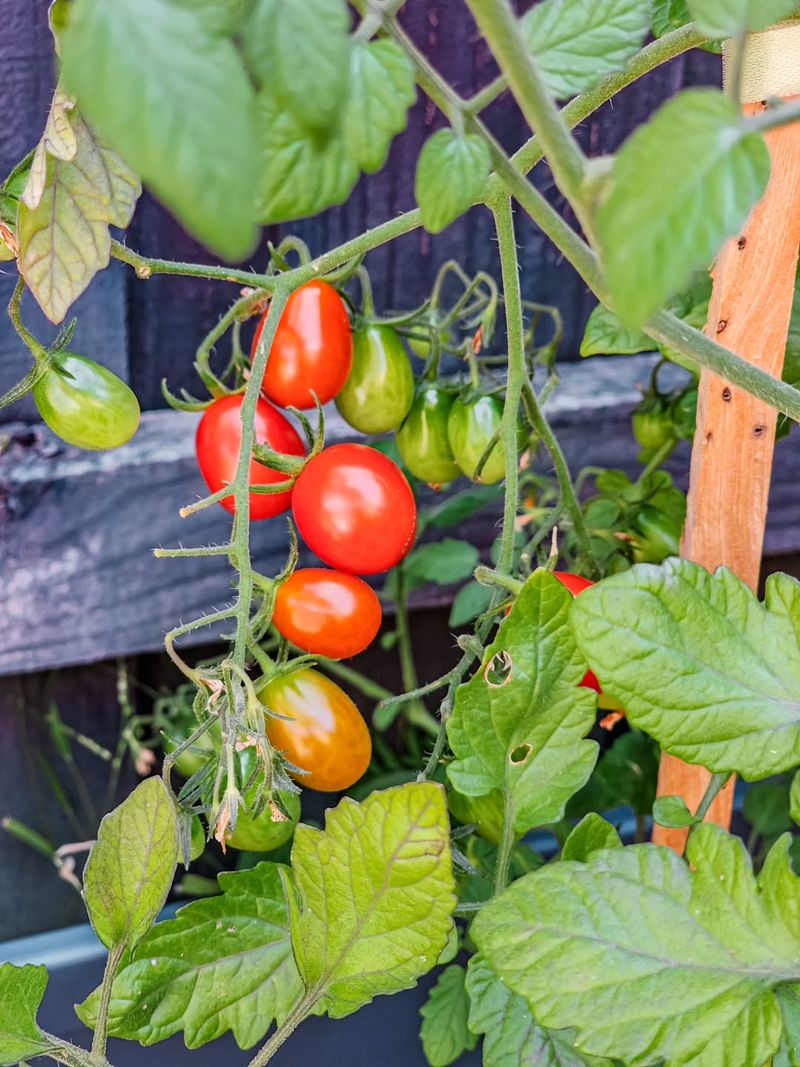
For tomatoes, look for varieties like Early Girl, Celebrity, Heatwave, or Phoenix, which continue setting fruit during hot spells when other types might stall.
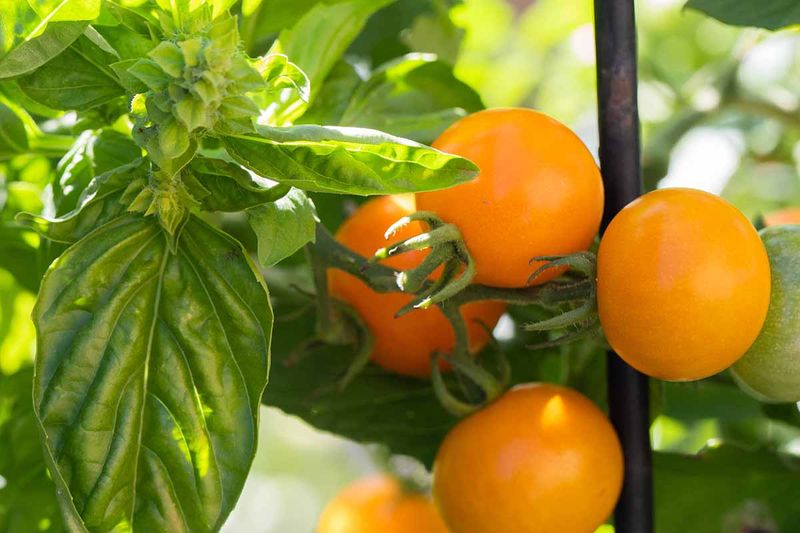
Cherry tomatoes like Sungold and Sweet 100 also handle California heat beautifully and produce abundantly.
These varieties resist blossom drop, a common problem when nighttime temperatures stay above seventy-five degrees.
Basil lovers should seek out varieties such as Greek, Thai, or African Blue basil, which tolerate heat better than traditional Genovese types.
These varieties have tougher leaves that resist wilting and maintain their flavor even during heat waves.
Genovese basil can still work in California, but it needs more attention and shade during the hottest part of summer.
Choosing adapted varieties means less stress for you and your plants, resulting in healthier growth and better yields.
Check with local nurseries or seed catalogs that specialize in California gardening for recommendations specific to your microclimate and growing zone.
3. Give Both Plants Full Sun Without Overheating Them
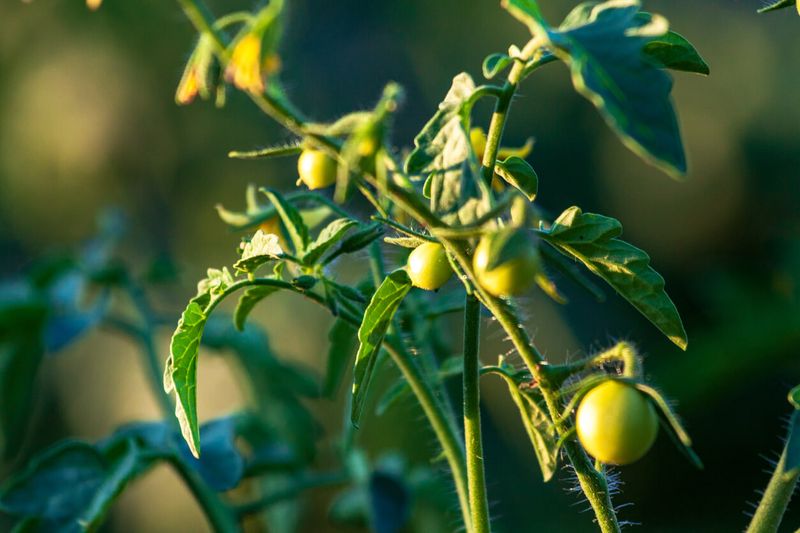
Tomatoes and basil are sun worshippers that need at least six to eight hours of direct sunlight daily to produce their best.
California provides plenty of sunshine, but sometimes you can have too much of a good thing, especially during brutal afternoon heat in July and August.
Finding the sweet spot between enough light and protection from scorching rays is key to keeping your plants happy.
Plant your tomato and basil duo in a spot that receives morning and midday sun, which is gentler and more beneficial than the intense afternoon rays.
If your garden only gets afternoon sun, consider using shade cloth with thirty percent coverage during the hottest months to filter the harshest light.
This prevents leaf scorch, sunburned fruit, and stressed plants that stop producing.
Watch for signs of too much sun exposure, including yellowing leaves with brown crispy edges, bleached-looking foliage, or fruit with white or yellow patches.
Basil leaves may curl or develop a papery texture when overexposed.
If you notice these symptoms, add temporary shade using umbrellas, lattice panels, or shade cloth stretched over a simple frame.
Container gardeners have an advantage because they can move pots to shadier spots during heat waves and back into full sun when temperatures moderate.
Ground-planted gardens benefit from strategic placement near taller plants or structures that cast afternoon shadows while still allowing morning sunshine to energize your tomato and basil partnership.
4. Plant Basil Where It Can Shade Tomato Roots
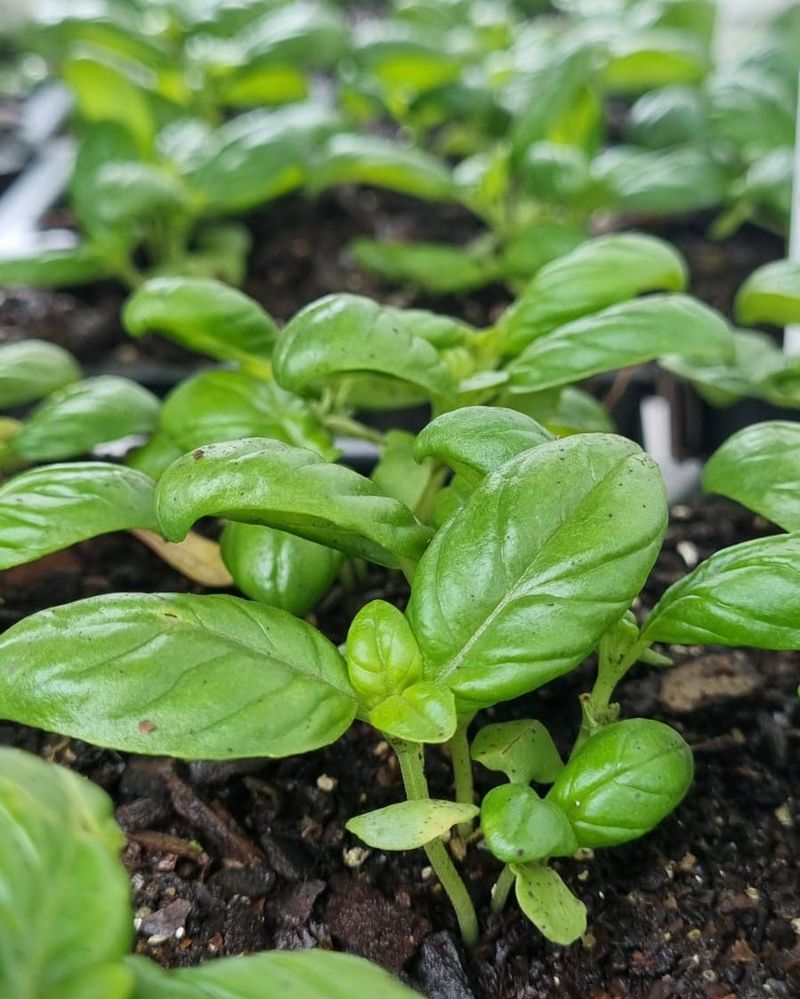
Strategic placement of basil around your tomato plants creates a living mulch that benefits both crops tremendously.
Tomato roots prefer staying cool and moist, but California’s hot, dry climate can bake the soil surface and stress shallow feeder roots.
Basil planted close to the tomato base acts as a natural sunshade, keeping soil temperatures lower and reducing moisture evaporation.
Space basil plants about six to twelve inches away from the tomato stem, creating a protective ring or border.
As the basil grows bushy and fills in, it covers bare soil that would otherwise heat up quickly under direct sun.
This cooler root zone helps tomatoes absorb nutrients more efficiently and reduces transplant shock during establishment.
The shade from basil foliage also suppresses weed growth, which means less competition for water and nutrients.
Fewer weeds mean less maintenance work for you and healthier tomato plants overall.
The basil’s spreading habit creates a dense canopy at ground level while tomatoes stretch upward, maximizing every bit of garden space.
Avoid planting basil so close that it crowds the tomato stem or blocks airflow, which could invite fungal problems.
Leave enough room for air to circulate around the base of both plants.
In containers, you can plant smaller basil varieties around the edges with a tomato in the center, achieving the same cooling and mulching benefits in limited space.
5. Use Well-Draining Soil Rich In Organic Matter
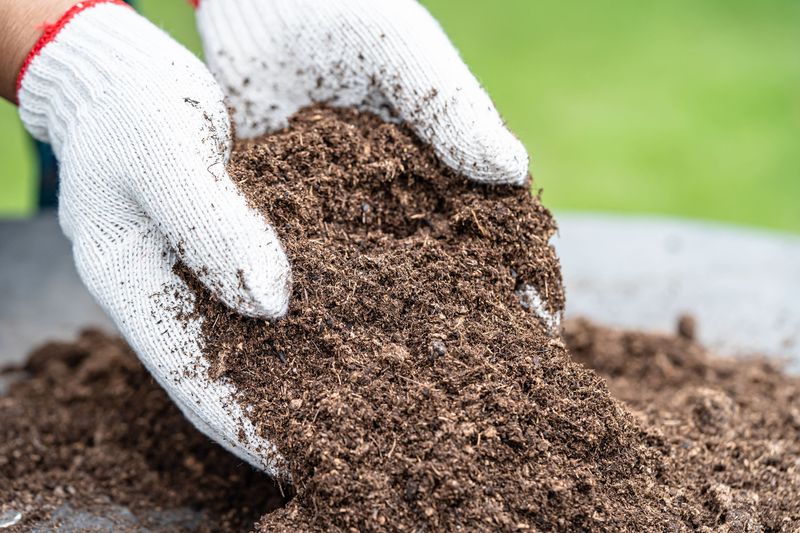
Soil quality makes or breaks your tomato and basil success, especially in California where many native soils are heavy clay or sandy with low organic content.
Both plants thrive in loose, well-draining soil that holds moisture without becoming waterlogged, while also providing plenty of nutrients for vigorous growth.
Improving your soil before planting sets the foundation for a productive season.
Clay soils common in many California regions drain slowly and can suffocate roots by preventing oxygen from reaching them.
Amending clay with compost, aged manure, or coconut coir improves drainage and adds beneficial microorganisms.
Work these amendments into the top twelve inches of soil, creating a fluffy texture that roots can easily penetrate.
Sandy soils drain too quickly and struggle to hold nutrients, requiring frequent watering and feeding.
Adding plenty of organic matter like compost or worm castings helps sandy soil retain moisture and nutrients longer.
Aim for soil that feels crumbly and rich, holding together loosely when squeezed but breaking apart easily.
Both tomatoes and basil are heavy feeders that benefit from nutrient-rich soil with a slightly acidic to neutral pH between six and seven.
Test your soil if possible and adjust with lime to raise pH or sulfur to lower it.
Mixing in a balanced organic fertilizer at planting time gives your plants a strong start and supports healthy growth throughout the season.
6. Water Deeply And Consistently
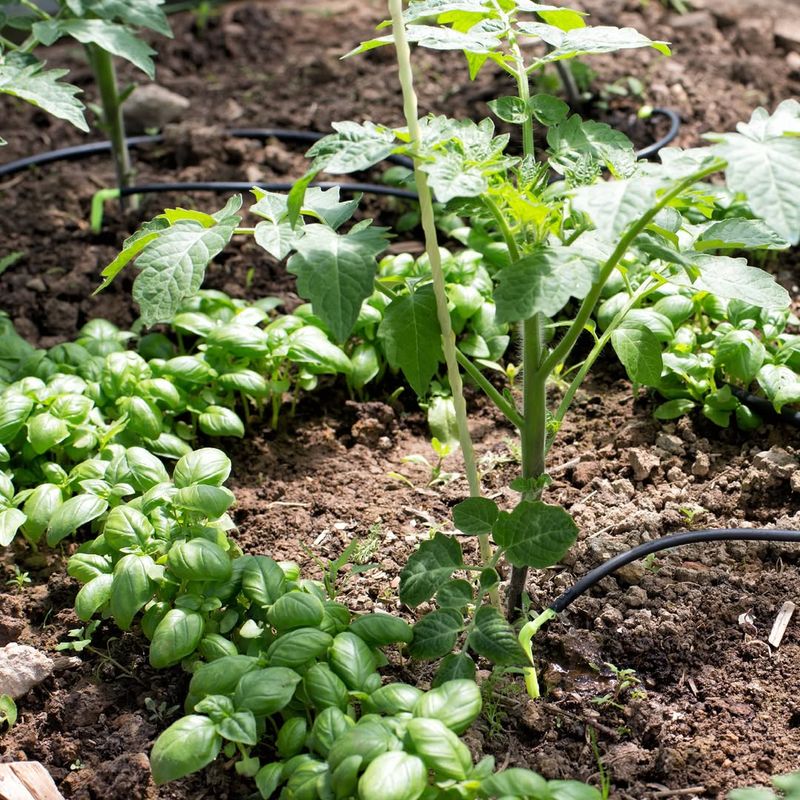
Inconsistent watering causes more problems for tomatoes and basil than almost any other factor, leading to blossom end rot, split fruit, bitter leaves, and stressed plants vulnerable to pests.
California’s dry climate and occasional drought restrictions make smart watering practices essential for garden success.
Both plants need regular moisture that penetrates deep into the root zone rather than frequent shallow sprinkles.
Water deeply once or twice weekly rather than lightly every day, encouraging roots to grow downward in search of moisture.
This creates stronger, more drought-resistant plants with extensive root systems.
Shallow watering keeps roots near the surface where they are more vulnerable to heat stress and drying out quickly.
Drip irrigation systems are perfect for California gardens, delivering water directly to plant roots with minimal waste through evaporation.
Setting up drip lines or soaker hoses on timers ensures consistent moisture even during busy weeks or when water restrictions are in place.
Mulching around plants with straw or wood chips helps retain soil moisture and reduces watering frequency.
Check soil moisture by sticking your finger two inches deep near the plant base before watering.
If it feels dry at that depth, it is time to water thoroughly until moisture reaches down about six to eight inches.
Morning watering is best because it allows foliage to dry before evening, reducing fungal disease risks in California’s warm, humid coastal areas.
7. Prune Regularly To Improve Airflow And Growth
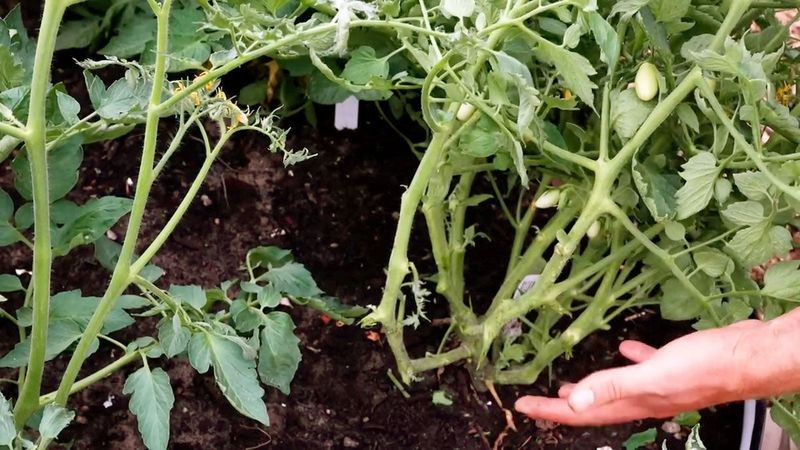
Regular pruning keeps both tomatoes and basil producing abundantly while preventing disease problems common in California’s warm climate.
Tomato plants naturally develop side shoots called suckers between the main stem and branches, which drain energy from fruit production if left unchecked.
Removing these suckers directs the plant’s energy toward developing bigger, better tomatoes rather than excessive foliage.
Pinch off tomato suckers when they are small and tender, using your fingers or clean pruning shears.
Focus on removing suckers below the first fruit cluster and any that crowd the plant’s interior, blocking airflow.
Better air circulation reduces humidity around leaves and stems, preventing fungal diseases like early blight and powdery mildew that thrive in California’s microclimates.
Basil requires different pruning techniques focused on encouraging bushy growth and preventing flowering.
Pinch off the top growing tips regularly, cutting just above a set of leaves to force the plant to branch out sideways.
This creates fuller, more productive basil plants with abundant leaves for harvesting rather than tall, leggy stems.
Remove any flower buds that appear on basil immediately because once the plant flowers, leaf production slows and flavor becomes bitter.
Pruning both plants improves light penetration to lower branches and developing fruit, resulting in more even ripening and healthier overall growth.
Clean your pruning tools between plants to avoid spreading diseases, especially important in warm California conditions where pathogens spread quickly.
8. Harvest Often To Encourage Continuous Production
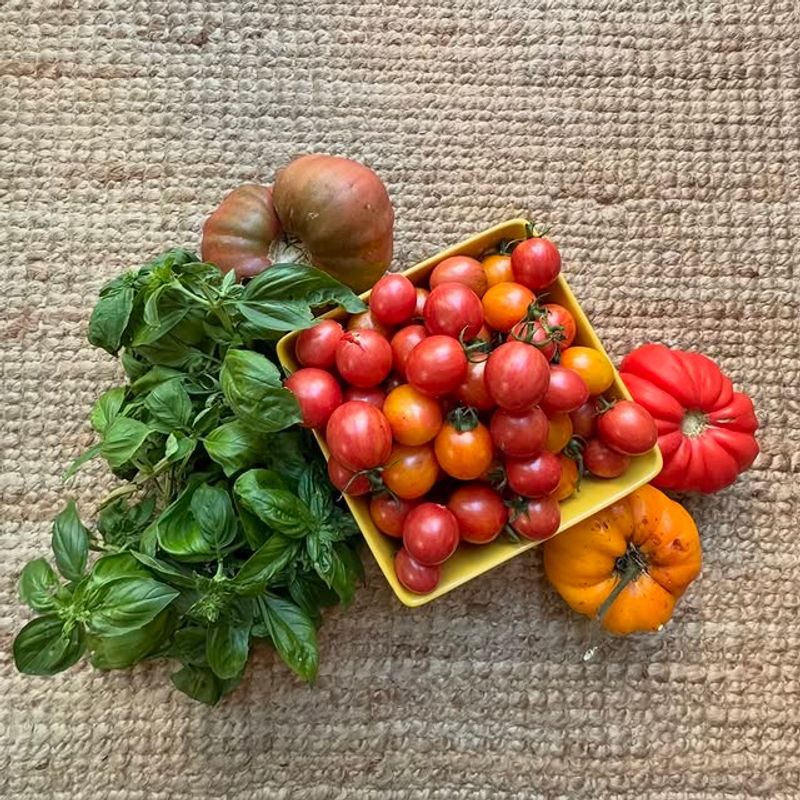
Frequent harvesting is the secret to keeping both tomatoes and basil producing abundantly throughout California’s long growing season.
When you regularly pick ripe tomatoes and basil leaves, you signal the plants to keep making more rather than putting energy into seed production.
This simple practice extends your harvest from spring through fall in most California regions.
Pick tomatoes as soon as they reach full color and give slightly to gentle pressure, which indicates perfect ripeness.
Leaving overripe fruit on the vine attracts pests and diseases while slowing down new fruit development.
Check your plants every few days during peak season because tomatoes ripen quickly in California’s warm weather.
Harvest basil by cutting stems just above a leaf node, taking no more than one-third of the plant at a time.
This encourages branching and bushier growth while providing you with fresh herbs for cooking.
Morning harvesting captures basil at peak flavor when essential oils are most concentrated after the cool night.
Never be shy about harvesting because both plants respond to picking by producing more vigorously.
Regular harvesting also allows you to inspect plants closely for early signs of pest problems or disease, catching issues before they become serious.
California’s mild climate means your tomato and basil partnership can produce for six months or longer with proper care and consistent harvesting throughout the season.