7 Tips For Planting Potato Seeds For A Bigger Harvest In Pennsylvania
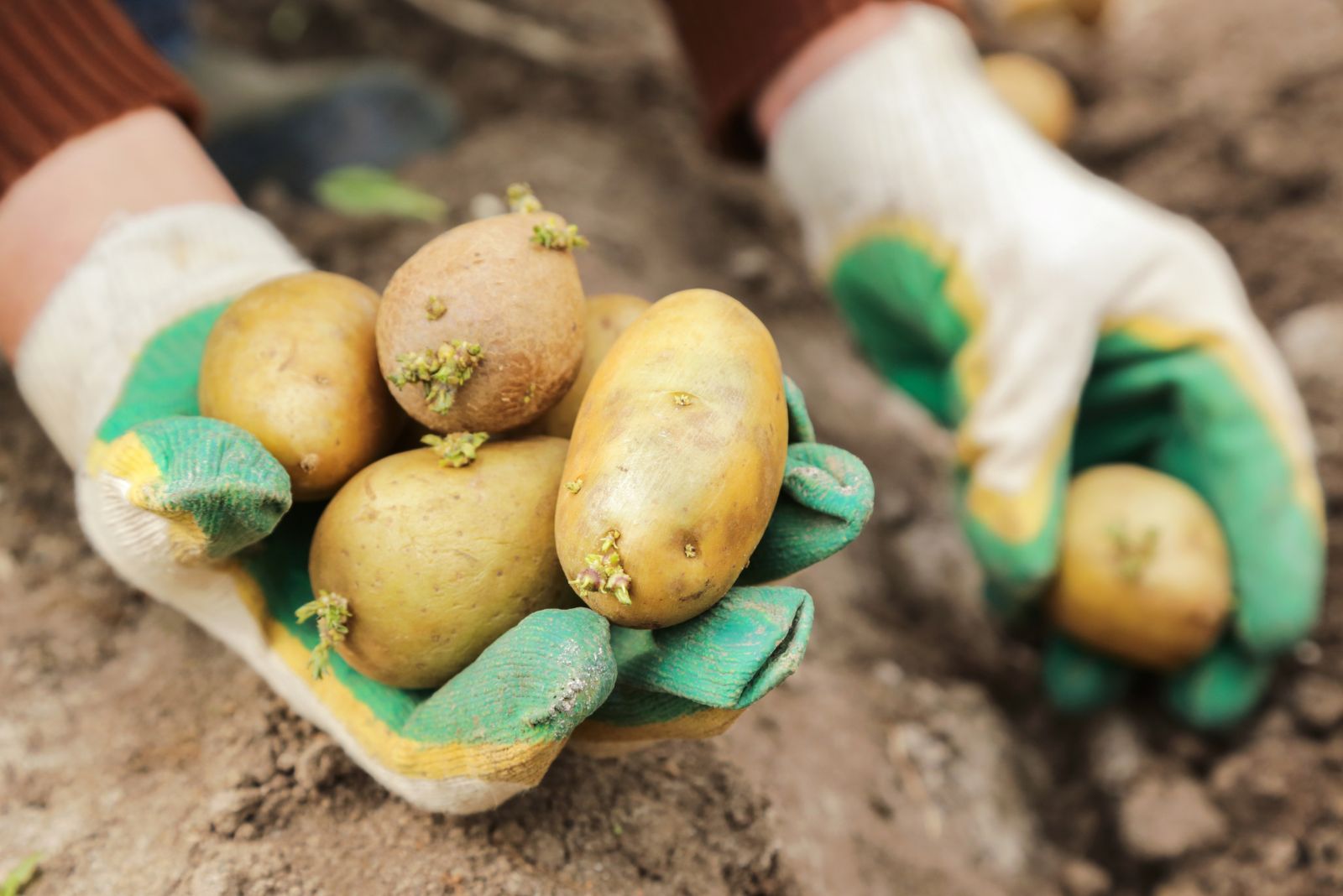
Growing potatoes in Pennsylvania can be incredibly rewarding when you know the right techniques. The state’s climate and soil conditions are actually perfect for producing large, healthy potato crops that feed families all year long.
Many gardeners struggle with small harvests or diseased plants simply because they miss a few key steps during planting season.
Whether you’re working with a backyard garden in Pittsburgh or a larger plot in rural Pennsylvania, these seven essential tips will help you grow more potatoes than you ever thought possible.
You’ll learn exactly when to plant, how to prepare your soil, and which varieties thrive best in Pennsylvania’s unique growing conditions. Get ready to transform your potato patch into a productive powerhouse that keeps your pantry stocked with delicious homegrown spuds.
1. Choose The Right Potato Varieties For Pennsylvania’s Climate
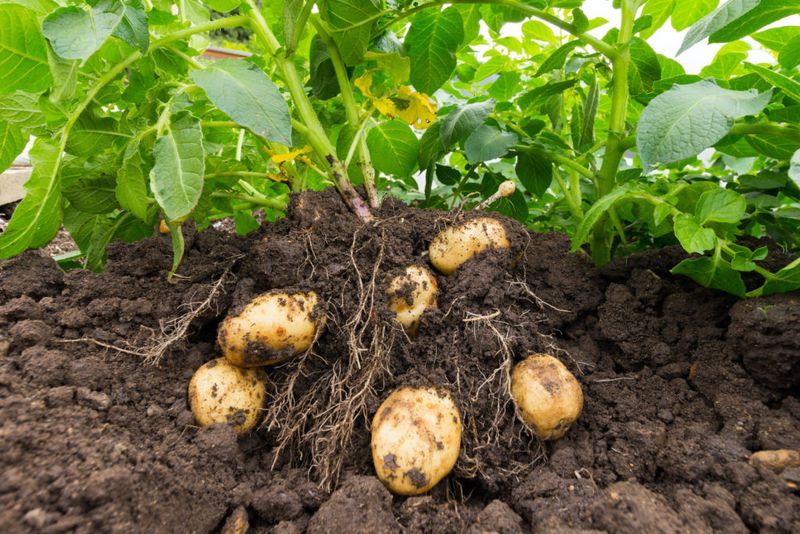
Pennsylvania gardeners have a huge advantage when selecting potato varieties because the state’s moderate climate supports many different types.
Kennebec potatoes are absolute champions in Pennsylvania soil, producing large white tubers that store beautifully through winter months.
These plants resist common diseases and handle Pennsylvania’s occasional temperature swings without much trouble.
Yukon Gold varieties bring buttery flavor and golden flesh that Pennsylvania families love. They mature relatively quickly, usually within 80 to 95 days, which works perfectly with the state’s growing season.
Red Pontiac potatoes also perform exceptionally well across Pennsylvania, offering vibrant red skin and white flesh that tastes amazing in any recipe.
Early-maturing varieties like Irish Cobbler give Pennsylvania gardeners a head start on harvest season. Planting these means you can enjoy fresh potatoes by midsummer while your main crop continues growing.
This strategy works especially well in areas around Philadelphia and Harrisburg where gardeners want multiple harvests.
Consider your specific location within Pennsylvania when choosing varieties. Western regions near Erie might benefit from cold-tolerant types, while southeastern areas can experiment with heat-loving varieties.
Local garden centers throughout Pennsylvania stock region-specific seed potatoes that have proven track records in your exact area.
Always purchase certified seed potatoes rather than grocery store potatoes. Certified seeds are disease-free and specially grown for planting, giving Pennsylvania gardeners the best possible start.
This single choice dramatically increases your chances of a bountiful harvest come fall.
2. Time Your Planting Perfectly With Pennsylvania’s Growing Season
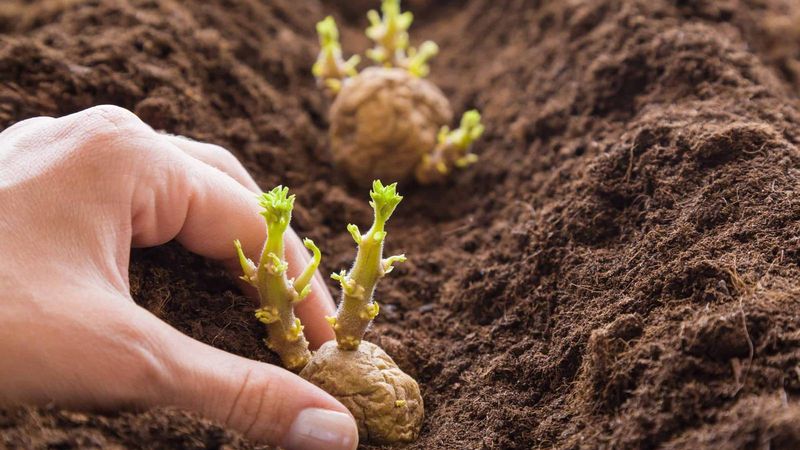
Timing makes all the difference between a disappointing harvest and baskets overflowing with potatoes. Pennsylvania’s ideal planting window typically opens in early to mid-April, depending on which part of the state you call home.
The key is waiting until soil temperatures consistently reach 45 to 50 degrees Fahrenheit, which happens at different times across Pennsylvania’s diverse regions.
Northern Pennsylvania gardeners near Scranton or Williamsport should wait until late April or even early May. Rushing planting when soil remains too cold leads to rotting seed potatoes before they ever sprout.
Southern Pennsylvania areas around Lancaster or York can often start planting in early April when warmer temperatures arrive sooner.
A simple soil thermometer becomes your best friend during planting season. Stick it several inches into your Pennsylvania garden soil first thing in the morning for three consecutive days.
If temperatures stay above 45 degrees consistently, your soil is ready for planting. Pennsylvania’s last frost date varies significantly by location, ranging from late April in southeastern areas to mid-May in northern regions.
Plant your potatoes two to three weeks before your area’s last expected frost. Potato plants can handle light frosts, but severe freezes damage emerging shoots.
Some experienced Pennsylvania gardeners practice succession planting, putting in new seed potatoes every two weeks through late May. This technique extends your harvest period and ensures fresh potatoes throughout summer and fall.
The strategy works wonderfully across Pennsylvania’s varied microclimates and gives you insurance against unexpected weather problems.
3. Prepare Your Pennsylvania Soil With Proper Amendments
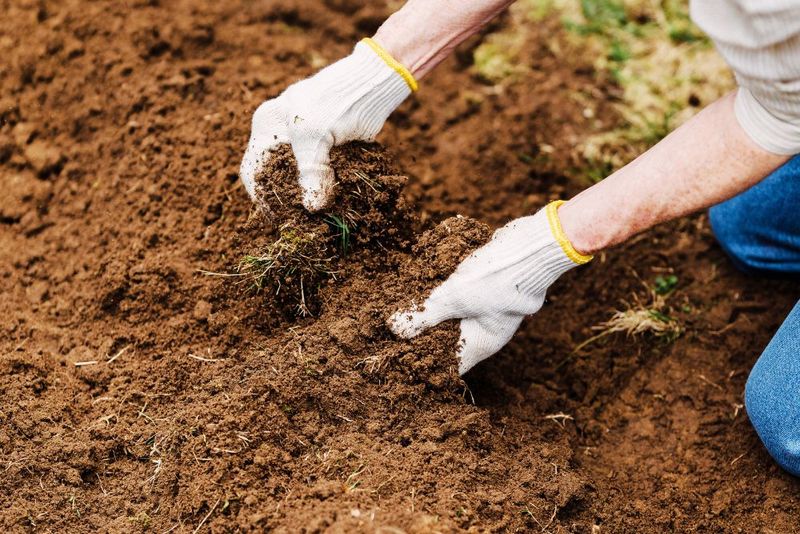
Soil preparation separates mediocre potato harvests from truly impressive ones in Pennsylvania gardens. Start by testing your soil’s pH level, which should fall between 5.0 and 6.5 for optimal potato growth.
Pennsylvania soils often run slightly acidic, which actually benefits potatoes, but testing removes all guesswork from the equation.
Work generous amounts of organic matter into your Pennsylvania garden beds at least two weeks before planting.
Compost, aged manure, or leaf mold improve soil structure and provide nutrients potatoes need throughout the growing season. Aim for adding two to four inches of organic material across your entire planting area.
Pennsylvania’s clay-heavy soils in some regions require extra attention to improve drainage. Mix in peat moss or sand to loosen compacted soil and create the loose, friable texture potatoes prefer.
Waterlogged soil causes numerous problems, including rot and disease, so drainage matters enormously.
Avoid adding fresh manure directly before planting potatoes in Pennsylvania gardens. Fresh manure can introduce scab disease and burn tender young roots.
If you want to use manure, apply it the previous fall and let Pennsylvania’s winter weather break it down naturally.
Till or turn your Pennsylvania soil to a depth of eight to ten inches, breaking up any large clods. Potatoes develop underground and need loose soil to expand properly.
Rocky or compacted soil produces misshapen tubers that are difficult to harvest and prepare in the kitchen.
Consider raised beds if your Pennsylvania property has poor native soil. Building beds twelve inches high filled with quality soil mix gives you complete control over growing conditions.
4. Plant At The Correct Depth And Spacing For Maximum Yield
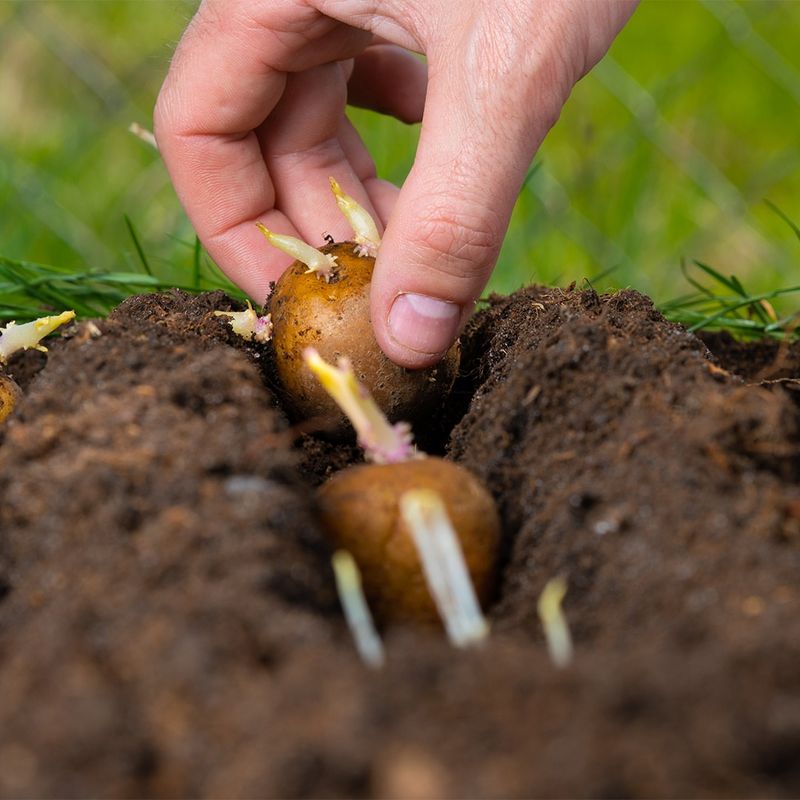
Planting depth and spacing directly impact how many potatoes you’ll harvest from your Pennsylvania garden. Place seed potatoes four inches deep in loose soil, which protects them from temperature fluctuations while allowing shoots to emerge easily.
Deeper planting in Pennsylvania’s variable spring weather helps regulate soil temperature around developing tubers.
Space individual seed pieces twelve inches apart within rows, giving each plant enough room to develop a strong root system. Crowded plants compete for nutrients and water, resulting in smaller potatoes at harvest time.
Pennsylvania gardeners who maintain proper spacing consistently report larger yields than those who plant too densely.
Leave thirty to thirty-six inches between rows in your Pennsylvania potato patch. This wide spacing allows you to hill soil around plants as they grow, which we’ll discuss later. The extra room also makes weeding and harvesting much easier throughout the season.
Cut large seed potatoes into pieces about two ounces each, making sure every piece has at least two eyes. Let cut pieces sit for twenty-four hours before planting in Pennsylvania soil. This brief curing period allows cut surfaces to dry slightly, reducing the chance of rot.
Plant seed pieces with cut side down and eyes pointing upward toward the Pennsylvania sky. This orientation helps shoots emerge quickly and establishes strong plants from the start.
Some Pennsylvania gardeners plant small whole seed potatoes without cutting, which works perfectly fine and actually reduces disease risk.
Mark your rows clearly after planting so you remember where potatoes are growing. Pennsylvania’s spring rains can make garden areas look uniform before plants emerge.
5. Master The Hilling Technique Throughout The Growing Season
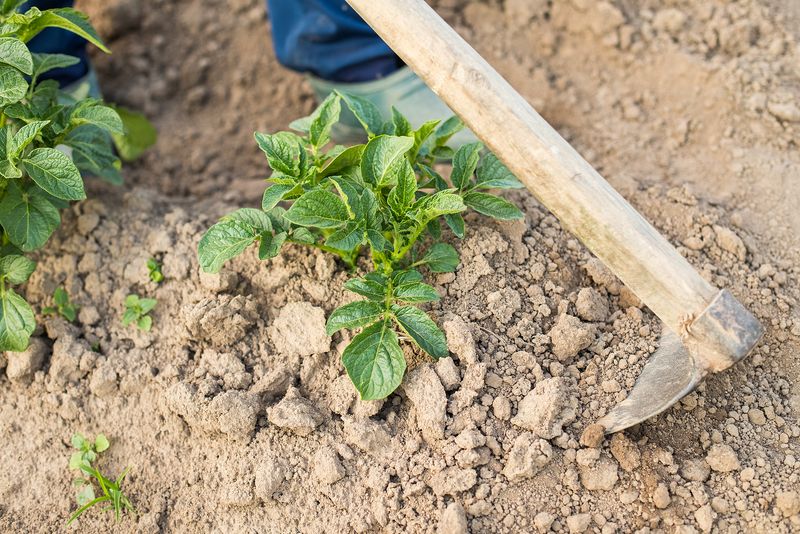
Hilling represents one of the most important techniques Pennsylvania potato growers can master for bigger harvests.
Once your potato plants reach about six inches tall, begin pulling soil from between rows up around the base of each plant. This process, called hilling, encourages plants to produce more tubers along buried stems.
Perform your first hilling when Pennsylvania potato plants stand six to eight inches tall. Use a hoe to gently mound soil around the base of each plant, covering the lower three to four inches of stem.
Be careful not to damage roots or disturb the plant too much during this process.
Repeat hilling two or three more times throughout the Pennsylvania growing season, spacing sessions about two weeks apart. Each time you hill, add another few inches of soil around increasingly tall plants.
Eventually, you’ll create substantial mounds that support heavy potato production below ground.
Hilling serves multiple purposes in Pennsylvania gardens beyond increasing yield. Covered tubers never see sunlight, which prevents them from turning green and developing harmful compounds.
The mounded soil also provides excellent weed suppression and helps retain moisture during Pennsylvania’s sometimes dry summer periods.
Pay attention after heavy rains common in Pennsylvania during spring and early summer. Storms can wash away hilled soil, exposing developing potatoes to sunlight.
Check your potato patch after significant rainfall and restore hills as needed to keep tubers properly covered.
Some Pennsylvania gardeners prefer using mulch instead of soil for hilling. Straw or shredded leaves work wonderfully and make harvest easier since you can simply pull back mulch rather than digging through compacted soil.
6. Maintain Consistent Watering And Fertilization Schedules
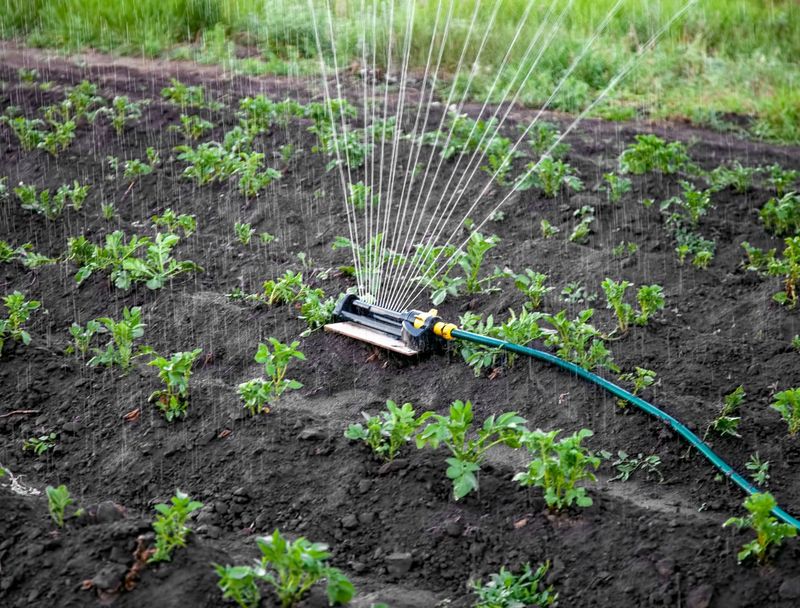
Water management makes or breaks potato crops throughout Pennsylvania’s growing season. Potato plants need consistent moisture, especially during tuber formation, which typically occurs six to eight weeks after planting.
Aim for one to two inches of water weekly, either from rainfall or supplemental irrigation in your Pennsylvania garden.
Install soaker hoses or drip irrigation in your Pennsylvania potato rows for the most efficient watering.
These systems deliver moisture directly to soil without wetting foliage, which reduces disease problems common in Pennsylvania’s humid summers. Overhead watering works but increases the risk of fungal infections on leaves.
Monitor soil moisture by sticking your finger two inches into Pennsylvania garden soil near your plants. If soil feels dry at that depth, it’s time to water thoroughly.
Shallow, frequent watering encourages shallow root systems, while deep, less frequent watering builds strong, drought-resistant plants.
Fertilize Pennsylvania potato plants carefully to avoid excessive foliage growth at the expense of tuber development.
Apply a balanced fertilizer like 10-10-10 at planting time, mixing it into soil several inches away from seed pieces. Too much nitrogen creates lush green plants but disappointing underground yields.
Side-dress plants with additional fertilizer when they begin flowering, which signals active tuber formation below Pennsylvania soil.
Sprinkle fertilizer along rows about six inches from plant stems and water it in thoroughly. This mid-season feeding supports the final push toward maximum potato production.
Avoid fertilizing late in the season, which can delay maturity and reduce storage quality of Pennsylvania-grown potatoes. Stop all fertilization about six weeks before your planned harvest date.
7. Protect Your Crop From Common Pennsylvania Pests And Diseases
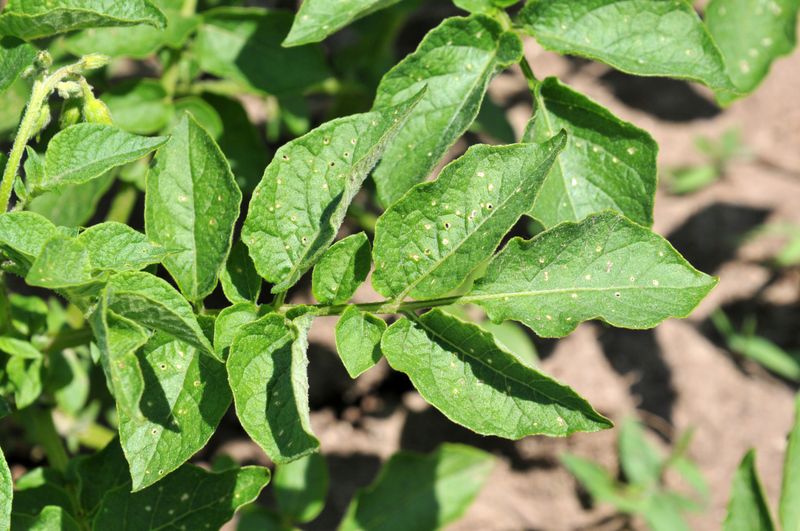
Colorado potato beetles represent the biggest pest threat for Pennsylvania potato growers. These distinctive orange and black striped beetles can devastate entire crops if left unchecked.
Check your Pennsylvania plants every few days starting in late spring, looking for adults, orange egg clusters on leaf undersides, and red larvae feeding on foliage.
Hand-pick beetles, eggs, and larvae from Pennsylvania potato plants and drop them into soapy water. This simple method works remarkably well for small to medium-sized gardens.
Early morning is the best time for beetle patrol since cool temperatures make them sluggish and easy to catch.
Row covers provide excellent protection for young potato plants in Pennsylvania gardens. Lightweight fabric covers allow sunlight and rain through while keeping beetles and other pests away from vulnerable seedlings.
Remove covers once plants begin flowering so beneficial insects can visit.
Late blight poses a serious disease threat during Pennsylvania’s humid summers. This fungal disease appears as dark spots on leaves and can quickly spread through entire plantings.
Space plants properly to ensure good air circulation, and avoid overhead watering to reduce conditions that favor disease development.
Rotate your potato planting location each year within your Pennsylvania garden. Never plant potatoes in the same spot more often than once every three years.
Crop rotation breaks pest and disease cycles, significantly reducing problems season after season.
Remove any volunteer potato plants that sprout in your Pennsylvania garden from previous years. These can harbor diseases and pests that will infect your current crop.
Keep your potato patch clean and remove diseased foliage promptly to prevent problems from spreading.