10 Tips For Rhode Island Gardeners To Boost Pollinators This Spring
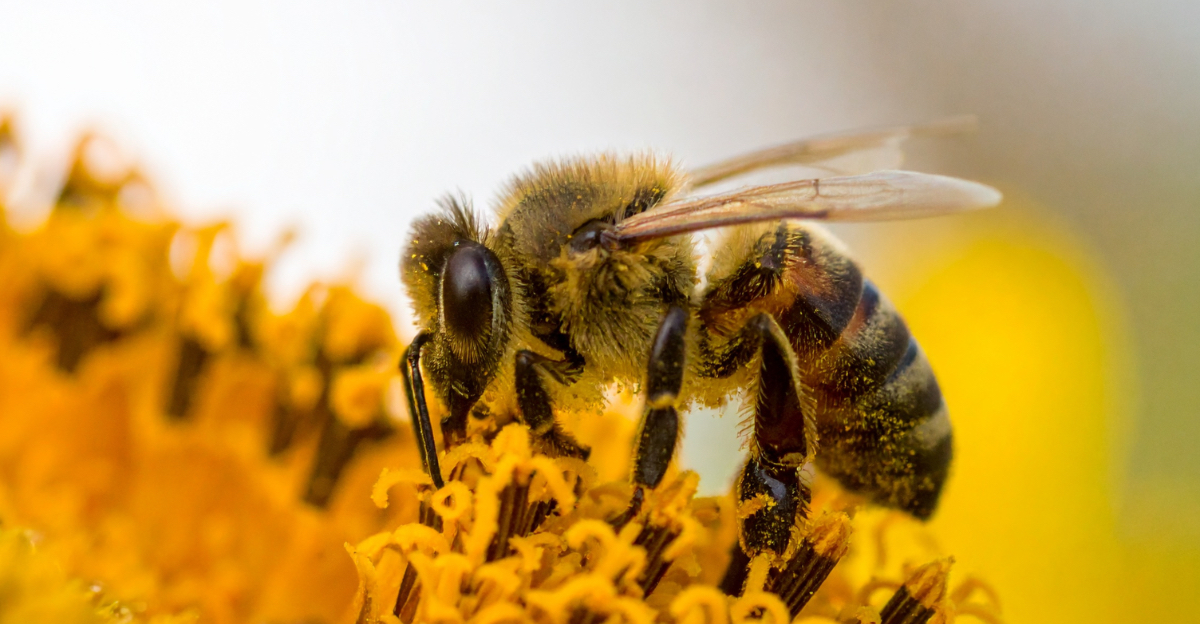
Springtime in Rhode Island is magical. The garden hums with life, leaves glint in sun, and butterflies drift through the air.
Pollinators aren’t just pretty visitors. They play a crucial role in growing the food that nourishes both people and wildlife.
This season, your yard can become more than just a garden, it can be a pollinator paradise. Simple changes, like planting native flowers, adding a water source, or reducing pesticides, can make a huge difference.
By embracing these small steps, you’re not only creating a beautiful outdoor space, but also helping your neighborhood flourish with life and color. Make this spring in Rhode Island unforgettable, for you, for pollinators, and for your neighbors!
Make this spring in Rhode Island unforgettable, for you, for pollinators, and for your neighbors!
1. Plant Native Wildflowers For Local Pollinators

Nothing grabs a bee’s attention faster than a patch of wildflowers it already knows and loves. Native plants are ones that naturally grow in Rhode Island, and local pollinators have evolved alongside them for thousands of years.
That means bees, butterflies, and hummingbirds are perfectly built to feed from these flowers.
Great native choices for Rhode Island gardens include black-eyed Susans, wild bergamot, coneflowers, and New England asters. These plants thrive in our local soil and climate without needing a lot of extra care.
They also tend to be more resistant to local pests and weather changes.
Planting natives saves you time and money while doing a whole lot of good for your garden ecosystem. You can find native plant species at local Rhode Island nurseries or through the Rhode Island Wild Plant Society.
Start with just a small patch and watch pollinators show up almost immediately. A few native plants can make a surprisingly big difference in how many visitors your garden attracts each spring season.
2. Create A Bee-Friendly Water Source
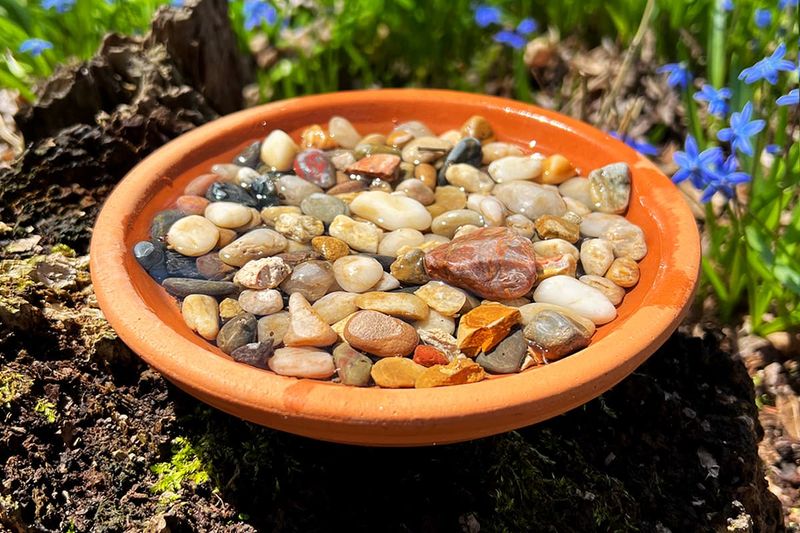
Bees get thirsty too, and most gardeners never think about providing water for their pollinators. A simple, shallow dish filled with clean water and a few pebbles is all you really need.
The pebbles give bees a safe landing spot so they can drink without falling in.
Place your water source near your flower beds so pollinators do not have to travel far between drinking and feeding. Change the water every two to three days to keep it fresh and prevent mosquitoes from breeding.
Rhode Island summers can get warm, so fresh water becomes even more valuable during dry spells.
You can also use a dripping hose or a small fountain to attract bees with moving water. Pollinators are drawn to the sound and sight of gentle movement.
Keep the water feature in a sunny spot so it stays warm and easy to find. This small addition to your Rhode Island garden costs almost nothing but gives pollinators exactly what they need to stay healthy and active throughout the spring and summer growing season.
3. Skip The Pesticides And Go Organic
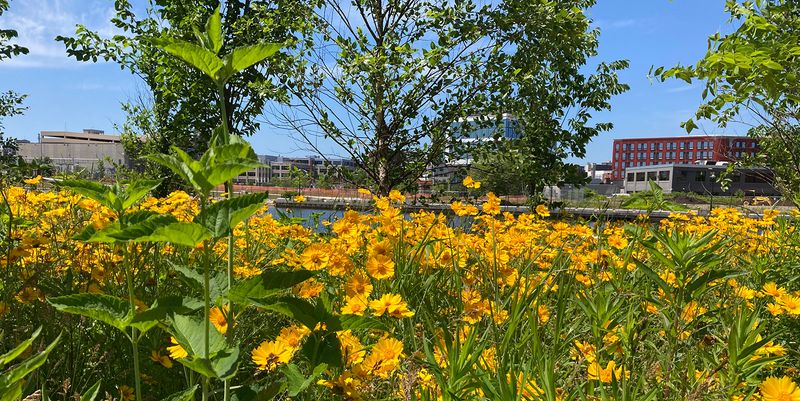
Chemical pesticides are one of the biggest threats to pollinators in Rhode Island and across the country. Even products labeled as safe can harm bees and butterflies when used too often or at the wrong time.
Going organic in your garden is one of the most powerful steps you can take this spring.
Try natural alternatives like neem oil, insecticidal soap, or companion planting to manage garden pests. Companion planting means placing pest-repelling plants like marigolds or basil next to your vegetables and flowers.
This method keeps harmful bugs away while leaving your pollinators completely unharmed.
Many Rhode Island gardeners have made the switch to organic methods and noticed more bees and butterflies visiting their yards within just one season.
Organic gardening also improves your soil health over time, which helps your plants grow stronger and more attractive to pollinators.
Local gardening groups across Rhode Island offer workshops and resources to help beginners get started with organic techniques. Your garden, your family, and your local pollinators will all benefit from making this important change.
4. Add A Pollinator Garden Bed With Layered Blooms

Smart gardeners in Rhode Island know that timing matters just as much as plant selection. By choosing flowers that bloom at different times throughout spring and summer, you create a steady food supply for pollinators all season long.
This approach is called succession planting, and it works beautifully in New England gardens.
Start with early spring bloomers like crocus, Virginia bluebells, and wild columbine to feed the first bees of the season. Follow up with mid-spring plants like lupine and phlox, then add summer bloomers like milkweed and Joe Pye weed.
Layering your garden this way keeps pollinators returning again and again.
A layered garden bed also looks stunning and adds real curb appeal to your Rhode Island home. Tall flowers in the back, medium plants in the middle, and low ground covers in front create a beautiful and functional design.
Pollinators love having options at different heights because different species prefer to feed at different levels. With a little planning before the season starts, your garden can become a non-stop pollinator buffet from early spring all the way through fall.
5. Build Or Buy A Native Bee House
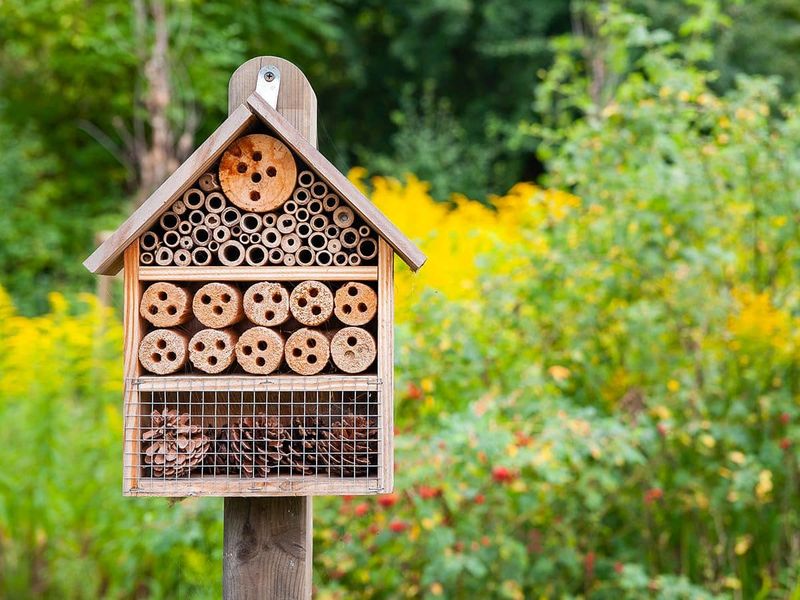
Most people picture honeybees when they think about pollinators, but Rhode Island is actually home to over 200 species of native bees. Many of these bees are solitary, meaning they do not live in hives and need small holes or tunnels to make their nests.
A bee house gives these helpful insects a safe and welcoming place to raise their young.
You can buy a ready-made bee house from a garden center or build one yourself using untreated wood. Drill holes of different sizes, ranging from about 3mm to 10mm wide, to attract a variety of species.
Mount the house on a post or fence facing east or southeast to catch the morning sun.
Place your bee house near flowering plants so nesting bees do not have to travel far for food. Replace or clean the tubes every year or two to keep the house healthy and free from mold.
Rhode Island gardeners who install bee houses often report a noticeable increase in pollination in their vegetable and fruit gardens. It is a fun, hands-on project that the whole family can enjoy and that makes a real difference for local wildlife.
6. Let A Corner Of Your Yard Go Wild
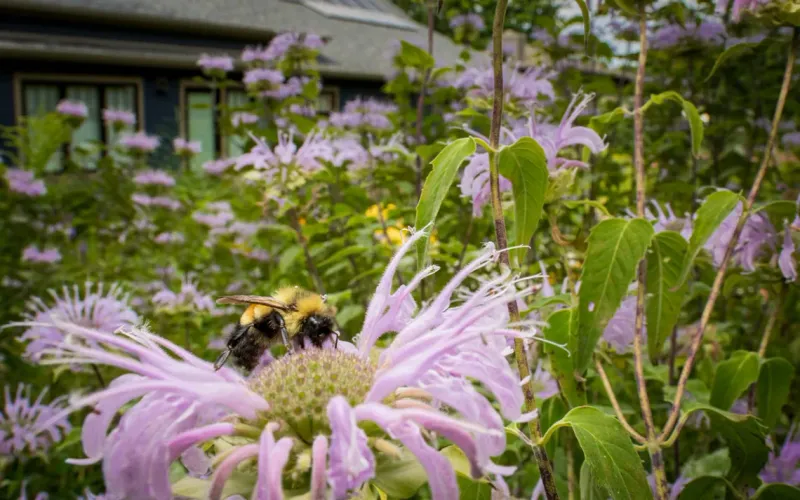
Not every inch of your yard needs to be perfectly manicured, and pollinators actually prefer it that way. Leaving a small corner of your Rhode Island garden wild and untouched gives bees, butterflies, and other beneficial insects a natural habitat to shelter in.
Tall grasses, leaf litter, and bare patches of soil are all valuable nesting spots for native bees.
Many ground-nesting bees need loose, undisturbed soil to lay their eggs. If every inch of your yard is covered in mulch or grass, these bees have nowhere to go.
A small wild patch can solve that problem without much effort on your part at all.
You do not need a large space to make a difference in your Rhode Island neighborhood. Even a three-foot-by-three-foot wild corner can support dozens of beneficial insect species throughout the spring and summer.
Consider adding a small brush pile or a few hollow stems from last year’s garden to give insects extra shelter options. Going a little wild is actually one of the easiest and most rewarding things you can do for pollinators this season in Rhode Island.
7. Grow Herbs That Double As Pollinator Magnets

Your herb garden can do double duty this spring if you let some of your plants flower instead of trimming them back. Herbs like lavender, thyme, oregano, basil, and chives produce small but incredibly attractive blooms that pollinators absolutely love.
These flowers are rich in nectar and easy for even small native bees to access.
Lavender is especially popular in Rhode Island gardens because it thrives in well-drained soil and full sun, both of which are easy to find in many parts of the state. It blooms for weeks at a time and attracts dozens of bee and butterfly species.
Plus, it smells amazing and keeps certain garden pests away naturally.
Growing pollinator-friendly herbs is a practical choice because you get to use them in the kitchen and support local wildlife at the same time. Plant your herb garden near a kitchen window or back door so you can easily harvest what you need.
Allowing just a few plants to go to flower each season can dramatically increase the number of pollinators visiting your Rhode Island garden. It is a win-win strategy that requires almost no extra effort from you.
8. Support Monarch Butterflies With Milkweed
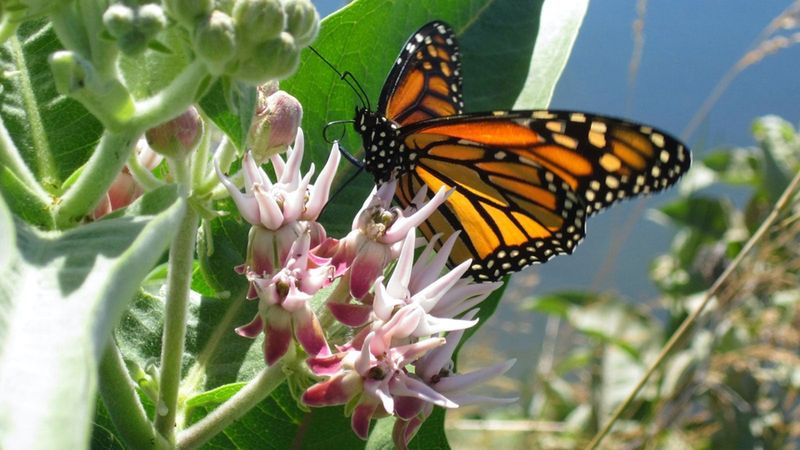
Monarch butterflies are one of the most beloved and recognizable pollinators in North America, and they need your help right now. Milkweed is the only plant monarch caterpillars can eat, and it has been disappearing from many Rhode Island landscapes over the past few decades.
Planting milkweed in your yard is one of the most direct ways to support this incredible species.
Common milkweed and butterfly weed are both excellent choices for Rhode Island gardens. They are native to the region and grow well in sunny spots with average soil.
Their bright flowers also attract dozens of other pollinator species including bees, wasps, and beetles.
You can find milkweed plants or seeds at local Rhode Island nurseries, native plant sales, or through the Xerces Society. Plant milkweed in clusters rather than single plants to make it easier for monarchs to find during their migration.
Avoid purchasing tropical milkweed, which can actually interfere with monarch migration patterns. Sticking with native milkweed varieties ensures you are giving monarchs exactly what they need to thrive right here in Rhode Island throughout the spring and summer months.
9. Reduce Lawn Area And Add Flowering Ground Covers

Traditional grass lawns are basically a food desert for pollinators, offering nothing in terms of nectar or shelter. Replacing even a small section of your Rhode Island lawn with flowering ground covers can make a dramatic difference for local bees and butterflies.
Creeping thyme, white clover, and native violets are all excellent low-growing options that bloom beautifully in spring.
White clover is a particular favorite because it spreads quickly, tolerates foot traffic, and produces tons of nectar-rich blooms. Bumble bees are especially fond of clover flowers and will visit repeatedly throughout the day.
Clover also fixes nitrogen in the soil, which actually improves the health of your lawn over time.
Reducing your lawn area also means less mowing, less watering, and lower maintenance costs throughout the season. Many Rhode Island homeowners are surprised by how much more colorful and lively their yards become after making this simple switch.
Start small by replacing a strip along your driveway or fence line with flowering ground covers. Over time, you can expand the area and watch your yard transform into a thriving habitat that supports pollinators all across your Rhode Island community.
10. Join A Local Rhode Island Pollinator Network

Gardening for pollinators is even more powerful when you do it as part of a community effort. Rhode Island has several active gardening and conservation groups that focus on supporting native pollinators and restoring natural habitats across the state.
Connecting with these groups can give you access to free plants, expert advice, and a network of like-minded neighbors.
Organizations like the Rhode Island Natural History Survey, the URI Cooperative Extension, and local Audubon chapters offer workshops, plant swaps, and pollinator garden certification programs.
Some programs will even officially recognize your yard as a certified pollinator habitat, which is a pretty cool honor for any gardener.
These resources are available to beginners and experienced gardeners alike.
Joining a pollinator network also helps you stay informed about new threats to local bee and butterfly populations and what you can do to help.
Sharing your garden journey on social media or with neighbors can inspire others across Rhode Island to make pollinator-friendly changes too.
Small individual efforts add up fast when an entire community gets involved. Together, Rhode Island gardeners can create a connected web of pollinator habitats stretching from Providence all the way to the coast this spring and beyond.