7 Tips Michigan Gardeners Use To Get Their Stapelia Blooming
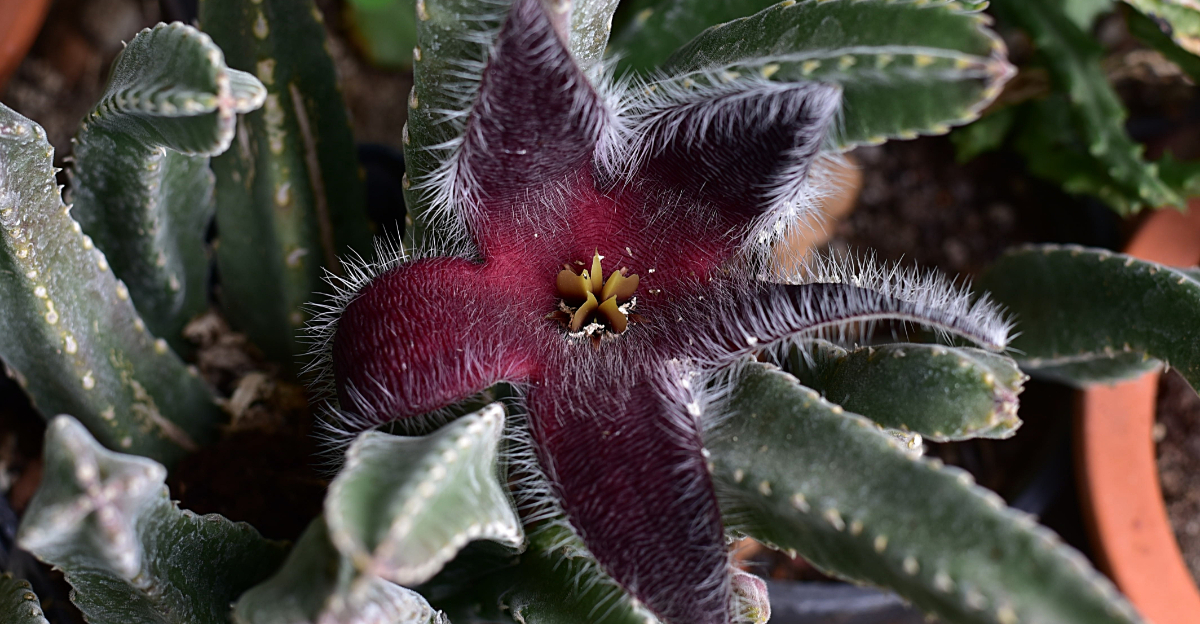
Few houseplants capture attention quite like a Stapelia when its unusual star shaped flowers finally appear. In Michigan, growing these exotic succulents indoors can feel challenging, especially when blooms seem slow or unpredictable.
Stapelia plants have very specific needs that differ from typical houseplants, and understanding those differences is the key to success.
Light, temperature, watering habits, and seasonal care all play an important role in encouraging healthy growth and reliable flowering.
Michigan’s indoor conditions, shaped by long winters and changing humidity, require a thoughtful approach that mimics the plant’s natural environment as closely as possible.
When given the right balance, Stapelia rewards patience with striking blooms that make any plant collection feel unique and fascinating.
By learning how to adapt your care routine to suit Michigan’s climate, you can help these remarkable succulents thrive and enjoy their extraordinary flowers year after year.
1. Provide Bright, Indirect Light
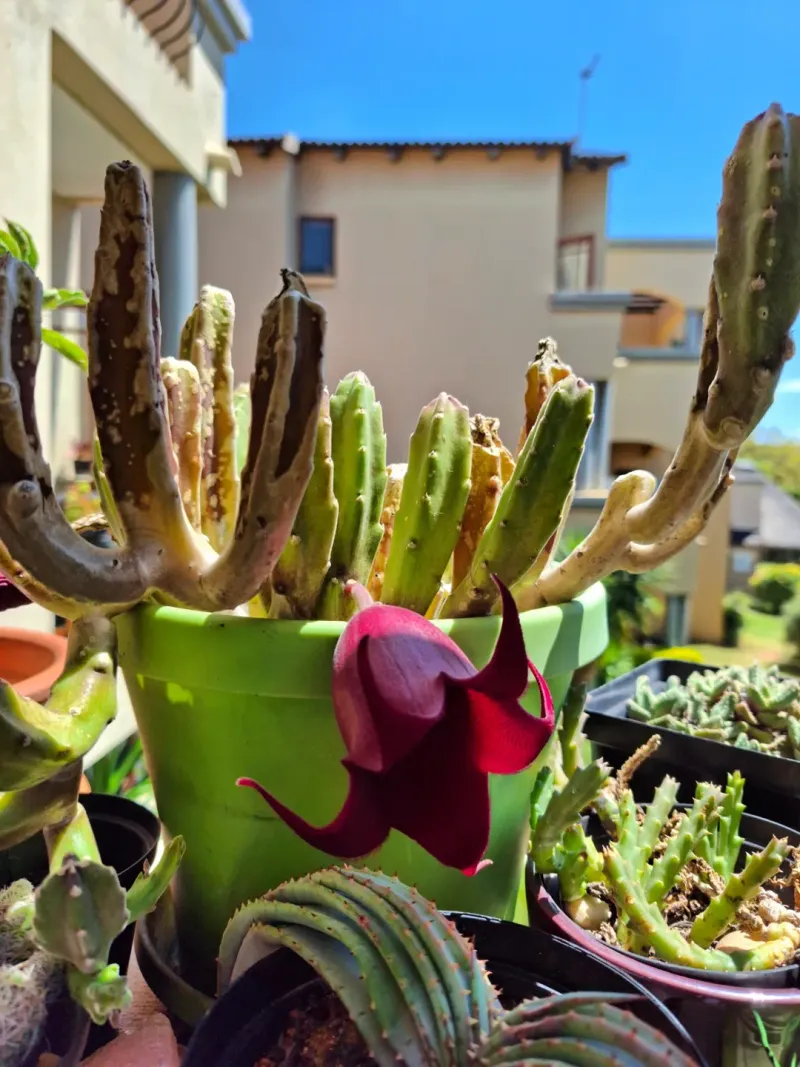
Light makes all the difference when you’re trying to coax flowers from your Stapelia. These succulents originally come from sunny African climates, so they naturally crave brightness.
However, placing them in harsh direct sunlight can actually backfire by scorching their tender stems and reducing their energy for blooming.
Michigan winters bring shorter days and weaker sunlight, which means your indoor Stapelia needs a strategic spot. South-facing or east-facing windows work beautifully during most of the year.
You can also use sheer curtains to filter intense summer rays while still providing plenty of luminosity.
Without adequate brightness, your plant will focus on survival rather than reproduction. The stems may stretch out awkwardly, searching for more light in a process called etiolation.
This weakened growth pattern rarely produces flowers because the plant simply lacks the energy reserves.
Consider rotating your container every few weeks to ensure even light exposure on all sides. Some Michigan gardeners even supplement with grow lights during the darkest winter months.
These artificial sources can extend the photoperiod and maintain the consistent brightness Stapelia needs.
When your plant receives optimal lighting conditions, you’ll notice compact, healthy growth and the eventual appearance of flower buds. The star-shaped blooms are worth every effort you put into finding that perfect bright spot.
2. Use Well-Draining Soil
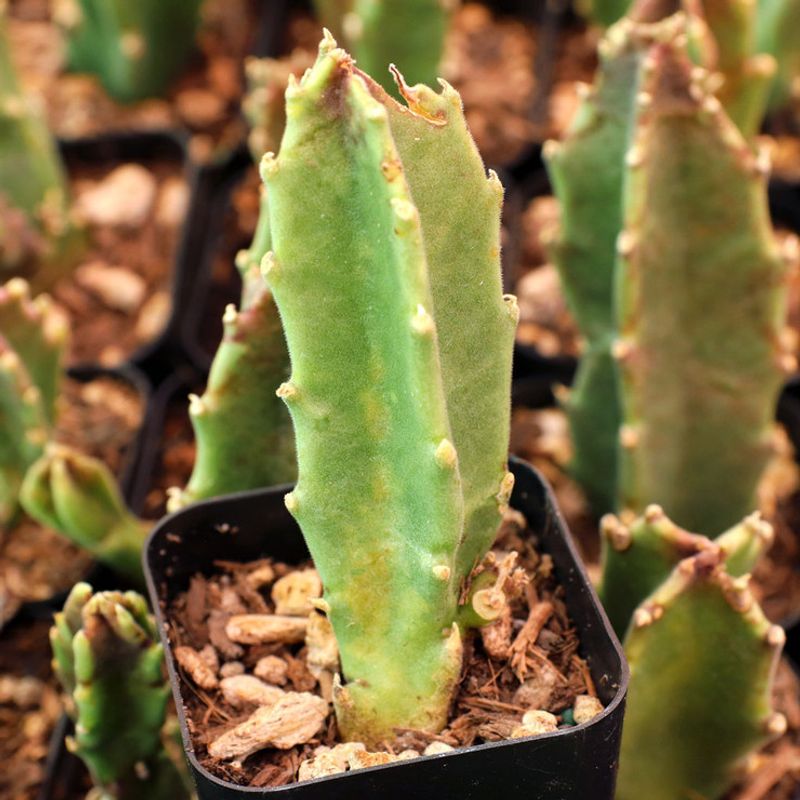
Soil choice might seem basic, but it’s actually one of the most critical factors for Stapelia flowering. Regular potting soil holds too much moisture for these succulents, creating soggy conditions that spell trouble.
Roots sitting in wet soil quickly become stressed and vulnerable, which completely halts any blooming potential.
A quality cactus or succulent mix provides the perfect foundation for your plant. These specialized blends typically contain sand, perlite, or pumice that creates air pockets throughout the medium.
Water flows through quickly, allowing roots to drink what they need before the excess drains away.
Michigan tap water can sometimes be quite cold, especially in winter, so letting it reach room temperature before watering helps. The well-draining soil works hand in hand with proper watering techniques.
You want the roots to stay healthy and active rather than sitting in a swampy environment.
Many experienced growers add extra perlite or coarse sand to commercial mixes for even better drainage. A ratio of about 70% succulent mix to 30% added drainage material works wonderfully.
This customization ensures your Stapelia’s roots stay oxygenated and happy.
Healthy roots translate directly to blooming potential because the plant can efficiently absorb nutrients and water. When the root system thrives, the entire plant gains the strength needed to produce those incredible flowers everyone wants to see.
3. Water Moderately During Active Growth
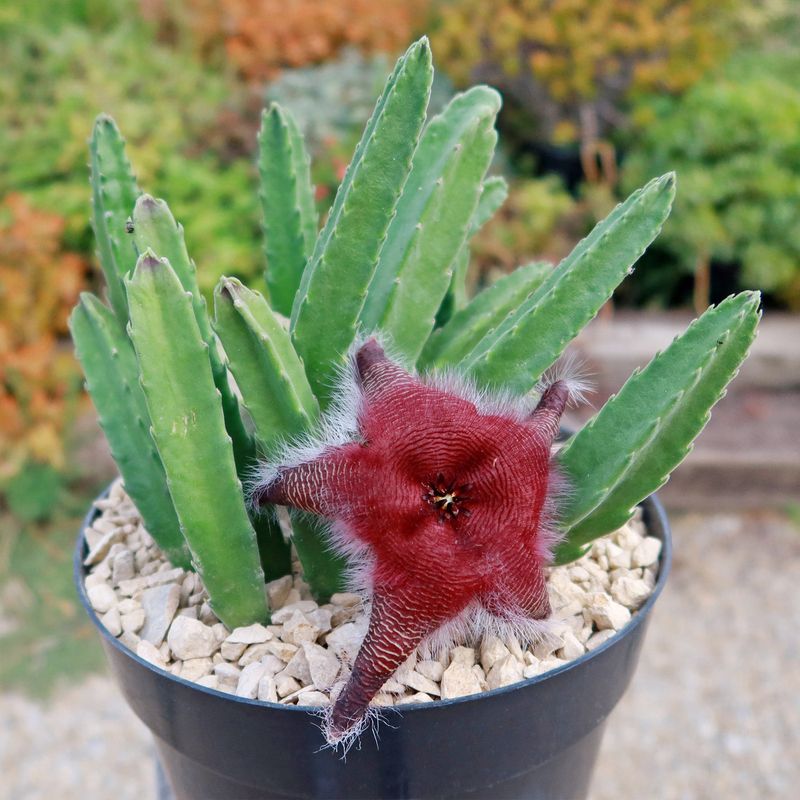
Finding the right watering rhythm takes practice, but it’s absolutely essential for encouraging blooms. Stapelia plants grow actively from spring through early fall, which is when they need consistent moisture.
However, consistent doesn’t mean constantly wet, and that distinction matters enormously for flowering success.
The best approach involves checking the soil before you water each time. Stick your finger about an inch deep into the growing medium.
If it feels completely dry at that depth, your plant is ready for a drink. If there’s any dampness remaining, wait another few days before checking again.
Overwatering ranks as the number one reason Stapelia plants refuse to bloom in Michigan homes. Too much moisture diverts the plant’s energy toward dealing with root stress rather than flower production.
The stems may look plump and healthy, but blooms simply won’t appear when roots are struggling.
During the growing season, you’ll probably water every one to two weeks depending on your home’s humidity and temperature. Michigan’s summer humidity can actually slow soil drying, so adjust your schedule accordingly.
Always pour water until it runs out the drainage holes, ensuring the entire root system gets hydrated.
This moderate approach mimics the natural rainfall patterns Stapelia experiences in its native habitat. The plant receives generous drinks followed by drying periods, which actually triggers blooming responses as the plant prepares for reproduction cycles.
4. Maintain Warm Temperatures
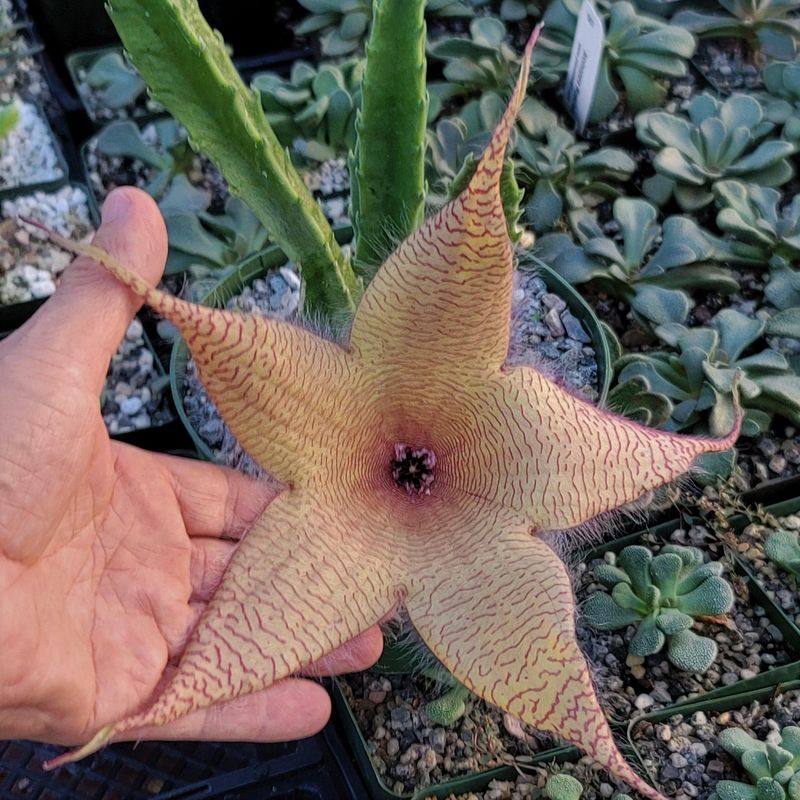
Temperature plays a sneaky but powerful role in whether your Stapelia decides to bloom. These succulents thrive in warmth, preferring a range between 65 and 80 degrees Fahrenheit during their active growing months.
Michigan homes typically maintain comfortable temperatures that fall right within this sweet spot, which is great news for indoor growers.
Consistency matters just as much as the actual numbers on your thermometer. Stapelia plants don’t appreciate sudden temperature swings or cold drafts from air conditioning vents.
Position your container away from heating and cooling sources that create fluctuating conditions throughout the day.
Winter presents a special consideration because Michigan’s outdoor cold can affect indoor temperatures near windows. While Stapelia can tolerate cooler conditions down to about 50 degrees, prolonged exposure to chilly temperatures stresses the plant.
This stress diverts energy away from flower bud formation and into basic survival.
During summer months, your home’s natural warmth actually encourages vigorous growth and blooming. The plant’s metabolism speeds up in these favorable conditions, processing nutrients more efficiently.
This increased activity often results in flower production as the plant thrives in its preferred temperature range.
Some Michigan gardeners notice their Stapelia blooms more reliably when kept in warmer rooms like kitchens or sunny living spaces. The ambient warmth combined with other proper care creates the perfect environment.
Your plant essentially feels comfortable enough to put energy into reproduction rather than just survival.
5. Use Fertilizer Sparingly During Growth
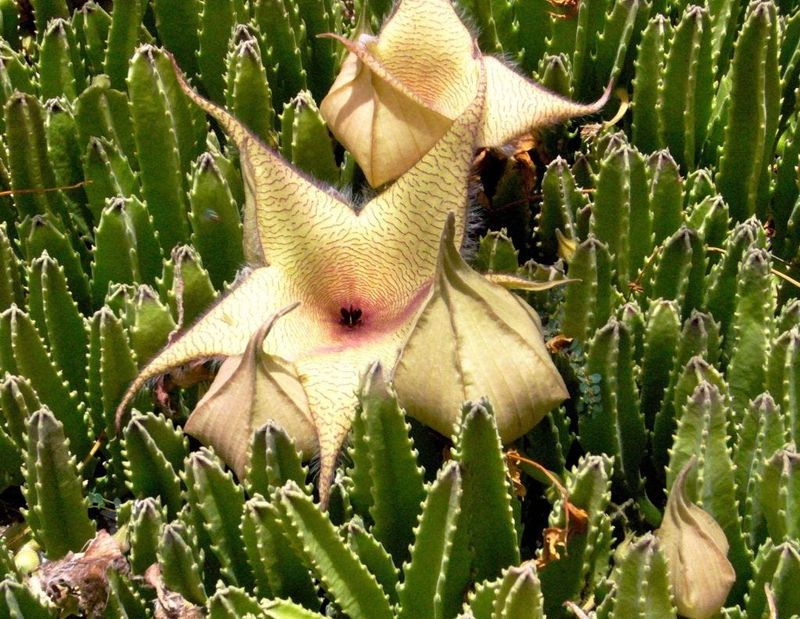
Feeding your Stapelia requires a delicate touch because these plants evolved in nutrient-poor environments. Many Michigan growers make the mistake of over-fertilizing, thinking more nutrients equal more flowers.
The reality works quite differently, as excessive feeding actually promotes leafy growth at the expense of blooms.
A balanced, water-soluble fertilizer diluted to half the recommended strength works perfectly. Apply this gentle feeding every four to six weeks during the spring and summer growing season.
Look for formulas designed for cacti and succulents, which typically have lower nitrogen content compared to standard houseplant foods.
Nitrogen encourages stem and foliage development, which sounds positive until you realize it diverts resources from flower production. Stapelia naturally grows slowly and doesn’t require heavy feeding to stay healthy.
The moderate approach keeps the plant nourished without triggering excessive vegetative growth.
Michigan’s municipal water sometimes contains minerals that build up in the soil over time. Occasional flushing with plain water helps remove these accumulated salts that can interfere with nutrient uptake.
Simply water thoroughly until liquid runs freely from drainage holes, then allow the soil to dry normally.
During fall and winter, stop fertilizing completely to allow your plant its natural rest period. This break from feeding mimics the lean seasons in Stapelia’s native habitat.
When spring arrives and you resume light feeding, the plant often responds with renewed vigor and those sought-after flower buds.
6. Provide A Rest Period In Winter
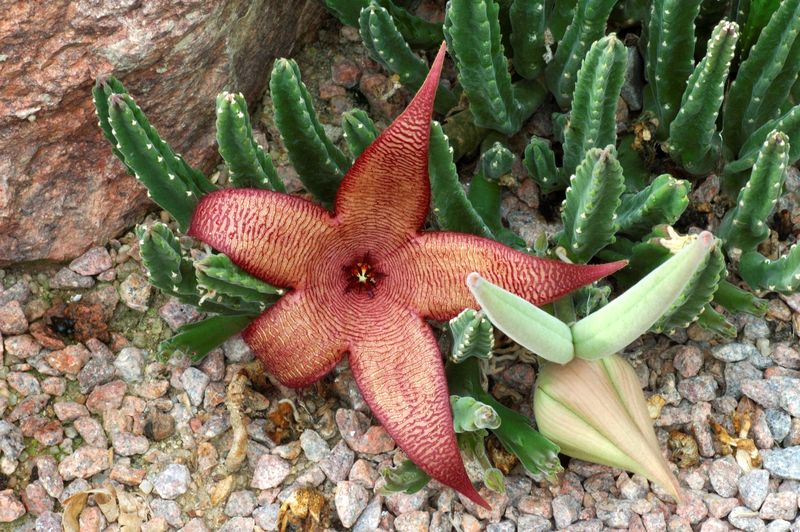
Winter dormancy might seem counterintuitive, but it’s actually a secret weapon for encouraging spectacular spring blooms. Stapelia plants have evolved to rest during cooler, drier seasons, and this downtime prepares them for flowering.
Michigan’s indoor conditions during winter months can naturally provide this necessary rest period if you adjust your care routine.
Starting in late fall, gradually reduce watering frequency as daylight hours decrease. Your plant may only need water once every three to four weeks during winter dormancy.
The cooler temperatures and lower light levels slow the plant’s metabolism, meaning it requires far less moisture than during active growth.
Keep your Stapelia in a slightly cooler location if possible, ideally between 50 and 60 degrees Fahrenheit. A spare bedroom, enclosed porch, or basement window can provide these conditions in many Michigan homes.
The combination of coolness and dryness signals the plant to conserve energy and prepare for the next growing season.
This rest period allows the plant to build up carbohydrate reserves in its stems. These stored resources become the fuel for producing flowers when conditions improve in spring.
Without this dormancy phase, Stapelia often continues growing but rarely develops the energy reserves needed for blooming.
As February transitions into March, you’ll notice increasing daylight hours through your windows. This natural signal tells your Stapelia that growing season approaches.
Resume normal watering gradually, and watch for flower buds to emerge as your well-rested plant springs back to life.
7. Ensure Adequate Pot Size And Support
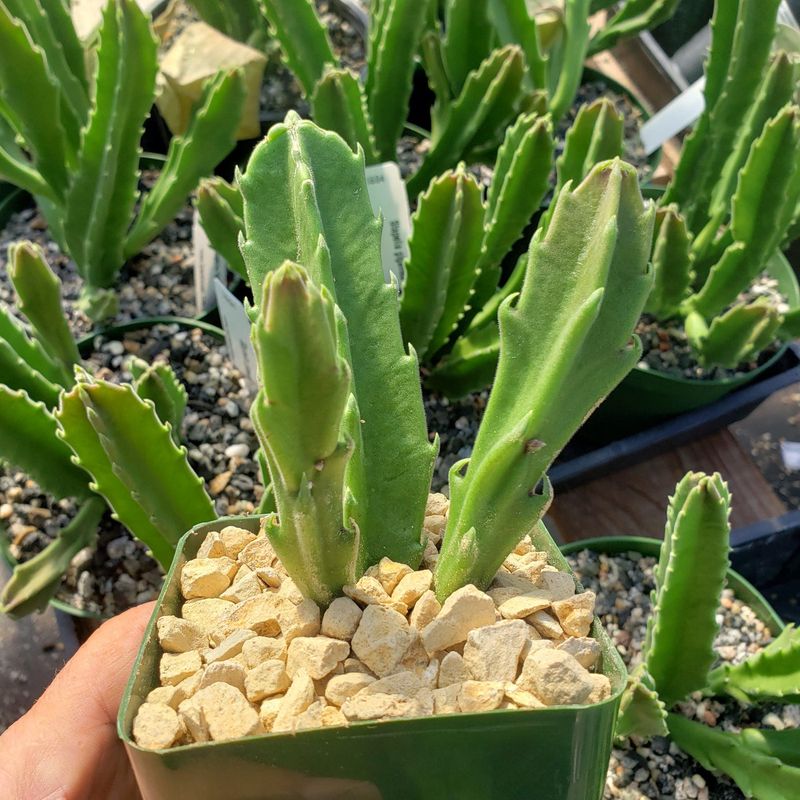
Container choice affects your Stapelia’s blooming potential more than most people realize. A pot that’s too large encourages the plant to focus on root expansion rather than flower production.
Conversely, an extremely cramped container stresses the roots and limits overall health. Finding that middle ground creates the perfect conditions for blooms.
Stapelia generally prefers being slightly rootbound, which actually triggers flowering responses. Choose a container that provides about one inch of space around the root ball on all sides.
Terracotta pots work exceptionally well because they’re porous and allow soil to dry more evenly than plastic containers.
Drainage holes are absolutely non-negotiable regardless of which pot style you select. Even the best soil mix becomes waterlogged in a container without proper drainage.
Michigan’s humid summers can slow evaporation, making those drainage holes even more critical for preventing root problems.
When those magnificent star-shaped flowers finally appear, they can be surprisingly large and heavy. The blooms sometimes weigh down the succulent stems, especially on smaller or younger plants.
Thin bamboo stakes or small plant supports can help hold flowering stems upright without damaging the plant.
Repotting should happen only when absolutely necessary, typically every two to three years. The disturbance of repotting can delay flowering for a season, so timing matters.
Early spring before active growth resumes is the ideal window for moving your Stapelia to a slightly larger home if needed.