10 Tips Nevada Residents Follow To Keep Indoor Succulents Healthy All Winter
Nevada winters can surprise many people who think deserts stay warm all year round.
Cold nights and dry indoor air create unique challenges for succulent lovers across the state.
Indoor succulents need special attention during winter months to stay vibrant and healthy.
Nevada residents have learned through experience what works best for their beloved plants.
The combination of low humidity, fluctuating temperatures, and reduced sunlight can stress even the hardiest succulents.
Many gardeners in Las Vegas, Reno, and smaller towns have developed practical methods to protect their collections.
These plants store water in their leaves and stems, making them different from typical houseplants.
Nevada’s high desert climate means indoor heating systems run frequently, creating extremely dry conditions.
Succulents that flourish outdoors during mild seasons need adjustments when moved inside for winter.
The good news is that with some simple changes to your care routine, your succulents can stay beautiful through the coldest months.
Nevada plant enthusiasts have perfected strategies that work specifically for the Silver State’s unique winter conditions.
These tried-and-true methods help succulents not just survive but actually thrive until spring returns.
1. Adjust Your Watering Schedule Dramatically
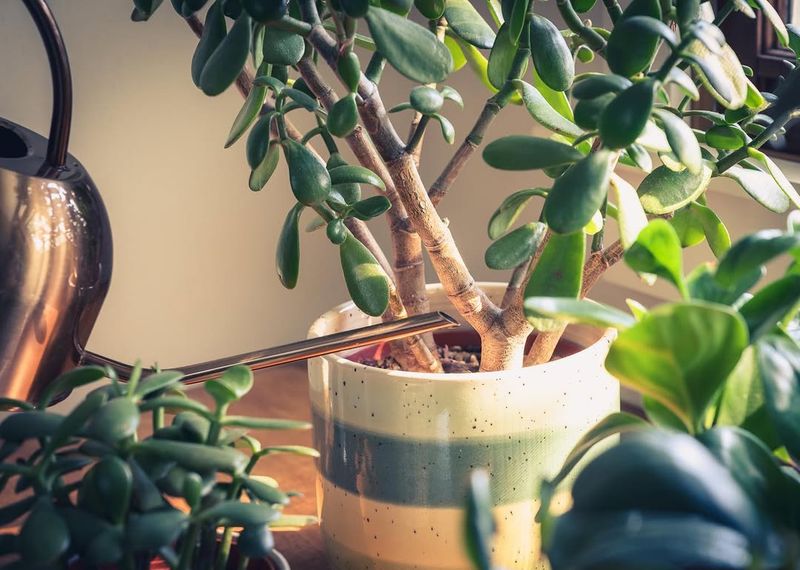
Winter changes everything about how much water your succulents need inside your home.
Most Nevada residents cut back watering to once every three to four weeks during cold months.
Succulents enter a dormant phase when temperatures drop and daylight hours shrink.
During this rest period, they barely grow and use very little water from their soil.
Overwatering becomes the biggest threat because roots can rot quickly in cold, wet soil.
Check the soil by sticking your finger two inches deep before adding any water.
The soil should feel completely dry throughout, not just on the surface.
Some experienced Nevada gardeners wait until leaves show slight wrinkling before watering again.
This signals the plant actually needs moisture rather than just following a calendar schedule.
Room temperature water works better than cold water straight from the tap.
Cold water can shock the roots and stress your plants unnecessarily.
Always water in the morning so excess moisture can evaporate during the day.
Never let succulents sit in standing water in their saucers.
Empty drainage trays within an hour of watering to prevent root problems.
Reduced watering might feel wrong at first, but your succulents will thank you with healthy growth come spring.
2. Position Plants Near South-Facing Windows
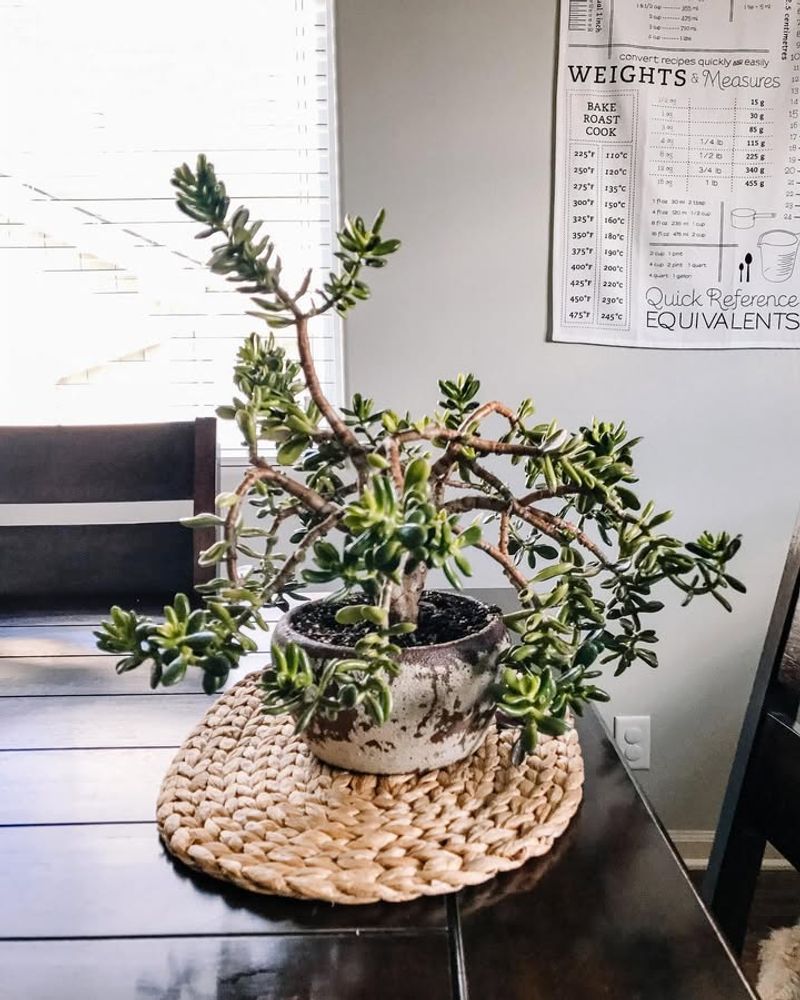
Sunlight becomes precious during Nevada winters when days grow shorter and the sun sits lower in the sky.
South-facing windows provide the most consistent and strongest light throughout winter months.
Succulents naturally crave bright light and can become stretched and pale without enough exposure.
Nevada homes often have excellent window access, making this tip easier to follow than in other states.
Place your pots within two feet of the glass to maximize the light they receive.
Watch for any signs of stretching, which appears as gaps between leaves growing on stems.
This stretching, called etiolation, means your plant desperately searches for more light.
East-facing windows work as a second choice, providing good morning sun
West-facing windows can work too, though afternoon heat might be less consistent in winter.
Avoid north-facing windows entirely during cold months since they receive minimal direct sunlight.
Rotate your pots a quarter turn each week so all sides get equal light exposure.
This prevents lopsided growth and keeps plants symmetrical and attractive.
Clean your windows regularly because dust and grime block significant amounts of light.
Even a thin film on glass can reduce light transmission by twenty percent or more.
Good light placement sets the foundation for healthy succulents all winter long.
3. Monitor Temperature Fluctuations Carefully
Nevada nights can plunge surprisingly cold even when days feel mild and comfortable.
Indoor succulents tolerate a wide temperature range but hate sudden dramatic shifts.
Most succulents prefer temperatures between 60 and 75 degrees Fahrenheit during winter.
Nighttime temperatures can safely drop to around 50 degrees without causing harm.
Problems start when plants sit too close to cold windows where frost can form.
A single pane of glass offers little insulation between your plant and freezing outdoor air.
Move pots a few inches away from windows on particularly cold nights.
You can also place a thin curtain between the window and your plants for protection.
Avoid placing succulents near heating vents that blast hot, dry air directly on leaves.
This rapid temperature change stresses plants and dries them out too quickly.
Drafty doors and windows create cold spots that can damage tender succulent tissues.
Use a simple indoor thermometer near your plant collection to track actual temperatures.
You might be surprised how much cooler it gets near windows than in the center of rooms.
Nevada residents who track temperatures carefully have the healthiest succulent collections.
Stable conditions help plants maintain their dormancy period without unnecessary stress or damage.
4. Reduce Fertilizer Application Completely
Dormant plants have zero interest in food, making winter fertilizer unnecessary and potentially harmful.
Succulents naturally slow their growth dramatically when light levels drop and temperatures cool.
Adding fertilizer during this rest period pushes weak, spindly growth that looks unhealthy.
This forced growth also makes plants more vulnerable to pests and diseases.
Nevada succulent enthusiasts stop all fertilizing by late October and resume in early April.
Your plants have stored enough nutrients to sustain themselves through the entire winter.
Think of it like bears hibernating – they do not need meals during their rest period.
Excess fertilizer salts can also build up in the soil when plants are not actively absorbing nutrients.
These accumulated salts can burn roots and damage your plants over time.
If you accidentally fertilized recently, flush the soil with plain water to remove excess nutrients.
Let water run through the pot for several minutes to carry away dissolved salts.
Mark your calendar for spring when active growth resumes and feeding becomes beneficial again.
A diluted, balanced fertilizer works best when you do restart your feeding schedule.
Many Nevada gardeners use a formula diluted to half the recommended strength.
Patience with fertilizer during winter rewards you with stronger, healthier plants when warm weather returns.
5. Increase Air Circulation Around Your Collection
Stagnant air creates perfect conditions for fungal problems and pest infestations during winter months.
Nevada homes with heating systems running constantly can trap moisture and create stuffy conditions.
Good air movement helps soil dry properly between waterings and keeps leaves healthy.
A small fan set on low speed works wonders for succulent health.
Position the fan to create gentle air movement without blasting plants directly.
You want a soft breeze that makes leaves barely move, not a windstorm.
Running a fan for a few hours each day provides enough circulation for most collections.
This practice also strengthens stems by encouraging them to develop more robust structures.
Open windows briefly on mild winter days to exchange stale indoor air with fresh outdoor air.
Even ten minutes of fresh air can make a significant difference.
Avoid crowding too many pots together in one spot, which restricts airflow between plants.
Space pots at least an inch apart so air can move freely around each one.
Better circulation helps prevent powdery mildew, a common problem in Nevada’s dry indoor winter conditions.
Some growers notice fewer pest problems when they improve air movement around their plants.
Simple air circulation might seem minor but makes a major difference in overall plant health.
6. Choose Well-Draining Soil Mixtures
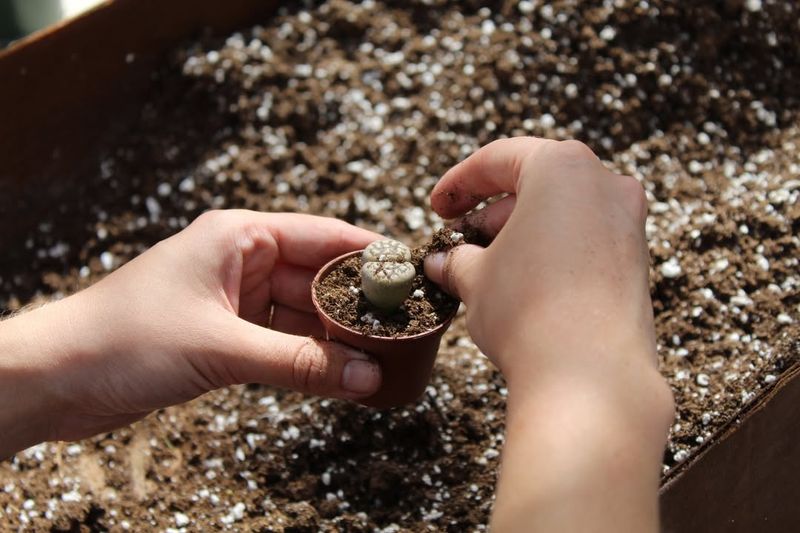
Soil quality becomes even more critical during winter when succulents need less water and slower drying times.
Standard potting soil holds too much moisture for succulents during their dormant period.
Nevada residents mix their own blends or purchase specialized cactus and succulent soil.
A good mixture contains at least fifty percent inorganic material like perlite, pumice, or coarse sand.
These materials create air pockets that allow excess water to drain quickly away from roots.
The remaining portion can be regular potting soil or coconut coir for some water retention.
Winter is actually an excellent time to repot any succulents in questionable soil.
Plants are dormant, so repotting causes minimal stress compared to active growth periods.
Remove old soil gently and check roots for any signs of rot or damage.
Trim away any mushy or darkened roots with clean, sharp scissors.
Let the plant sit out of soil for a day to allow cut roots to callus over.
Then pot in fresh, well-draining mix and wait a week before watering.
Proper soil prevents water from sitting around roots where it causes problems.
Nevada’s dry climate helps, but good soil makes winter care much more forgiving.
Investing in quality soil mix pays dividends in healthier, happier succulents throughout cold months.
7. Watch For Common Winter Pests
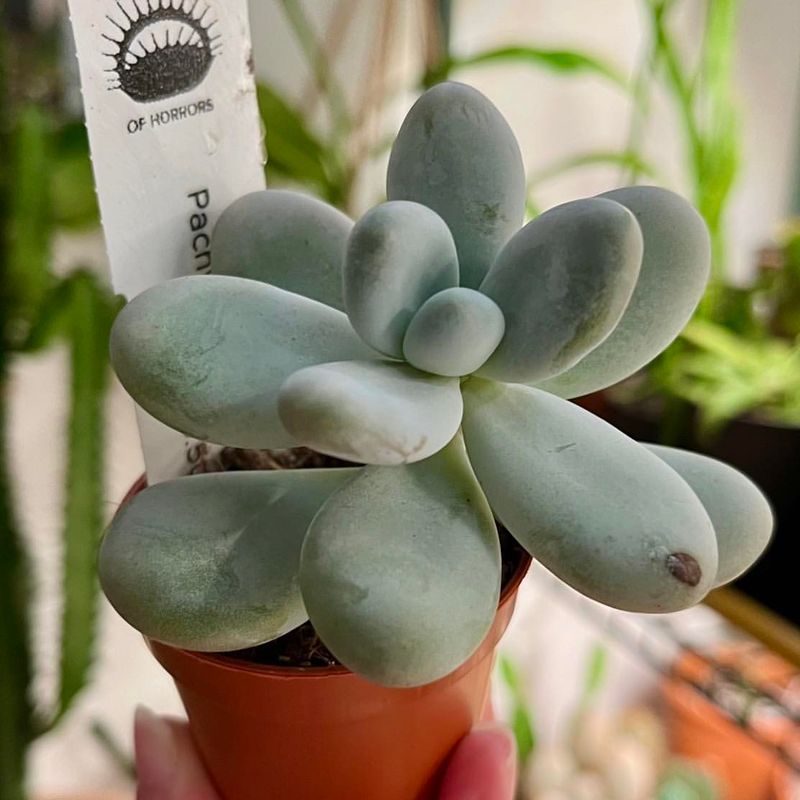
Pests love the warm, dry conditions inside Nevada homes during winter just as much as we do.
Mealybugs appear as tiny white cottony masses tucked between leaves and along stems.
These sneaky insects multiply quickly in the stable temperatures of indoor environments.
Spider mites become problematic when indoor humidity drops too low, creating fine webbing on plants.
Inspect your succulents weekly by examining under leaves and in tight crevices.
Early detection makes pest problems much easier to handle before infestations spread.
A cotton swab dipped in rubbing alcohol effectively removes individual mealybugs on contact.
For larger infestations, spray plants with a mixture of water and a few drops of dish soap.
Neem oil works as a natural pesticide that also prevents future pest problems.
Isolate any infected plants immediately to protect your entire collection from spreading pests.
Treat the affected plant thoroughly and keep it separated for at least two weeks.
Check neighboring plants carefully since pests often move between pots before you notice them.
Some Nevada gardeners use a magnifying glass to spot tiny pests that hide effectively.
Prevention works better than treatment, so maintain good air circulation and avoid overwatering.
Healthy, unstressed plants naturally resist pest problems better than struggling, weakened specimens.
8. Select Cold-Hardy Succulent Varieties
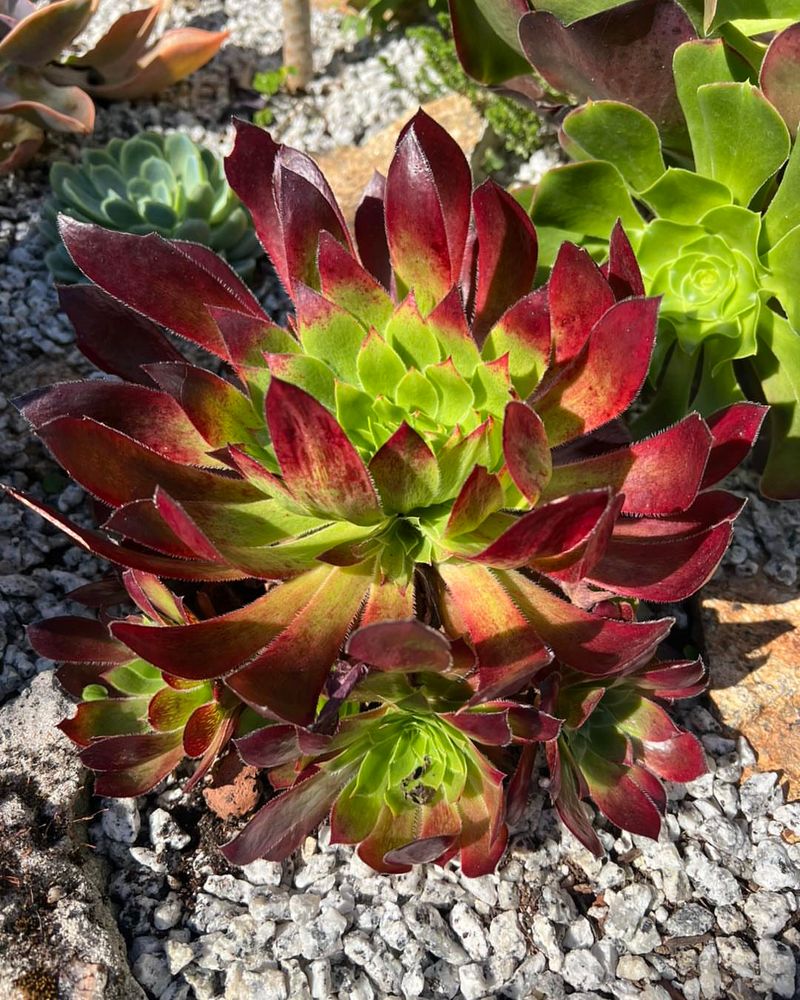
Not all succulents handle indoor winter conditions equally well, so smart selection matters tremendously.
Some varieties naturally tolerate cooler temperatures and lower light better than tropical species.
Sempervivum, commonly called hens and chicks, thrives in cold and actually needs winter chill.
These tough plants can handle temperatures near freezing without any damage.
Sedum varieties also prove extremely reliable for Nevada winter conditions.
Their thick leaves store ample water, and they tolerate neglect better than fussier species.
Echeveria types handle indoor winters well if given adequate light and minimal water.
Their compact rosettes stay attractive even during dormancy periods.
Avoid tropical succulents like some Euphorbia species that need consistently warm temperatures.
These plants suffer when temperatures drop below sixty degrees regularly.
Jade plants, technically called Crassula ovata, make perfect indoor winter companions.
They tolerate a wide range of conditions and bounce back quickly from minor care mistakes.
Aloe vera handles indoor winters beautifully and provides useful gel for minor burns.
Research any new succulent before purchasing to understand its specific winter needs.
Starting with naturally hardy varieties sets you up for success rather than frustration.
9. Maintain Consistent Humidity Levels
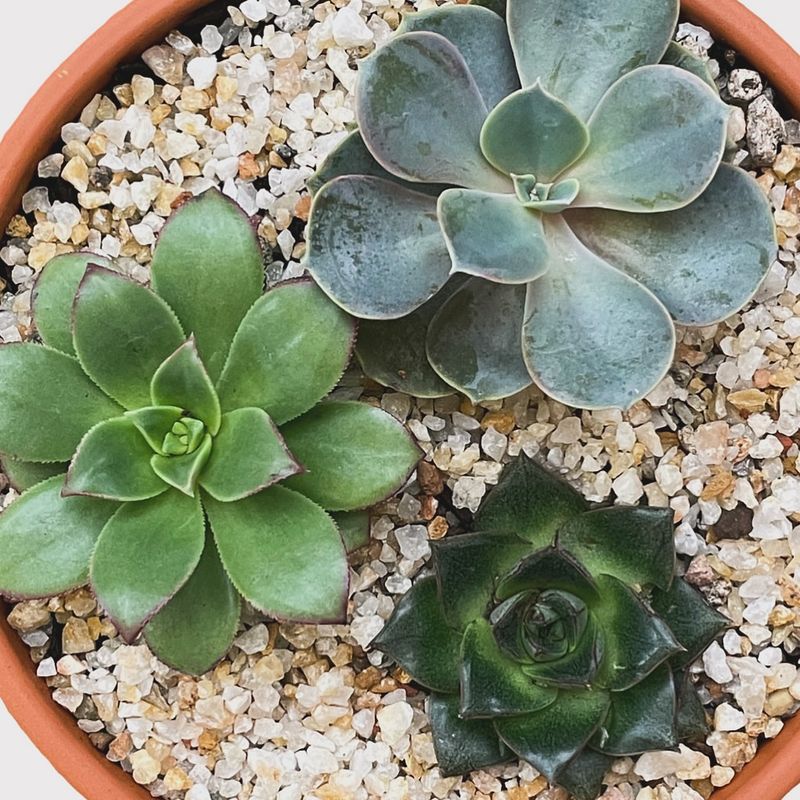
Nevada air ranks among the driest in the nation, and indoor heating makes conditions even more arid.
While succulents tolerate low humidity better than most plants, extremely dry air causes problems.
Leaves can shrivel at the tips or develop brown, crispy edges when humidity drops too low.
A simple humidity gauge helps you monitor conditions near your plant collection.
Ideal humidity for most succulents ranges between thirty and fifty percent.
Nevada homes in winter often measure below twenty percent without intervention.
Group plants together to create a microclimate with slightly higher humidity around leaves.
Plants naturally release moisture through their leaves, benefiting neighbors nearby.
Place a shallow tray filled with pebbles and water near your succulent collection.
As water evaporates, it raises humidity levels in the immediate area.
Make sure pots sit on the pebbles above water level, not in the water itself.
A small humidifier set on low works well for larger collections.
Run it for a few hours daily rather than constantly to avoid overdoing moisture.
Avoid misting succulent leaves directly since water trapped in rosettes can cause rot.
Consistent moderate humidity keeps plants comfortable without creating conditions that encourage fungal problems.
10. Prepare Plants Before Winter Arrives
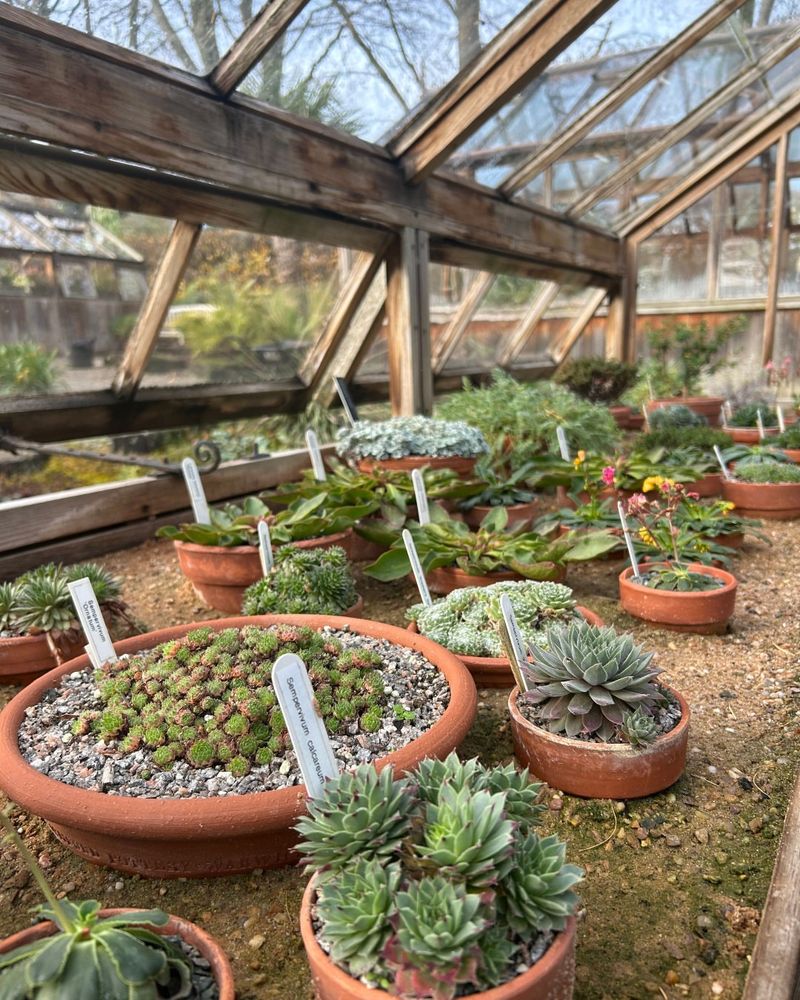
Success with winter succulents actually starts in autumn with proper preparation and transition.
Gradually move outdoor succulents inside over a two-week period rather than suddenly bringing them in.
This acclimation period helps plants adjust to lower light levels and different conditions
Start by moving pots to a shaded outdoor area for several days.
Then bring them into a bright garage or covered porch before final indoor placement.
Clean all pots and check carefully for hitchhiking pests before bringing plants inside.
Spray leaves with water to remove dust, dirt, and any hidden insects.
Trim away any damaged, diseased, or unattractive leaves before the indoor season begins.
This prevents problems from developing and spreading during winter months.
Reduce watering frequency starting in September to prepare plants for dormancy.
Stop fertilizing by early October so plants naturally slow their growth.
Top-dress soil with a thin layer of decorative rocks to prevent moisture from sitting on the surface.
This also discourages fungus gnats that breed in damp soil surfaces.
Take photos of your plants in autumn to compare their condition throughout winter.
These preparation steps make the actual winter care period much smoother and more successful for Nevada succulent lovers.