8 Tips North Carolina Gardeners Use To Make Begonias Bloom Indoors
Begonias are loved for their lush leaves and bright blooms, but getting them to flower indoors in North Carolina can sometimes feel tricky.
Between changing indoor light, summer humidity, and dry winter air, these plants can slow down or refuse to bloom if conditions are not quite right.
The good news is begonias are more cooperative than they seem once you understand what they need. With a few simple adjustments, you can encourage steady buds, longer bloom time, and healthier growth without turning plant care into hard work.
From better lighting to smart watering habits, small changes can make a big difference in how your begonias perform.
Whether you grow wax, rex, or tuberous varieties, these practical tips will help you enjoy more colorful blooms and fuller plants right inside your home, no matter the season in North Carolina.
1. Provide Bright, Indirect Light
Light makes all the difference when you want your begonias to produce those gorgeous flowers indoors. North Carolina homes offer plenty of natural light options, especially if you position your plants near windows that face east or south.
These directions give begonias the bright conditions they crave without exposing delicate leaves to harsh, direct rays that can scorch them.
Think of it like giving your begonias a front-row seat to a sunrise. Morning light from an east-facing window provides gentle illumination that energizes the plant without overwhelming it.
South-facing windows work wonderfully too, especially during winter months when the sun sits lower in the sky and feels less intense.
If your home lacks ideal window placement, grow lights become your best friend. Modern LED grow lights mimic natural sunlight beautifully and let you control exactly how much light your begonias receive.
Place them about 12 to 18 inches above your plants and run them for 12 to 14 hours daily.
Watch your begonias closely for clues about their lighting needs. Leggy stems reaching toward windows signal insufficient light, while bleached or brown leaf edges mean too much direct exposure.
Adjust placement until you find that sweet spot where foliage stays vibrant and flower buds form regularly. The right light transforms reluctant begonias into blooming champions that brighten your indoor garden throughout every season.
2. Maintain Moderate Temperatures
Temperature control sounds technical, but it really just means keeping your begonias comfortable in conditions similar to a pleasant spring day.
These plants thrive when daytime temperatures hover between 65 and 75 degrees Fahrenheit, which happens to match what most North Carolina homeowners prefer for their own comfort.
Your begonias essentially want the same cozy environment you enjoy.
Nighttime temperatures deserve attention too. Begonias appreciate a slight cooling period after sunset, but they won’t tolerate anything below 55 degrees.
This natural temperature fluctuation between day and night actually encourages flower production by mimicking outdoor growing conditions.
North Carolina winters can create cold drafts near windows and exterior doors. Move your begonias away from these chilly spots, as sudden temperature drops stress plants and cause buds to drop before opening.
Similarly, avoid placing them near heating vents or radiators where blasts of hot, dry air can damage tender foliage.
Air conditioning in summer presents another consideration. While begonias appreciate moderate temperatures during hot months, direct cold air from AC units can shock them.
Position plants where they benefit from cooled rooms without sitting in the direct airflow. Consistent, moderate temperatures create the stable environment begonias need to focus energy on producing those stunning blooms rather than struggling to adapt to constant changes.
3. Use Well-Draining Potting Mix
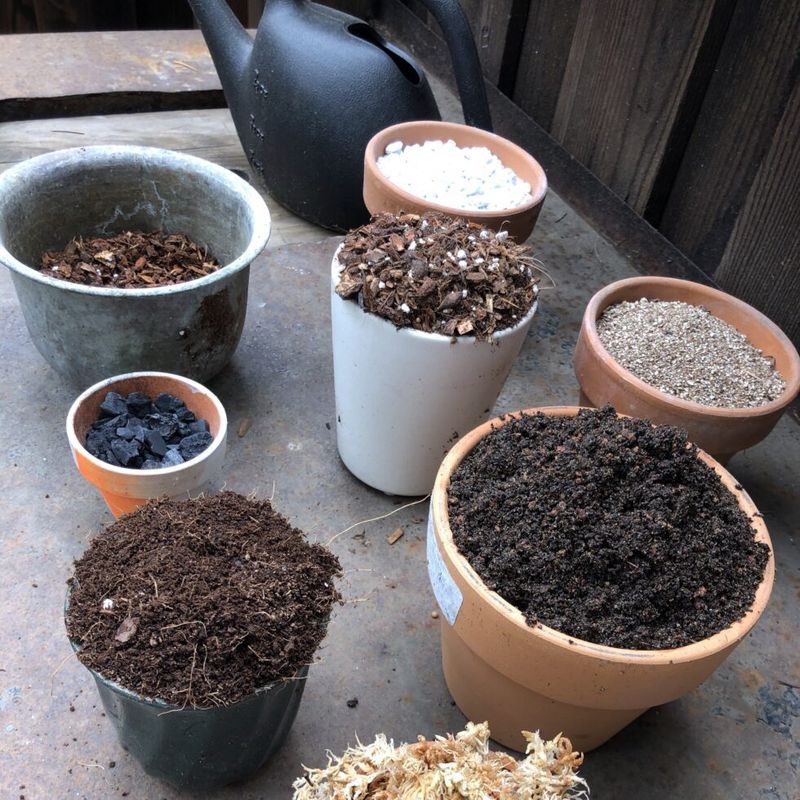
Soil might seem like just dirt, but the right potting mix makes or breaks your begonia blooming success. These plants demand excellent drainage because their roots need both moisture and oxygen to function properly.
Heavy, compacted soil suffocates roots and prevents the nutrient uptake necessary for flower production.
Peat-based potting mixes work beautifully for begonias grown in North Carolina homes. These blends contain ingredients like perlite, vermiculite, or coarse sand that create air pockets throughout the soil.
Water flows through easily, preventing the soggy conditions that lead to root problems and flowering failures.
You can create your own begonia mix by combining equal parts peat moss, perlite, and quality potting soil. This combination provides the light, fluffy texture begonias adore while retaining just enough moisture to keep roots happy.
Some gardeners add a handful of orchid bark for extra drainage and aeration.
Container choice matters too when considering drainage. Always select pots with drainage holes at the bottom, and never let your begonias sit in water-filled saucers for extended periods.
Terra cotta pots offer an advantage because their porous material allows excess moisture to evaporate through the sides.
When roots breathe easily and water drains freely, begonias channel their energy into producing abundant blooms rather than struggling to survive in waterlogged conditions that stunt growth and prevent flowering.
4. Water Consistently, Avoid Overwatering
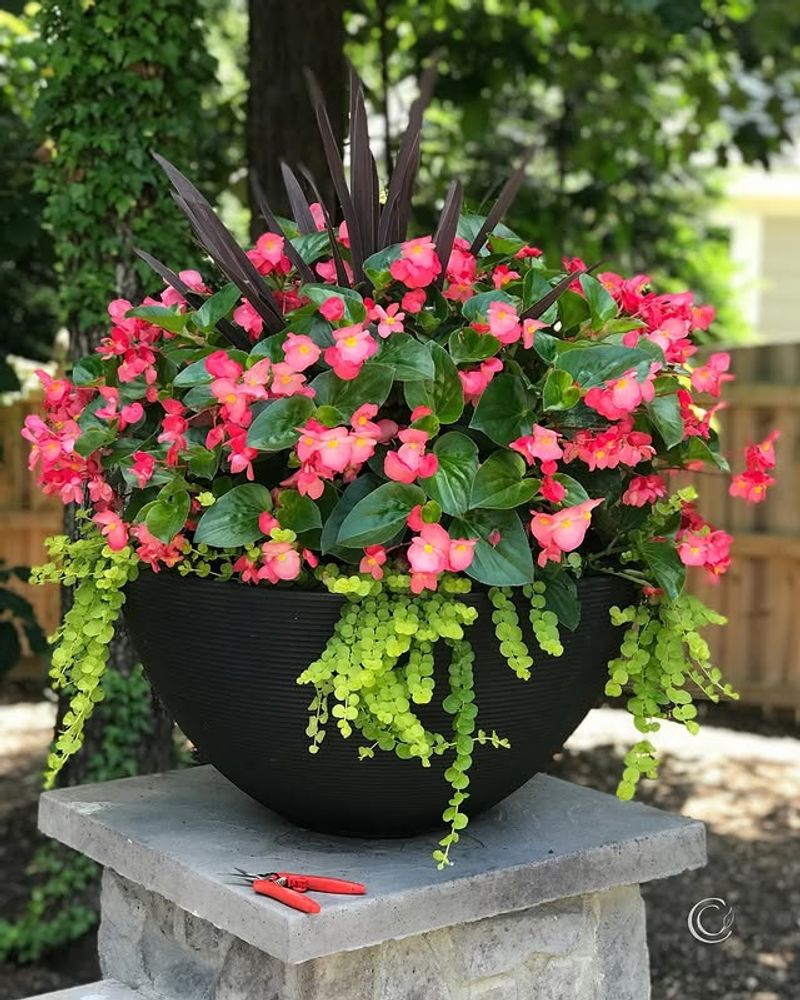
Watering begonias requires finding that perfect balance between too much and too little. These plants appreciate consistent moisture but absolutely despise sitting in soggy soil.
Think of it like a damp sponge that’s been wrung out rather than one soaking in a puddle.
Check the soil before reaching for your watering can. Stick your finger about an inch deep into the potting mix.
If it feels dry at that depth, your begonia needs water. If it still feels moist, wait another day or two before checking again.
North Carolina’s indoor humidity levels fluctuate with seasons, affecting how quickly soil dries out. Winter heating systems create drier air that makes soil lose moisture faster, while summer humidity slows evaporation.
Adjust your watering schedule accordingly rather than following a rigid calendar routine.
When you water, do it thoroughly until liquid drains from the bottom holes. This ensures the entire root system gets moisture, not just the top layer.
Then wait until the soil partially dries before watering again. Begonias would rather experience slight dryness than constant wetness.
Overwatering shows up as yellowing leaves, mushy stems, and a complete absence of flowers. Roots suffering in waterlogged conditions can’t absorb nutrients properly, so the plant abandons flower production to focus on survival.
Proper watering keeps begonias healthy, vibrant, and ready to produce those beautiful blooms that make indoor gardening so rewarding.
5. Pinch Back Leggy Growth
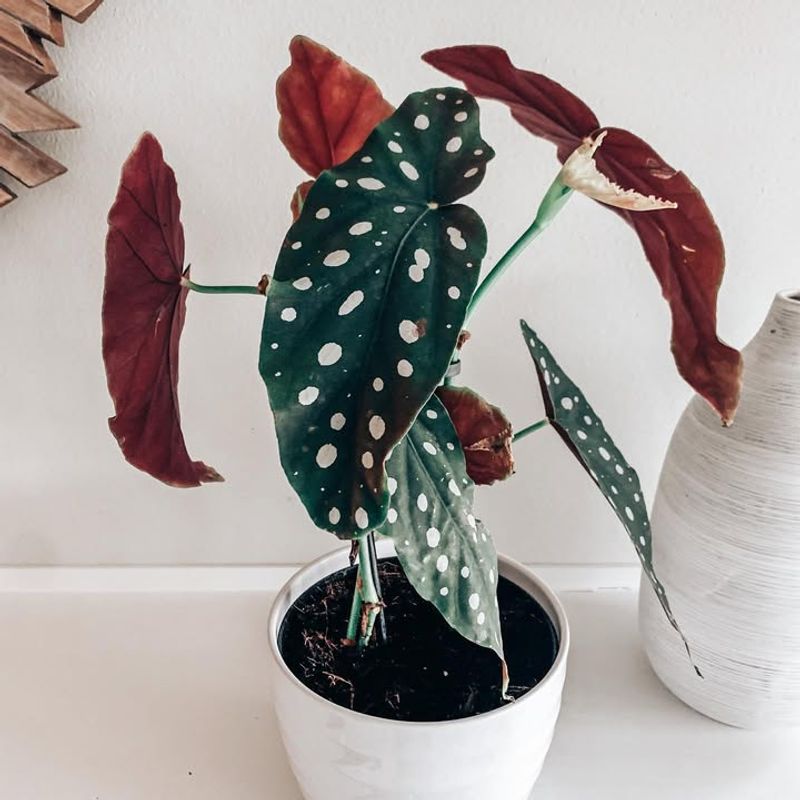
Pruning might seem counterintuitive when you want more flowers, but strategic trimming actually encourages begonias to produce bushier growth and additional blooms.
Left unpruned, begonias often develop long, spindly stems with flowers appearing only at the tips. Pinching redirects energy into creating multiple flowering branches instead of single stretched-out stems.
Use clean, sharp scissors or pruning shears to remove the growing tips of stems that look leggy or overgrown. Cut just above a leaf node, which is where leaves attach to the stem.
This spot contains dormant growth buds that will activate and sprout new branches after you remove the main growing tip.
Removing spent flowers, called deadheading, ranks equally important for continued blooming. Once flowers fade and wither, they drain energy from the plant as it attempts to produce seeds.
Snip off these finished blooms right where the flower stem meets the main plant. This simple action tells your begonia to produce new flowers rather than focusing on seed development.
North Carolina’s longer growing season means indoor begonias may bloom almost year-round with proper care. Regular pinching and deadheading throughout this extended period keeps plants compact, attractive, and constantly producing fresh flowers.
Most begonias respond beautifully to monthly pinching sessions. The result is fuller, bushier plants covered with blooms from top to bottom rather than sparse, leggy specimens with flowers clustered only at stem ends.
6. Fertilize Regularly During Growth
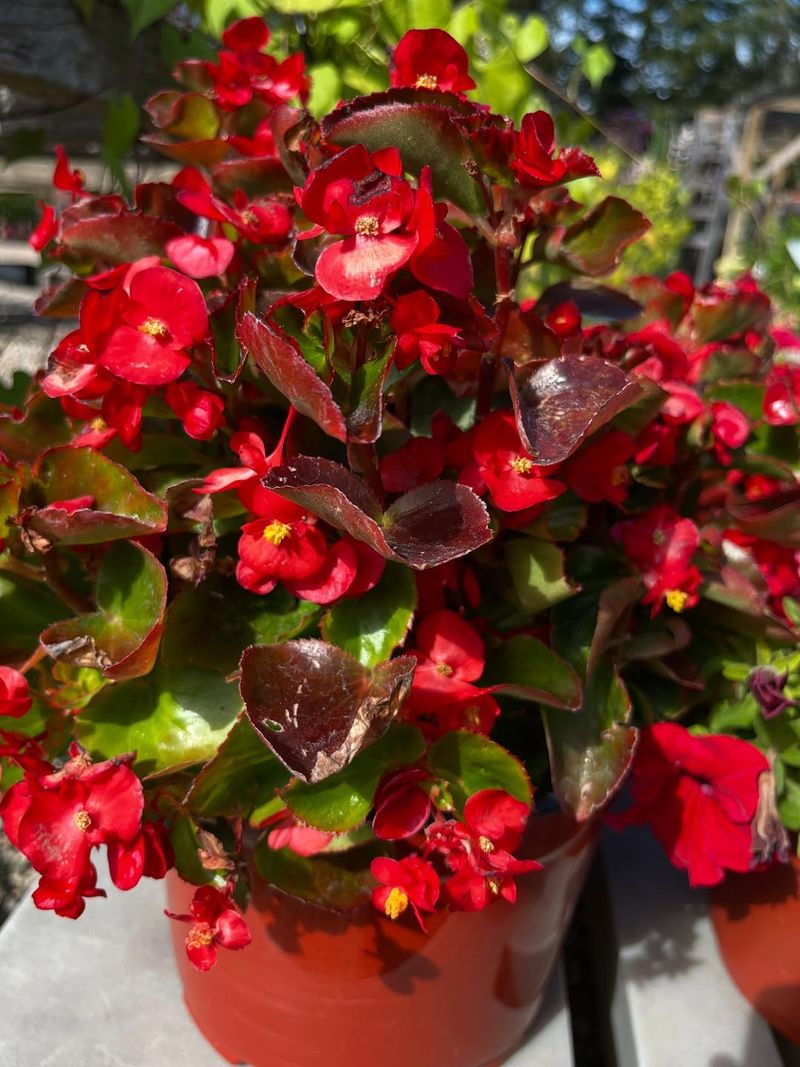
Begonias growing in containers eventually exhaust the nutrients available in their potting mix. Regular fertilization replenishes these essential elements and provides the fuel begonias need to produce continuous blooms.
Without adequate nutrition, even perfectly watered and lit begonias may refuse to flower.
Choose a balanced, water-soluble fertilizer with equal nitrogen, phosphorus, and potassium ratios. A formula labeled 10-10-10 or 20-20-20 works wonderfully for begonias.
The balanced approach supports both healthy foliage growth and abundant flower production without pushing one at the expense of the other.
North Carolina gardeners find success using half-strength fertilizer every two to four weeks during active growing periods. Diluting the fertilizer prevents root burn while still delivering adequate nutrition.
Mix it according to package directions, then cut that amount in half before applying to your begonias.
Spring through early fall represents peak growing season when begonias actively produce new leaves and flowers. This period demands regular feeding to support all that growth.
As winter approaches and growth naturally slows, reduce fertilization to once monthly or stop entirely until spring returns.
Watch for signs of over-fertilization like brown leaf tips, white crusty buildup on soil surfaces, or excessive leafy growth with few flowers. If you notice these symptoms, flush the soil with plain water and reduce your feeding frequency.
Proper fertilization creates strong, healthy begonias that channel energy into producing the gorgeous blooms that make these plants such beloved indoor companions.
7. Maintain Proper Humidity
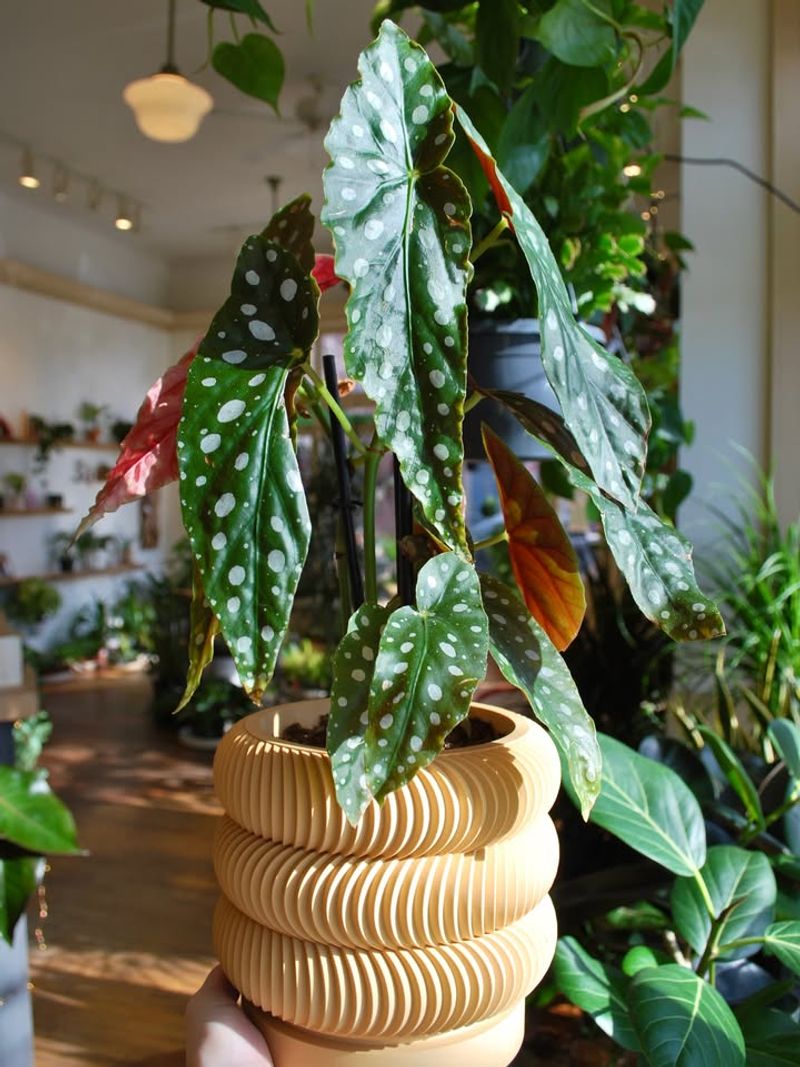
Humidity often gets overlooked in indoor gardening, but it plays a crucial role in begonia flowering success. These tropical plants evolved in environments with naturally high moisture levels in the air.
North Carolina homes, especially during winter when heating systems run constantly, can become quite dry and uncomfortable for humidity-loving begonias.
Aim for relative humidity around 50 to 60 percent for optimal begonia blooming. This level mimics their native growing conditions and allows plants to transpire properly, moving water and nutrients efficiently throughout their systems.
When humidity drops too low, begonias struggle with basic functions and often stop producing flowers entirely.
Creating a humidity tray takes just minutes and costs almost nothing. Fill a shallow tray with pebbles or gravel, add water until it reaches just below the top of the stones, then set your begonia pots on the pebbles.
As water evaporates, it creates a humid microclimate around your plants. Refill the tray regularly to maintain consistent moisture levels.
Grouping several plants together naturally increases humidity because each plant releases moisture through its leaves. This collective transpiration creates a more humid environment that benefits all the plants in the cluster.
Room humidifiers offer another excellent solution, especially in larger spaces or during particularly dry winter months. Position the humidifier near your begonias but not directly on them to avoid water spots on leaves.
Adequate humidity keeps begonias healthy, happy, and eager to produce those stunning flowers that brighten your indoor garden.
8. Rotate Plants Regularly
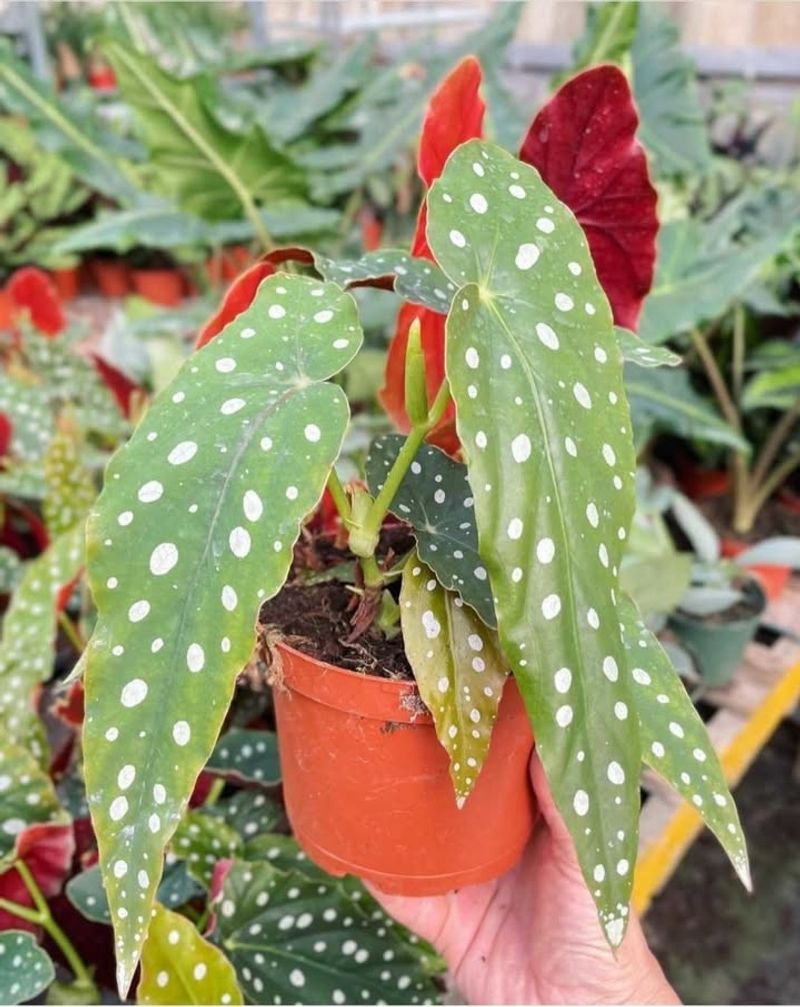
Plants naturally grow toward their light source, a phenomenon called phototropism. When begonias sit in one position for weeks, the side facing the window develops more vigorously while the shaded side struggles.
This uneven growth creates lopsided plants with flowers concentrated on just one side, leaving the other half sparse and unattractive.
Rotating your begonia pots solves this problem beautifully. Simply turn each container a quarter turn every week or two so all sides receive equal light exposure over time.
This practice encourages balanced growth and ensures flower buds develop uniformly around the entire plant rather than clustering on the brightest side.
North Carolina’s seasonal sun angles change throughout the year, affecting how light enters your windows. A spot that provides perfect illumination in summer might cast different shadows in winter when the sun sits lower.
Regular rotation helps compensate for these shifting light patterns and keeps your begonias growing evenly regardless of seasonal changes.
Make rotation part of your regular plant care routine. Many gardeners rotate while watering, since they’re already handling each plant.
Mark the pots with a small piece of tape or choose containers with distinctive patterns that help you remember which direction you last turned them. Consistent rotation creates symmetrical, full plants covered with blooms on all sides.
Your begonias will look spectacular from every angle, transforming into the rounded, flower-covered specimens that make indoor gardening so satisfying and beautiful.