11 Tips That Help Keep Your Jade Plant Strong And Healthy In Arizona Climate
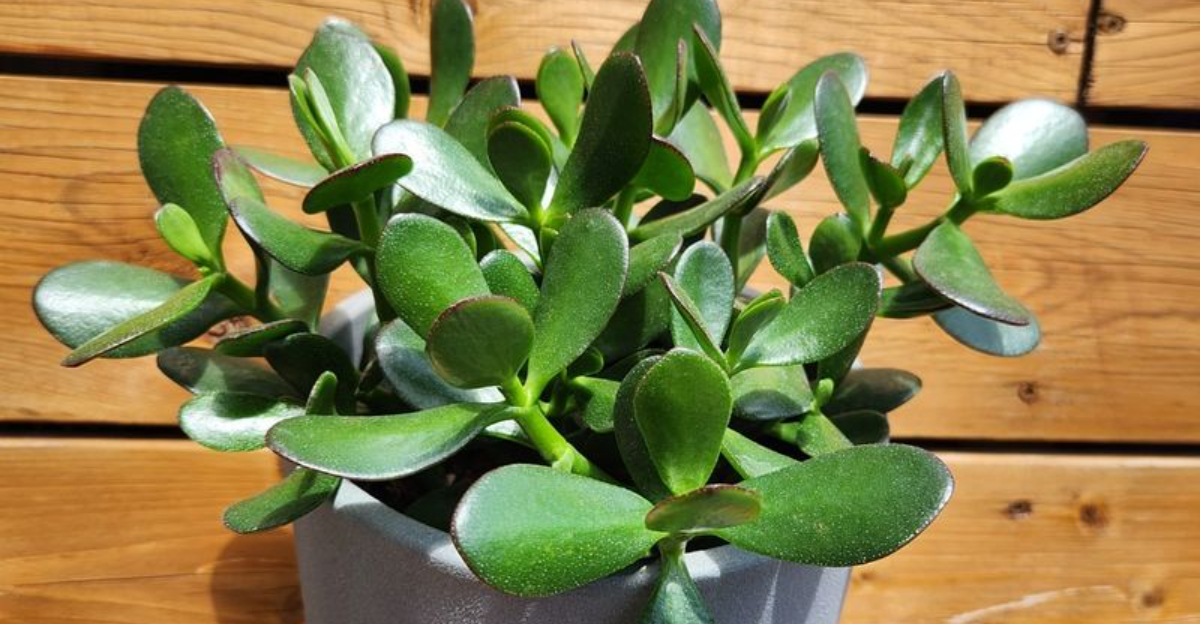
Jade plants are desert darlings—tough, low-maintenance, and perfect for Arizona’s sun-drenched landscapes. But even these hardy succulents need a little TLC to thrive in intense heat, dry air, and occasional monsoon rains.
Knowing how to care for them properly ensures they stay vibrant, strong, and long-lived. Your jade plant can thrive in Arizona—but only if you treat it right!
These eleven tips cover everything from proper sunlight and watering schedules to soil choice, pruning, and pest prevention. Even minor mistakes—like overwatering or planting in poor-draining soil—can stress the plant, stunt growth, or cause rot.
Following these simple strategies keeps your jade plant healthy, glossy, and thriving year-round. Strong roots, bright leaves, and thriving growth start with the right care.
For Arizona gardeners, jade plants are more than decorative—they’re a statement of resilience and beauty. With the right attention and these practical tips, your jade plant will flourish in containers or garden beds, becoming a long-lasting feature in your desert landscape.
Treat them smartly, and your jade plant will reward you for years to come.
1. Give Jade Plants Bright Light Without Harsh Afternoon Sun

Arizona sunshine can be a blessing and a curse for jade plants. While these succulents love plenty of light, the scorching afternoon rays that blaze through west-facing windows can actually burn their thick, fleshy leaves.
You might notice brown spots, shriveled edges, or a bleached appearance if your jade gets too much direct exposure during peak heat hours.
Morning sunlight works beautifully because it’s gentler and gives your plant the energy it needs without overwhelming it. East-facing windows or covered patios that receive filtered light throughout the day are ideal spots.
If you only have south or west exposure, consider using sheer curtains or placing your jade a few feet back from the glass.
Outdoor jade plants benefit from partial shade during the hottest part of the day, especially in summer when temperatures soar above 100 degrees. A spot under a patio cover or near a larger plant that casts some shade can protect your jade while still providing ample brightness.
Watching how your plant responds to its location helps you fine-tune the perfect balance of light and protection for vibrant, healthy growth year-round.
2. Use Fast-Draining, Gritty Soil
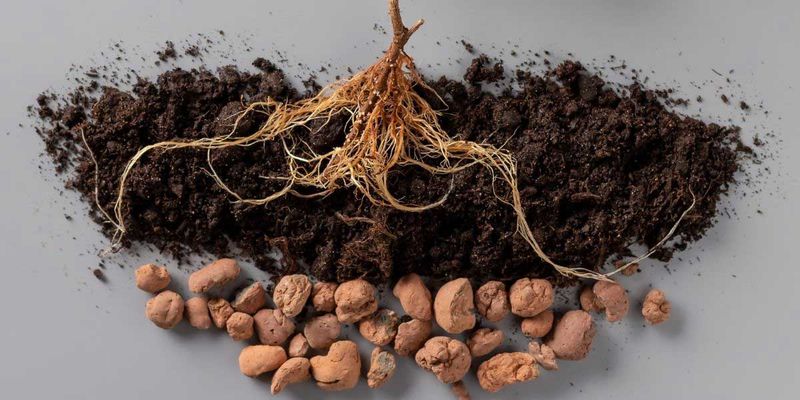
Heavy, moisture-retentive soil is a recipe for disaster when it comes to jade plants. Their roots are designed to handle dry conditions, and sitting in damp soil leads to rot faster than you might expect.
Regular potting mix holds too much water, especially in Arizona’s low humidity, where the air is dry but the soil stays wet longer than the plant can tolerate.
Creating a cactus-style mix gives your jade the drainage it craves. Combine equal parts potting soil, coarse sand, and perlite or pumice to build a gritty texture that lets water flow through quickly.
Some gardeners even add small gravel or crushed granite for extra drainage, mimicking the rocky soils jade plants encounter in their native habitats.
You can also purchase pre-made succulent or cactus soil from garden centers, but check the ingredients to make sure it’s truly gritty and not just standard potting mix with a different label. When you water, the soil should dry out within a few days rather than staying soggy for a week or more.
This simple adjustment protects your jade’s roots and sets the foundation for strong, steady growth in Arizona’s unique climate.
3. Choose Clay Or Terra-Cotta Pots For Better Airflow
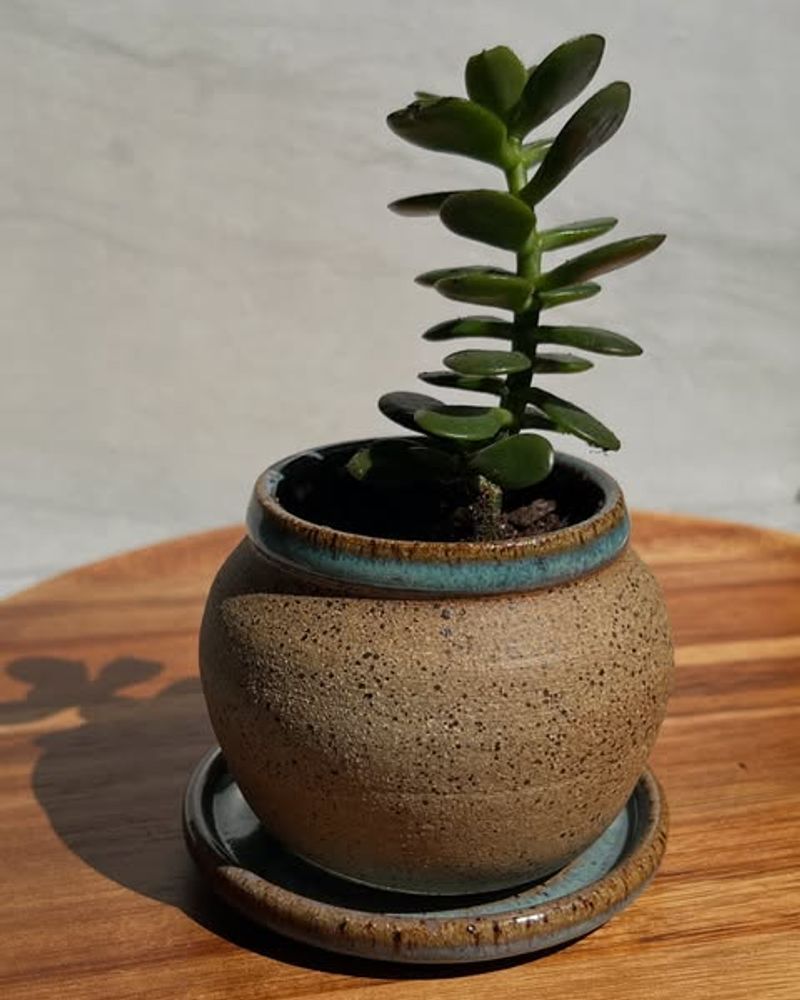
Plastic pots might be lightweight and affordable, but they trap moisture around your jade’s roots in ways that can spell trouble. Clay and terra-cotta pots are porous, meaning they allow air and moisture to pass through the walls.
This breathability helps the soil dry out more evenly and reduces the risk of fungal issues that thrive in stagnant, wet conditions.
In Arizona’s hot climate, this extra airflow becomes even more valuable. The heat accelerates evaporation through the pot’s surface, which mimics the natural drying cycle jade plants prefer.
Terra-cotta also stays cooler than plastic in direct sun, protecting roots from overheating when temperatures climb.
When choosing a pot, look for one with a drainage hole at the bottom—this is non-negotiable for jade plants. The combination of porous material and proper drainage creates an environment where roots stay healthy and strong.
You might need to water slightly more often than you would with plastic, but the trade-off is worth it for the added protection against root problems. Plus, terra-cotta pots have a classic, earthy look that complements the jade’s natural beauty and fits perfectly with Arizona’s desert aesthetic.
4. Water Only When The Soil Is Completely Dry
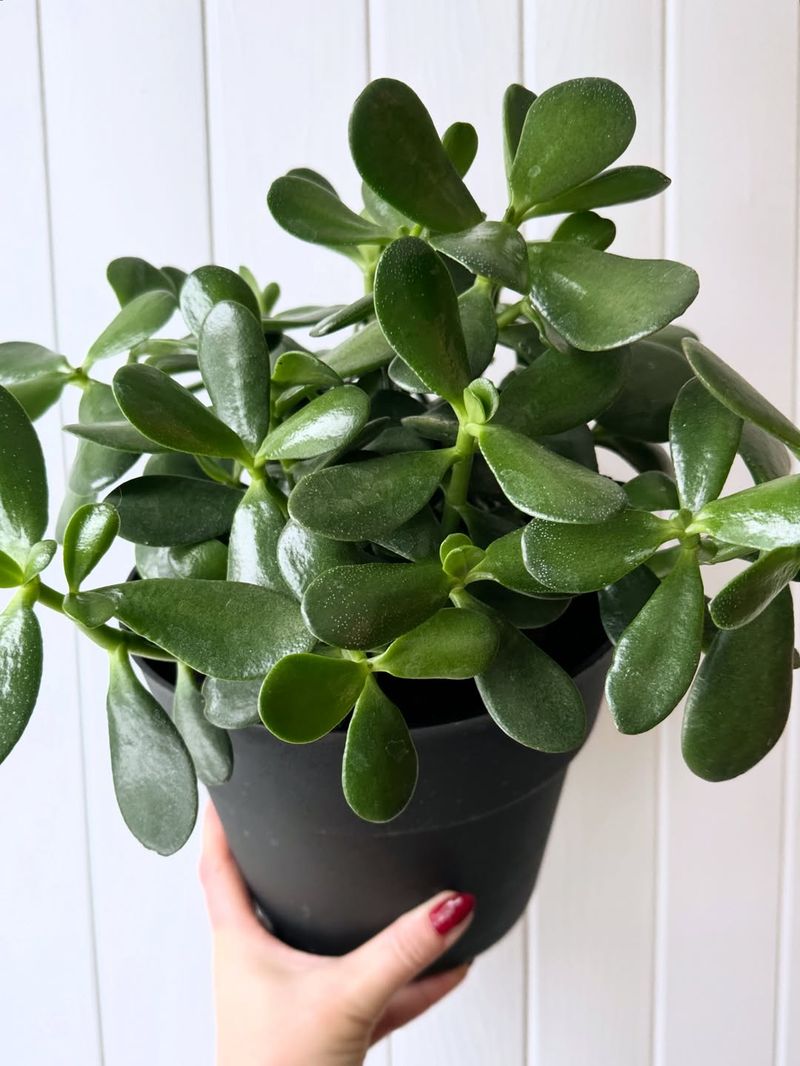
Jade plants are masters of drought tolerance, storing water in their thick leaves and stems for times when moisture is scarce. Overwatering is the number one mistake that causes problems for jade owners in Arizona, even though the climate is dry.
Many people assume desert plants need frequent watering to survive the heat, but jade actually prefers to go thirsty between drinks.
Before you water, stick your finger into the soil up to your second knuckle. If you feel any dampness at all, wait a few more days.
The soil should be bone-dry all the way through the pot, not just on the surface. In Arizona’s low humidity, this might mean watering every two to three weeks during the growing season and even less in winter.
When you do water, give the plant a thorough soak until water runs out the drainage hole, then let it drain completely. Never leave your jade sitting in a saucer of water, as this keeps the roots too wet.
Watching your plant’s leaves can also guide you—if they start to wrinkle or feel soft, it’s a sign the plant is ready for a drink. Trusting this rhythm keeps your jade healthy and prevents the root rot that ends so many succulent journeys.
5. Keep Jade Away From Extreme Heat Sources
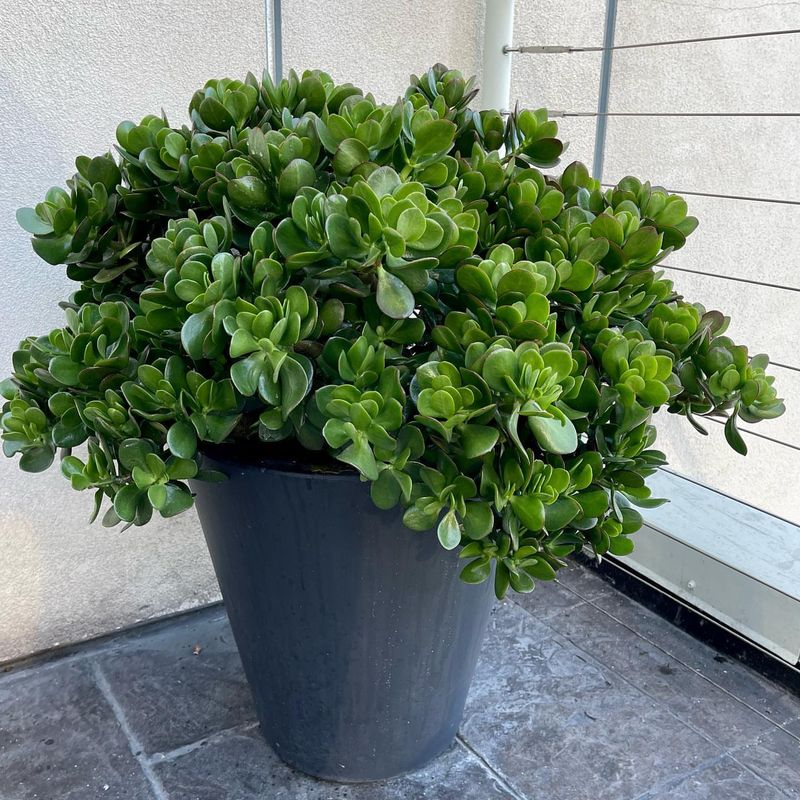
Arizona homes and patios can create unexpected hot spots that stress jade plants beyond their comfort zone. West-facing windows turn into ovens during summer afternoons, radiating intense heat that can scorch leaves even if the plant isn’t in direct sun.
Similarly, placing jade near hot glass doors, metal surfaces, or outdoor grills exposes it to temperatures that exceed what it can handle.
Heat stress shows up as shriveled leaves, red or purple discoloration, and a general wilted appearance even when the soil is properly dry. Your jade might also drop leaves as a survival response, shedding foliage to reduce its water needs.
These signs tell you the plant is working too hard to cope with its environment.
Finding a cooler spot doesn’t mean your jade needs to be indoors all the time. Covered patios with good air circulation, shaded courtyards, or rooms that stay naturally cooler offer better conditions.
If you love the look of jade on a sunny windowsill, simply move it back a few feet or use reflective shades during peak heat hours. Small adjustments in placement make a huge difference in how well your jade tolerates Arizona’s extreme temperatures, allowing it to focus energy on growth rather than survival.
6. Rotate The Plant For Even Growth
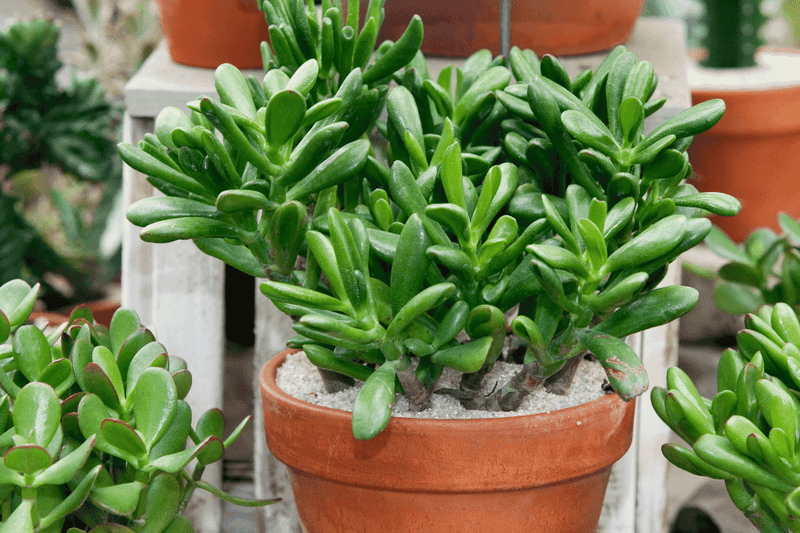
Strong Arizona sunlight has a powerful pull on jade plants, causing them to lean and stretch toward the brightest light source. Over time, this creates a lopsided appearance with one side growing fuller and greener while the other stays sparse and shaded.
Rotating your plant regularly ensures every side gets equal exposure, promoting balanced, symmetrical growth that looks more attractive and stays structurally sound.
A quarter turn every week or two is all it takes to keep your jade growing evenly. If you notice your plant starting to lean, it’s a sign it needs rotation more frequently.
Outdoor jade plants benefit from this practice too, especially if they’re positioned where one side faces more shade or gets blocked by a wall or other plants.
Balanced growth isn’t just about looks—it also helps your jade develop a stronger trunk and more stable branch structure. When all sides receive light, the plant distributes its energy more evenly, building sturdy stems that can support the weight of thick, water-filled leaves.
This simple habit takes only a moment but pays off with a fuller, healthier jade that stands tall and proud rather than tilting awkwardly toward the sun.
7. Reduce Watering During The Cool Season
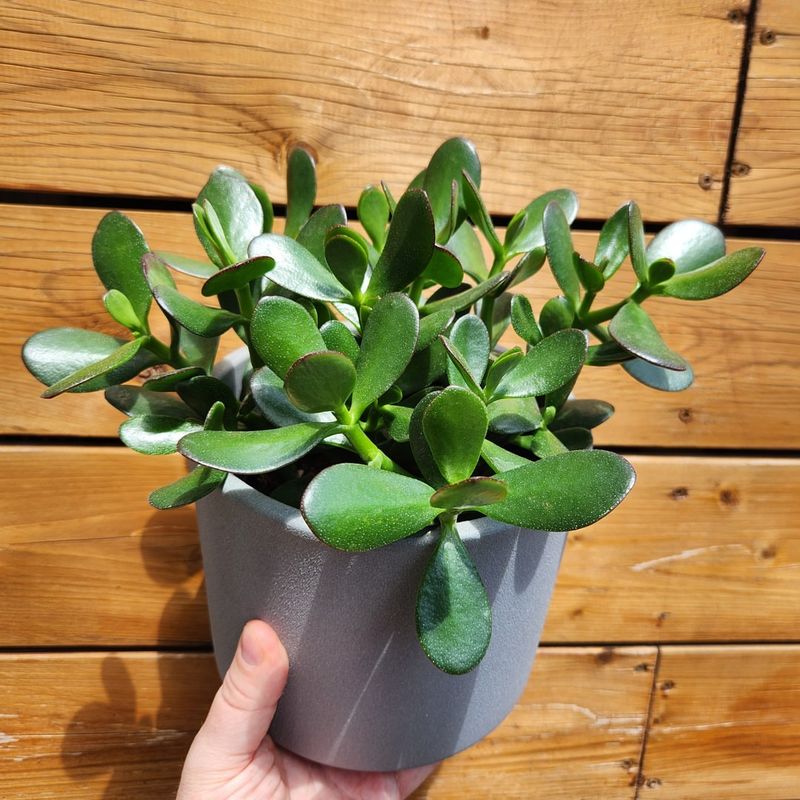
Even in Arizona, jade plants sense the changing seasons and slow their growth during cooler months. Winter temperatures might still feel warm compared to other parts of the country, but the shorter days and slightly cooler nights signal your jade to rest.
During this time, the plant uses far less water, and continuing your summer watering schedule can lead to soggy soil and unhappy roots.
Cutting back to once a month or even less during winter keeps your jade comfortable without pushing it into active growth when it wants to rest.
Indoor heating can dry the air, but that doesn’t mean the soil dries out faster—in fact, reduced light and cooler temperatures mean the plant absorbs water much more slowly. Always check the soil before watering rather than following a strict schedule.
Some gardeners worry their jade looks dormant or unhealthy during winter, but slower growth is completely normal and actually beneficial. This rest period allows the plant to conserve energy and prepare for vigorous spring growth when temperatures rise and daylight increases.
Respecting your jade’s natural rhythm by reducing water during the cool season helps it stay healthy and prevents the stress that comes from overwatering when the plant isn’t actively growing.
8. Watch For Sun Stress And Leaf Drop

Your jade plant communicates its needs through its leaves, and learning to read these signals helps you catch problems before they become serious. Yellowing leaves, red or purple edges, and sudden leaf drop are all signs that your plant is experiencing stress from too much light, heat, or both.
While jade plants naturally develop red tinges in bright light, an intense or widespread color change usually means the plant is struggling.
Leaf drop can be alarming, but it’s often a protective response rather than a sign of decline. When jade feels overwhelmed by heat or light, it sheds leaves to reduce water loss and conserve energy.
If you notice this happening, move your plant to a slightly shadier or cooler location and observe how it responds over the next few weeks.
Yellowing leaves that feel soft or mushy point to overwatering rather than light stress, so consider both factors when diagnosing issues. Healthy jade leaves should be firm, plump, and a consistent green or green-with-red color.
Catching stress signals early and adjusting your care routine helps your plant recover quickly and prevents long-term damage that can weaken its structure and appearance in Arizona’s demanding climate.
9. Feed Lightly During The Growing Season
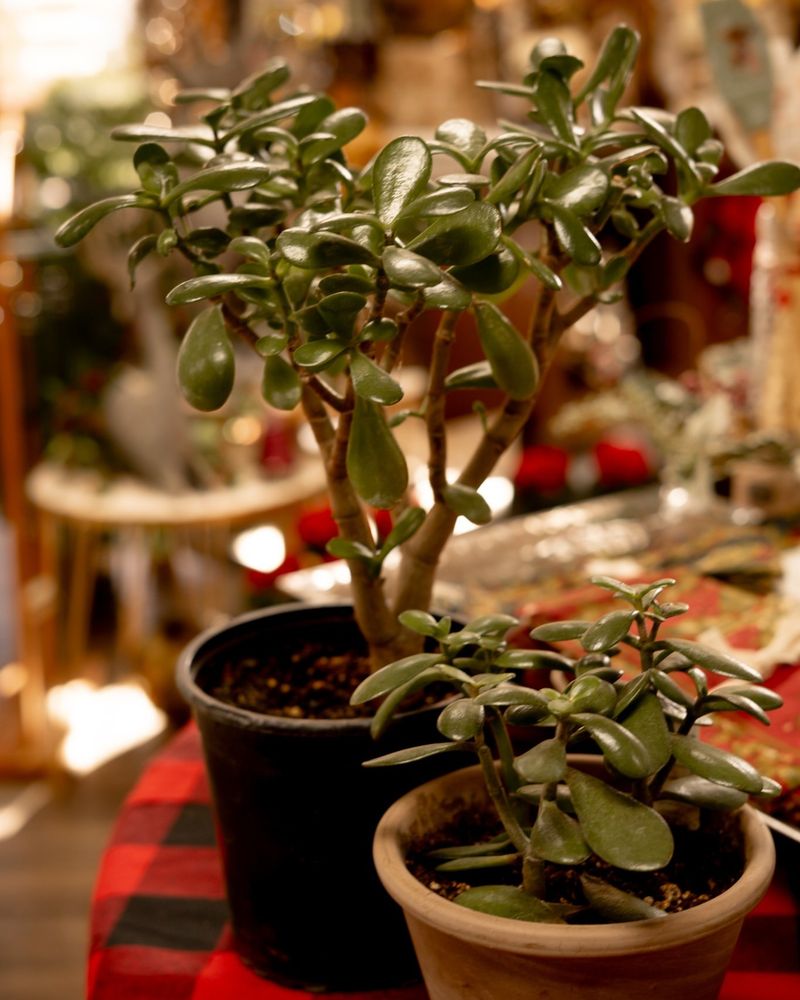
Jade plants aren’t heavy feeders, and Arizona’s intense sunlight already gives them plenty of energy for growth. However, a light application of fertilizer during the spring and summer months can support healthy development without causing the weak, leggy growth that comes from overfeeding.
Too much fertilizer pushes jade to grow too quickly, resulting in soft stems that can’t support the weight of thick leaves.
Choose a balanced, water-soluble fertilizer formulated for succulents or cacti, and dilute it to half the recommended strength. Feeding once a month during the active growing season is plenty—more than that risks building up salts in the soil that can damage roots over time.
Always apply fertilizer to damp soil rather than dry, as this prevents root burn and helps nutrients distribute evenly.
During fall and winter, skip fertilizer entirely since your jade isn’t actively growing and won’t use the extra nutrients. Some gardeners prefer organic options like diluted worm tea or compost tea, which provide gentle nutrition without the risk of chemical buildup.
The goal is to give your jade a light boost that enhances its natural strength and resilience, not to force rapid growth that compromises its structure and health in Arizona’s challenging environment.
10. Prune To Maintain Shape And Strength
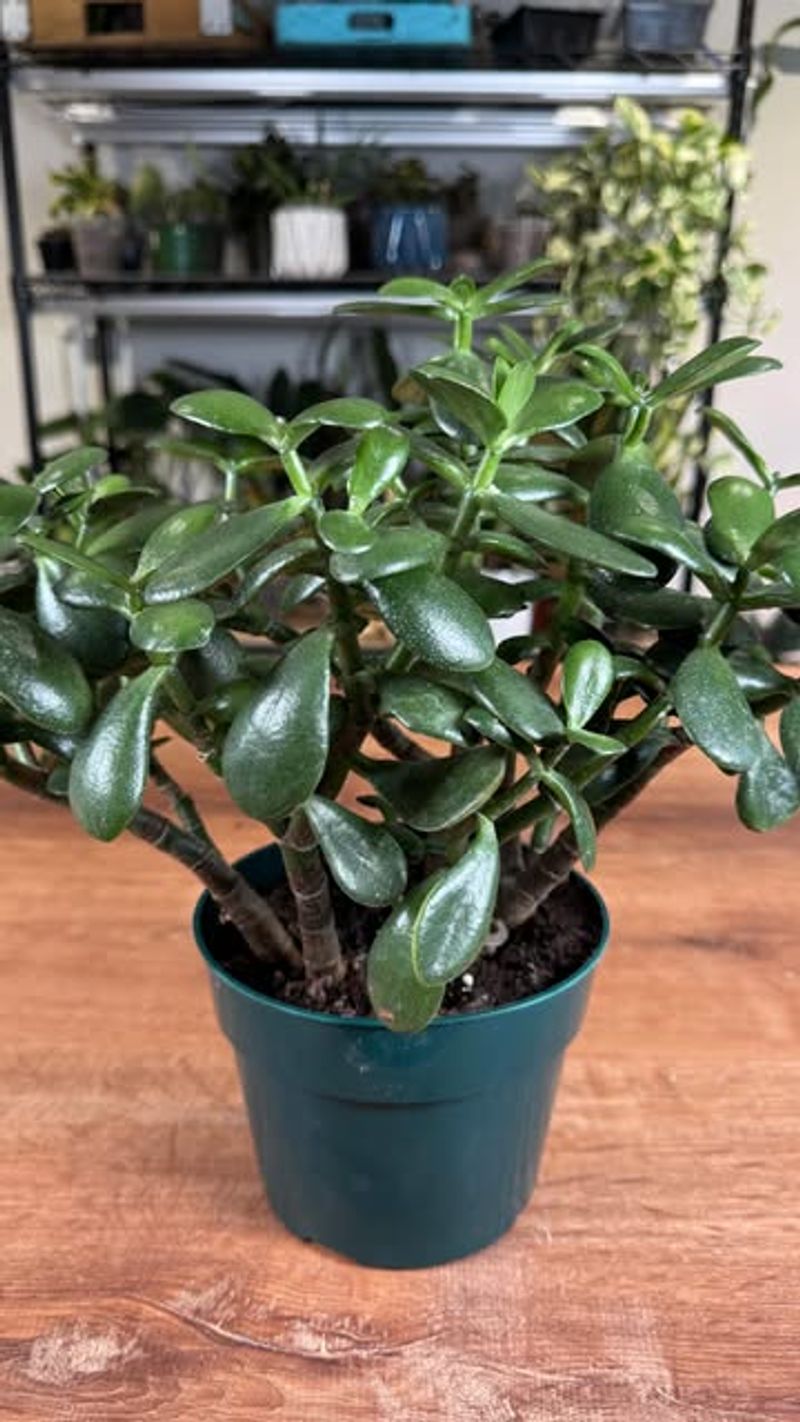
Pruning might seem intimidating, but it’s one of the best ways to keep your jade plant compact, attractive, and structurally sound. Jade plants can become top-heavy as they grow, with thick branches that weigh down the main trunk and sometimes snap under their own weight.
Regular pruning encourages branching, creates a fuller appearance, and prevents the lanky, unbalanced growth that happens when plants stretch toward light.
Use clean, sharp scissors or pruning shears to trim back stems just above a leaf node—the spot where leaves attach to the stem. This is where new growth will emerge, giving you control over the plant’s shape.
You can also remove any branches that look weak, damaged, or out of place to improve overall structure.
Spring is the ideal time to prune since your jade is entering its active growing season and will recover quickly. The cuttings you remove can be propagated to grow new plants, making pruning a win-win for both plant health and expanding your collection.
In Arizona’s bright conditions, pruned jade plants often respond with vigorous new growth that fills in gaps and creates a dense, tree-like form. Regular pruning keeps your jade looking its best while preventing structural issues that can develop in older, unpruned plants.
11. Let Jade Plants Dry Between Every Step Of Care
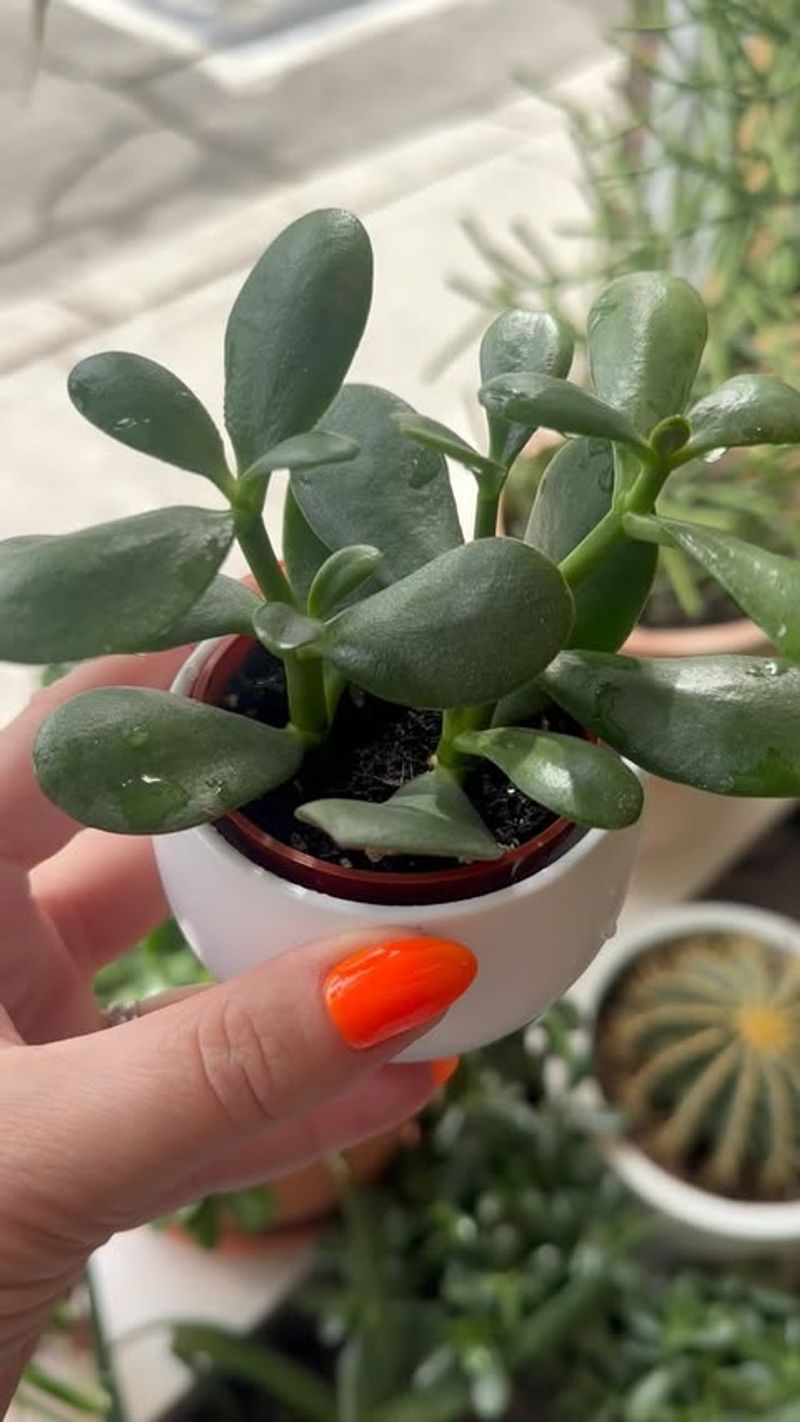
The secret to jade plant success in Arizona boils down to one simple principle: less is more. These succulents thrive on benign neglect, preferring dry conditions and minimal fussing over constant attention.
Allowing the soil to dry completely between waterings, giving the plant time to adjust after repotting, and resisting the urge to water just because the weather is hot are all part of embracing this low-maintenance approach.
Arizona’s dry climate actually works in your favor because it naturally creates the conditions jade plants love. The low humidity means water evaporates quickly from leaves and soil, reducing the risk of fungal issues and rot.
Rather than fighting this dryness with frequent watering, work with it by choosing well-draining soil, breathable pots, and a hands-off watering schedule that respects your jade’s drought-tolerant nature.
When you step back and let your jade do its thing, you’ll often be rewarded with stronger growth and fewer problems than if you hover and overcare. Trust that your plant knows how to handle Arizona’s heat and dryness—after all, jade comes from similarly harsh climates in South Africa.
Embracing the beauty of benign neglect transforms jade care from a source of worry into a relaxing, rewarding experience that fits perfectly with the desert lifestyle.