9 Tips To Care For Lucky Bamboo In Colorado So It Truly Lives Up To Its Name
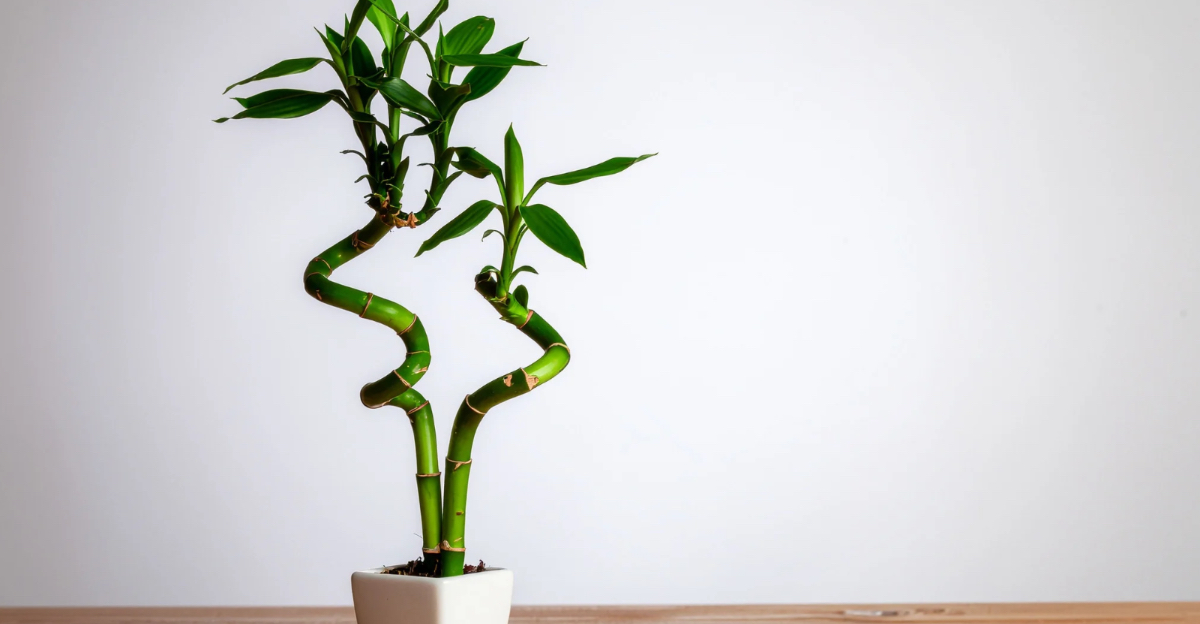
Lucky bamboo is one of those plants that looks effortlessly cool sitting on a desk or windowsill. Keeping it thriving in Colorado is a whole different story.
Colorado’s dry air, intense sunshine, and wild temperature swings can stress even the toughest houseplants. With the right care routine, though, your lucky bamboo can stay lush and green all year long.
If you’ve just brought your first lucky bamboo home, or you’ve been caring for plants for years, these tips are tailored to Colorado’s unique climate.
1. Understand Colorado’s Dry Climate
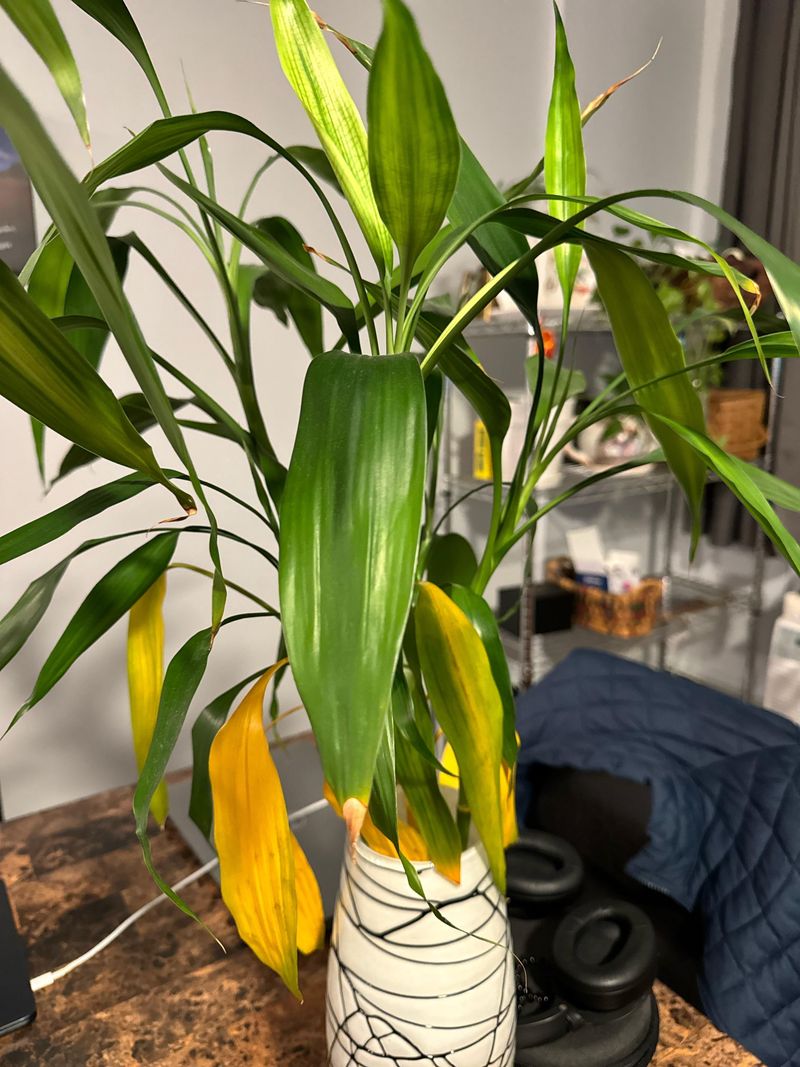
Colorado is famous for its sunshine. Not in a gentle, cloudy way.
The state sees over 300 sunny days a year, which sounds great until your lucky bamboo starts looking parched. Low humidity is the biggest challenge here, often dropping below 20% in winter.
Lucky bamboo naturally grows in humid, tropical environments in Central Africa. When it lands in a Colorado home, the dry air can cause yellowing tips and slow growth.
Understanding this mismatch is the first step toward keeping your plant happy. Colorado’s altitude also plays a role. At Denver’s mile-high elevation, water evaporates faster, from soil, vases, and even plant leaves.
You’ll need to replenish water more often than plant care guides written for humid climates suggest. Seasonal temperature swings are another factor.
Colorado winters can be brutally cold near windows, while summers bring intense heat through glass panes.
Lucky bamboo prefers stable temperatures between 65 and 90 degrees Fahrenheit. Knowing what your local environment throws at your plant helps you make smarter care decisions.
Think of it as reading the room, or in this case, reading the Rocky Mountain air. Awareness is your most powerful gardening tool.
2. Choose The Right Water
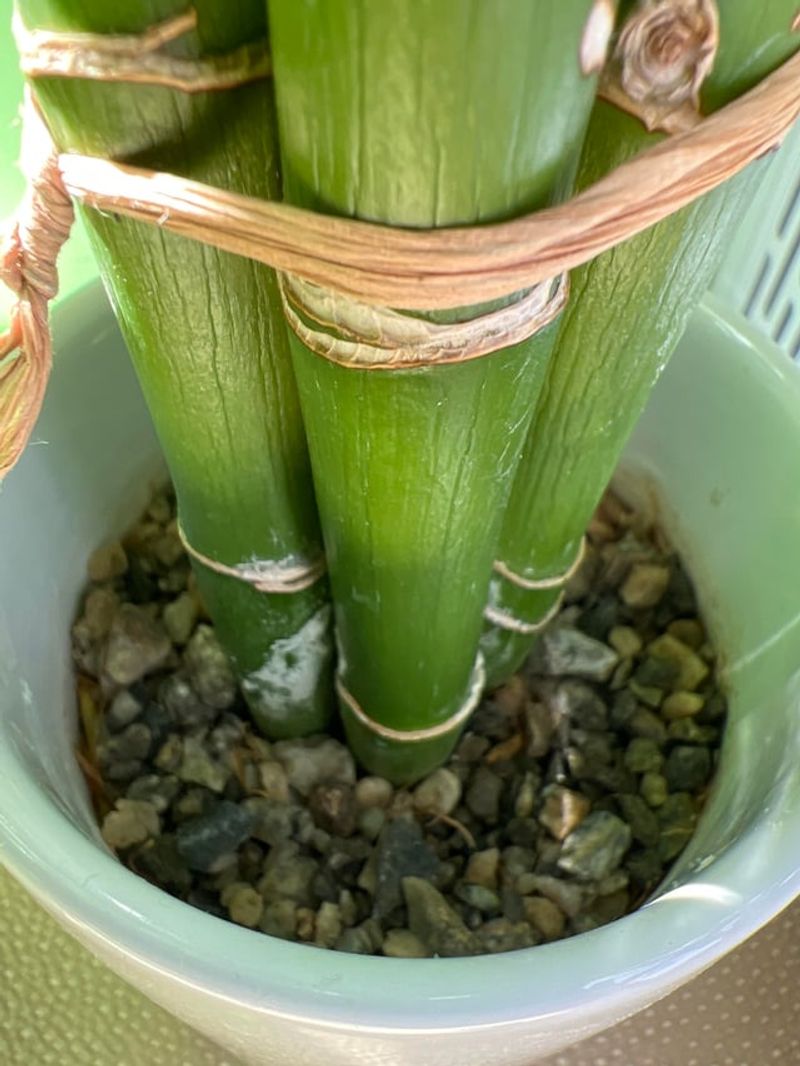
Here’s something most plant guides skip over: the water you use matters just as much as how often you water.Colorado tap water is often treated with chlorine and fluoride, and lucky bamboo is extremely sensitive to both.
Fluoride especially can cause brown leaf tips that no amount of misting will fix.
The easiest solution is to let tap water sit in an open container overnight.Chlorine evaporates on its own within 24 hours, making the water much safer for your plant.
For fluoride, filtered or distilled water is your best bet.
Rainwater is actually ideal if you can collect it.Colorado does get seasonal rain, especially in summer afternoons, so keeping a small collection bucket outdoors is worth trying.
Your lucky bamboo will respond noticeably well to natural water sources.
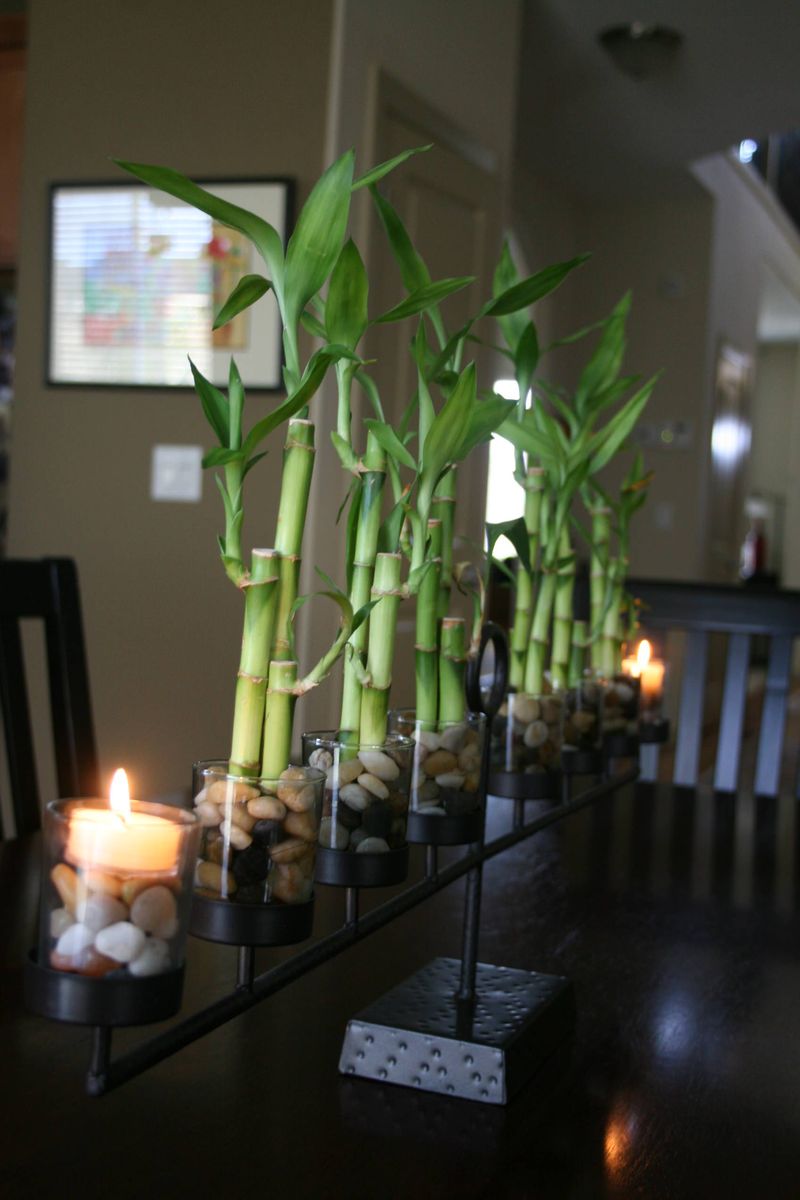
If you’re growing your bamboo in a vase with water instead of soil, change the water every 7 to 10 days.Stagnant water breeds bacteria and algae, which can harm the roots.
Keep the vase clean and use fresh filtered water each time.
Hard water with high mineral content is also common in parts of Colorado.Over time, mineral buildup can stress the plant. Using distilled water consistently prevents this problem before it starts.
3. Find The Perfect Spot Away From The Sun
Colorado’s sunshine is legendary, and for lucky bamboo, that’s actually a problem.
Direct sunlight scorches the leaves quickly, leaving yellow or brown patches that won’t recover. This plant craves bright but indirect light, which takes a little creativity to achieve here.
North or east-facing windows are usually your best options in a Colorado home.
They provide gentle morning light without the harsh afternoon rays that pour through south and west windows.
Sheer curtains work beautifully as a filter if you only have sun-heavy windows available. Placing lucky bamboo a few feet back from a window is another simple trick.
The light still reaches the plant, but the intensity drops enough to prevent leaf burn. Experiment with different spots until you notice the plant looking its most vibrant.
Colorado’s high altitude means UV radiation is stronger than at sea level. Even on cloudy days, UV exposure through windows can be higher than you’d expect.
This makes indirect placement even more important than in lower-elevation states.
Avoid placing lucky bamboo near heating vents or radiators, which are common in Colorado homes during long winters.
Dry, blasting heat dehydrates the plant rapidly. A steady, warm, indirectly lit corner is the sweet spot your lucky bamboo is looking for.
4. Boost Humidity The Smart Way
Walking into a Colorado home in January can feel like stepping into a desert.Heating systems strip almost all moisture from indoor air, and lucky bamboo suffers the consequences fast.
Creating a more humid microenvironment around your plant is one of the most impactful things you can do.
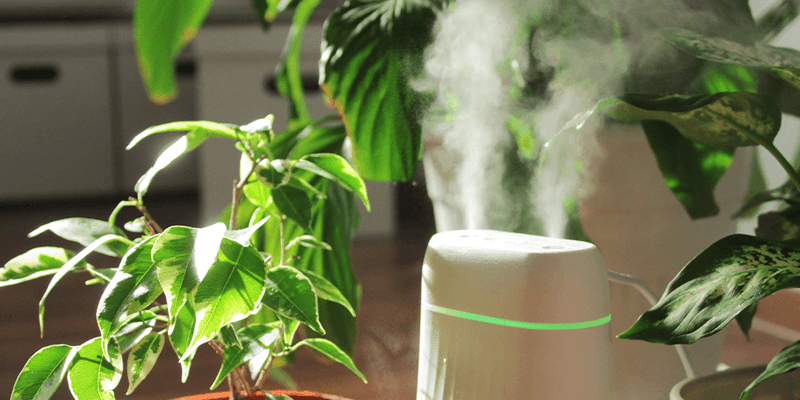
A small humidifier placed near your lucky bamboo works wonders.Running it for just a few hours a day can raise local humidity enough to keep the plant comfortable.
Many Colorado plant lovers swear by this single change above all others.
Pebble trays are another low-tech option that actually works.Fill a shallow tray with pebbles, add water to just below the pebble tops, and set your plant on top.
As the water evaporates, it surrounds the plant with gentle moisture.
Grouping houseplants together also helps.Plants naturally release moisture through their leaves in a process called transpiration. Clustering them creates a mini humid zone that benefits every plant in the group.
Misting the leaves directly is sometimes recommended, but in Colorado’s dry air, the moisture evaporates almost instantly.It’s more of a quick refresher than a long-term solution.
Combine misting with a pebble tray or humidifier for the best results in Colorado’s challenging climate.
5. Keep Temperatures Stable When Colorado Weather Refuses To Cooperate
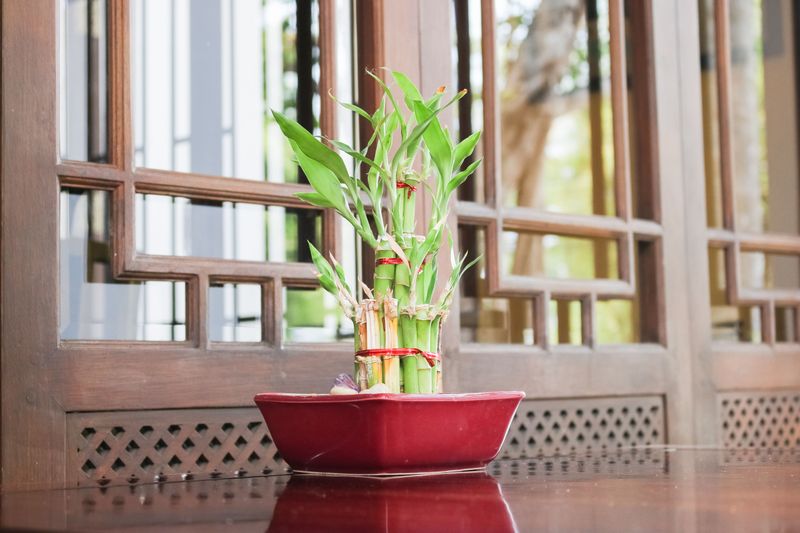
Colorado weather has a reputation for being unpredictable, and that’s putting it mildly.
It can be 70 degrees one afternoon and snowing the next morning, sometimes in the same week.
Lucky bamboo prefers a stable temperature range, so Colorado’s mood swings can be genuinely stressful for the plant.
Keep lucky bamboo away from drafty windows and exterior doors, especially in winter. Cold drafts can shock the plant and cause rapid yellowing of the leaves.
Even a brief exposure to temperatures below 50 degrees Fahrenheit can set back its growth. During summer, Colorado homes can heat up fast, especially near south-facing windows.
Temperatures above 95 degrees Fahrenheit are uncomfortable for lucky bamboo. Make sure air circulation is good and move the plant away from intense heat sources.
Basements in Colorado homes might seem like a stable option, but they’re often too dark and cold. Lucky bamboo needs warmth and light to thrive, so a basement spot rarely works well long-term.
A main-floor room with consistent indoor heating is a much better choice. Using a small thermometer near your plant helps you track conditions accurately. It takes the guesswork out of care decisions.
When you know the exact temperature your plant lives in, adjustments become simple and precise.
6. Fertilize Lucky Bamboo Without Overdoing It
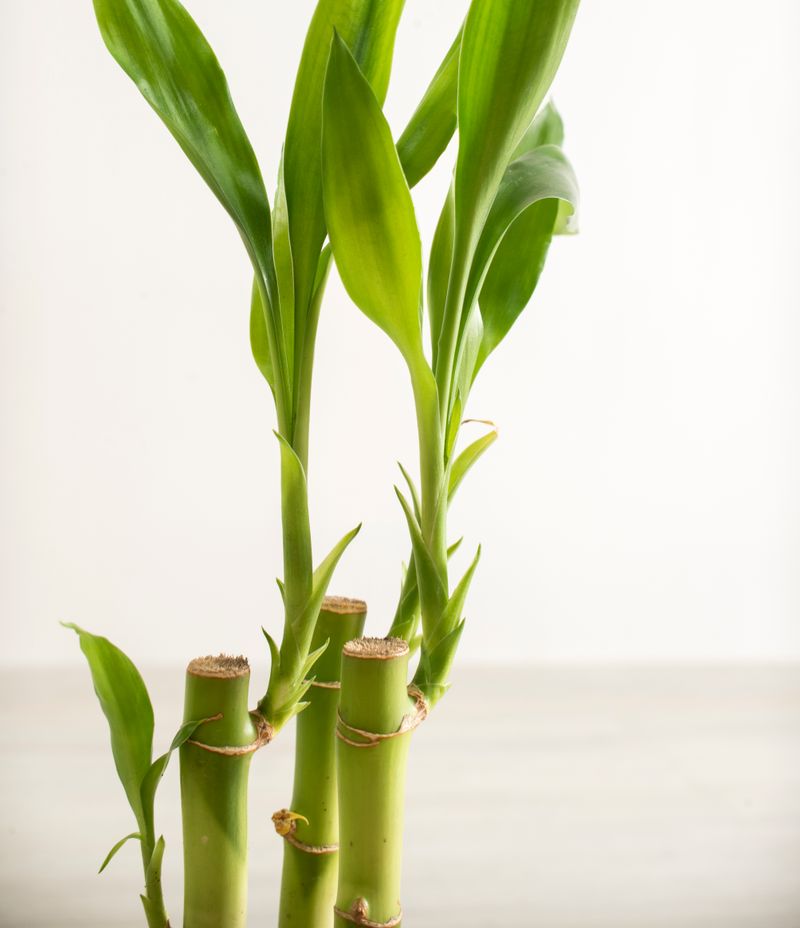
Lucky bamboo is not a hungry plant. In Colorado, overfeeding it is one of the most common mistakes people make.
Too much fertilizer causes salt buildup in the water or soil, which stresses the roots and leads to browning leaves. Less is genuinely more when it comes to feeding this plant.
If your bamboo is growing in water, use a very diluted liquid fertilizer, about one drop per gallon of water. Feed it once every one to two months, not every week.
Colorado’s dry conditions already concentrate nutrients faster than in humid climates, so restraint pays off.
For soil-grown lucky bamboo, a balanced, slow-release fertilizer applied lightly twice a year is usually enough.
Spring and early summer are the best times to fertilize, when the plant is in its active growth phase. Skip fertilizing in fall and winter when growth naturally slows.
Watch for signs of overfertilization, like yellowing leaves or a white crusty residue on the vase or soil surface. These are red flags that you’re adding too many nutrients.
Flushing the soil with clean water or doing a full water change in the vase can help reset things. Organic liquid fertilizers are a gentle option worth considering.
They release nutrients slowly and are less likely to cause sudden chemical stress. Your lucky bamboo will reward your patience with steady, healthy growth.
7. Soil Choices That Work
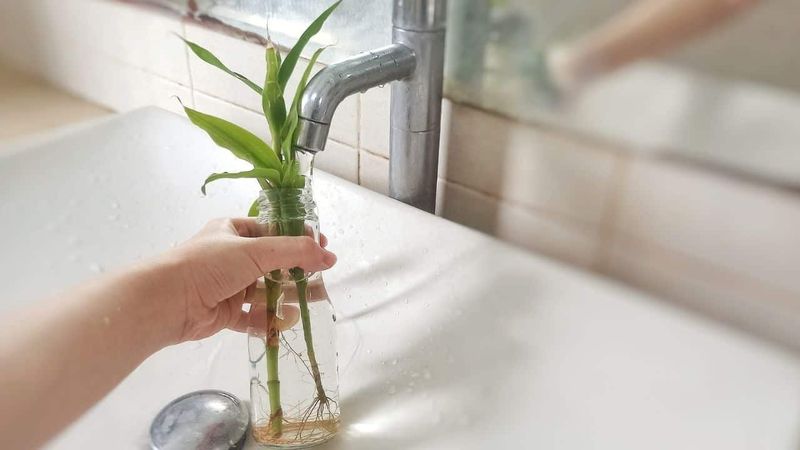
Repotting lucky bamboo might feel intimidating, but it’s actually a straightforward process with a big payoff.
When roots start circling the bottom of the container or poking through drainage holes, it’s time for a bigger home.
In Colorado, using the right soil mix makes all the difference for long-term plant health. Lucky bamboo thrives in well-draining soil that holds just enough moisture without staying soggy.
A mix of regular potting soil, perlite, and a small amount of peat works well in Colorado’s low-humidity environment. The perlite improves drainage while the peat helps retain just enough moisture to offset the dry air.
Choose a pot with drainage holes. This is non-negotiable. Colorado’s dry air means you might water more frequently, and without drainage, excess water will pool and rot the roots.
Terracotta pots are especially useful here because they absorb extra moisture and help regulate soil conditions. When repotting, shake off old soil gently from the roots and inspect them.
Healthy roots should look light tan or white. Trim any dark, mushy-looking roots with clean scissors before placing the plant in fresh soil.
After repotting, water the plant thoroughly and place it back in its preferred indirect light spot. Give it a week or two to adjust before resuming any fertilizing routine.
Patience after repotting is always rewarded.
8. Deal With Pests That Thrive Even In Colorado’s Dry Climate
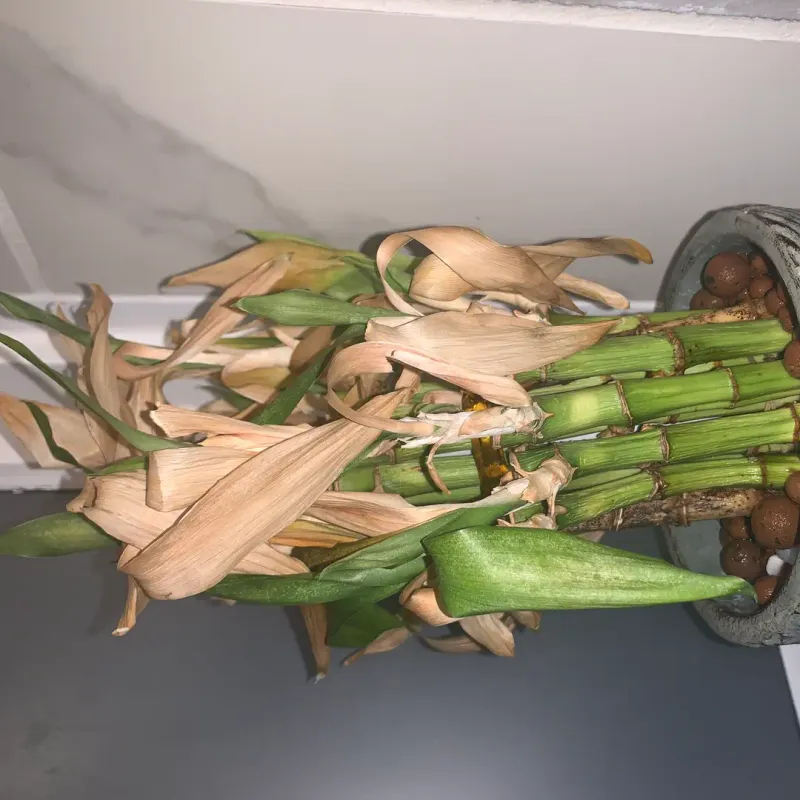
Spider mites are practically Colorado’s unofficial houseplant pest.
They love dry, warm indoor environments, which describes most Colorado homes in winter perfectly.
Lucky bamboo is not immune, and a small infestation can spread quickly if left unchecked.
Check the undersides of your lucky bamboo’s leaves regularly. Spider mites leave tiny webbing and cause leaves to look speckled or dusty.
Catching them early makes treatment much easier and less stressful for the plant.
Wiping leaves down with a damp cloth every couple of weeks is a surprisingly effective prevention method. It removes dust, potential eggs, and early-stage mites before they settle in.
This simple habit keeps your plant clean and pest-resistant.
For active infestations, a solution of water and a few drops of neem oil works well. Spray it on the leaves and stems, making sure to coat the undersides thoroughly.
Repeat every five to seven days until the pests are completely gone.
Mealybugs occasionally show up too, appearing as white cottony clusters near leaf joints. A cotton swab dipped in rubbing alcohol applied directly to each cluster removes them effectively.
Avoid spraying alcohol directly on the plant, as it can damage the leaves.
Keeping humidity slightly higher also discourages spider mites naturally. They struggle to reproduce in moist air.
Combining pest checks with your regular humidity-boosting routine keeps your lucky bamboo protected year-round.
9. Seasonal Care Adjustments That Make Lucky Bamboo Thrive
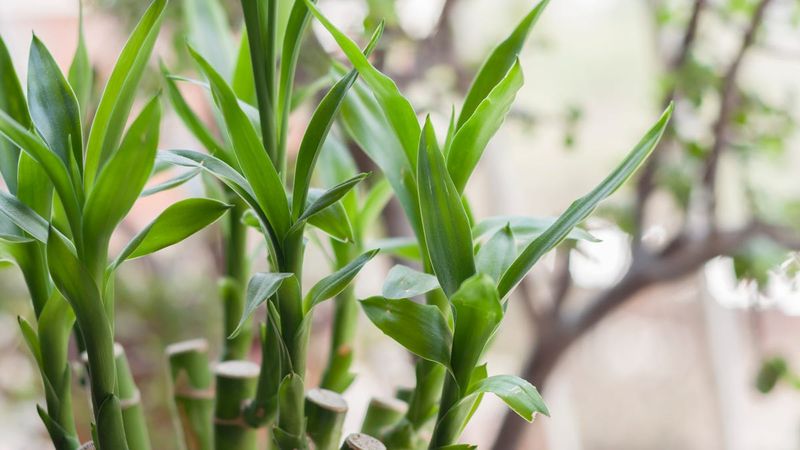
Colorado doesn’t do subtle seasons. It swings hard from snowy winters to blazing summers, and your lucky bamboo care routine needs to swing with it.
What works in July won’t work in January, and recognizing that shift is key to keeping the plant looking its best year-round.
Seasonal awareness separates thriving plants from struggling ones.
In winter, heating systems run constantly, stripping indoor air of moisture.
Increase your humidity efforts during these months, run the humidifier more often and check water levels in the vase more frequently.
Cold drafts from windows are also a real risk, so move the plant to a warmer interior spot if needed. Spring is the plant’s most active growth period.
This is the best time to repot if needed, begin a light fertilizing schedule, and move the plant to a slightly brighter location as daylight hours increase.
Lucky bamboo genuinely perks up in spring, and a little extra attention goes a long way. Summer in Colorado brings intense UV rays and rising indoor temperatures near windows.
Shift the plant further from direct sunlight and water more frequently to compensate for faster evaporation. Afternoon thunderstorms make summer a great time to collect rainwater for your plant.
Fall is a wind-down season for lucky bamboo growth. Reduce fertilizing and ease back on watering slightly as the plant prepares for slower winter growth.
Consistency and observation through each season will keep your lucky bamboo flourishing in Colorado’s ever-changing climate.