11 Tips To Grow A Strong Jade Plant In Utah Without Guesswork
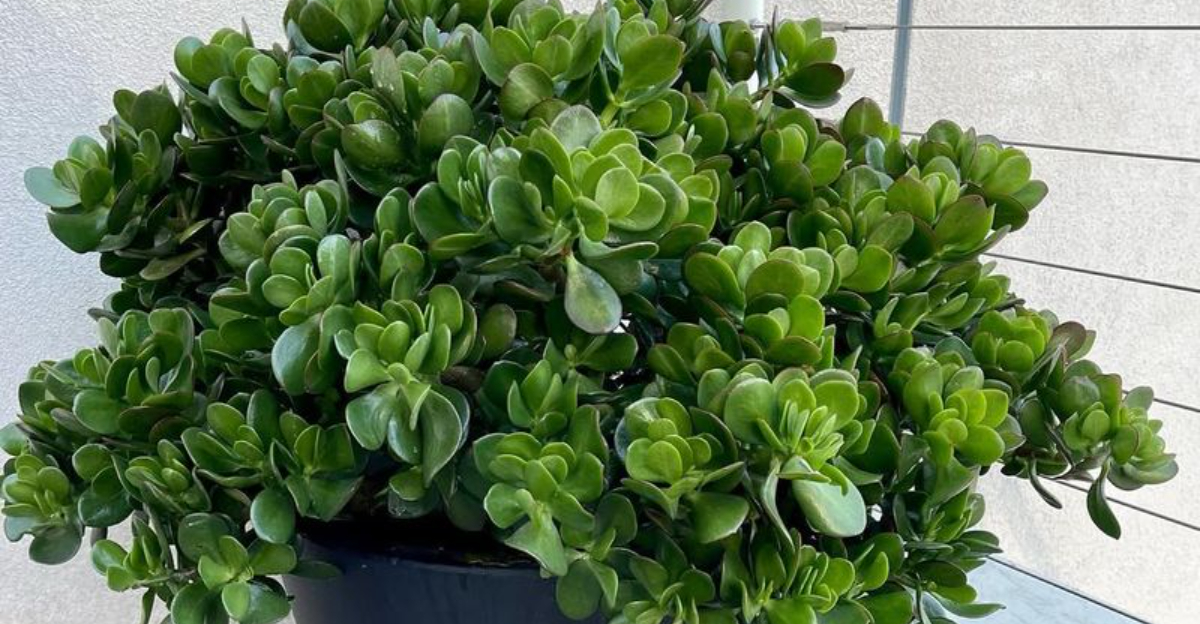
Jade plants are succulent stars—tough, low-maintenance, and visually striking—but even in Utah’s dry climate, they need a little know-how to thrive.
From sunny windowsills to backyard containers, a few key practices can ensure your jade stays healthy, lush, and resilient all year long. Jade plants are hardy—but these tips take the guesswork out of growing them!
These eleven tips cover everything Utah gardeners need to know, from proper sunlight and soil selection to watering schedules, fertilization, pruning, and pest prevention.
Even minor mistakes, like overwatering or poor drainage, can stunt growth or harm your plant, but following these practices helps your jade flourish without stress.
Strong roots, glossy leaves, and thriving growth start with smart care. For Utah gardeners, mastering jade plant care isn’t just about aesthetics—it’s about maximizing longevity and plant health in a dry, sometimes unpredictable climate.
With these strategies, your jade will thrive indoors or outdoors, becoming a striking, enduring feature in your home or garden. Grow confidently—your jade plant can thrive with the right guidance!
1. Give Jade Plants Bright Light Without All-Day Harsh Sun
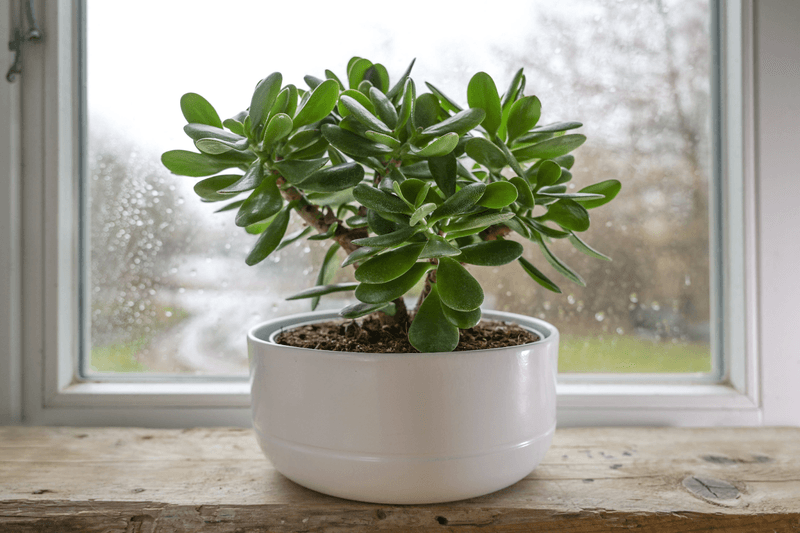
Utah sunshine packs a powerful punch, especially during summer months when the high-altitude sun blazes down with exceptional intensity.
Your jade plant loves light and needs plenty of it to maintain its compact shape and vibrant green color, but the relentless midday rays can actually scorch those beautiful thick leaves, leaving brown patches that never quite recover.
Morning sun works wonderfully because it provides the brightness jade plants crave without the scorching heat that peaks in the afternoon.
Positioning your jade near an east-facing window creates ideal conditions where gentle morning light bathes the plant for several hours before the temperature climbs.
If you only have south or west-facing windows, consider placing your jade a few feet back from the glass or using a sheer curtain to filter the most intense rays.
Indoor growers in Utah often notice their jade plants thriving in bright, indirect light that mimics the dappled conditions these succulents experience under larger plants in their native South African habitat.
Watch your plant’s leaves for clues about lighting conditions. Leaves that develop reddish edges typically signal too much direct sun, while stretched, pale growth indicates insufficient light.
Finding that sweet spot where your jade receives abundant brightness without harsh exposure sets the foundation for strong, healthy growth throughout the year.
2. Use A Fast-Draining Cactus Or Succulent Soil Mix
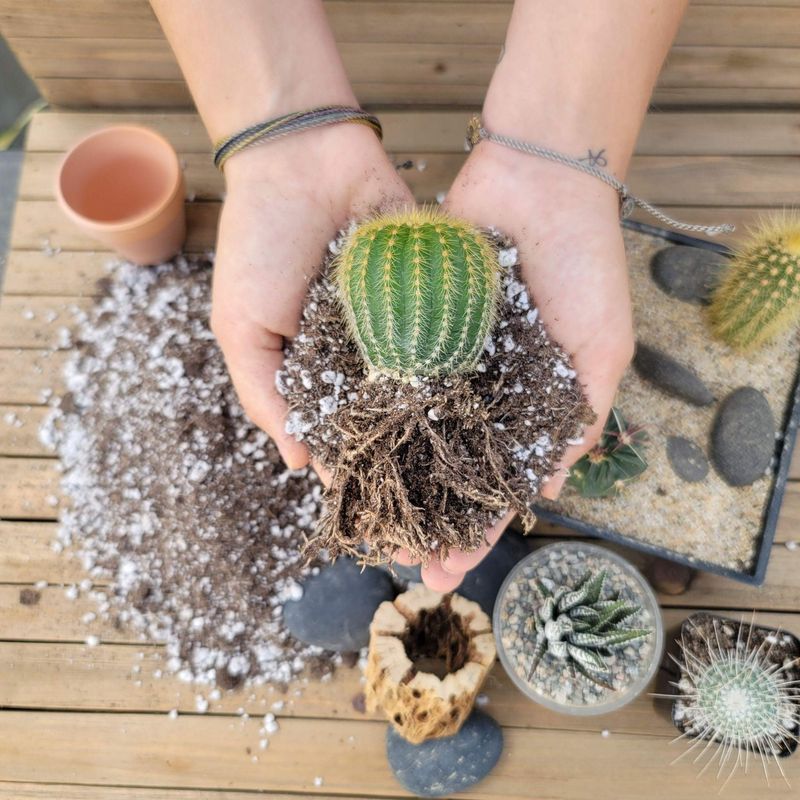
Root rot stands as the number one reason jade plants struggle and eventually fail in Utah homes, and the culprit almost always traces back to soil that holds moisture far too long.
Regular potting soil, even the good quality brands, retains water in a way that leaves jade roots sitting in dampness for extended periods.
Those thick, fleshy roots need air circulation around them, and when heavy soil stays soggy, the roots essentially suffocate and begin to deteriorate before you even notice surface symptoms.
Commercial cactus and succulent mixes contain ingredients like coarse sand, perlite, and bark that create air pockets throughout the soil structure.
Water flows through these mixtures quickly, allowing roots to drink what they need while excess moisture drains away almost immediately.
You can purchase pre-mixed succulent soil at any garden center in Utah, or create your own blend by combining regular potting soil with an equal amount of perlite or coarse sand.
Testing your soil mix proves simple and revealing. Water your jade thoroughly, then check the drainage holes within minutes. If water still drips steadily after five minutes, your mix drains properly.
If water pools on the surface or drains sluggishly, your soil holds too much moisture and needs amendment.
Making this adjustment prevents countless problems down the road and gives your jade the foundation it needs for robust root development.
3. Choose Terra-Cotta Pots For Better Moisture Control
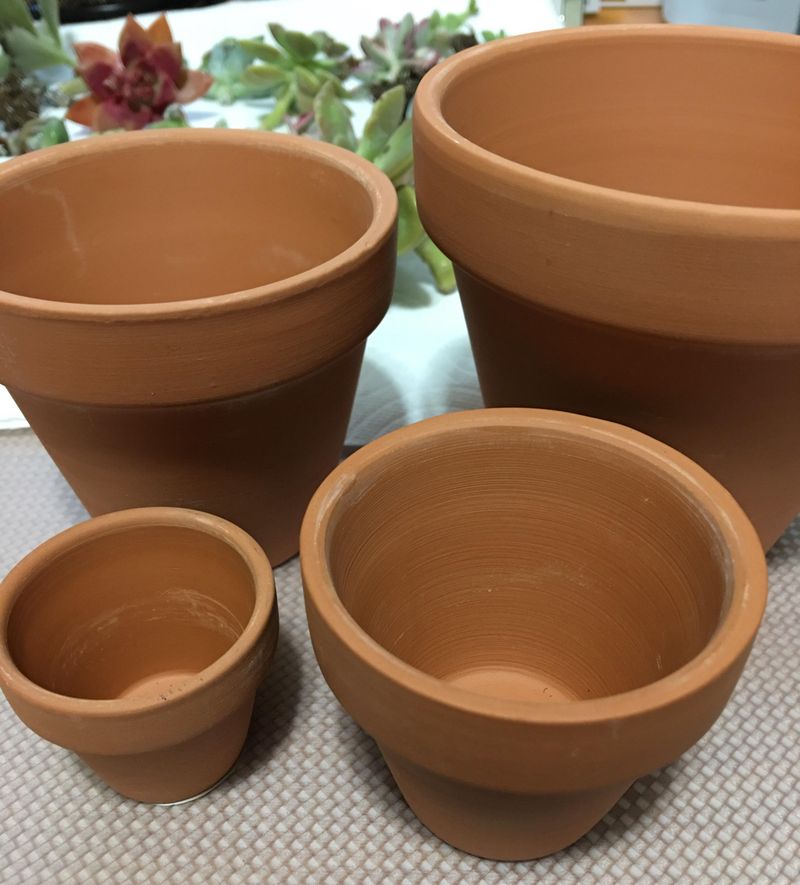
Container choice matters tremendously for jade plant success, and terra-cotta clay pots offer advantages that plastic simply cannot match, especially during Utah’s cooler seasons when evaporation slows naturally.
The porous nature of unglazed clay allows moisture to evaporate not just from the soil surface but through the pot walls themselves, creating a self-regulating system that helps prevent the overwatering problems jade plants hate.
This breathability becomes particularly valuable during fall and winter when Utah homes often maintain comfortable temperatures but reduced light levels slow plant metabolism.
Clay pots also provide weight and stability that becomes increasingly important as your jade grows larger and develops a substantial canopy of heavy branches.
Top-heavy jade plants in lightweight plastic containers tip over easily, potentially breaking those thick stems you worked so hard to cultivate.
The natural weight of terra-cotta keeps plants anchored securely, and the neutral earth tones complement jade’s green foliage beautifully in any home decor style.
One consideration with clay pots involves their tendency to wick moisture away from roots more quickly during Utah’s exceptionally dry summer months.
Monitor your jade slightly more closely during peak heat, though most growers find the moisture control benefits far outweigh this minor adjustment.
The combination of clay pots and fast-draining soil creates an environment where overwatering becomes much harder to accomplish accidentally, giving you a wider margin for success.
4. Water Only When The Soil Is Completely Dry

Jade plants evolved in regions where rainfall arrives sporadically, and their entire biology reflects this adaptation to inconsistent moisture availability.
Those plump, glossy leaves function as water storage tanks, holding reserves that sustain the plant through extended dry periods.
Understanding this fundamental characteristic changes everything about how you approach watering, because the instinct to water regularly actually works against the plant’s natural rhythm and can cause serious problems that manifest slowly over weeks or months.
Utah growers often make the mistake of watering on a schedule rather than responding to what the plant actually needs.
Checking soil moisture before every watering takes just seconds but prevents the vast majority of jade plant problems.
Push your finger down into the soil about two inches deep, or use a wooden chopstick inserted to the bottom of the pot.
If you feel any dampness or the chopstick comes out with soil clinging to it, wait several more days before checking again.
When you do water, give your jade a thorough soaking until water runs freely from the drainage holes, then allow all excess to drain away completely. This deep watering encourages roots to grow downward and develop strongly throughout the pot.
During Utah’s winter months, you might water as infrequently as once every three to four weeks, while summer might require watering every ten to fourteen days.
Let the plant and soil guide your schedule rather than the calendar, and your jade will reward you with steady, healthy growth.
5. Adjust Watering For Utah’s Dry Indoor Air
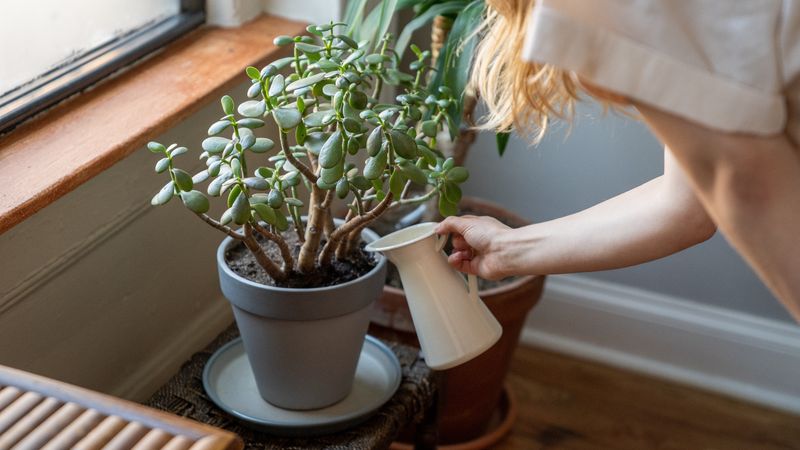
Winter in Utah brings exceptionally dry indoor air as heating systems run constantly, dropping humidity levels to desert-like conditions that would seem to suggest plants need more frequent watering.
This assumption makes logical sense on the surface, but jade plants respond differently than you might expect to these arid conditions.
The dry air does increase evaporation from the soil surface and through the pot walls, yet the plant itself continues storing water efficiently in its leaves and stems, requiring the same cautious watering approach year-round.
The real challenge with Utah’s dry winter air involves the temptation to compensate for low humidity by watering more often, which leads right back to the overwatering problems that plague jade plants everywhere.
While the soil surface may dry more quickly, the deeper layers where most roots concentrate still retain moisture for extended periods.
Misting jade leaves accomplishes nothing beneficial and can actually promote fungal issues if water sits in the crown where leaves meet stems.
Instead of increasing watering frequency, focus on maintaining proper soil moisture at root level through your finger-test method.
If you notice dust accumulating on jade leaves, wipe them gently with a damp cloth to keep pores clear and improve the plant’s ability to photosynthesize efficiently.
Some Utah growers place a small humidifier near their plant collection during winter, which benefits jade plants modestly while providing more significant help to humidity-loving tropicals. The key remains restraint with the watering can, regardless of how dry your indoor air becomes.
6. Rotate The Plant Regularly For Even Growth
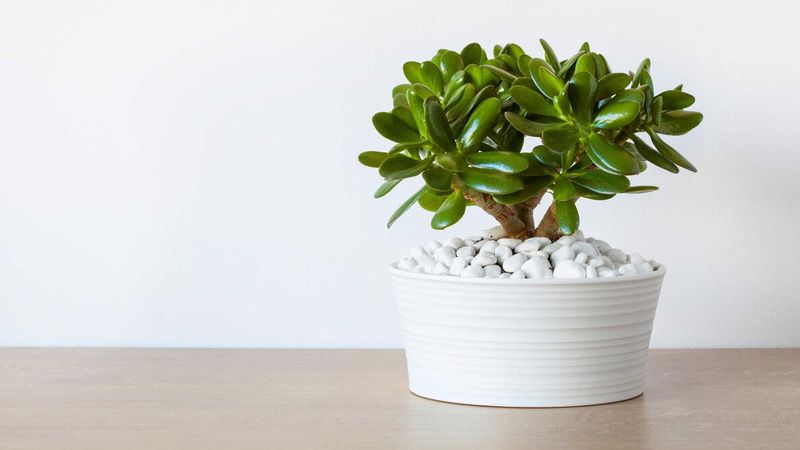
Plants naturally grow toward their light source through a process called phototropism, and jade plants demonstrate this tendency quite dramatically when left in one position for extended periods.
You might notice your jade developing a distinct lean toward the window, with fuller growth on the light-facing side and sparse, stretched branches on the shadier side.
This uneven development not only looks awkward but also creates structural weakness as the plant becomes progressively more lopsided and prone to tipping over under its own weight.
Rotating your jade plant a quarter turn every time you water creates balanced growth from all sides, resulting in a fuller, more symmetrical plant with evenly distributed branches. This simple habit takes mere seconds but produces remarkable results over months and years.
Mark your pot with a small piece of tape or choose a pot with a distinctive feature on one side so you can track which direction faces the light source and ensure consistent rotation.
Utah’s intense light makes rotation particularly important because the growth differential between the sunny side and shaded side develops more quickly than in cloudier climates.
Some growers prefer rotating weekly rather than waiting for watering days, which works beautifully if you can remember the routine.
Watch how your jade responds over several weeks, and you will notice the plant maintaining a much more compact, attractive shape with branches developing evenly around the entire circumference rather than clustering on one side.
7. Keep Jade Away From Cold Windows In Winter
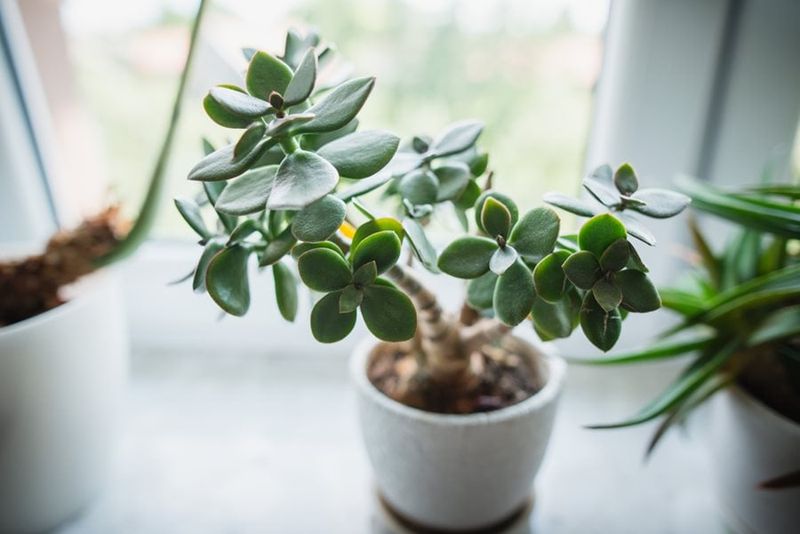
Windows become surprisingly cold during Utah winters, especially during those frigid nights when temperatures plummet well below freezing and single-pane glass offers minimal insulation against the outdoor chill.
Your jade plant sitting contentedly on a windowsill during summer might face serious cold stress once winter arrives, even though your home thermostat maintains a comfortable temperature just a few feet away.
The glass itself conducts cold directly to anything touching it or positioned within inches, creating a microclimate that drops significantly below room temperature.
Jade plants tolerate cooler temperatures reasonably well, but exposure to cold below 50 degrees Fahrenheit causes leaf damage that appears as soft, translucent spots or blackened areas where cells have frozen and ruptured.
This damage cannot reverse itself, and affected leaves typically shrivel and drop within days or weeks. Prolonged cold exposure weakens the entire plant, making it susceptible to other problems and slowing growth dramatically even after warmer conditions return.
Moving your jade back from the window by just twelve to eighteen inches during the coldest months protects it from these temperature extremes while still providing adequate light for winter maintenance.
Alternatively, place a piece of cardboard or foam board between the plant and window overnight during particularly cold snaps, removing it during the day when sunlight warms the glass.
Some Utah growers shift their jade plants to interior locations with bright indirect light for December and January, then return them to windowsills once temperatures moderate in late winter.
8. Prune Lightly To Strengthen Branches
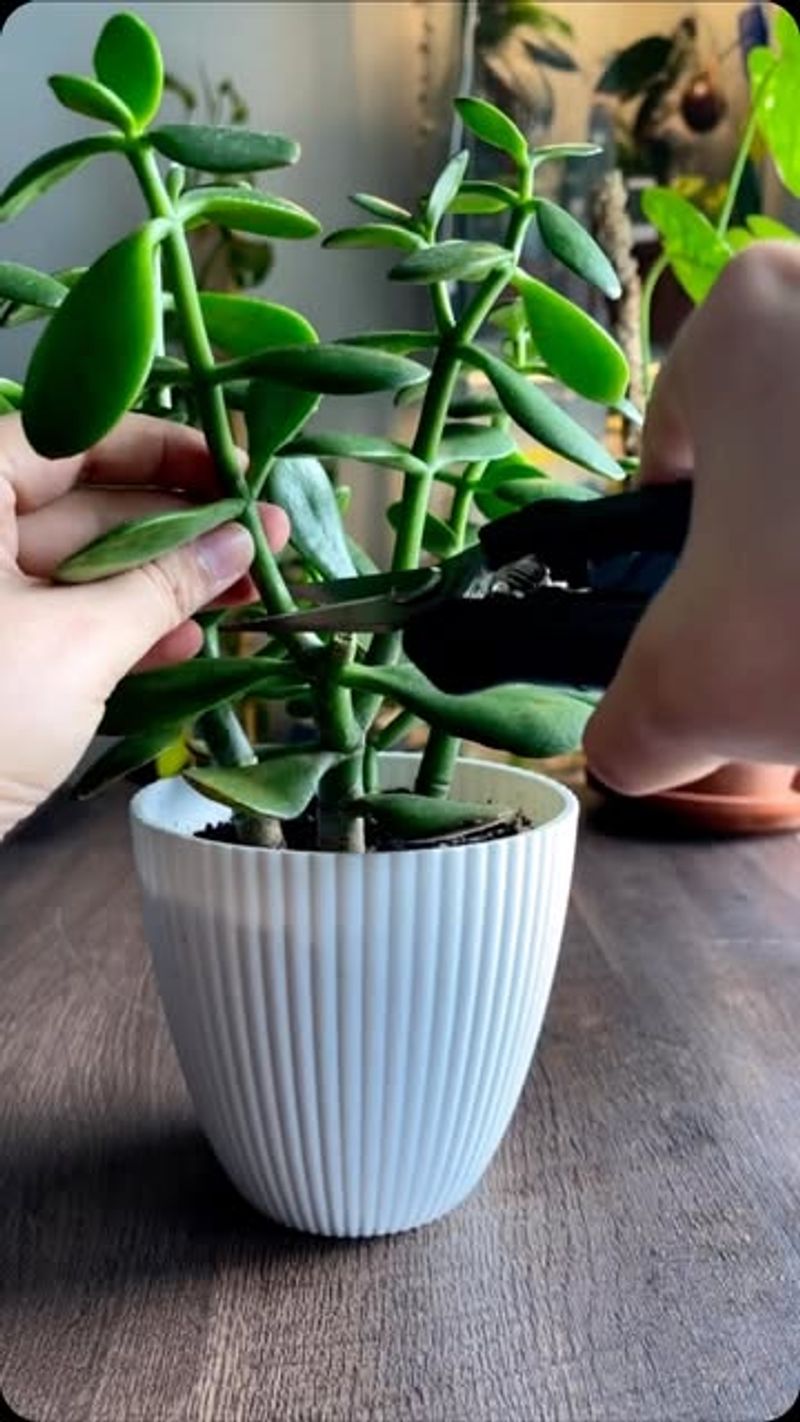
Jade plants develop their characteristic tree-like appearance through strategic pruning that encourages branching and prevents the spindly, weak growth that occurs when plants stretch toward insufficient light.
Many growers hesitate to prune their jade, worried about harming the plant or removing too much growth, but jade plants respond beautifully to light pruning that shapes their structure and promotes stronger, thicker stems.
The plant naturally wants to grow upward with relatively few branches, which eventually creates a top-heavy structure that cannot support its own weight without staking.
Pruning techniques for jade plants involve removing the growing tip of a branch, which signals the plant to produce two or more new branches from nodes just below the cut.
This multiplication of growth points creates a fuller, bushier plant with better weight distribution throughout the canopy.
Use clean, sharp scissors or pruning shears, and make cuts just above a leaf node at a slight angle. The best time for pruning falls during the growing season from spring through early fall when the plant actively produces new growth.
Start conservatively with young plants, removing just the tips of the longest branches to encourage branching lower on the stem.
As your jade matures, you can prune more boldly to maintain the desired shape and size. Those pruned tips root easily in soil, giving you new plants to share with friends or expand your own collection.
Regular light pruning prevents the need for drastic cutting later and helps your jade develop the sturdy, well-proportioned framework that makes these plants so visually appealing.
9. Fertilize Sparingly During Active Growth Only
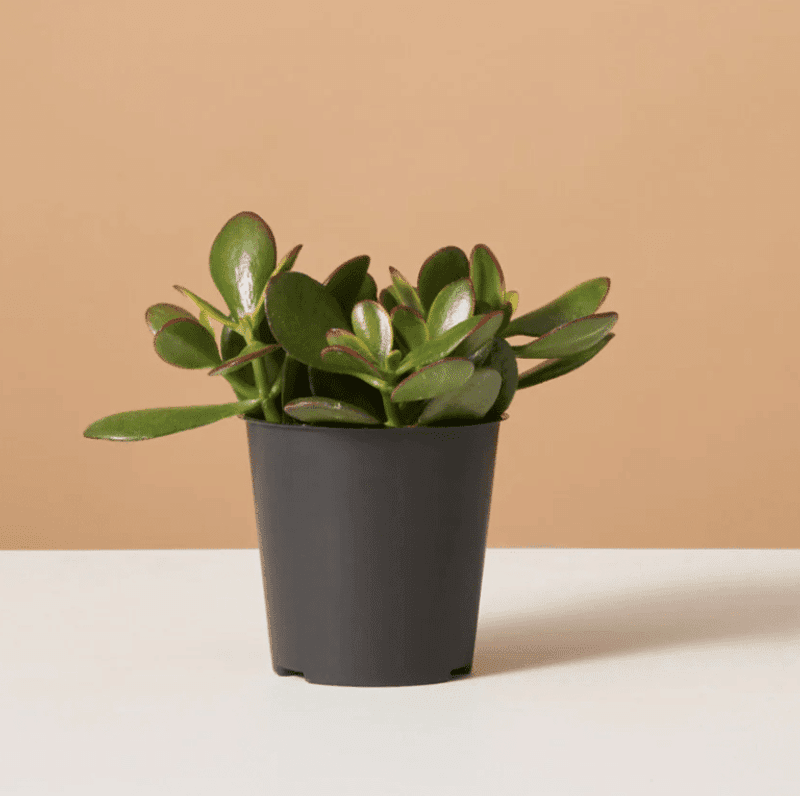
Jade plants evolved in nutrient-poor soils where they learned to thrive on minimal resources, and this efficiency continues in cultivation where excessive fertilization actually causes more problems than it solves.
Many houseplant enthusiasts apply fertilizer regularly throughout the growing season, following label directions designed for faster-growing tropicals, but jade plants require a much lighter approach that respects their naturally slow, steady growth pattern.
Over-fertilized jade plants develop weak, watery growth that lacks the thick, sturdy character that makes these plants so attractive and long-lived.
A diluted application of balanced liquid fertilizer once in spring and once in midsummer provides all the supplemental nutrition most jade plants need.
Mix your fertilizer at half the strength recommended on the package, or use a fertilizer formulated specifically for cacti and succulents that contains lower nitrogen levels.
Apply fertilizer only to moist soil, never to dry soil, as concentrated nutrients can burn roots when they lack sufficient moisture to dilute them properly.
Skip fertilizer entirely during fall and winter when jade plants naturally slow their growth and enter a semi-dormant period.
Pushing growth during this rest phase with fertilizer applications works against the plant’s natural rhythm and produces the same weak, elongated growth that results from insufficient light.
Utah growers often find their jade plants perform beautifully with even less fertilizer than suggested here, especially when planted in quality soil that contains some nutrients. Watch your plant’s response and adjust accordingly, always erring on the side of less rather than more.
10. Watch For Soft Leaves And Wrinkling As Early Warning Signs
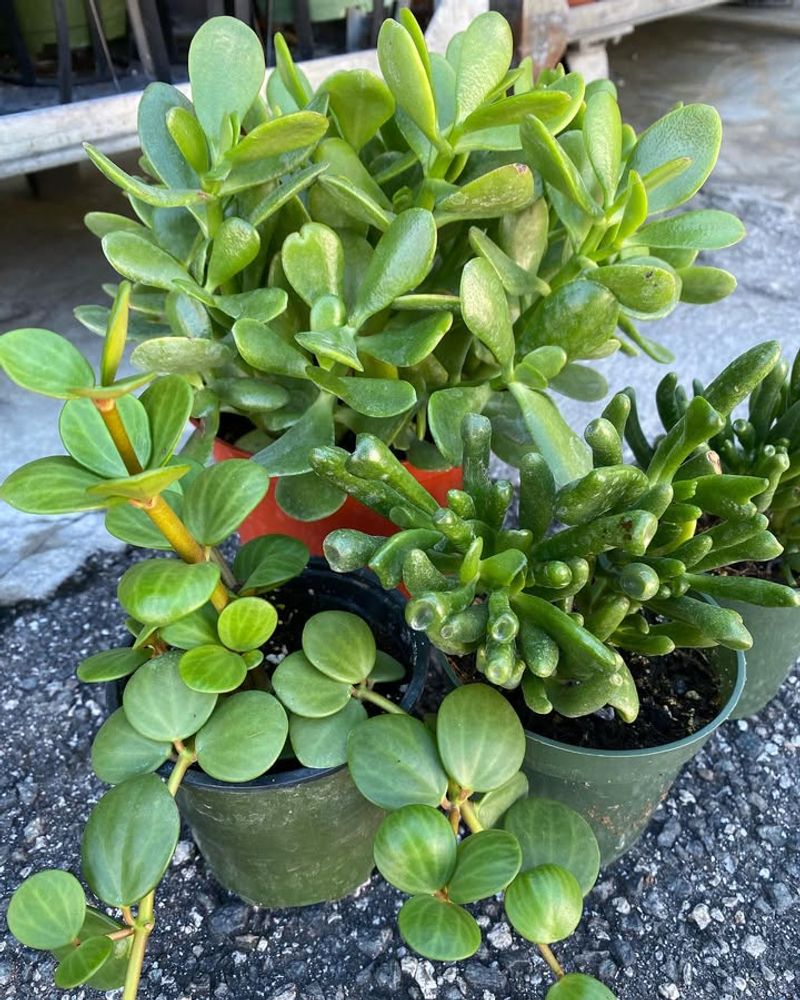
Jade plants communicate their needs through subtle changes in leaf texture and appearance that attentive growers learn to recognize long before serious damage occurs.
Healthy jade leaves feel firm and plump to the touch, with a slight give that indicates good water storage within the leaf tissue.
When something goes wrong, whether from watering issues, light problems, or environmental stress, the leaves begin changing in ways that provide early warning and opportunity for correction before the situation becomes critical.
Soft, mushy leaves that feel squishy when gently pressed usually indicate overwatering and possible root rot developing below the soil surface.
This softness often appears first in lower leaves or those closest to the soil, and it may accompany a yellowing color as the leaf tissue begins to fail.
Catching this symptom early and immediately cutting back on watering frequency gives roots a chance to recover before rot spreads throughout the root system.
Conversely, leaves that wrinkle or develop a slightly shriveled appearance typically signal underwatering or root damage that prevents the plant from absorbing available moisture.
This wrinkling differs from the soft mushiness of overwatering and feels more like deflated tissue that has lost its internal water pressure.
Check your watering schedule and soil moisture, and examine roots if wrinkling persists despite proper watering, as root damage from pests or rot can produce identical symptoms.
Learning to read these leaf signals transforms jade plant care from reactive crisis management into proactive maintenance that keeps problems small and easily corrected.
11. Let Jade Plants Rest During Winter
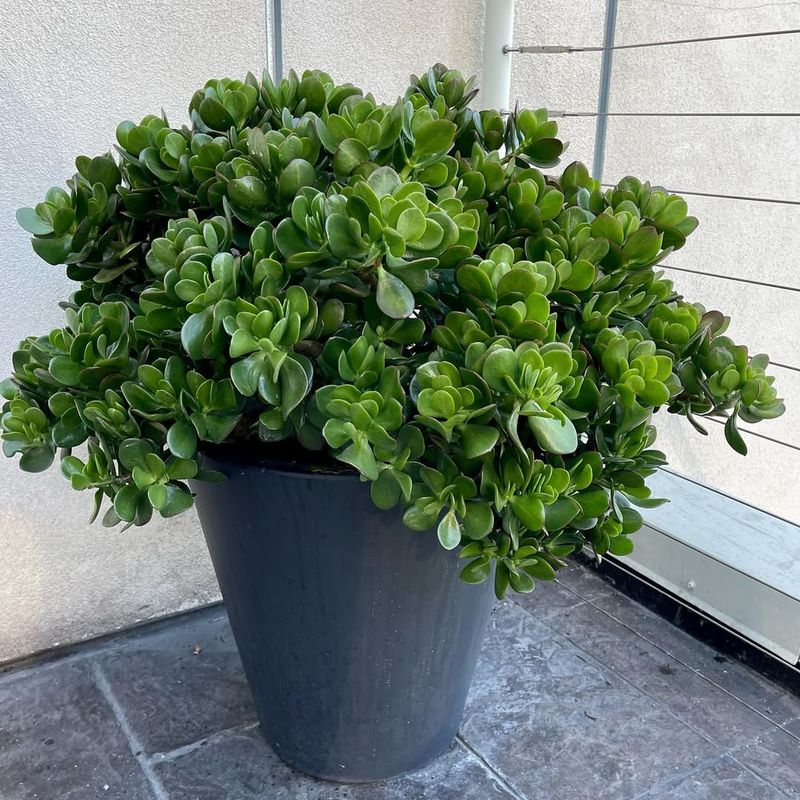
Respecting your jade plant’s natural dormancy period during winter months might feel counterintuitive when you want to maintain active growth year-round, but this rest phase serves essential functions that strengthen the plant and prepare it for vigorous spring growth.
In their native habitat, jade plants experience seasonal variations with cooler, drier periods that signal the plant to slow metabolic processes and conserve energy.
Attempting to push growth through winter with frequent watering, fertilization, and warm temperatures produces weak, stretched growth and exhausts the plant’s reserves.
Utah’s winter naturally provides cooler temperatures and reduced light levels that encourage dormancy, and working with these conditions rather than fighting them yields better results over the long term.
During winter, allow your jade to rest by reducing watering frequency even further than usual, skipping fertilizer entirely, and accepting that new growth will slow or stop completely.
This rest period allows the plant to consolidate its resources and strengthen existing tissue rather than producing new growth that lacks the vigor of spring-grown branches.
Some jade plants even bloom during or after their winter rest period, producing clusters of small, star-shaped white or pink flowers that add unexpected beauty to the winter months.
These blooms appear more readily on plants that experience cooler winter temperatures and the natural day-length changes that signal seasonal shifts.
Come spring, your well-rested jade plant responds to increasing light and warmth with a burst of strong, healthy growth that far exceeds what you would achieve by pushing the plant through winter without rest.