7 Tips To Help Begonias Bloom Better In Pennsylvania Homes
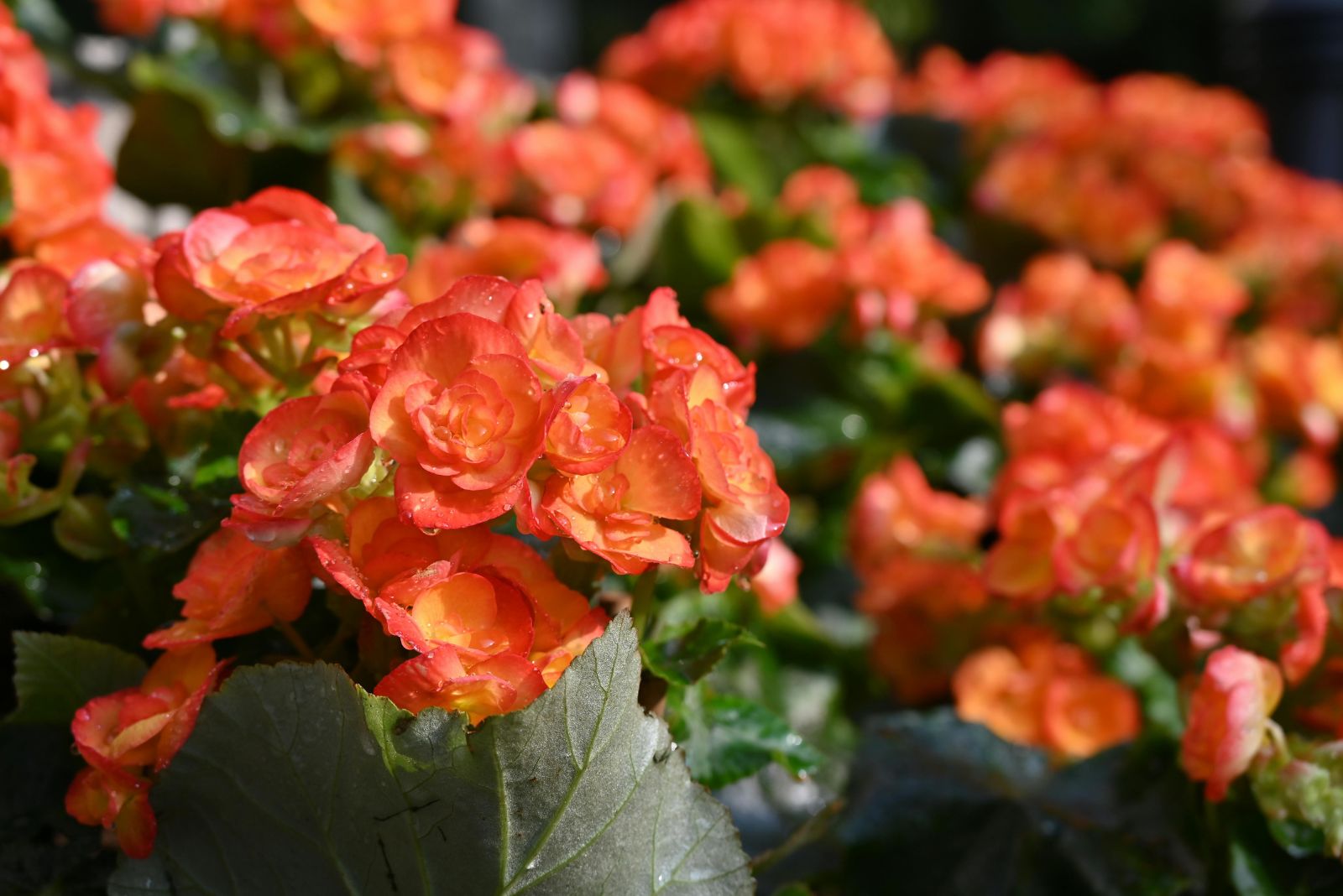
Wish your begonias would bloom more often inside your Pennsylvania home? While begonias are known for their stunning flowers and lush leaves, getting them to bloom indoors can be a little tricky, especially during the changing seasons.
But don’t give up! With just a few simple tips and the right environment, your begonias can thrive and burst into color right from your windowsill or tabletop.
It all comes down to giving them what they love: the right balance of light, warmth, and moisture. Too much water? No blooms. Not enough sun? Same story.
But once you understand what these plants are looking for, they’ll reward you with vibrant blossoms and healthy growth.
This guide will help you give them exactly what they need to bloom better, right here in your Pennsylvania home. Ready to get started? Let’s dig in.
1. Choose The Right Light Conditions For Your Space
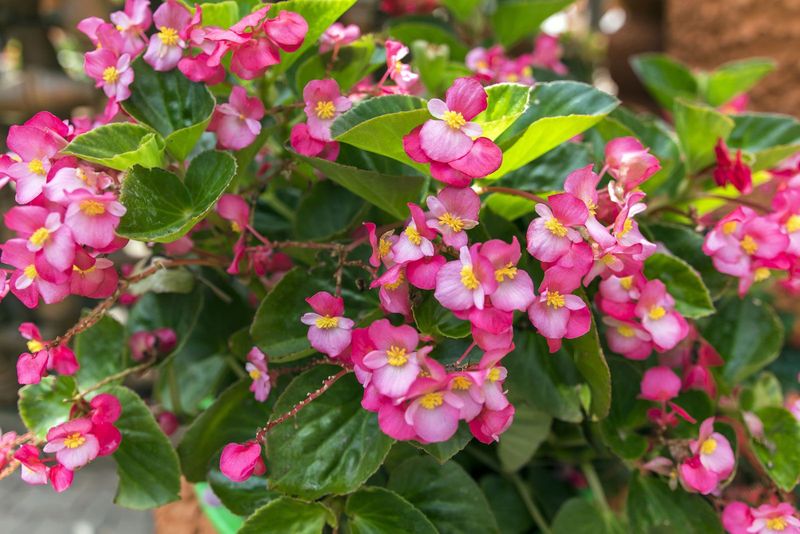
Light makes all the difference when it comes to begonia blooms. Too much direct sun can scorch the leaves and stress the plant, while too little light results in weak stems and fewer flowers.
Pennsylvania gardeners need to find that sweet spot where begonias get enough brightness without getting burned. Most begonias prefer bright, indirect light or dappled shade throughout the day.
A spot on your porch that gets morning sun and afternoon shade works perfectly. East-facing locations are ideal because the gentle morning rays provide energy without the harsh intensity of afternoon heat.
If you’re growing begonias indoors near windows, place them a few feet back from south or west-facing glass. Direct sunlight through windows can be surprisingly intense, especially during summer months.
Sheer curtains help filter the light and protect delicate begonia foliage. Tuberous begonias are particularly sensitive to strong sun and perform best with only two to three hours of direct morning light.
Wax begonias can tolerate slightly more sun but still appreciate some protection during the hottest part of the day. Rex begonias, grown mainly for their stunning foliage, need the least amount of direct light.
Watch your plants closely and they’ll tell you if the light isn’t right. Leaves that look pale or washed out mean too much sun exposure.
Stems that stretch toward the light or produce small leaves indicate not enough brightness. Adjust the location as needed throughout the Pennsylvania growing season to maintain optimal blooming conditions.
2. Water Consistently But Avoid Overwatering
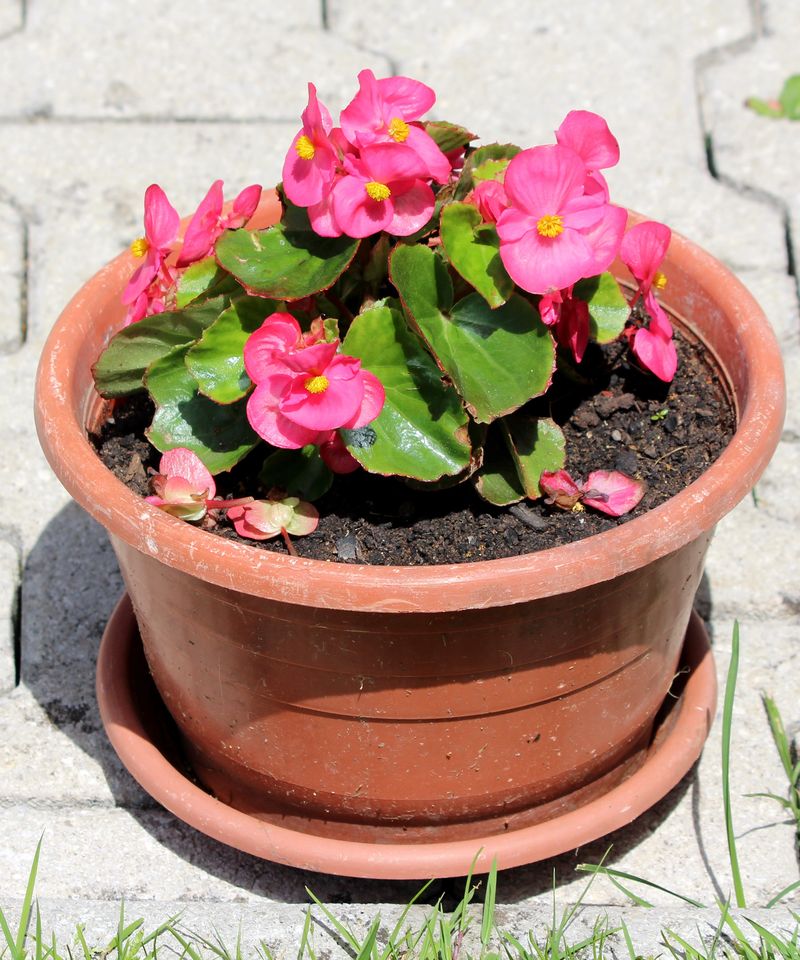
Finding the right watering balance can be tricky with begonias. These plants like consistent moisture but hate sitting in soggy soil.
Pennsylvania’s humid summers can make this balance even more challenging, especially during those rainy weeks we often experience in June and July.
Check the soil before watering by sticking your finger about an inch deep into the potting mix. If it feels dry at that depth, it’s time to water. If it still feels damp, wait another day or two.
This simple touch test prevents both underwatering and overwatering problems. When you do water, make sure to soak the soil thoroughly until water drains from the bottom of the pot.
This encourages deep root growth and ensures the entire root system gets moisture. Empty saucers under pots after about fifteen minutes so roots don’t sit in standing water.
During hot Pennsylvania summers, container begonias may need water every day or every other day. Garden-planted begonias typically need less frequent watering because ground soil retains moisture longer.
Reduce watering frequency as temperatures cool in September and October. Morning watering works best because it gives leaves time to dry before evening.
Wet foliage overnight can encourage fungal problems, which begonias are prone to developing. Use room-temperature water when possible, as cold water can shock the roots and slow growth.
Pay attention to weather forecasts and skip watering if heavy rain is expected within the next day or two.
3. Feed Your Begonias With Balanced Fertilizer
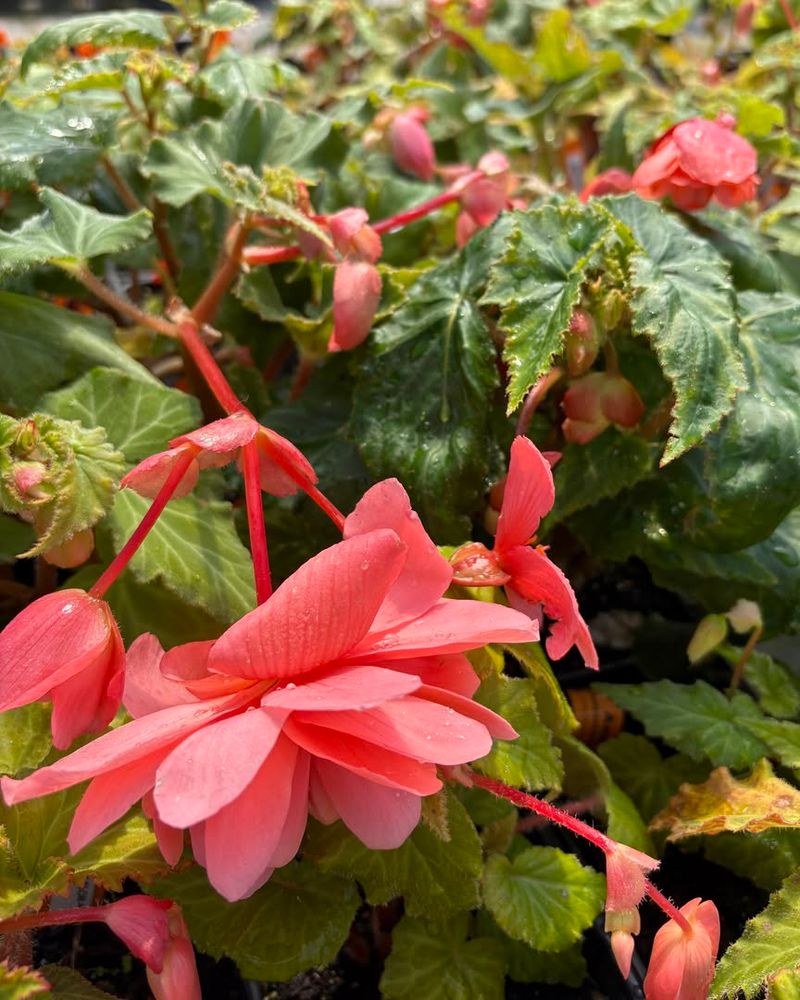
Begonias are hungry plants that need regular feeding to produce their best blooms. Without proper nutrition, they’ll grow slowly and produce fewer flowers, no matter how perfect the other growing conditions might be.
Pennsylvania gardeners should start a feeding schedule as soon as plants begin active growth in spring. A balanced, water-soluble fertilizer with equal amounts of nitrogen, phosphorus, and potassium works well for most begonia varieties.
Look for formulas labeled 10-10-10 or 20-20-20 on the package. Dilute the fertilizer to half the strength recommended on the label to avoid burning tender roots.
Feed your begonias every two weeks during the active growing season from May through September. Container plants need more frequent feeding than those planted in garden beds because nutrients wash out of pots faster with regular watering.
Skip fertilizing during extremely hot weather when plants are stressed. Liquid fertilizers work faster than granular types and are easier to control for begonias.
Mix the diluted solution and apply it directly to moist soil, never to dry soil or directly on leaves. Some gardeners prefer to feed weekly at an even more diluted rate, which provides steady nutrition without risk of buildup.
As fall approaches and temperatures drop in Pennsylvania, gradually reduce feeding frequency. Stop fertilizing completely by late October when plants begin slowing their growth naturally.
Too much fertilizer late in the season can produce weak, leggy growth that’s susceptible to damage from early frosts.
4. Maintain Proper Temperature And Humidity Levels
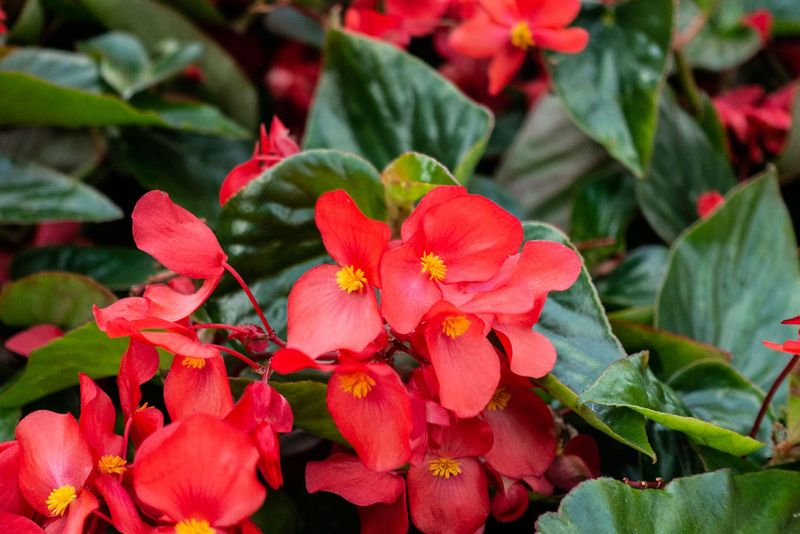
Temperature and humidity have a huge impact on begonia health and flowering. These tropical plants prefer conditions that mimic their native environment, which means warm temperatures and moderate to high humidity.
Pennsylvania’s climate can provide these conditions during summer, but spring and fall require more attention. Begonias grow best when daytime temperatures stay between 65 and 75 degrees Fahrenheit.
Nighttime temperatures should remain above 55 degrees for optimal performance. Bring container begonias indoors if overnight temperatures are forecast to drop below 50 degrees, as cold stress quickly damages these tender plants.
Humidity is equally important for healthy begonias. Pennsylvania summers are naturally humid, which these plants appreciate.
Problems arise when we run air conditioning indoors, which dries out the air significantly. Indoor begonias benefit from humidity levels around 50 percent or higher.
Increase humidity around your begonias by grouping plants together, which creates a microclimate with higher moisture levels. Place pots on trays filled with pebbles and water, making sure the pot bottoms sit above the water line.
As water evaporates, it raises humidity around the foliage. Avoid placing begonias near heating vents, air conditioning units, or drafty windows where temperature fluctuations occur frequently.
Sudden temperature changes stress plants and cause flower buds to drop before opening. A consistent environment produces the most reliable blooming throughout the Pennsylvania growing season, so choose locations carefully and monitor conditions regularly.
5. Deadhead Spent Flowers To Encourage More Blooms
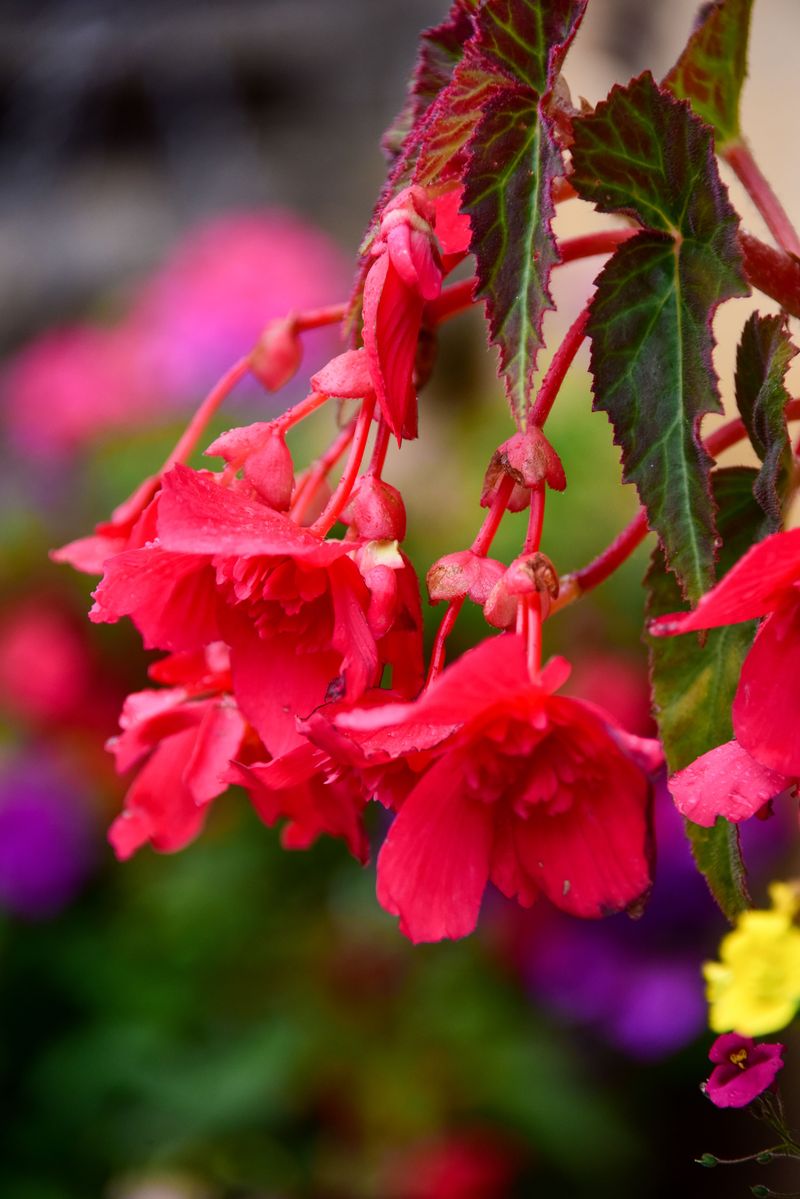
Removing faded flowers might seem like extra work, but this simple task dramatically increases bloom production. When you deadhead begonias regularly, you’re telling the plant to make more flowers instead of putting energy into seed production.
Pennsylvania gardeners who deadhead consistently often see twice as many blooms as those who skip this step. Check your begonias every few days and pinch off flowers that have started to fade or turn brown.
Use your thumb and forefinger to snap off the entire flower stem where it meets the main plant. Clean, sharp scissors work well if you prefer using tools instead of your fingers.
Tuberous begonias produce male and female flowers, and the males are the showy ones with multiple petals. Female flowers are smaller and have a swollen seed pod behind the petals.
Remove female flowers early to direct energy toward producing more spectacular male blooms. Wax begonias and other fibrous types don’t require as much deadheading because their spent flowers often drop on their own.
However, removing faded blooms keeps plants looking tidy and prevents fungal problems that can develop on decaying petals. This is especially important during humid Pennsylvania summers when moisture encourages disease.
Combine deadheading with a quick inspection of your plants. Look for yellow leaves, signs of pests, or other problems while you’re removing spent flowers.
Early detection makes treatment easier and keeps your begonias blooming beautifully all season long in your Pennsylvania home.
6. Use Quality Potting Mix With Good Drainage
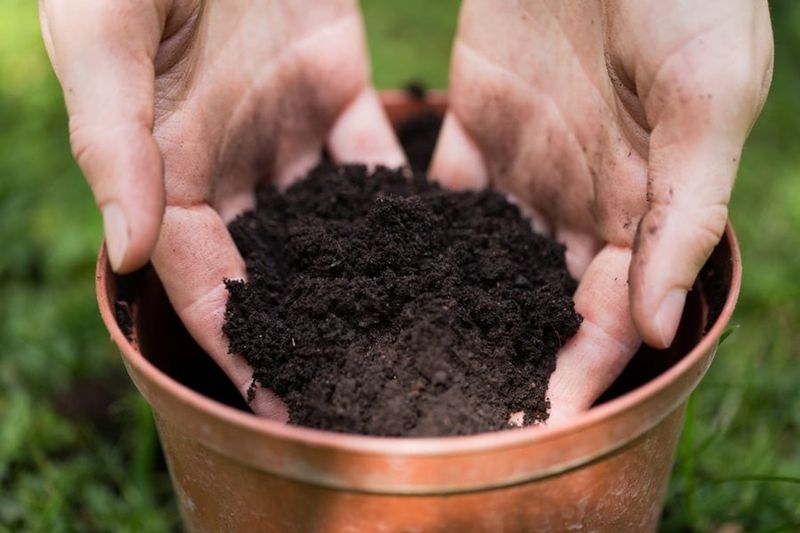
Soil quality is absolutely critical for begonia success. These plants need a growing medium that holds moisture without becoming waterlogged, which is a delicate balance to achieve.
Many Pennsylvania gardeners unknowingly use the wrong soil type and wonder why their begonias struggle despite good care in other areas. Choose a high-quality potting mix specifically formulated for container plants.
Garden soil is too heavy and compacts in pots, suffocating begonia roots and preventing proper drainage. Look for mixes that contain peat moss, coconut coir, perlite, and vermiculite for the ideal texture.
Begonias appreciate slightly acidic soil with a pH between 5.5 and 6.5. Most commercial potting mixes fall within this range naturally.
If you’re planting begonias directly in Pennsylvania garden beds, test your soil pH first and amend with sulfur if needed to lower the pH. Add extra perlite or coarse sand to your potting mix if drainage seems slow.
About twenty percent perlite by volume creates plenty of air pockets for healthy root growth. Good drainage prevents root rot, which is one of the most common reasons begonias fail to thrive and bloom.
Refresh potting soil annually for container begonias. Over time, organic materials break down and soil becomes compacted, reducing drainage and air circulation.
Repot your begonias each spring with fresh mix to give roots the best possible environment for another season of abundant blooms throughout your Pennsylvania home.
7. Protect Plants From Pests And Diseases
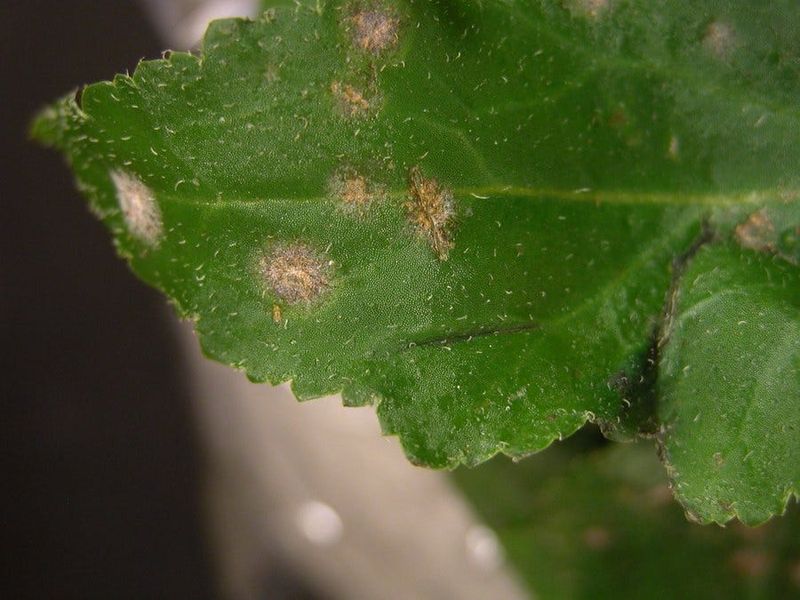
Healthy begonias produce more blooms, so keeping pests and diseases under control is essential. Pennsylvania’s humid climate creates perfect conditions for certain fungal problems, while common insects can quickly damage foliage and reduce flowering.
Regular monitoring helps you catch problems early when they’re easiest to manage. Powdery mildew appears as white, dusty patches on leaves and stems.
This fungal disease thrives in our humid Pennsylvania summers, especially when air circulation is poor. Space plants properly to allow air movement and avoid overhead watering that leaves foliage wet.
Remove affected leaves promptly to prevent spread. Aphids, spider mites, and whiteflies are common begonia pests.
Check the undersides of leaves weekly for these tiny insects. A strong spray of water dislodges many pests, while insecticidal soap handles heavier infestations safely.
Treat problems as soon as you notice them to prevent population explosions. Botrytis blight causes brown spots on flowers and leaves, particularly during cool, damp weather.
Remove affected plant parts immediately and improve air circulation. Water early in the day so foliage dries completely before evening temperatures drop.
This simple timing adjustment prevents many fungal issues. Slugs and snails love begonias and can chew large holes in leaves overnight.
These pests are especially active during rainy Pennsylvania springs. Hand-pick them in early morning or evening, or use iron phosphate baits around plants.
Keeping mulch away from begonia stems reduces hiding spots for these moisture-loving pests and helps maintain the beautiful blooms you’re working hard to achieve.