8 Tips To Make Begonias Bloom In California Homes
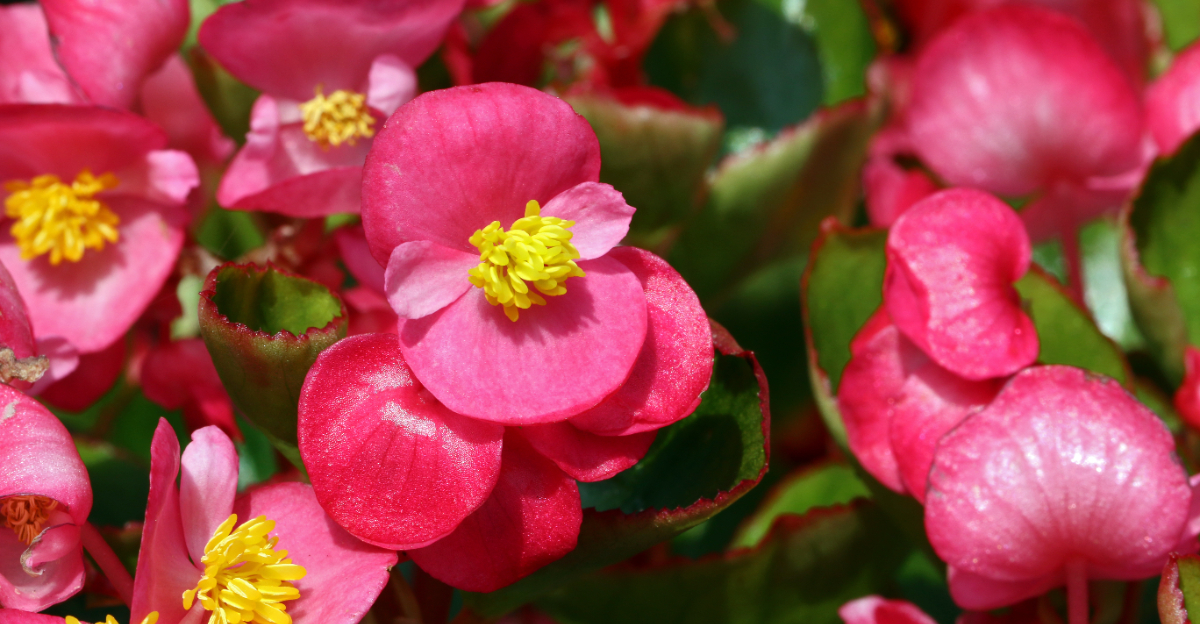
Begonias often draw attention with their lush foliage and colorful blooms, and they can grow well inside many California homes.
If your plant looks healthy but is not flowering, a few small adjustments may help encourage blooms.
Think bright filtered light, steady warmth, and balanced watering. Begonias generally prefer consistent conditions and can reward gentle care with repeated flowering that brightens indoor spaces.
Picture soft blossoms near a window, delicate petals adding charm to shelves, and greenery that stays attractive through much of the year. Success comes from understanding what these tropical plants prefer and avoiding common care mistakes.
With the right approach, patience, and attentive care, begonias can bloom more reliably, grow fuller, and bring lively color to your indoor garden for long periods.
1. Give Them Bright Light
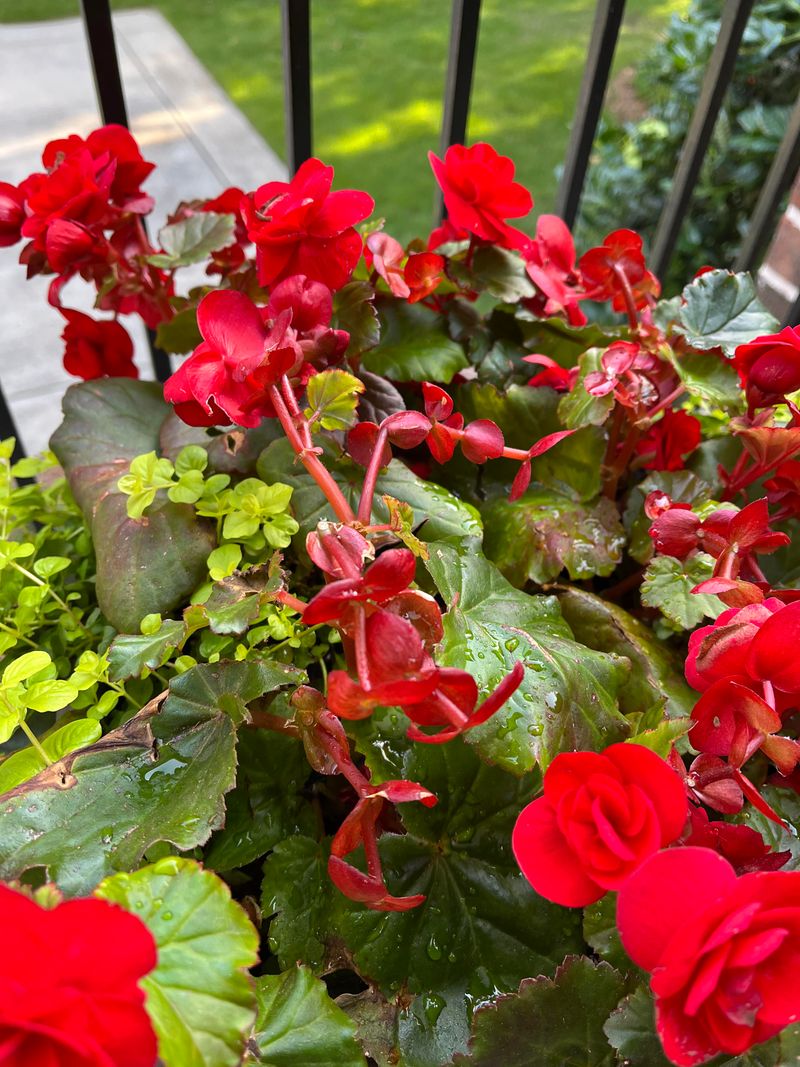
Many begonias that do not bloom may simply be placed in less-than-ideal light. Light is a major factor influencing flower production, and insufficient brightness often leads plants to focus more on leaf growth than blooming.
Begonias generally prefer bright, indirect light for several hours each day to support consistent flowering. In many California homes, an east-facing window works well because it provides gentle morning sun without the stronger afternoon rays that may stress foliage.
North-facing windows can also work, though flowering may be lighter due to softer light levels.
Avoid prolonged exposure to strong, direct sunlight, especially during bright summer months, as leaves can fade, scorch, or develop dry edges, and stressed plants may bloom less.
If using a south- or west-facing window, placing the plant slightly back from the glass or filtering light with a sheer curtain can help. Observe how your begonia responds over time.
Long, stretched stems leaning toward the window often suggest the plant would benefit from more light. Gradually increasing brightness may encourage bud formation as the plant adjusts to improved conditions.
2. Keep Temperatures Steady
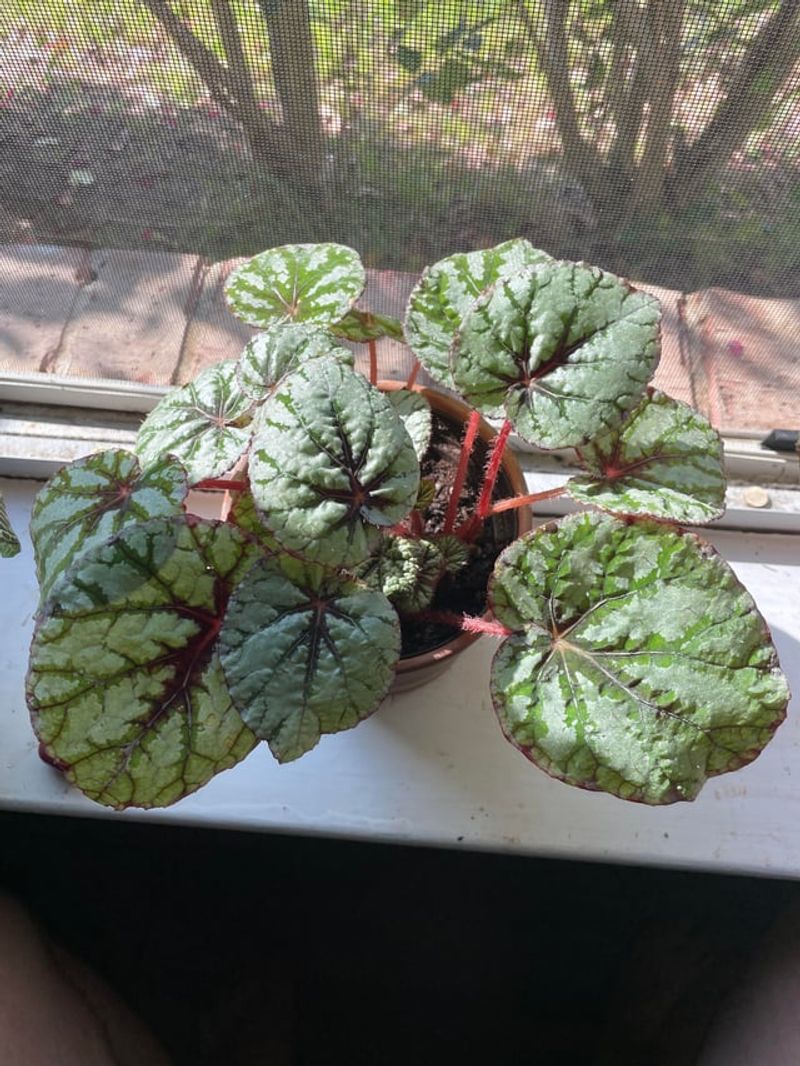
Temperature changes can affect begonias and sometimes disrupt their blooming cycle. These plants developed in relatively stable, warm environments, so large or frequent indoor temperature fluctuations may lead to bud drop or reduced flowering.
Consistency is often more important than maintaining an exact temperature. Many begonias grow and bloom well when daytime temperatures remain around 65 to 75 degrees Fahrenheit, with slightly cooler nights.
California homes often fall within this range for much of the year, which can support reliable indoor growth. Issues may arise when plants are placed near heating vents, air conditioners, or drafty windows where temperatures shift quickly.
Coastal California homes often experience more stable indoor temperatures due to marine influence, while inland homes can see greater daily variation, especially when heating or cooling systems run frequently.
A begonia placed near a cold window in winter or close to a heating vent may experience stress even if the rest of the room feels comfortable.
Observing the area around your plant at different times of day can help identify drafts or hot air flow. Moving the plant slightly away from these spots may improve overall growth and encourage more consistent blooming over time.
3. Water Without Overdoing It
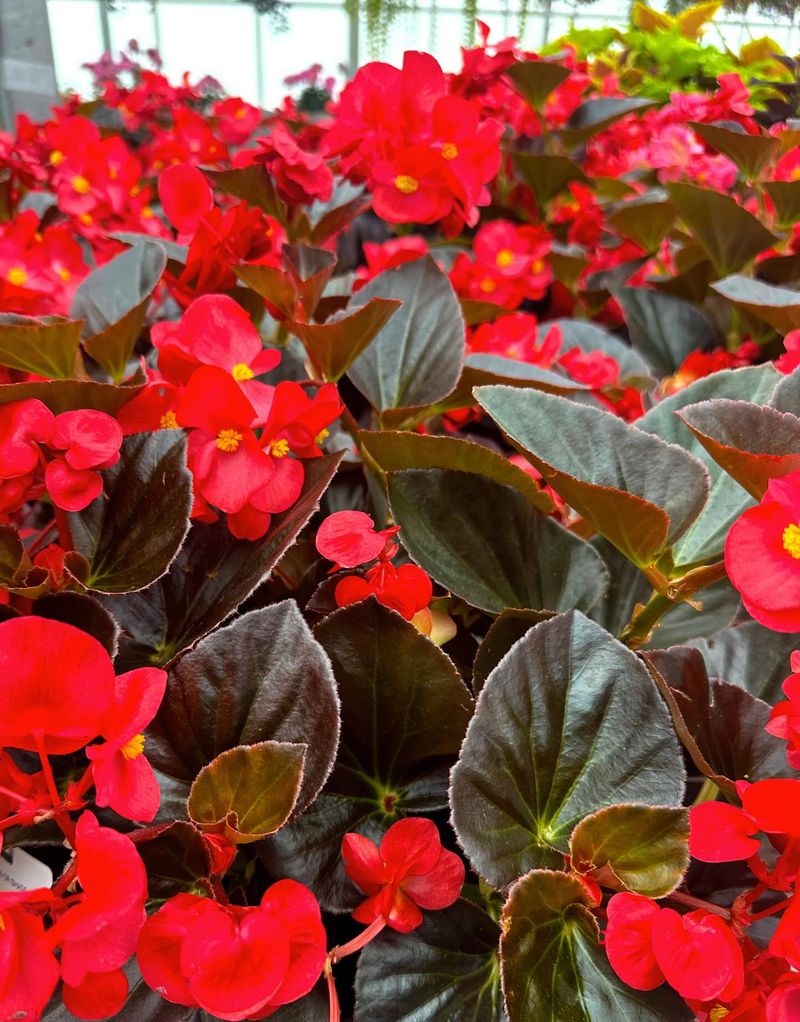
Overwatering is a common reason begonias struggle, and excessively wet soil can reduce flowering.
When roots remain in soggy conditions, nutrient uptake may decline and the plant may focus on survival rather than blooming.
Successful watering usually comes from observing the plant rather than following a rigid schedule. Begonias generally prefer the soil to dry slightly between waterings, particularly near the surface.
Check the top inch of soil before watering, if it still feels moist, waiting a little longer is often beneficial. California’s dry indoor air can increase evaporation, though containers may retain moisture longer than expected, especially during cooler months.
When watering, do so thoroughly until excess drains from the bottom, then allow the pot to drain fully. Avoid leaving pots sitting in water, as prolonged saturation can encourage root problems that may reduce flowering.
Coastal homes with higher humidity may require less frequent watering than drier inland environments. Observing your specific conditions is more useful than following general rules.
Yellowing lower leaves or soft stems may indicate excess moisture, while dry edges and bud drop can sometimes signal underwatering. Adjust watering gradually based on how the plant responds.
4. Use The Right Soil
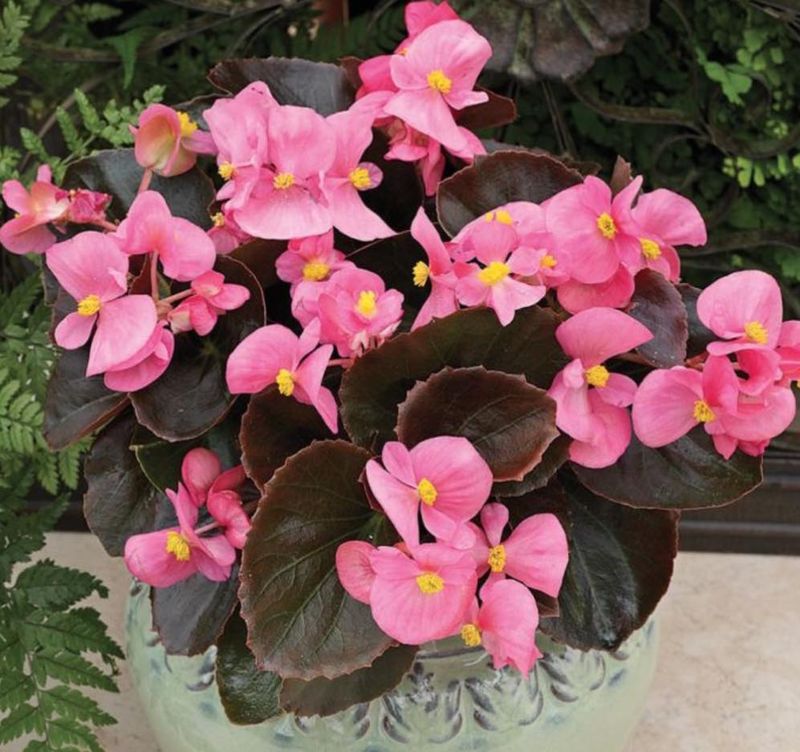
Soil quality plays an important role in whether begonias have the energy to bloom. Heavy, dense potting mix that stays wet for long periods can limit oxygen around the roots and may reduce flowering.
Begonias generally prefer a light, airy growing medium that drains well while retaining some moisture. Look for potting mixes labeled for African violets or general houseplants, which often contain peat or coir, perlite, and sometimes bark to improve aeration.
Avoid using garden soil or very heavy outdoor mixes in containers, as these can compact over time and restrict root health. Adding extra perlite or orchid bark to standard potting mix can further improve drainage, a step many growers find helpful.
A suitable mix should feel light and loose rather than dense. In some California areas, tap water may be slightly alkaline, so well-draining soil can help reduce salt buildup that may affect nutrient uptake.
Repotting every year or two can refresh soil structure and support healthy roots, even if the plant has not outgrown its pot. Choose a container with drainage holes, as good drainage supports root health.
Proper soil makes overall care easier and helps encourage reliable blooming over time.
5. Feed For Flowering
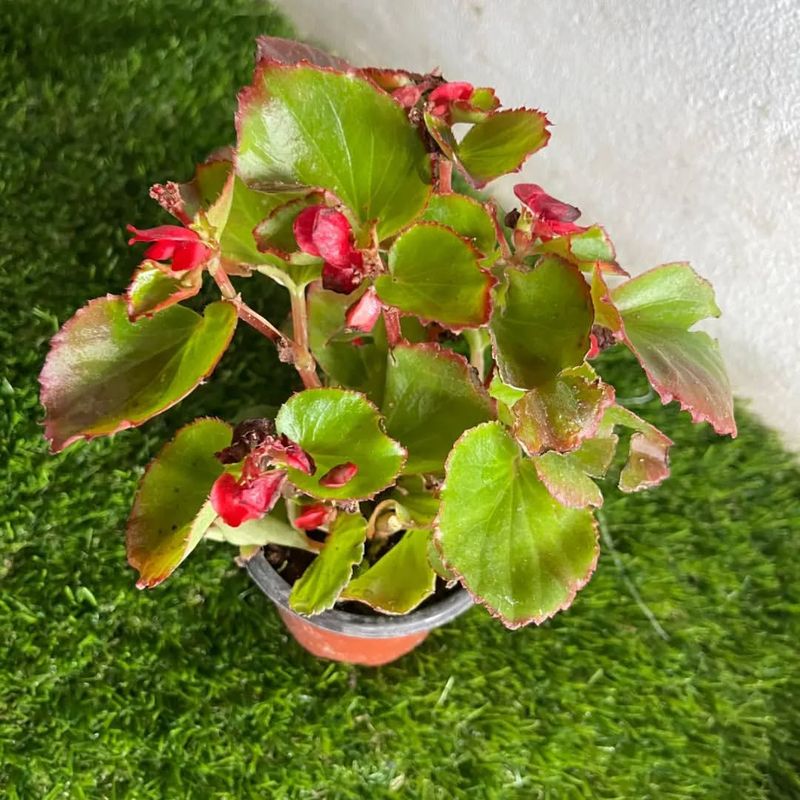
Fertilizing is sometimes overlooked, yet it can support steady growth and flowering in begonias. Container-grown plants rely on the nutrients available in their potting mix, so occasional feeding can help maintain vigor over time.
Without replenishing nutrients, blooming may gradually decline even when other conditions are suitable.
A balanced liquid fertilizer diluted to half strength every two to three weeks during spring and summer can support active growth.
Formulas with similar ratios such as 10-10-10 or 20-20-20 are commonly used, and some growers choose blends with slightly higher phosphorus to encourage flowering. During fall and winter, feeding is usually reduced since growth tends to slow, even indoors.
While California’s mild climate may allow continued growth, plants often use nutrients more slowly during cooler periods. Excess fertilizer can lead to salt buildup in soil, which may stress roots and reduce flowering.
Watering before fertilizing helps prevent root irritation from concentrated nutrients. If white deposits appear on the soil surface or container, they may indicate salt accumulation from fertilizer or mineral-rich water.
Periodically flushing the soil with plain water can help reduce buildup and support healthy growth.
6. Manage Humidity Indoors
Dry indoor air can affect begonias more than many California growers expect, especially in inland areas where humidity can fall quite low.
While begonias are not extremely humidity-dependent, they often perform better and bloom more consistently in moderately humid conditions.
Very dry air may contribute to bud drop or reduced flowering, even when other care is appropriate. Coastal California homes often have naturally higher humidity, which can make growing begonias easier.
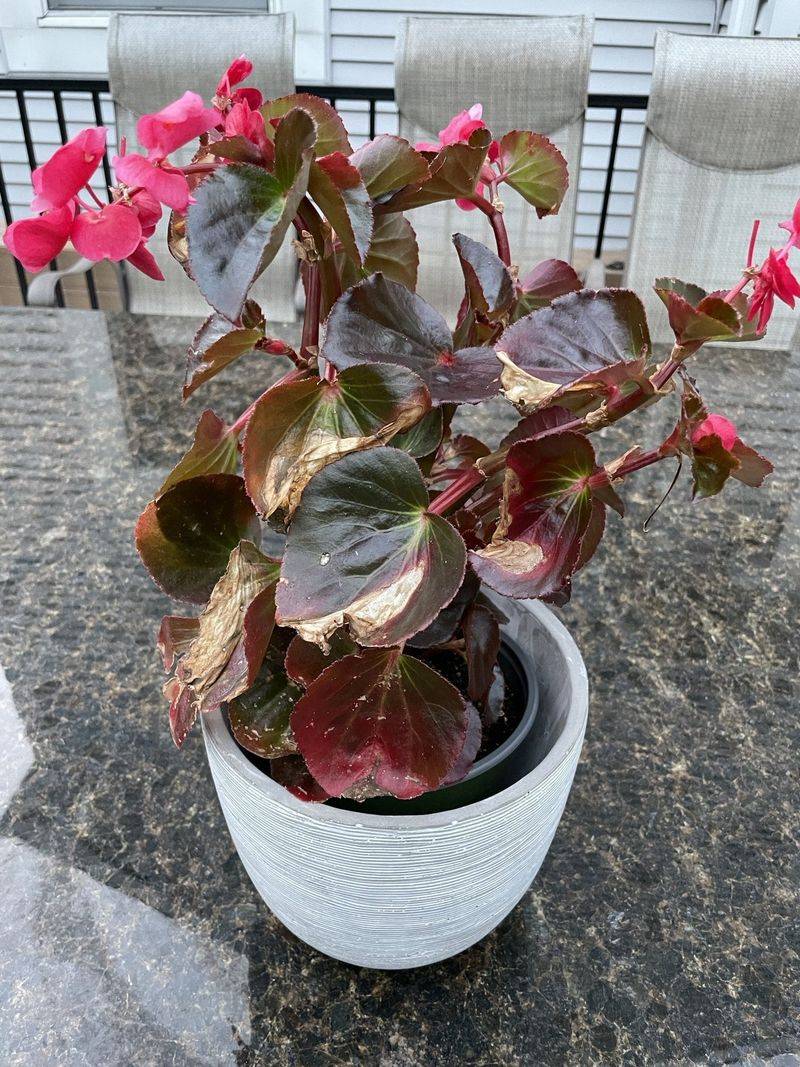
Inland environments, particularly during periods of heating or air conditioning, may create drier indoor air. Begonias may show dry leaf edges, browning bud tips, or buds that fail to open, which can sometimes be linked to low humidity.
Grouping plants together can slightly raise humidity through natural moisture release. Placing the pot on a pebble tray with water below the pot line may also help increase local humidity without wetting the roots.
Directly misting begonia leaves is sometimes avoided because prolonged leaf moisture can encourage fungal issues in certain conditions.
Instead, increasing surrounding humidity through plant grouping, pebble trays, or a small humidifier during dry periods can support healthier growth and more reliable blooming.
7. Prune For More Blooms
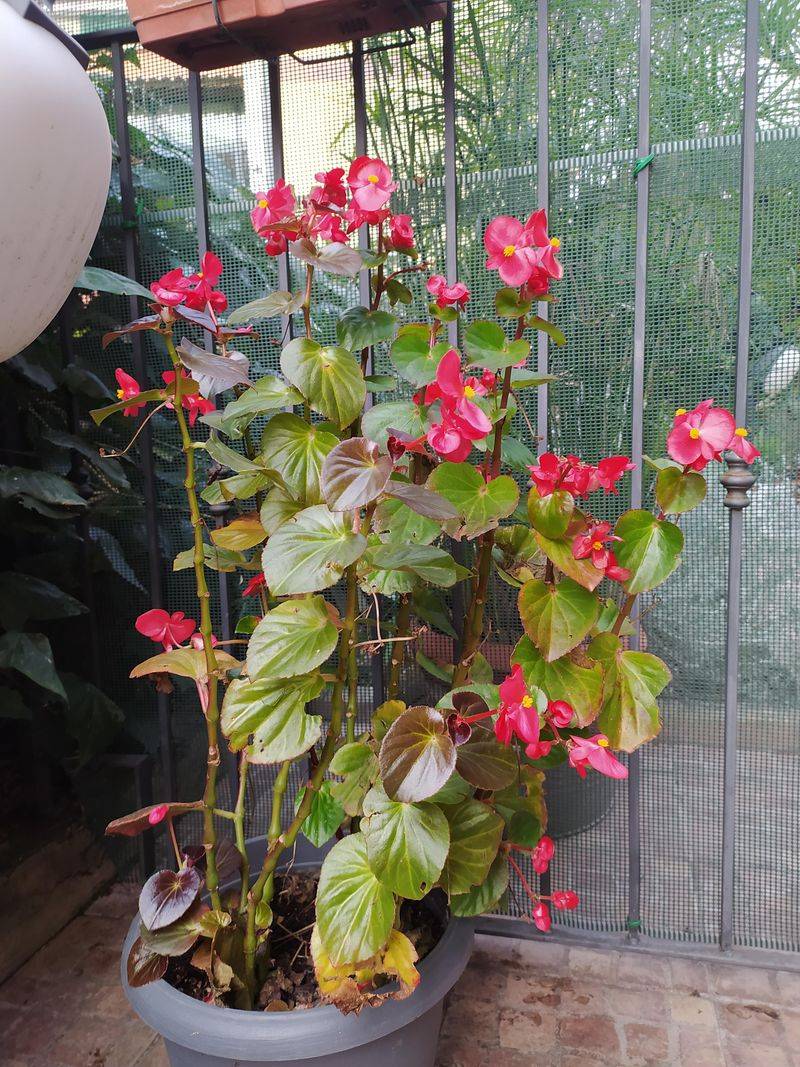
Pruning may seem counterintuitive when aiming for more flowers, yet it can encourage begonias to produce additional blooming stems. Without occasional trimming, some begonias become leggy, with longer stems and fewer blooms concentrated near the tips.
Light pruning can help redirect growth into branching points where new flower clusters may develop. Pinch or trim stem tips periodically, especially after a flush of blooms fades.
This removes the growing tip and often encourages branching lower on the stem, creating a fuller shape with more potential flowering sites. Use clean scissors or pruners, making cuts just above a leaf node where new growth can form.
Remove dead or yellowing leaves to keep the plant healthy, and trim spent flowers if desired to limit seed formation and encourage further blooming.
In much of California’s mild climate, light pruning can be done at various times of year, though spring is often ideal for more substantial shaping.
If stems become long or sparse, cutting them back is usually well tolerated and may promote fresh growth. After pruning, new stems often begin to appear over the following weeks, which can lead to additional flowering as the plant continues to grow.
8. Avoid Common Bloom Mistakes
Even experienced growers sometimes encounter issues that reduce blooming, often without realizing the cause.
Understanding common factors that affect flowering can help you adjust care before problems persist.
Small changes can influence whether a begonia focuses on foliage or produces more blooms. Using pots without drainage holes is a frequent mistake that can limit healthy growth.
When excess water cannot drain, roots may remain too wet, which can reduce flowering. Choosing containers with drainage holes and allowing water to drain fully helps support root health.
Another common issue is leaving begonias in the exact same position year-round as light conditions shift. A spot that works well in one season may provide too much or too little light later, so occasional repositioning can help maintain suitable conditions.
Pests such as spider mites or mealybugs may also weaken plants and reduce blooming. Checking regularly for signs like tiny insects, sticky residue, or webbing allows early treatment.
Dry indoor air can sometimes favor spider mites, particularly in heated or air-conditioned spaces. With steady care and time to adjust after moves or repotting, begonias often resume blooming as conditions improve.