7 Tomato Growing Secrets Every Michigan Gardener Should Know
Tomatoes are a favorite in many Michigan gardens, but growing them well is not always as simple as it seems. With cool springs, warm summers, and sudden weather changes, gardeners across the state often face challenges that can affect how their plants grow and produce.
What works in one place does not always work the same way here. The good news is that a few smart techniques can make a big difference.
From choosing the right varieties to knowing when and how to plant, these small details can lead to stronger plants and better harvests. Many experienced gardeners have learned these lessons over time, and they can help you avoid common mistakes.
Once you understand these seven tomato growing secrets, you will be ready to get more from your garden and enjoy the results all season long.
1. Plant After Soil Warms Not Just After Frost
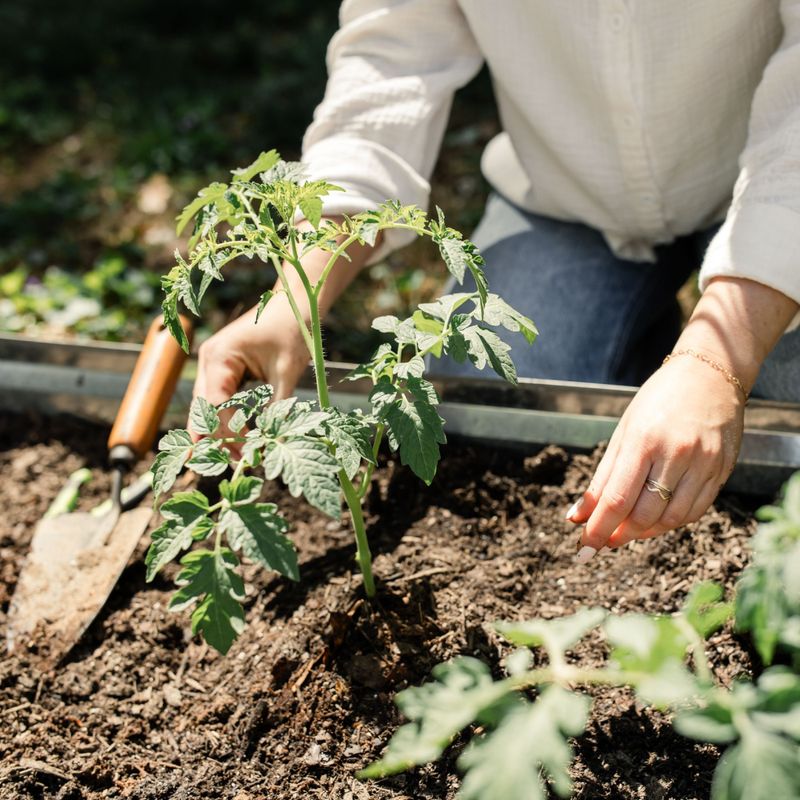
Most Michigan gardeners circle the last frost date on the calendar like it is the finish line, but that date only tells half the story. Tomatoes are warm-season plants, and they need warm soil just as much as they need warm air.
Planting into cold soil, even after frost has passed, slows root development significantly and leaves your seedlings struggling instead of thriving.
Soil temperature should reach at least 60 degrees Fahrenheit before you put tomatoes in the ground. In Lower Michigan, that usually happens sometime in mid-May, but in northern and Upper Michigan, it can stretch into late May or even early June.
A simple soil thermometer, available at any garden center, takes the guesswork out of timing completely.
Cold soil does more than slow growth. It can stress young roots and make plants more vulnerable to early season problems.
When you wait for the soil to truly warm up, roots spread faster, plants establish stronger, and the whole season gets off to a better start. Think of warm soil as rocket fuel for your tomato plants.
A little patience in spring pays off with bigger, healthier plants and a more productive harvest across your Michigan garden all summer long.
2. Choose Short Season Varieties For Reliable Harvests
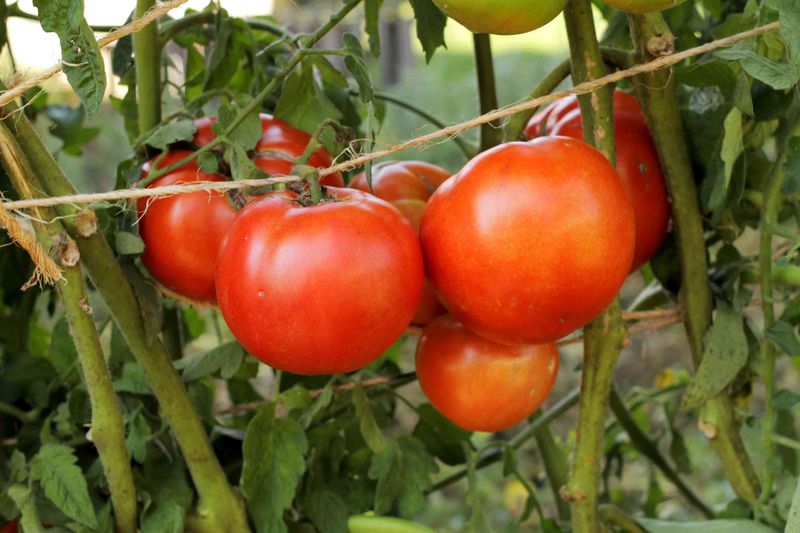
Not every tomato variety is built for Michigan’s schedule. Some tomatoes need a long, warm season to ripen fully, and in a state where summer can feel like it blinks by, those varieties often leave gardeners waiting until frost threatens.
Choosing the right variety from the start is one of the smartest moves a Michigan gardener can make.
Short-season varieties, sometimes called early or mid-season types, are bred to produce ripe fruit in 55 to 75 days.
Popular picks like Early Girl, Siletz, and Stupice have strong track records in Michigan gardens, especially in northern regions where the window for warm weather is even tighter.
These varieties do not sacrifice flavor for speed either, which makes them a win on every level.
Gardeners in the Upper Peninsula especially benefit from selecting varieties with shorter days-to-maturity numbers on the seed packet. Even in southern Michigan, having a mix of early and mid-season types ensures you get steady production through August and into September.
Starting seeds indoors six to eight weeks before your last frost date gives these varieties an even bigger head start. Matching your variety to Michigan’s growing season is not just smart planning, it is the foundation of a truly successful tomato garden every single year.
3. Use Raised Beds Or Amended Soil For Better Drainage
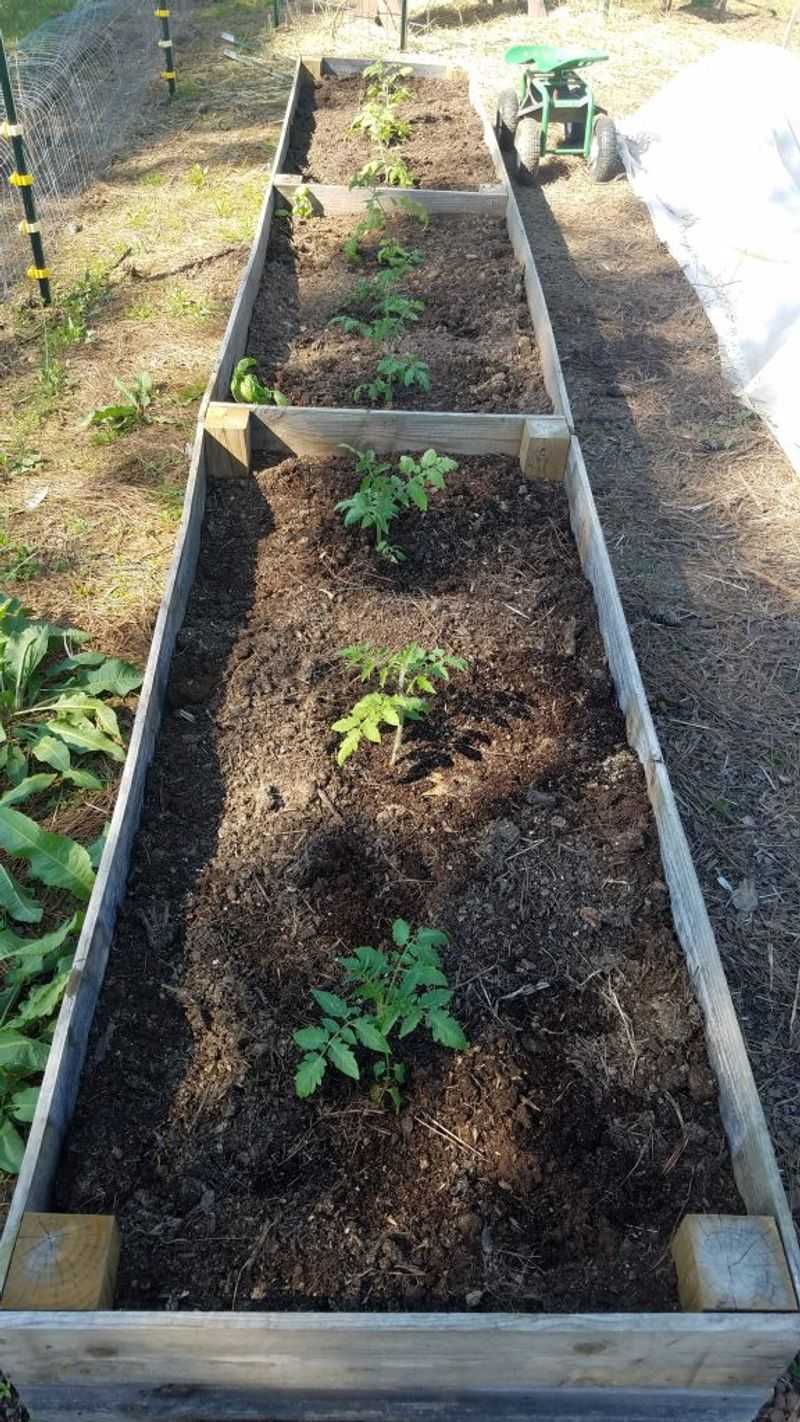
Michigan soils vary wildly from one yard to the next. Heavy clay soils are common across many parts of the state, and while clay holds nutrients well, it also holds water in ways that can seriously stress tomato roots.
Soggy soil cuts off oxygen to roots and creates conditions where root problems thrive, and tomatoes simply do not perform well under those conditions.
Raised beds solve this problem beautifully. Filling a raised bed with a mix of topsoil, compost, and perlite or coarse sand creates a loose, well-draining environment that tomato roots love.
The soil in raised beds also warms up faster in spring, which gives Michigan gardeners a small but meaningful edge at the start of the season when every warm day counts. If raised beds are not an option, amending your existing soil is the next best move.
Working in several inches of compost each year improves soil structure over time, helping water drain through more efficiently while still holding enough moisture for steady plant growth. Compost also feeds beneficial soil organisms that support healthy roots.
Whether you go with raised beds or ground-level amendments, improving drainage is one of the most reliable ways to boost your tomato success in Michigan gardens, season after season, without spending a fortune or doing a lot of extra work.
4. Plant Deep To Encourage Strong Root Systems
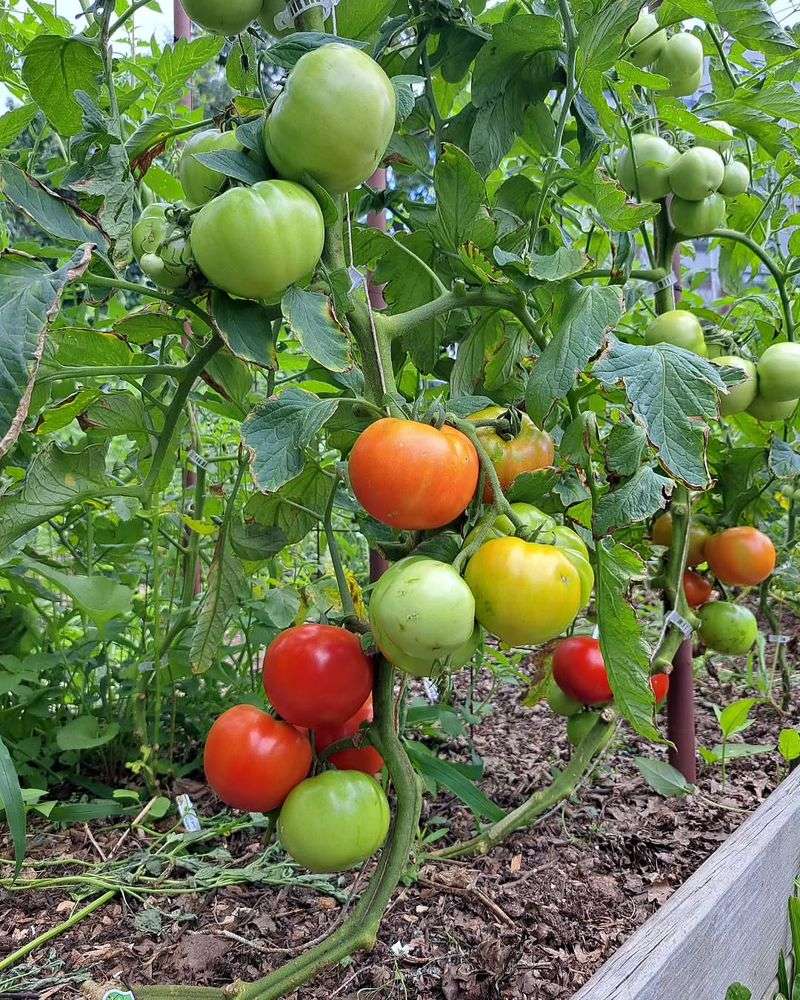
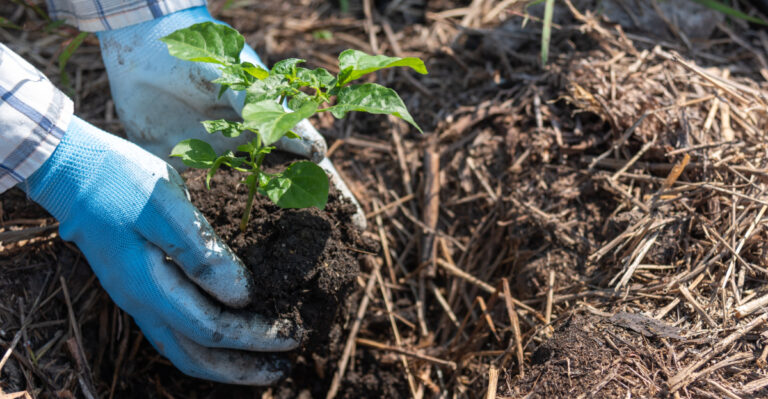
Here is something that surprises a lot of first-time tomato growers: tomato stems can grow roots.
Unlike most vegetables, tomatoes have the ability to sprout roots all along the buried portion of their stem, which means the deeper you plant them, the more extensive the root system becomes.
More roots means better water and nutrient uptake, and a much sturdier plant overall.
When planting in Michigan, bury the seedling deep enough so that only the top two or three sets of leaves remain above the soil. You can plant straight down into a deep hole, or if your soil is still on the cooler side, dig a shallow trench and lay the stem at an angle.
Either method encourages that extra root growth along the buried stem and helps the plant anchor itself firmly in the ground.
Strong root systems are especially valuable in Michigan, where summer temperatures can swing and wind is a regular visitor. Plants with deep, well-developed roots handle dry spells better, bounce back faster after heavy rain, and support bigger fruit loads without tipping over.
It is one of those simple planting techniques that costs nothing extra and delivers results you can actually see by midsummer. Every Michigan tomato grower should make deep planting a standard part of their routine from the very first day of planting season each year.
5. Provide Consistent Watering During Summer Growth
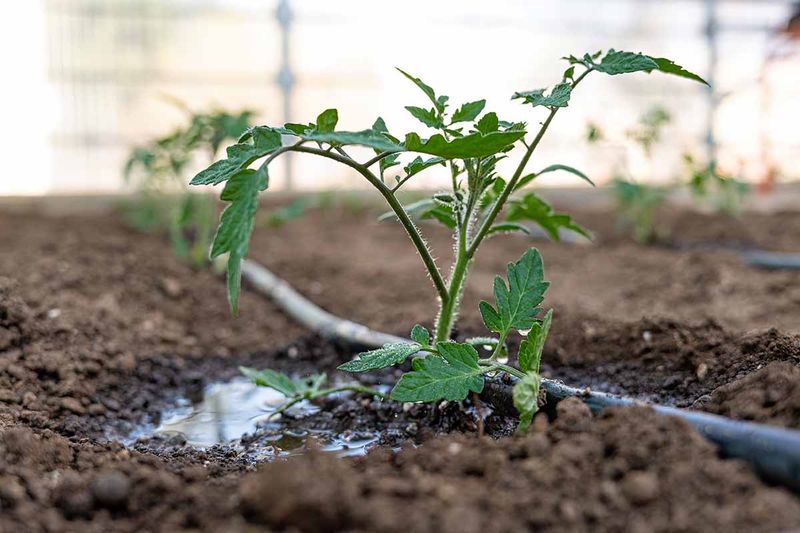
Tomatoes are thirsty plants, but they are also picky about how they get their water. Irregular watering, where plants go from dry to soaking wet and back again, causes a whole range of problems that can ruin a promising harvest.
Blossom-end rot, cracked fruit, and uneven ripening are all linked to inconsistent soil moisture, and Michigan’s summer weather can make steady watering a real challenge.
Aiming for one to two inches of water per week is a solid target for most Michigan gardens during the growing season.
Deep, infrequent watering is better than frequent shallow watering because it encourages roots to grow deeper into the soil, where moisture stays more stable.
Watering at the base of the plant rather than overhead also keeps foliage dry and reduces the risk of fungal problems that are common in Michigan’s humid summers.
Mulching around your tomato plants is a game changer when it comes to moisture management. A two to three inch layer of straw, wood chips, or shredded leaves slows evaporation dramatically and keeps soil temperature more stable during hot July and August days.
Combined with a consistent watering schedule, mulch can cut your watering needs in half while keeping your plants healthier and more productive.
Building this habit early in the season sets your Michigan tomato garden up for a strong, steady performance all the way through harvest time.
6. Support Plants Early To Prevent Damage And Stress
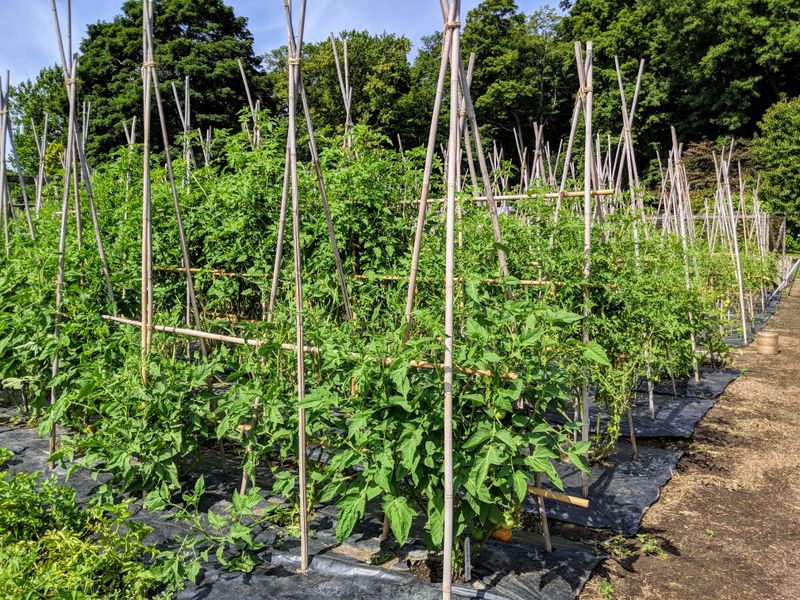
Tomato plants grow fast once Michigan summers kick into gear, and what starts as a small seedling can become a sprawling, fruit-loaded vine in just a few weeks.
Without proper support, heavy branches bend and break, stems get damaged, and the whole plant can tip over in a strong wind.
Getting supports in place early, before the plant really takes off, makes the entire process much easier and less stressful for both you and your plant.
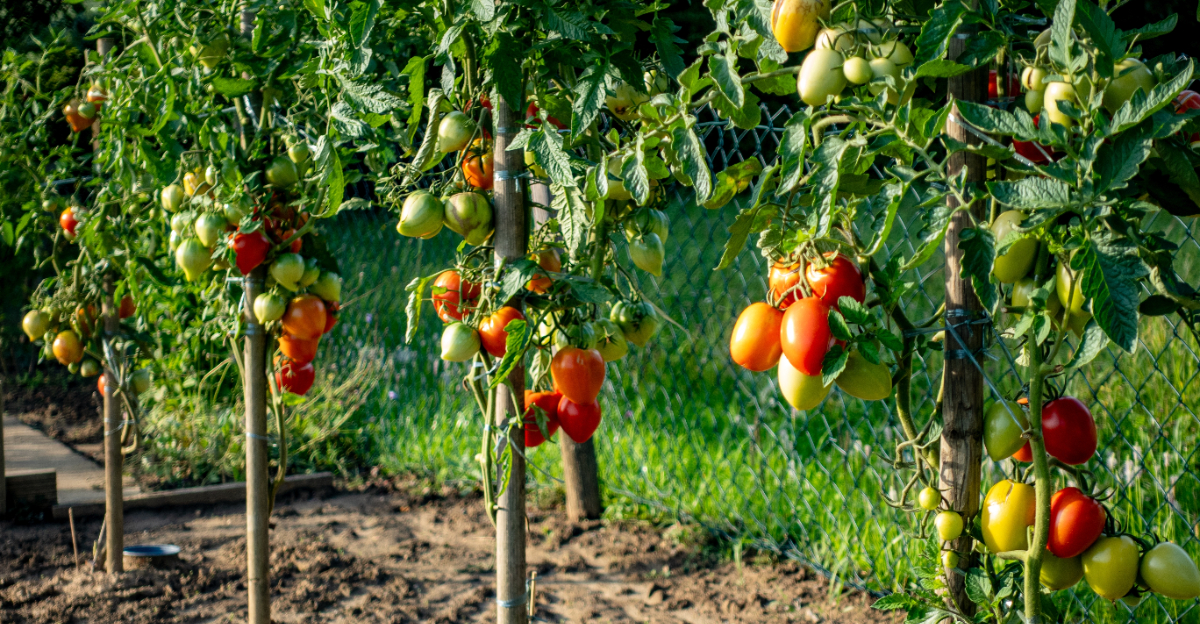
Cages, stakes, and trellises all work well for Michigan tomatoes, and the best choice depends on the variety you are growing. Indeterminate varieties, which keep growing all season, need taller and sturdier support than compact determinate types.
A heavy-gauge wire cage at least five feet tall handles most indeterminate varieties well, while a sturdy wooden stake and some soft ties work great for medium-sized plants.
Early support also improves airflow around the plant, which matters a lot in Michigan’s humid summer conditions. Good airflow reduces moisture buildup on leaves and helps prevent common fungal issues that spread quickly in warm, damp weather.
Tying stems loosely as they grow keeps the plant upright without cutting into the stem.
Taking fifteen minutes to set up proper support at planting time saves hours of frustration later in the season and helps your Michigan tomato plants stay healthy, productive, and standing tall all the way through the last harvest of the year.
7. Watch Late Season Temperatures To Protect Ripening Fruit
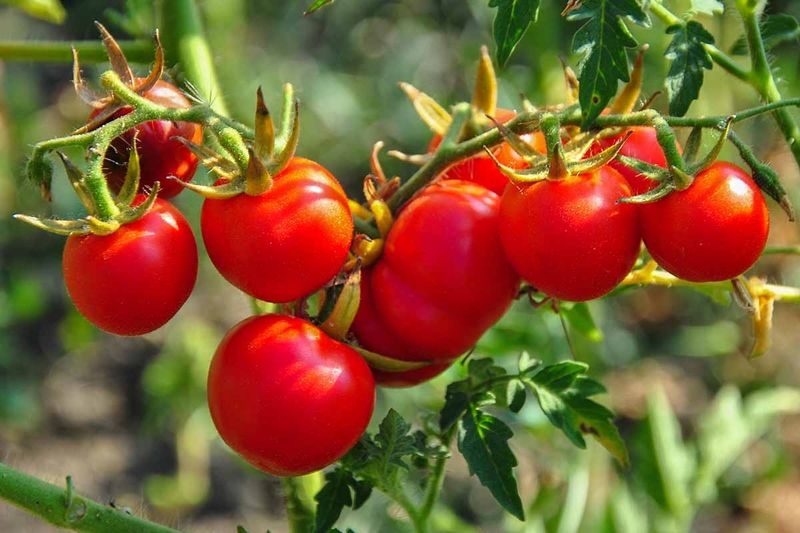
September in Michigan has a sneaky way of arriving faster than expected, and with it come the cooler nights that slow down tomato ripening. Tomatoes need temperatures between 65 and 85 degrees Fahrenheit to ripen properly on the vine.
Once nighttime temperatures drop below 50 degrees consistently, ripening slows to a crawl, and fruit that looked almost ready can seem stuck for days.
Watching the forecast becomes a key part of late-season tomato care across Michigan. When temperatures are expected to drop significantly, picking tomatoes that have started to show color and bringing them indoors to ripen at room temperature is a smart move.
Tomatoes ripen perfectly well off the vine as long as they have already begun to change color, and they often taste just as good as vine-ripened fruit when handled this way.
For fruit that is still fully green, lightweight row covers or old bedsheets draped over plants on cold nights can buy you another week or two of ripening time. Even a few extra warm days can make a big difference in how much fruit you save at the end of the season.
Some Michigan gardeners also try pulling the entire plant and hanging it upside down in a garage to let remaining fruit ripen slowly indoors. With a little attention and quick action, you can squeeze every last ripe tomato out of Michigan’s growing season before the cold truly settles in.