7 Tomato Growing Secrets Every North Carolina Gardener Should Know
Tomatoes are one of the most popular crops in North Carolina gardens, but getting a strong harvest is not always as easy as it seems.
With warm temperatures, high humidity, and sudden weather shifts, these plants can face challenges that catch many gardeners off guard.
What works in other regions does not always bring the same results here. The good news is that a few simple adjustments can make a big difference.
From choosing the right varieties to understanding timing and care, small details often lead to healthier plants and better yields. Gardeners across the state have learned these lessons through experience, and they can help you avoid common setbacks.
Once you understand these seven tomato growing secrets, you can grow stronger plants, reduce problems, and enjoy a more productive season from start to finish.
1. Plant After Soil Warms, Not Just Last Frost
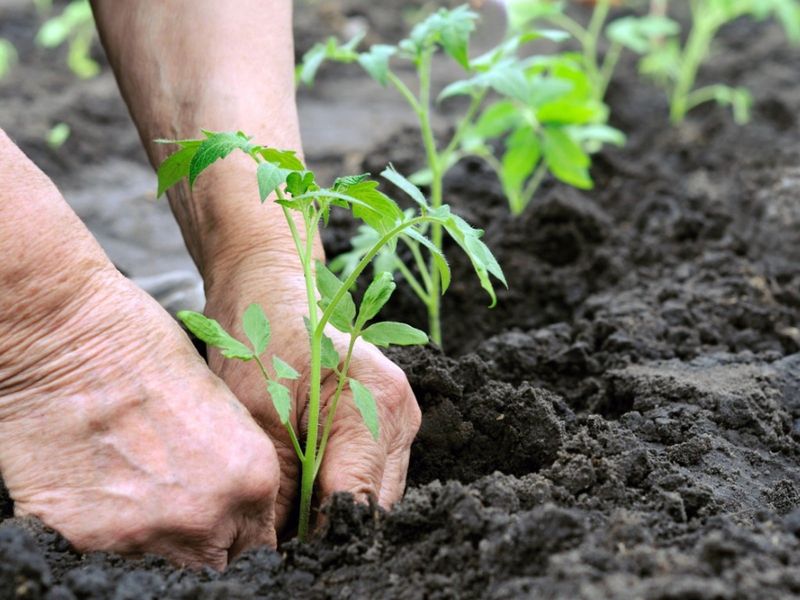
Most gardeners mark the calendar for the last frost date and call it ready, but soil temperature tells a much more honest story. Tomato roots need warmth to grow strong, and cold soil can slow that process down for weeks.
Planting too early might seem like a head start, but it often leads to weak, stressed plants that struggle all season long.
Soil temperatures should stay consistently above 60 degrees Fahrenheit before you put any tomato seedlings in the ground. In the Coastal Plain of North Carolina, that sweet spot usually arrives around mid-April, giving gardeners there a slight edge.
Piedmont gardeners, including those near Raleigh and Charlotte, typically need to wait until late April before conditions are truly ready.
A simple soil thermometer, available at most garden centers, takes the guesswork completely out of this decision. Push it about three to four inches into the ground and check it at the same time each morning for several days.
Consistent readings above 60 degrees mean your tomatoes will hit the ground running with strong early root growth.
Warm soil activates soil biology, encourages nutrient uptake, and helps plants establish quickly before North Carolina’s intense summer heat arrives. Starting right makes every other step easier and more rewarding throughout the season.
2. Improve Clay Soil Before Planting
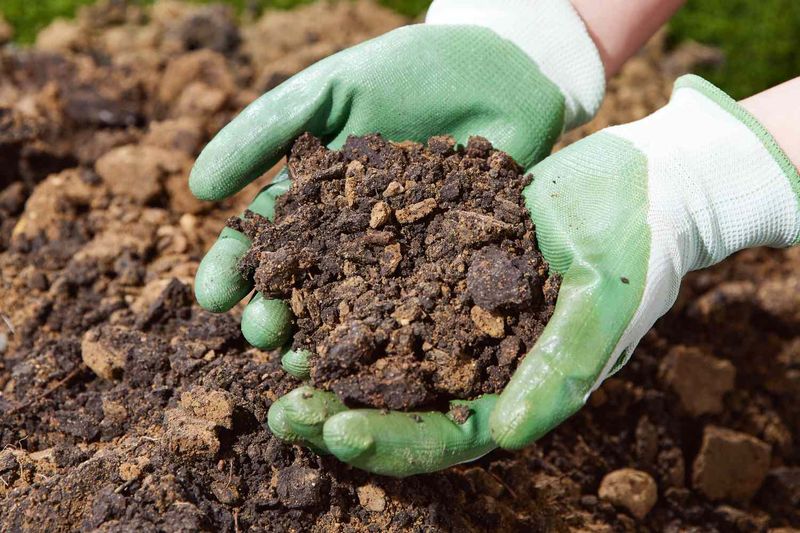
Red clay soil is practically a North Carolina trademark, especially across the Piedmont region. It looks rich and sturdy, but for tomatoes, it can be a real challenge.
Clay holds onto water tightly, compacts under pressure, and leaves very little room for the oxygen that roots absolutely need to grow well.
The good news is that improving clay soil is completely doable with the right approach. Before planting, work in two to three inches of finished compost and mix it into the top eight to ten inches of your garden bed.
Adding pine bark fines alongside compost creates better long-term structure and keeps the soil from compacting again after heavy rains.
North Carolina springs can bring serious rainfall, and summer thunderstorms add even more moisture. Without good drainage, tomato roots sit in waterlogged soil, which stresses the plant and opens the door to root diseases.
Improved soil structure acts like a buffer, letting excess water move through while still holding just enough moisture for steady growth.
A soil test through the North Carolina Department of Agriculture and Consumer Services can also reveal pH levels and nutrient needs specific to your yard. Tomatoes prefer a soil pH between 5.5 and 7.0, so testing first saves time and money.
Better soil from the start means healthier plants, fewer problems, and a much more productive harvest all season long.
3. Plant Deep For Stronger Roots
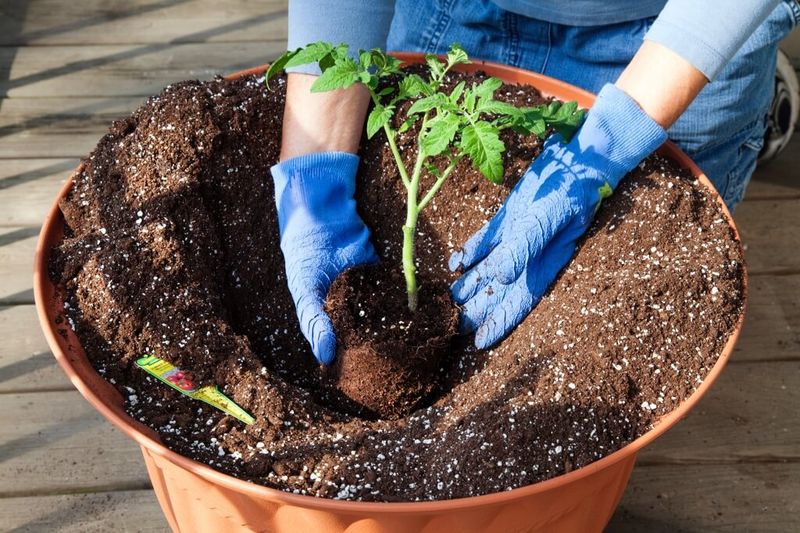
Here is one of the most underused tricks in tomato growing, and it costs absolutely nothing extra. Tomato stems have a remarkable ability to sprout roots along any part of the stem that gets buried in soil.
That means the deeper you plant, the more roots your tomato develops, and more roots translate directly to a stronger, more productive plant.
Before planting, pinch off all the lower leaves, leaving only the top two or three sets of leaves above the soil line. You can plant the seedling straight down into a deep hole or dig a shallow trench and lay the stem at an angle, covering most of it with soil.
Both methods work well, and both create a much more extensive root system than shallow planting ever could.
In North Carolina, where summer temperatures regularly push past 90 degrees and rainfall becomes unpredictable by July and August, deep roots are a genuine lifeline. Plants with shallow roots struggle during dry spells and show stress much faster than deeply rooted ones.
Deep roots can access moisture and nutrients from a larger area of soil, which helps keep the plant productive even when surface conditions get tough.
This simple technique works for both determinate and indeterminate varieties and requires no extra tools or materials. It just takes a little extra time at planting, and the payoff throughout the North Carolina growing season is absolutely worth every minute spent.
4. Mulch Early To Control Heat And Moisture
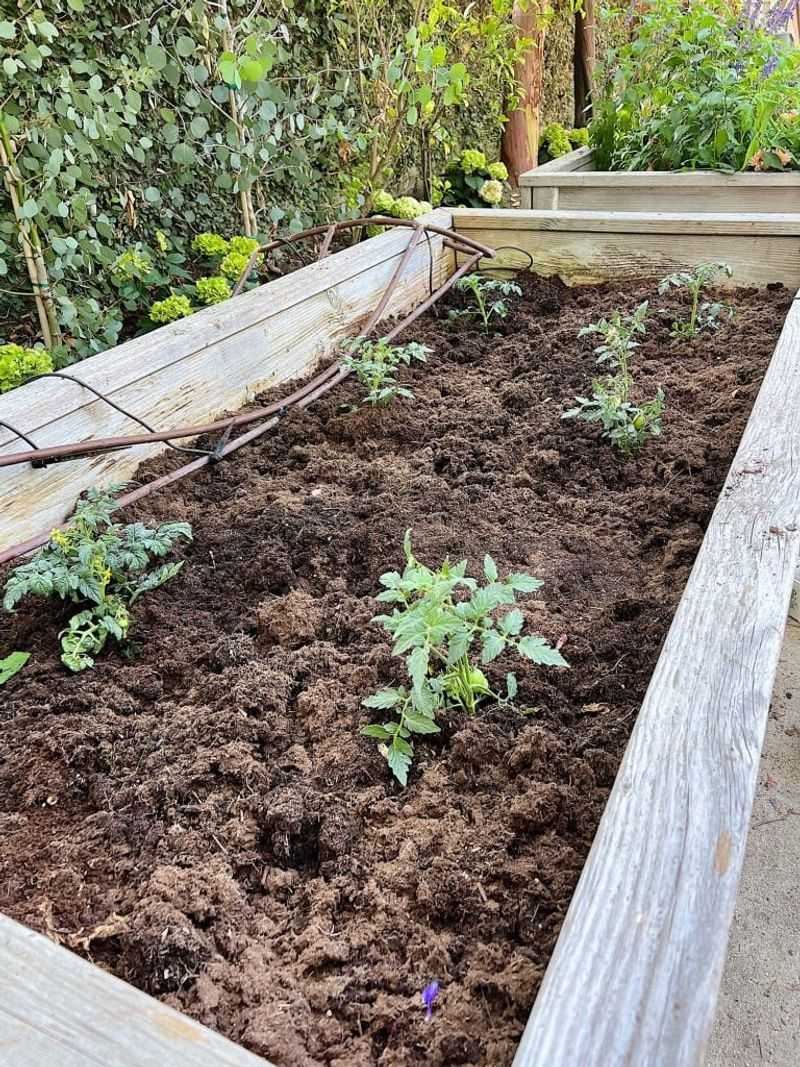
Pine straw is practically the unofficial mulch of North Carolina, and tomato gardeners here have good reason to love it.
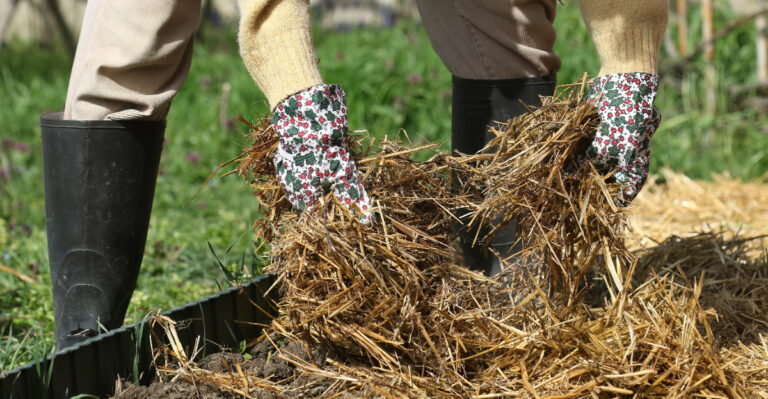
Spreading two to three inches of pine straw or pine bark mulch around your plants right after planting is one of the smartest moves you can make early in the season. It looks tidy, but more importantly, it does serious work protecting your plants all summer long.
Mulch acts as an insulating layer between the soil and the air, slowing down the dramatic temperature swings that North Carolina spring and summer days bring.
On a hot afternoon in the Piedmont or Coastal Plain, bare soil can heat up to temperatures that stress or damage shallow roots.
Mulch keeps that heat from building up and helps the soil stay cooler and more stable throughout the day.
Moisture retention is the other major benefit, and it matters enormously as summer arrives. Mulched soil loses moisture much more slowly than bare soil, which means you water less often and your plants stay more consistently hydrated.
Consistent soil moisture is key to preventing blossom end rot and cracked fruit, both common problems in North Carolina gardens.
There is one more bonus that gardeners often overlook. Mulch prevents soil from splashing up onto leaves during rain or watering, and that splash is one of the main ways fungal diseases like early blight spread.
Laying down mulch early is a simple habit that pays off in multiple ways all season.
5. Water Deeply And Consistently
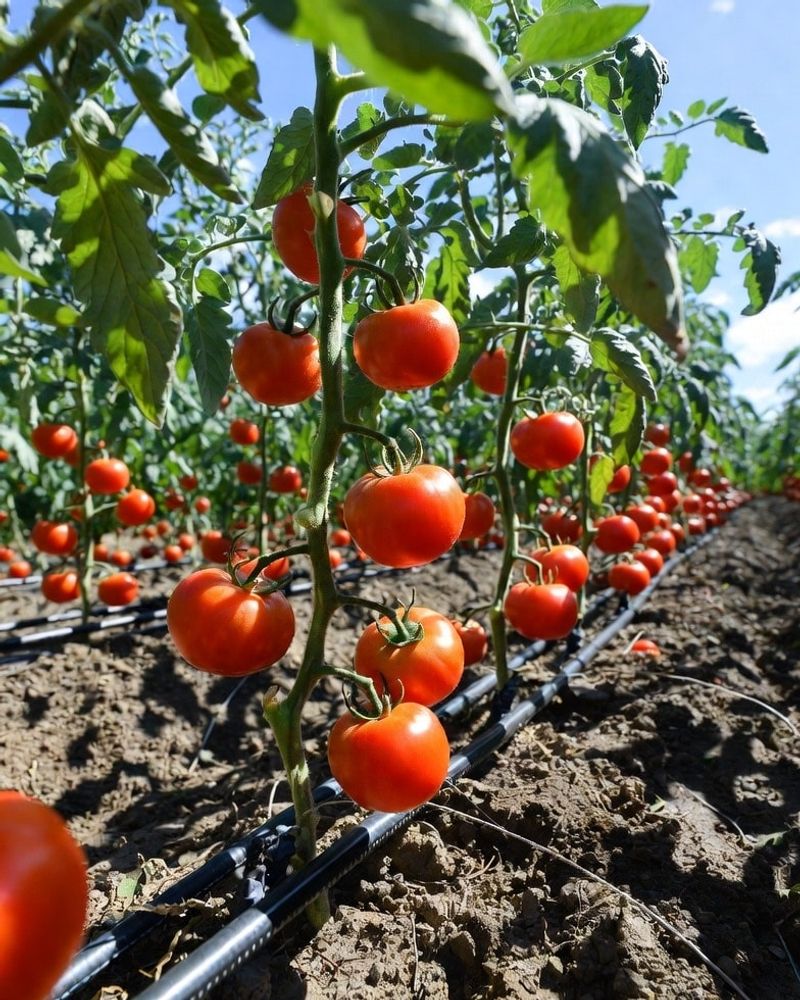
Watering tomatoes sounds simple, but the way you water matters just as much as how often you do it. A quick sprinkle on the surface every day might seem like enough, but it actually encourages roots to stay shallow and close to the surface.
Shallow roots make plants far more vulnerable to heat and dry spells, which North Carolina summers deliver in abundance.
Deep, thorough watering once or twice a week pushes moisture down into the soil, encouraging roots to follow it deeper.
Tomatoes generally need about one to one and a half inches of water per week, and that amount should come from a combination of rainfall and supplemental watering.
A rain gauge in your garden makes it easy to track what nature provides and what you need to add.
One of the most common and frustrating problems North Carolina tomato gardeners face is blossom end rot, that dark, sunken spot on the bottom of the fruit. Uneven watering is the main culprit.
When soil moisture swings between too wet and too dry, the plant cannot absorb calcium efficiently, and blossom end rot develops. Keeping moisture levels steady throughout the season prevents this issue almost entirely.
Soaker hoses and drip irrigation are excellent options because they deliver water directly to the root zone without wetting the foliage.
Wet leaves in North Carolina’s humid summers create ideal conditions for fungal disease, so keeping water at the base of the plant is always the smarter approach.
6. Give Full Sun And Airflow To Prevent Disease
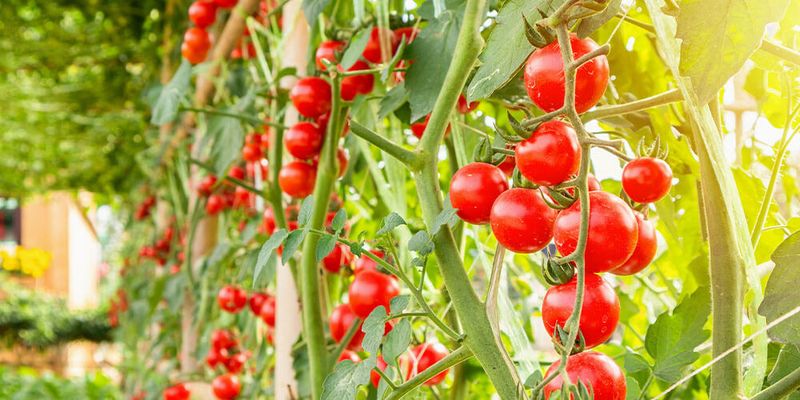
North Carolina’s warm, humid summers are perfect for growing tomatoes, but that same humidity creates a breeding ground for fungal diseases.
Early blight, late blight, and leaf spot are all common problems across the state, and they spread fastest when plants are crowded and airflow is poor.
Giving your tomatoes room to breathe is one of the most effective ways to stay ahead of these issues.
Tomatoes need at least six to eight hours of direct sunlight every day to produce well. Full sun fuels photosynthesis, strengthens the plant, and helps foliage dry out quickly after rain or morning dew.
Shaded plants not only produce less fruit but also stay wet longer, which encourages fungal growth on leaves and stems.
Spacing plants at least three feet apart allows air to move freely between them, reducing the humidity that builds up in dense plantings. As the season progresses, prune away the lower leaves, especially any that are touching the soil.
Lower leaves are usually the first to show signs of disease, and removing them early slows the spread upward through the plant significantly.
Staking or caging your tomatoes also improves airflow by keeping the plant upright and off the ground.
In the Piedmont and Coastal Plain regions of North Carolina, where summer humidity rarely lets up, these small structural habits create a noticeably healthier growing environment.
Consistent pruning and good spacing make a real difference from midsummer all the way through harvest.
7. Choose Heat-Tolerant Varieties For Summer Success
Not all tomatoes handle heat the same way, and that distinction matters a great deal in North Carolina. When daytime temperatures climb above 90 degrees and nighttime temperatures stay above 75, many standard tomato varieties simply stop setting new fruit.
The flowers drop before they can be pollinated, and production comes to a frustrating halt right in the middle of summer.
Choosing heat-tolerant or southern-adapted varieties gives your garden a real advantage when the temperature refuses to cooperate. Varieties like Celebrity, Better Boy, Solar Fire, and Heatmaster are popular with North Carolina gardeners for good reason.
They were developed or selected specifically to keep producing fruit even when temperatures push into ranges that would stall other varieties completely.
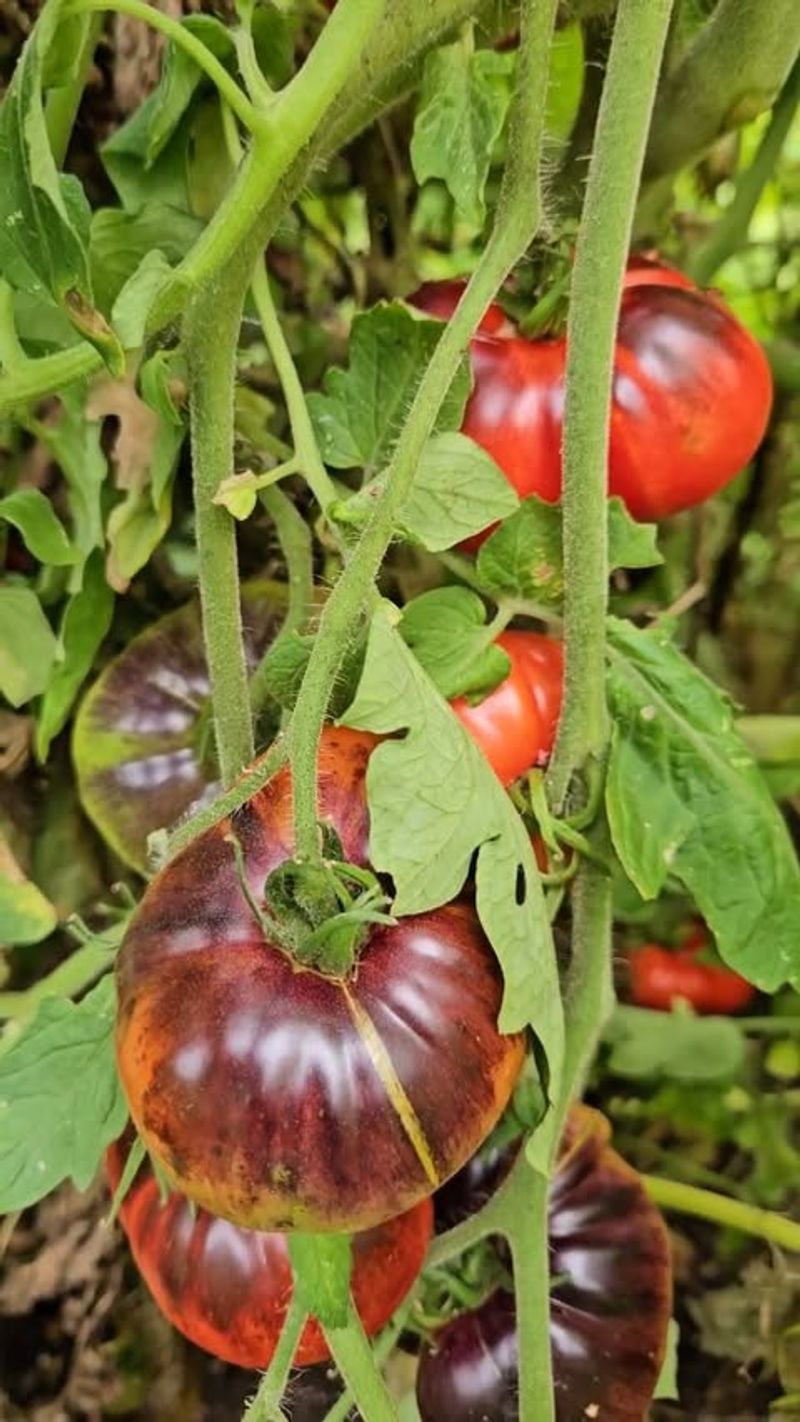
Cherokee Purple, Mortgage Lifter, and Sweet 100 cherry tomatoes are also reliable performers in the state’s warm growing conditions.
Cherry tomato varieties tend to be especially forgiving in high heat, often continuing to set fruit when larger varieties have already shut down production for the season.
If you want reliable harvests from June through September, mixing large-fruited varieties with a cherry or grape tomato is a smart strategy.
North Carolina’s growing season is long enough to support both early spring and late summer plantings in many areas. Starting a second round of transplants in midsummer for a fall harvest is a technique more gardeners are using with great success.
Pairing the right variety with the right planting window is the combination that keeps your garden producing all the way to the first cool nights of autumn.