10 Tomato Varieties That Are Easy For Beginners To Grow In Iowa
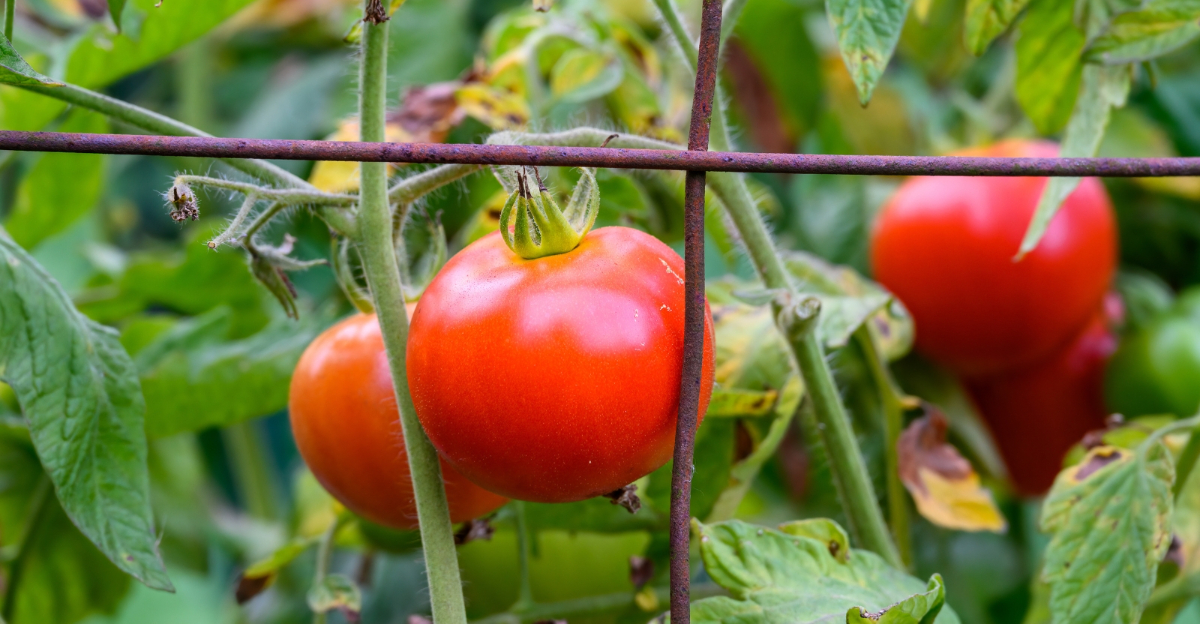
Starting tomatoes in Iowa becomes much easier for beginners when they pick varieties that naturally handle the state’s cool springs and warm, fast-rising summer heat.
Many first-time growers are surprised by how quickly these reliable tomatoes adapt, filling out beds and containers without demanding constant attention.
The right varieties stay steady through sudden temperature swings, which gives new gardeners confidence as plants keep growing even when the weather changes overnight.
Iowa’s long sunny days help these tomatoes set fruit early and often, creating momentum that encourages beginners to keep going as they see visible progress.
These plants forgive small watering or spacing mistakes, allowing beginners to learn as they go instead of worrying about every detail.
They stay manageable and productive. They give growers room to make errors without losing the entire harvest.
Choosing beginner-friendly tomatoes makes the whole process feel smoother, leaving gardeners excited for each stage rather than overwhelmed by it.
By midseason, many Iowa growers realize that starting with these easy varieties sets them up for a stronger, more rewarding harvest than they ever expected.
1. Early Girl
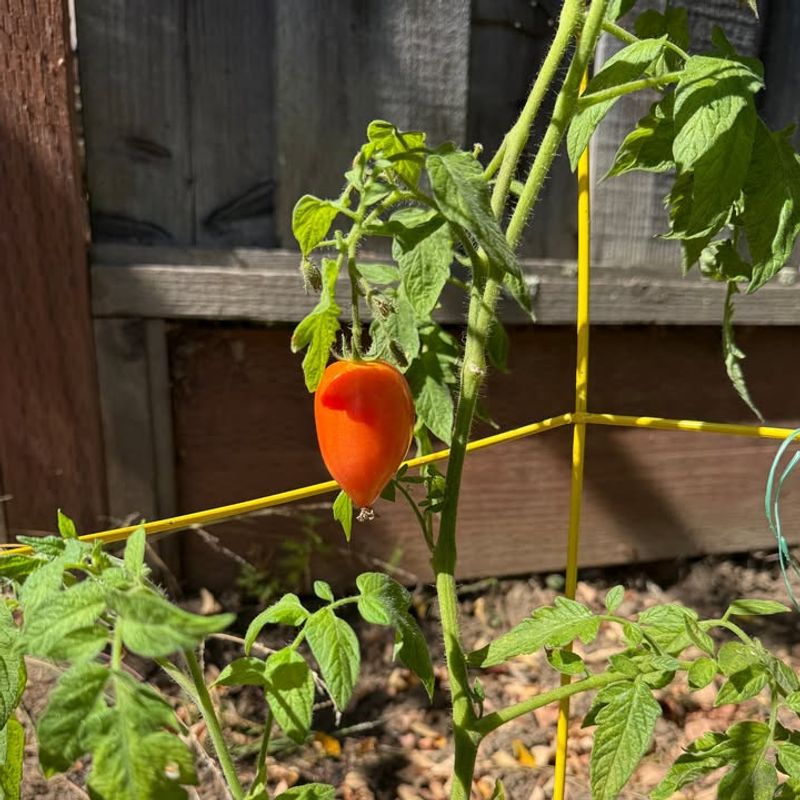
Gardeners across Iowa appreciate how quickly this variety produces ripe fruit compared to many other options. When you plant Early Girl tomatoes, you’re choosing a variety that matures in about 50 to 60 days, which means you’ll be enjoying fresh tomatoes before summer reaches its peak heat.
This quick turnaround makes it perfect for beginners who want to see results fast and stay motivated throughout the growing season.
Most new gardeners worry about complex care routines, but this variety keeps things simple. Early Girl plants grow to a medium height and don’t require constant pruning or complicated staking systems.
You can support them with a basic tomato cage from any garden center, and they’ll thrive with regular watering and some sunshine.
Iowa’s unpredictable spring weather doesn’t faze this tough plant. It handles cooler temperatures better than many tomato varieties, so you can transplant seedlings outdoors a bit earlier without too much risk.
The fruit itself is medium-sized, bright red, and perfect for slicing onto sandwiches or tossing into salads.
Flavor-wise, you’ll notice a nice balance of sweetness and acidity that works well in almost any recipe. Early Girl tomatoes have that classic tomato taste people expect, making them a crowd-pleaser at family dinners.
Production continues throughout the season, giving you multiple harvests rather than one big wave of fruit.
Disease resistance is another strong point for beginners working with Iowa soil. Early Girl shows good tolerance to common tomato diseases like verticillium wilt and fusarium wilt, which means fewer headaches and less need for chemical treatments.
Your plants stay healthier longer, and you spend more time enjoying gardening rather than troubleshooting problems.
2. Celebrity
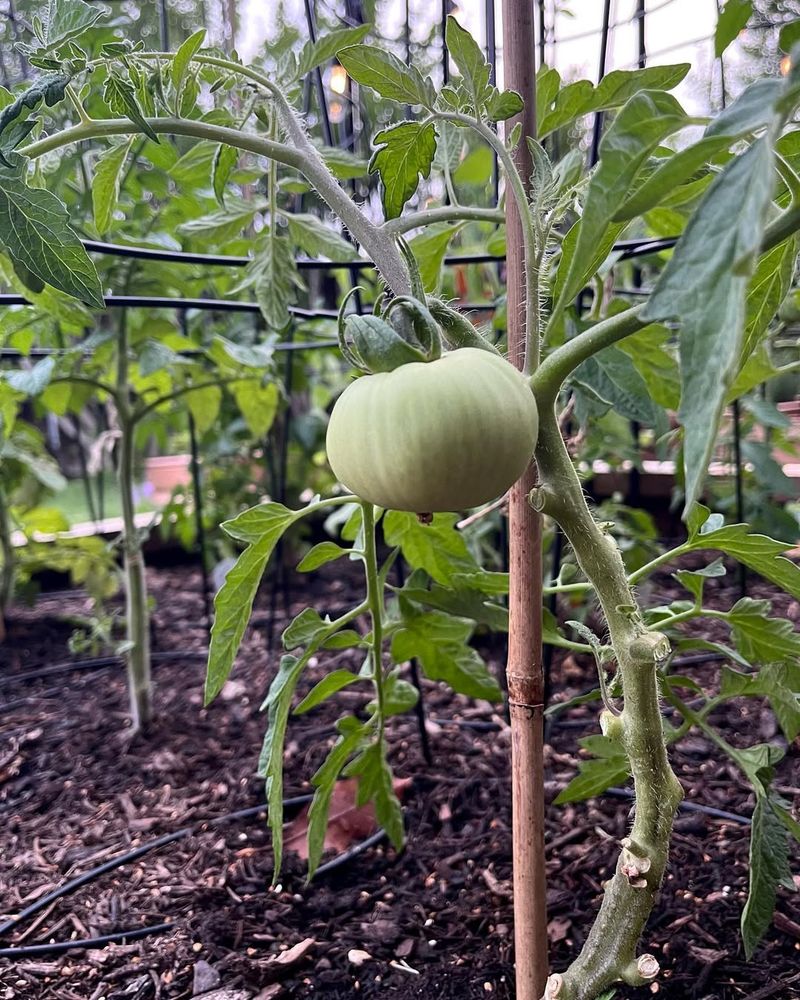
Winning an All-America Selections award isn’t something that happens to just any tomato variety. Celebrity earned this recognition because it delivers consistent results across different climates and soil types, making it a smart choice for Iowa gardeners who want dependable performance.
This variety has built a reputation over decades for being nearly foolproof, which is exactly what beginners need.
Size matters when you’re planning your garden space, and Celebrity plants reach a determinate height of about three to four feet. Determinate varieties like this one stop growing at a certain point and produce most of their fruit within a concentrated period.
This growth habit makes them easier to manage than sprawling indeterminate types that keep growing all season.
Iowa’s summer heat doesn’t slow down Celebrity tomatoes. They produce medium to large fruits that typically weigh around eight ounces each, with a beautiful deep red color when fully ripe.
The firmness of these tomatoes makes them excellent for slicing, and they hold up well if you need to transport them to a potluck or farmers market.
Disease resistance ranks among the top reasons experienced gardeners recommend Celebrity to newcomers. This variety shows strong resistance to verticillium wilt, fusarium wilt, nematodes, and tobacco mosaic virus.
In Iowa, where soil conditions vary widely, this built-in protection helps ensure your plants stay productive even if neighboring gardens struggle with disease issues.
Flavor delivers that traditional tomato taste with a good balance that works for fresh eating and cooking. You won’t find extreme sweetness or acidity here, just a reliable, pleasant flavor that reminds you why homegrown tomatoes beat store-bought options every time.
Many gardeners use Celebrity tomatoes for canning and sauce-making because the flavor holds up well to processing.
3. Better Boy
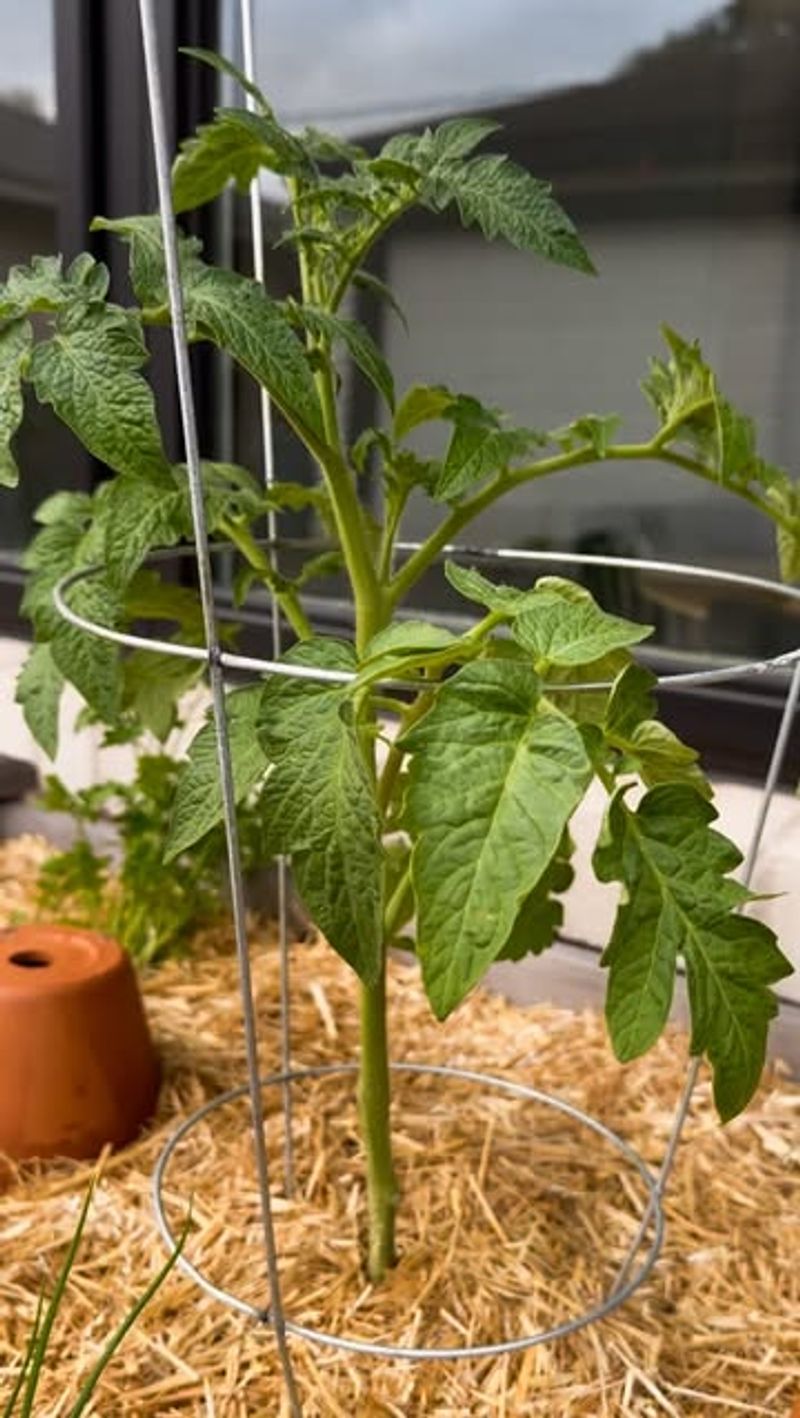
Hybrid vigor gives this variety an edge that beginners will notice right away. Better Boy combines the best traits from different parent plants, resulting in tomatoes that grow vigorously, resist diseases, and produce abundantly throughout the Iowa growing season.
You’re getting the benefit of careful plant breeding that took years to perfect.
Indeterminate growth means these plants keep growing taller and producing fruit until frost arrives in fall. In Iowa, this translates to a long harvest period that extends from midsummer well into September or even early October in warmer years.
You’ll need sturdy support structures because these plants can reach six feet or more under ideal conditions.
Fruit size impresses even experienced gardeners, with individual tomatoes often weighing one pound or more. Better Boy produces large, meaty tomatoes with few seeds and thick walls that make them perfect for slicing.
The size and quality rival anything you’d find at a specialty grocery store, but with flavor that’s infinitely better.
Iowa’s variable weather patterns don’t intimidate this resilient variety. Better Boy handles temperature fluctuations reasonably well and continues setting fruit even when nights cool down in late summer.
This adaptability helps ensure you get a good harvest regardless of whether the season turns out unusually hot, cool, wet, or dry.
4. Roma
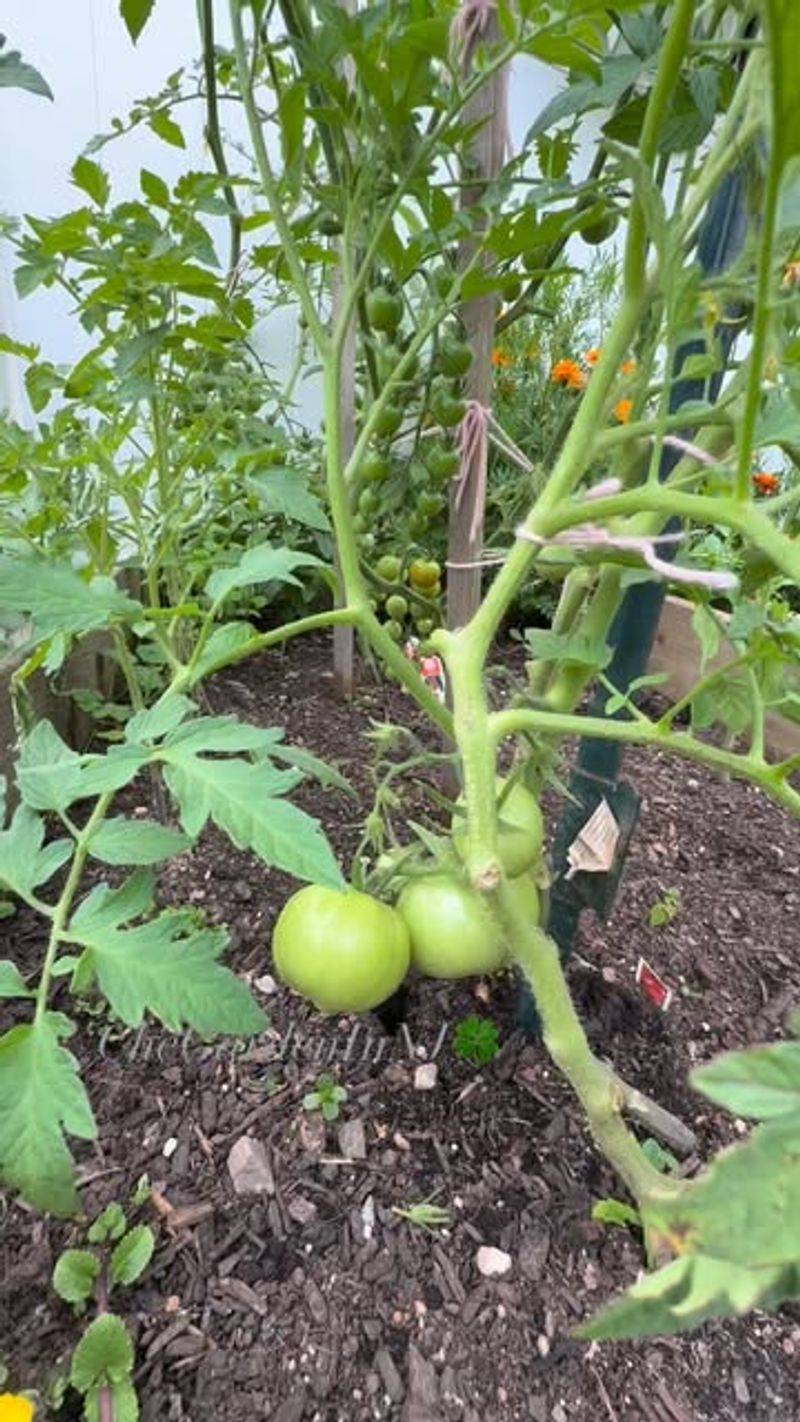
Paste tomatoes serve a different purpose than slicing varieties, and Roma excels at what it does. If you’re interested in making sauce, salsa, or canning tomatoes for winter use, this variety delivers exactly what you need.
Iowa gardeners who preserve their harvest appreciate how Roma tomatoes have less juice and more flesh than other types.
Shape distinguishes Roma from round slicing tomatoes immediately. The elongated, egg-like form contains fewer seed cavities and thicker walls, which means more usable tomato flesh per fruit.
When you cut into a Roma, you’ll notice how solid and meaty it feels compared to juicier varieties.
Determinate growth keeps these plants at a manageable size of about three to four feet tall. Roma plants produce most of their fruit within a two to three week window, which works perfectly if you’re planning a big canning or sauce-making session.
Having lots of tomatoes ripen at once lets you process them efficiently rather than dealing with small batches over many weeks.
Iowa’s climate suits Roma tomatoes well because they mature in about 75 to 80 days. This timing means you’ll harvest in mid to late summer when kitchens aren’t yet overwhelmed with other garden produce.
The concentrated harvest also happens before fall diseases become problematic in many Iowa gardens.
Flavor leans toward the mild side with lower acidity than some varieties. Roma tomatoes won’t give you that bright, tangy punch you might want in a fresh salad, but they’re perfect for cooking because the flavor concentrates beautifully when you simmer them down.
The natural sweetness becomes more pronounced in cooked dishes.
5. Cherry Tomatoes
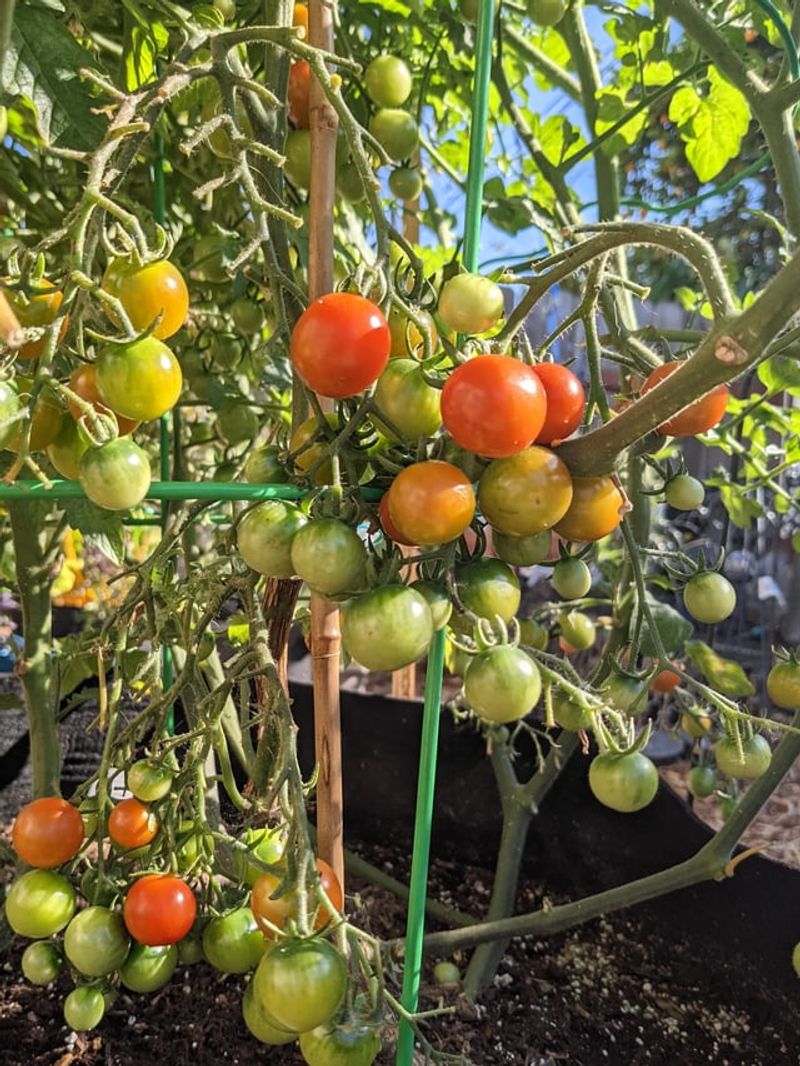
Small size packs big flavor into every bite-sized fruit. Cherry tomato varieties produce hundreds of tiny tomatoes throughout the Iowa growing season, giving you a continuous supply for snacking, salads, and roasting.
Kids especially love popping these sweet little tomatoes straight into their mouths, which makes them great for getting young people interested in gardening.
Variety names include Sweet 100, Sun Gold, and many others, but they all share similar growing characteristics. Most cherry tomatoes are indeterminate plants that grow tall and keep producing until frost.
In Iowa, this means you’ll harvest cherry tomatoes from July right through September and sometimes into October.
Sweetness levels often surprise people who’ve only tasted store-bought cherry tomatoes. Homegrown varieties like Sun Gold have an intensely sweet, almost fruity flavor that makes them irresistible.
The sugar content in these little tomatoes rivals that of many fruits, which explains why they disappear so quickly once you start harvesting.
Growing cherry tomatoes in Iowa requires minimal expertise. These plants are forgiving of minor care mistakes and bounce back from stress better than larger-fruited varieties.
If you forget to water one day or get busy and don’t prune as planned, cherry tomatoes usually keep producing without complaint.
Support becomes crucial because cherry tomato plants can grow eight feet tall or more. Plan for tall, sturdy stakes or cages that can handle the weight of long vines covered in clusters of fruit.
Iowa winds can knock over poorly supported plants, so invest in quality materials from the start.
Harvest happens almost daily once production begins. Cherry tomatoes ripen quickly, and you’ll want to pick them frequently to encourage more flowering and fruit set.
This regular harvesting also prevents overripe tomatoes from dropping and making a mess in your garden.
6. Patio Tomatoes
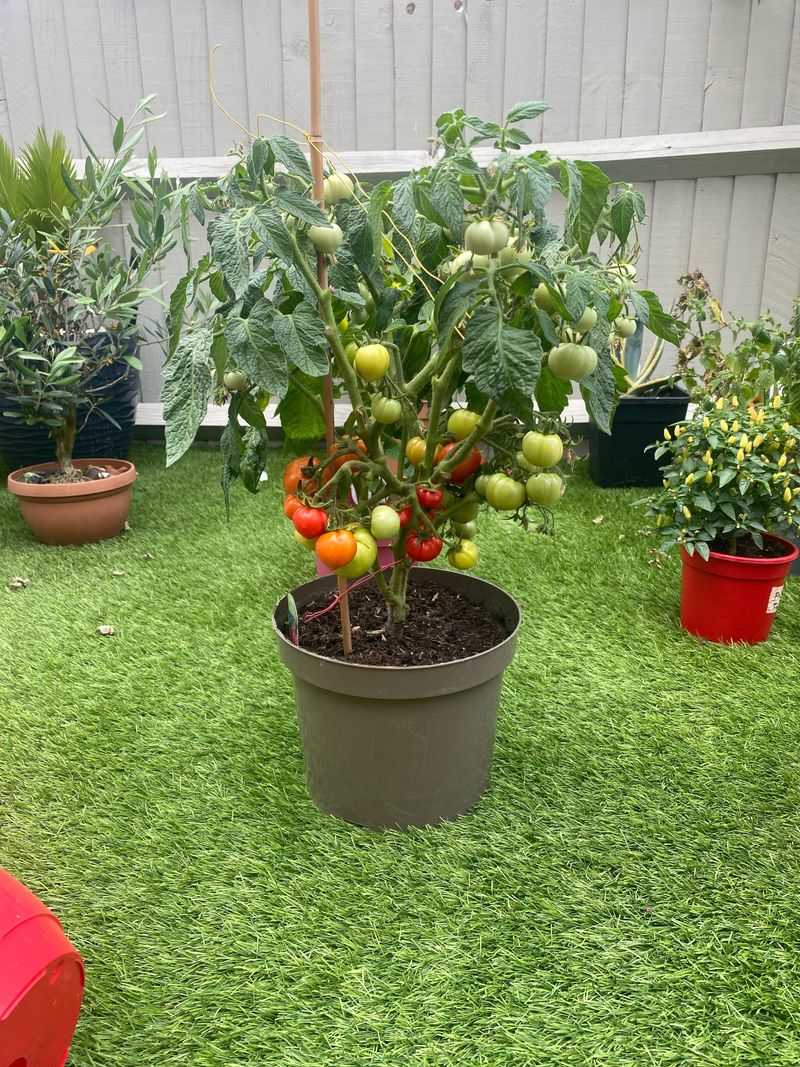
Container gardening opens up tomato growing to people without traditional garden space. Patio varieties are bred specifically to thrive in pots on decks, balconies, or even sunny windowsills.
Iowa gardeners with limited yard space or those who rent their homes find these compact plants perfect for enjoying homegrown tomatoes without needing an in-ground garden.
Compact size defines patio tomato varieties, with plants typically staying under two feet tall. This dwarf growth habit means they won’t outgrow their containers or need extensive staking.
You can fit several patio tomato plants in a small space, creating an attractive and productive display on your Iowa patio or balcony.
Fruit production impresses considering how small the plants are. Patio tomatoes produce regular-sized fruits or sometimes slightly smaller ones, depending on the specific variety.
The yield might not match a full-sized plant in the ground, but you’ll still harvest plenty of tomatoes for fresh eating throughout the summer.
Container selection matters more than beginners often realize. Choose pots that are at least 12 inches in diameter and have drainage holes to prevent waterlogged soil.
In Iowa’s summer heat, dark-colored containers can get quite hot, so consider lighter colors or place pots where they’ll get some afternoon shade to protect roots.
Soil quality affects container plants more than in-ground ones. Use a good-quality potting mix rather than garden soil, which compacts in containers and doesn’t drain properly.
Potting mix stays light and fluffy, allowing roots to grow freely and water to drain while still retaining enough moisture to keep plants happy.
Watering frequency increases dramatically for container tomatoes. Pots dry out much faster than garden soil, especially during Iowa’s hot July and August weather.
You might need to water daily or even twice daily during heat waves. Sticking your finger into the soil helps you determine when watering is actually needed.
7. Bush Goliath
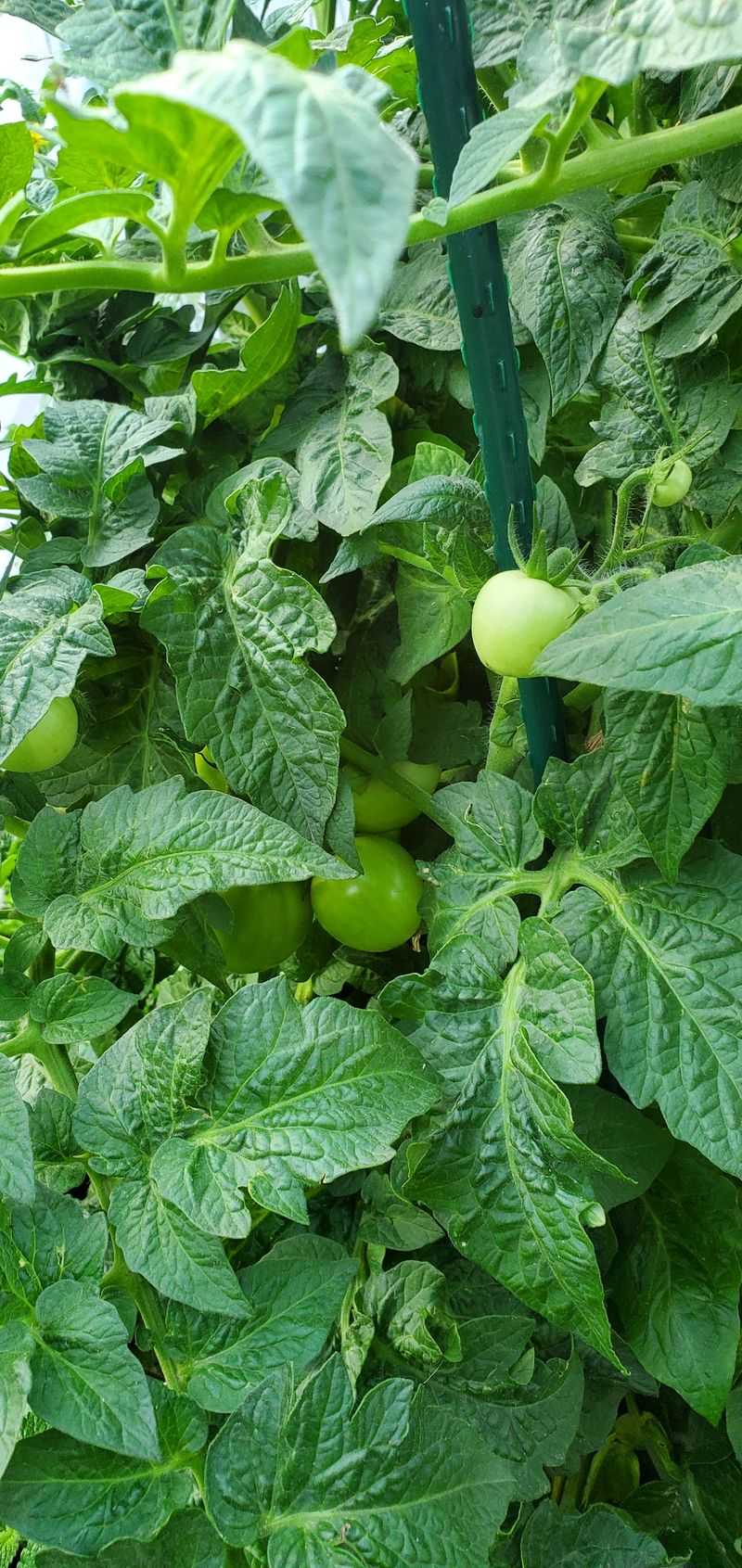
Combining large fruit with compact plants seems almost too good to be true. Bush Goliath manages exactly this combination, producing tomatoes that can weigh up to one pound on plants that stay about three to four feet tall.
Iowa gardeners with limited space appreciate getting big slicing tomatoes without dedicating huge areas to sprawling vines.
Determinate growth habit means you’ll get a concentrated harvest over a few weeks. Bush Goliath plants stop growing at a certain height and focus their energy on ripening fruit.
This makes them easier to manage than indeterminate varieties that keep growing indefinitely and require constant attention throughout the Iowa summer.
Fruit quality rivals that of much larger plant varieties. Bush Goliath tomatoes have excellent flavor with a nice balance of sweetness and acidity.
The large size and meaty texture make them ideal for thick sandwich slices or stuffing recipes. You won’t sacrifice taste or size just because the plant itself is more compact.
Support requirements are moderate compared to tall indeterminate varieties. A sturdy tomato cage or simple stake system works well for Bush Goliath in Iowa gardens.
The plants can handle the weight of their fruit without elaborate support structures, though some reinforcement helps prevent branches from breaking under heavy loads.
8. Mountain Fresh
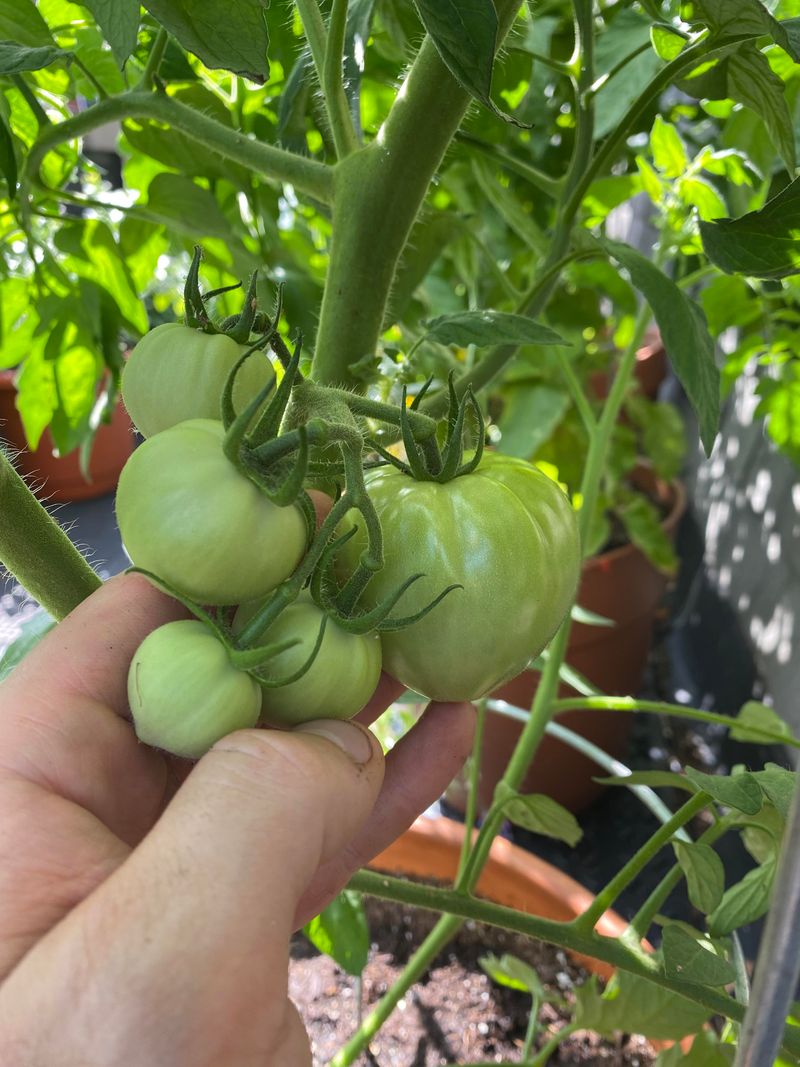
Developed specifically for challenging climates, this variety brings professional breeding to the home garden. Mountain Fresh was created to handle temperature swings and resist diseases, making it surprisingly well-suited to Iowa’s unpredictable weather patterns.
Beginners benefit from the built-in toughness that plant breeders spent years developing.
Plus varieties indicate improved disease resistance compared to the original Mountain Fresh. If you see Mountain Fresh Plus at your Iowa garden center, grab it for extra protection against fusarium wilt, verticillium wilt, and nematodes.
This added resistance provides insurance against common soil problems that frustrate new gardeners.
Fruit size falls into the large category, with tomatoes typically weighing 10 to 12 ounces. Mountain Fresh produces beautiful, smooth-skinned tomatoes with excellent color and few blemishes.
The appearance is good enough for farmers market sales if you decide to grow extra and share your success with others.
Determinate plants reach a manageable height of about four feet. Mountain Fresh sets fruit reliably even when temperatures aren’t ideal, which happens frequently during Iowa summers.
The plants keep producing through heat waves that slow down less adaptable varieties, ensuring you get a good harvest regardless of weather.
Flavor offers that classic tomato taste with good acid-to-sugar balance. Mountain Fresh tomatoes work well for fresh eating and also hold up nicely in cooking applications.
The firm texture means slices don’t turn to mush on sandwiches, and the flavor stands up to other ingredients in salads and salsas.
Planting in Iowa should follow standard tomato guidelines, with transplants going into the ground after the last frost date.
9. Juliet
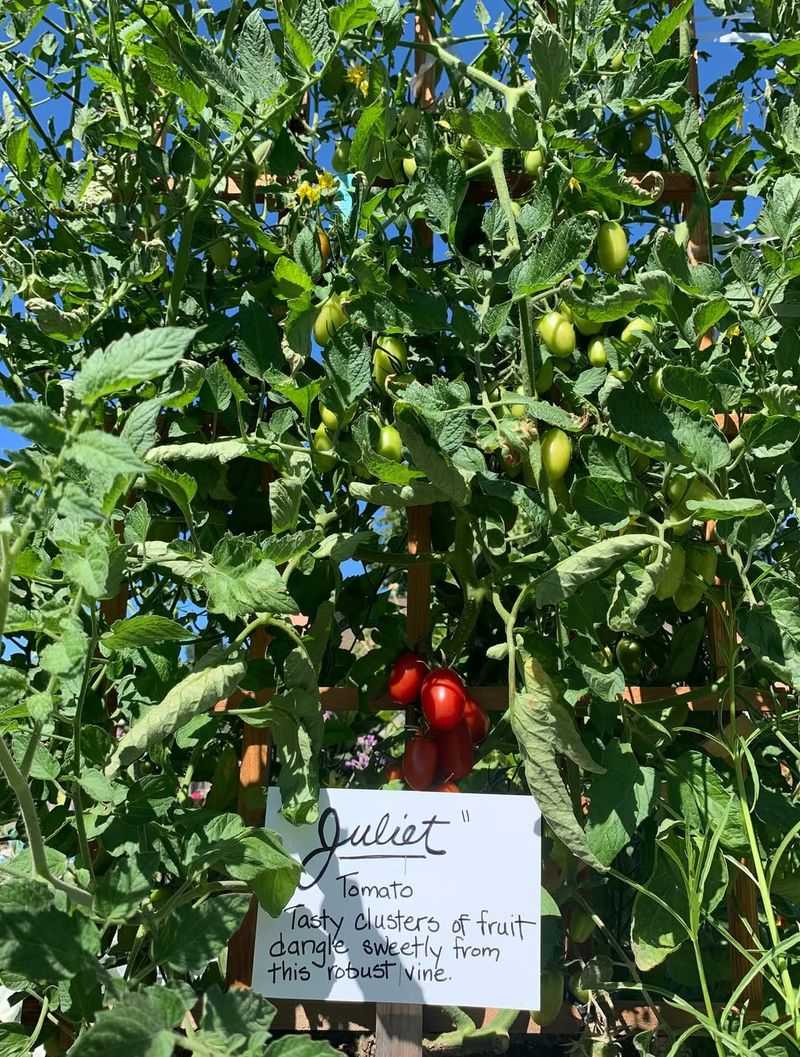
Winning an All-America Selections award puts any vegetable in elite company. Juliet earned this recognition for outstanding performance across different growing regions, including areas with climates similar to Iowa.
This grape tomato variety combines reliability with exceptional flavor, making it a favorite among gardeners who’ve tried it.
Grape tomatoes differ slightly from cherry types in their elongated shape. Juliet produces clusters of small, oval fruits that weigh about one ounce each.
The shape and size make them perfect for skewering, roasting, or just eating by the handful straight from the Iowa garden.
Indeterminate growth means these plants keep producing throughout the season. Juliet vines can reach six feet or more, requiring substantial support structures.
The investment in tall stakes or sturdy cages pays off with continuous harvests from midsummer until frost ends the growing season in Iowa.
Sweetness levels rival those of candy, which explains why kids and adults alike love snacking on Juliet tomatoes. The sugar content is remarkably high for a tomato, creating an almost dessert-like quality.
Despite the sweetness, there’s enough acidity to maintain that characteristic tomato flavor rather than tasting like pure sugar.
Disease resistance helps Juliet plants stay productive when other varieties struggle. The vigorous growth seems to help these plants outgrow many problems, and they show good tolerance to late blight, which can devastate tomato crops in wet Iowa summers.
This resilience gives beginners a better chance of success even in challenging years.
10. Fourth Of July
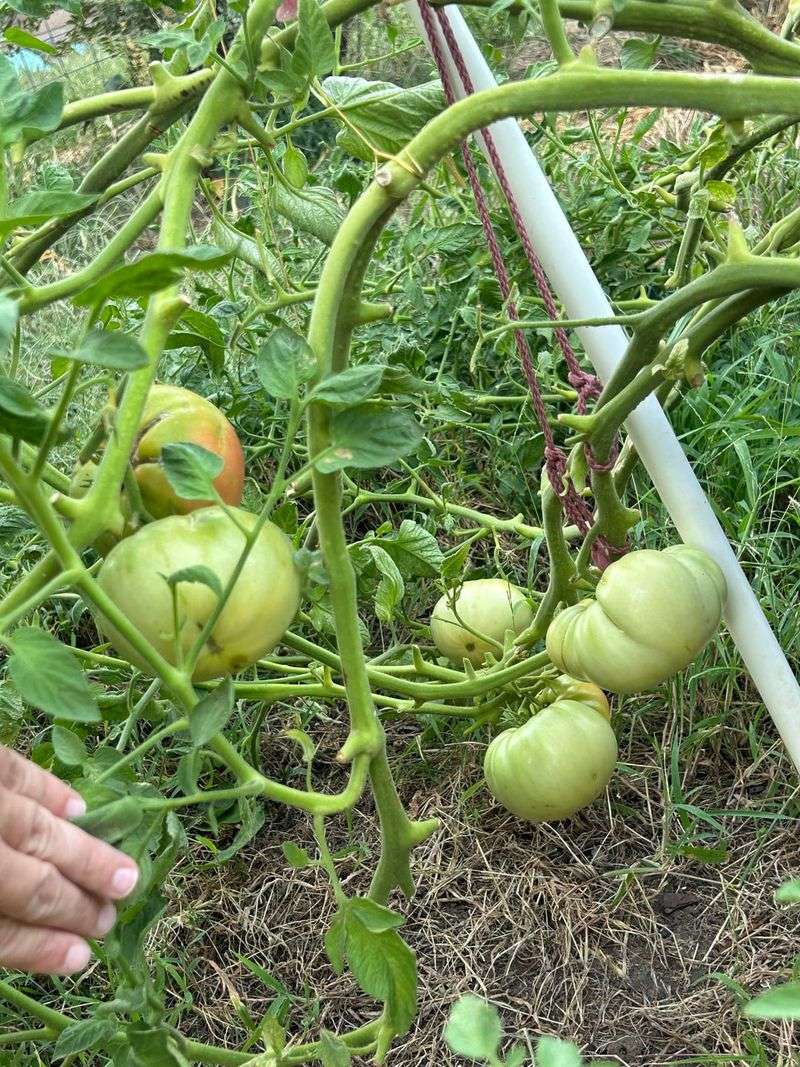
Speed matters when you’re eager to taste your first homegrown tomato. Fourth Of July lives up to its name by producing ripe fruit in as little as 49 days, making it one of the fastest tomatoes you can grow in Iowa.
This quick maturity means you could theoretically have ripe tomatoes by Independence Day if you plant early enough, though timing varies with local conditions.
Early maturity offers advantages beyond just satisfying impatience. Getting tomatoes before the peak of summer heat helps you avoid some pest and disease problems that build up as the season progresses.
Iowa gardeners appreciate having ripe tomatoes before the intense humidity of late July and August encourages fungal issues.
Fruit size falls into the medium category, with tomatoes weighing about four ounces. Fourth Of July produces classic red, round tomatoes with good flavor for such an early variety.
Early tomatoes sometimes sacrifice taste for speed, but this variety manages to deliver both reasonably well.
Indeterminate growth means the plants continue producing after that first early flush of fruit. While the variety name suggests a one-time harvest around the holiday, Fourth Of July actually keeps setting fruit throughout the Iowa summer.
You’ll get the earliest tomatoes in your neighborhood plus continued production for weeks afterward.
Disease resistance includes tolerance to late blight and verticillium wilt. The early maturity helps these plants get a head start before many diseases become active in Iowa gardens.
By the time problems typically appear, Fourth Of July has already produced a significant portion of its crop.
Planting strategy can push the harvest even earlier if you’re willing to take some calculated risks. Using season extension techniques like wall-o-water protectors or row covers, Iowa gardeners can transplant Fourth Of July seedlings a week or two before the official last frost date.