Tomatoes In Ohio Will Be Bigger And Tastier If You Do This When Fertilizing
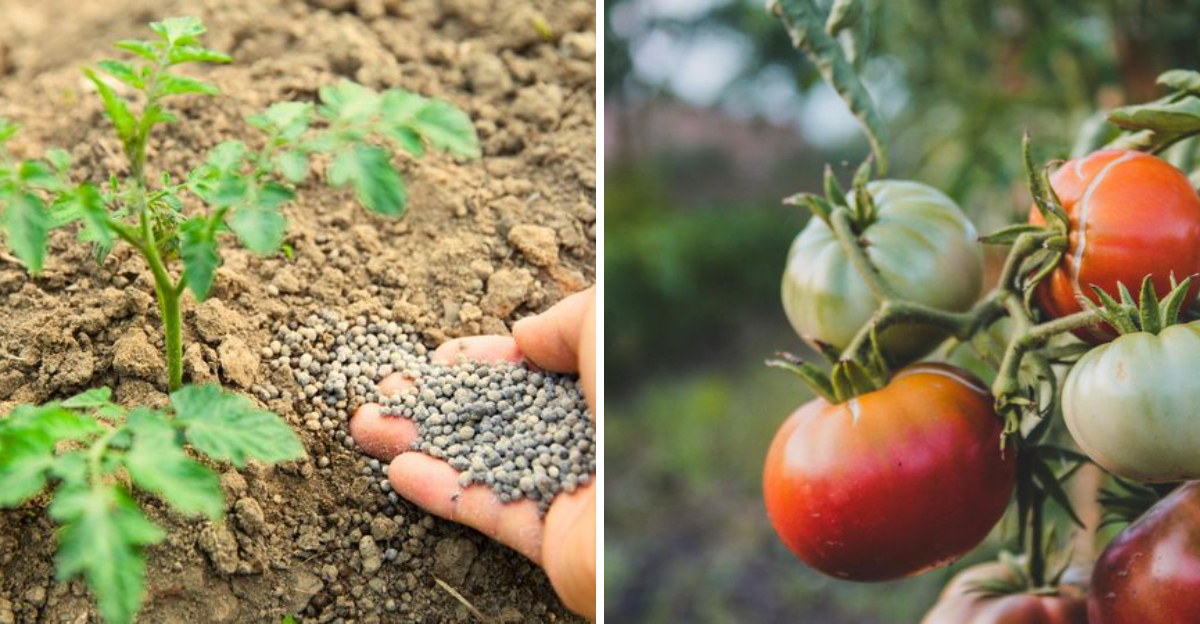
Ohio tomato growers, this is the season where good plants turn into great harvests. You can plant the right variety, water on schedule, and still end up with bland tomatoes and small yields if fertilizing is done the wrong way.
One simple change can boost flavor, increase fruit size, and help your plants stay strong through heat waves and summer storms. This is not about buying expensive products or doing anything complicated.
It is about timing and using nutrients the smart way for Ohio soil and weather conditions. If you want juicy, red tomatoes that actually taste like summer and fill your baskets instead of leaving you disappointed, this tip is a game changer.
Your garden and your dinner table are about to get a serious upgrade.
1. Test Your Soil Before You Fertilize Anything
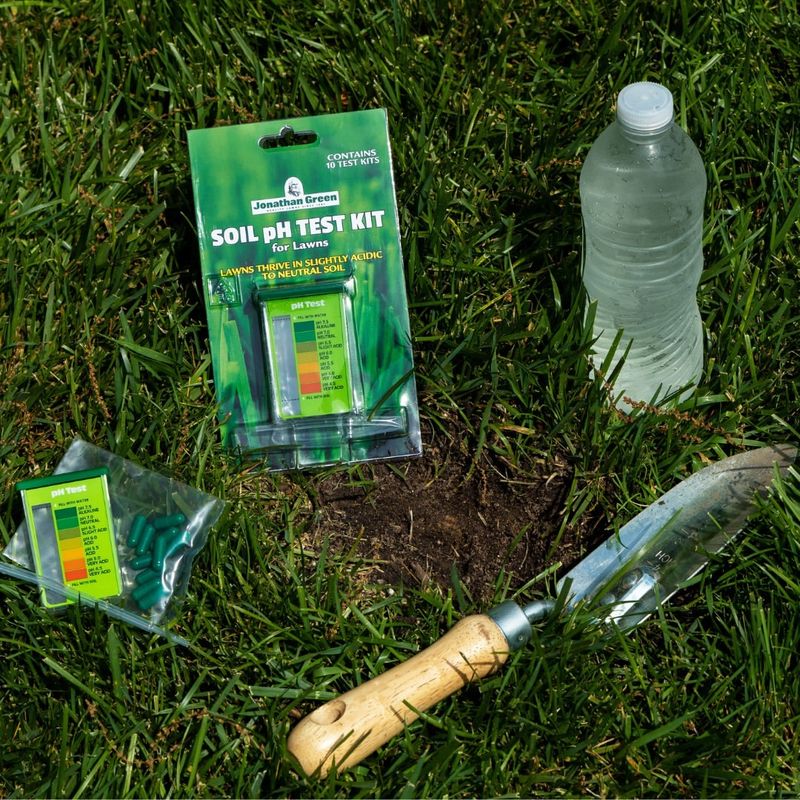
Walk into your backyard in early spring and look at the soil where you plan to grow tomatoes this year. The ground might look rich and dark, or perhaps it has that heavy clay texture common across so many Ohio gardens.
What you cannot see with your eyes alone is what nutrients already exist in that soil and what your tomato plants will actually need once you transplant them in May.
Testing your soil before adding any fertilizer is the single most important step for growing bigger tomatoes.
Ohio State University Extension recommends a soil test every three years because our soil composition varies dramatically from the sandy loam in some southern counties to the dense clay found throughout central and northern regions.
A proper test reveals your pH level, phosphorus content, potassium levels, and organic matter percentage. Soil pH is especially important for tomatoes.
Ohio State Extension recommends a pH range of about 6.2 to 6.8 for best nutrient availability. Many Ohio gardens need lime more than fertilizer.
Many gardeners make the mistake of guessing what their tomatoes need and end up over-fertilizing with nitrogen or adding unnecessary amendments. You can pick up a soil test kit from your local county extension office for around fifteen dollars, and results typically return within two weeks.
Once you know your baseline nutrient levels, you can tailor your fertilizer program to what your soil actually lacks rather than dumping random products and hoping for the best.
2. Set Up Nutrients Properly At Planting Time
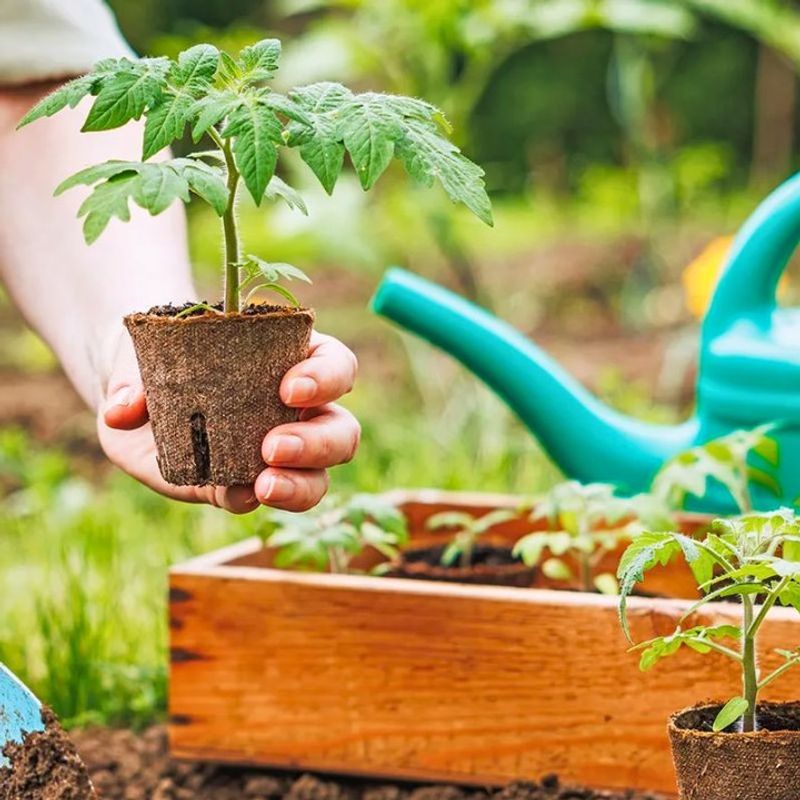
Picture your tomato transplants sitting in their small pots on planting day, roots circling the bottom and waiting for good Ohio soil. You have dug your holes and loosened the clay, and now you face the question of what to add before setting those plants in the ground.
This moment matters more than most gardeners realize because proper nutrient setup at planting time builds a foundation for the entire growing season.
Your soil test results guide this step perfectly. Only add bone meal or rock phosphate if your soil test shows phosphorus deficiency.
Many Ohio soils already test high in phosphorus, and adding more can be unnecessary and environmentally harmful. Phosphorus does not move easily through Ohio clay, so placing it near the root zone at planting gives your tomatoes immediate access.
Add a shovel full of compost to improve soil structure and provide a slow release of nutrients over time. Compost also improves water retention in sandy soils and drainage in clay-heavy Ohio soil, which directly affects tomato size and quality.
Avoid adding high-nitrogen fertilizers at planting. Too much nitrogen early on pushes tomato plants to produce excessive leafy growth instead of focusing energy on root establishment.
Your transplants need time to settle into Ohio soil and adjust to outdoor temperatures before they can handle heavy feeding. A light starter fertilizer with balanced numbers works well, or you can rely solely on compost and wait two weeks before applying additional nutrients.
3. Avoid Nitrogen Overload Early On
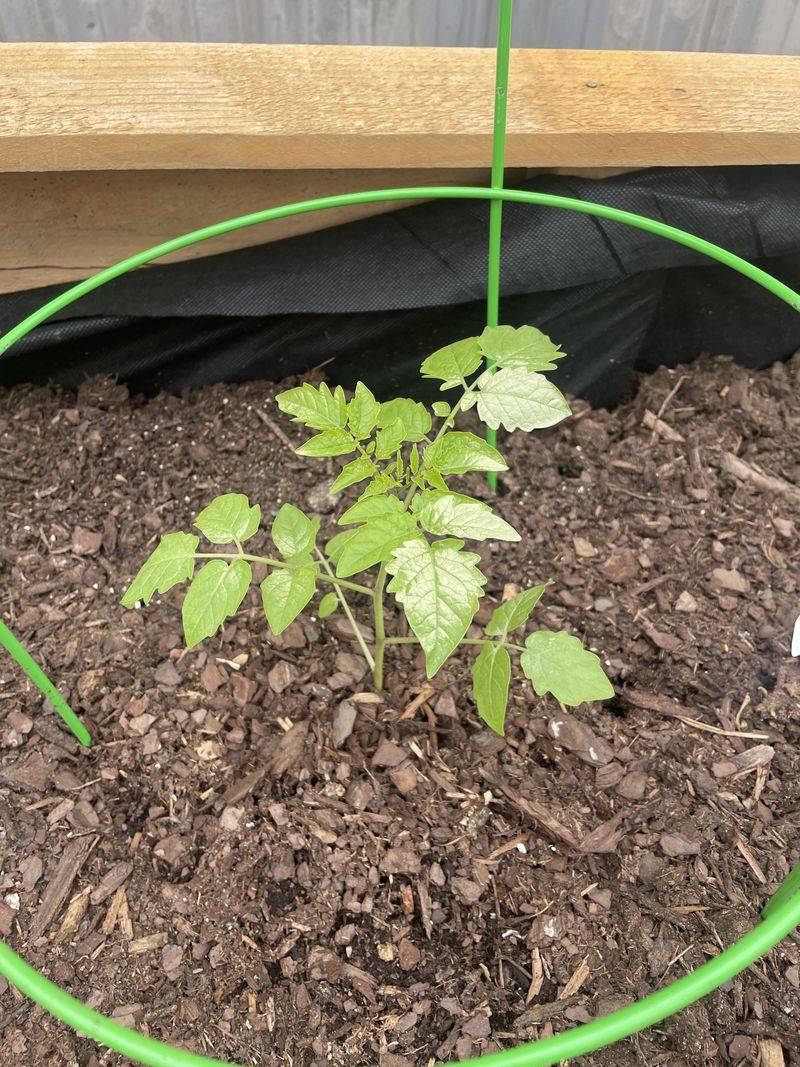
Three weeks after planting, you walk out to check your tomato plants and notice they have grown tall with thick stems and deep green leaves that seem almost too lush. This vigorous leafy growth might look impressive at first glance, but it often signals a problem that will haunt you later when you expect fruit to appear.
Too much nitrogen early in the season creates bushy plants that put all their energy into foliage instead of flowers and fruit.
Ohio gardeners frequently over-fertilize young tomato plants because they want fast growth and assume more nitrogen means better results. The truth is that tomatoes need moderate nitrogen during their vegetative stage, but excess nitrogen causes foliage growth at the expense of flowers and fruit.
High-nitrogen fertilizers applied too early or too often result in what gardeners call all vines and no tomatoes. Your plants look healthy and green, but blossom production drops and fruit set becomes disappointing.
Check the fertilizer ratio on any product you plan to use early in the season. Look for balanced formulas like 10-10-10 or options with lower first numbers such as 5-10-10.
Apply fertilizer lightly during the first month after planting, and watch how your tomatoes respond. If leaves turn dark green and growth becomes excessive, back off on feeding.
Your goal is steady, controlled growth that builds strong plants ready to support heavy fruit loads later when it truly matters for harvest size and flavor.
4. Fertilize During Flowering For Bigger Tomatoes
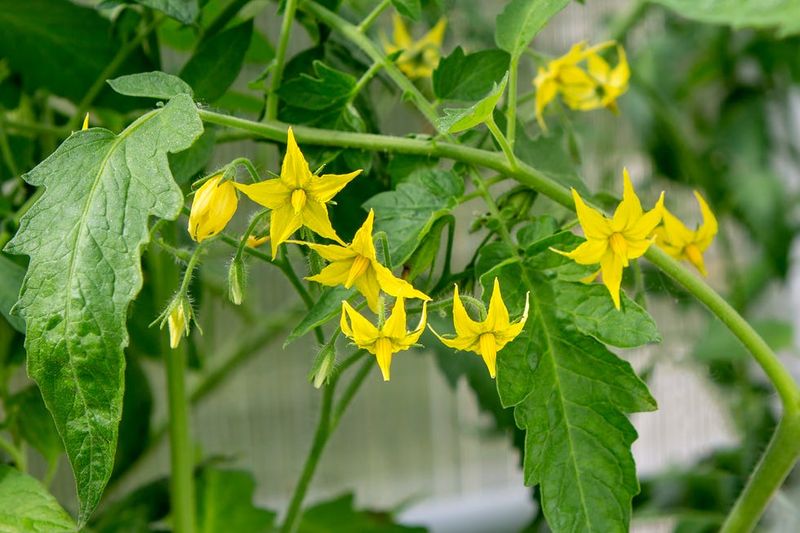
Stand in your garden on a warm June morning and count the yellow blossoms opening on your tomato vines. Flowering is an important stage for fruit development, but temperature, consistent moisture, and pollination have a larger impact on fruit set than fertilizer alone.
What you feed your plants right now directly affects how many blossoms set fruit and how large those tomatoes will grow over the next several weeks.
Once your tomato plants begin blooming heavily, switch your fertilizer focus from nitrogen to phosphorus and potassium. These two nutrients support flower development, fruit set, and the cellular processes that determine tomato size and flavor.
A fertilizer with a ratio like 5-10-10 or even 4-12-8 works beautifully during this critical stage. Apply it every two to three weeks while blossoms continue to appear and early fruit begins to swell.
Ohio summers bring heat and humidity that stress tomato plants right during peak flowering. Adequate potassium helps plants manage water more efficiently and improves their resilience during hot spells.
Phosphorus supports normal flower development, but high temperatures can still cause blossom drop even in well-fertilized plants. Targeted feeding during flowering can support fruit development, but it cannot overcome heat stress, drought, or poor pollination conditions.
Pay attention to what your plants are doing, and feed them when they need it most for the biggest harvest possible.
5. Use Slow-Release Fertilizer For Steady Growth
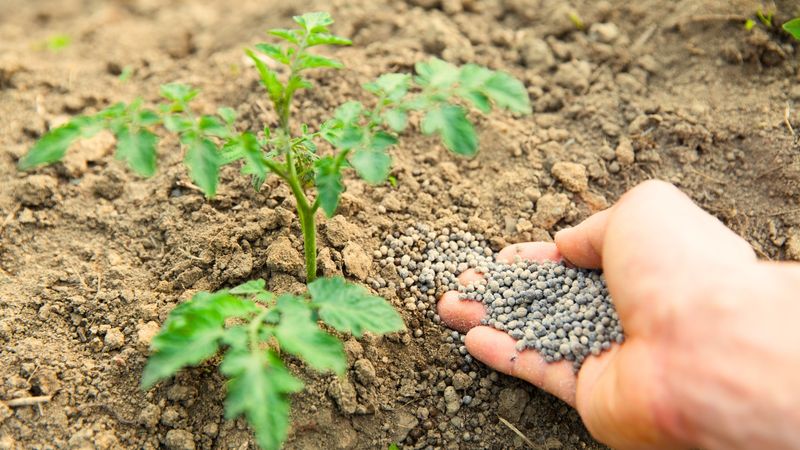
Have you ever noticed how some tomato plants grow in fits and starts, shooting up after each feeding and then stalling until the next application? This uneven growth pattern stresses plants and reduces overall productivity compared to tomatoes that grow at a steady, consistent pace throughout the season.
Slow-release fertilizers offer a solution that fits perfectly with Ohio gardening conditions and the way tomatoes actually use nutrients over time.
Slow-release or controlled-release fertilizers break down gradually in the soil, providing a steady supply of nutrients over weeks or even months. This approach works well in Ohio because heavy summer rains can reduce the effectiveness of fast-acting fertilizers, although proper mulching and organic matter also help retain nutrients.
Granular slow-release products release nutrients in response to soil moisture and temperature, which means your plants get fed consistently without the peaks and valleys of liquid fertilizers applied every week or two.
Apply slow-release fertilizer at planting time or again when your tomatoes start flowering, following product label rates. One application can last six to eight weeks depending on the product formulation and Ohio weather conditions.
This method reduces the risk of nutrient burn from over-application and saves you time compared to weekly liquid feeding schedules.
Your tomatoes respond with steady vine growth, continuous flowering, and consistent fruit development that results in larger tomatoes with better flavor because the plants never experience nutrient stress or sudden growth spurts that compromise fruit quality.
6. Apply Fertilizer At The Root Zone
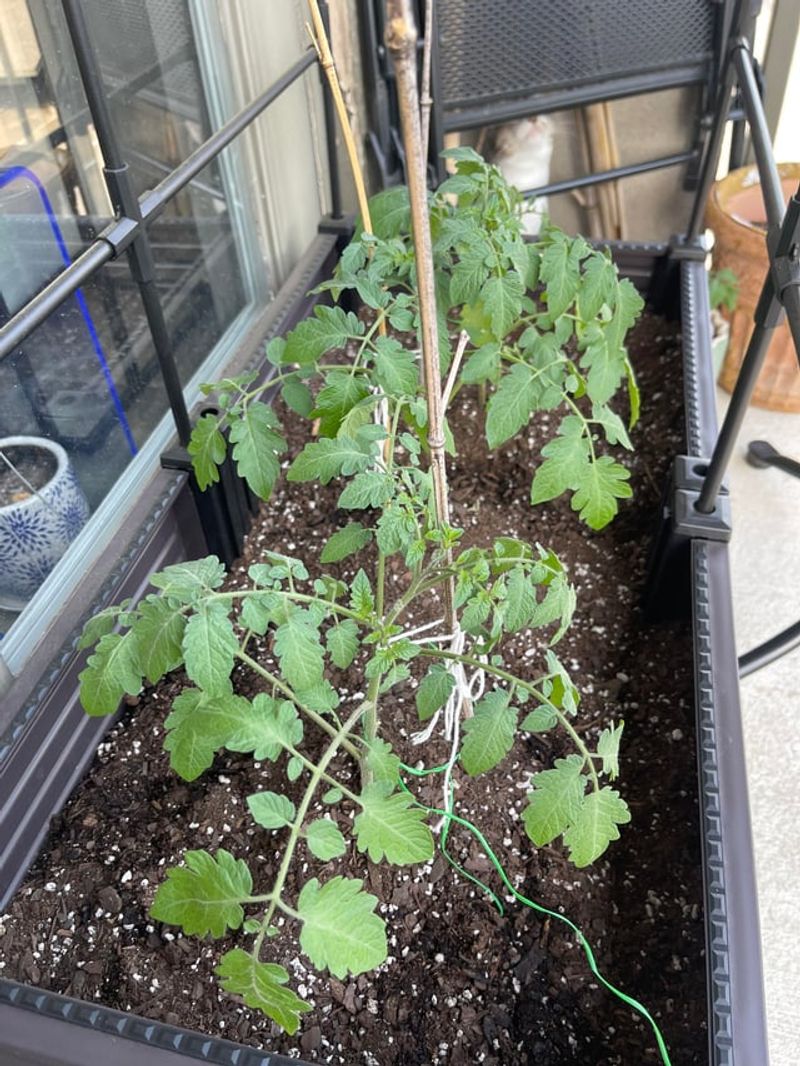
Watch how most gardeners fertilize their tomatoes and you will see them scatter granules or pour liquid fertilizer randomly around the plant base without much thought about where those nutrients actually need to go.
Tomato roots spread outward and downward from the main stem, and the most active feeding roots sit several inches away from the plant rather than right against the stem.
Placing fertilizer in the correct location makes a huge difference in how efficiently your tomatoes absorb nutrients.
Tomato feeder roots usually extend outward beyond the stem base, often near the plant’s drip line, although exact root spread varies by soil type and plant size. This is where the fine feeder roots actively absorb water and nutrients from the soil.
When you apply fertilizer, create a circle around each plant several inches away from the stem, near the plant’s drip line rather than dumping it right at the base. This technique ensures that nutrients reach the active root zone where they can be absorbed quickly.
In Ohio clay soil, nutrients do not move through the ground as easily as they do in sandy or loamy soil. Applying fertilizer at the root zone becomes even more important because you cannot rely on irrigation or rainfall to carry nutrients down to the roots.
Scratch granular fertilizer lightly into the soil surface and water it in thoroughly to help nutrients penetrate the clay. Liquid fertilizers work well when applied directly to the root zone because they soak in immediately and become available to your tomatoes within days rather than weeks.
7. Adjust Fertilizer During Hot Ohio Summers
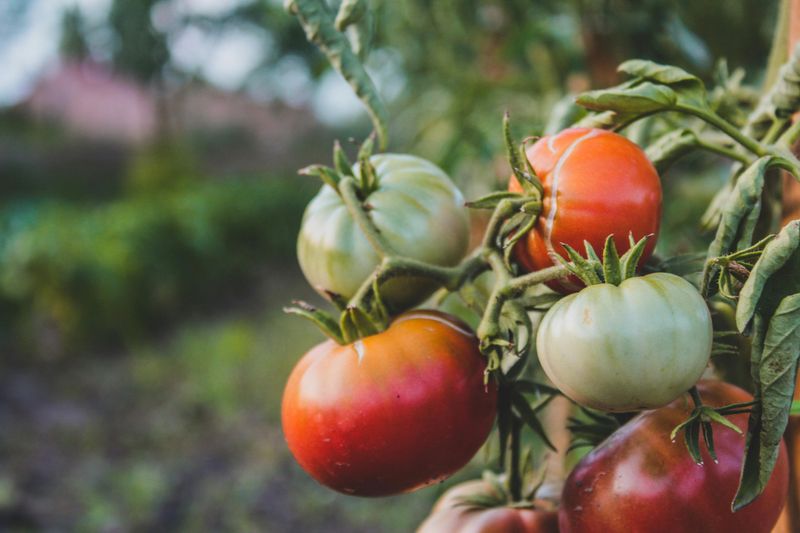
July arrives in Ohio with heat that seems to settle over your garden like a heavy blanket, and your tomato plants respond by slowing their growth and focusing energy on survival rather than fruit production.
Leaves may curl slightly during the hottest afternoons, and blossoms sometimes drop without setting fruit when temperatures stay above ninety degrees for several days in a row.
This summer stress period requires you to adjust your fertilizing approach to match what your tomatoes can actually handle.
During heat waves, consistent watering and mulching are more important than fertilizing for maintaining fruit production. Pushing fertilizer on heat-stressed tomatoes can cause nutrient burn and further weaken plants that are already struggling.
If temperatures climb into the mid-nineties and stay there for a week or more, pause heavy fertilizing and wait for cooler weather to return. Focus instead on consistent watering and mulching to help your tomatoes manage heat stress.
When temperatures moderate back into the eighties, resume light fertilizing to support continued fruit development. Ohio summers often bring afternoon thunderstorms that cool things down temporarily, and these breaks give your tomatoes a chance to recover and set new fruit.
A light application of balanced fertilizer after a heat wave helps plants bounce back and continue producing. Pay attention to how your tomatoes look and respond rather than following a rigid feeding schedule that does not account for Ohio weather extremes.
8. Stop Fertilizing Early For Better Flavor
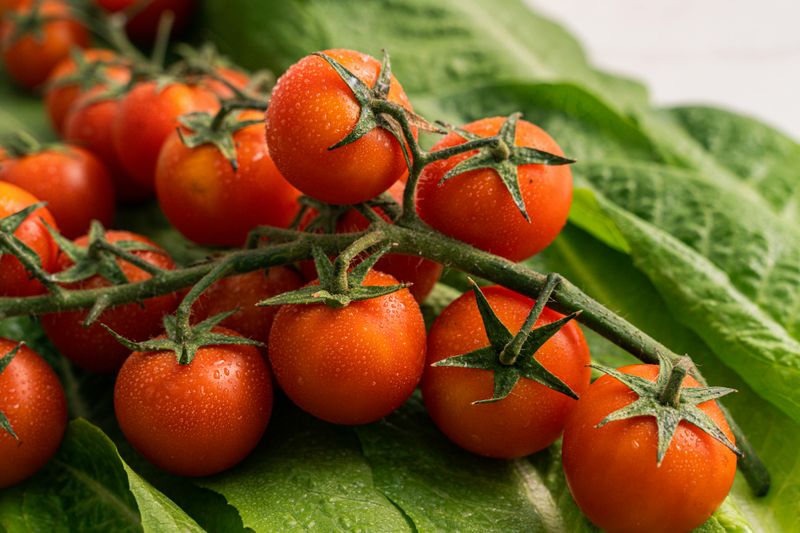
Late summer arrives in Ohio and your tomato vines hang heavy with fruit in various stages of ripeness.
Green tomatoes swell on the upper branches while ripe red ones wait for picking lower down, and you start thinking about how many more weeks you can keep the harvest going before frost threatens in September or October.
This final stage of the growing season is when many gardeners make a critical mistake that affects tomato flavor more than any other factor.
Reduce or stop high-nitrogen fertilizer applications about four to six weeks before your expected first frost date. Continuing to feed plants late in the season pushes them to produce more foliage and new growth instead of focusing energy on ripening existing fruit.
Reducing nitrogen late in the season encourages plants to focus on ripening fruit, although sunlight, watering consistency, and tomato variety play a larger role in flavor than fertilizer alone. The plant naturally shifts its resources toward ripening when nutrient availability decreases.
In northern Ohio, many gardeners reduce nitrogen fertilizing by mid to late August, depending on frost outlook. Central Ohio gardeners can usually continue light feeding until late August, while southern Ohio growers might fertilize into early September depending on local frost patterns.
Once you stop feeding, your tomatoes will finish ripening the fruit already on the vine and focus less on producing new blossoms that have no time to mature before cold weather arrives. This simple adjustment results in noticeably tastier tomatoes during your final harvest weeks and ensures you get the best possible flavor from all your gardening efforts throughout the season.
Of course, fertilizer alone will not produce large, flavorful tomatoes without proper watering. Inconsistent moisture causes blossom end rot, cracking, and poor flavor.
Avoid frequent shallow watering, which encourages weak root systems and increases cracking problems. With the right combination of conditions, you can have flavorful and thriving tomatoes this year!