9 Tomatoes Indiana Gardeners Recommend For First-Time Growers
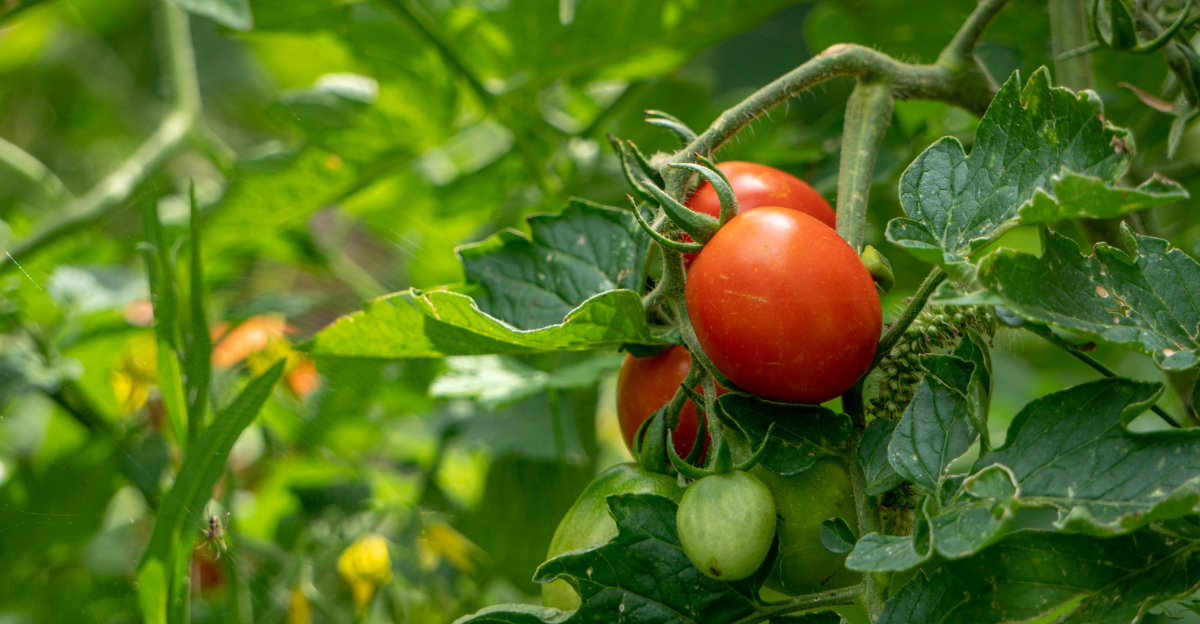
Starting tomatoes for the first time in Indiana sounds simple until unpredictable weather, heavy soil, and narrow planting windows begin influencing results before plants even settle in.
Those realities quietly shape success more than most beginners expect when they put their first seedlings in the ground.
Many new growers assume problems come from inexperience alone, without realizing how much variety choice matters in a state where humidity, temperature swings, and timing all collide.
Certain tomato varieties consistently perform better here because they tolerate those conditions without constant correction or perfect scheduling.
That reliability makes a noticeable difference during a first season, when confidence is still forming and small setbacks feel larger than they should.
A plant that grows steadily and sets fruit without drama changes the entire experience. Instead of reacting to problems, new growers start noticing progress.
That’s why these tomatoes are the ones Indiana beginners tend to recommend once they’ve seen what actually works in their own gardens.
1. Celebrity
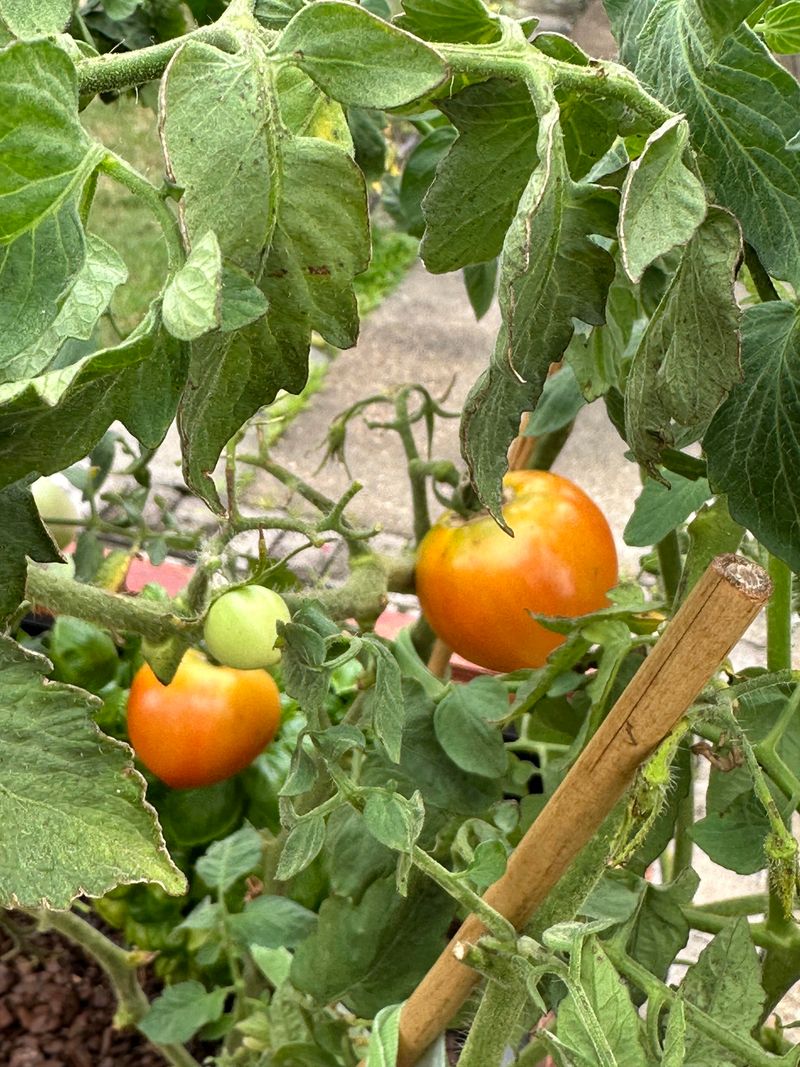
Gardeners who’ve spent years working Indiana soil often point newcomers toward this particular variety because it handles stress better than most options at the garden center.
Heat waves, sudden cold snaps, and those unpredictable summer storms don’t seem to bother Celebrity plants the way they might slow down other tomatoes.
Resistance to common diseases is built right into this plant’s genetics, which matters quite a bit when you’re growing tomatoes anywhere in the Midwest.
Verticillium wilt, fusarium wilt, and tobacco mosaic virus all show up in Indiana gardens from time to time, but Celebrity shrugs them off and keeps producing.
Fruits arrive at a medium size, usually around seven to eight ounces, perfect for slicing onto sandwiches or adding to salads.
The flavor strikes a nice balance between sweet and tangy, making it versatile enough for fresh eating or cooking.
Plants grow to a manageable height, typically staying around three to four feet tall with proper support.
You won’t need a ladder or complicated staking system to harvest your tomatoes.
First-time growers appreciate how forgiving this variety can be when watering schedules aren’t perfect or when life gets busy.
It bounces back from minor neglect better than finicky heirloom types.
Production starts around seventy days after transplanting, which falls right in the middle range for tomato maturity.
You’ll have ripe fruit before the summer ends, even if you plant a bit late.
Indiana’s variable spring weather doesn’t seem to set Celebrity back as much as it might other varieties. Cool nights in May won’t stop it from establishing strong roots.
Determinate growth means the plant focuses energy on ripening fruit all at once rather than producing continuously.
2. Better Boy
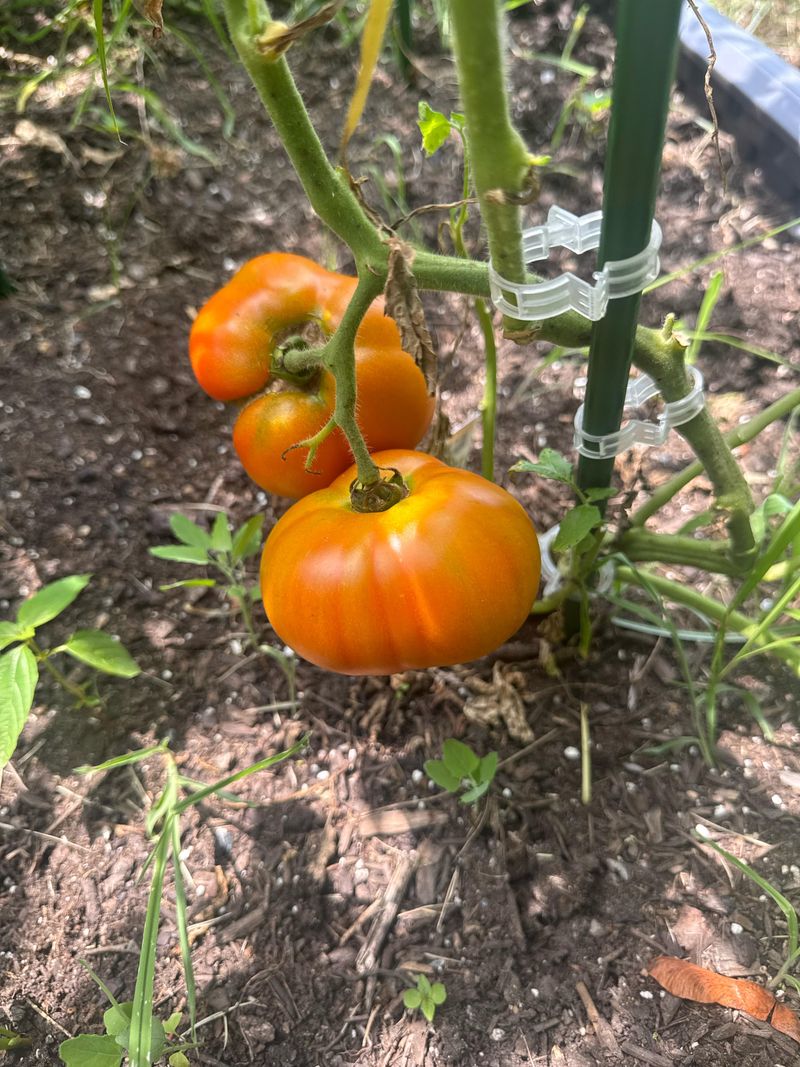
Flavor is where this tomato really shines, delivering that classic taste people remember from childhood gardens and farmers’ markets.
Each fruit weighs about a pound when fully grown, giving you substantial slices that don’t disappear on a burger or BLT.
Hybrid vigor makes Better Boy notably more productive than many open-pollinated varieties, which translates to more tomatoes per plant throughout the growing season. Indiana gardeners who want quantity without sacrificing quality often choose this one.
The plant reaches impressive heights, sometimes climbing past six feet if given sturdy support and favorable conditions.
Tall cages or a strong trellis system will help you manage the vigorous growth.
Disease resistance covers several common problems, including verticillium and fusarium wilts, which lurk in many Midwestern garden soils.
This built-in protection means fewer headaches and less need for intervention.
Fruits ripen over an extended period rather than all at once, giving you fresh tomatoes for weeks instead of overwhelming you with a single massive harvest.
You can enjoy them steadily from mid-summer into fall.
Indeterminate growth means the plant keeps flowering and setting fruit until frost arrives. In Indiana, that usually gives you production well into September or even early October in mild years.
Better Boy handles hot, humid Indiana summers without dropping blossoms or slowing down production the way some varieties do.
3. Roma
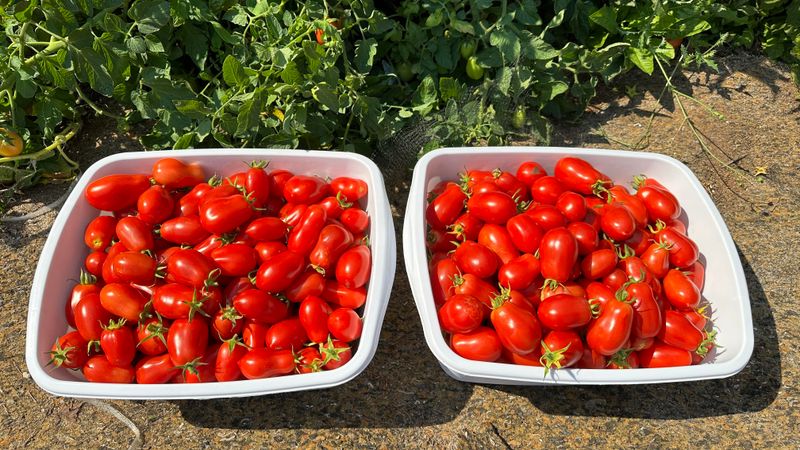
Sauce and salsa makers across Indiana have made this their go-to choice for decades because the meaty flesh and fewer seeds make processing so much easier.
When you cut into a Roma, you’ll notice how thick the walls are compared to slicing varieties.
Each tomato grows to about three inches long in an oval shape, perfect for fitting into canning jars or roasting whole.
The uniform size makes meal prep and preservation projects more efficient.
Determinate plants stay compact, usually topping out around three to four feet, which works wonderfully in smaller garden spaces or containers.
You won’t need massive amounts of room to grow enough for making sauce.
Fruits ripen within a concentrated timeframe, typically over two to three weeks, which is exactly what you want when planning a big canning session.
Indiana gardeners who preserve their harvest love this characteristic.
Lower moisture content means Roma tomatoes cook down faster than juicy slicing types, saving time and energy when you’re making marinara or tomato paste.
Less liquid also means more intense flavor in the finished product.
These plants tolerate Indiana’s clay-heavy soils reasonably well, though they still appreciate some compost mixed in at planting time.
They’re not as fussy about perfect soil conditions as some varieties.
Resistance to verticillium and fusarium wilts helps protect your investment, especially important when you’re growing multiple plants for preservation.
Losing a whole row to disease would be devastating.
4. Early Girl
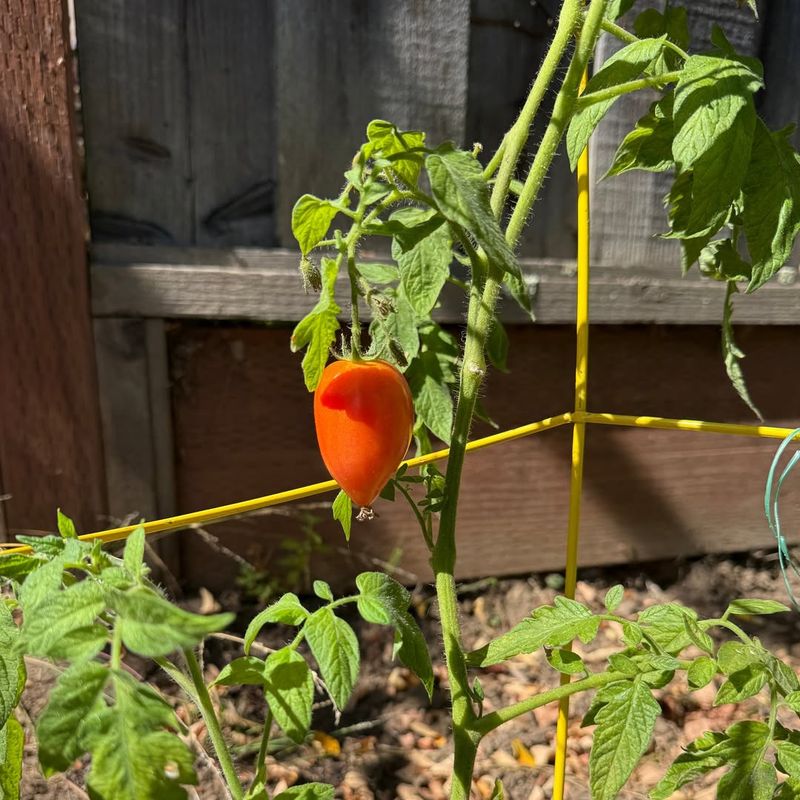
Patience isn’t everyone’s strong suit, especially when you’re eagerly waiting for your first homegrown tomato of the season.
This variety delivers ripe fruit in as little as fifty to fifty-five days after transplanting, beating most other options by weeks.
Indiana’s sometimes-short growing season makes early maturity particularly valuable, giving you a longer harvest window before fall frost threatens.
You’ll be picking tomatoes while neighbors are still watching green fruit develop.
Medium-sized fruits arrive continuously throughout the summer since Early Girl grows as an indeterminate variety. Each tomato weighs four to six ounces, just right for fresh eating and everyday cooking.
The flavor is surprisingly good for such a fast-maturing tomato, with a nice balance that works well in salads or on sandwiches.
Speed doesn’t mean sacrificing taste in this case.
Plants reach moderate heights, typically around five to six feet, requiring standard caging or staking to keep fruit off the ground. Managing them doesn’t require special equipment or techniques.
Cool spring weather in Indiana doesn’t slow Early Girl down as much as it might delay other varieties.
It sets fruit reliably even when nighttime temperatures still dip into the fifties.
First-time growers get the satisfaction of harvesting tomatoes quickly, which builds confidence and enthusiasm for gardening.
That early success often hooks people on growing their own food.
Production remains steady rather than overwhelming, giving you a manageable amount of tomatoes at a time.
5. Patio
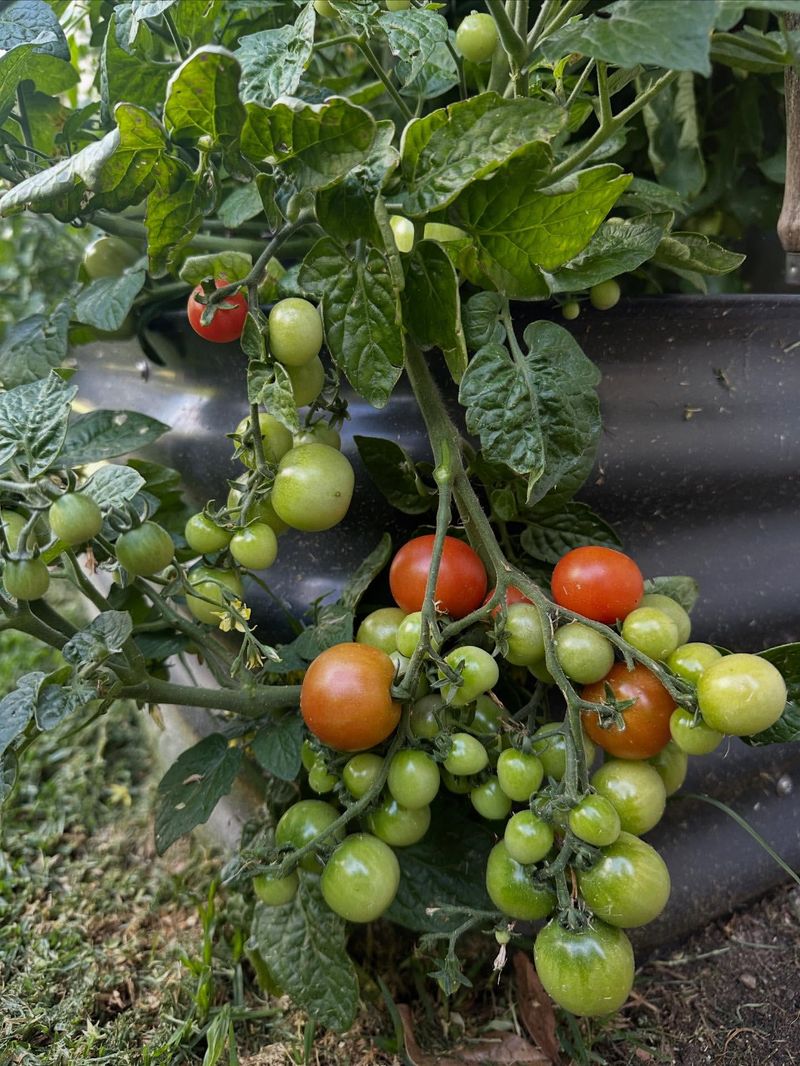
Limited space doesn’t mean giving up on fresh tomatoes, and this compact variety proves you can grow food even on a small apartment balcony.
Plants stay naturally small, usually reaching just two feet tall, perfect for containers.
Each tomato measures about an inch and a half across, delivering bite-sized fruits that are incredibly sweet and flavorful.
Determinate growth keeps the plant bushy rather than vining, eliminating the need for tall stakes or complicated support systems.
A small tomato cage or even no support at all works fine.
Container gardening is where Patio tomatoes really excel, thriving in pots as small as five gallons.
Indiana gardeners with only a sunny porch or patio can still enjoy homegrown produce.
Fruits ripen over several weeks, giving you a steady supply of snacking tomatoes throughout mid to late summer.
The harvest may be smaller than full-sized plants, but the flavor is just as good.
First-time growers who feel intimidated by large tomato plants find this variety much more approachable and manageable.
Success feels within reach when you’re working with something this compact.
Moving the container into a protected spot during Indiana’s occasional severe weather is actually possible with such a small plant.
You have flexibility that in-ground gardens don’t offer.
Watering needs are moderate, though containers do dry out faster than garden soil, especially during hot Indiana summers.
6. Mountain Fresh
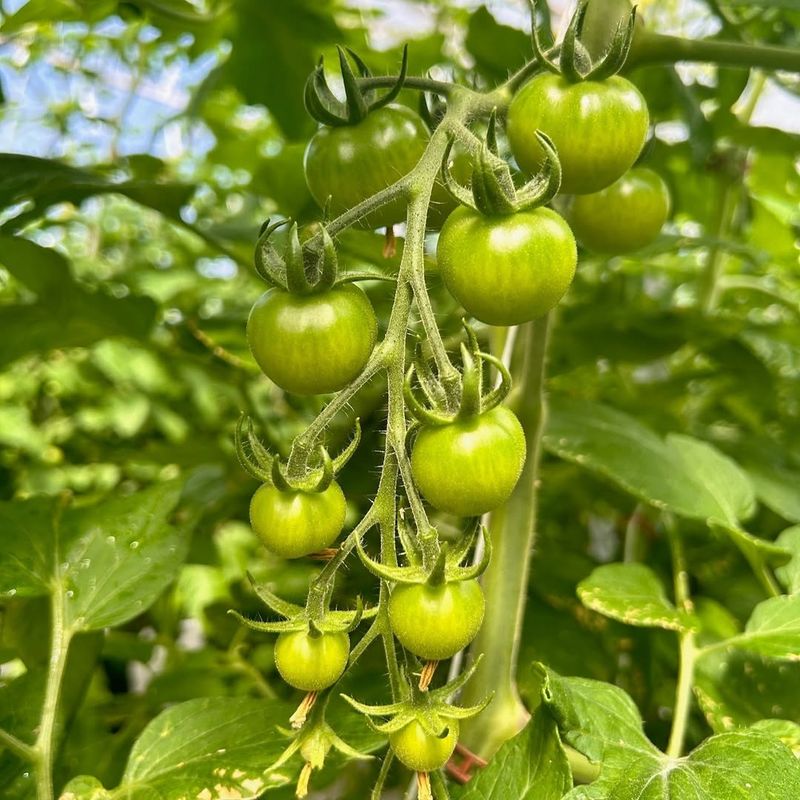
Size matters when you’re planning to slice tomatoes for a crowd, and these fruits regularly reach ten to twelve ounces each.
One tomato can cover multiple sandwiches or provide several servings in a salad.
Flavor combines sweetness with just enough acidity to keep things interesting, creating that perfect tomato taste people crave during summer.
Indiana gardeners who prioritize taste over everything else often choose this variety.
Plants demonstrate excellent disease resistance, particularly to early blight, which commonly shows up in humid Midwestern summers.
Those brown spots that ruin so many tomato plants don’t take hold as easily on Mountain Fresh.
Determinate growth means plants stay around four feet tall and produce their main crop within a few weeks. This concentrated harvest works well if you want tomatoes for a specific event or canning project.
Fruits have thick walls and meaty interiors, making them hold up well when sliced and less likely to turn sandwiches soggy.
The texture is firm enough for transport to picnics and potlucks.
Indiana’s variable weather patterns don’t seem to stress Mountain Fresh plants as much as some varieties. They handle temperature swings and occasional dry spells without completely shutting down production.
First-time growers appreciate how the plant’s compact size makes it easier to manage in smaller garden plots.
You can fit several plants in a modest space and still get a substantial harvest.
Ripening happens fairly uniformly, which simplifies harvest planning and reduces the number of times you need to check plants.
7. Big Beef
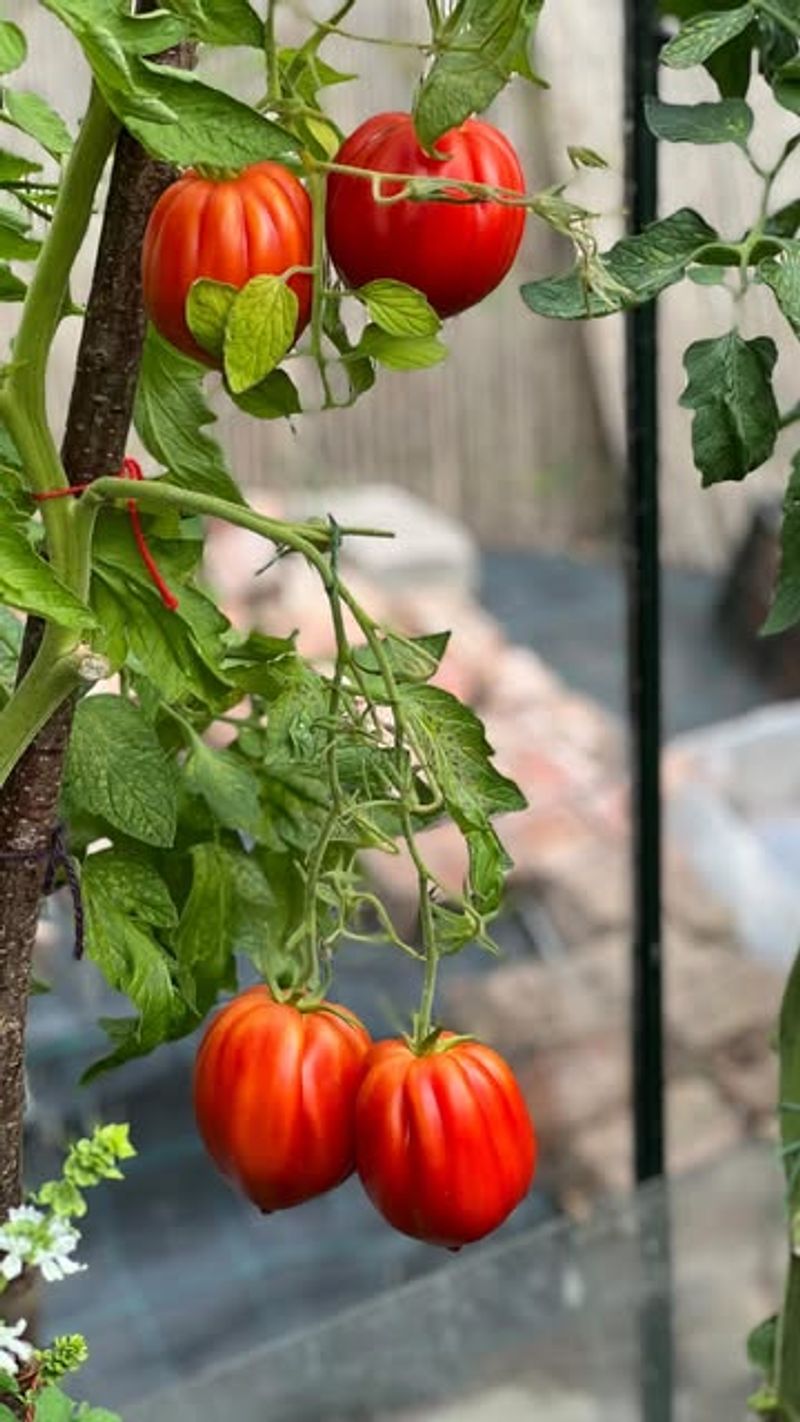
Competition-worthy size comes standard with this variety, as fruits frequently exceed one pound and sometimes reach truly impressive proportions. Holding a massive homegrown tomato feels incredibly satisfying, especially during your first season.
Award-winning flavor earned Big Beef recognition from the All-America Selections program, which tests vegetables across the country.
That designation means experts confirmed this tomato tastes as good as it looks.
Disease resistance covers an extensive list, including verticillium wilt, fusarium wilt, tobacco mosaic virus, and even some resistance to late blight.
Indiana gardens face various challenges, and this plant handles most of them.
Indeterminate vines keep growing and producing until frost, potentially reaching six to eight feet tall with proper support.
You’ll need sturdy stakes or cages to handle the weight of all those big tomatoes.
Fruits ripen continuously rather than all at once, spreading the harvest across many weeks.
The combination of size and flavor makes Big Beef perfect for showing off your gardening success to friends and family.
Everyone is impressed by a truly giant, delicious tomato.
Plants require consistent watering to support all that fruit production, especially during Indiana’s hot, dry stretches in July and August.
Mulch helps maintain soil moisture and reduces stress.
8. Sungold
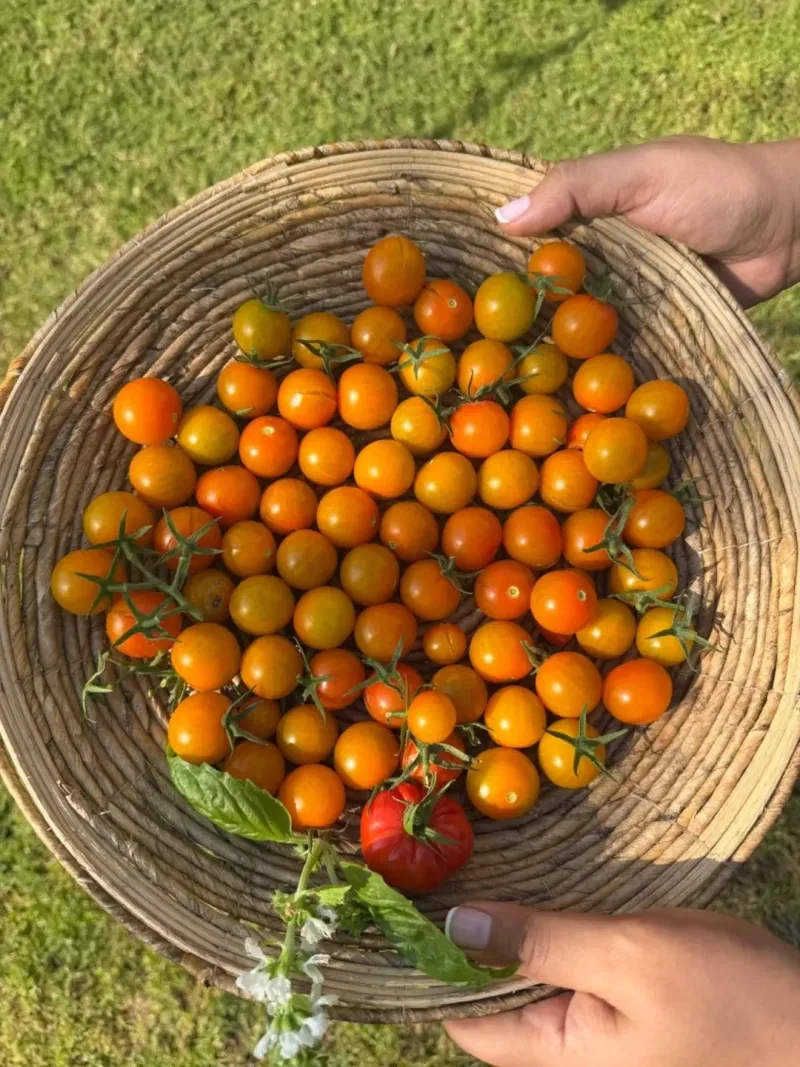
Sweetness levels in this cherry tomato rival candy, creating an addictive flavor that makes it hard to stop eating them straight off the vine.
Many Indiana gardeners admit they rarely get Sungold tomatoes into the house because they disappear during garden walks.
Bright orange color signals ripeness and sets these apart from typical red cherry varieties.
The unusual hue catches attention at farmers’ markets and makes salads visually interesting.
Indeterminate plants grow vigorously, often reaching eight feet or more if allowed to climb freely. That aggressive growth produces an enormous quantity of fruit throughout the season.
Production starts relatively early and continues until hard frost, giving you months of harvest.
Indiana gardeners can pick Sungolds from July through October in many years.
Each fruit is about an inch in diameter, perfect for snacking, adding whole to salads, or roasting to concentrate that incredible sweetness.
The flavor profile includes tropical fruit notes that you don’t find in standard tomatoes, creating something truly special.
First-time growers are often shocked that tomatoes can taste this good.
Plants tolerate various growing conditions reasonably well, though they perform best with consistent water and full sun.
Even less-than-ideal circumstances still yield plenty of fruit.
9. Sweet 100
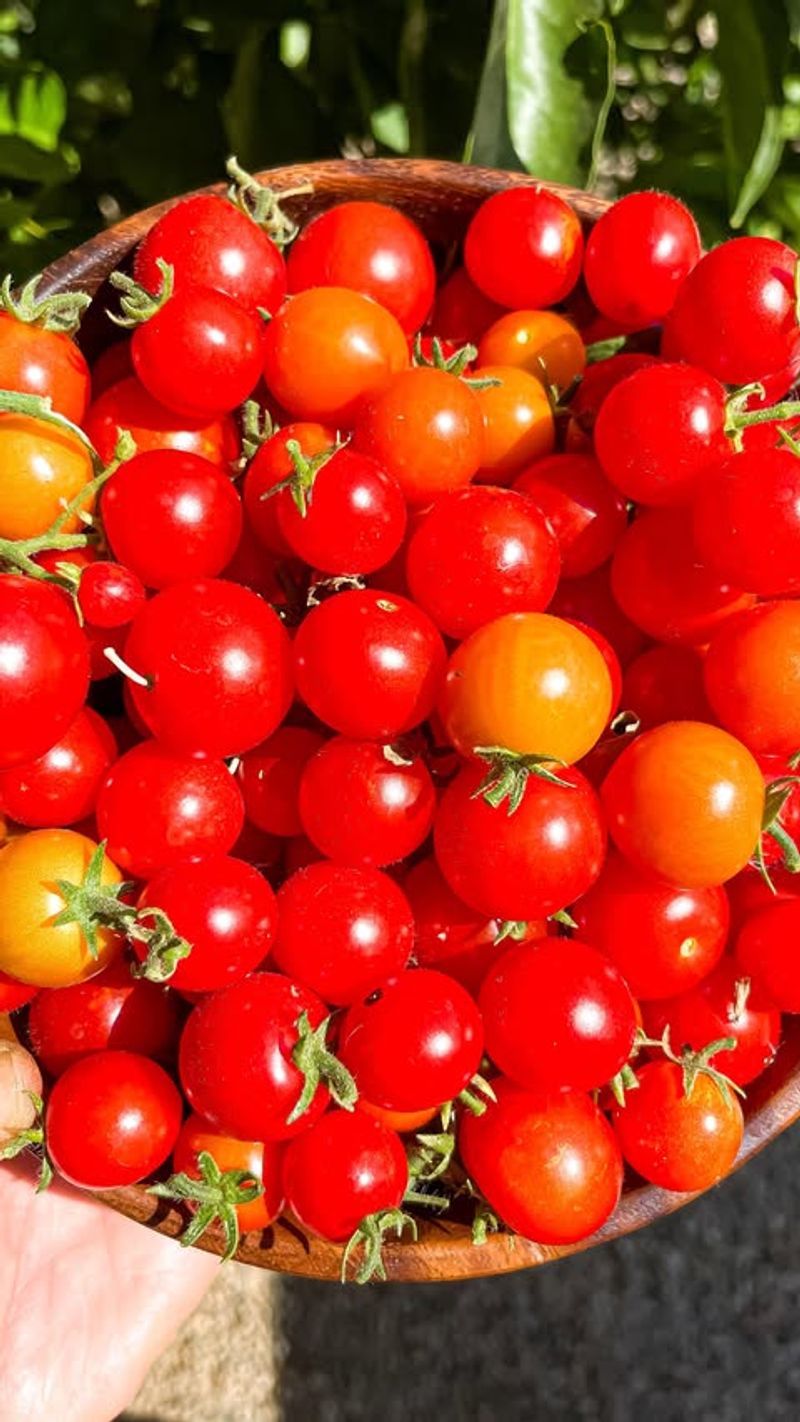
Abundance defines this variety, with each plant producing hundreds of cherry tomatoes throughout the growing season.
Long clusters of fruit hang from every branch, creating an impressive visual display.
Red fruits are intensely sweet with a perfect pop when you bite into them, making them irresistible for fresh eating.
Indiana gardeners often plant Sweet 100 specifically for snacking and sharing with visitors.
Indeterminate growth creates tall, sprawling plants that need substantial support to prevent branches from breaking under the weight of all those tomatoes.
Strong cages or a trellis system becomes essential.
Production begins around sixty-five days after transplanting and continues until frost ends the season. That long harvest window means you’ll have cherry tomatoes available for months.
Each fruit measures about an inch across, uniform in size and ripening to a brilliant red.
The consistency makes them perfect for garnishing dishes or adding to lunch boxes.
Disease resistance is moderate, so keeping an eye on plant health matters more than with some super-resistant hybrids.
Good air circulation and proper spacing help prevent problems in Indiana’s humid summers.
First-time growers love how productive Sweet 100 plants are, creating a sense of abundance and success. Harvesting handfuls of tomatoes at once feels incredibly rewarding.
The sheer quantity means you’ll have plenty to share with neighbors, coworkers, and anyone who admires your garden.