10 Tomatoes You Can Grow With Confidence In Kentucky As A Beginner
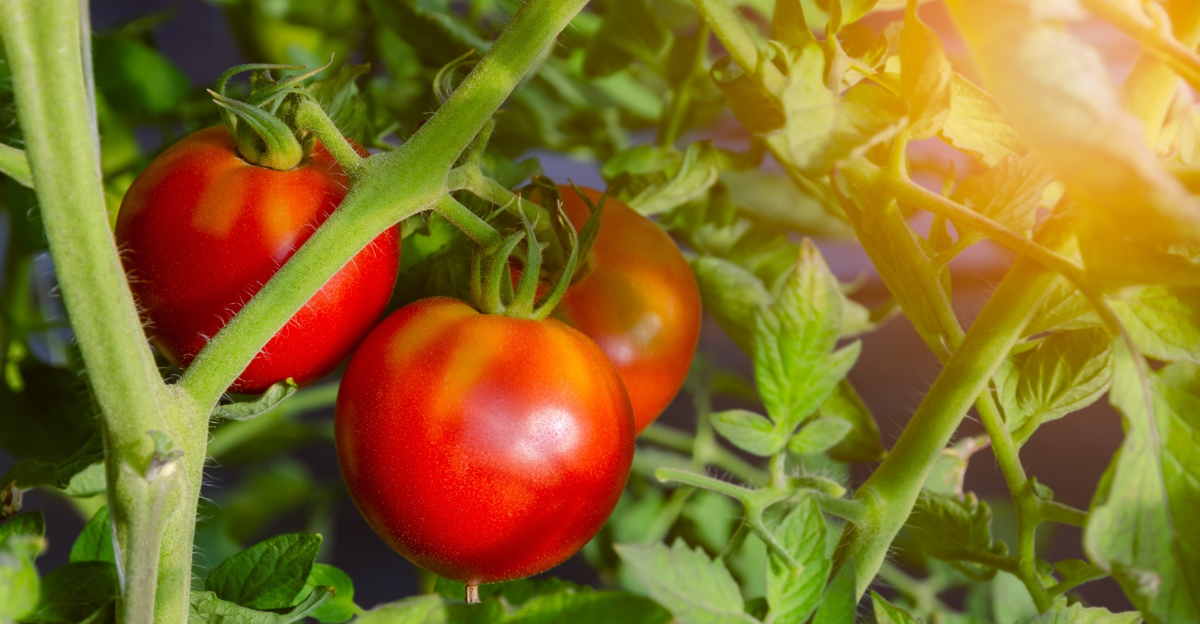
Starting tomatoes in Kentucky can feel exciting and a little uncertain at the same time, especially when you’re standing in front of seed packets or starter plants trying to decide what will actually work.
You might notice friends or neighbors talking about great harvests while you’re still wondering which tomatoes are forgiving enough for a first try.
Not every tomato variety asks for expert timing or perfect conditions, and many do surprisingly well with basic care and steady attention.
When beginners feel confident, it’s usually because the plants themselves are reliable and well suited to Kentucky’s warm summers and shifting spring weather.
Choosing varieties that naturally handle those conditions makes the entire process feel easier and more enjoyable. Once that pressure lifts, growing tomatoes becomes less about worry and more about watching progress happen.
With the right selections, your Kentucky garden can produce tomatoes that feel rewarding from the very first season.
1. Celebrity
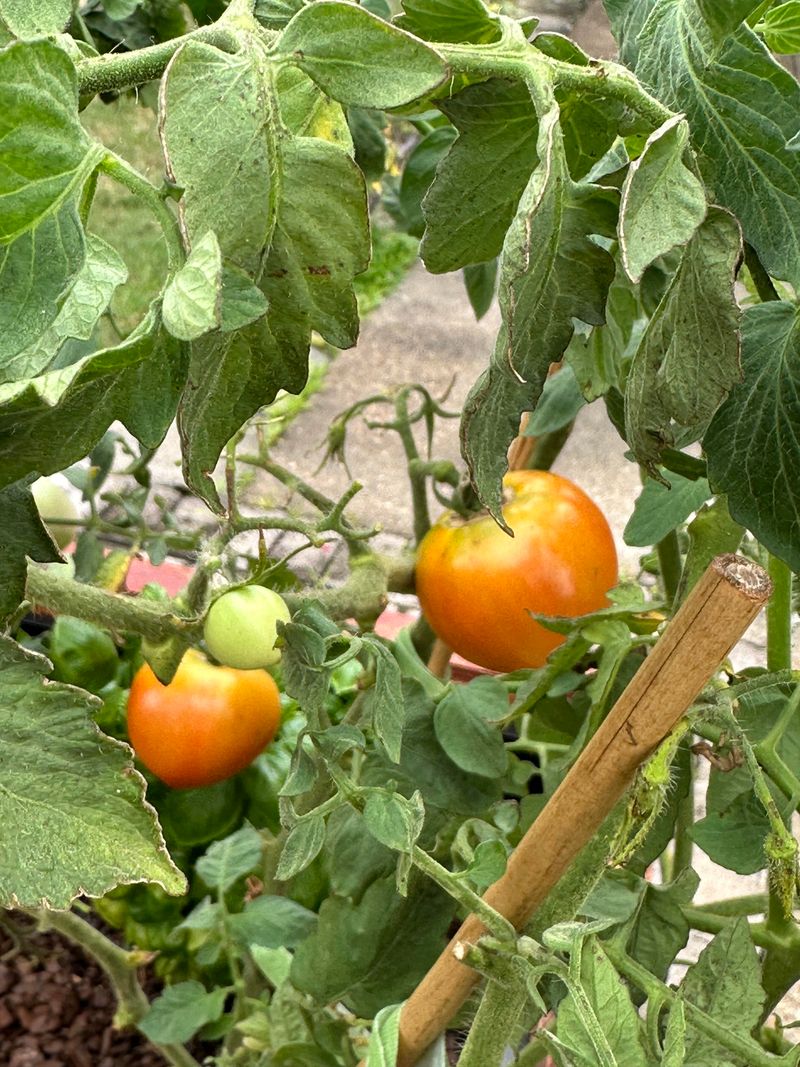
Few tomatoes offer the kind of dependable performance that makes beginners feel like seasoned growers right from the start. Celebrity has earned its reputation by producing consistent yields even when conditions aren’t perfect, which happens more often than you’d think in Kentucky.
Your plants will develop strong resistance to common diseases that plague other varieties, saving you from heartbreak mid-season.
This variety matures in about 70 days, giving you ripe fruit before many other types even start to color up. The medium-sized tomatoes weigh around eight ounces each, perfect for slicing onto sandwiches or chopping into salads.
Kentucky’s unpredictable spring weather won’t faze Celebrity plants, as they handle temperature swings better than most.
Flavor-wise, you’ll notice a nice balance between sweetness and acidity that works well for fresh eating or cooking. The plants grow to a manageable height of three to four feet, so staking them doesn’t require complicated setups.
Celebrity produces fruit throughout the growing season rather than all at once, which means you’ll have fresh tomatoes for weeks.
Beginners in Kentucky appreciate that this variety doesn’t demand constant attention to thrive. Your plants will keep producing even during those hot, humid stretches that slow down more finicky varieties.
Celebrity truly lives up to its name by being a star performer in gardens across the state.
2. Better Boy
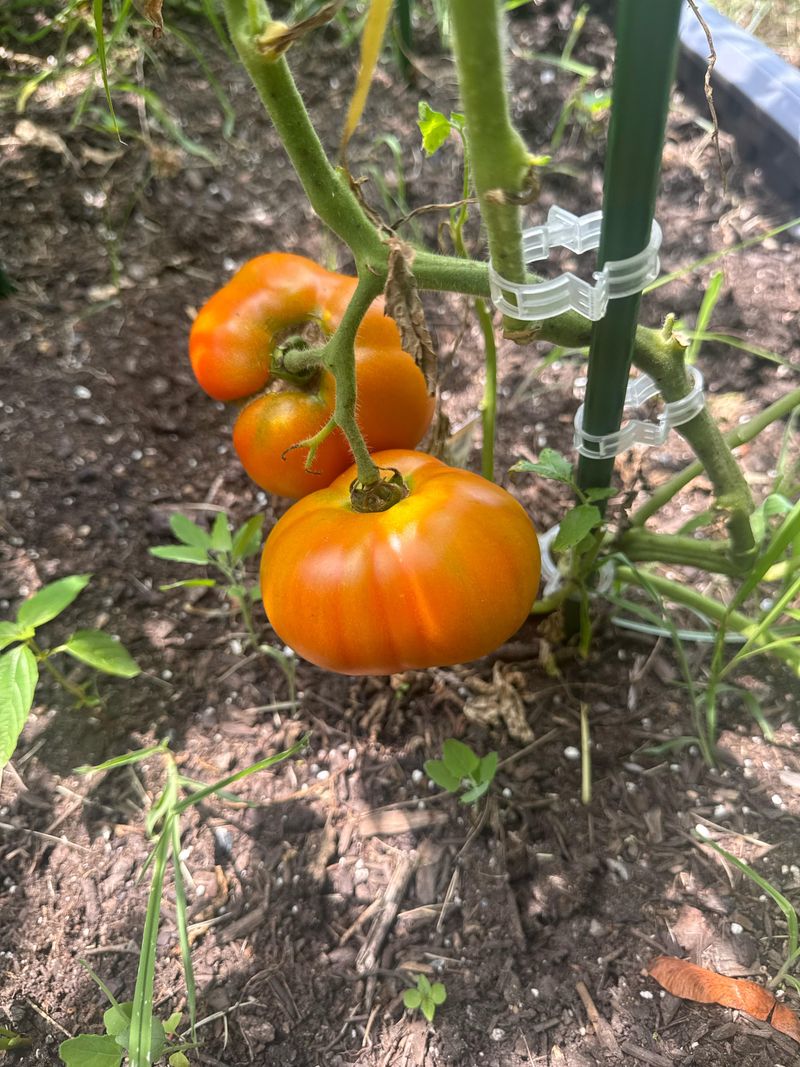
Gardeners across Kentucky have relied on this classic variety for decades because it simply works. Better Boy delivers large, meaty tomatoes that can reach a pound or more when conditions are right, making every harvest feel like a victory.
You’ll find that the plants develop vigorous growth that fills out your garden space nicely without becoming unmanageable.
Disease resistance is built right into Better Boy’s genetics, protecting your plants from verticillium and fusarium wilt that plague Kentucky gardens. The variety typically starts producing fruit around 75 days after transplanting, giving you a solid mid-season harvest.
Your tomatoes will have that classic red color and rich flavor that makes homegrown produce so special.
Kentucky’s summer heat doesn’t slow down Better Boy plants the way it does with some other varieties. The fruits hold their quality even when temperatures climb, avoiding the sun scald issues that frustrate many beginners.
You’ll want to provide sturdy support because these indeterminate plants keep growing and producing until frost.
The flavor profile offers a perfect balance for both fresh eating and cooking applications. Better Boy tomatoes slice beautifully for sandwiches while also holding up well in sauces and salsas.
Your plants will need regular watering during dry spells, but they’re forgiving if you occasionally forget.
Beginners love that Better Boy doesn’t require any special tricks or techniques to succeed in Kentucky. The variety has proven itself reliable across different soil types and growing conditions throughout the state.
3. Early Girl
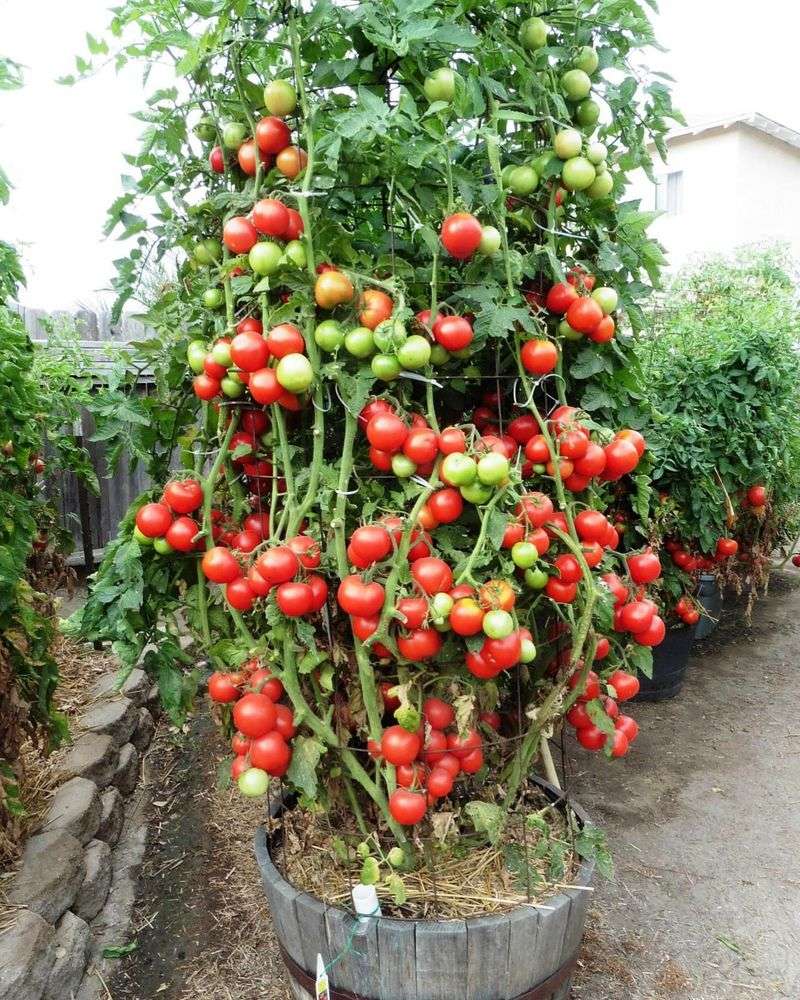
Speed matters when you’re eager to taste your first homegrown tomato of the season. Early Girl lives up to its name by producing ripe fruit in just 50 to 60 days, beating most other varieties by weeks.
Kentucky gardeners who plant this variety in late April or early May can be harvesting by late June, well ahead of the typical tomato season.
The tomatoes themselves are medium-sized, usually weighing four to six ounces, with a slightly flattened globe shape. You’ll appreciate the classic tomato flavor that works perfectly for sandwiches, salads, or eating straight from the vine.
Early Girl plants grow as indeterminates, continuing to produce fruit throughout the growing season rather than giving you one big harvest.
Your plants will reach heights of six feet or more, so plan on providing cages or stakes for support. Kentucky’s late spring can be unpredictable, but Early Girl handles cooler temperatures better than many varieties, which explains its quick maturity.
The plants also show good resistance to verticillium and fusarium wilt, common soil-borne diseases in the state.
Beginners find that Early Girl forgives minor mistakes in watering or fertilizing without dramatically reducing yields. The variety produces steadily rather than overwhelming you with too many tomatoes at once.
Your harvest window extends from early summer right through until the first frost hits your Kentucky garden.
Early Girl has remained popular for decades because it delivers exactly what its name promises without any fuss or complications.
4. Roma
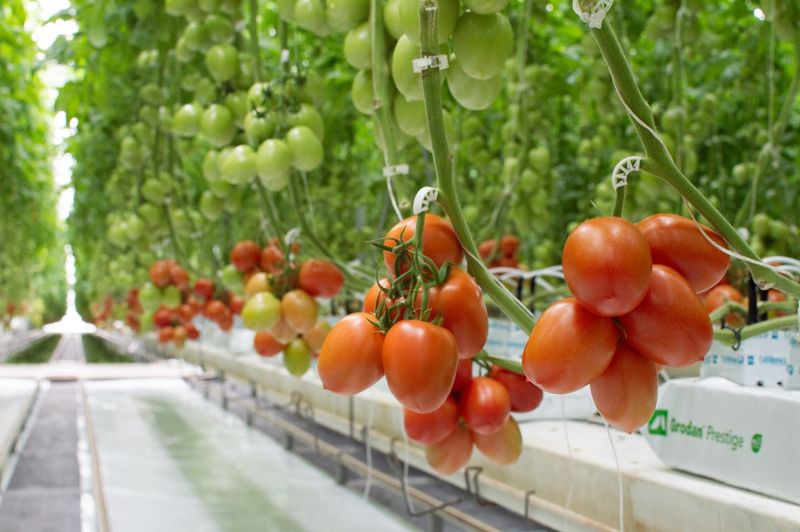
Paste tomatoes serve a different purpose than slicing varieties, and Roma excels at everything it’s bred to do. These oblong fruits contain less water and more flesh than round tomatoes, making them ideal for sauces, salsas, and canning.
Kentucky gardeners who want to preserve their harvest for winter use find Roma absolutely essential.
Your plants will grow as determinates, meaning they reach a set height and produce most of their fruit within a concentrated period. This growth habit makes them perfect for beginners who want a manageable plant that doesn’t require constant pruning.
Roma typically matures in about 75 to 80 days, giving you a substantial harvest all at once.
The tomatoes themselves are meaty with fewer seeds than slicing varieties, and each fruit weighs around two to three ounces. You’ll notice that Roma plants stay compact, usually topping out around three to four feet tall.
This manageable size works well in smaller Kentucky gardens or when you’re growing in containers.
Disease resistance is another strong point for Roma, with good tolerance to verticillium and fusarium wilt. Kentucky’s humid summers can encourage fungal problems, but Roma handles these conditions better than many varieties.
Your plants will produce heavily for several weeks, giving you plenty of tomatoes to process.
Beginners appreciate that Roma doesn’t require elaborate support systems or constant maintenance. The variety has proven itself reliable across Kentucky’s diverse growing regions, from the mountains to the western plains.
5. Big Beef
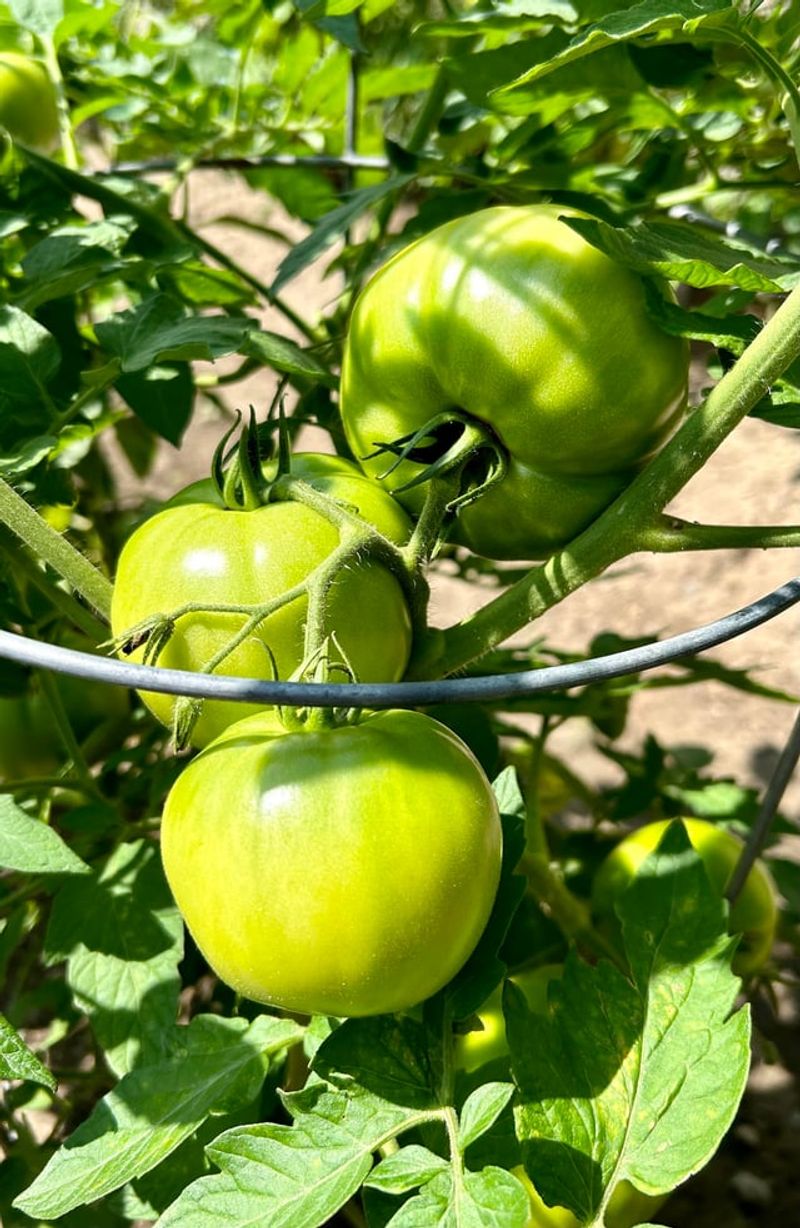
Sometimes you want a tomato that makes a statement on your plate, and Big Beef delivers exactly that. This variety produces massive fruits that often exceed a pound, with some specimens reaching two pounds under optimal conditions.
Kentucky gardeners love showing off these impressive tomatoes to friends and neighbors who can’t believe they came from a backyard garden.
Your plants will develop as vigorous indeterminates that keep producing throughout the season. Big Beef typically starts ripening around 73 days after transplanting, which is surprisingly quick for such a large-fruited variety.
The tomatoes have excellent flavor with a perfect balance of sweetness and acidity that makes them outstanding for fresh eating.
Disease resistance is built into Big Beef’s genetics, protecting against verticillium wilt, fusarium wilt, tobacco mosaic virus, and several other common problems. Kentucky’s challenging growing conditions don’t faze these tough plants, which continue producing even during hot, humid stretches.
You’ll need to provide sturdy support because the weight of the fruit can overwhelm flimsy cages or stakes.
The tomatoes slice beautifully, with thick, meaty flesh that doesn’t fall apart on sandwiches. Big Beef has won multiple awards for flavor and performance, backing up its reputation with proven results.
Your plants will need consistent watering and feeding to support their heavy fruit production.
Beginners find that Big Beef rewards basic care with outstanding yields of premium-quality tomatoes. The variety has become a favorite across Kentucky because it combines size, flavor, and reliability in one impressive package.
6. Mountain Fresh
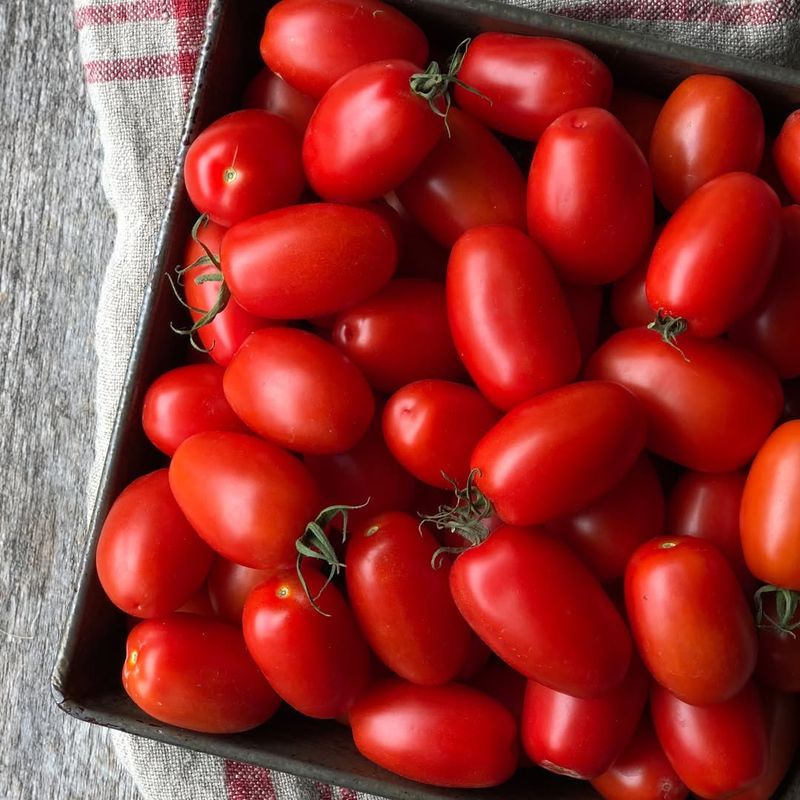
Hybrid vigor gives Mountain Fresh advantages that make it particularly well-suited for Kentucky’s growing conditions. This variety was specifically bred to handle temperature extremes and disease pressure that challenge other tomatoes.
Your plants will develop strong, healthy growth even when weather conditions aren’t ideal, which happens frequently in the state’s unpredictable climate.
The tomatoes are large, smooth, and uniformly round, typically weighing 10 to 12 ounces each. Mountain Fresh matures in about 77 days, putting it in the mid-season category for harvest timing.
You’ll notice excellent crack resistance on the fruits, even after heavy rains that cause many varieties to split open.
Kentucky gardeners particularly appreciate Mountain Fresh’s ability to set fruit during hot weather when other varieties struggle. The plants show resistance to multiple diseases including verticillium wilt, fusarium wilt, and early blight.
Your harvest will be substantial because these indeterminate plants continue producing until frost.
Flavor-wise, Mountain Fresh delivers that classic tomato taste that works well for any fresh eating application. The fruits have firm flesh that holds up during slicing and doesn’t turn mushy in salads.
Your plants will grow tall, often reaching six feet or more, so plan on providing adequate support.
Beginners succeed with Mountain Fresh because it handles Kentucky’s challenging conditions without requiring expert intervention. The variety produces consistently across different soil types and garden locations throughout the state, making it a reliable choice for first-time growers.
7. Bush Early Girl
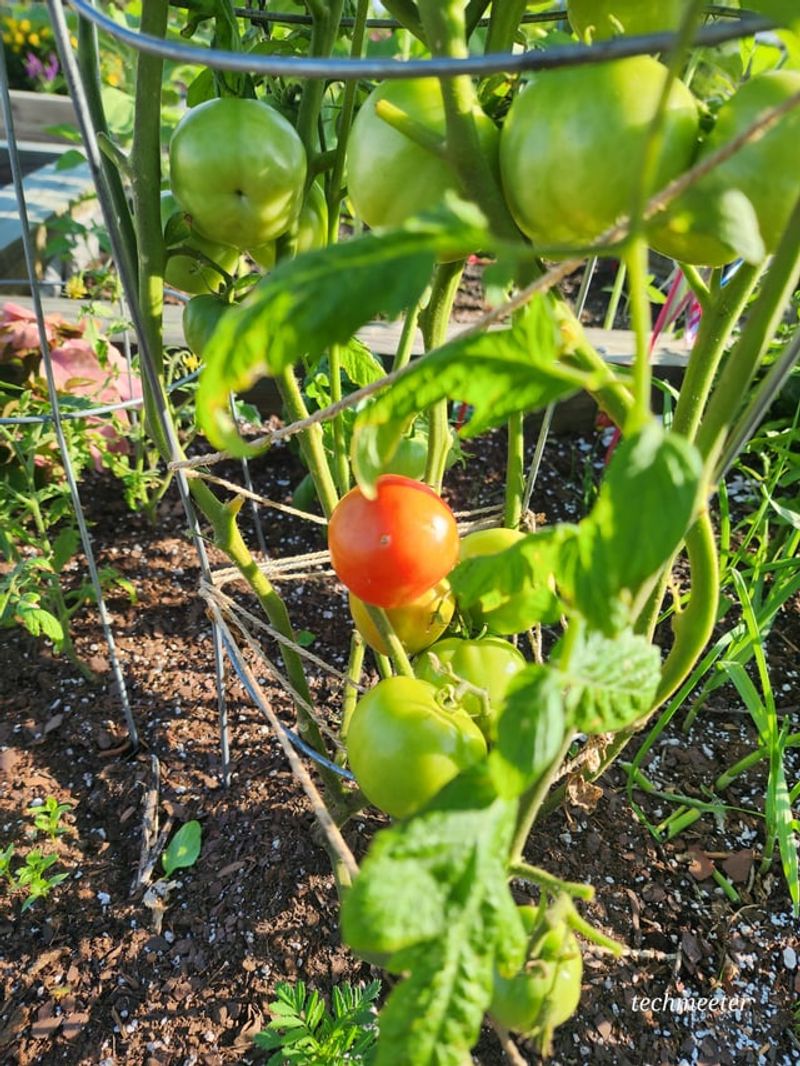
Container gardening and small spaces don’t mean you have to sacrifice quality or flavor. Bush Early Girl brings all the speed and taste of the original Early Girl in a compact package that fits perfectly in pots or tight garden spots.
Kentucky gardeners with limited space find this variety absolutely perfect for their needs.
Your plants will stay compact, typically reaching just 18 to 24 inches tall, making them ideal for patios, balconies, or front-yard gardens. Despite the small plant size, Bush Early Girl produces full-sized tomatoes weighing four to six ounces each.
The variety matures quickly, usually giving you ripe fruit in about 54 days from transplanting.
Determinate growth means your plants will produce most of their fruit within a concentrated period, perfect for beginners who want a predictable harvest. The tomatoes have that classic Early Girl flavor that made the original variety famous.
You won’t need elaborate support systems because these compact plants handle their fruit load without staking.
Kentucky’s unpredictable spring weather doesn’t slow down Bush Early Girl, which tolerates cooler temperatures well. The variety shows good disease resistance, helping your plants stay healthy throughout the growing season.
Your container-grown plants will need consistent watering since pots dry out faster than garden beds.
Beginners love that Bush Early Girl delivers full-sized flavor without requiring a full-sized garden. The variety has made tomato growing accessible to Kentucky residents who previously thought they didn’t have enough space.
8. Juliet
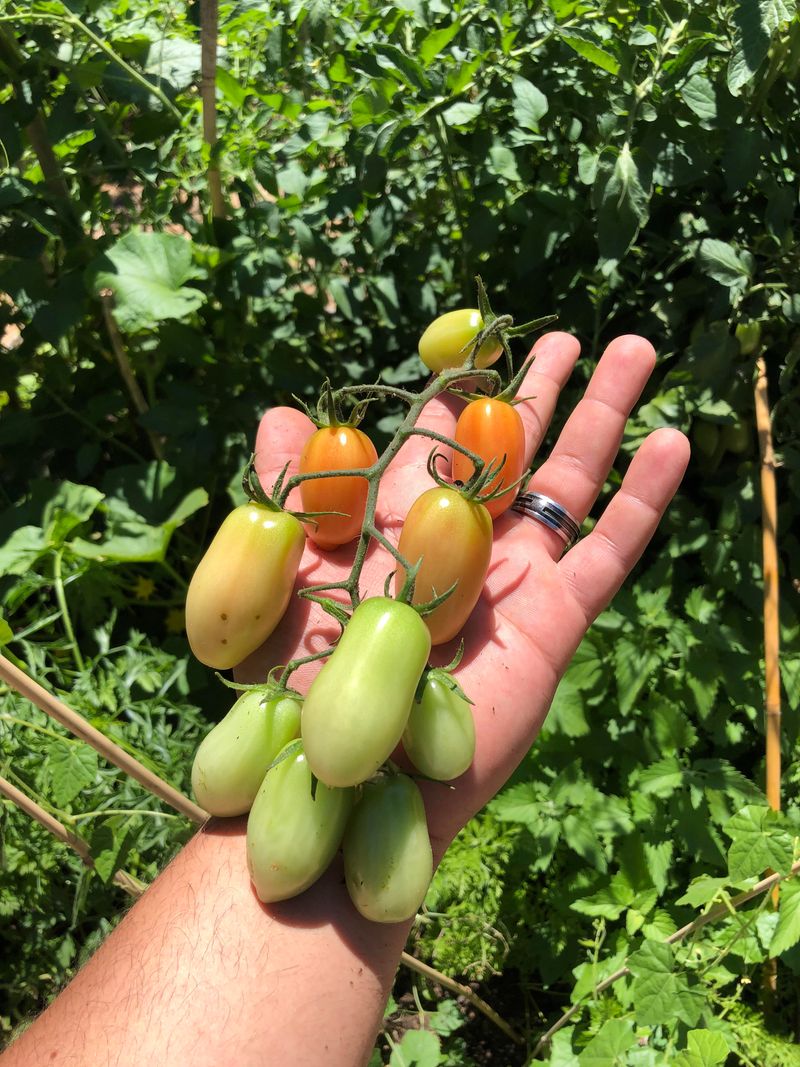
Grape tomatoes have exploded in popularity, and Juliet stands out as one of the best for Kentucky gardens. This variety produces clusters of elongated, one-ounce fruits that look like miniature Roma tomatoes.
Your plants will be absolutely loaded with tomatoes throughout the season, giving you more fruit than you might imagine possible from a single plant.
Juliet grows as an indeterminate, continuing to produce from mid-summer until frost ends the season. The variety typically starts ripening around 60 days after transplanting, making it a relatively early producer.
You’ll notice that the fruits have exceptionally sweet flavor with just enough acidity to keep them interesting.
Kentucky’s hot, humid summers don’t cause the cracking problems that plague many cherry and grape tomato varieties. Juliet’s fruits stay firm and crack-free even after heavy rains, maintaining their quality throughout the season.
The plants show excellent disease resistance, particularly to late blight, which can devastate tomato crops in the state.
Your harvest will be phenomenal because each cluster can contain a dozen or more tomatoes. Juliet won an All-America Selections award, recognizing its outstanding performance across different growing regions.
The tomatoes are perfect for snacking, salads, or roasting, and they store well after harvest.
Beginners find Juliet incredibly rewarding because the plants are so productive and forgiving. The variety has become a Kentucky favorite for anyone who wants abundant harvests of sweet, flavorful grape tomatoes without any fuss.
9. Brandywine
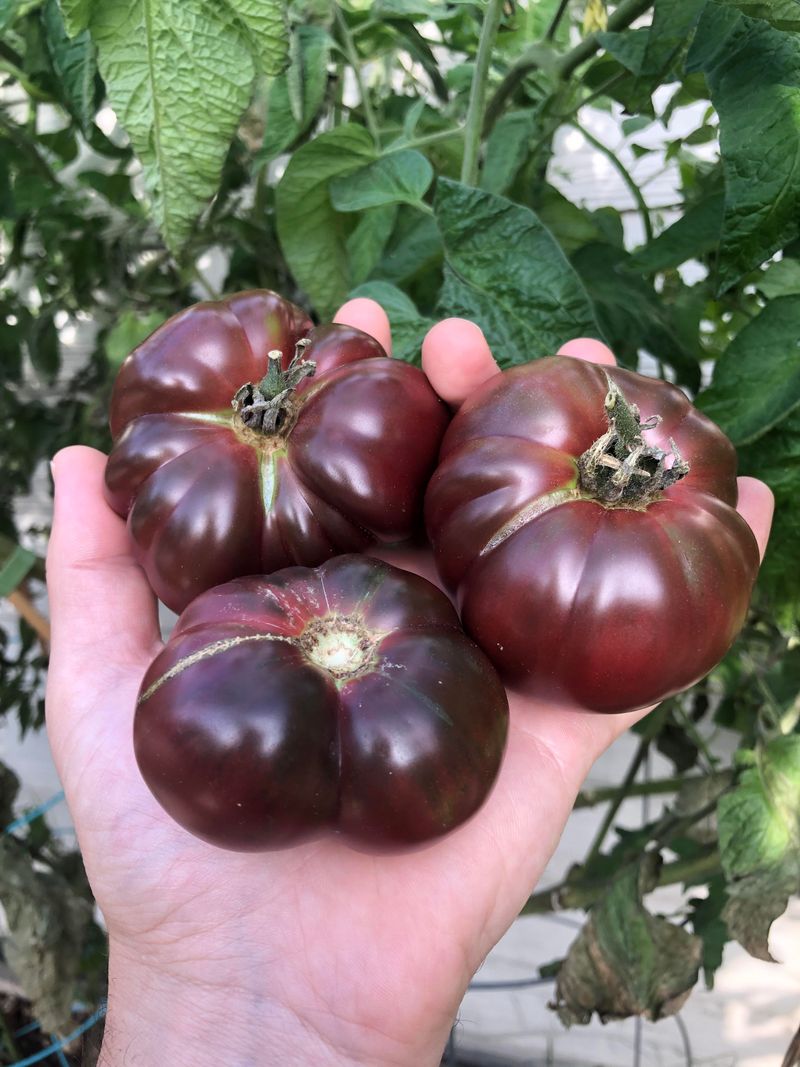
Heirloom tomatoes offer flavors that modern hybrids rarely match, and Brandywine represents the gold standard for taste. This variety has been passed down through generations because of its outstanding flavor that combines perfect sweetness with rich, complex notes.
Kentucky gardeners who try Brandywine often say it’s the best-tasting tomato they’ve ever grown.
Your plants will produce large, pink-skinned fruits that can weigh a pound or more when conditions are right. Brandywine takes its time maturing, usually requiring 80 to 90 days before the first ripe fruit appears.
The plants grow as vigorous indeterminates that can reach six to eight feet tall, so sturdy support is essential.
These tomatoes have thin skins and delicate flesh that make them perfect for fresh eating but less suitable for shipping or long storage. You’ll want to pick them at peak ripeness and use them quickly to enjoy their full flavor potential.
Brandywine plants need consistent care including regular watering and feeding to produce their best fruit.
Kentucky’s growing season is long enough for Brandywine to fully mature and develop its legendary flavor. The variety doesn’t have the disease resistance of modern hybrids, so you’ll need to monitor your plants for problems.
Your extra effort will be rewarded with tomatoes that taste like summer itself.
Beginners who start with Brandywine learn that some varieties require more attention but deliver incomparable rewards. The variety has earned its place in Kentucky gardens through generations of satisfied growers who prize flavor above all else.
10. Patio Princess
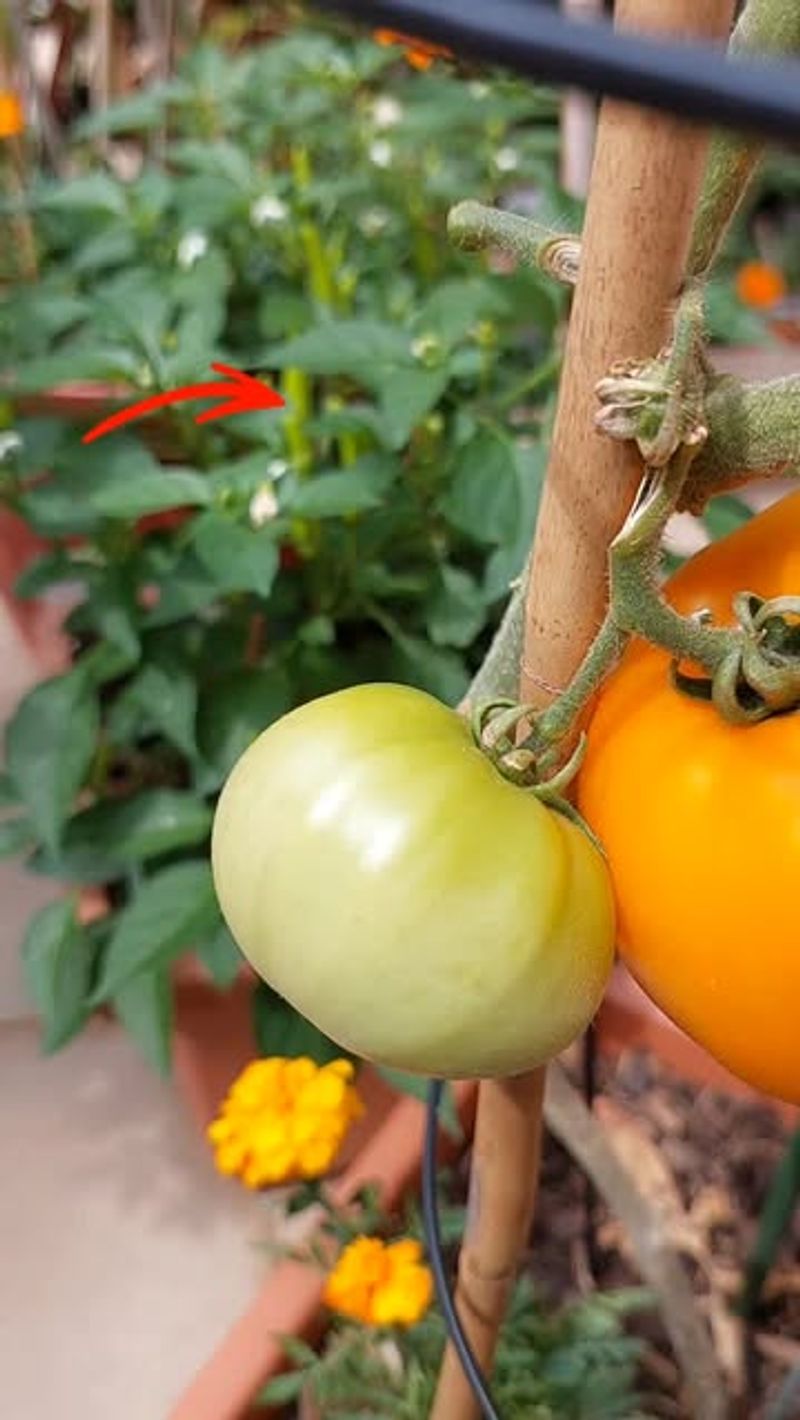
Urban gardening has created demand for tomatoes that thrive in containers, and Patio Princess answers that call perfectly. This compact variety was specifically bred for growing in pots on decks, patios, and balconies where traditional garden space doesn’t exist.
Kentucky apartment dwellers and townhouse residents can finally enjoy homegrown tomatoes without needing a backyard.
Your plants will stay small, typically reaching just 20 to 24 inches tall, making them perfect for containers as small as five gallons. Despite the tiny plant size, Patio Princess produces full-sized tomatoes weighing four to six ounces each.
The variety matures quickly, usually giving you ripe fruit in about 65 days from transplanting.
Determinate growth means your plants will produce their fruit over a concentrated period, then slow down. The tomatoes have excellent flavor with good balance between sweetness and acidity.
You won’t need to stake or cage these compact plants because they naturally support their own fruit load.
Kentucky’s summer heat doesn’t overwhelm Patio Princess the way it does some container varieties. The plants show good disease resistance and handle the stress of container growing better than many tomatoes.
Your potted plants will need consistent watering since containers dry out faster than garden beds.
Beginners love that Patio Princess makes tomato growing possible even without traditional garden space. The variety has opened up homegrown tomatoes to Kentucky residents who previously thought their living situations made gardening impossible.