Top 7 Berry Plants Every Oregon Gardener Should Grow
Have you ever stood in your yard on a warm afternoon and thought about how nice it would be to pick fresh berries without leaving home? Maybe you have walked past the produce section and wondered why garden berries always seem to taste better.
If you garden in Oregon, you are already ahead of the game. Our climate makes it easier than many people realize to grow sweet, juicy berries right outside the door.
You do not need a huge garden or years of experience to get started. Even a small space can surprise you with how much it can produce.
Some berry plants are tough, forgiving, and happy to grow with just a little care. That is great news for busy gardeners and beginners alike.
If you have ever thought about planting berries but were not sure where to start, you are not alone. Many Oregon gardeners ask the same question every year.
Let’s walk through the top 7 berry plants that grow especially well here and can make your garden more fun, more productive, and a little more delicious.
1. Blueberries
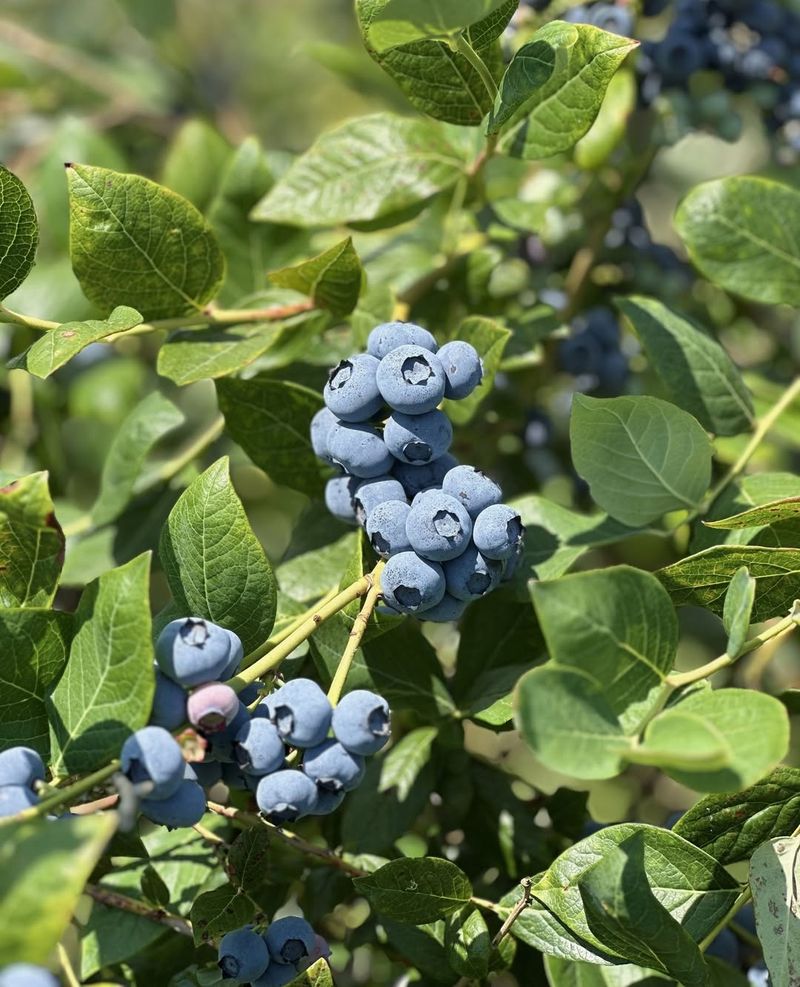
Walk through any established Oregon garden and you’ll likely spot a blueberry bush or two tucked into a sunny corner. Blueberries love our acidic soil and consistent moisture, making them one of the easiest berry plants to keep happy year after year.
They’re not just productive, they’re beautiful too, with delicate white spring blooms and fiery red fall foliage that adds seasonal interest beyond the summer harvest.
Most Oregon gardeners plant two or three bushes to ensure good pollination and extend the harvest window from June through August. Northern highbush varieties like ‘Duke,’ ‘Bluecrop,’ and ‘Elliott’ are particularly well-suited to our climate.
These shrubs prefer full sun but tolerate light afternoon shade, especially in hotter inland valleys.
Blueberries need acidic soil with a pH between 4.5 and 5.5, so adding sulfur or planting in amended beds often gives the best results. Once established, they require minimal pruning and are relatively pest-free.
Spacing them about four to five feet apart allows good air circulation and room for growth.
Each mature bush can produce several pints of berries per season, and the plants can live and produce for decades.
Your biggest challenge might be keeping the birds away during ripening season, netting works wonders.
With steady watering during dry summer stretches and an annual mulch refresh, blueberries become one of the most reliable and rewarding additions to any Oregon garden.
2. Marionberries (Trailing Blackberries)
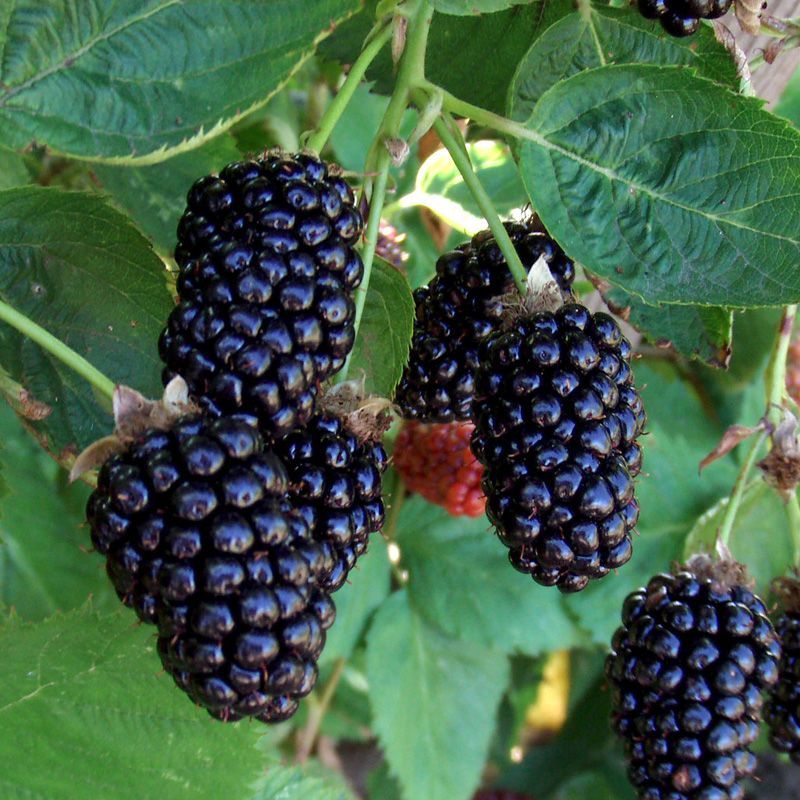
If there’s one berry that screams Oregon, it’s the marionberry. Developed right here by Oregon State University, this trailing blackberry delivers deep, complex flavor that makes store-bought berries taste flat by comparison.
Marionberries grow on long, trailing canes that need support, so most gardeners train them along a fence, trellis, or wire system.
These plants are vigorous growers and can fill a space quickly, producing heavy crops in their second year. They prefer full sun and well-drained soil, though they’re surprisingly forgiving once their roots take hold.
Canes grow one year, fruit the next, then should be cut back to make room for new growth.
Marionberries ripen in July, and the harvest window lasts several weeks if you keep picking regularly.
Each plant can yield several quarts of berries per season, and the flavor is unmatched – sweet, tart, and intensely berry-forward.
They’re perfect for pies, jams, or eating fresh by the handful.
Spacing plants about four feet apart along a trellis gives them room to spread without crowding. Mulching helps retain moisture and keeps weeds down, which is especially helpful since reaching under thorny canes isn’t anyone’s favorite chore.
With annual pruning and consistent watering during fruiting, marionberries become a high-value, low-maintenance staple in Oregon gardens.
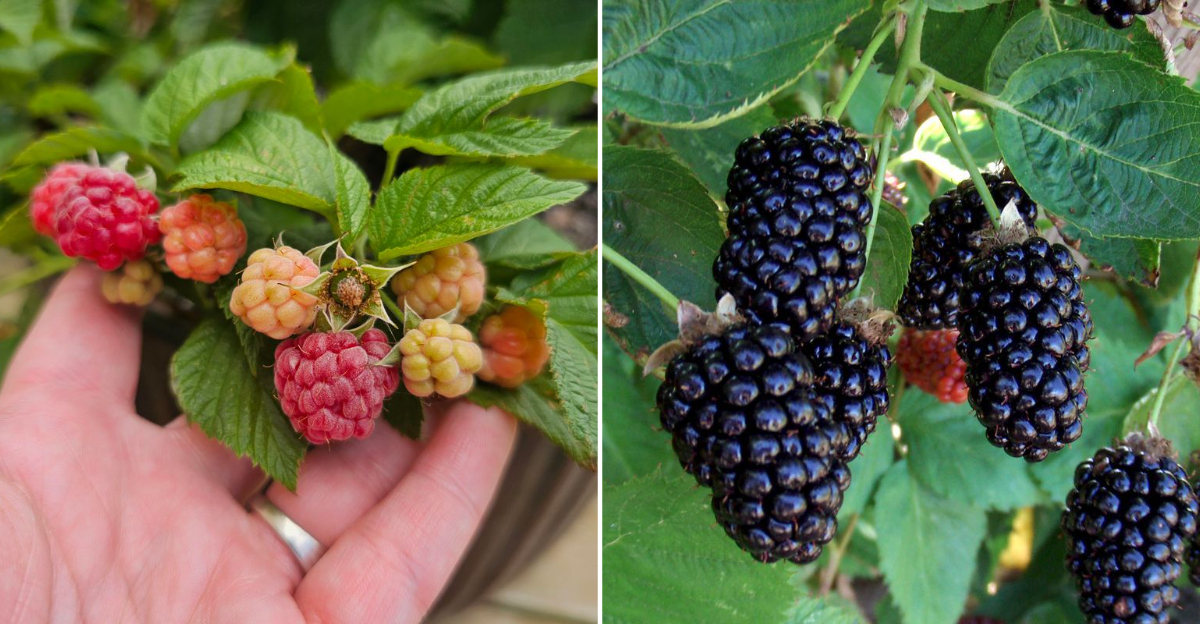
3. Red Raspberries
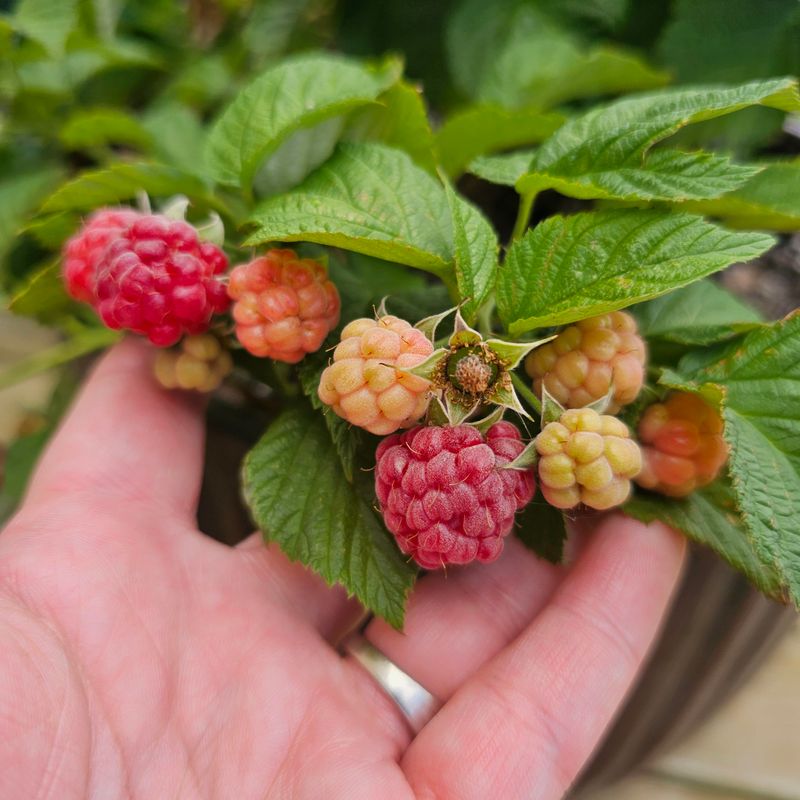
They are the ultimate beginner-friendly berry plant, and they thrive in Oregon’s climate with almost zero drama. These upright canes grow quickly, produce reliably, and spread gradually through underground runners, filling in a berry patch over time.
Summer-bearing varieties like ‘Meeker’ and ‘Tulameen’ deliver one big flush of fruit in early summer, while ever-bearing types like ‘Heritage’ give you two smaller harvests, one in summer and another in fall.
Raspberries prefer full sun and well-drained soil, though they tolerate a bit of shade better than most berries. They’re less picky about soil pH than blueberries, making them easier to site in various garden spots.
Canes typically reach four to six feet tall and benefit from simple support like a post-and-wire trellis or stakes along the row.
Each established plant can produce several pints of berries per season, and the fruit is incredibly versatile, fresh eating, freezing, baking, or turning into jam.
Raspberries need annual pruning to remove old canes and keep the patch productive, but the work is straightforward and quick.
Spacing plants about two feet apart allows them to fill in without overcrowding. Mulching helps suppress weeds and keeps roots cool during warm spells.
With regular watering and a light spring feeding, raspberries become one of the most generous and dependable berry plants you can grow in Oregon.
4. Strawberries
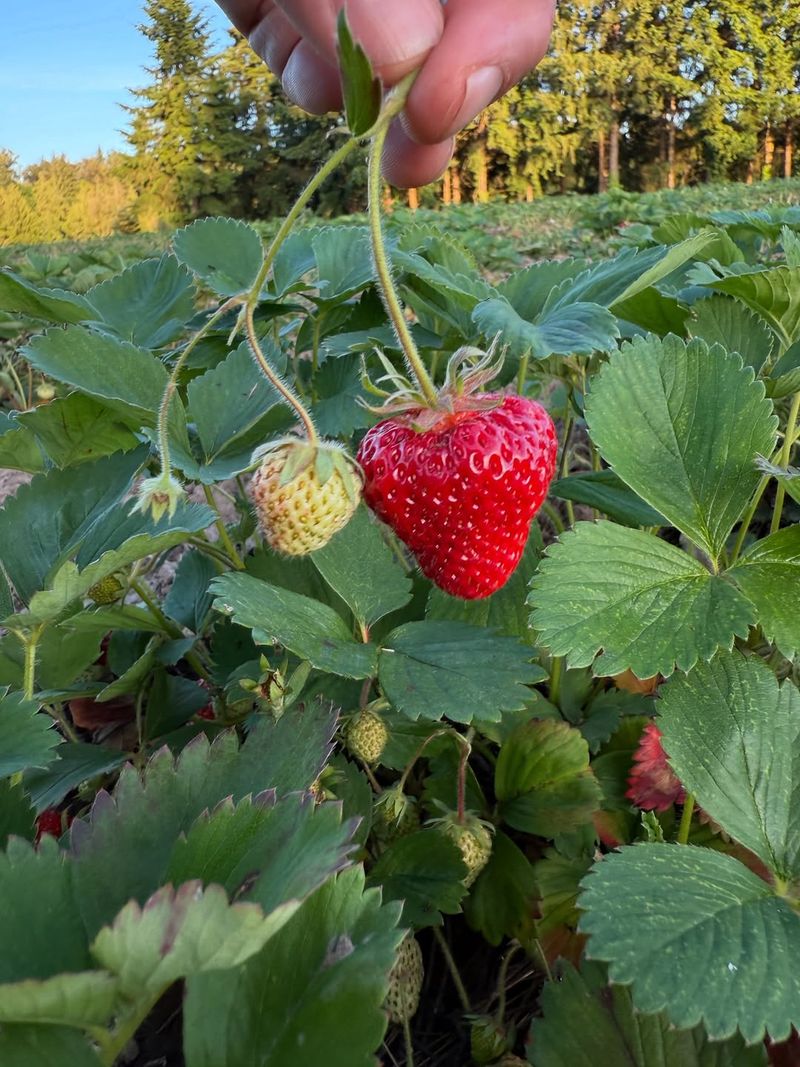
Strawberries are the gateway berry for many Oregon gardeners, and for good reason – they’re compact, fast-producing, and incredibly satisfying to grow.
June-bearing varieties like ‘Hood’ and ‘Puget Reliance’ deliver one big, concentrated harvest in late spring, while ever-bearing types like ‘Seascape’ and ‘Albion’ produce smaller flushes throughout the summer and into fall.
These low-growing plants thrive in full sun and well-drained soil, making them ideal for raised beds, containers, or dedicated strawberry patches. They spread through runners, which you can either let fill in the bed or trim back to keep plants tidy and productive.
Strawberries prefer slightly acidic to neutral soil and benefit from a layer of straw mulch to keep berries clean and reduce disease pressure.
Each plant produces several handfuls of berries per season, and a small bed of a dozen plants can keep a family in fresh strawberries for weeks. The fruit is best picked fully ripe, when flavor and sweetness peak.
Strawberries need consistent moisture, especially during flowering and fruiting, so drip irrigation or regular hand-watering works well.
Spacing plants about twelve inches apart gives them room to spread without overcrowding. Renovating the bed every few years by thinning old plants and letting new runners establish keeps production strong.
With minimal care and a sunny spot, strawberries become one of the most rewarding and kid-friendly berry plants in any Oregon garden.
5. Evergreen Huckleberries
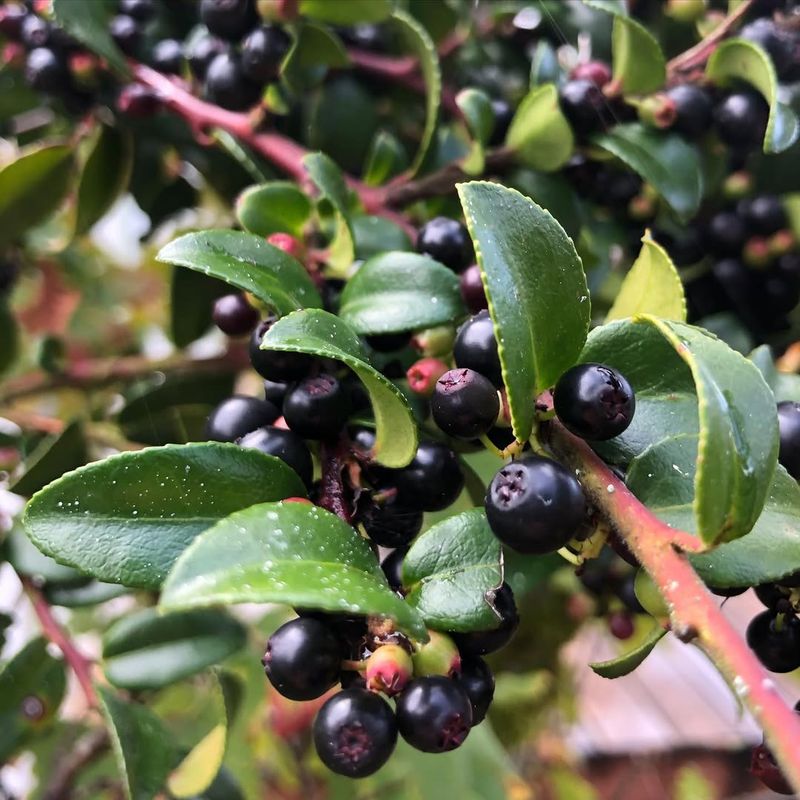
Evergreen huckleberries are a bit of a hidden gem in Oregon gardens, but once you taste their rich, complex flavor, you’ll wonder why more people don’t grow them.
Native to the Pacific Northwest, these shrubs are perfectly adapted to our climate and require almost no fussing once established.
They grow slowly but steadily, eventually reaching four to six feet tall, with glossy green leaves that look good year-round.
Huckleberries prefer partial shade to full sun and thrive in acidic, well-drained soil similar to blueberries. They’re incredibly drought-tolerant once mature, making them a smart choice for lower-maintenance garden areas.
The small, dark berries ripen in late summer and early fall, offering a harvest window when many other berries have finished.
Each bush produces modest but steady yields, and the berries are perfect for baking, preserves, or eating fresh if you enjoy a tart, intense berry flavor. Huckleberries are also excellent for wildlife, attracting birds and pollinators throughout the growing season.
They need little to no pruning and are rarely bothered by pests or diseases.
Spacing plants about four feet apart gives them room to grow without crowding. Mulching with organic matter helps retain moisture and keeps roots cool.
With patience and minimal intervention, evergreen huckleberries become a long-lived, low-maintenance addition to any Oregon garden, offering unique flavor and native plant benefits that few other berries can match.
6. Red Currants
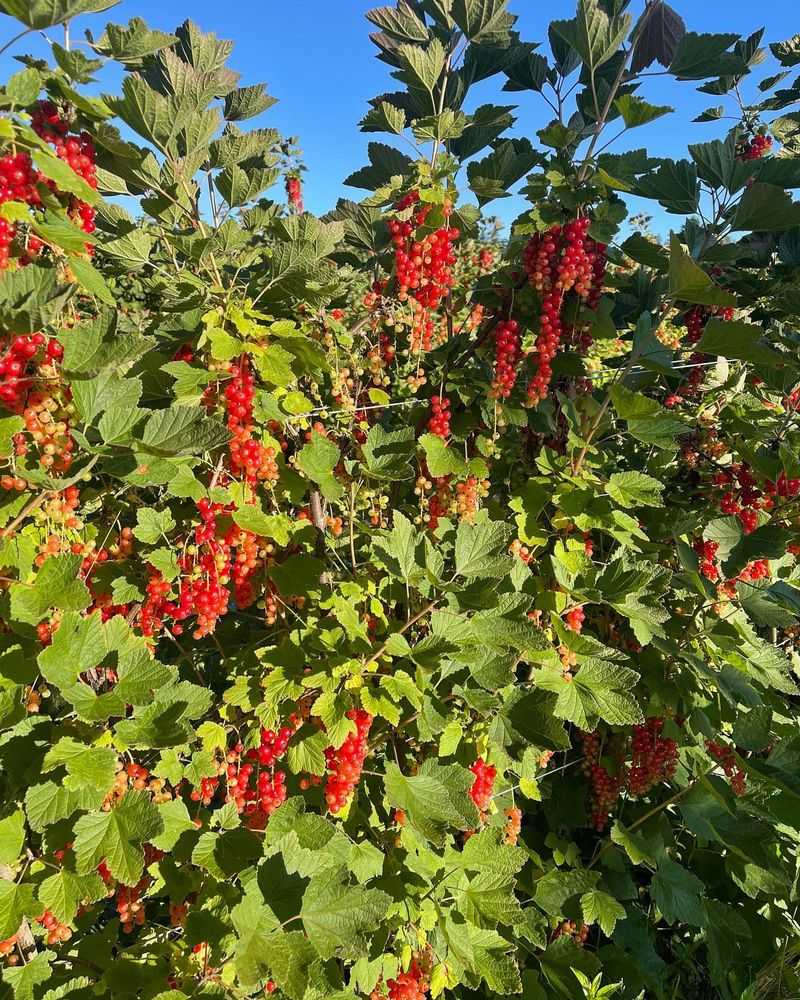
These berries are one of the most underrated berry plants in Oregon gardens, and they deserve way more attention. These compact, upright shrubs produce heavy clusters of translucent red berries that hang like tiny jewels from the branches in early summer.
The flavor is tart and bright, perfect for jams, jellies, sauces, or adding a zingy twist to fresh fruit salads.
Currants prefer full sun to partial shade and well-drained soil, making them adaptable to various garden spots. They’re surprisingly cold-hardy and tolerate Oregon’s wet winters without issue.
The bushes grow slowly to about three to five feet tall, staying neat and manageable without much intervention. They’re self-fertile, so you only need one plant to get fruit, though planting more increases your harvest.
Each mature bush can produce several quarts of berries per season, and the harvest window lasts a few weeks if you pick regularly. Currants need minimal pruning, just remove old or damaged wood every few years to keep plants productive.
They’re rarely bothered by pests and tolerate neglect better than most berries.
Spacing plants about four feet apart allows good air circulation and room for growth. Mulching helps retain moisture and keeps weeds down around the base.
With consistent watering during fruiting and occasional feeding, red currants become a reliable, low-maintenance berry plant that adds unique flavor and visual interest to any Oregon garden, especially if you love making preserves or baking with fresh fruit.
7. Elderberries
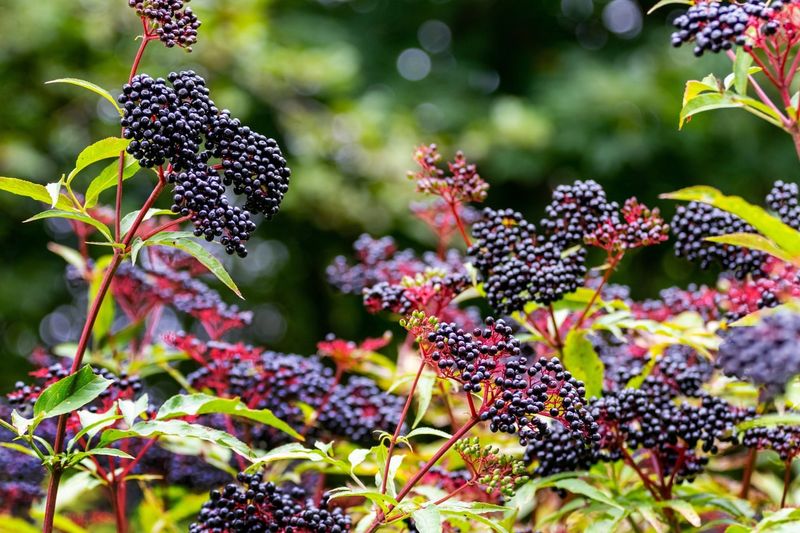
Elderberries are making a big comeback in Oregon gardens, and it’s easy to see why, they’re incredibly productive, nearly indestructible, and offer both beautiful flowers and useful fruit.
These fast-growing shrubs can reach eight to ten feet tall and wide, so they work best in larger garden spaces or along property edges where they can spread out.
The creamy white flower clusters in early summer are stunning and attract tons of pollinators.
Elderberries prefer full sun and moist, well-drained soil, though they tolerate a wide range of conditions once established. They’re not picky about soil pH and can handle occasional wet feet better than most berry plants.
The dark purple berries ripen in late summer and are best cooked before eating, they’re perfect for syrups, jams, and immune-boosting elderberry preparations.
Each mature shrub can produce several pounds of berries per season, and planting two or more varieties improves pollination and yields. Elderberries need annual pruning to remove old wood and keep plants productive, but the work is straightforward and forgiving.
They’re rarely bothered by pests and bounce back quickly from neglect.
Spacing plants about six feet apart gives them room to mature without crowding. Mulching helps retain moisture and suppress weeds around the base.
With regular watering during dry spells and annual pruning, elderberries become one of the most generous and functional berry plants you can grow in Oregon, offering beauty, harvest, and wildlife value all in one package.