Top 7 Bulbs To Plant In Pennsylvania For Spring Blooms
Tired of gray winter days and dreaming of colorful spring blooms? Now’s the perfect time to make that dream a reality.
If you’re in Pennsylvania and want a yard full of vibrant flowers as soon as the weather warms up, planting spring-blooming bulbs now is your best move. These underground powerhouses are surprisingly easy to work with.
Just pop them in the ground before it freezes (or even in early spring, depending on the type), and let nature take over.
Whether you’re into cheerful daffodils, elegant tulips, or early risers like crocuses, there’s a bulb that fits every style and skill level. Even better? Many bulbs come back year after year with little effort.
So, if you want your garden to wake up in full color come spring, these are the top bulbs Pennsylvania gardeners are planting now to get a jump on the season. Let’s dig in!
1. Daffodils
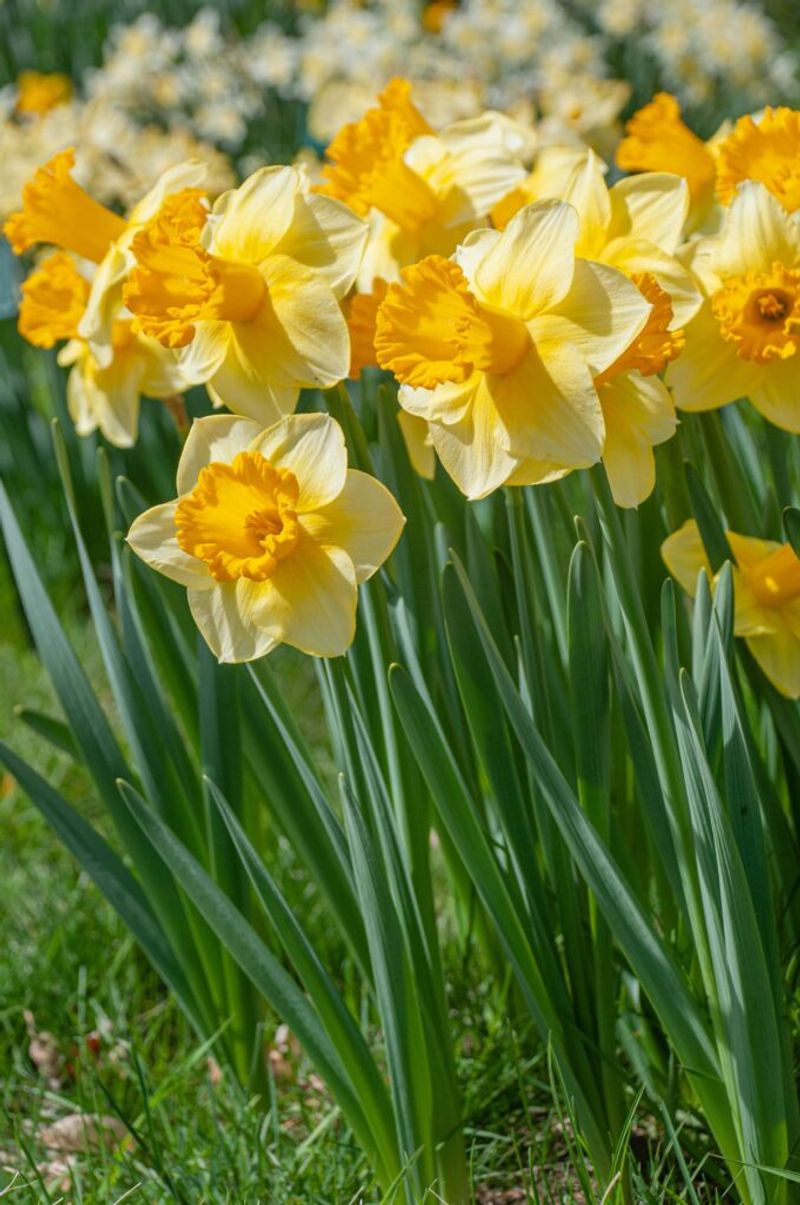
Bright yellow trumpets nodding in the breeze signal that spring has truly arrived in Pennsylvania. Daffodils are practically foolproof, making them perfect for beginners and experienced gardeners alike.
These cheerful flowers come back year after year, multiplying over time to create bigger displays. Plant daffodil bulbs in October or early November before the ground freezes hard.
They need about six weeks to develop roots before winter sets in. Choose a spot with good drainage since sitting in wet soil can cause problems.
Full sun or partial shade works well for daffodils across Pennsylvania. They bloom in early to mid-spring, usually March through April depending on your location.
Taller varieties look stunning planted in groups behind shorter spring flowers. One major advantage is that deer and rabbits leave daffodils alone.
The bulbs and flowers contain compounds that taste bad to wildlife. This makes them ideal for Pennsylvania yards where hungry animals are common.
After blooming, let the foliage turn yellow naturally before cutting it back. The leaves gather energy to fuel next year’s flowers.
Daffodils need minimal care once established and will spread slowly to fill in bare spots. Hundreds of varieties exist, from classic yellow to white, orange, and even pink.
Mixing early, mid, and late bloomers extends your daffodil display for weeks. They also make excellent cut flowers that brighten indoor spaces during those last chilly days of winter.
2. Tulips
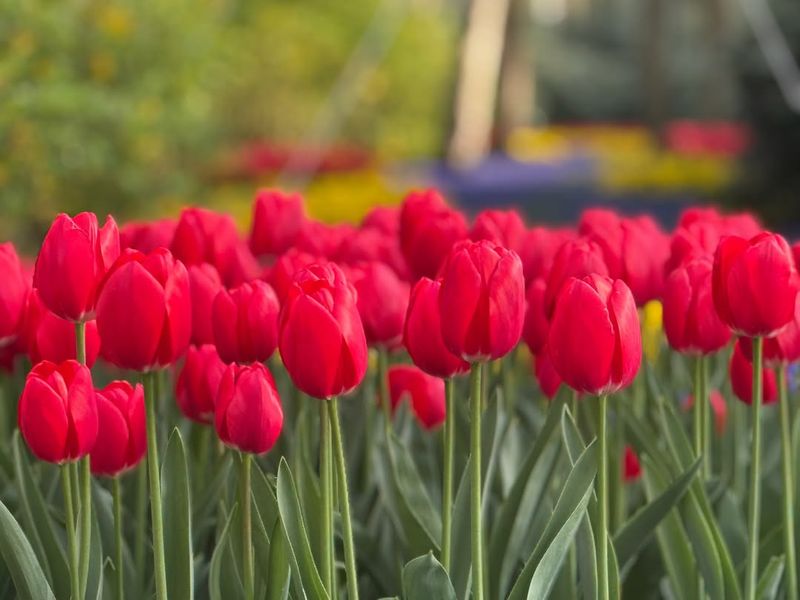
Few flowers create as much spring drama as tulips standing tall in vibrant colors. Their cup-shaped blooms come in nearly every color imaginable, from deep purple to bright red to soft pastels.
Pennsylvania’s climate suits tulips perfectly, giving them the cold period they need to bloom beautifully. November is the ideal planting time in most Pennsylvania areas.
The soil should be cool but still workable. Tulips need well-drained soil and full sun for best results, though they tolerate light shade.
Plant bulbs about six to eight inches deep and four to six inches apart. Deeper planting helps protect them from temperature swings common in Pennsylvania springs.
Adding compost to the planting hole gives bulbs extra nutrients. Many gardeners treat tulips as annuals because they sometimes don’t return strongly after the first year.
However, species tulips and some Darwin hybrids reliably come back in Pennsylvania gardens. If you want guaranteed repeats, stick with these reliable types.
Tulips bloom from April into May depending on variety and location. Early varieties open first, followed by mid-season and late bloomers.
Planting different types means you can enjoy tulips for over a month. Squirrels and other critters love tulip bulbs, so protection helps.
Covering planted areas with chicken wire or planting bulbs in wire cages works well. You can also plant daffodils around tulips since animals avoid those.
The colorful spring show tulips provide makes any extra effort worthwhile for Pennsylvania gardeners.
3. Crocuses
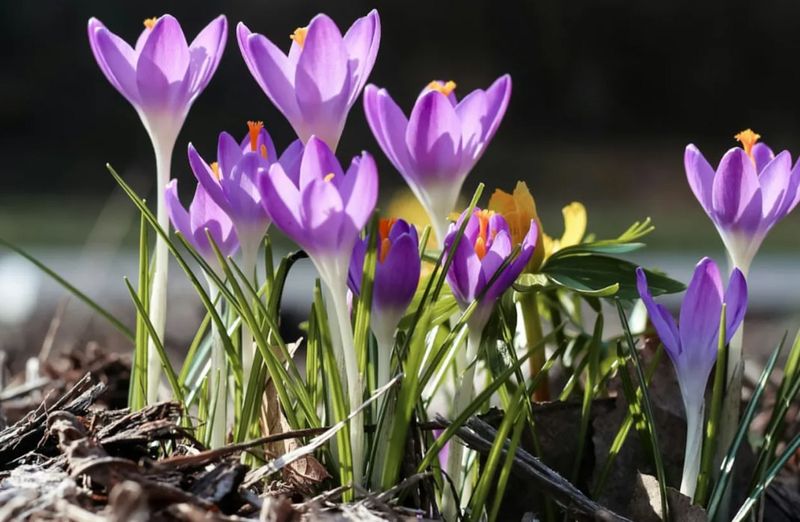
Tiny but tough, crocuses often bloom while snow still dots Pennsylvania lawns. These early risers push through cold soil to open cheerful flowers in purple, yellow, white, and striped combinations.
Their small size makes them perfect for planting in large groups where they create colorful carpets. September or October planting works best for crocuses in Pennsylvania.
Plant them just three to four inches deep and about three inches apart. They prefer sunny spots but will bloom in areas that get morning sun and afternoon shade.
Crocuses naturalize beautifully, meaning they spread and multiply over years. Plant them in lawns, under trees, or along walkways where their early blooms get noticed.
Just remember to wait until crocus foliage yellows before mowing areas where they grow. These little flowers provide important early food for bees emerging from winter.
Watching bees visit crocuses on warm March days is a sure sign that spring is winning against winter. Pennsylvania’s variable spring weather doesn’t bother crocuses, which close up during cold snaps and reopen when sunshine returns.
Both large-flowered Dutch crocuses and smaller species crocuses grow well throughout Pennsylvania. Species types bloom even earlier and spread more enthusiastically.
Mixing types extends your bloom time from late February through early April in most areas. Squirrels sometimes dig up crocus bulbs, but the bulbs are inexpensive enough to plant extras.
Once established, crocuses need zero maintenance and will brighten your yard for many years. Their cheerful faces popping up through brown grass bring hope after Pennsylvania’s long winters.
4. Hyacinths
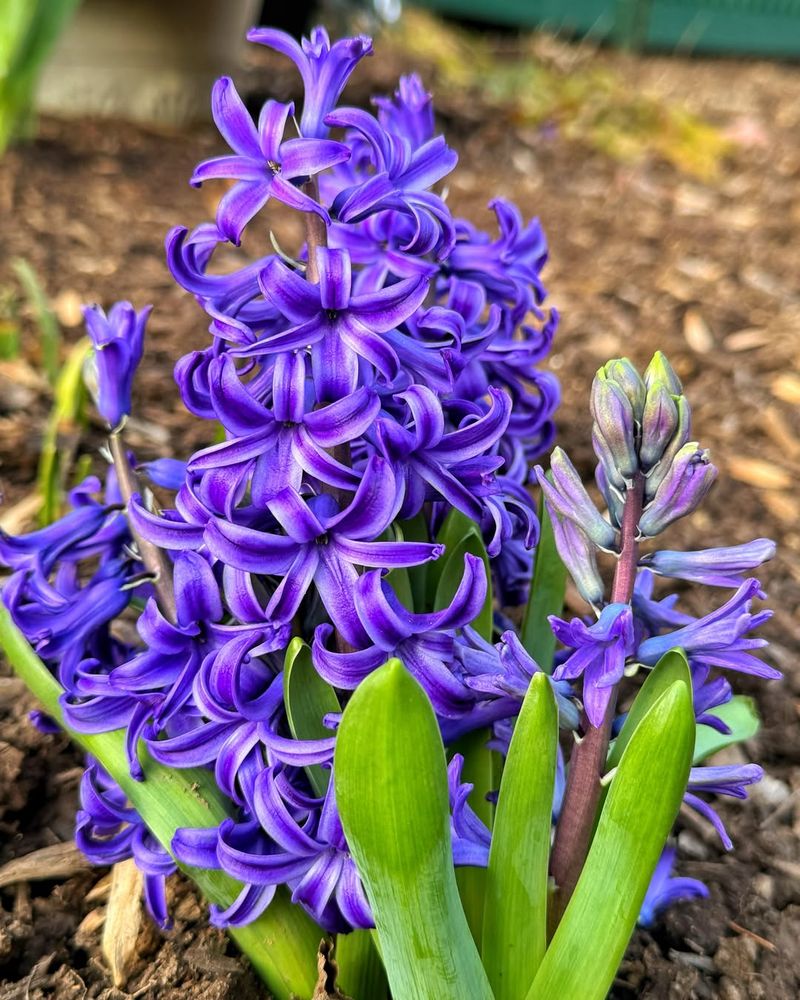
Walking past blooming hyacinths stops you in your tracks because their perfume fills the air. These stocky flowers produce dense spikes packed with small blossoms that release incredible fragrance.
Pennsylvania gardens come alive when hyacinths open in mid-spring, usually April. October through November is prime planting time in Pennsylvania.
Set bulbs about six inches deep in well-drained soil with plenty of sun. Space them six to nine inches apart since hyacinth flower spikes are substantial and need room.
Colors range from white and cream to pink, purple, blue, and even yellow. Planting several colors together creates stunning displays that also smell amazing.
Hyacinths work beautifully in containers placed near doorways or patios where you’ll enjoy their scent. First-year blooms are always the biggest and most impressive.
Subsequent years may produce smaller flower spikes, but they still provide color and fragrance. Pennsylvania’s climate suits hyacinths well, and many will return for several years with proper care.
Let foliage remain after blooming until it turns completely yellow. This feeds the bulb for next season.
Adding a balanced fertilizer in early spring when shoots emerge helps maintain strong blooms over time. Hyacinths force easily indoors too.
Pennsylvania gardeners often pot some bulbs in fall, chill them, then bring them inside for winter blooms. This provides a preview of spring while snow still covers outdoor gardens.
Whether grown inside or out, hyacinths bring both beauty and wonderful fragrance that makes them special additions to any Pennsylvania spring garden.
5. Alliums
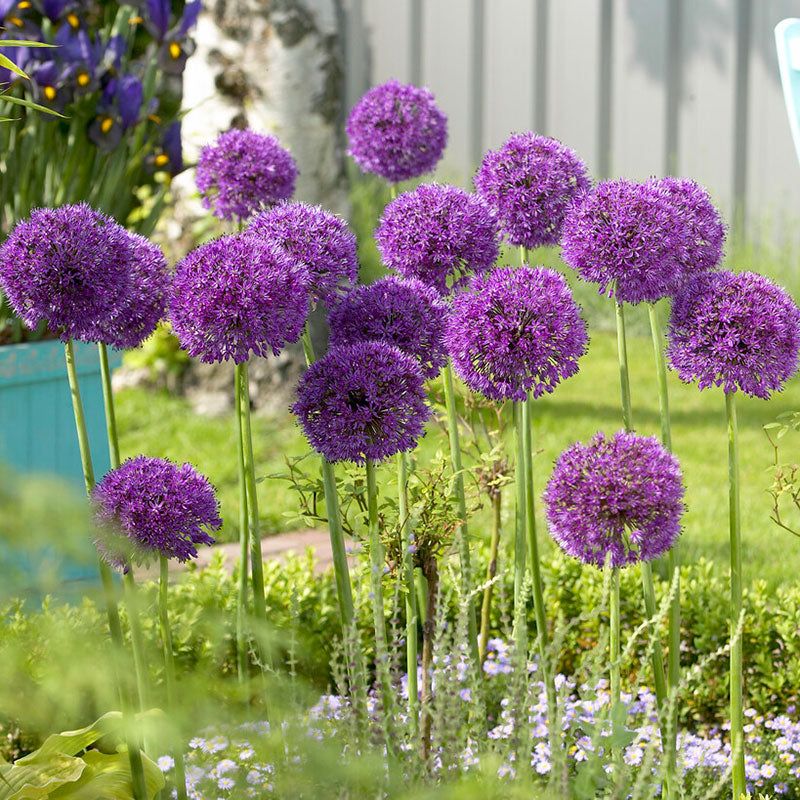
Giant purple globes floating above the garden on tall stems create an almost magical effect. Alliums are ornamental onions that add height and architectural interest to Pennsylvania spring gardens.
Their spherical flower heads contain hundreds of tiny star-shaped blooms clustered into perfect balls. Plant allium bulbs in fall, ideally October in Pennsylvania.
They need depths of about six to eight inches depending on bulb size. Sunny locations with good drainage produce the best results, though alliums tolerate various soil types.
Heights range from short varieties at eight inches to giants reaching four feet tall. Taller alliums like ‘Globemaster’ or ‘Purple Sensation’ make dramatic statements when planted among lower perennials.
They bloom late spring into early summer, bridging the gap between spring bulbs and summer flowers. Because alliums are related to onions and garlic, deer and rabbits avoid them completely.
This makes them excellent choices for Pennsylvania properties where wildlife browsing is constant. The flowers also attract beneficial pollinators like bees and butterflies.
Allium foliage starts growing early but can look messy as it yellows while flowers bloom. Plant them behind other perennials that will hide the aging leaves while letting the flower globes rise above.
The foliage needs to remain until it browns completely to feed next year’s bulbs. Dried allium seed heads look interesting through summer and fall if left standing.
Many Pennsylvania gardeners leave them for architectural interest and bird food. These unique bulbs add something different to typical spring displays, and their easy care makes them increasingly popular across the state.
6. Grape Hyacinths
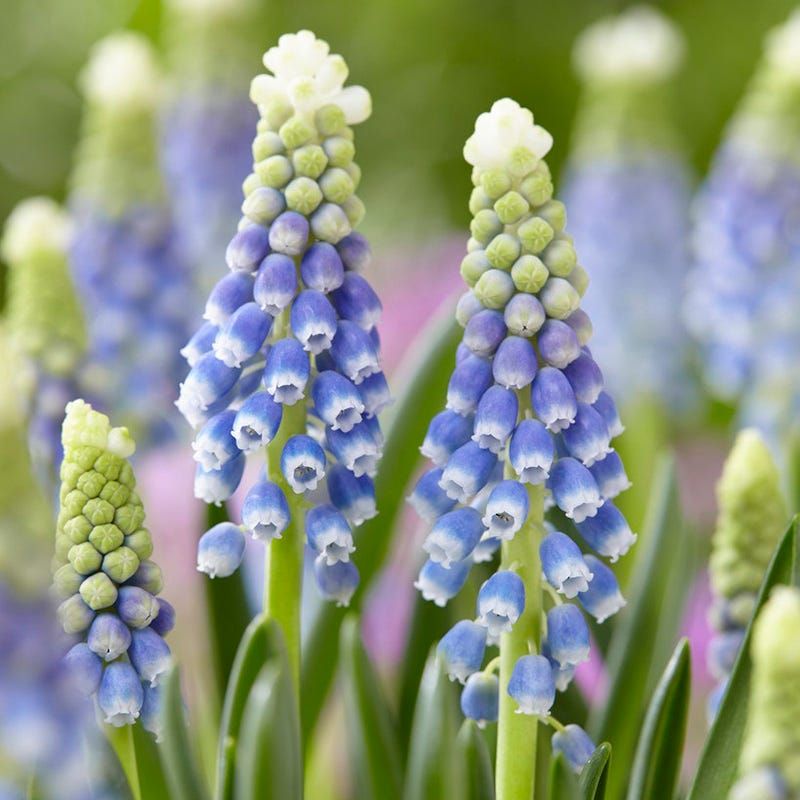
Clusters of tiny blue bells stacked along short stems look like miniature grape bunches. Grape hyacinths, or muscari, are charming little bulbs that spread happily throughout Pennsylvania gardens.
They’re incredibly easy to grow and multiply quickly to form blue carpets under trees or along borders. Fall planting in September or October gives grape hyacinths time to establish before winter.
Plant bulbs about three inches deep and two to three inches apart. They adapt to various conditions but prefer areas with spring sun and summer shade.
Most grape hyacinths bloom in shades of blue, from pale sky blue to deep cobalt. White and bicolor varieties also exist.
They flower in early to mid-spring, often appearing alongside crocuses and early daffodils in Pennsylvania gardens. These tough little bulbs naturalize enthusiastically, which means they spread and come back stronger each year.
Some gardeners consider them too vigorous, but their cheerful blooms and easy care make them favorites for many. They work wonderfully planted in large sweeps where their blue waves create stunning effects.
Grape hyacinths have grassy foliage that emerges in fall and stays green through Pennsylvania winters. This doesn’t harm the plants and actually helps them bloom early.
The leaves look tidy and blend into lawns or garden beds easily. Combining grape hyacinths with yellow daffodils or white tulips creates classic spring color schemes.
They also grow well in containers mixed with other spring bulbs. Once established in Pennsylvania gardens, grape hyacinths need absolutely no maintenance and will happily return year after year, gradually spreading to fill available space with their sweet blue flowers.
7. Snowdrops
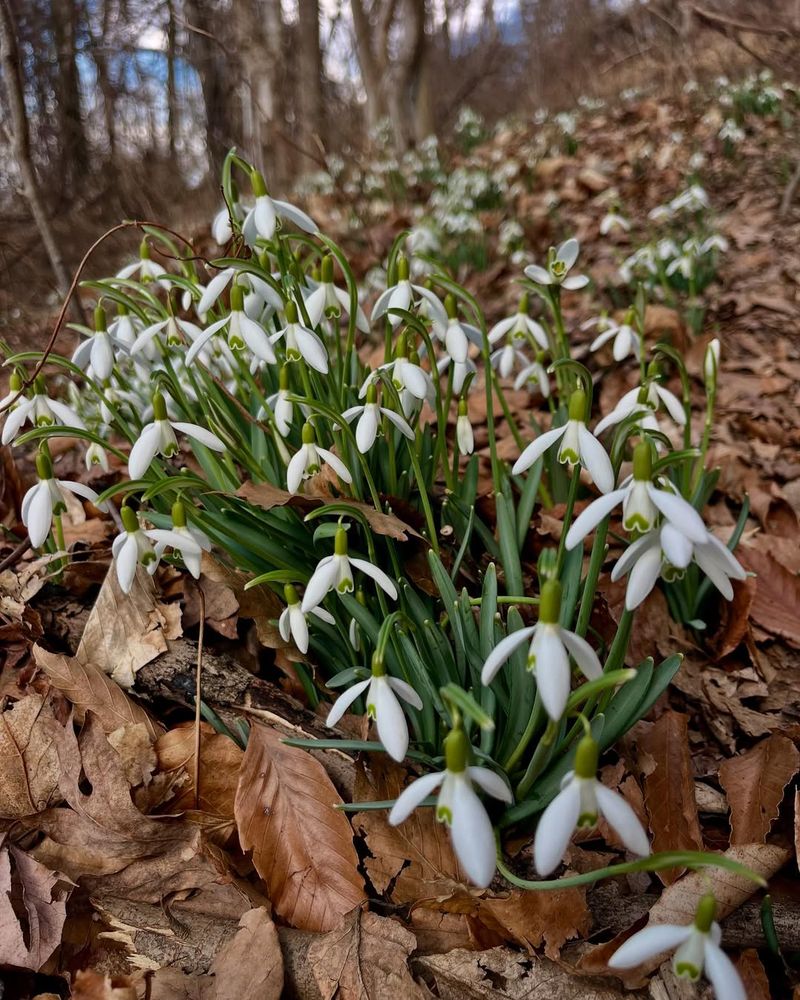
Nothing says hope like seeing delicate white flowers pushing through frozen ground. Snowdrops are the earliest bloomers in Pennsylvania gardens, sometimes appearing in late February when winter still holds tight.
Their nodding white bells often bloom right through snow, living up to their name perfectly. Plant snowdrop bulbs as early as possible in fall, ideally September.
They don’t store well out of the ground, so plant them promptly after purchase. Set bulbs about three inches deep and three inches apart in areas with good drainage.
Snowdrops prefer spots that get spring sun but summer shade, making them perfect under deciduous trees. They naturalize beautifully in Pennsylvania woodlands and shaded garden areas.
Over time, clumps grow larger and can be divided to spread throughout your property. Each flower is small but charming, with three outer petals and three shorter inner petals marked with green.
When planted in large groups, snowdrops create drifts of white that brighten dreary late winter landscapes. Pennsylvania gardeners treasure these tiny flowers as the first real sign that spring approaches.
Foliage disappears by late spring, so snowdrops work well planted where later perennials will fill in. They need minimal care once established and slowly multiply over years.
Some Pennsylvania gardeners have snowdrop patches that have been spreading for decades. Finding snowdrops in bloom during a warm spell in late winter feels like discovering treasure.
Bees appreciate them too, as they provide nectar when almost nothing else blooms. These modest little bulbs punch above their weight in terms of the joy they bring to Pennsylvania gardens emerging from winter’s grip.